The Genre Genesis: From Historical Foundations to Next-Gen Vanguard
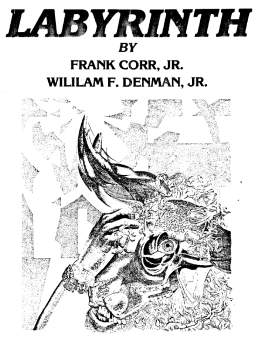
Procedurally generated 3D maze navigation, first-person wireframe perspective scaling, minotaur evasion reflexes, and Doug Carlston’s algorithmic programming vision (sitting before an Apple II or TRS-80 computer in 1980: generating a brand-new random procedural maze on your monitor, viewing a real-time first-person wireframe perspective of winding stone corridors, pressing forward and turn keys to explore the labyrinth, consulting an overhead radar minimap to track your current coordinates, picking up glowing silver and gold keys scattered through dead ends, hearing the terrifying roar of a roaming minotaur echoing down adjacent corridors, dodging through an emergency teleportation portal to escape the beast, unlocking the sealed iron gate, and stepping through the radiant golden exit archway), paired with Carlston, Broderbund, and procedural crawler summits—from Labyrinth (1980), Rogue (1980), Wizardry, The Sentinel, and procedural exploration games—trace their undisputed, most mathematically elegant golden genesis to 1980 with Doug Carlston’s classic, Labyrinth.
Conceived, designed, and coded by Doug Carlston for Broderbund Software on Apple II and TRS-80, Labyrinth pioneered procedural 3D mazes.
Platform Context & Gaming Environment
Navigating the infinite maze across The 1980 Microcomputer Frontier:
- Pioneered Algorithmic Procedural Generation: Generates unique, fully solvable 3D wireframe mazes on every playthrough.
- Dual-View Interface: Displays both first-person pseudo-3D corridor view and a real-time overhead minimap.
- Roaming Minotaur AI: Mobile predator patrols maze passages, forcing players to adapt navigation routes.
- Optimized Microcomputer Code: Executed seamlessly in 16 KB of RAM across Apple II and TRS-80.
- Published by Broderbund Software: An iconic early release in Broderbund’s founding software catalog.
Anticipation & Cultural Standing: Niche vs. Global Phenomenon
Labyrinth was warmly praised across computer clubs and hobbyist publications in 1980 and 1981 for its endless replayability, clever procedural algorithms, and suspenseful first-person atmosphere.
Gameplay Mechanics & Next-Gen Innovations
Labyrinth established foundational procedural maze mechanics:
- Procedural Maze Generation: Algorithmic generation of complex branching corridors and dead-end networks.
- First-Person Wireframe Step Traversal: Smooth corridor perspective scaling during forward and rotational movement.
- Key & Lock Inventory Progression: Collecting color-coded keys to open locked gate barriers.
- Predator Detection & Evasion: Listening for proximity audio cues to steer clear of roaming minotaurs.
- Microcomputer Audio Feedback: Speaker clicks for footsteps, gate unlocks, minotaur growls, and exit fanfares.
Historical Legacy & Future Trajectory
Labyrinth is an essential milestone in procedural game design, an iconic showcase of Doug Carlston’s versatile coding talent, and an enduring monument to Broderbund.


