The Genre Genesis: From Historical Foundations to Next-Gen Vanguard
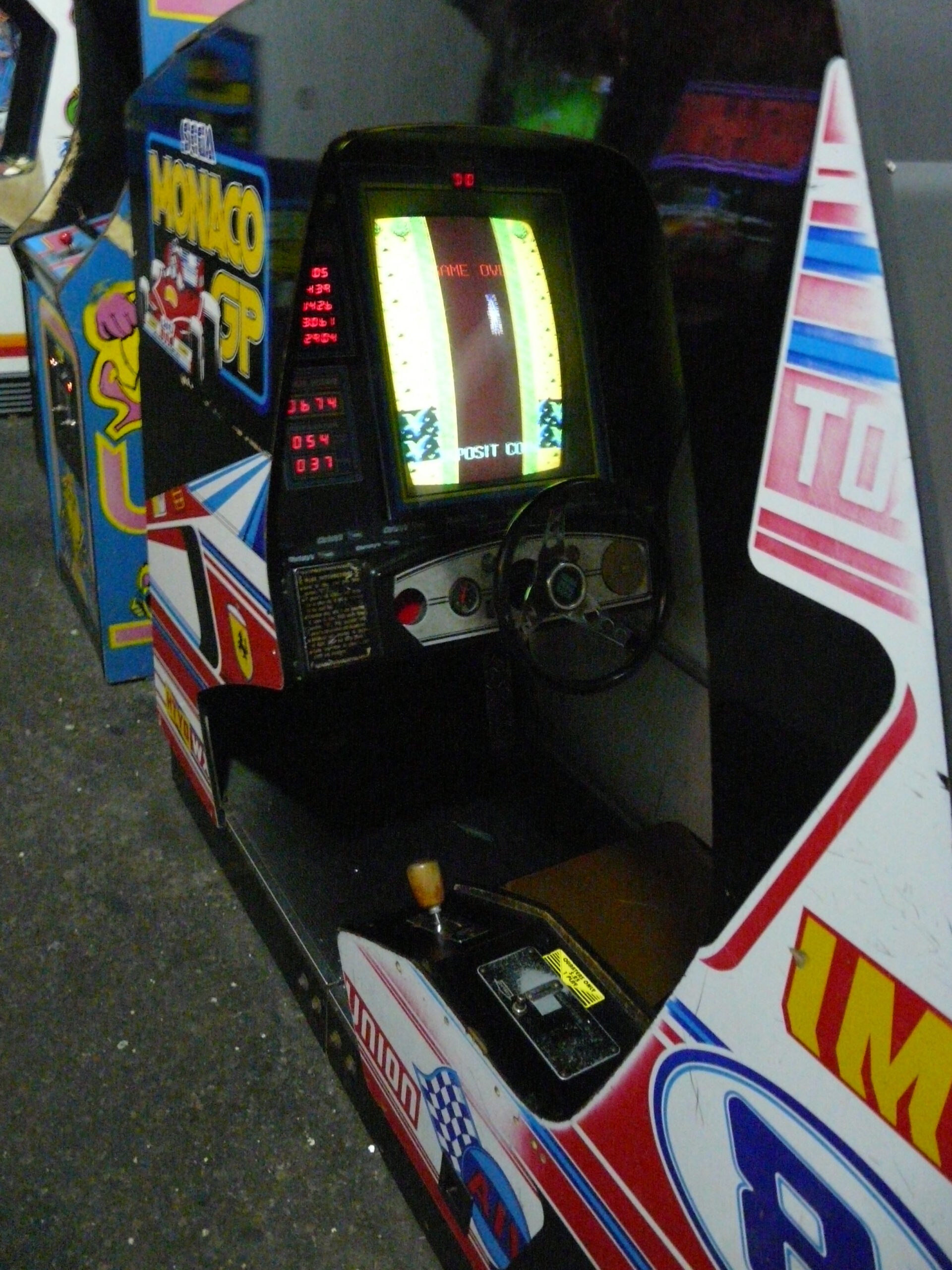
High-speed Formula One cockpit adrenaline, analog steering drift mastery, and the glorious technological summit of discrete-logic engineering (sitting inside Sega’s deluxe molded fiberglass cockpit cabinet in November 1979: gripping the textured three-spoke steering wheel with both hands and slamming your foot down on the spring-loaded accelerator pedal, shifting the heavy metal floor shifter from Low into High as the analog tachometer needle leaps across the illuminated dashboard, watching your yellow Grand Prix race car tear up a narrow vertical roadway displayed on the high-contrast color screen, weaving through dense traffic clusters of rival red and blue race cars, counter-steering sharply to prevent catastrophic spin-outs across slippery blue ice patches and rain puddles, roaring into a pitch-black night tunnel where only your headlights pierce the darkness, dodging a high-speed emergency ambulance with flashing red beacons, and crossing the extended-play checkpoint to hear the roaring crowd cheering audio), paired with Suzuki and Sega’s legendary racing summit—from Monaco GP (1979), Turbo (1981), OutRun (1986), Super Monaco GP (1989), Daytona USA, and modern arcade racers—trace their undisputed, most mechanically exquisite golden genesis to November 1979 with Sega’s immortal triumph, Monaco GP.
Conceived, designed, and custom-engineered by Hisashi Suzuki at Sega using Custom Discrete TTL Hardware (No CPU), Monaco GP was one of the greatest commercial arcade hits of the late 1970s and 1980s.
Platform Context & Gaming Environment
Speeding through Monaco across Sega’s Discrete-Logic Hardware Summit:
- The Pinnacle of Discrete Logic: Built entirely without a CPU microprocessor, utilizing pure high-speed discrete TTL logic chips.
- Deluxe Cockpit & Upright Form Factors: Immersive molded sit-down fiberglass cockpit cabinet with real automotive dashboard dials.
- Full Analog Driving Controls: Smooth continuous analog steering wheel, progressive throttle pedal, and 2-speed High/Low shifter.
- Dynamic Environmental Hazards: Narrowing bridge bottlenecks, rain puddles, slippery ice patches, and unlit night tunnels.
- Unprecedented Arcade Longevity: Remained a top-earning centerpiece in arcades for over seven years after release.
Anticipation & Cultural Standing: Niche vs. Global Phenomenon
Monaco GP was an absolute worldwide sensation. Its lightning-fast speed, authentic automotive controls, and thrilling hazard variety made it a permanent fixture in bowling alleys, arcades, and service stations across Japan, Europe, and North America well into the mid-1980s, establishing Sega as the undisputed king of arcade racing.
Gameplay Mechanics & Next-Gen Innovations
Monaco GP established foundational arcade racing mechanics:
- Two-Speed Transmission Acceleration: Managing Low gear for initial launch torque before shifting to High gear for top-speed cruising.
- Traction & Environmental Hazards: Rain puddles induce hydroplaning drifts; ice rinks eliminate steering response, demanding pre-turn alignment.
- Dynamic Day-to-Night Transitions: Entering dark tunnels narrows the player’s visibility field to a forward-projecting headlight beam.
- High-Speed Hazard Vehicles: Fast-moving ambulances and aggressive rival drivers requiring split-second evasive reflexes.
- Synthesized Engine Audio & Roars: Realistic multi-frequency engine RPM pitch shifts, screeching tire skids, and crash explosions.
Historical Legacy & Future Trajectory
Monaco GP is a sacred pillar of arcade history, the triumphant final masterpiece of discrete logic, and the foundational ancestor that paved the way for *Turbo*, *OutRun*, and *Super Monaco GP*.


