
In the ever‑shifting landscape of the 2020s, a meme that began as a simple “For the Better, Right?” jab from a Star Wars film has become a cultural shorthand for the era’s relentless surprises. Over the past five years, it has captured the absurdity of pandemic nostalgia, the return of political folly, and now the frantic scramble to capitalize on an AI boom that is inflating the cost of essential tech components.
Each time a new shock hits, I’ve imagined that the forces of rationality and self‑interest would eventually restore equilibrium. Instead, governments are retracing steps that once bolstered public health, the current administration has imposed martial law over a seemingly trivial algae pond, and the price of consumer electronics keeps climbing. Even Apple, the titan of global supply chains, is feeling the squeeze of a chronic RAM shortage.
Today, Apple announced a series of steep price increases that have stunned the market. The MacBook Air now retails for $1,300, up from $1,100. The 14‑inch MacBook Pro has risen to $2,000, up from $1,700. Even the MacBook Neo, introduced earlier this year as Apple’s premium‑designed budget laptop, has seen its price jump from $600 to $700. The company’s outgoing CEO, Tim Cook, warned of these hikes just last week.
In a statement to The Wall Street Journal, Cook explained, “We’re doing our best to mitigate the huge increases that are being passed to us, and we’ve been trying to shield our customers from the increases, but the situation has become unsustainable.” He added, “I’ve never seen anything like it in any area in over 40 years.”
Tim Cook has transformed Apple into a global hardware powerhouse by orchestrating supply‑chain strategies that would make even the most meticulous Path of Exile 2 buildcrafter weep. From constructing entire production hubs in China to slash costs, Apple’s logistics playbook is nothing short of audacious. Yet as AI‑driven data centers expand at breakneck speed, the company’s razor‑thin profit margins could be under siege, leaving little room for the smaller players to compete.
Valve’s latest Steam Machine is now priced at $1,050—roughly $300 above the original launch target—highlighting the company’s manufacturing bottlenecks. The inconsistent component sourcing is evident: some units ship with two 8 GB RAM sticks, while others come with a single 16 GB module. This patchwork approach mirrors a last‑minute grocery stretch, underscoring the broader supply crunch that’s forcing gamers to pay a premium for a device that was once touted as a paradigm shift.
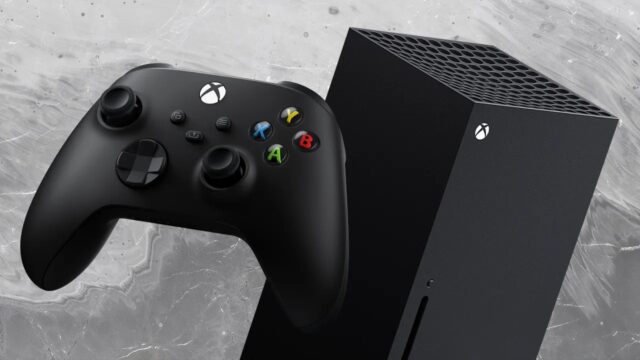
Microsoft, which markets itself as a console titan, is now grappling with supply shocks exacerbated by its own AI ventures. The company can no longer offer the nearly six‑year‑old Xbox Series S, equipped with 10 GB of RAM, for under $500. “The entire consumer electronics industry is struggling with the current components crisis, but the effects are particularly hard on consoles,” Microsoft announced on June 25.
The company’s candid tone marks a sharp shift from the usual vague “economic conditions” jargon. Microsoft projects that storage and memory prices could double again by fall, suggesting the component crisis is far from over and that the market may see further volatility in the coming months.
Micron’s chief executive, Sanjay Mehrotra, cautioned in the company’s latest earnings report that the semiconductor market will remain constrained well beyond 2027, driven by a surge in AI‑related demand across all sectors and persistent structural supply limits.
Yet every price bump still feels like the final one to me. Could the Xbox Series X ever exceed $800? Might Sony push the PS5 Pro to $1,000 before Christmas? With Grand Theft Auto 6 finally on the horizon, will gamers be able to secure a console? The COVID‑era hardware crunch seemed like a one‑off blip. Will manufacturers simply ramp up RAM production to meet the demand?
Markets may seem irrational, but they will eventually find equilibrium. Capitalism is harsh yet self‑sustaining; if the system falters, forces will intervene to prevent a total collapse. I can no longer rely on faith alone, even though my imagination has been conditioned otherwise. I recognize that console price hikes will persist, even if I cannot picture a return to the 1980s‑style luxury status of early PCs and VCRs.
I’m uncertain how much further the situation can deteriorate, but I know that when I last declared “It can’t get any worse, right?” that moment turned out to be the final optimal window to purchase a new Steam Deck, Switch 2, or PS5. The next best window is likely now.
❓ Frequently Asked Questions (FAQ)
Why has Apple increased the prices of its MacBook lineup, including the MacBook Neo?
Apple cited a chronic shortage of RAM and other essential components, coupled with supply‑chain bottlenecks and rising manufacturing costs, as the primary reasons for the price hikes. The company argues that these external pressures have made it necessary to adjust retail prices to maintain profitability and continue delivering high‑quality devices.
What impact will the price increases have on consumers who want a budget laptop?
Consumers looking for a budget option will see the MacBook Neo’s price rise from $600 to $700, which may push some buyers toward alternative brands or older MacBook models that have not seen similar increases. However, the price jump is relatively modest compared to the overall cost of the device, so many users may still find it a viable option if they value Apple’s ecosystem and build quality.
How might these price hikes affect competition in the laptop market?
Apple’s price increases could prompt competitors to adjust their own pricing strategies, either by offering more aggressively priced models or by emphasizing unique features to differentiate themselves. It may also accelerate the shift toward mid‑tier laptops from other manufacturers, as consumers seek the best balance between cost and performance in a market where component prices are rising across the board.
News Source: Kotaku





Comments
Be the first to comment.