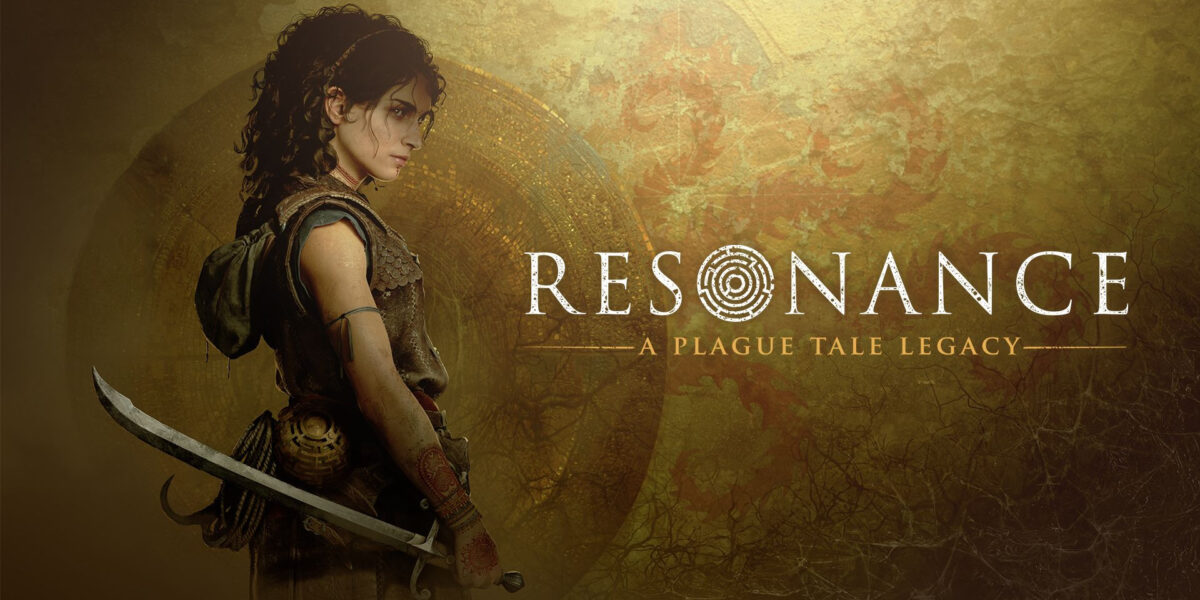
Asobo Studio is redefining the A Plague Tale universe with Resonance: A Plague Tale Legacy, a prequel spin‑off that strips away the iconic rats and pivots toward a more action‑driven experience. While the original titles relied on stealth and emotionally charged storytelling reminiscent of Naughty Dog’s The Last of Us, Resonance introduces a new heroine, Sophia, and gameplay mechanics that echo the adventurous flair of Uncharted. Despite this shift, early hands‑on impressions confirm that the game still carries the unmistakable spirit of its predecessors.
Sophia isn’t a newcomer to the series; she first appeared as a Greek smuggler in Requiem, aiding Amicia and Hugo. In Resonance, however, her narrative unfolds a full fifteen years later, centering on her and her companion Leni as they arrive on the Minotaur’s Island—a sun‑kissed Mediterranean haven that promises wealth and legacy, yet conceals a sinister, buried menace beneath its sands.
Combat takes center stage in Resonance. Unlike Amicia, who evolved into a hardened protector, Sophia is an innate warrior, armed with both sword and dagger. Players must master timing—parrying incoming blows to dismantle foes, especially when surrounded. The game also offers a variety of tactics: throwing items, kicking enemies, or employing a grappling hook to channel her inner Scorpion and haul adversaries from precarious heights.
Sophia’s abilities can be refined using Resonance Points scattered throughout the world, and she boasts a robust health pool that can absorb three hits. Defeating enemies even restores a health point, a clever mechanic that keeps players in the fray longer. While the design feels familiar, the execution is swift, engaging, and peppered with brutal finishing moves—an impressive debut for Asobo’s first foray into this action‑centric genre.
Beyond the battlefield, Sophia’s journey is punctuated by intricate puzzles and immersive exploration, echoing the atmospheric tension of classic titles like The Plague Tale, Uncharted, and Tomb Raider. In the recent showcase, players were tasked with unlocking a door guarded by four distinct symbols, each hidden across separate, enemy‑laden zones. The challenges often hinged on manipulating light—whether by wielding a key‑shaped sphere or redirecting beams—to reveal hidden passages. Occasionally, Sophia and her companion Leni collaborate to crack these enigmas, giving Leni a more active role than a mere sidekick. To aid memory, Sophia records clues and narrative snippets in a journal, a mechanic reminiscent of Nathan Drake’s trusty notebook. One memorable puzzle required navigating a sequence of booby‑trapped blocks in the correct order; if a player forgets the pattern, the journal serves as a quick refresher.
The preview’s second chapter introduced a chilling horror segment, with Sophia stealthily traversing an underground lair while evading a lurking monster. This creature, a narrative thread linking the trilogy, forces the gameplay to shift back to a tense, stealth‑oriented mode, offering a refreshing contrast to the series’ usual action focus.
Concerns that an emphasis on combat might dilute storytelling are unfounded. The narrative remains central, weaving a compelling tale of loyalty and camaraderie between Sophia and Leni. Their banter—alternating between playful ribbing and earnest dialogue—underscores a deep bond that enriches every encounter.
What truly captivates is the game’s fusion of ancient lore and supernatural intrigue, steeped in Greek mythology and centered around the legendary Theseus. Sophia’s visions transport her back to the era of Theseus, allowing players to experience the myth firsthand. A standout moment from the preview featured players assuming the role of Theseus as he battles through a deadly tournament, leaving a trail of fallen foes in his wake. For fans of epic historical combat, this visceral reenactment—reminiscent of the blood‑soaked swordplay in Ryse: Son of Rome—is a thrilling highlight.
While Innocence and Requiem dazzled with their aesthetics, Resonance elevates visual artistry to new heights. The Mediterranean backdrop, modeled after Crete, provides a compelling canvas, yet it is the meticulous detail that truly captivates—Asobo Studio invested extensive research to craft an authentically immersive world. Complementing this is Olivier Derivière’s score, a composer whose touch consistently enhances any title, and early impressions suggest Resonance will be no exception.
Too often developers stop short of delving deeper into the realms they craft, missing opportunities to weave fresh narratives. The effort poured into building these worlds deserves to be fully realized, and Asobo Studio is embracing that challenge with Resonance: A Plague Tale Legacy. By pivoting from stealth to action, the game promises to revitalize the franchise and offer players a renewed experience.
Resonance: A Plague Tale Legacy will launch across PlayStation 5, Xbox Series X|S, and PC on August 27, with day‑one access granted to Xbox Game Pass subscribers.
Having grown up on survival horror, point‑and‑click adventures, and beat‑em‑ups, Zach now champions Homefront: The Revolution while yearning for a sequel to The Order: 1886 and a live‑action adaptation of Treasure Planet. A devoted supporter of Carlton, Burnley FC, and the SJ Sharks, he can be found on Twitter as @tightinthejorts.
❓ Frequently Asked Questions (FAQ)
Where can I find more details about Resonance: A Plague Tale Legacy Preview – Uncharted Territory?
Further details and updates can be followed through official game channels and the source link provided in the article.
News Source: Com






Comments
Be the first to comment.