
About this game
h1, h2 { font-weight: bold; color: #4c87a5; margin-bottom: 20px; }
p { line-height: 1.6; margin-bottom: 20px; }
a { text-decoration: none; color: #4c87a5; }
a:hover { text-decoration: underline; }
Introduction: The Next Chapter for Perfect Tides: Station to Station
Perfect Tides: Station to Station, the sequel to 1987’s seminal “Perfect Tides,” continues its narrative-driven adventure format in a semi-autobiographical style. This time around, it was developed by studio Three Bees and written and directed by Meredith Gran, making this game an important milestone for the developer.
Meredith Gran’s previous work on Perfect Tides and her subsequent development of Station to Station have demonstrated her ability to craft complex narratives with relatable characters. The story revolves around college freshman Mara Whitefish as she navigates campus life amidst the backdrop of her mother’s recent death, which sets the stage for an emotional journey through the highs and lows of a young woman’s transition into adulthood.
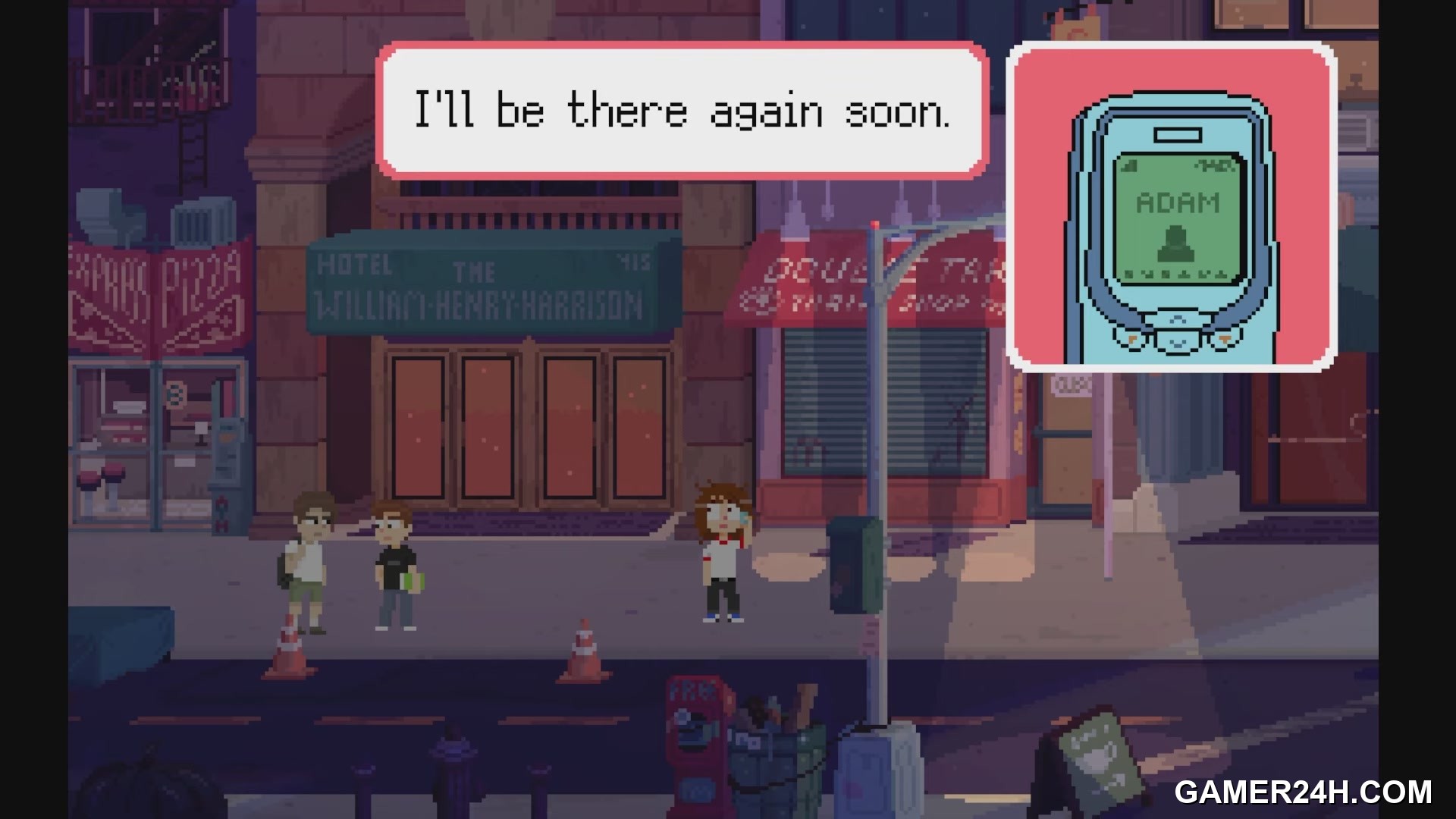
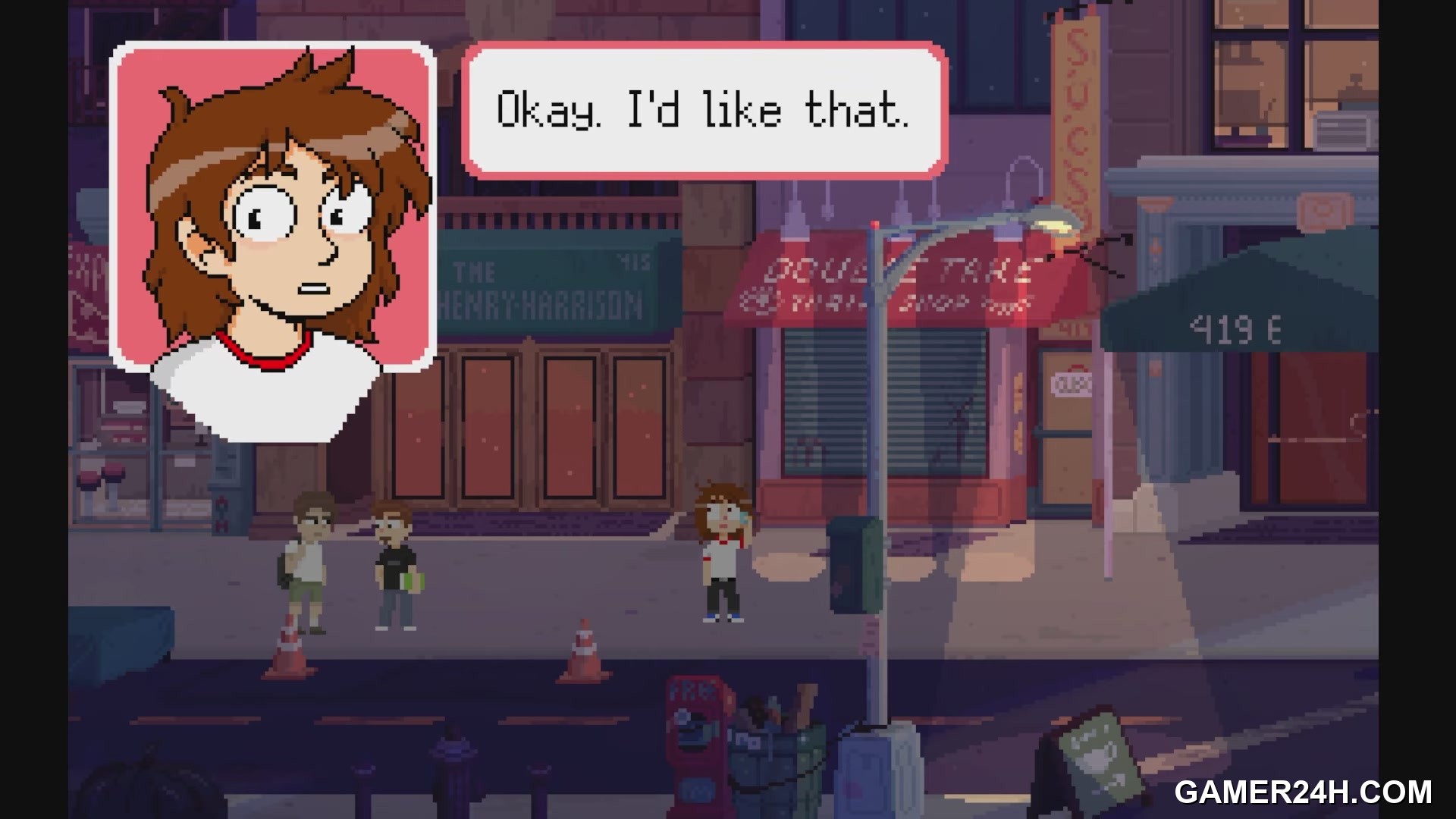
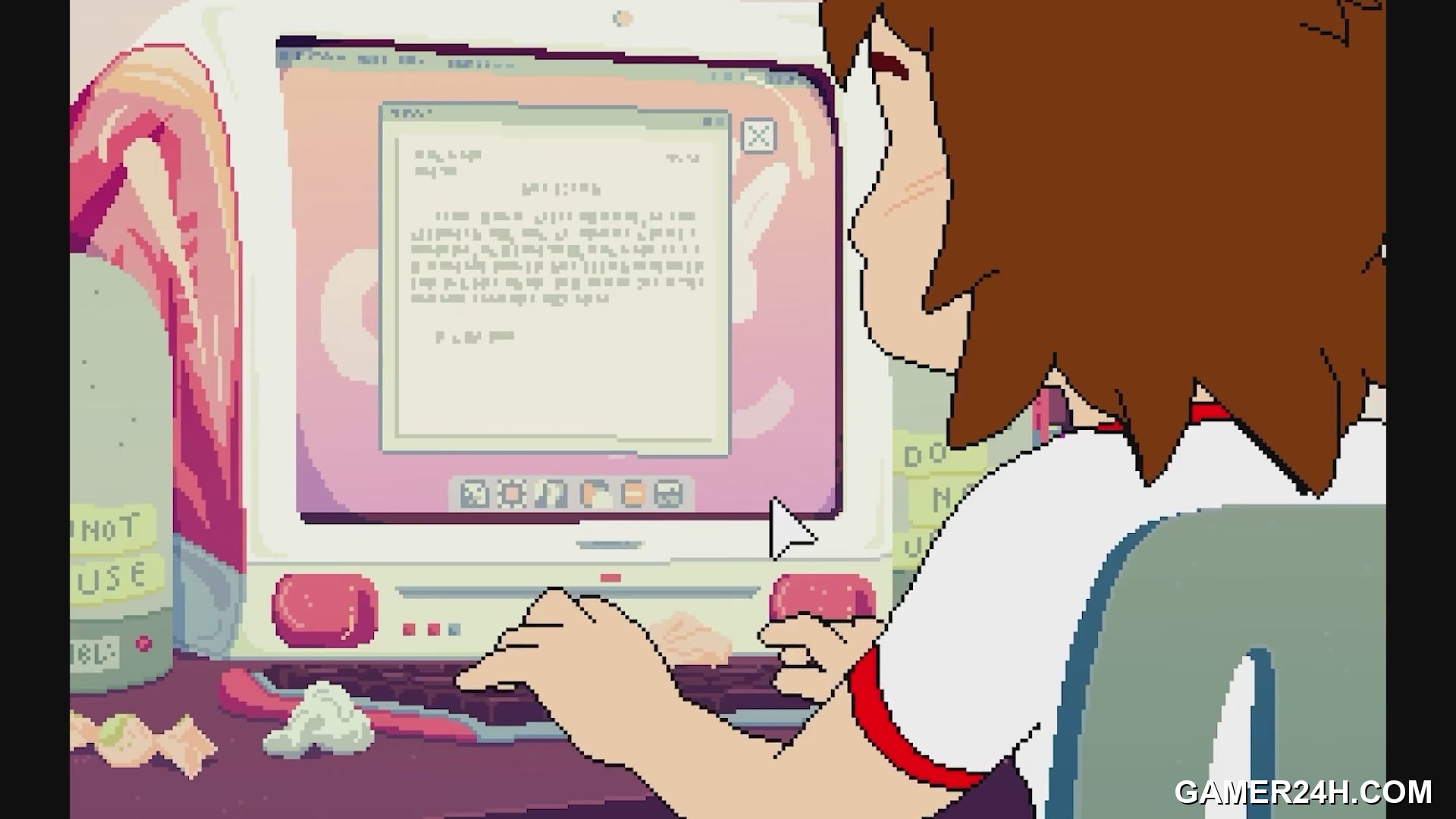
The game, set in 2003, presents itself as a continuation of the first title’s story, but it also introduces new elements that expand upon what was previously explored. The narrative is presented in a point-and-click adventure format, allowing players to interact with their surroundings and progress through the story by making choices.
The game’s visuals are designed to be visually appealing and detailed, reflecting the developer’s commitment to creating an immersive environment for its audience. Three Bees has worked diligently on graphics engineering, incorporating realistic elements such as lighting effects, weather changes, and environmental cues that enhance the player’s experience of being transported into this alternate universe.
Visual Direction and Graphics Engineering
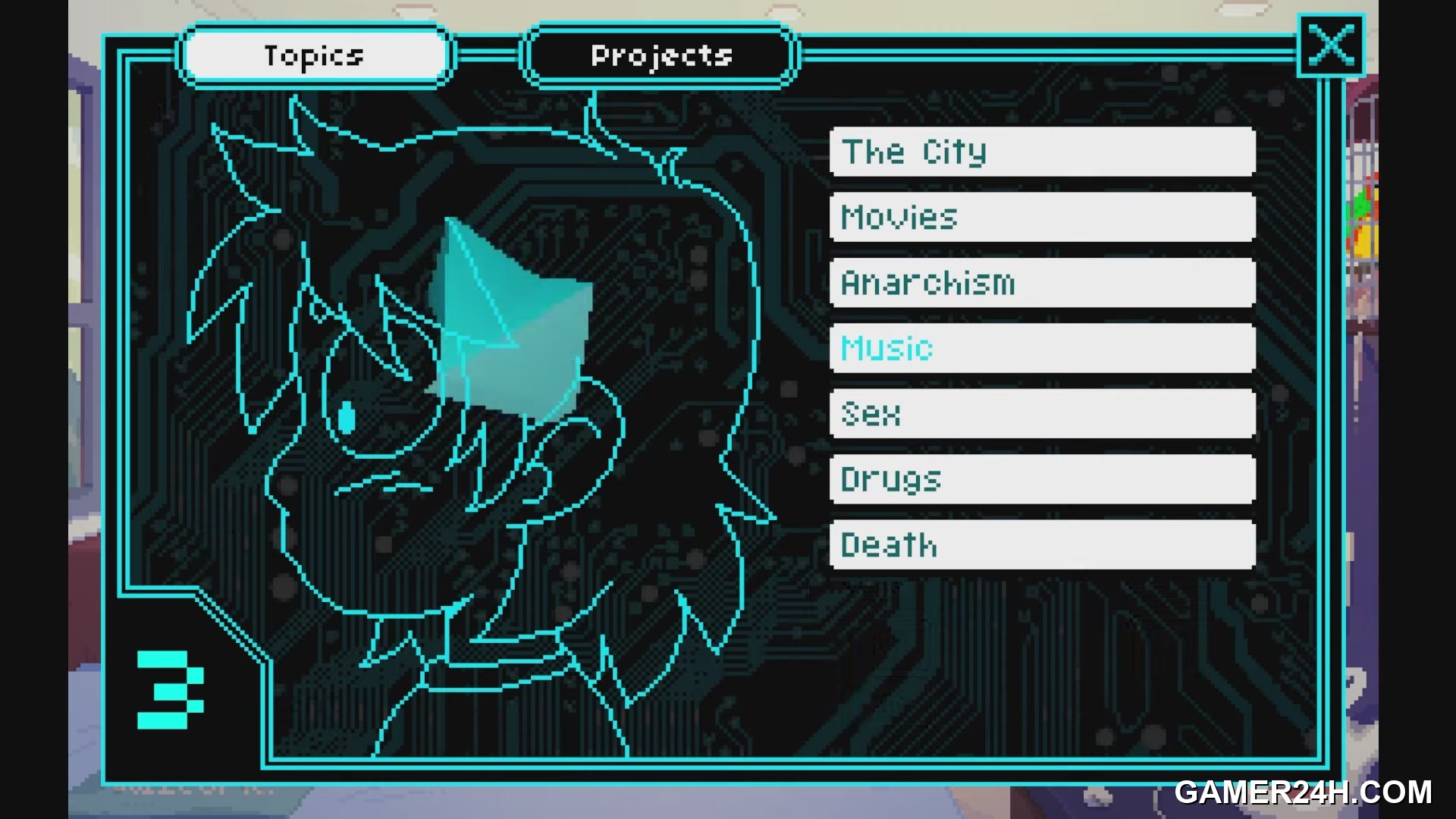
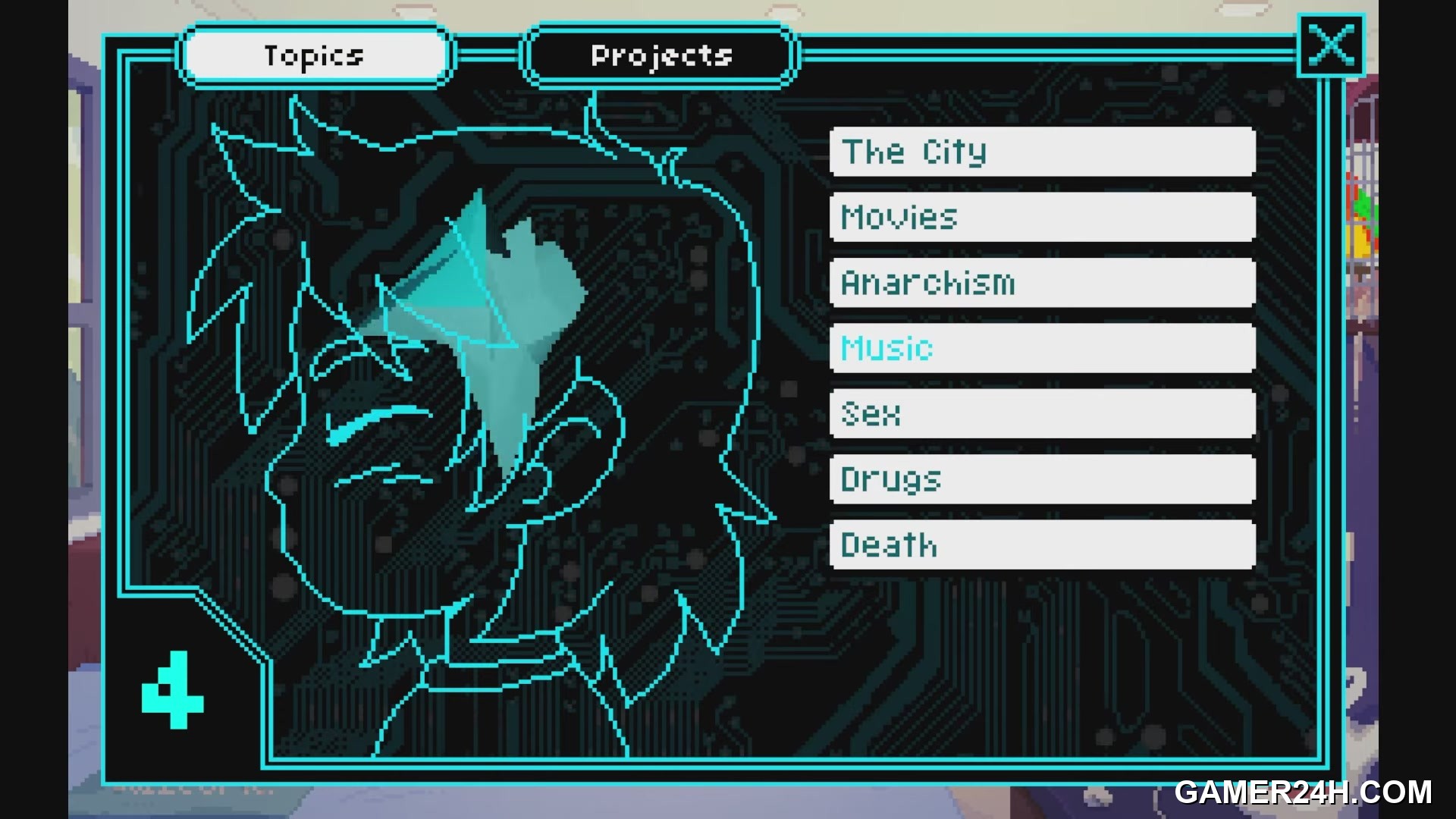
The visuals in Station to Station are a crucial aspect of the game’s appeal. Three Bees has meticulously crafted a world that feels both familiar and alien at the same time. The art style is reminiscent of 3D graphics from recent years, with a strong focus on realism through detailed textures and lighting effects.
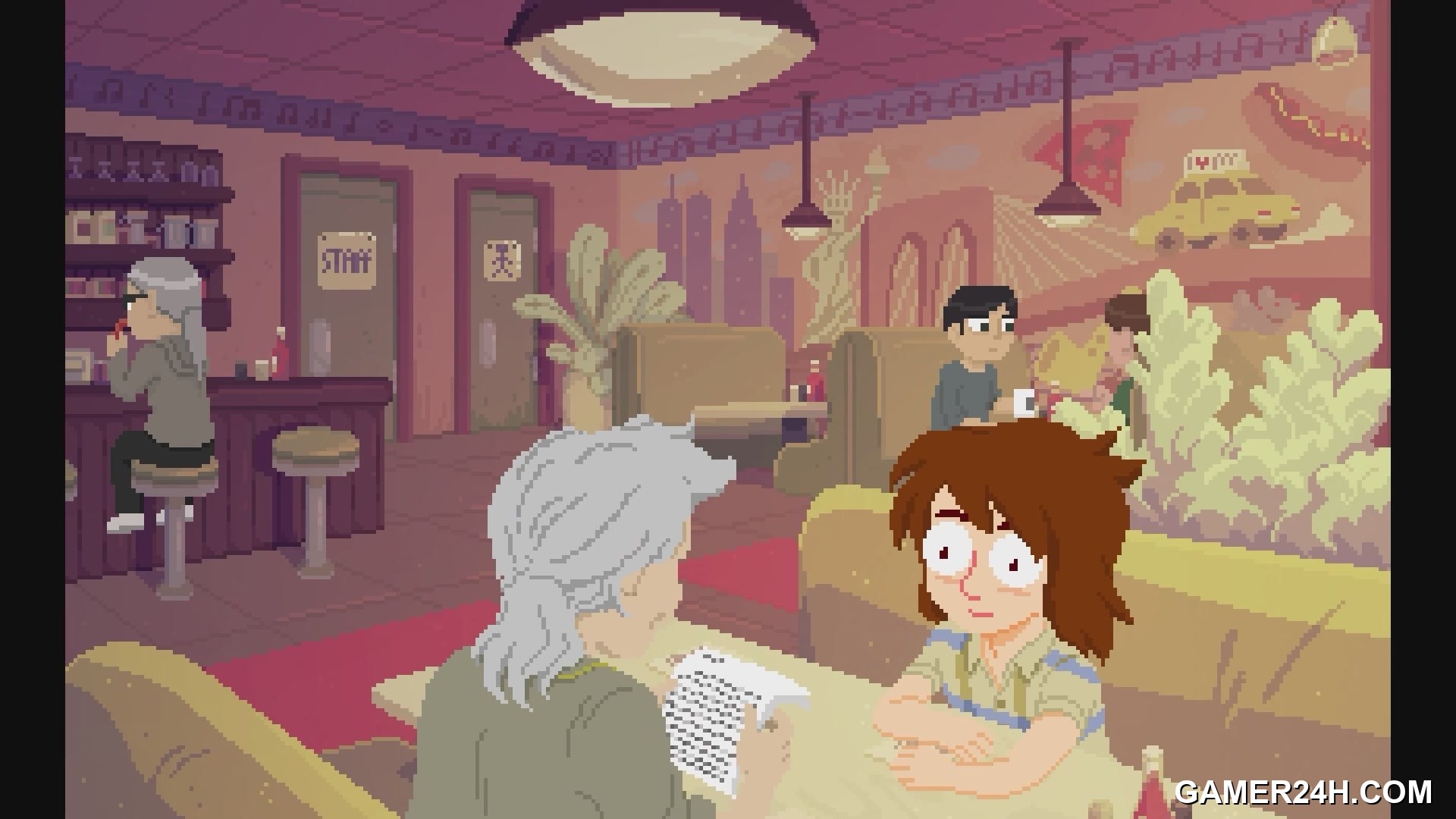
One standout feature is the attention to detail in the environments. From the lush greenery outside campus buildings to the muted colors inside dorm rooms, every environment has been meticulously designed to feel as authentic as possible. The game’s use of shadows and reflections adds depth and realism to the visuals, making it easy for players to immerse themselves in Mara’s world.
The characters are also a significant part of the visual experience, with Mara herself being an excellent representation of her young protagonist. Her facial expressions and body language convey a wide range of emotions that resonate well with the player, making it easier for them to connect with the character on a personal level.
Graphics-wise, Station to Station stands out among other games in its genre because of its ability to blend realism with art direction. The game’s visual style is not only appealing but also educational, as players can learn more about different environments and situations by interacting with them.
Gameplay Mechanics and Core Systems
The gameplay mechanics in Station to Station are simple yet effective. Players navigate through a series of choices that lead to various outcomes, much like the first Perfect Tides game. The core systems revolve around decision-making, where each action has consequences that impact the storyline.
One notable feature is the interactive elements such as doors and switches that can be activated or disabled based on player choices. These mechanics allow for a deeper exploration of Mara’s environment and help players feel like they are truly experiencing her world.
The game also includes puzzles and mini-games that require strategic thinking, which further engages the player in their decision-making process. The puzzles presented in the game are designed to be challenging yet accessible, ensuring that every interaction contributes positively to the narrative.
Level Design and World Atmosphere
The level design of Station to Station is meticulously crafted to feel both realistic and immersive. Each level is carefully laid out with a focus on creating a sense of place for Mara’s experiences. The game seamlessly transitions between different environments, such as classrooms, dormitories, and outdoor settings like parks and beaches.
The world atmosphere in the game is highly effective, thanks to the combination of detailed backgrounds and atmospheric elements that enhance the player’s environment. Whether it’s the feel of a cold rain on campus or the sun-kissed beachside, these details contribute significantly to the overall immersion.
One interesting aspect of the level design is how it reflects the mood and themes of each scene. For instance, entering a classroom where Mara studies can be compared to her current emotional state, making it easier for players to connect with the character’s story through their environment.
Narrative Depth and Character Profiles
The narrative depth in Station to Station is both compelling and nuanced. The game’s characters are well-developed, each contributing a unique perspective on Mara’s journey. From her strained relationships at college to her reflections on family life, the character-driven story keeps players engaged throughout.
Mara herself is a relatable protagonist who struggles with balancing schoolwork, personal growth, and navigating complex emotions like grief. Her decision-making process mirrors that of many young adults trying to find their footing in college life, making it easier for players to connect with her as they make choices that affect the story’s outcome.
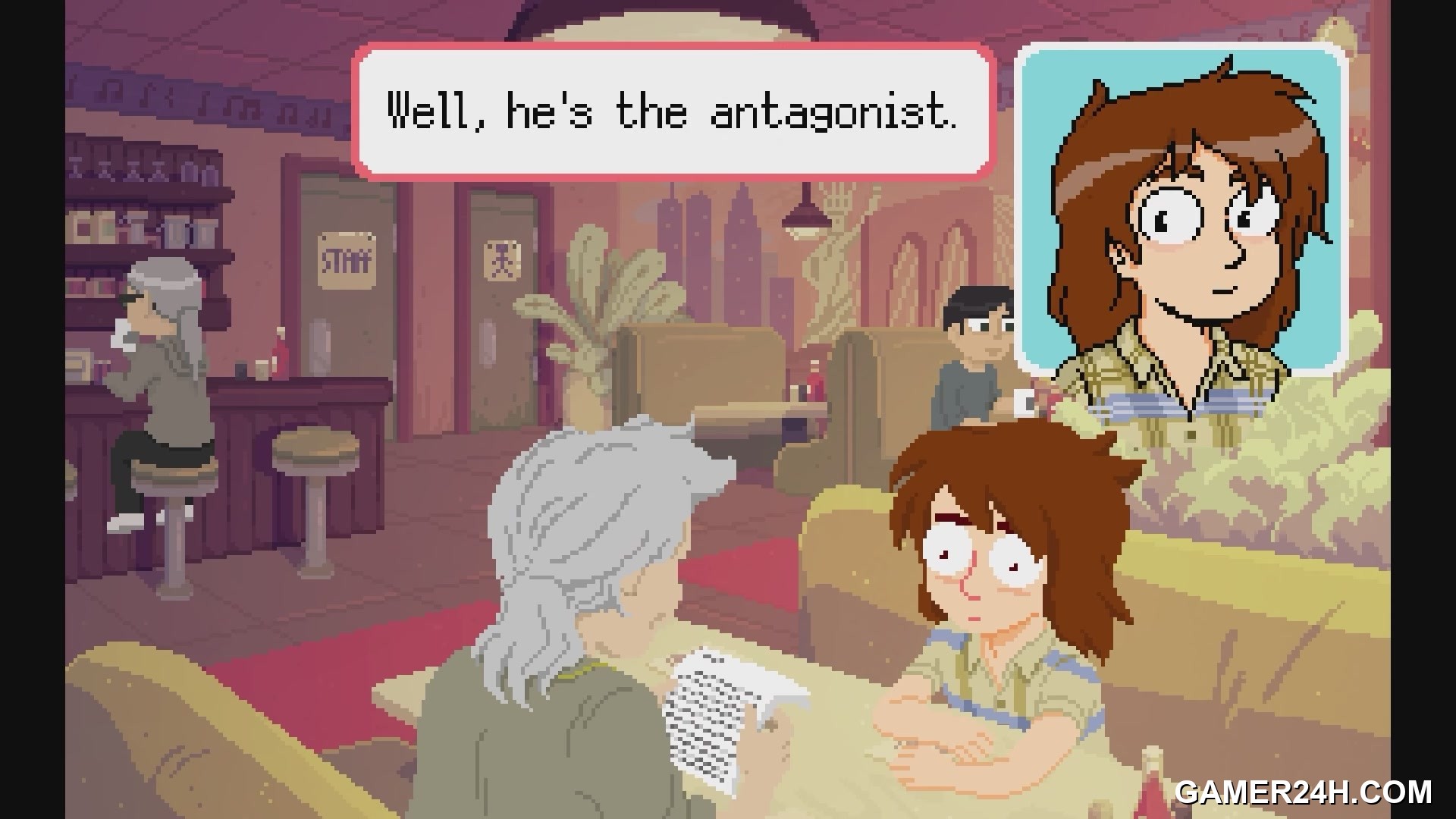
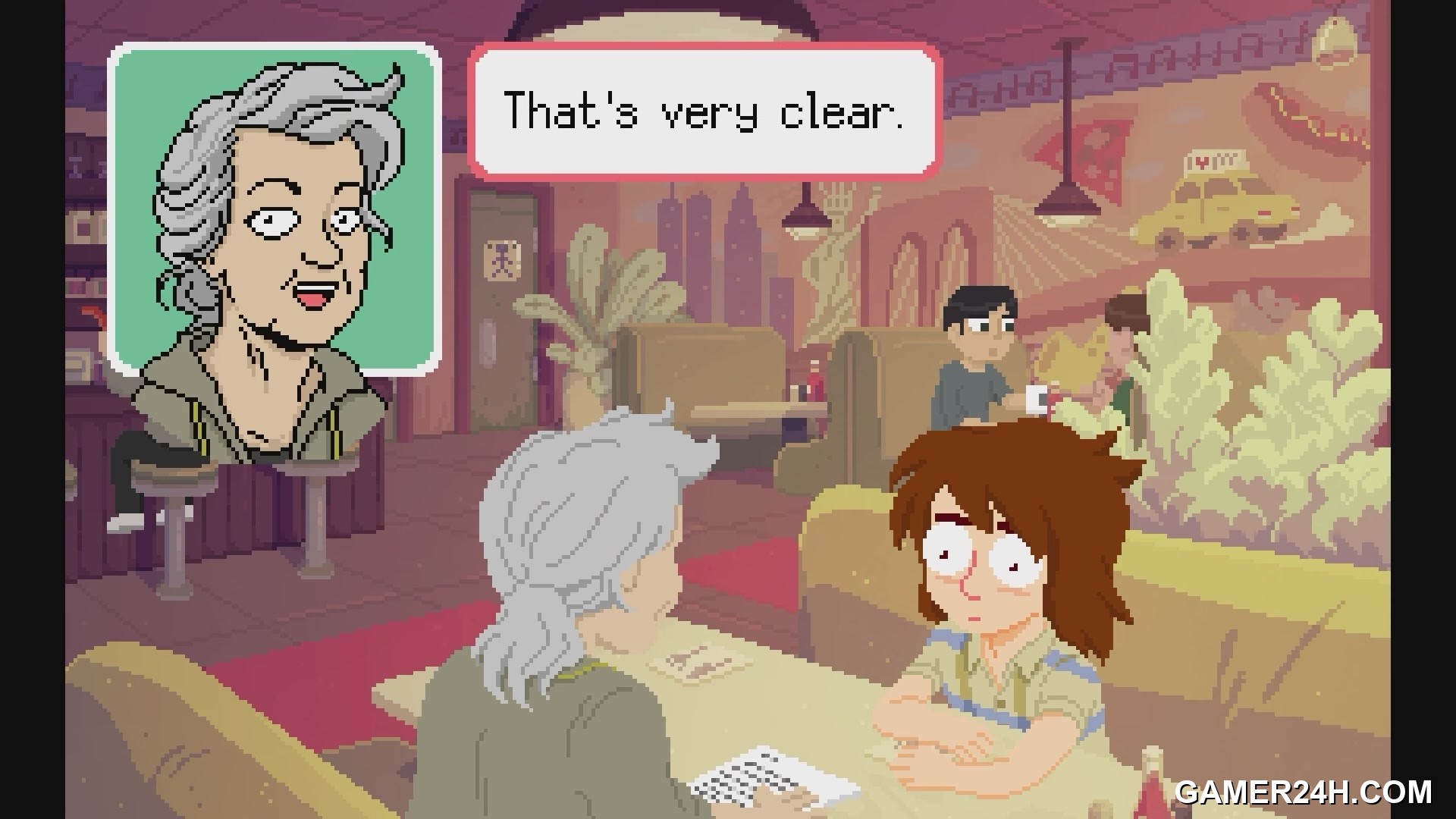
The character dialogue in Station to Station is well-written, adding authenticity to Mara’s interactions. The characters’ dialogues are crafted to feel natural and reflective of real-life conversations, which enhances the realism of the narrative.
Sound Design and Acoustic Realism
The sound design in Station to Station is a standout feature that adds another layer of immersion to the game. The developers have made an effort to create realistic sounds, such as footsteps, door creaks, and ambient noises, making every action feel immediate.
One particularly effective aspect of the sound design is how it enhances the player’s experience by creating a sense of presence in each environment. For example, walking through a forest can be enhanced with subtle wind sounds that add to the atmosphere, while entering a classroom has different sounds associated with desks and books being opened.
The use of realistic background music also complements the storytelling, enhancing the emotional impact of key moments within the narrative. The soundtrack changes in response to Mara’s mood swings, which further contributes to the realism of her journey.
Release Expectations and Community Hype
Station to Station is expected to be a significant addition to the Perfect Tides series, building upon its success with previous titles. With an ambitious storyline that delves into themes of grief, family dynamics, and coming-of-age, players can expect an emotional journey.
The game’s release has been anticipated by fans of the original trilogy, as well as newcomers who are curious about where the story is heading next in the series. The trailer released for Station to Station hints at a narrative that builds on previous experiences while introducing new elements that expand the world and characters.
Community hype around the game suggests a strong following among gamers who enjoy interactive adventure games with detailed narratives. Fans of the original Perfect Tides have been excited about what the sequel will bring, eager to see how Mara’s story unfolds in 2003.
Conclusion: The Future of Perfect Tides: Station to Station
Perfect Tides: Station to Station promises to be a significant addition to the series, offering an emotionally charged narrative that explores complex themes through relatable character development. With detailed visuals, engaging gameplay mechanics, and realistic sound design, the game is poised to deliver on its promise of bringing new life to the beloved 3D adventure genre.
As players journey through the story, they are encouraged to make choices that affect their environment, adding an element of unpredictability and choice-making to the already rich narrative. The combination of Mara’s personal experiences with a deep exploration of her world will ensure that Station to Station stands out as an entry into the Perfect Tides universe.
The game’s release is expected in 2026, and it promises to be one of the first titles from Three Bees, bringing new excitement to the semi-autobiographical adventure format that has captivated audiences for decades.
.single-share-action-btn:hover { transform: translateY(-2px); box-shadow: 0 6px 20px rgba(37, 99, 235, 0.4) !important; background: linear-gradient(135deg, #0369a1 0%, #1d4ed8 50%, #4338ca 100%) !important; } .single-share-action-btn:active { transform: translateY(0); box-shadow: 0 2px 8px rgba(37, 99, 235, 0.2) !important; } .share-section, .entry-share, .post-share-bar { display: none !important; }Gallery



No comments