Microsoft finalized its $70 billion takeover of Activision Blizzard in late 2023, a deal that instantly reshaped the console landscape. In the months that followed, flagship titles such as Sea of Thieves and other Xbox‑exclusive titles began arriving on PlayStation 5, a move that underscored the strategic pivot triggered by the sudden influx of one of the gaming industry’s largest third‑party publishers. Now, with new Xbox chief Asha Sharma announcing further restructuring under the platform’s latest “reset,” the outsized influence of Call of Duty on the company’s forthcoming workforce reductions cannot be overlooked.
While 2025 delivered a bounty of fresh Xbox titles and Game Pass additions, the sales figures for many of those releases fell short of expectations, stalling the growth of the subscription service. Despite a multiplatform launch, The Outer Worlds 2 failed to generate sufficient revenue to sustain the franchise. Both core pillars of the Xbox ecosystem—software and services—experienced double‑digit declines, slipping 5 percent in Q2 and another 5 percent in Q3. CFO Amy Hood attributed the downturn to a noticeable drop in Call of Duty sales between Black Ops 6 (2024) and Black Ops 7 (2025).
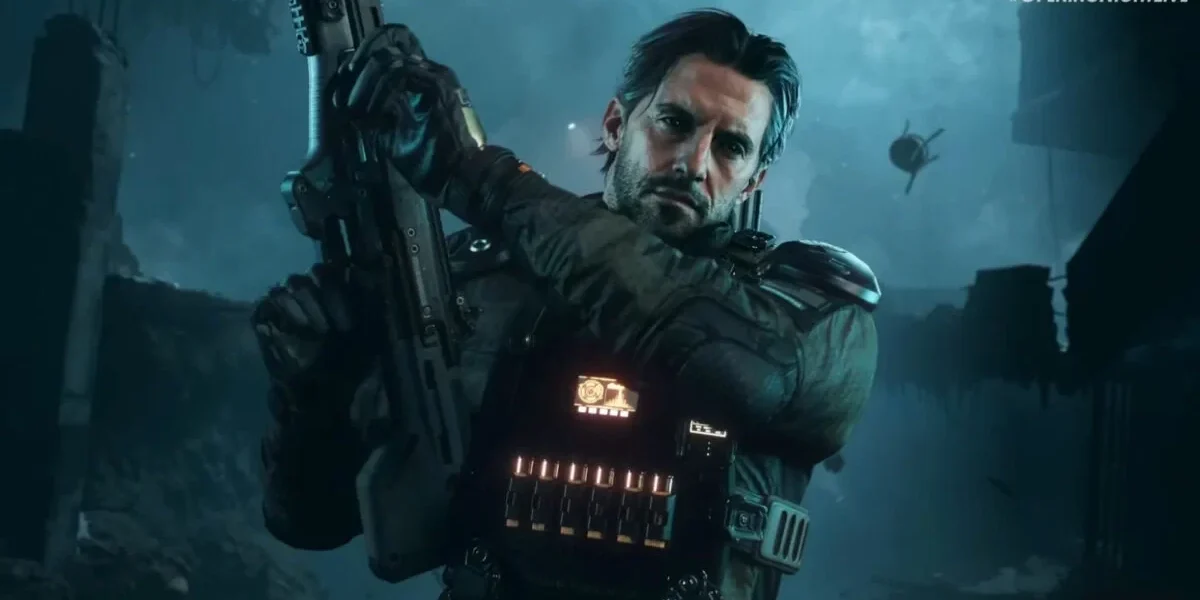
The latest entry in the franchise struggled to compete against rivals like Arc Raiders and Battlefield 6, missing the celebratory post‑release weekend press releases that previously highlighted revenue and player counts. Black Ops 7 didn’t even crack the U.S. top‑10 best‑selling list in April 2026, ranking only seventh—a stark contrast to Black Ops 6’s number‑seven spot in April 2025 and its status as the fifth best‑selling title year‑to‑date. While not a catastrophic failure, the numbers highlight the pressure behind Activision’s marketing push to restore confidence in this year’s Modern Warfare 4.
According to a Windows Central report, Microsoft has been leaning on Activision Blizzard’s profits to subsidize the broader Xbox Game Studios portfolio. A single underperforming year could expose the company to heightened accounting scrutiny and potential budget cuts. The decision to bundle Call of Duty into Game Pass backfired, prompting Microsoft to raise the subscription fee to $30 to offset Black Ops 7’s launch costs. The move failed to attract a surge of new subscribers and instead triggered a sharp increase in churn across the program.
Xbox’s newly appointed chief strategist, Matthew Ball, recently admitted that the company has lost millions of subscribers over just a few months. To stem the decline, the studio has pulled new Call of Duty releases from Game Pass at launch and lowered their price—though the discount still falls short of last year’s rates. “Growth slowed and subscriber churn accelerated after the pricing and SKU changes last year,” Sharma noted in a staff memo last month. “Since the price cut, we’ve seen acquisition rates climb and retention improve, which is a promising first step.”
Industry observers are now watching closely to see how Modern Warfare 4 performs later this year. Will it reclaim the top spot that Black Ops 7 missed in the U.S. last year, or will it falter amid growing competition, including the highly anticipated Grand Theft Auto 6 slated for November? A weak launch could open the door for smaller Xbox titles to be eclipsed, as the ripple effect of a Call of Duty slump could feel like a sailboat being overtaken by a cruise liner.
Sharma’s latest memo paints a stark picture: “We are the fortunate stewards of industry‑defining franchises that have enormous potential and player demand, but we have not adequately funded them to compete and win.” She added that the recent Showcase event underscored the necessity of a steady pipeline of first‑ and third‑party exclusives and new IP. “We need to reassess the balance between these and our investment priorities for the next five years,” she wrote, hinting at a possible shift in resource allocation to secure long‑term success.
News Source: Kotaku






Comments
Be the first to comment.