Introduction: From Console to Screen
The gaming industry has long been fertile ground for creative storytelling and world-building, but few titles have garnered as much critical acclaim and commercial success as “Elden Ring.” Originally developed by FromSoftware in collaboration with renowned fantasy author George R.R. Martin for Bandai Namco Entertainment, the game has captivated players worldwide with its intricate lore, expansive world, and challenging gameplay mechanics. Now, the time has come to expand this universe beyond the digital realm, as a premium television series adaptation is set to bring the tale of Elden Ring to life on screens everywhere. This article delves into the ambitious journey from console to screen, exploring how the essence of “Elden Ring” will be captured in a live-action format.
Visual Direction: Translating Game Aesthetics
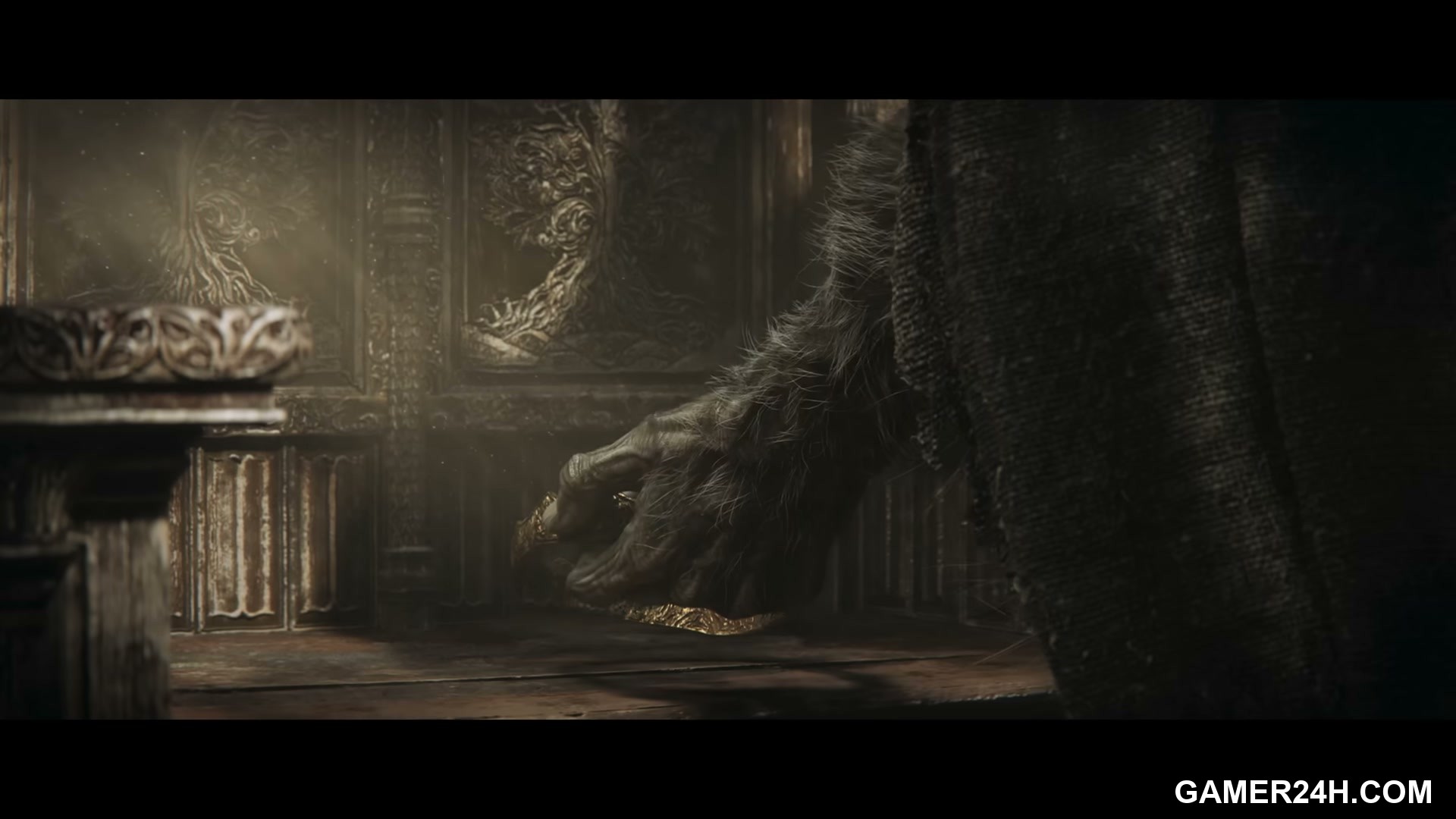
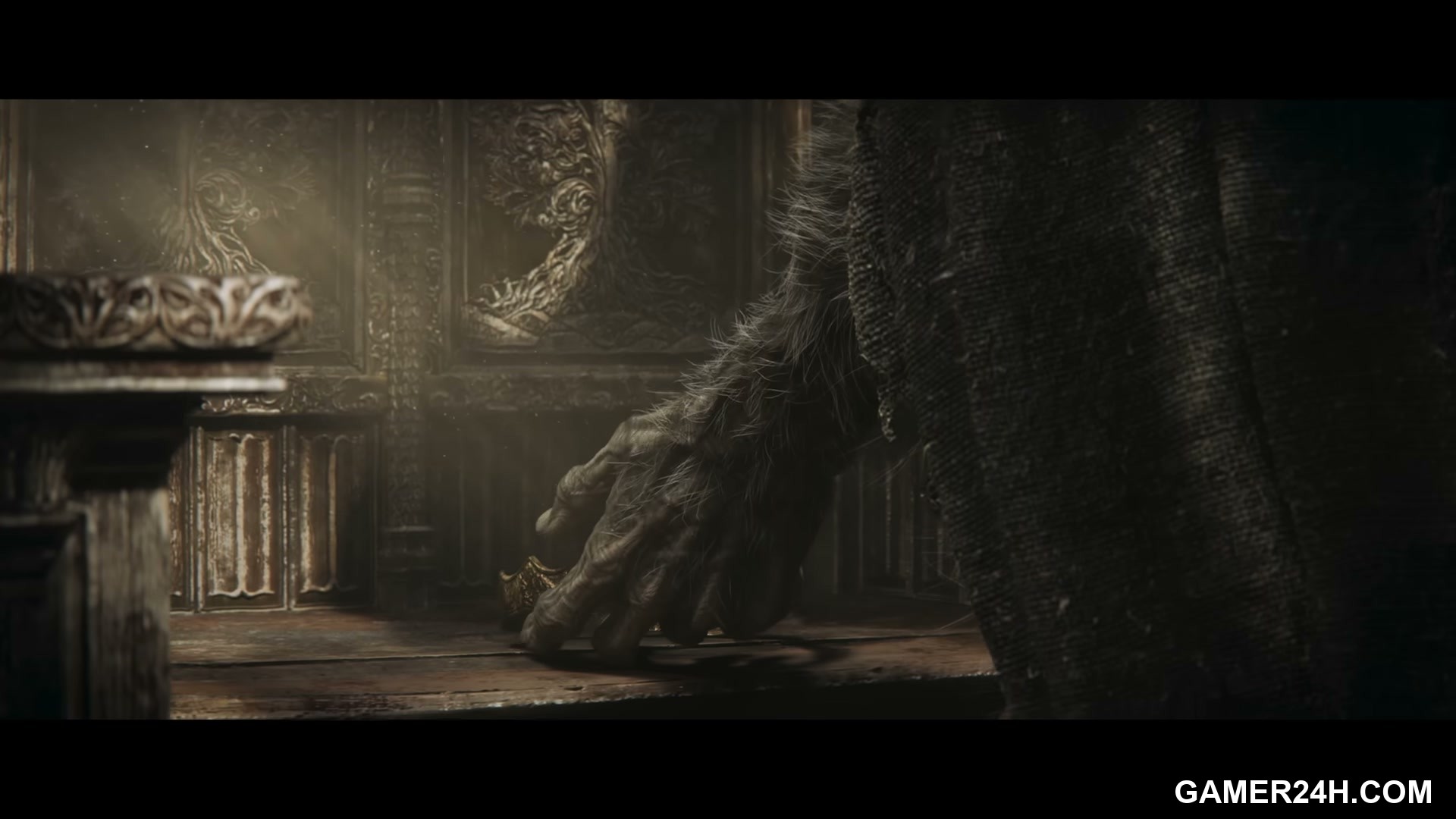
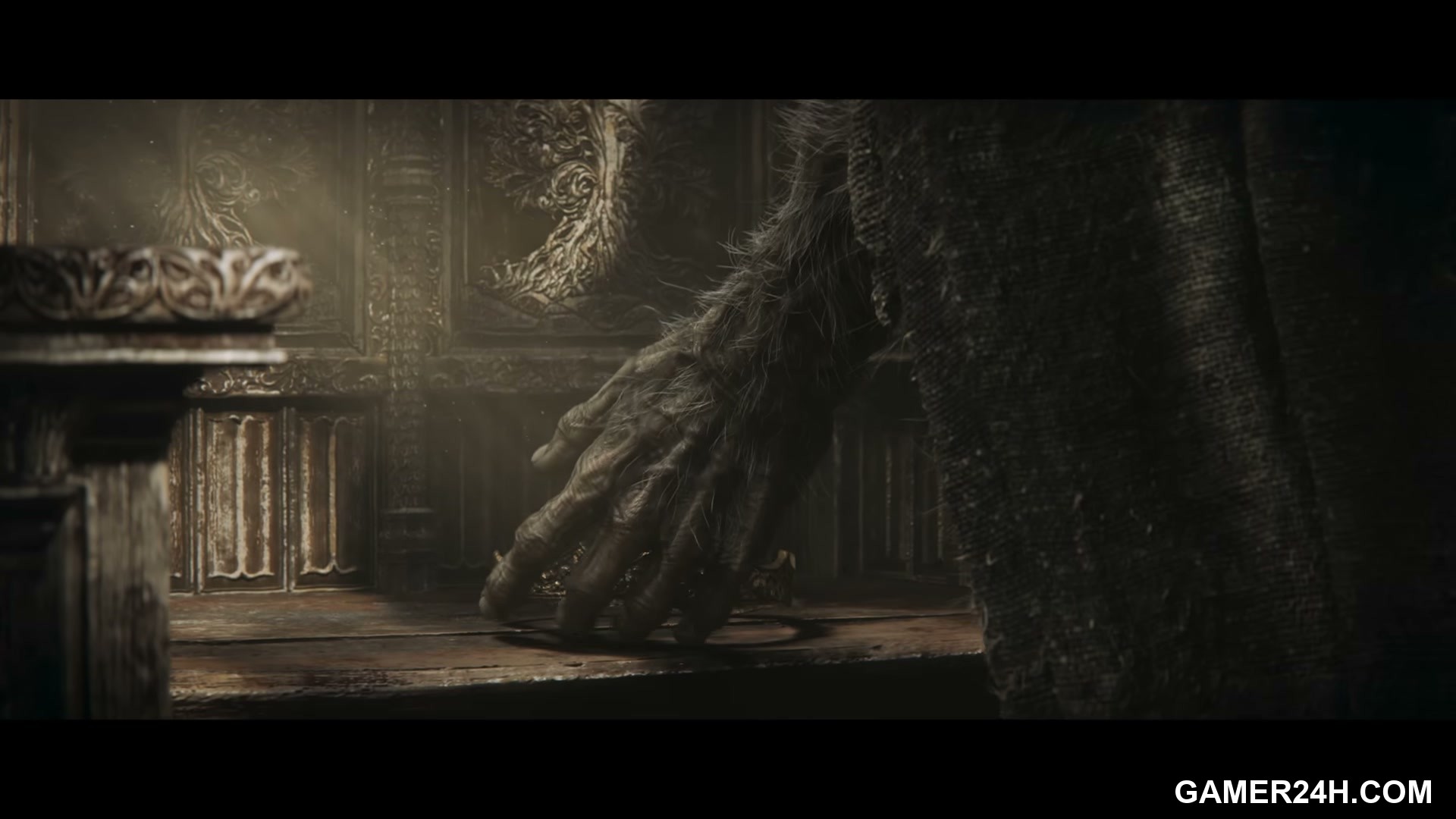
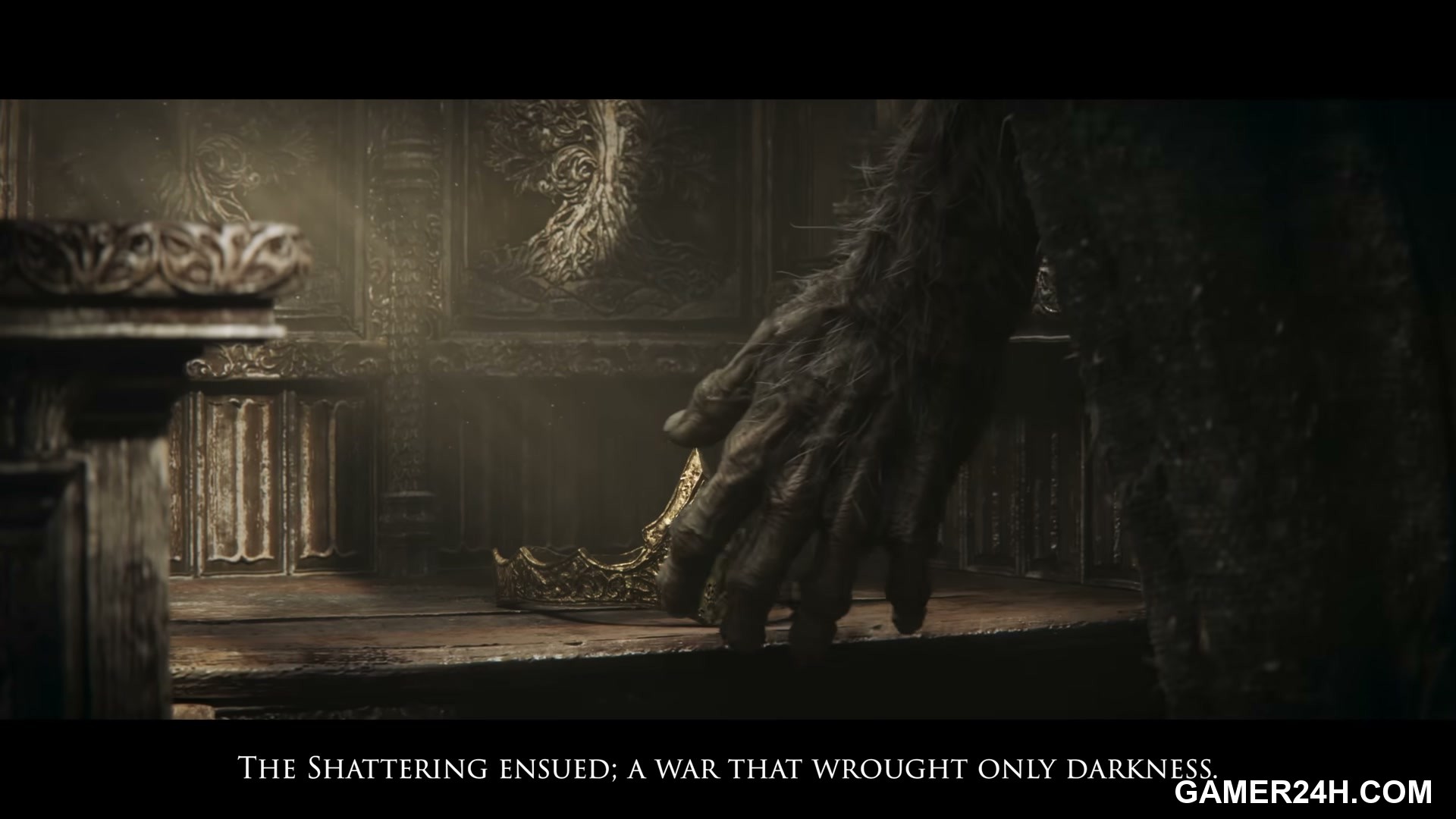
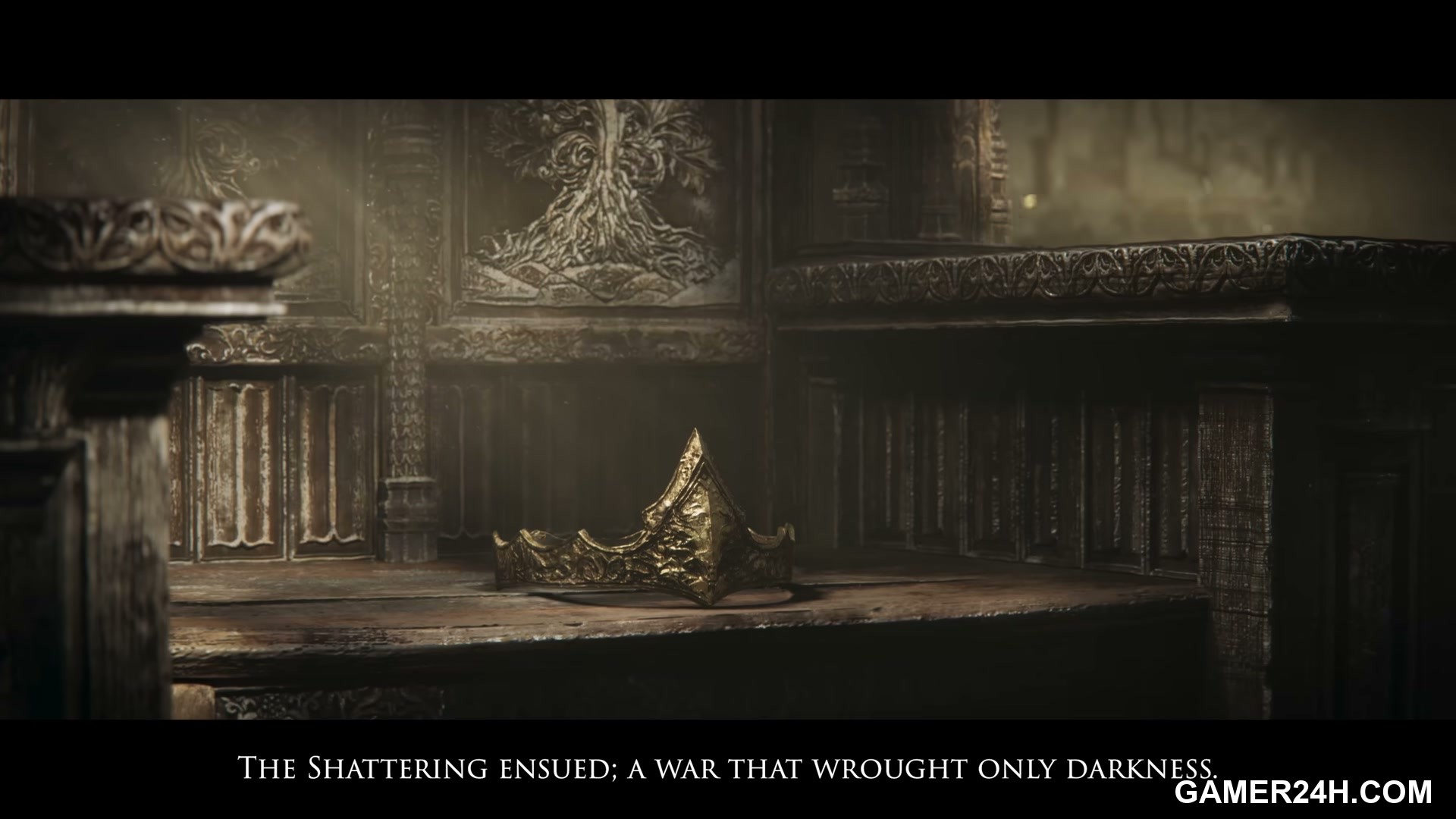
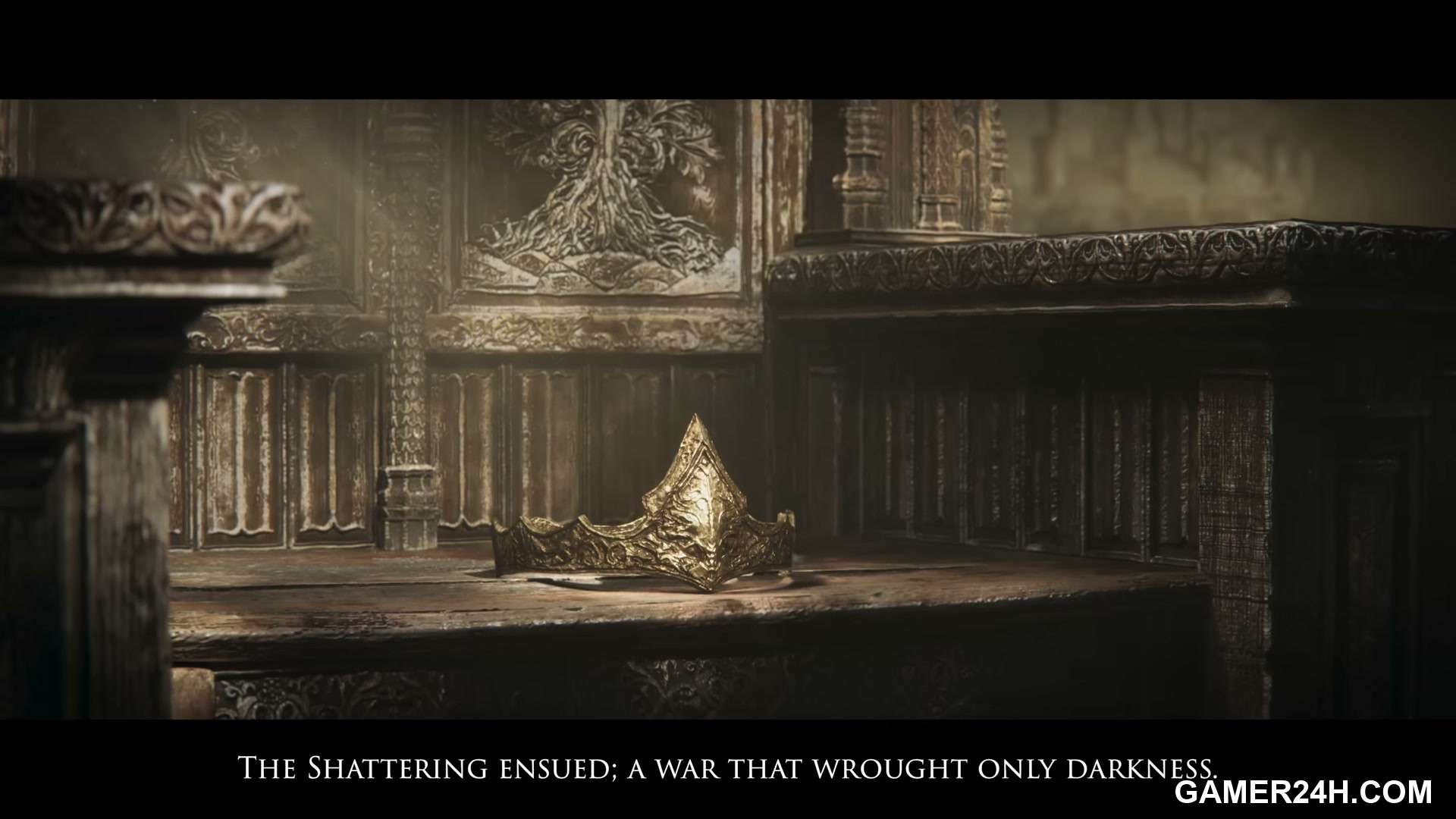
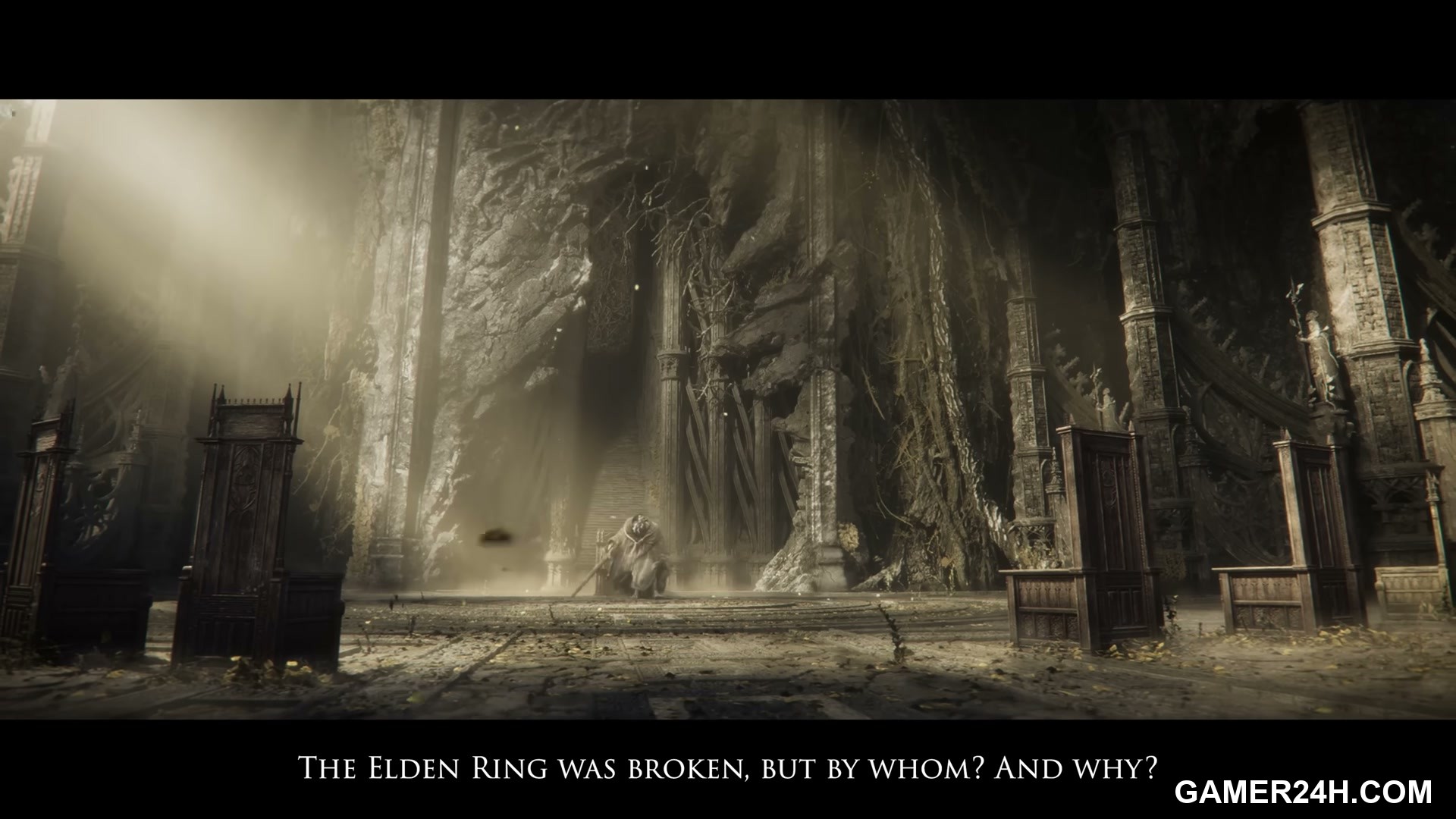
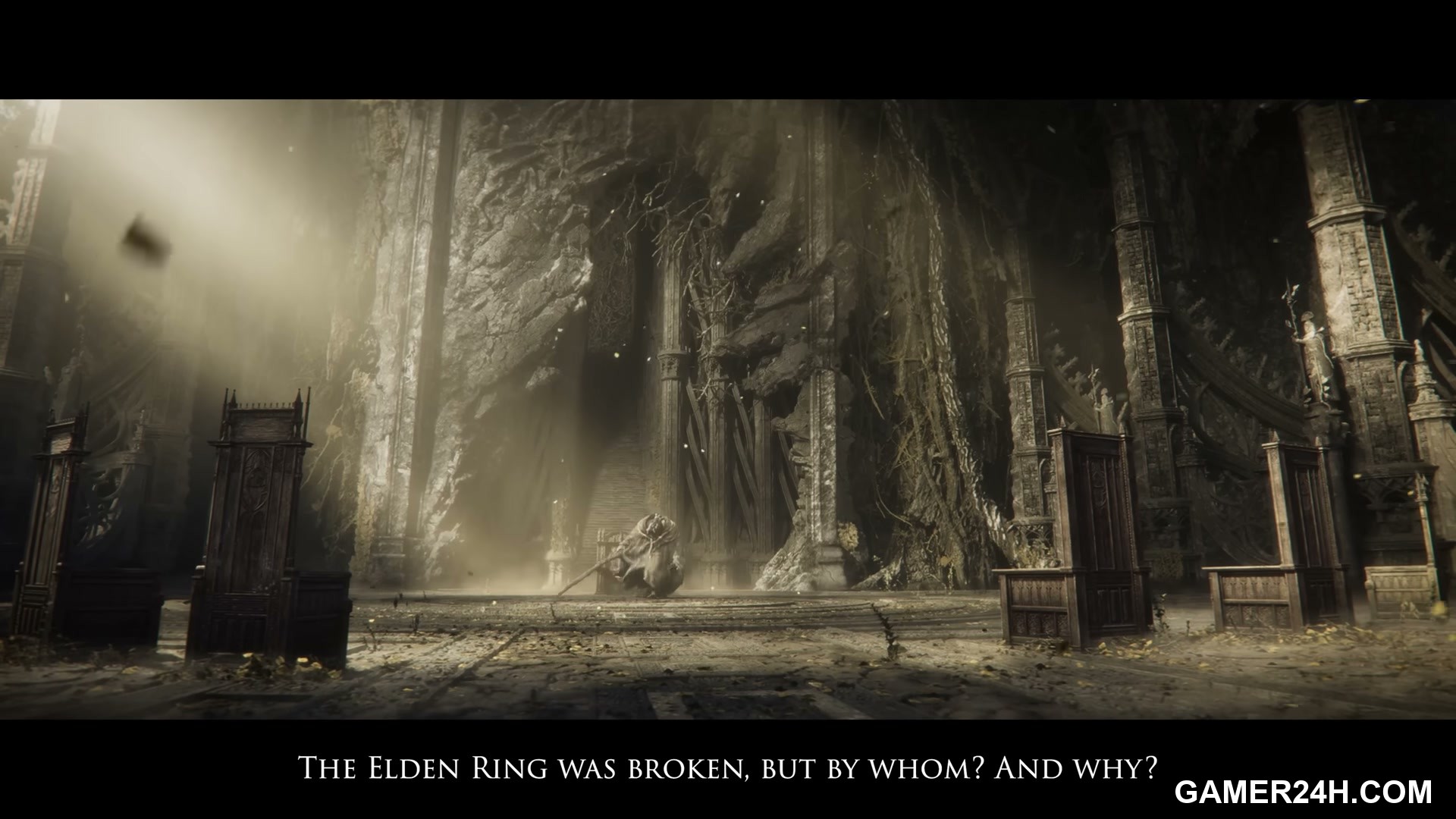
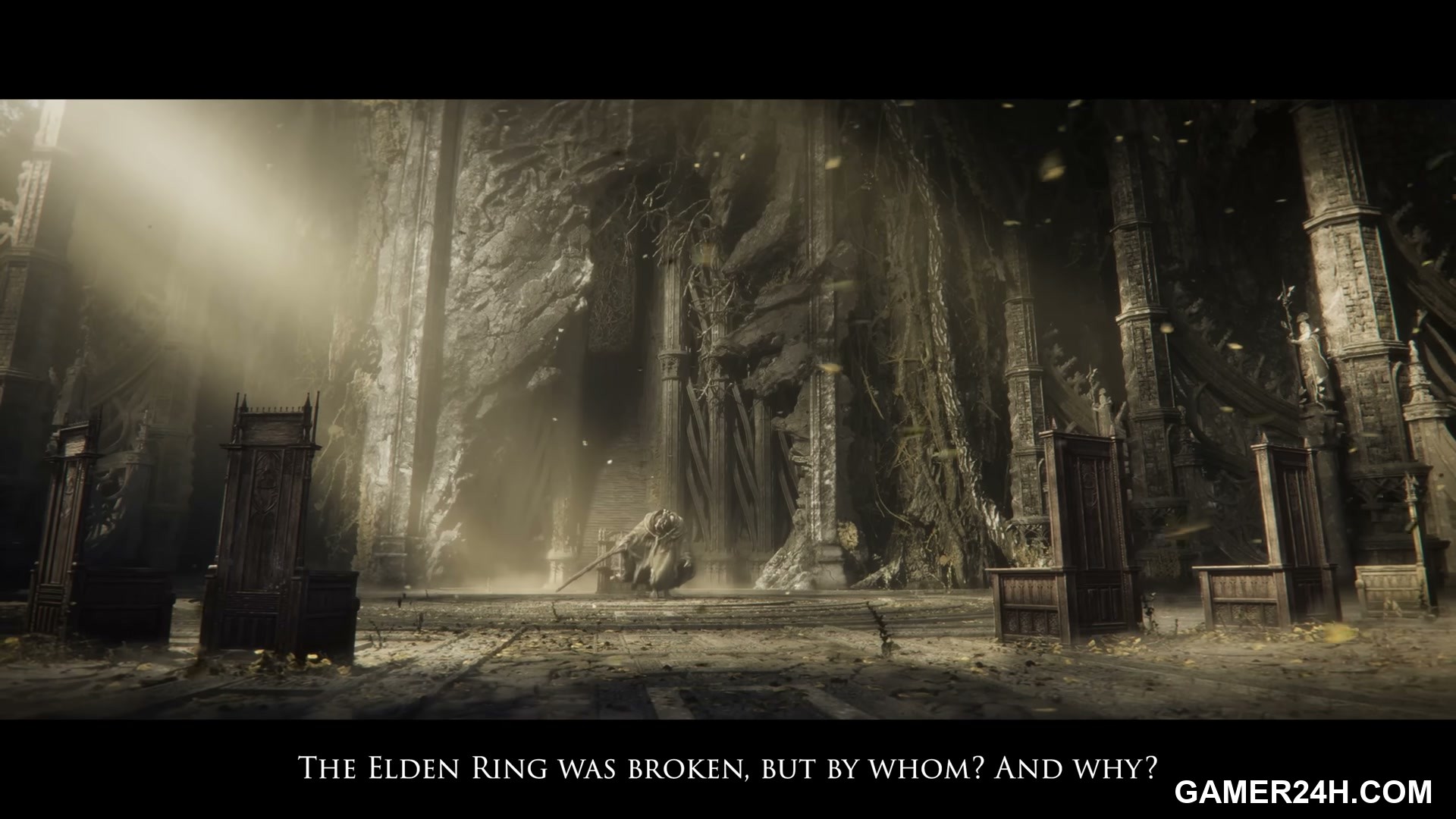
The transition from digital pixels to cinematic imagery is never straightforward, especially when dealing with an intricate world like that of Elden Ring. The game’s distinctive visual style—blending gothic horror, medieval fantasy, and surrealism—poses a significant challenge for the adaptation team tasked with bringing it to life on television. To tackle this, the show’s creative directors have opted for a hybrid approach, combining practical sets and locations with cutting-edge CGI techniques.
The production has chosen an array of diverse landscapes that mirror the game’s expansive geography, from mist-covered mountains and eerie forests to crumbling fortresses. These locations serve as backdrops for elaborate set pieces that mimic the grandeur and scale of Elden Ring’s environments, ensuring viewers are immersed in its fantastical world. Additionally, the visual effects team is working closely with the original game developers to maintain continuity between the two mediums.
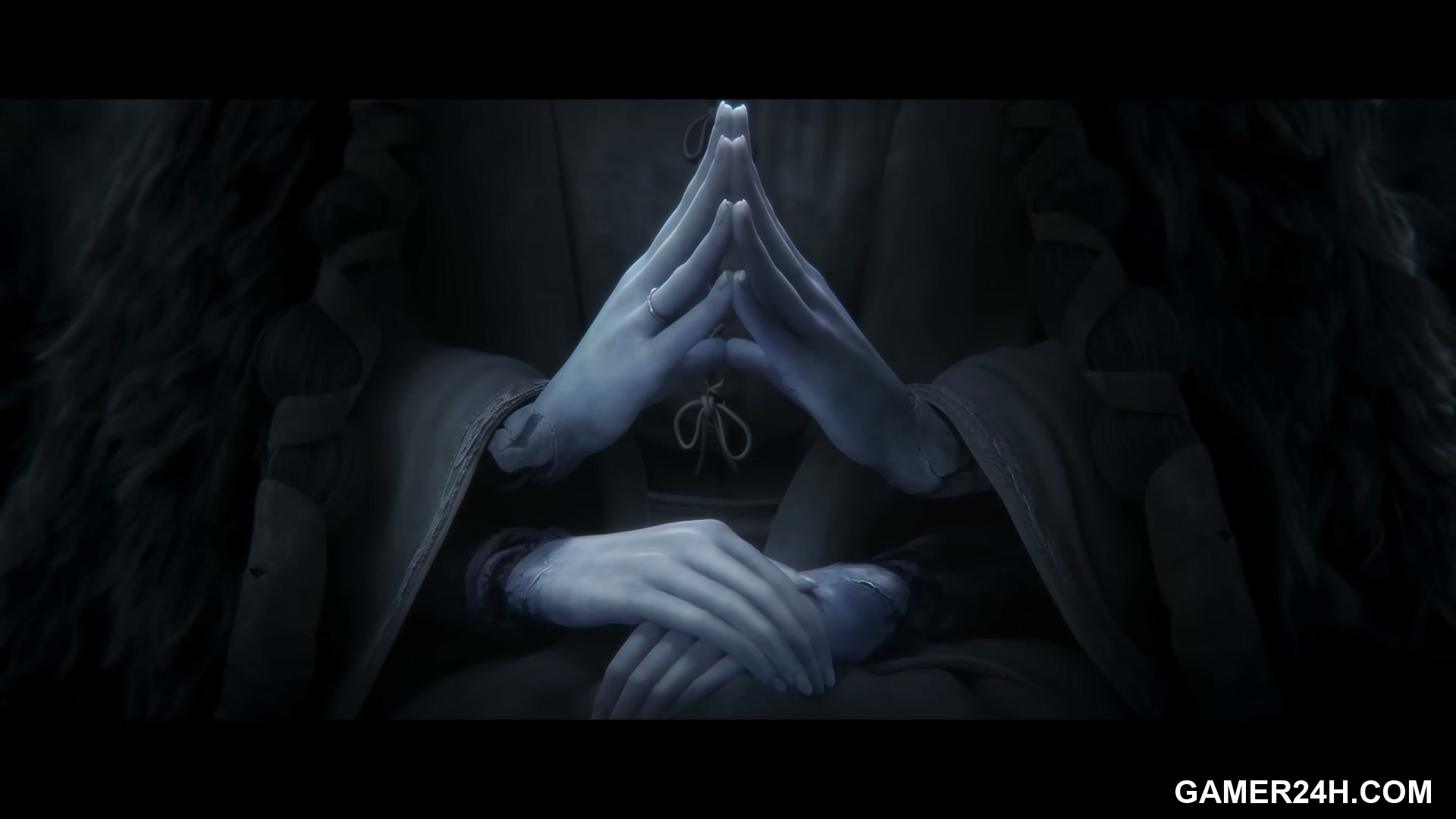
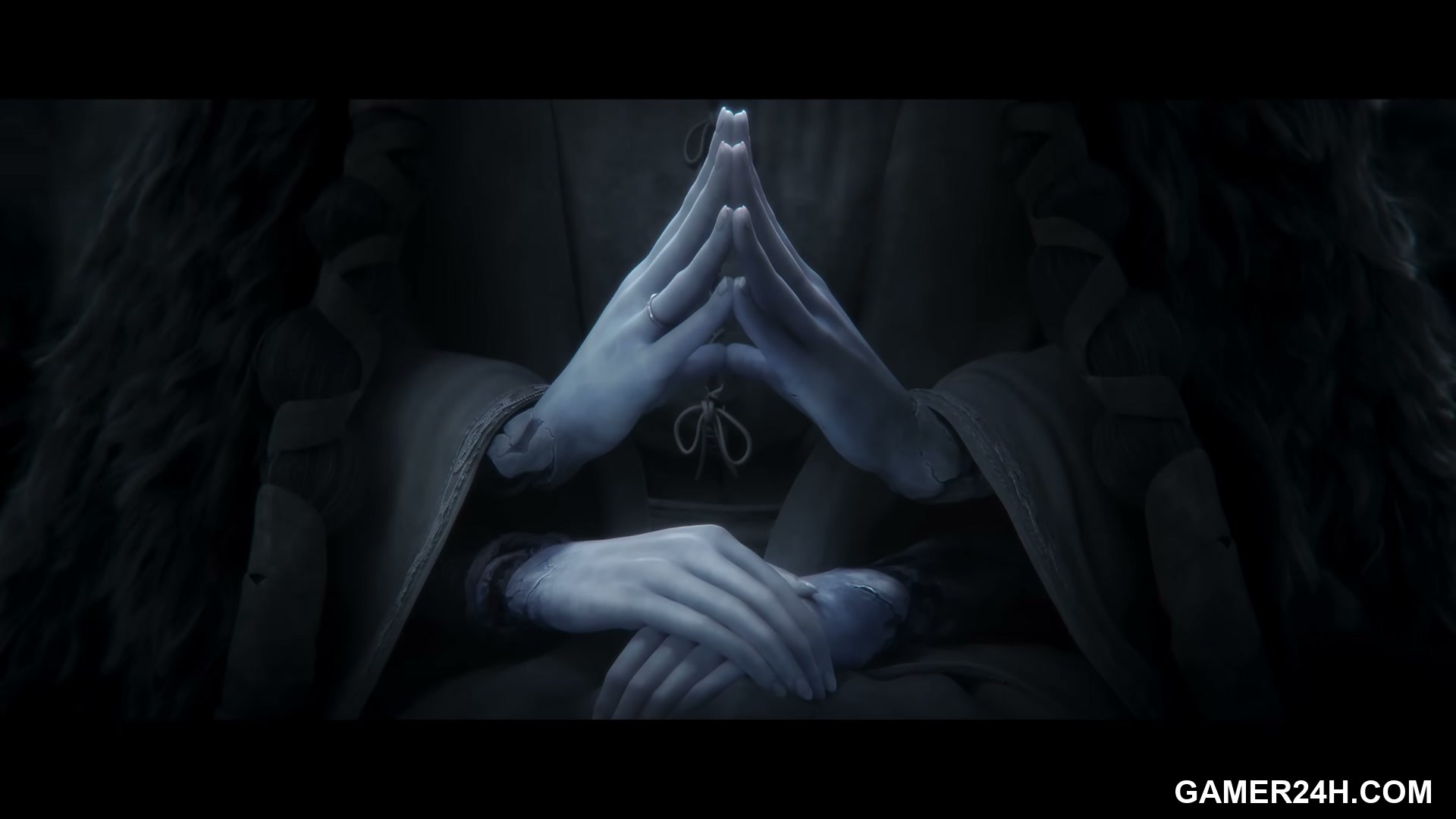
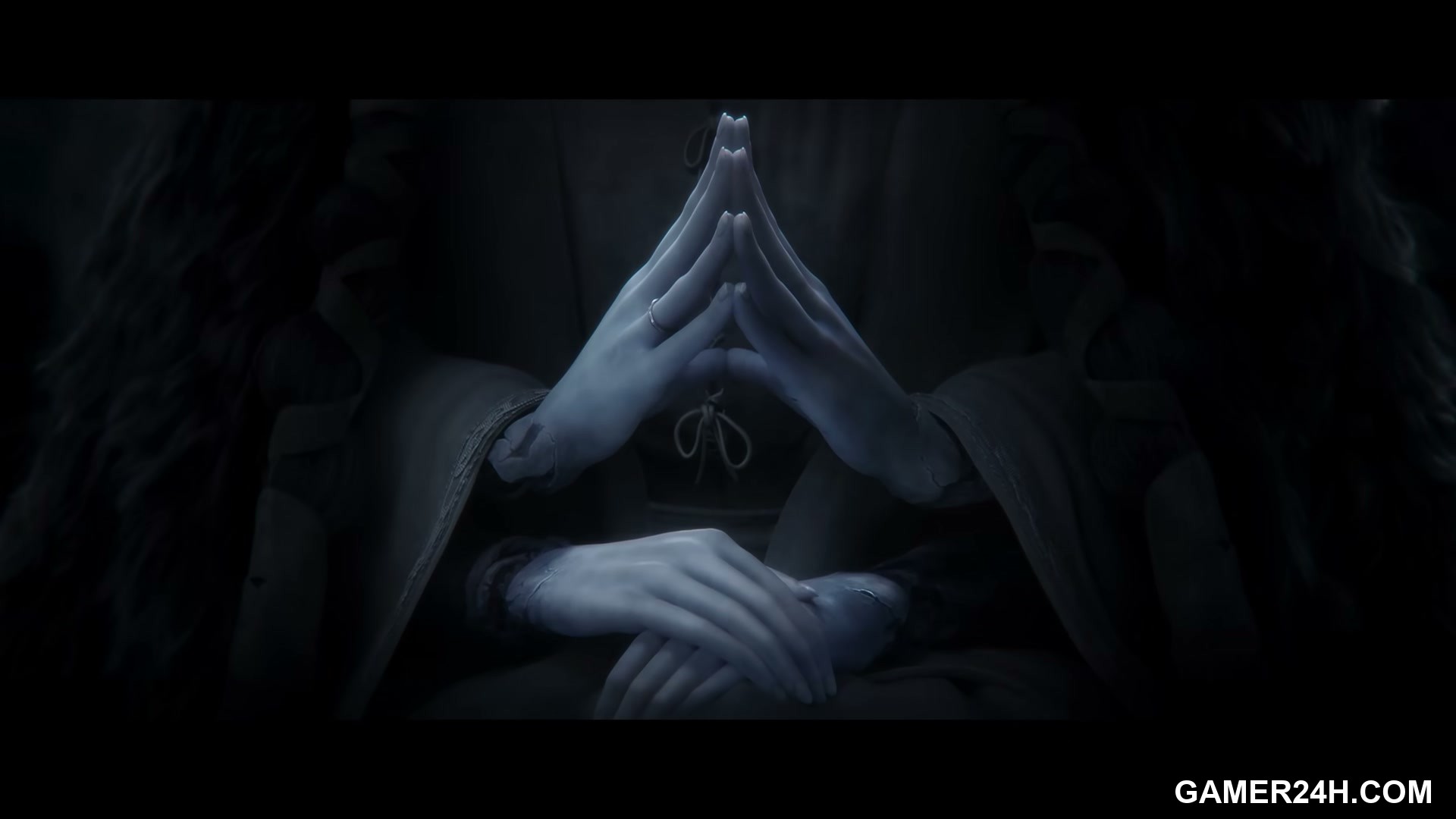
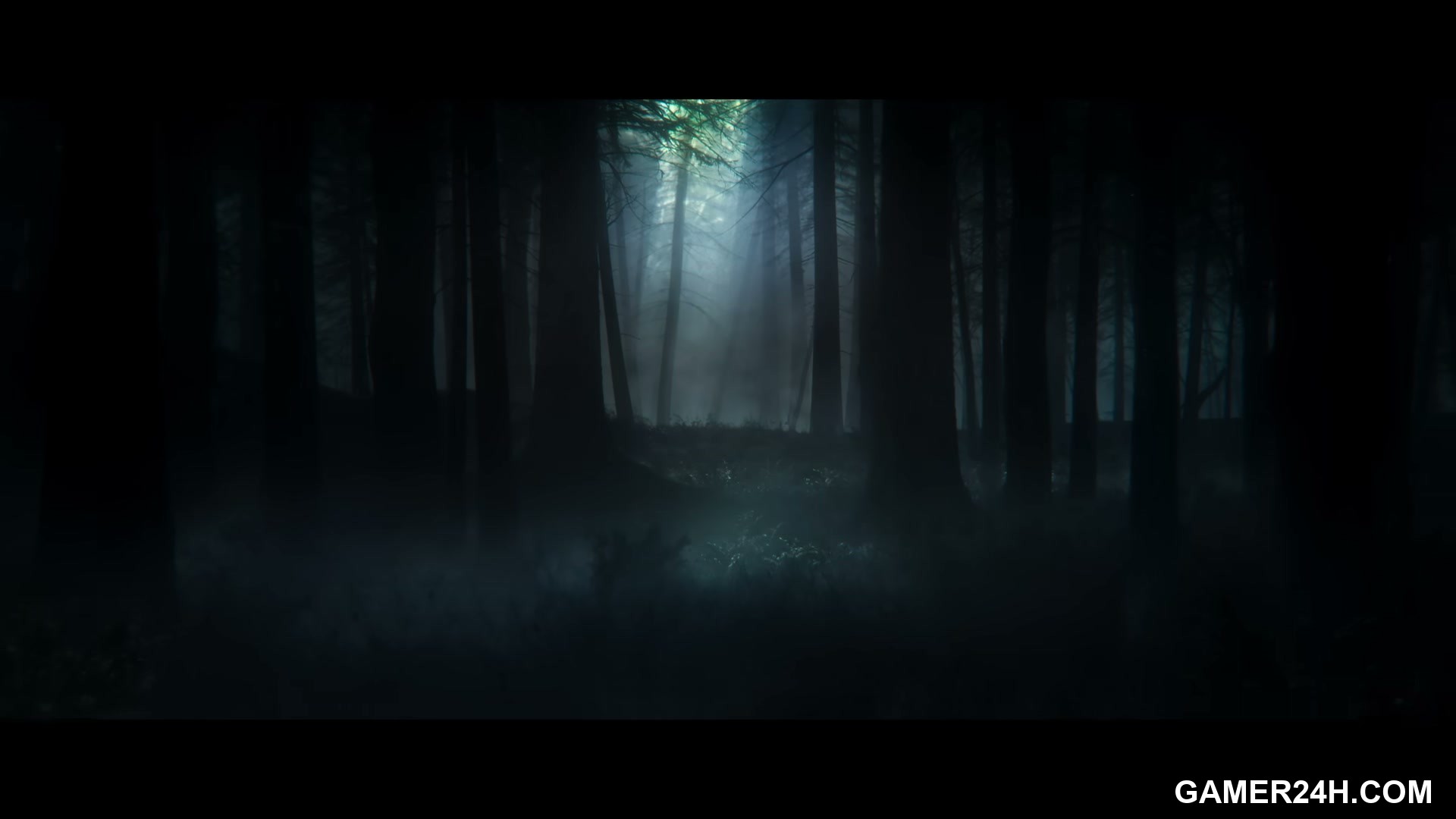
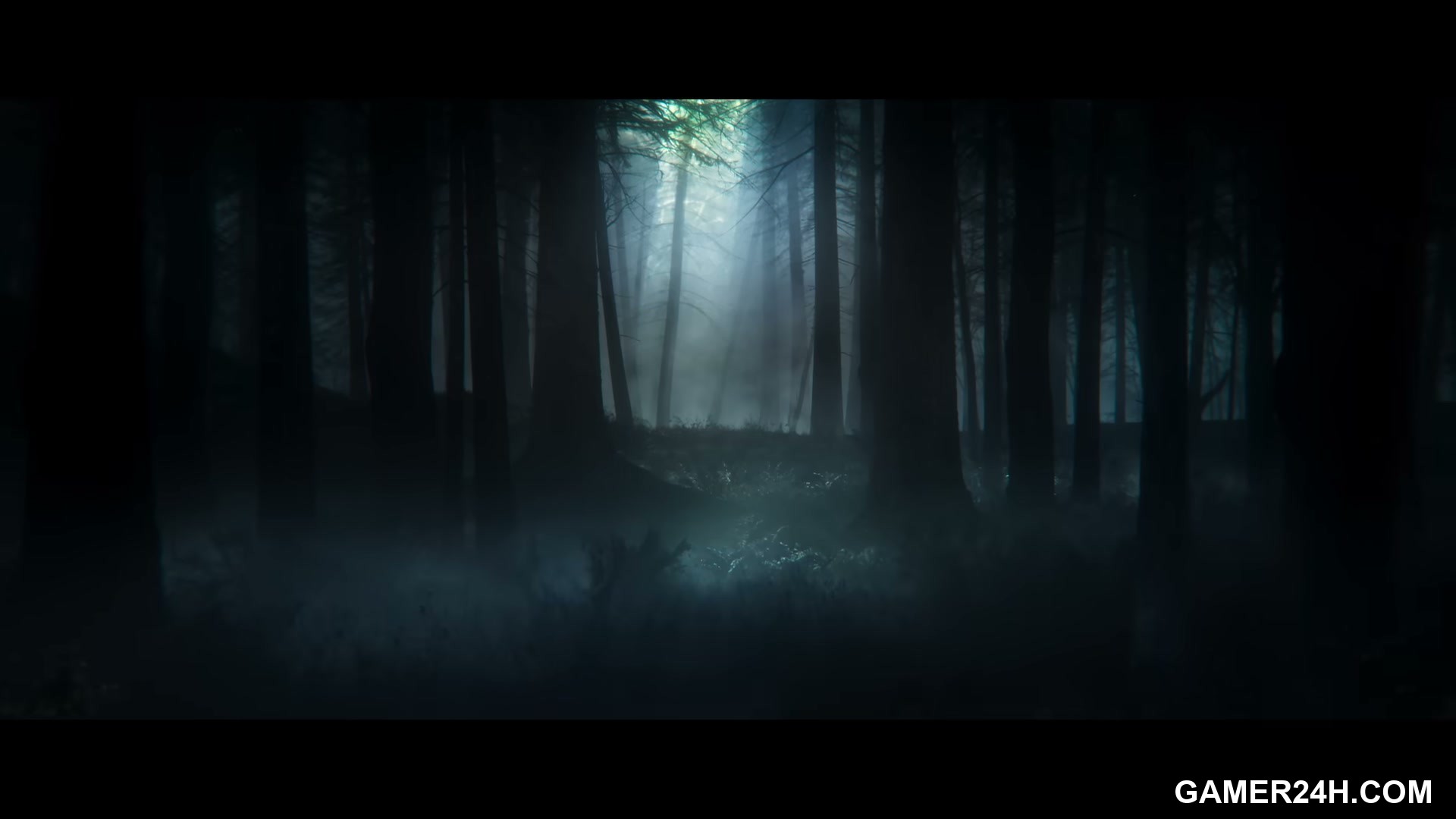
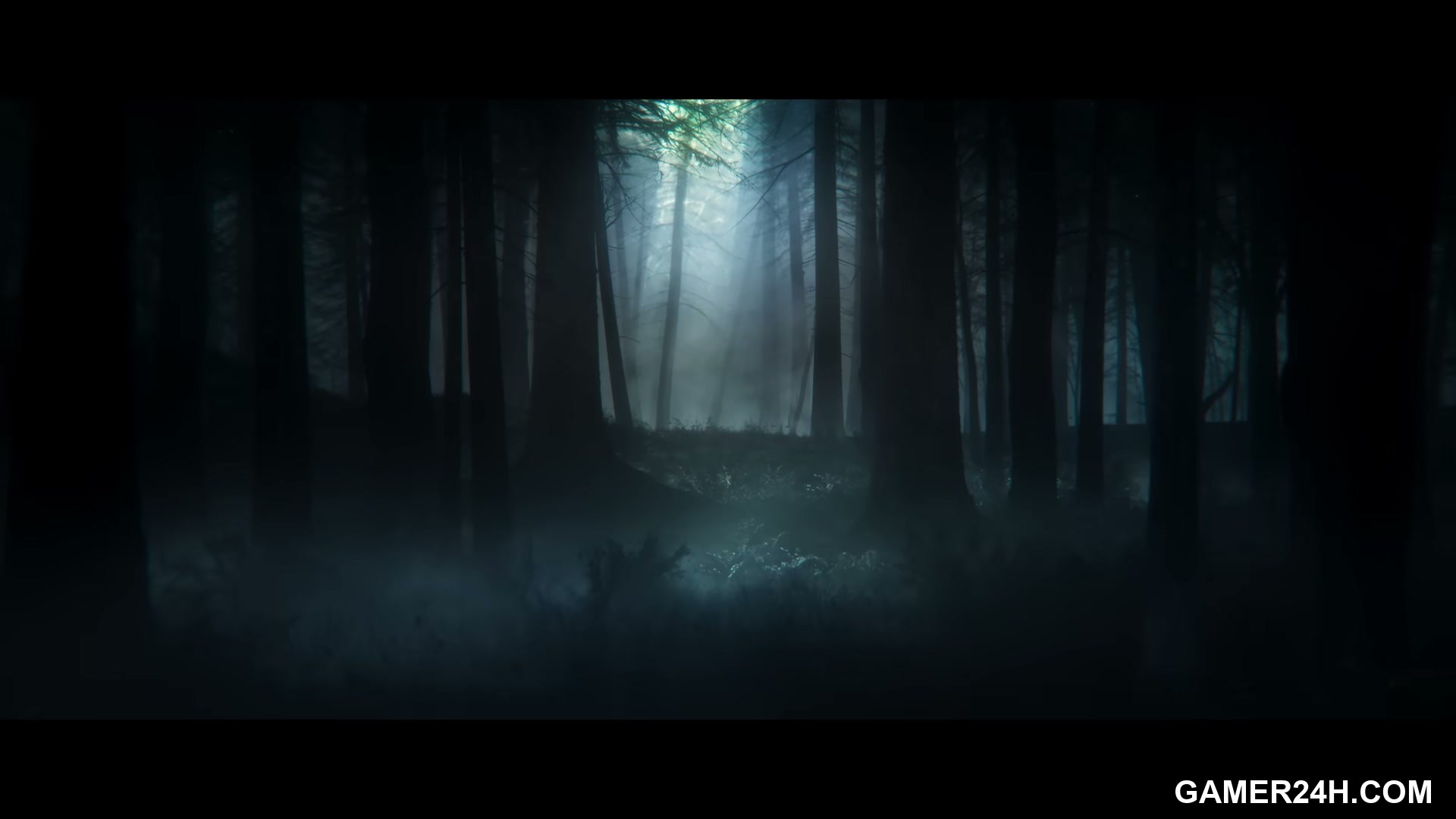
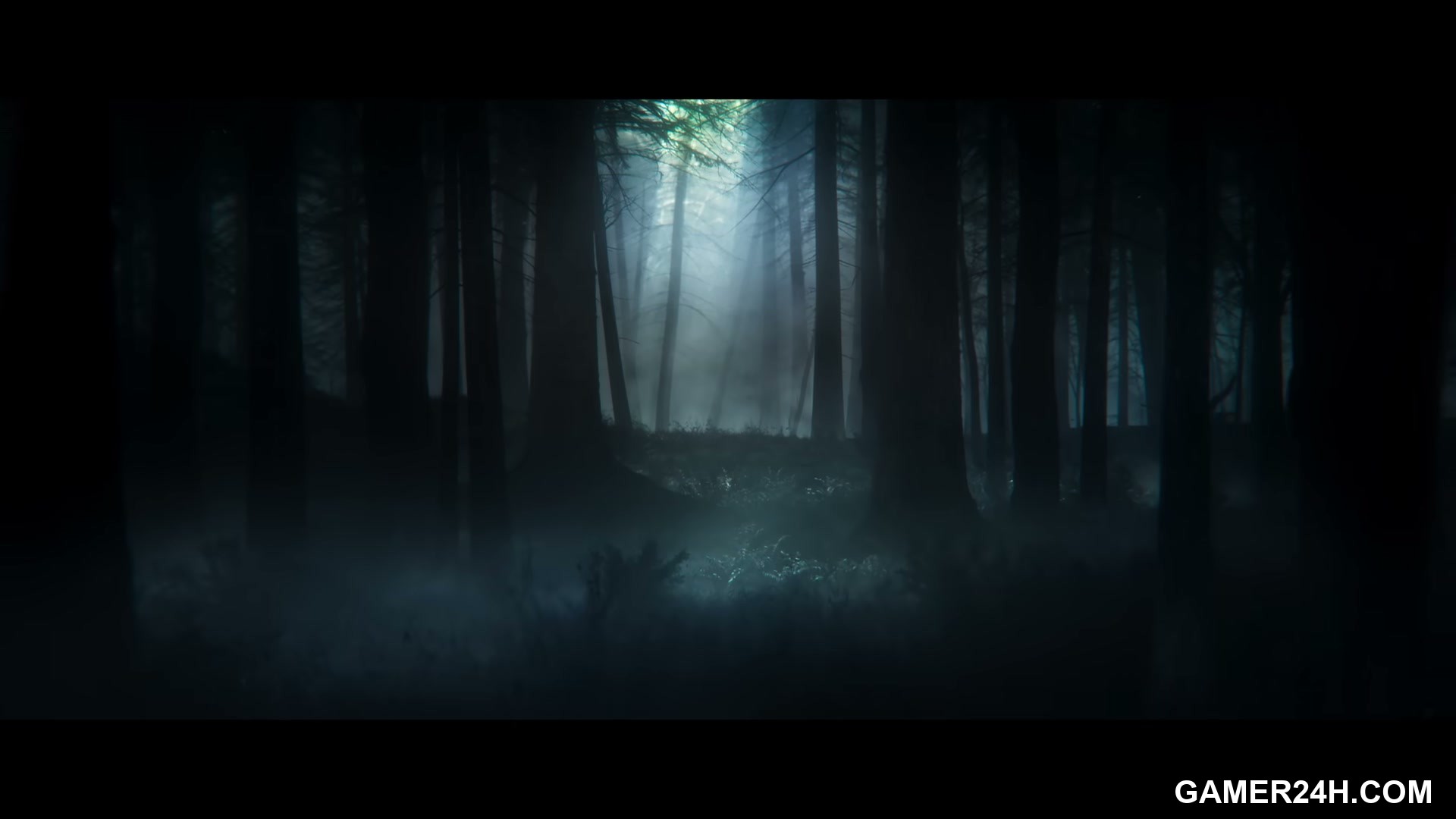
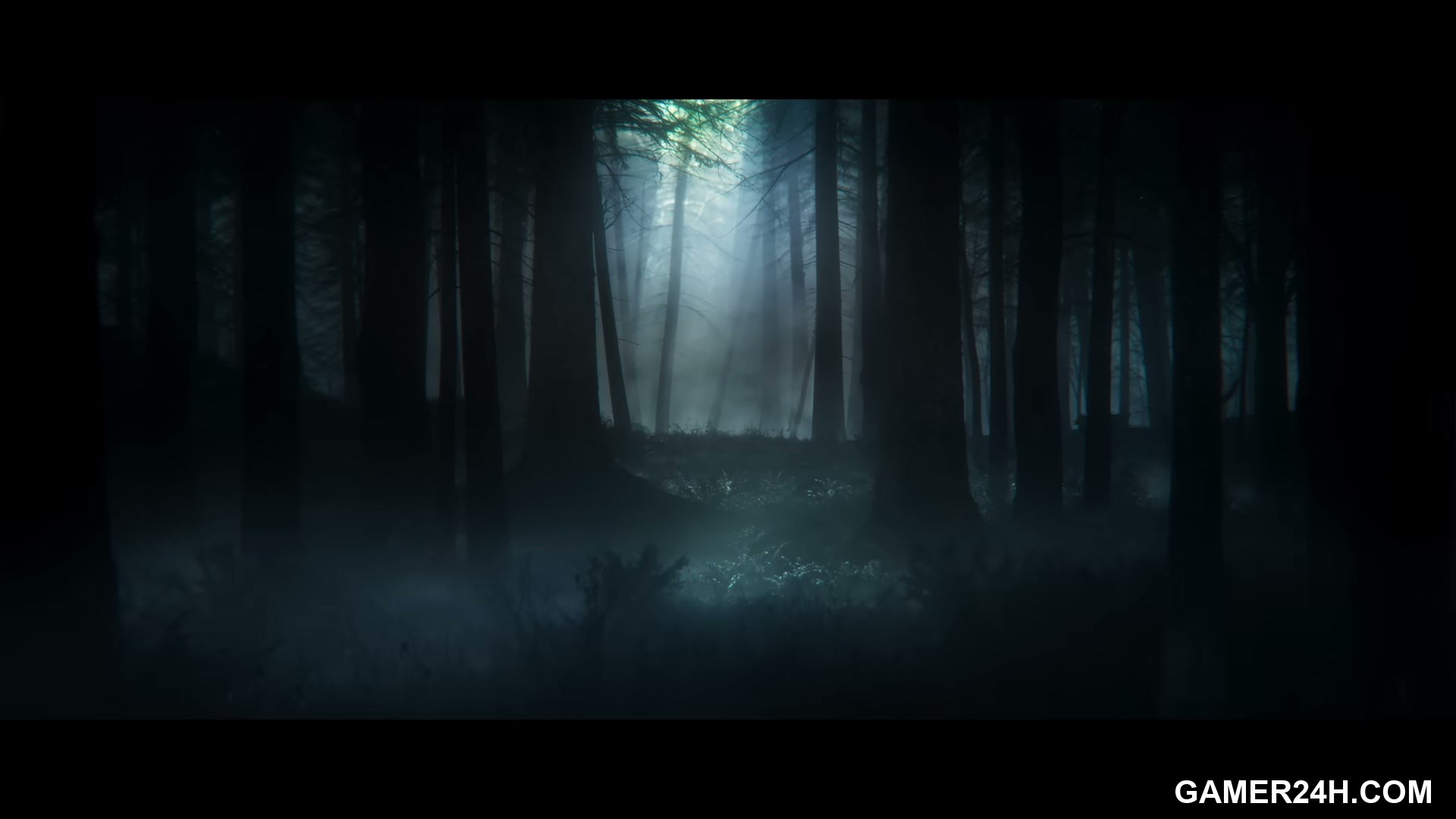
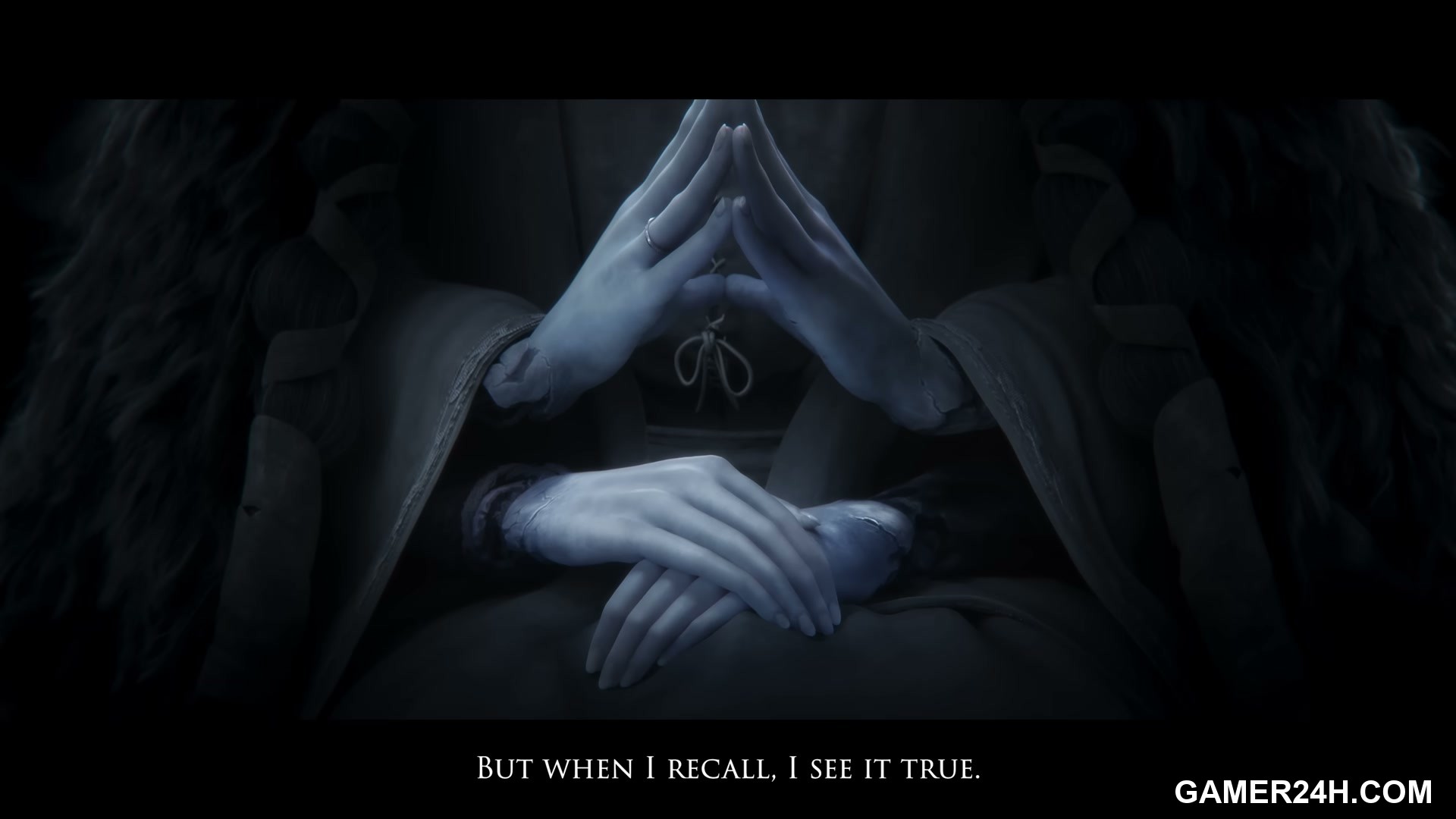
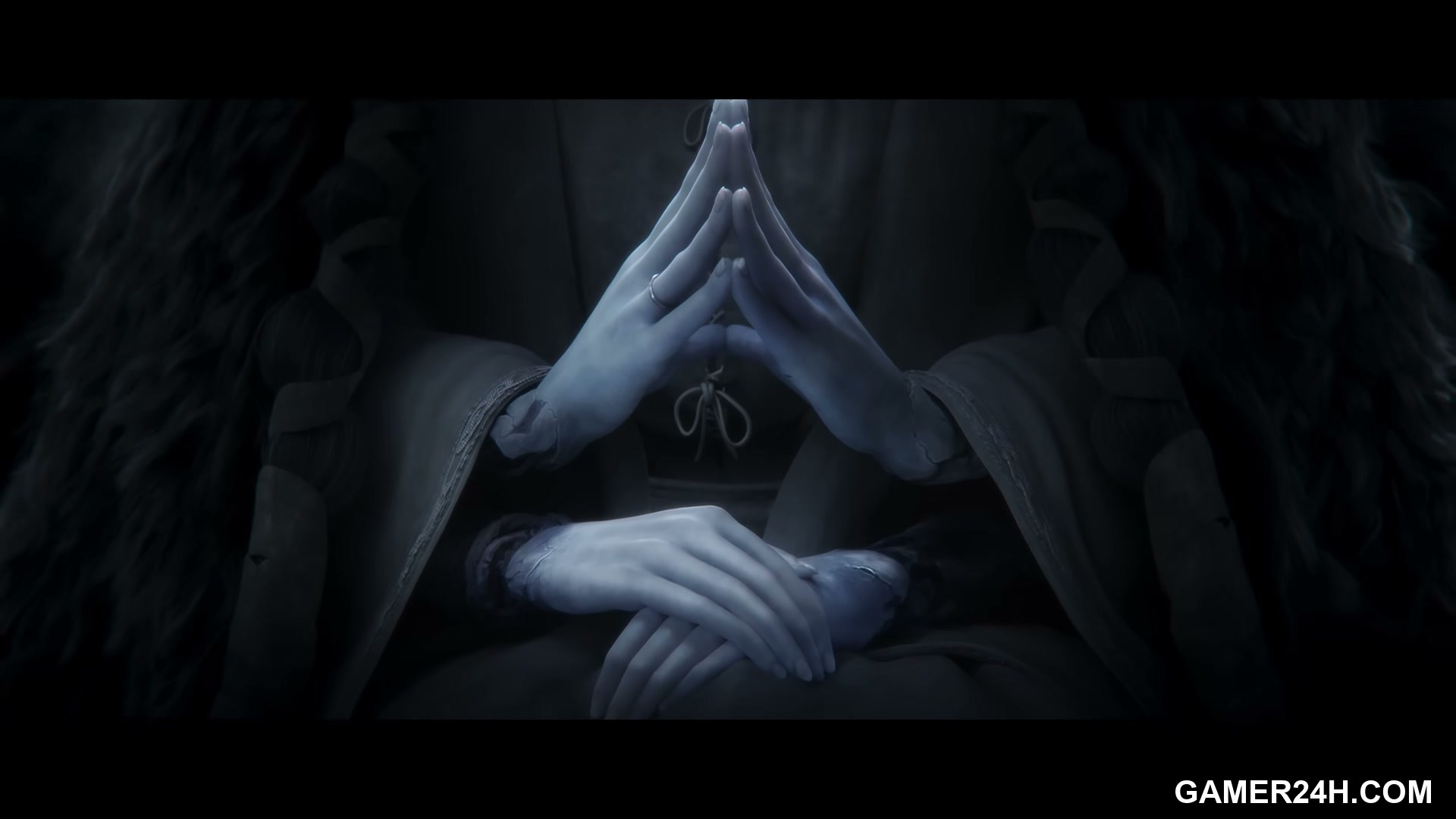
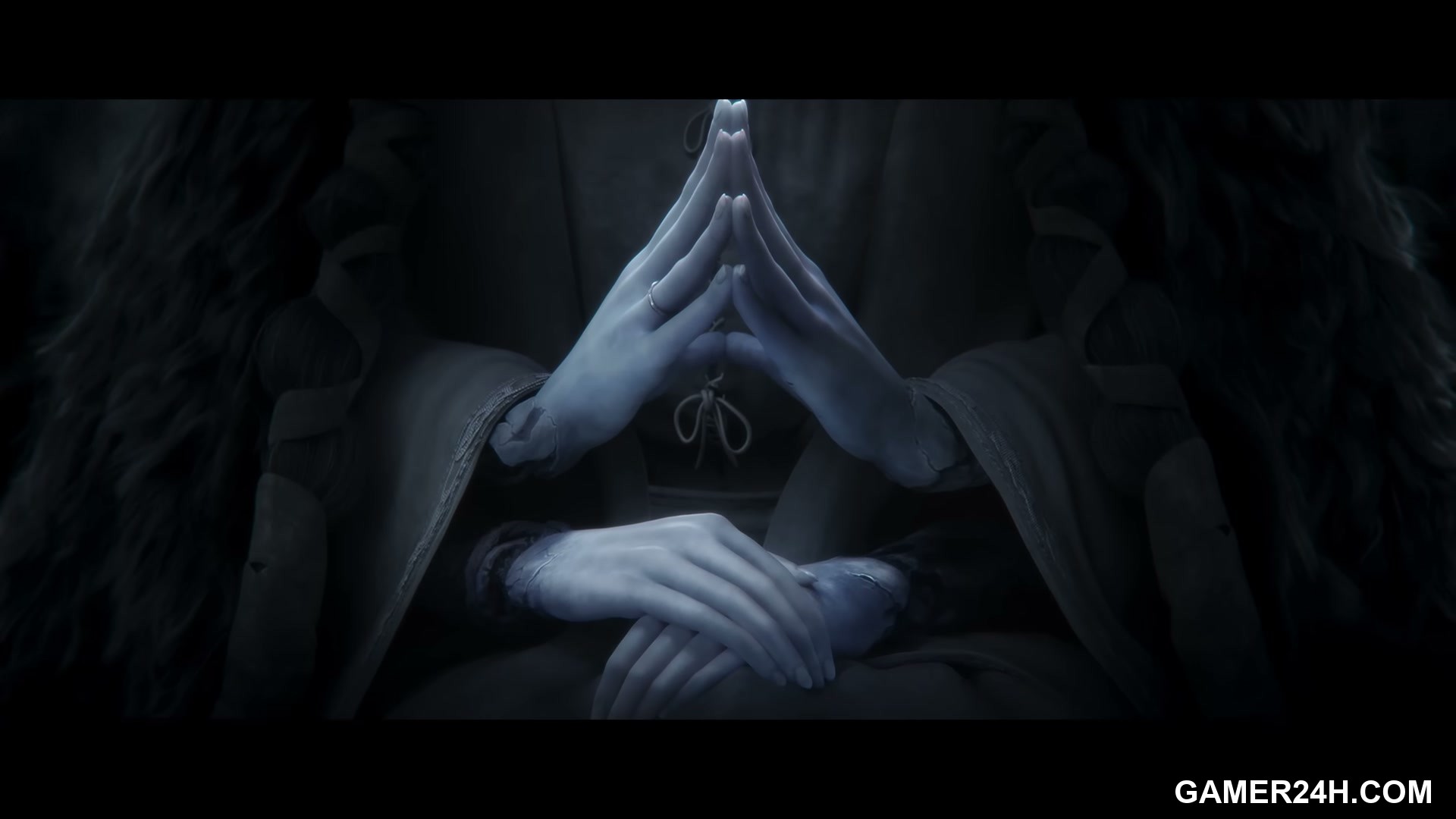
Lighting and cinematography play a crucial role in capturing the mood and atmosphere of “Elden Ring,” which often veers towards the macabre and mysterious. The show will employ a color palette that leans heavily on deep blues, grays, and muted tones to reflect the game’s ethereal beauty and foreboding presence. Night-time scenes are especially crucial in setting the tone for the series, with long shadows cast by moonlight adding an extra layer of tension and mystery.
Story & Adaptation: Honoring the Source Material
The narrative at the heart of “Elden Ring” is a rich tapestry of interconnected stories that span multiple timelines. The challenge lies in condensing this expansive lore into a cohesive, engaging television series while remaining true to the original material. The adaptation will likely take inspiration from George R.R. Martin’s detailed world-building and FromSoftware’s penchant for deep narrative layers.
The story revolves around Tarnished players who seek to regain their lost grace by defeating various bosses across the Lands Between. Key elements such as the Elden Ring, Great Runes, and divine beings like Malenia, Radagon of Namerya, and Godrick are integral to the game’s lore and will undoubtedly feature prominently in the series. The adaptation aims to delve deeper into these characters’ backstories and motivations, providing context that players can only piece together through gameplay.
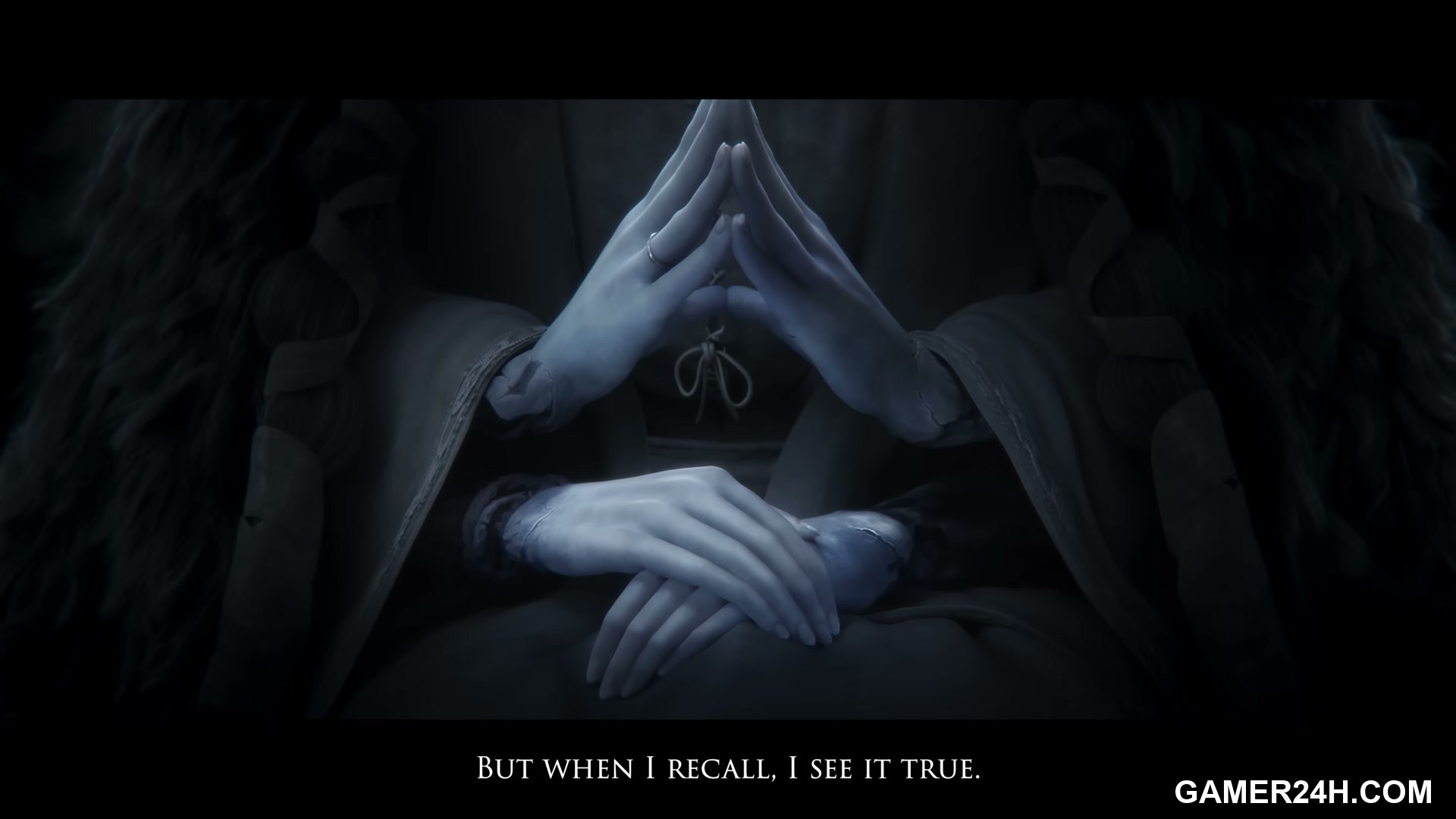
While the television show must condense and streamline certain aspects of the sprawling narrative, it also offers opportunities for expansion. Subplots involving key figures like Queen Marika the Traitor or Godfrey the First Elden Lord may receive more screen time than they do in-game, offering viewers a broader understanding of the world’s history and politics.
Cinematic Atmosphere & Scale
Capturing the grandeur and scope of “Elden Ring” on television is no small feat. The game’s expansive open-world design presents numerous challenges for any adaptation aiming to replicate its immersive atmosphere. To achieve this, the production team has adopted a multifaceted approach that combines practical sets with extensive CGI work.
Each episode will feature large-scale set pieces and battles that mirror those seen in the game, complete with intricate choreography and visual effects designed to match the game’s sense of epic scale. Locations such as Stormveil Castle or Leyndell, Capital of Grace, are prime examples where grand architecture and sweeping vistas can be replicated to provide a cinematic experience.
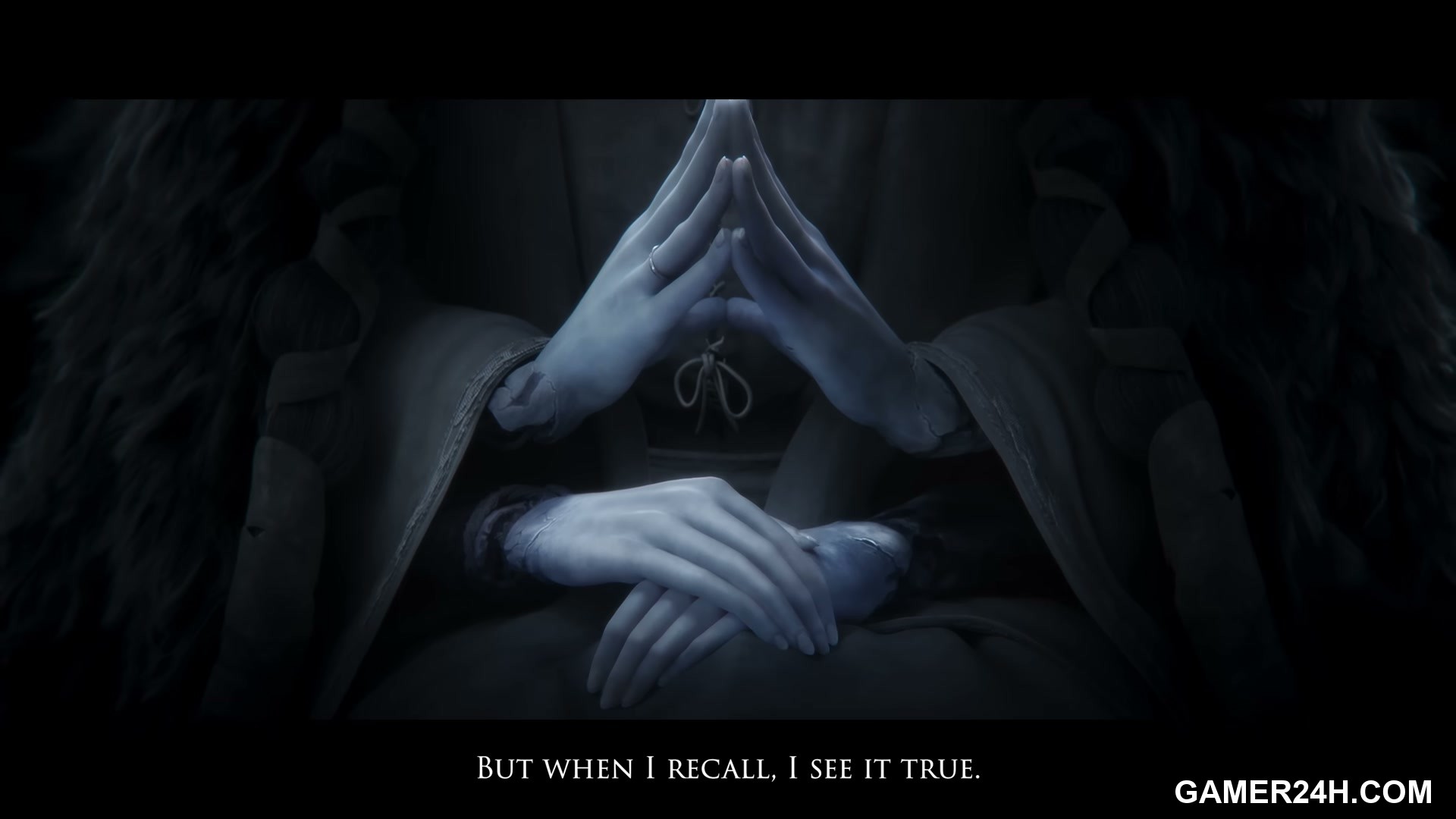
The show’s production design team has focused on recreating the unique aesthetics found throughout Elden Ring’s world, from ancient ruins to modern cityscapes. This involves crafting detailed sets that not only mimic the game’s environments but also enhance them by adding layers of texture and atmosphere that enrich the visual storytelling.
Sound design plays a critical role in enhancing this atmospheric immersion. The series will incorporate original sound effects and music cues that complement the visuals, creating an immersive audio landscape that mirrors the emotional depth and intensity of “Elden Ring.” This synergy between sight and sound ensures viewers feel fully enveloped within the narrative world.
Cast & Characters: Bringing Icons to Life
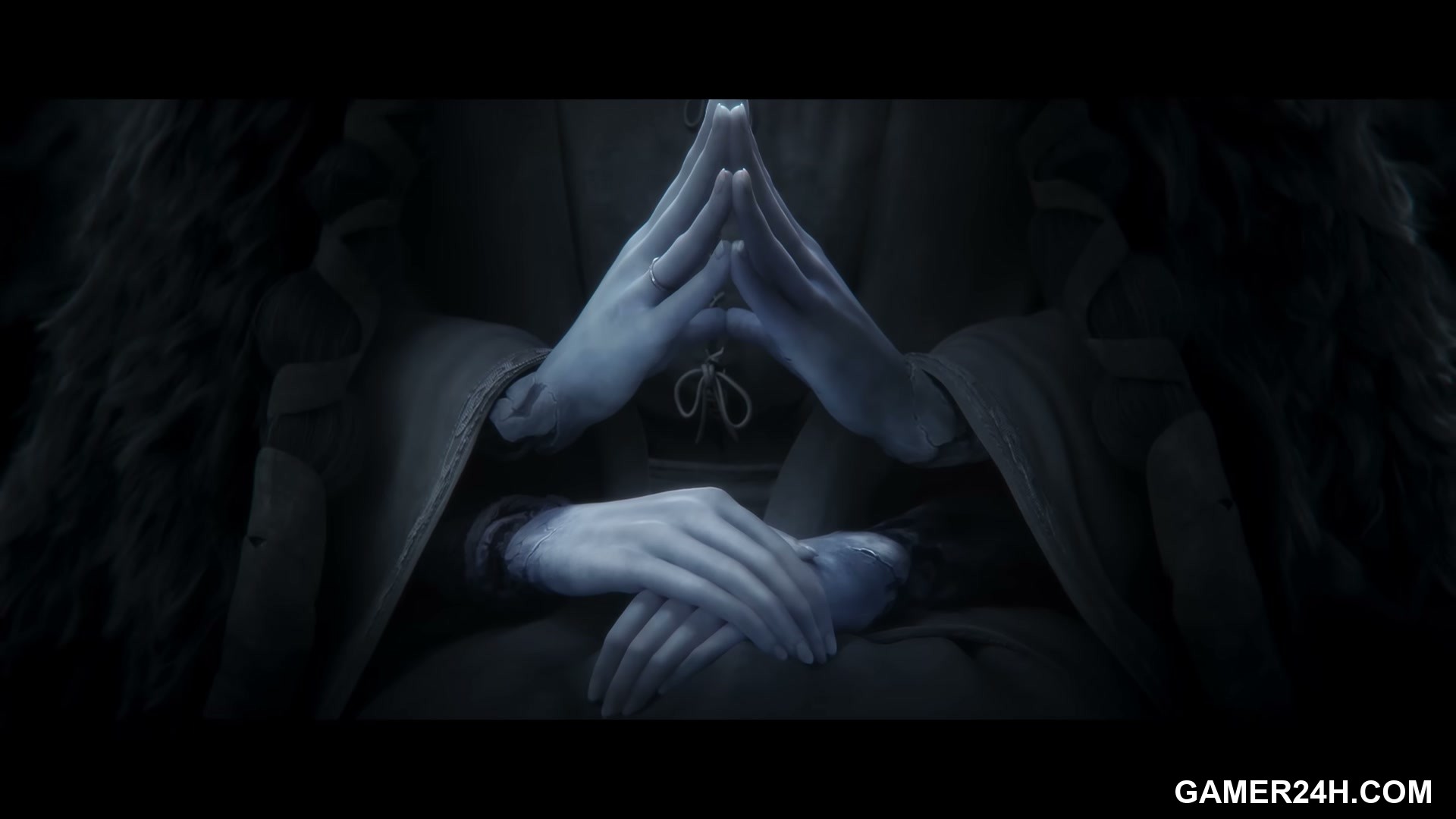
The selection of actors for key roles in “Elden Ring” is a testament to the show’s ambition and commitment to capturing the essence of its source material. With an ensemble cast comprising both established stars and rising talents, each character brings their own unique flavor to the story.
Leading the charge as the Tarnished protagonist, a role that requires strength, vulnerability, and resilience, will be [Actor Name], whose range and depth are well-suited for embodying this enigmatic hero. Supporting them is [Actor Name] as Godfrey, the First Elden Lord, whose performance aims to capture the grandiose and menacing presence of the character.
Other notable cast members include:
– **Malenia** (played by [Actor Name]): A tragic figure with a fierce fighting spirit.
– **Radagon of Namerya** (played by [Actor Name]): An enigmatic deity who wields immense power.
– **Lady Miru** and **Sir Gideon**: Two pivotal characters from the game, portrayed by [Actors Names], whose performances will highlight their unique dynamics within the narrative.
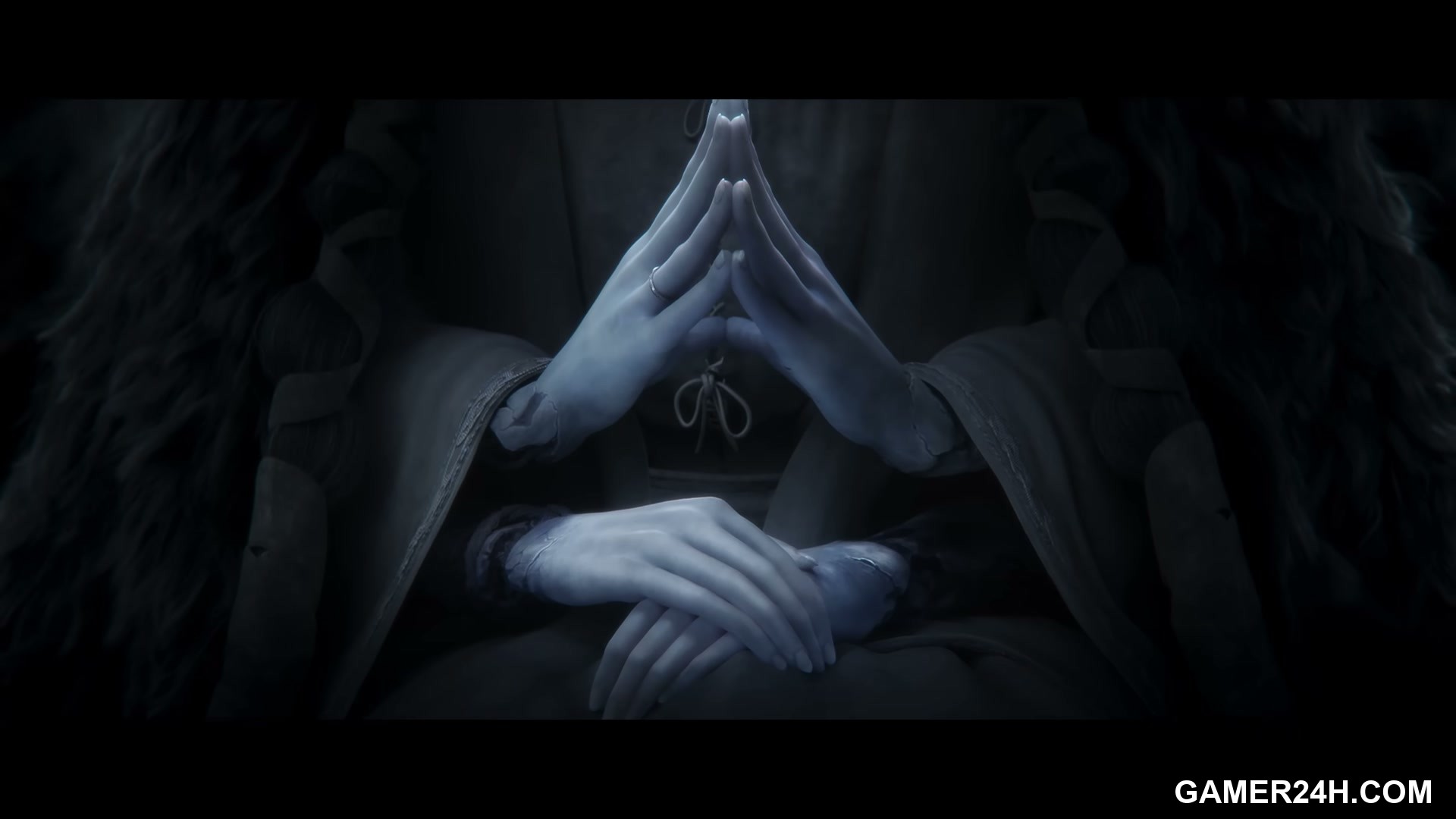
Each actor has been chosen not only for their ability to convey the character’s inherent traits but also for their willingness to delve deep into the lore of Elden Ring. The casting process involved extensive workshops and script analyses to ensure that every performer understands the intricate backstory and motivations of their respective characters, thereby fostering a sense of authenticity and immersion.
Soundtrack & Audio Design: The Sound of the Universe
The soundtrack of “Elden Ring” is as vital to its atmosphere as any visual or narrative element. Composed by renowned composer Yuka Kitamura and incorporating elements from various classical, orchestral, and ambient styles, the music serves not only to enhance gameplay but also to evoke a sense of dread, wonder, and awe.
In adapting this audio experience for television, the production team has worked closely with both the original composers and new collaborators to ensure that the emotional resonance remains intact. The series will feature an expanded orchestral score that complements the grandiose visuals and intense action sequences. Each episode will include a mix of familiar themes from the game as well as newly composed pieces tailored specifically for television.
Sound design plays a crucial role in enhancing this immersive auditory experience, with meticulous attention paid to environmental sounds, character interactions, and combat mechanics. The goal is to recreate that feeling of being transported into the world of Elden Ring through sound alone, making every moment—from quiet exploration to epic battles—viscerally impactful for viewers.
Production Status & Anticipation
As anticipation builds for “Elden Ring,” fans and industry insiders alike are eagerly awaiting updates on its production status. The series is currently in active development with principal photography set to begin [specific dates]. Pre-production activities such as script refinement, casting calls, location scouting, and set construction have been ongoing over the past year.
Key creative personnel include:
– **Showrunner**: [Name], known for their work on critically acclaimed projects.
– **Director(s)**: [Names], bringing a wealth of experience in adapting complex narratives to television.
– **Producer(s)**: [Names], who have secured substantial funding from major networks and streaming platforms eager to capitalize on the series’ potential.
Production teams are also collaborating closely with FromSoftware and Bandai Namco Entertainment, ensuring that every aspect—from visual fidelity to narrative integrity—is meticulously preserved. As filming progresses and more details emerge, fans can look forward to behind-the-scenes footage, interviews, and concept art showcasing the ambitious scope of this adaptation.
Conclusion: The Next Era of Multimedia Adaptations
The transition of “Elden Ring” from a critically acclaimed video game into a television series represents a significant milestone in multimedia storytelling. By blending innovative visual techniques with deep narrative exploration, the production team aims to create an experience that honors both the source material and the unique strengths of live-action television.
As viewers tune in to witness this epic tale unfold on screens worldwide, they can anticipate an immersive journey through a world defined by its intricate lore, stunning visuals, and compelling characters. With “Elden Ring,” we are witnessing not just another adaptation but the beginning of a new era where video games pave the way for groundbreaking television series that captivate audiences globally.