Introduction: From Console to Screen
The journey from console gaming to television and cinema has seen its fair share of triumphs and challenges over the years. Yet, each adaptation represents a unique opportunity to explore and expand upon beloved game universes in ways that were previously unimaginable. Sony Interactive Entertainment’s critically acclaimed title “Helldivers” is poised for such a transformation into a visual spectacle on our screens. Originally released as a cooperative shooter video game set in a dystopian universe where humanity faces extinction, the narrative of “Helldivers” offers a rich and expansive world ripe for cinematic interpretation.
Adapting “Helldivers” to television or film demands not only capturing its core gameplay mechanics but also delving into the emotional depth and thematic complexity that lie beneath its surface. This adaptation is an opportunity to introduce this universe to new audiences while offering familiar fans something fresh and exciting.
As we embark on this exploration, it’s essential to consider how the visual direction of “Helldivers” can be translated from a game engine to live-action or CGI environments. Let’s dive into the challenges and opportunities presented by bringing this visually striking world to life in an entirely new medium.
Visual Direction: Translating Game Aesthetics
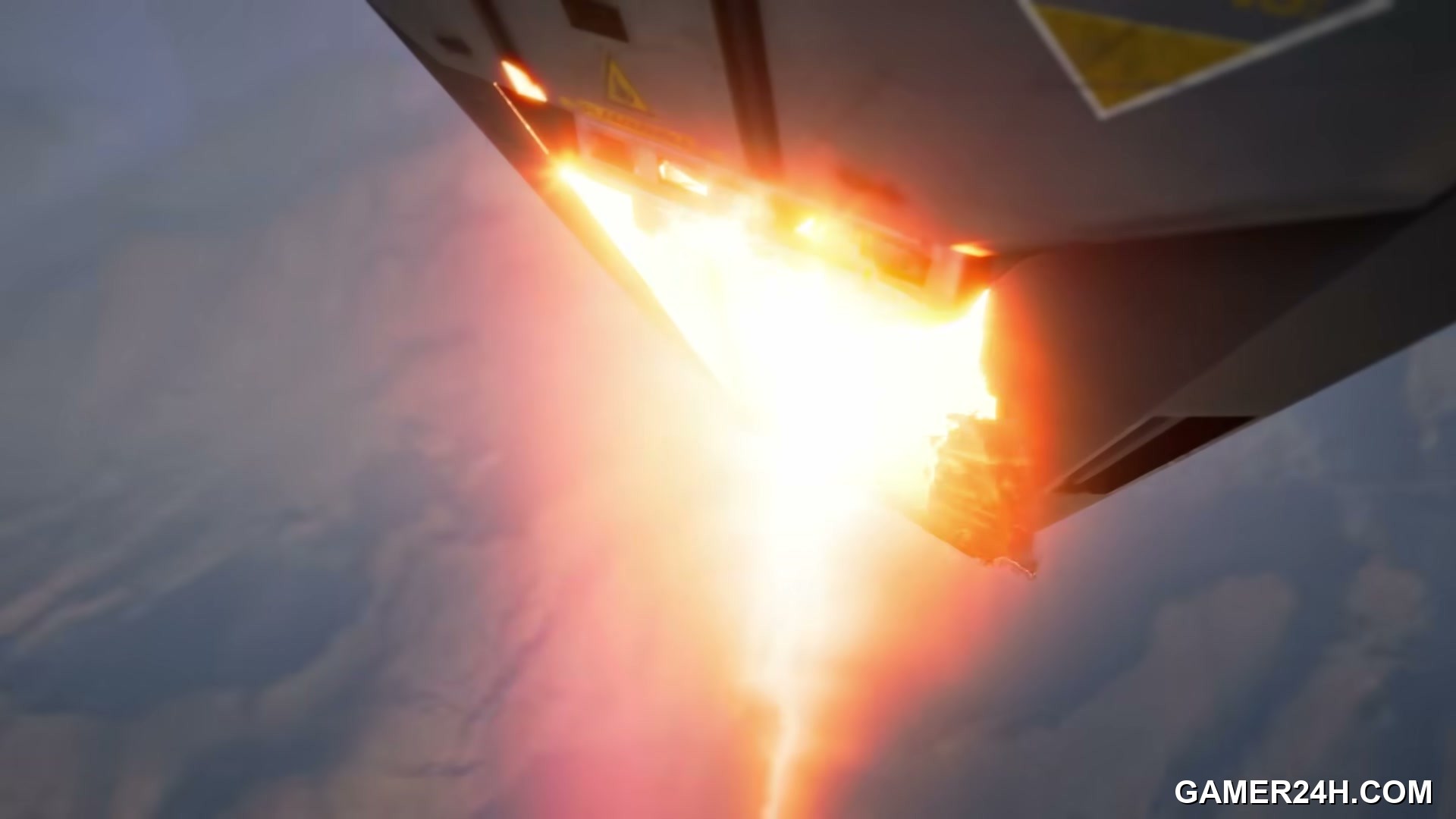
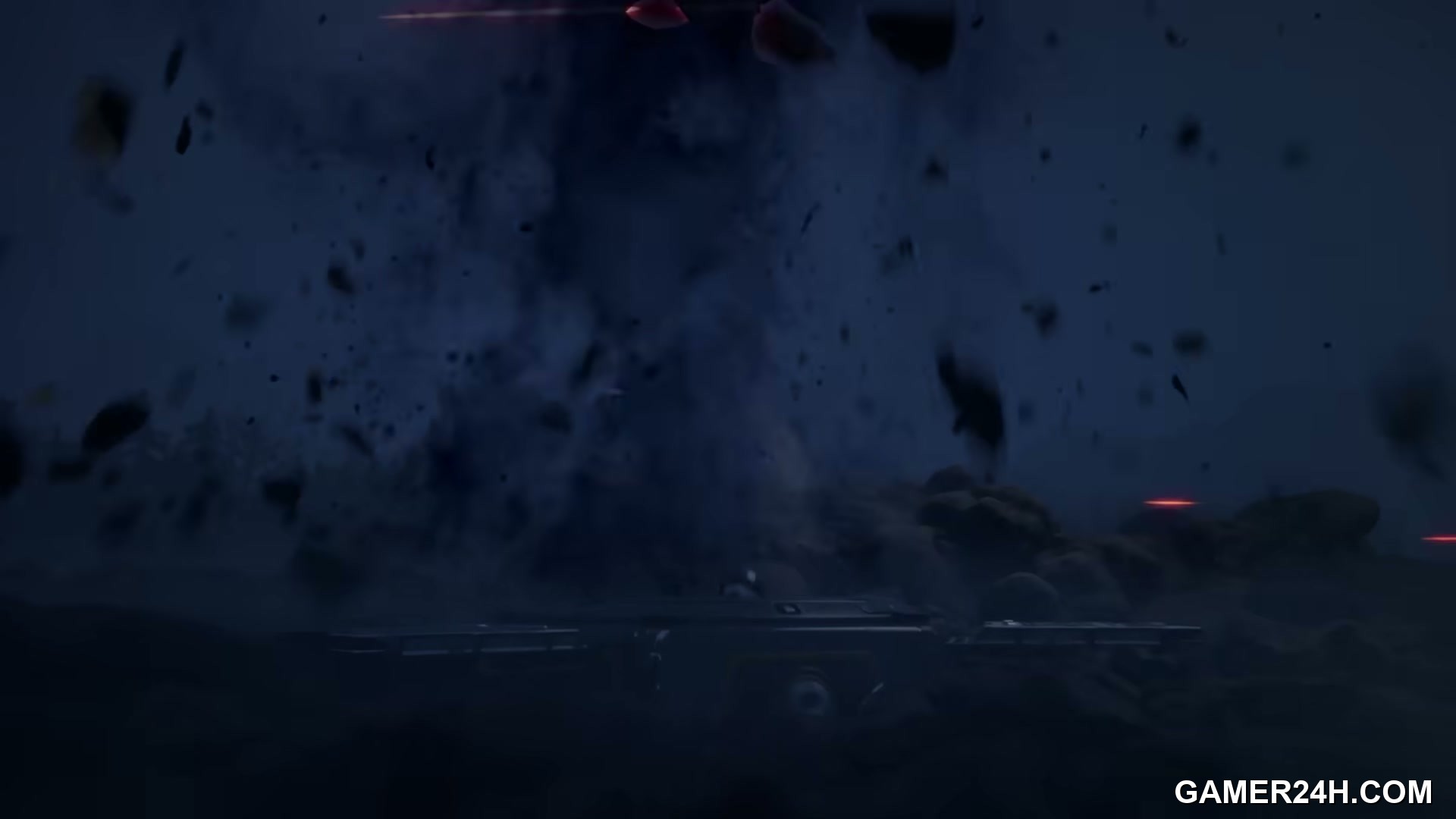
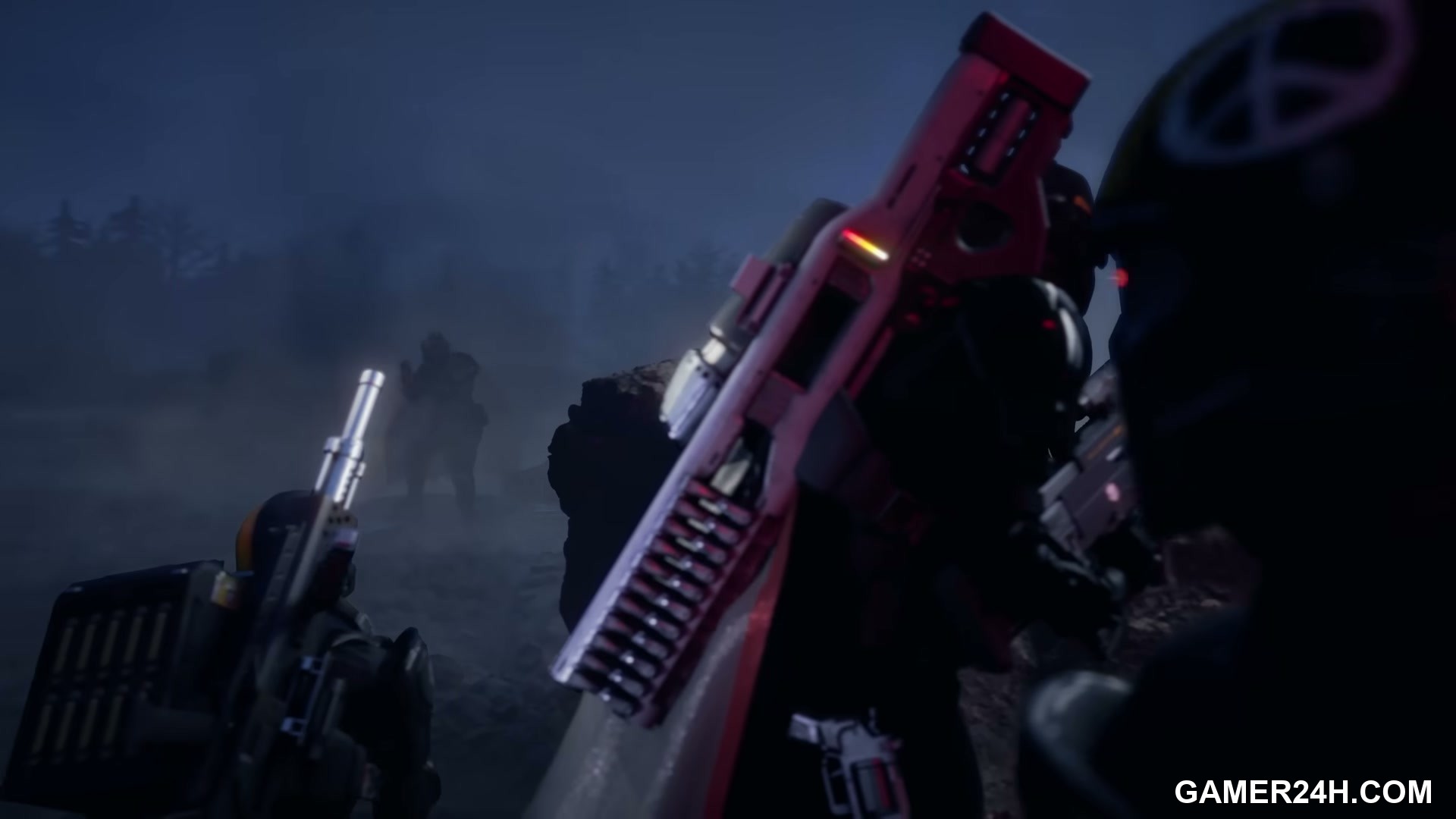
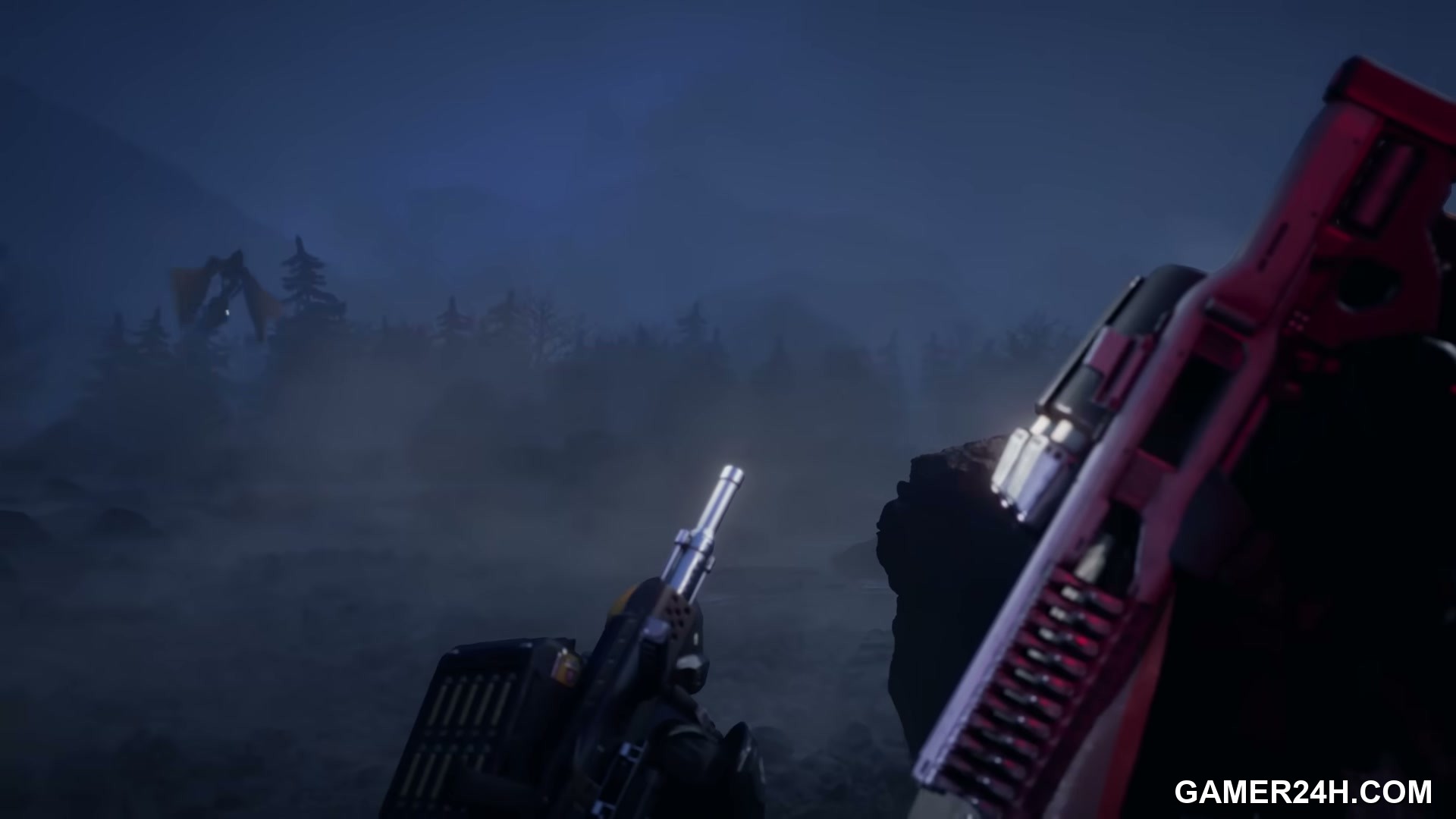
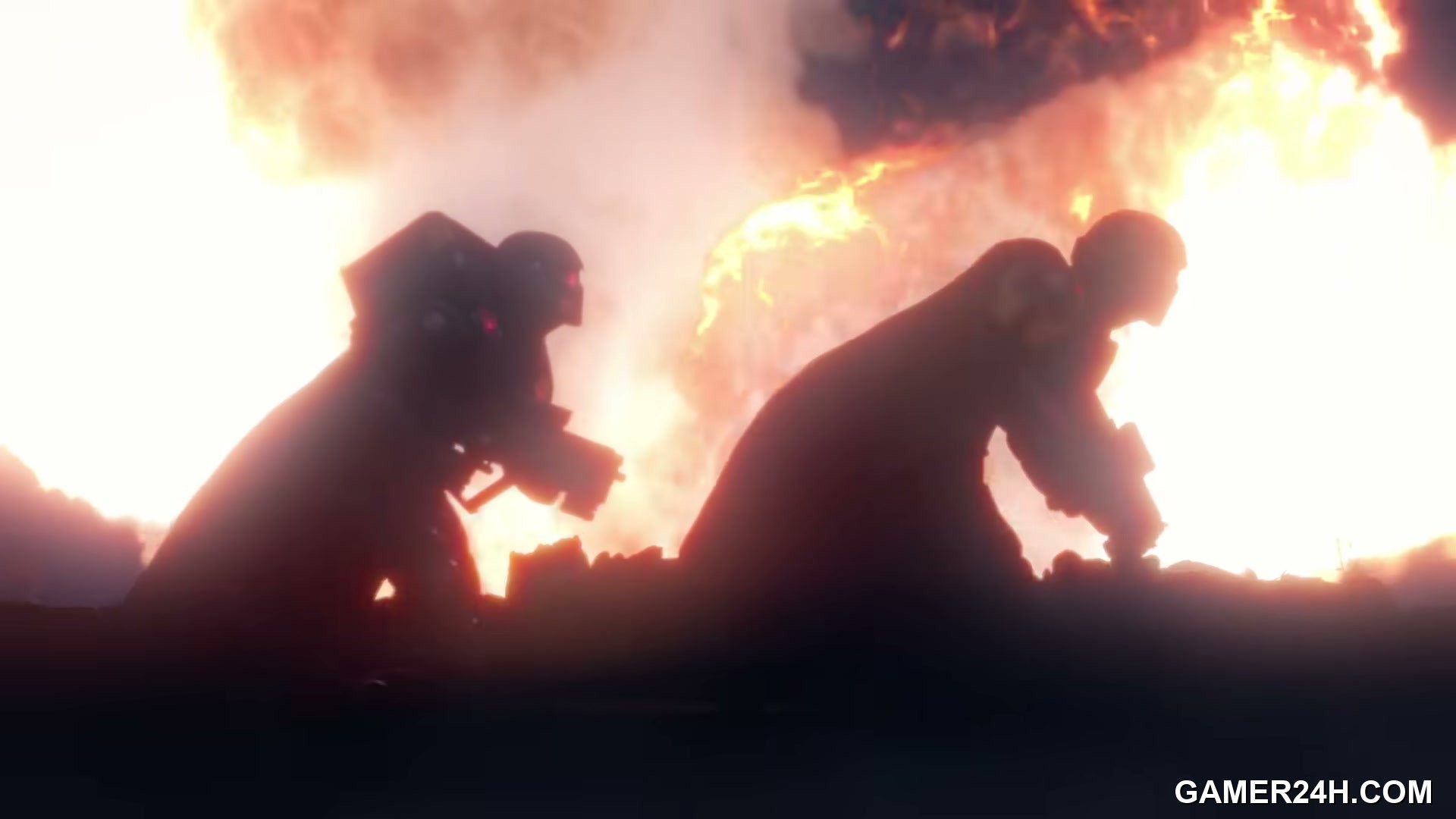
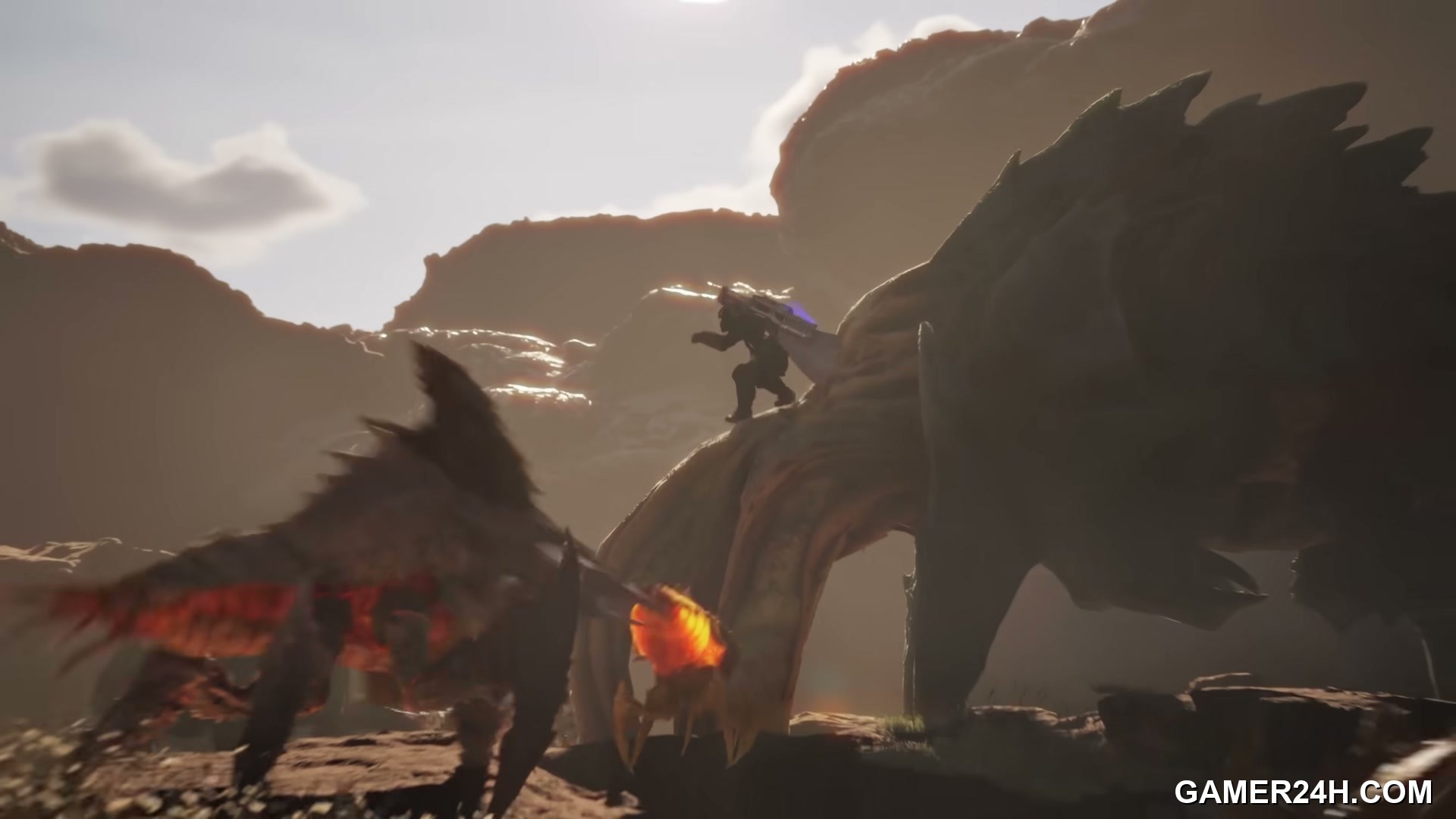
Translating the visual aesthetics of “Helldivers” from its original gaming format to a cinematic experience presents both unique challenges and exciting possibilities. The game’s art direction, characterized by dark, gritty visuals with elements of sci-fi horror, sets an intense and atmospheric tone that is crucial to capturing the essence of the Helldiver missions.
In adapting this look for film or television, the challenge lies in maintaining the original’s mood while enhancing its visual storytelling capabilities through dynamic camera movements and lighting techniques. The game’s use of shadows and stark contrasts must be carefully balanced with cinematographic elements such as lens flares and color grading to evoke the same sense of urgency and danger.
Moreover, the integration of advanced CGI will be essential for recreating not only the alien landscapes but also the mechanical and biological monstrosities that populate them. The game’s reliance on polygonal models and textures presents a chance for cinematic adaptation to leverage today’s cutting-edge visual effects technology. This means crafting detailed, realistic environments that are both alien and familiar, blending the eerie and the futuristic in equal measure.

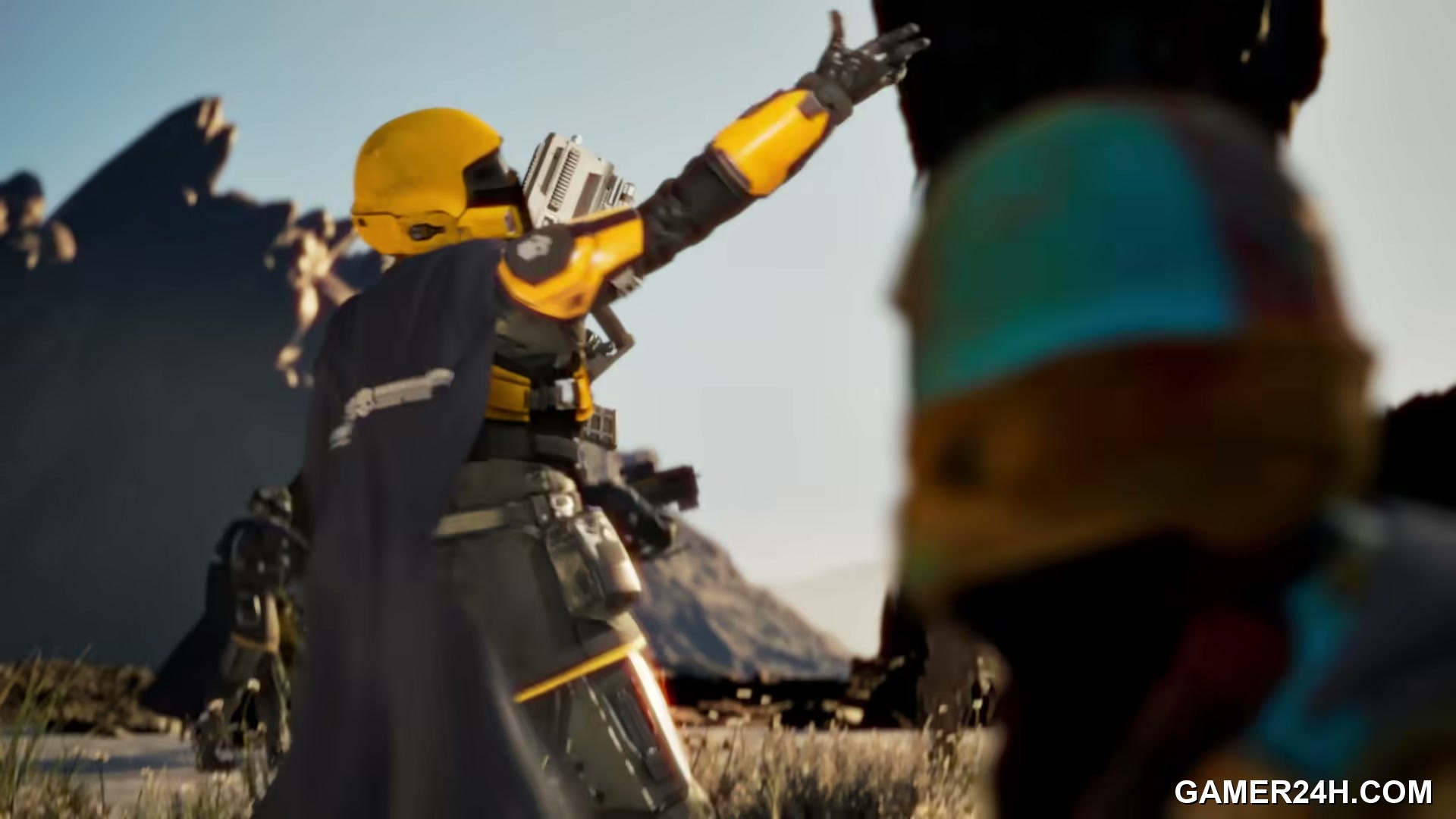
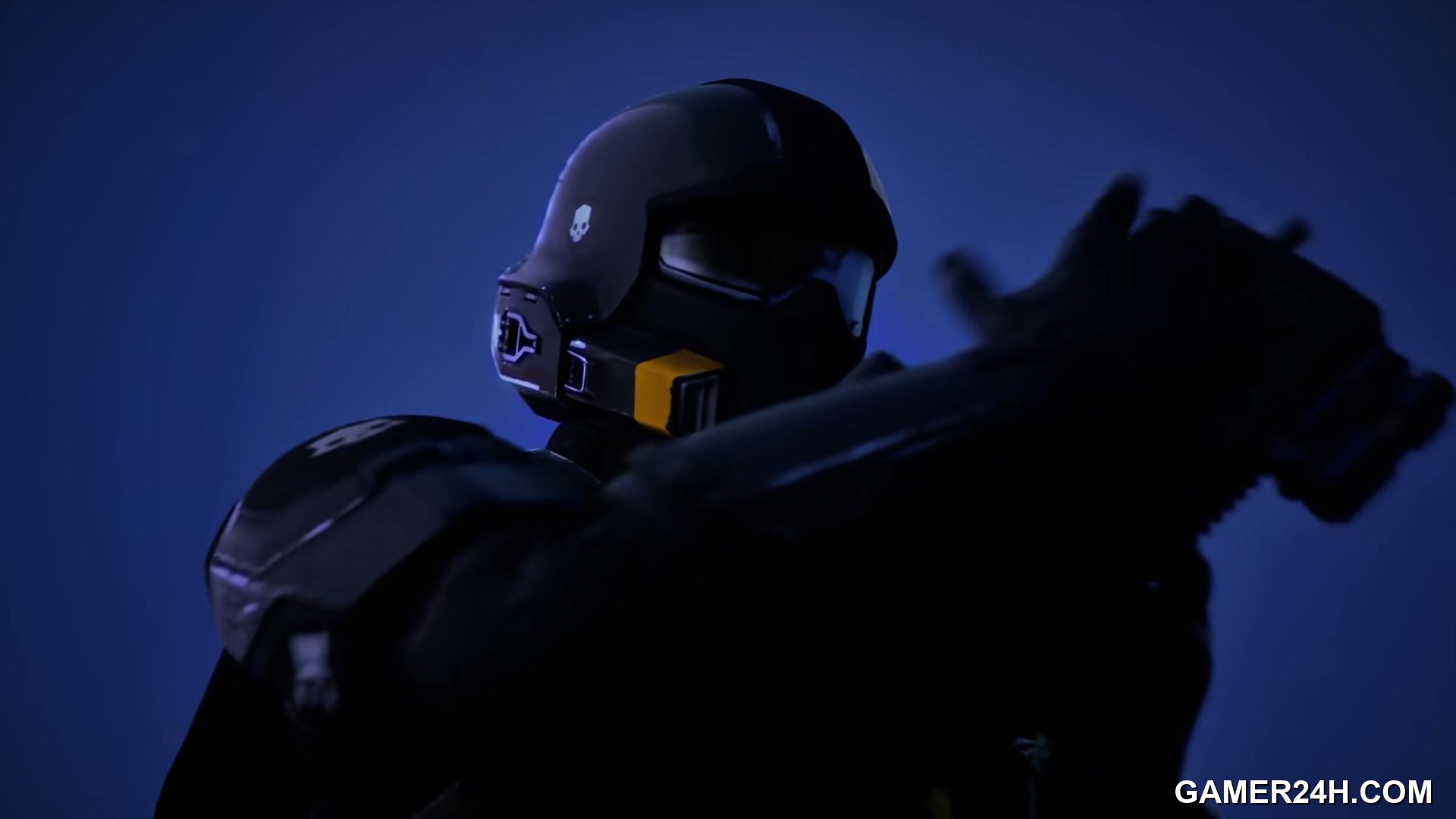
Creating believable and immersive action sequences will also be pivotal. While games rely heavily on player control and feedback loops to create excitement, cinema must use narrative pacing and physical performance to achieve a similar adrenaline rush. Thus, careful consideration of choreography, special effects makeup for the Helldivers’ armor, and practical set pieces alongside CGI enhancements are all part of translating “Helldivers” into a compelling visual experience.
Ultimately, the key will be in finding that sweet spot between the original’s raw power and cinematic refinement to ensure audiences feel like they have stepped right out of their game consoles and into an epic struggle against cosmic forces. This delicate balance promises to deliver not just a faithful adaptation but also an innovative fusion of two mediums’ strengths.
Story & Adaptation: Honoring the Source Material
The narrative depth of “Helldivers” presents both a challenge and an opportunity for any cinematic adaptation. The game’s story is rooted in a complex, multi-layered universe where humanity faces existential threats from across dimensions. This cosmic struggle, combined with intricate character dynamics and ethical dilemmas faced by the Helldiver soldiers, offers rich ground for expansion.
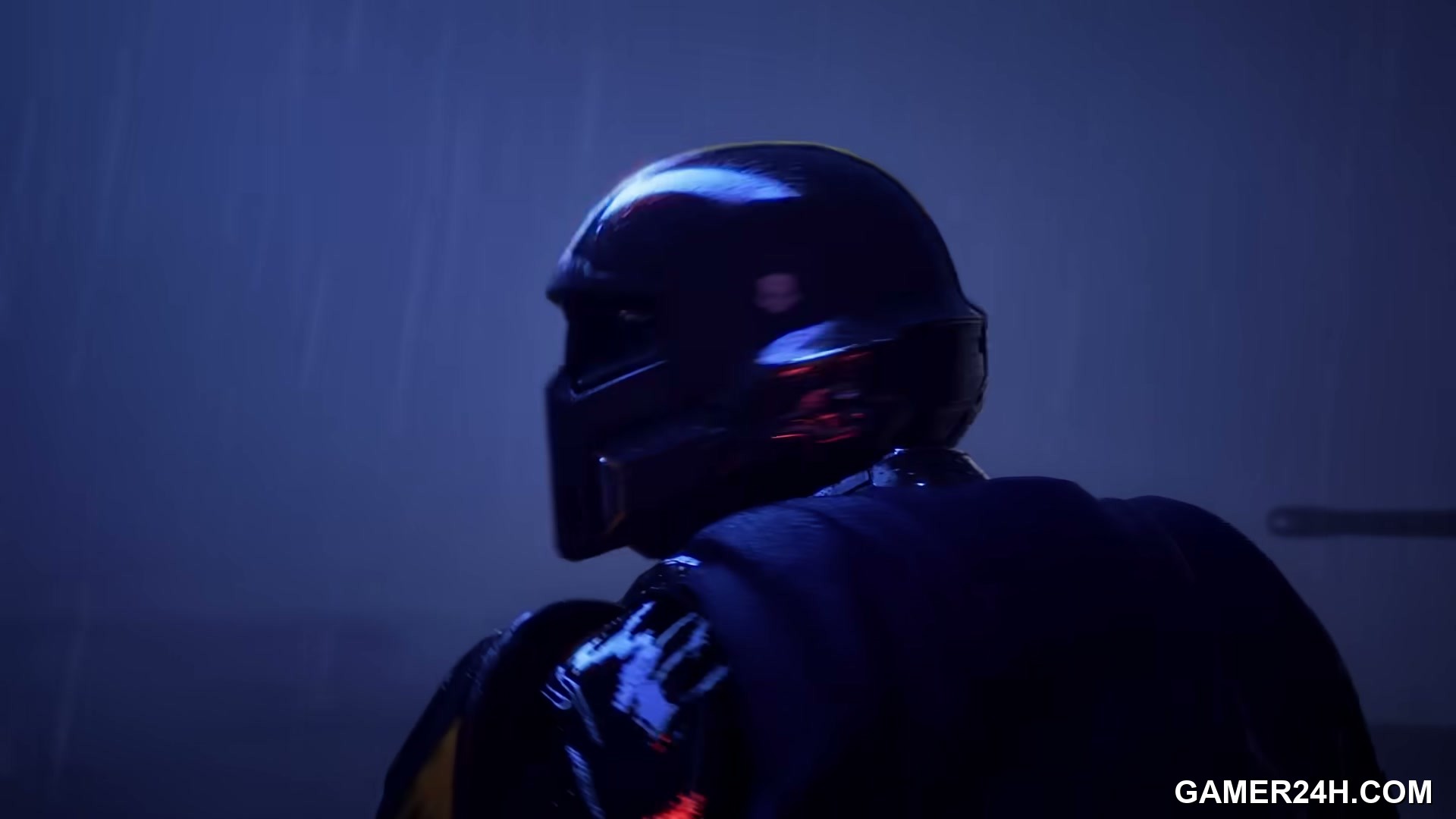
Adapting “Helldivers” demands not only fidelity to its core storyline but also a willingness to explore new avenues that enhance the narrative’s emotional resonance. The game’s non-linear progression allows players multiple paths to engage with the story, making it essential for the adaptation to capture these varied experiences while maintaining coherence across different media.
One of the primary tasks will be weaving together disparate plot threads and character arcs into a cohesive narrative arc. This involves deep dives into the motivations of key characters such as Commander Blackwood and Sergeant Grunt, delving into their personal backgrounds and relationships within the Helldiver ranks. By grounding these characters in compelling backstories that resonate emotionally with viewers, the adaptation can forge stronger connections between the audience and the universe.
Moreover, the film or series could take advantage of its medium to explore subplots and character development more extensively than was possible through gameplay alone. For instance, expanding on side missions would allow for deeper exploration of various factions and their conflicts within the game’s overarching storyline. This approach can provide a richer understanding of the political and social dynamics that underpin the Helldiver’s struggle against cosmic threats.
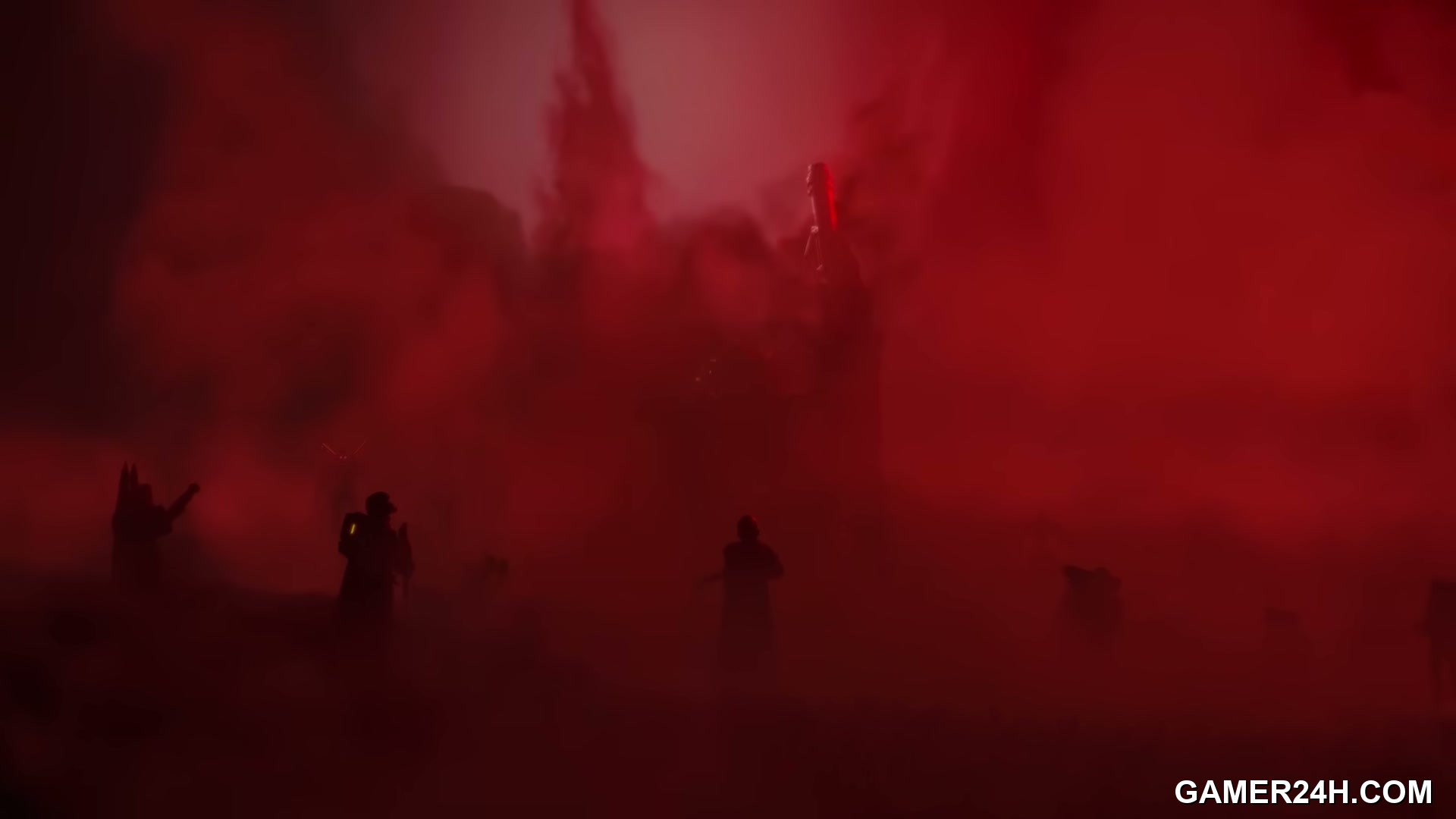
In terms of ethical questions and moral dilemmas central to “Helldivers”, an adaptation has the potential to delve into these themes with greater nuance, providing space for dialogue on the implications of interdimensional warfare. The adaptation can also incorporate more philosophical and existential discussions about free will versus fate, aligning well with the game’s darker tone.
Overall, a successful adaptation would be one that respects the original’s spirit while enhancing its narrative strengths through cinematic storytelling techniques. By carefully balancing fidelity to the source material with creative enhancements, “Helldivers” has the potential to captivate new audiences and deepen the appreciation of existing fans for this unique gaming experience.
Cinematic Atmosphere & Scale
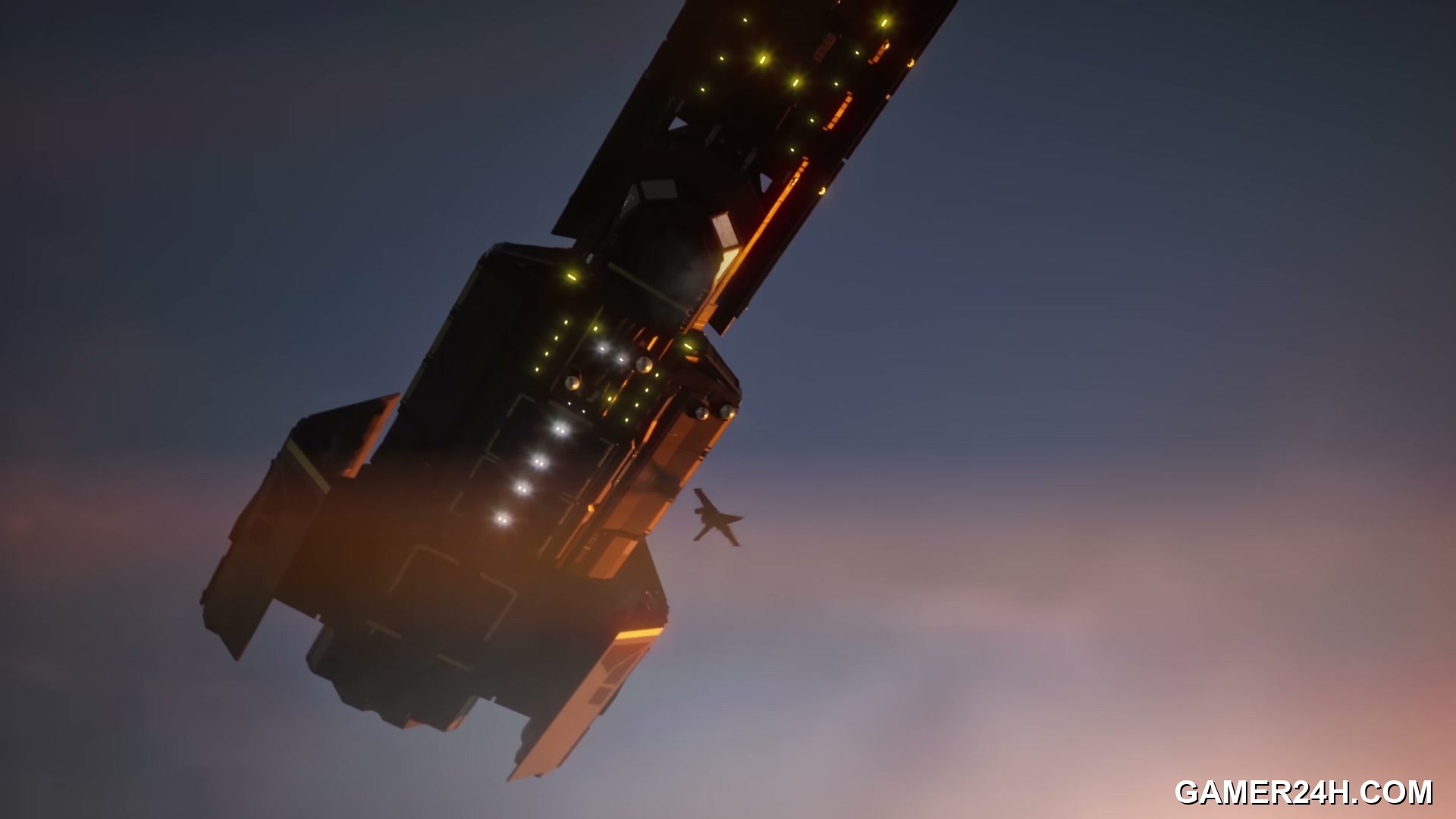
Creating a cinematic atmosphere that captures the grandeur and intensity of “Helldivers” requires meticulous attention to detail in both setting design and storytelling scope. The game’s narrative unfolds across an expansive universe, featuring diverse planets with their own distinct environments and challenges. Translating this scale for film or television involves crafting immersive backdrops that convey the vastness and diversity of these alien worlds.
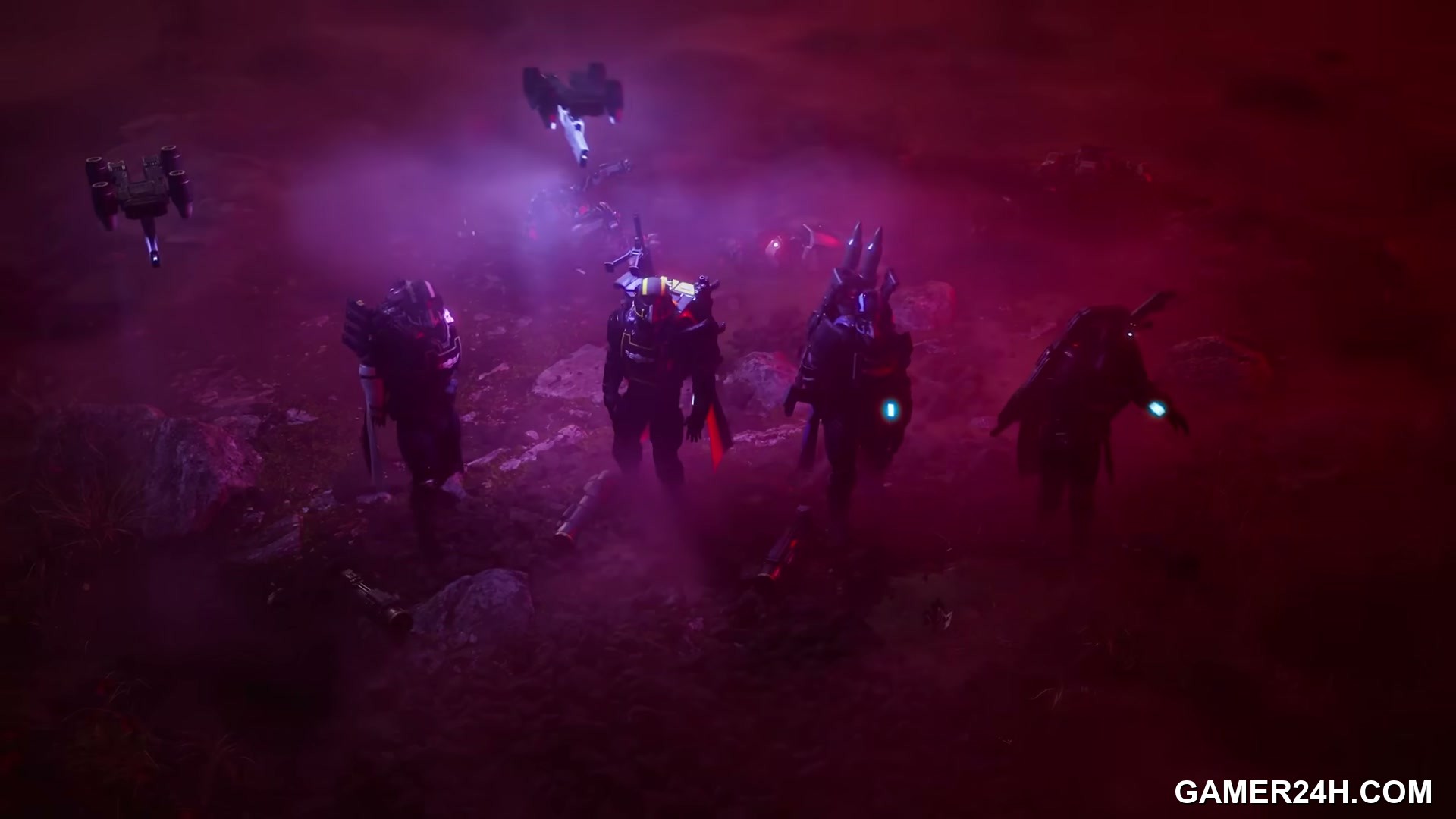
To achieve this, a key aspect will be developing detailed world maps and environment blueprints that reflect the game’s various locales—from desolate wastelands to technologically advanced cities under siege by cosmic entities. Each setting should evoke its unique character through meticulous set design, including authentic props and realistic textures that capture the gritty, dystopian aesthetic.
Furthermore, the use of expansive landscapes and sweeping camera movements will be crucial in conveying the scale of interstellar conflict. Vast open spaces filled with colossal structures and eerie alien flora can serve as powerful visual metaphors for humanity’s struggle against overwhelming odds. Additionally, incorporating innovative cinematographic techniques such as drone shots and long-distance tracking shots can enhance the sense of awe and peril.
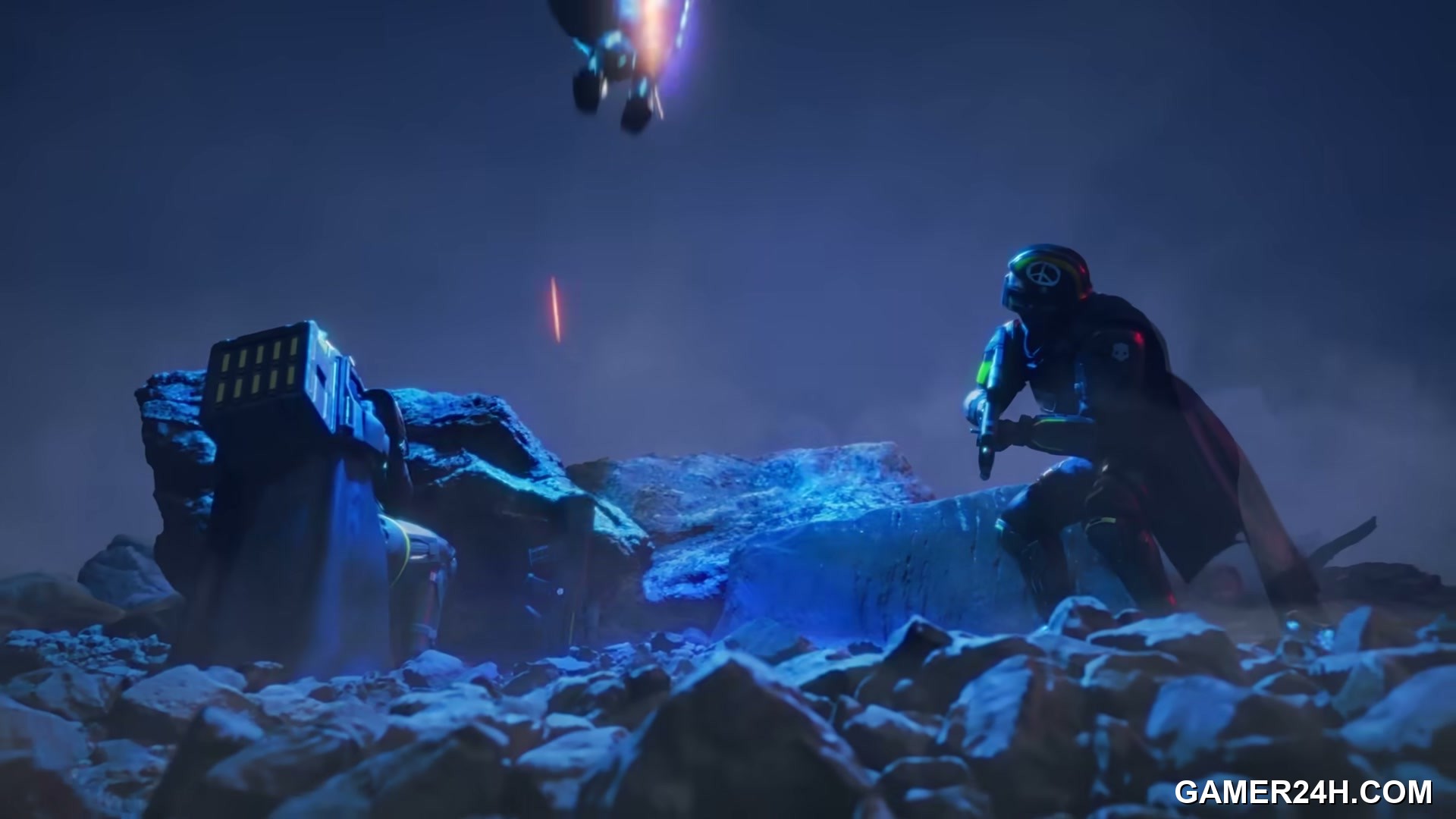
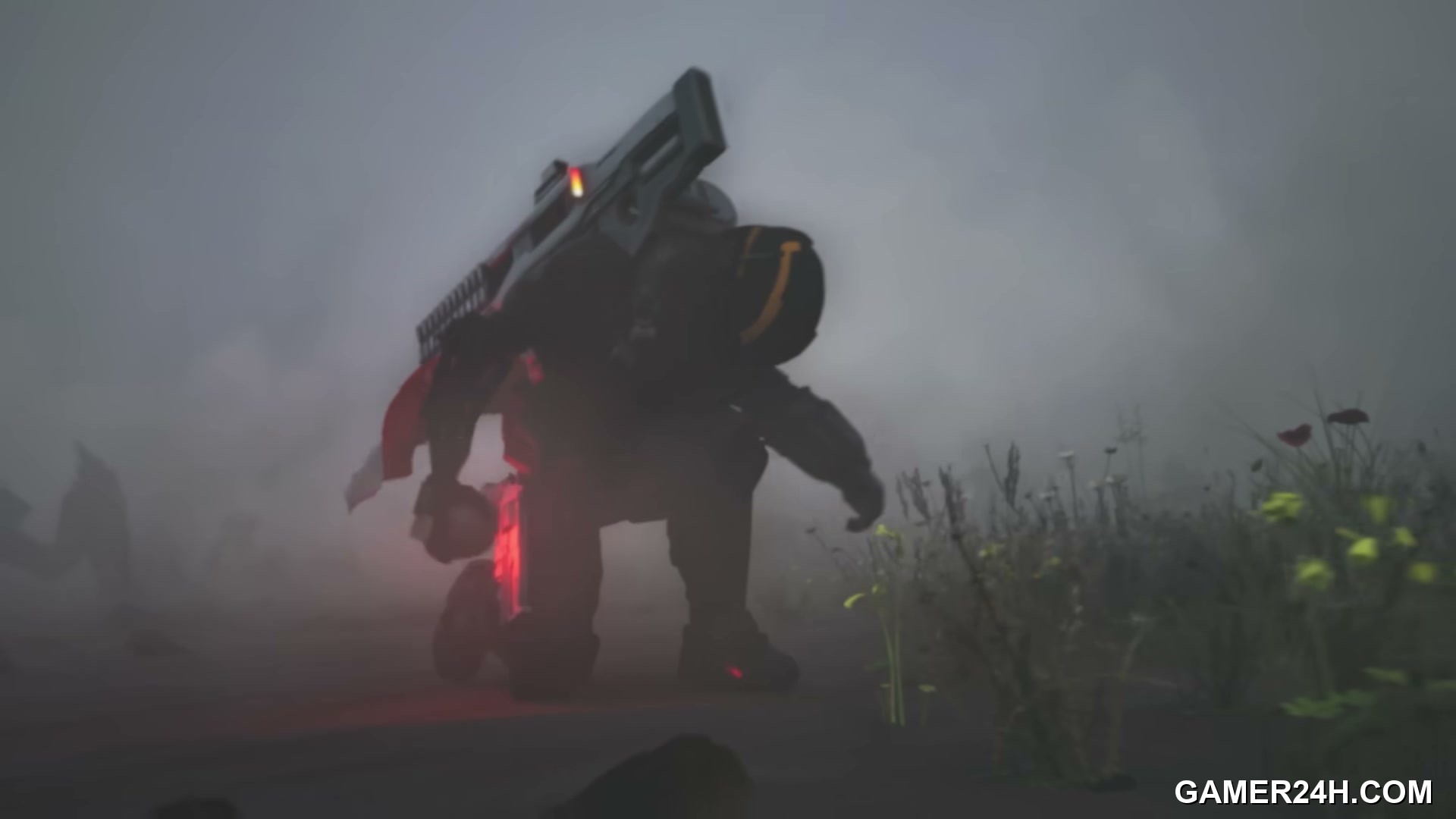
The atmosphere is equally vital in setting the tone for “Helldivers”. Dark, moody lighting paired with atmospheric soundscapes will help create a tense and suspenseful environment that mirrors the game’s ominous ambiance. Incorporating dynamic weather effects like swirling dust storms or eerie fog can further amplify the sense of danger lurking around every corner.
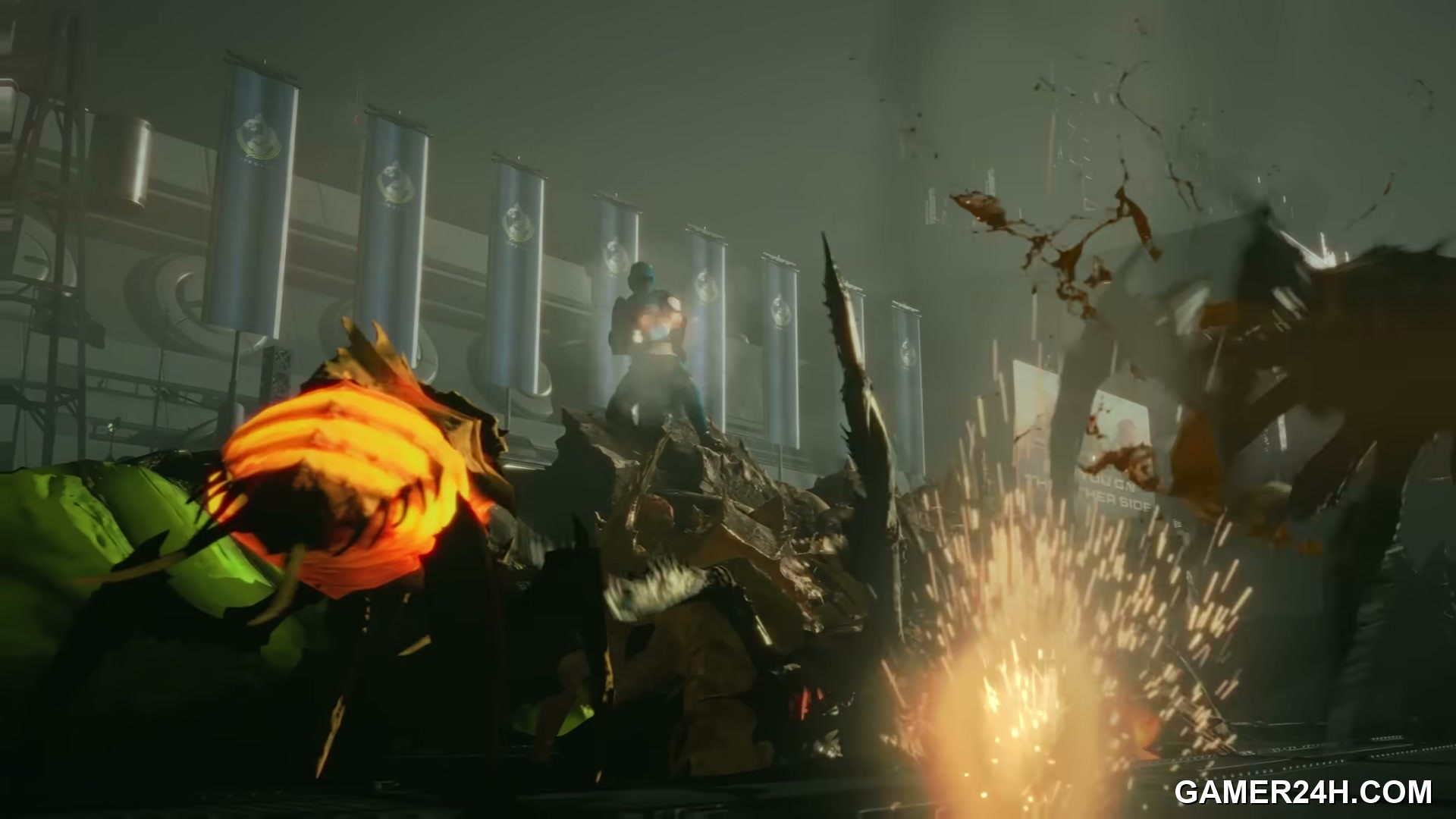
To complement this visual spectacle, the storytelling must maintain an epic scope while emphasizing personal stakes for individual characters. This balancing act ensures that viewers remain emotionally invested in both macro-level conflicts and micro-level interpersonal dramas. By intertwining large-scale battles with intimate moments of camaraderlike and moral introspection, the adaptation can create a narrative tapestry as intricate and impactful as the game itself.
In essence, crafting an immersive cinematic atmosphere for “Helldivers” involves meticulous world-building and atmospheric design that captures both the grand scale and intense detail of its universe. Through these efforts, audiences will be transported to a vividly realized cosmos where every element works harmoniously to heighten the sense of peril and wonder inherent in this cosmic struggle.