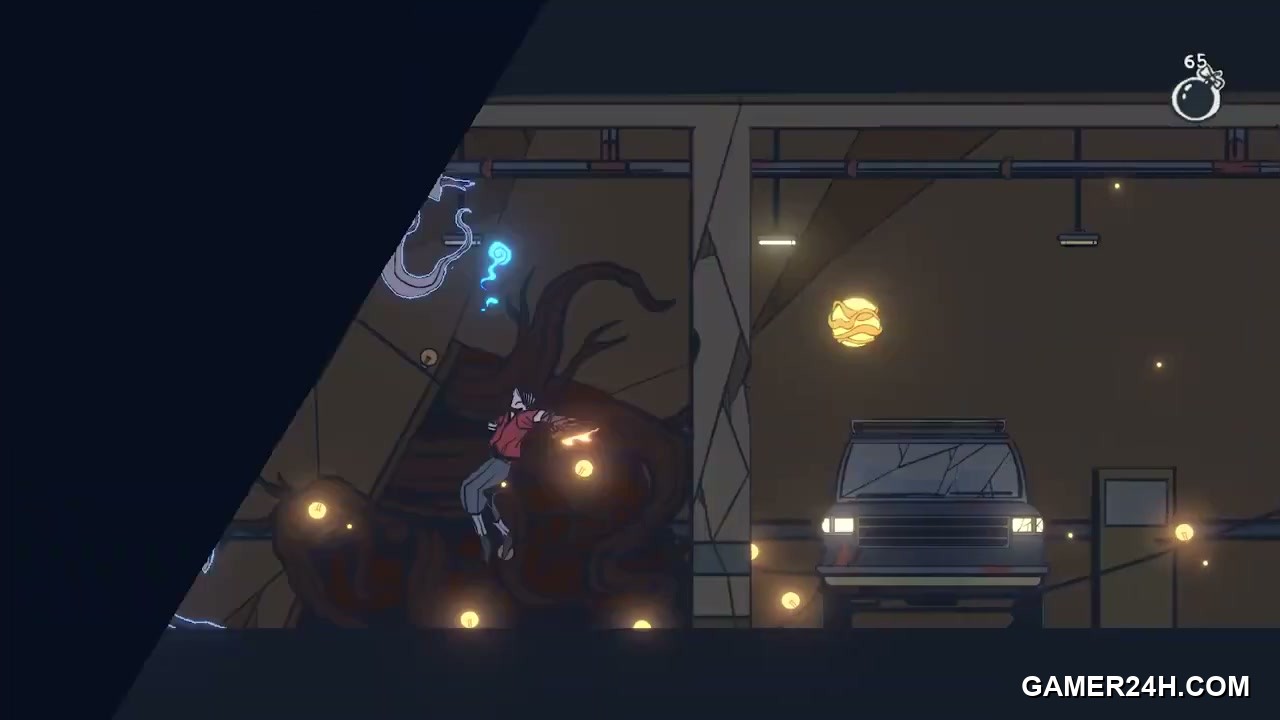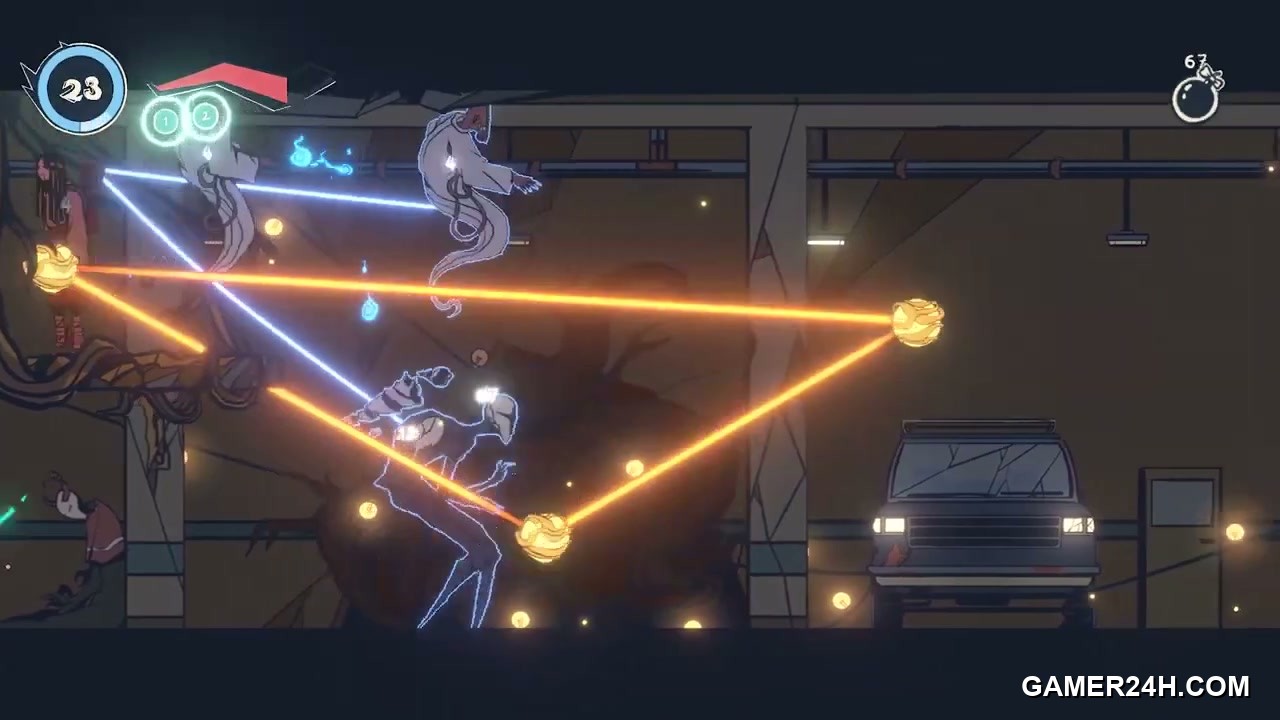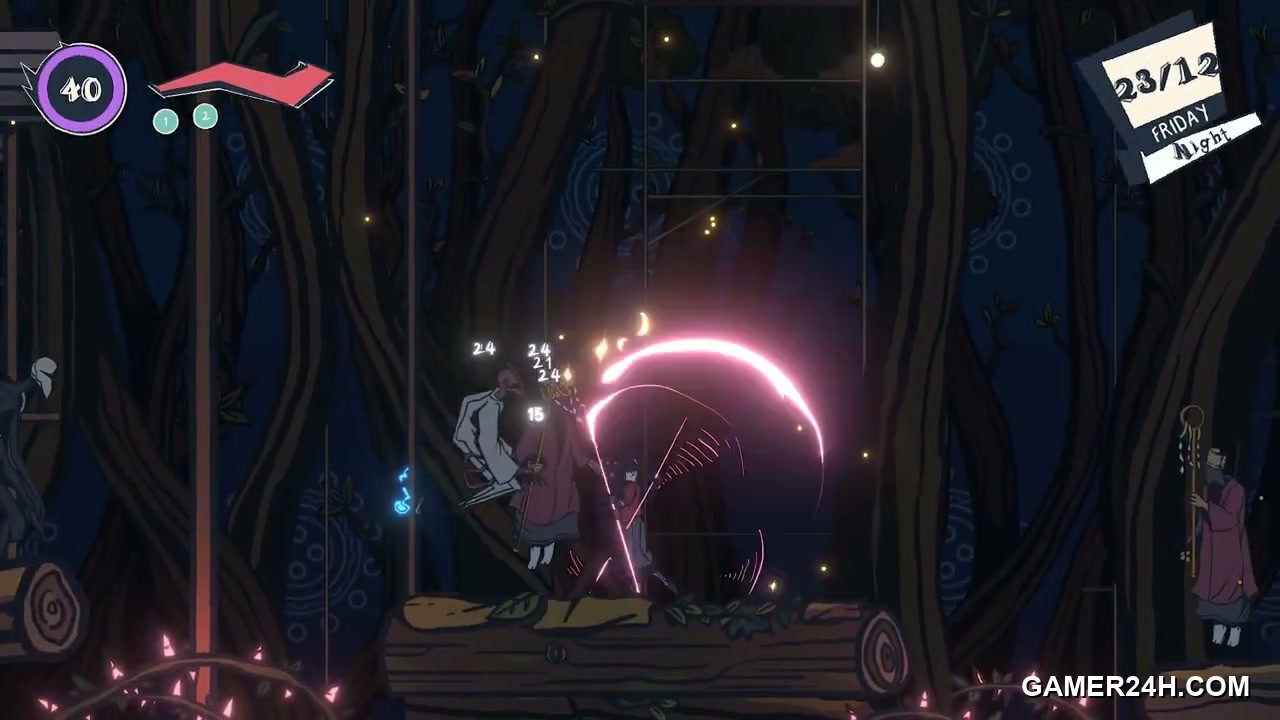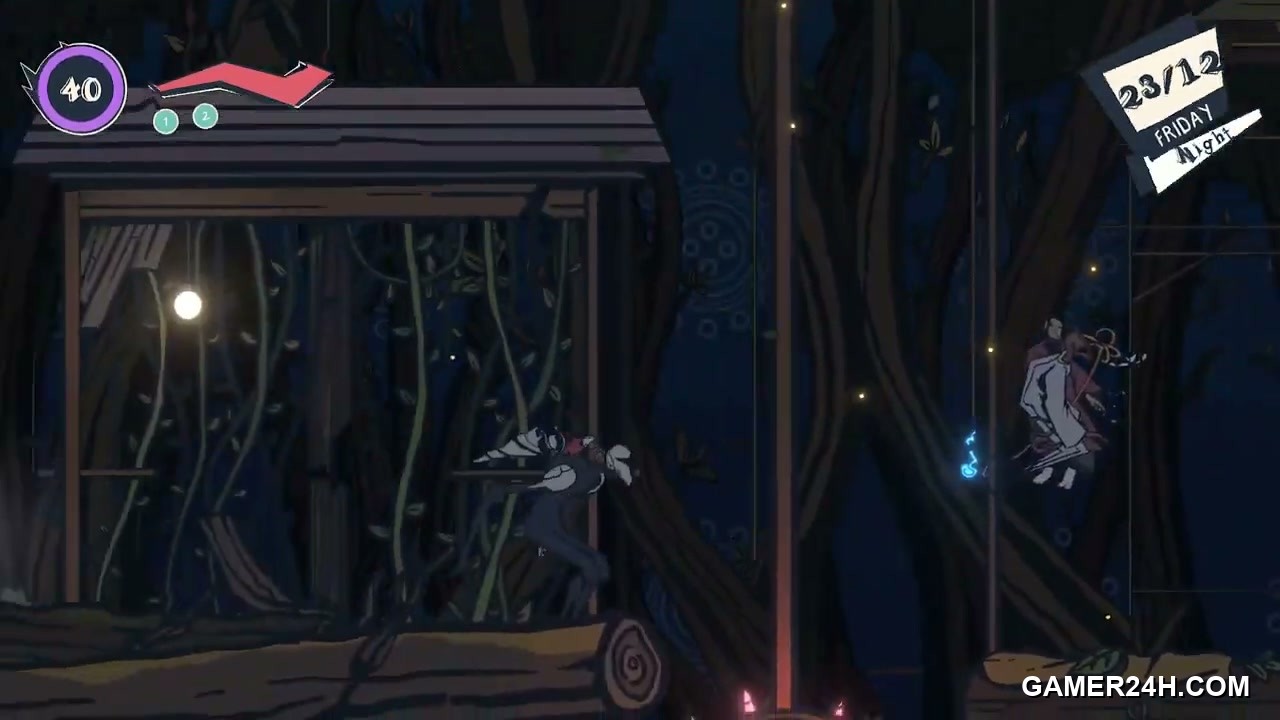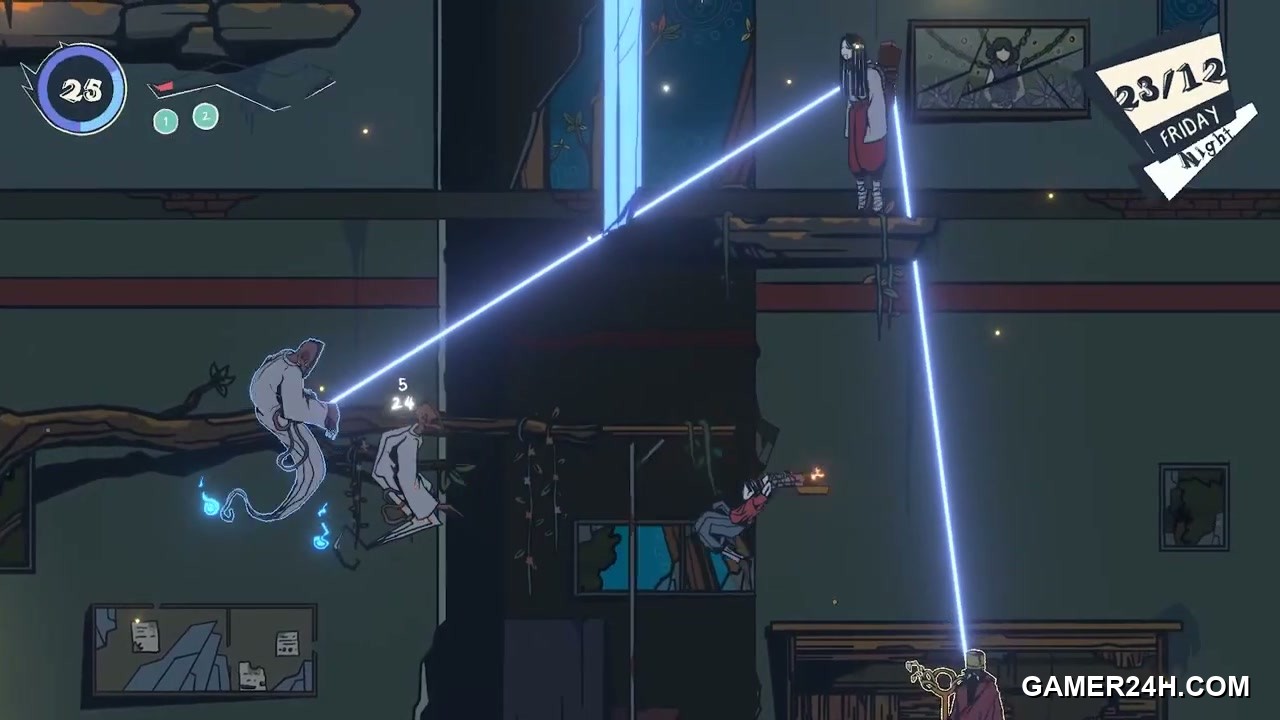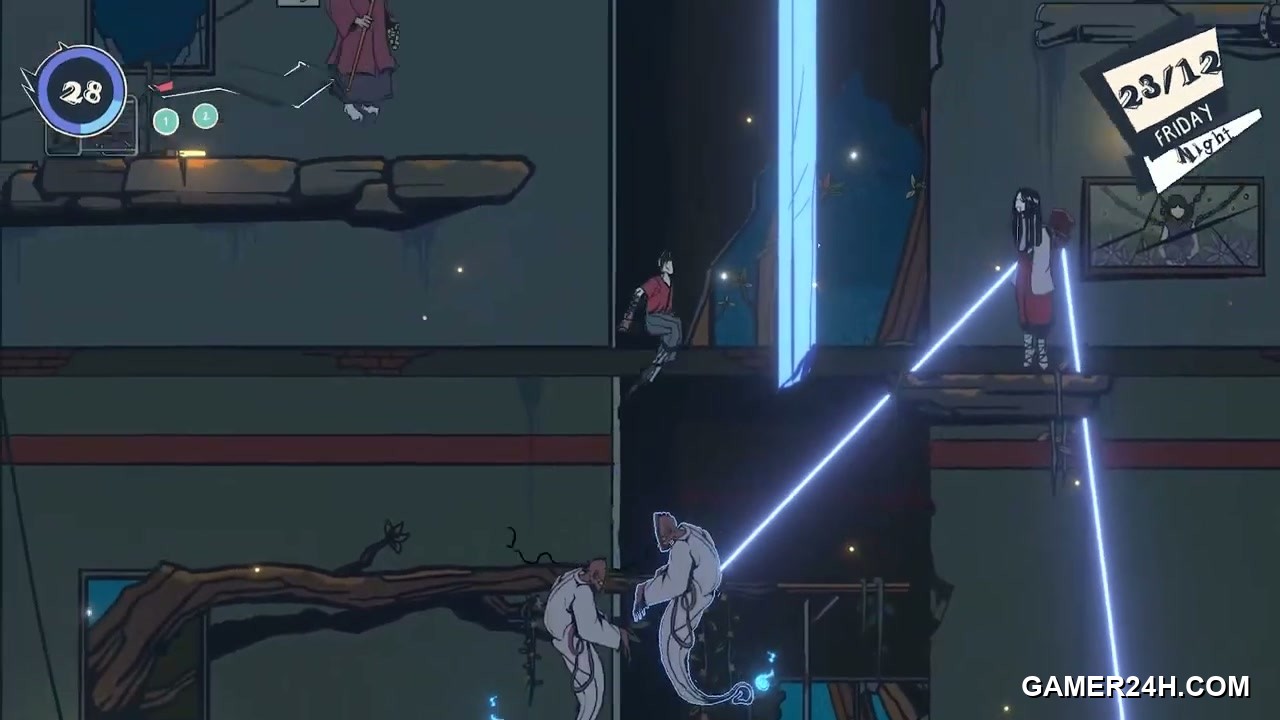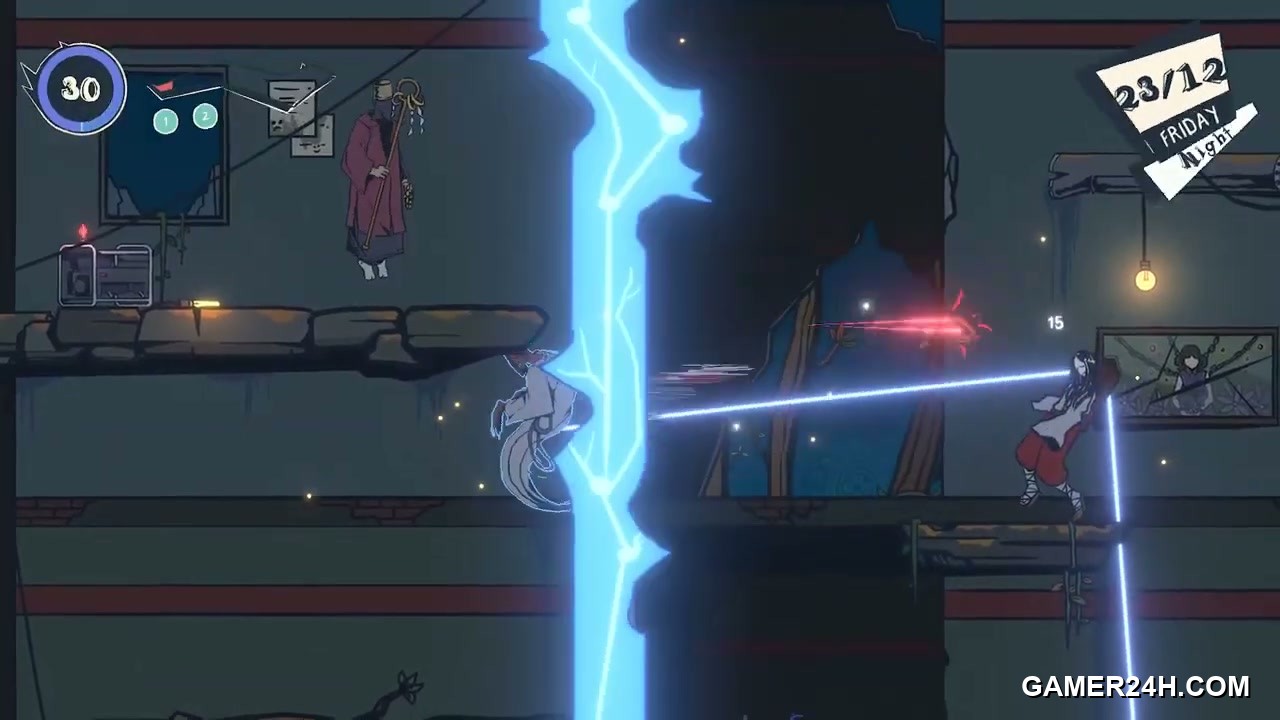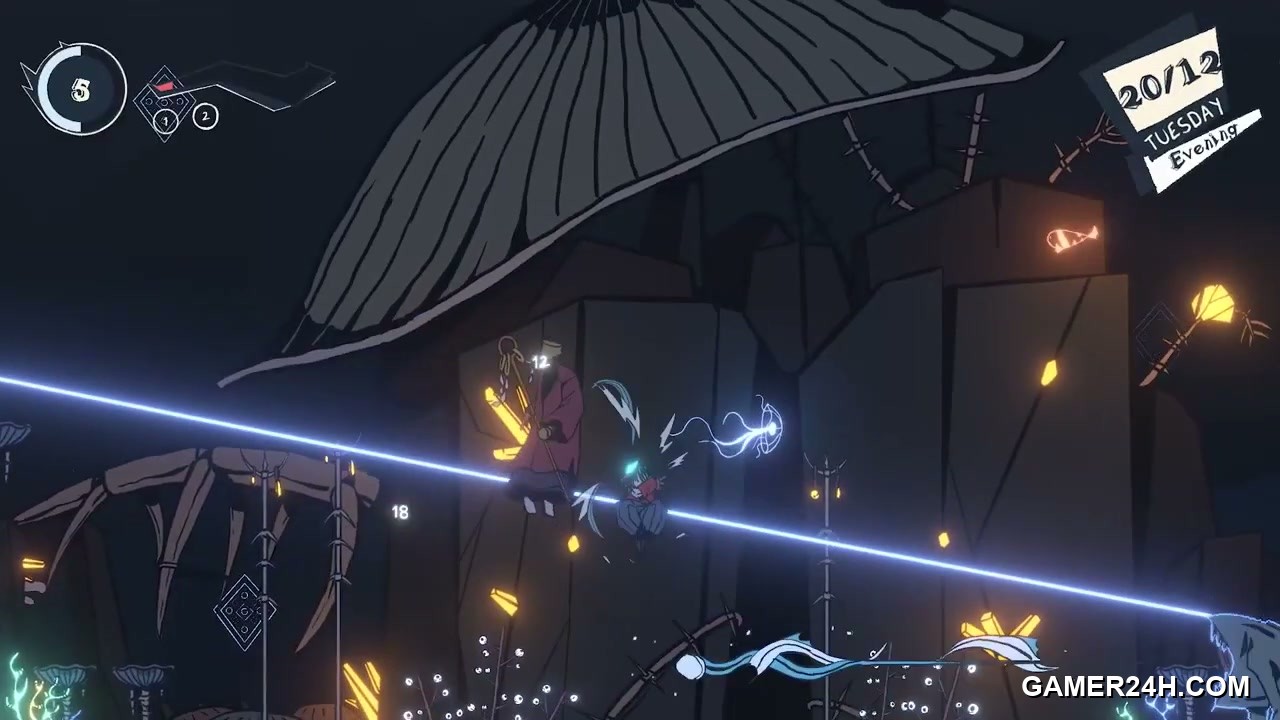
Introduction: Stealth Espionage Reimagined
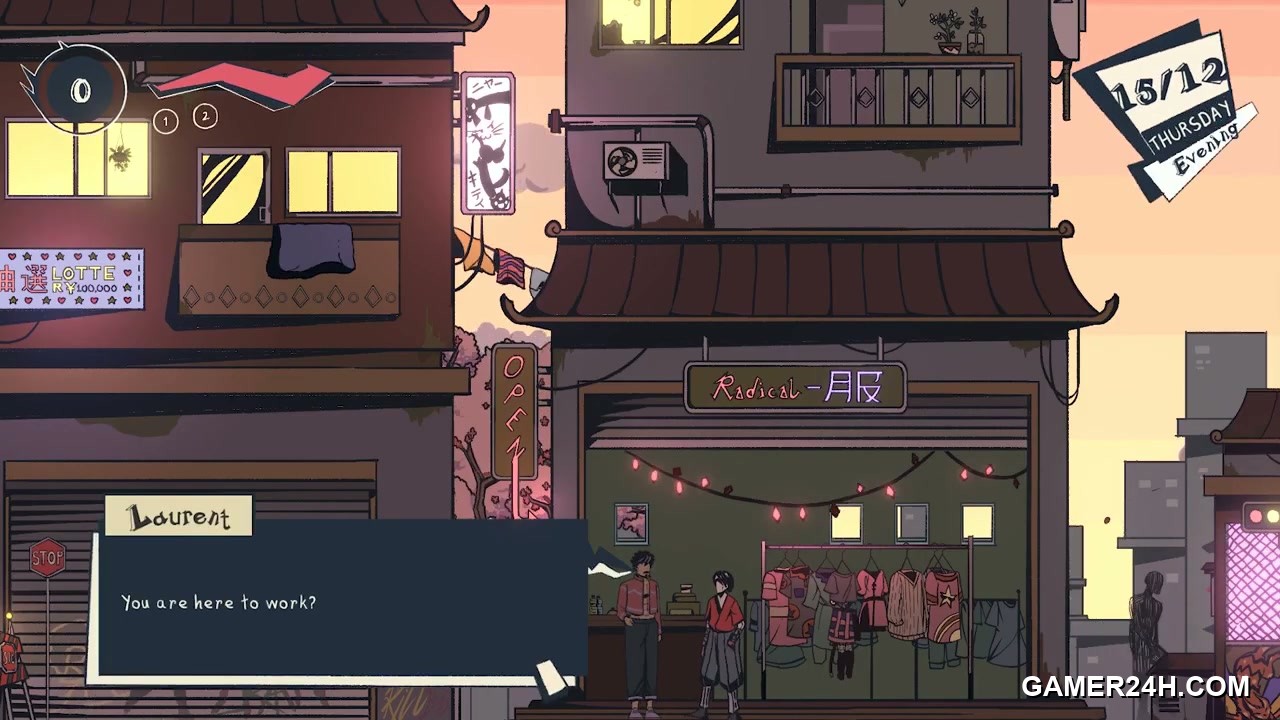
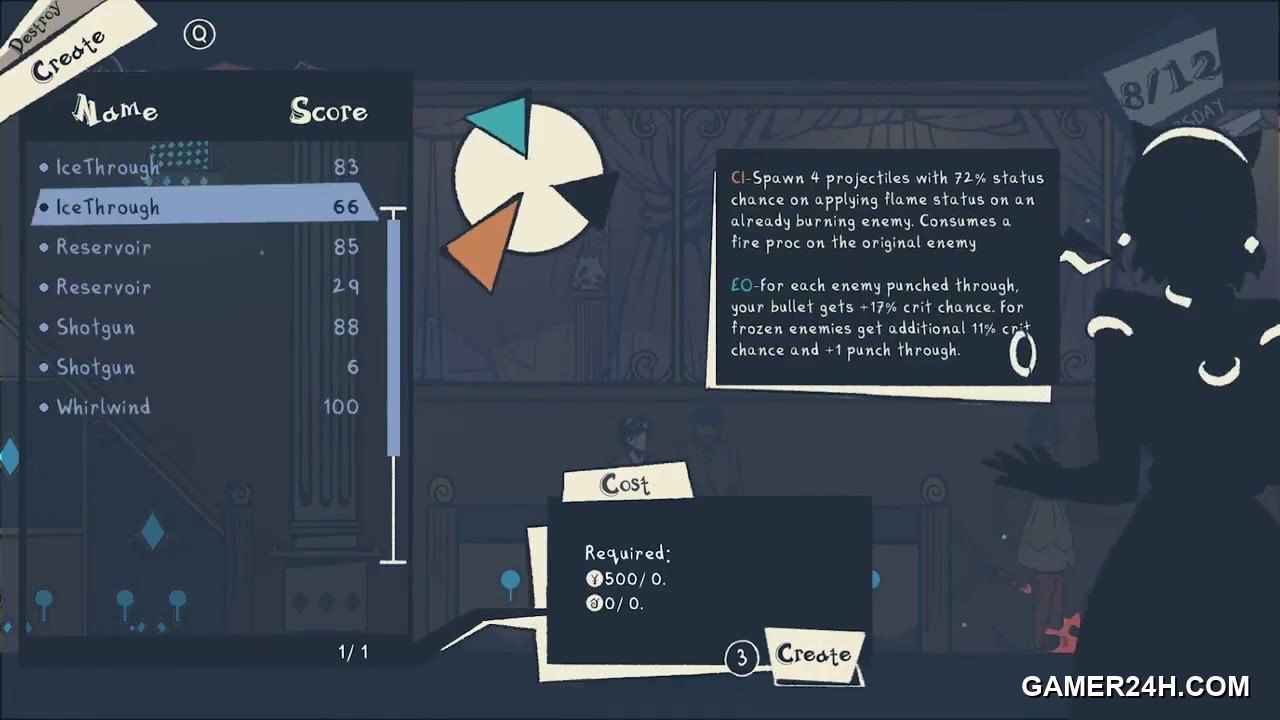
In an era dominated by high-fidelity graphics and immersive storytelling, “Sonzai,” developed by 2 Odd Diodes, emerges as a beacon of innovation within the action RPG genre. This game isn’t just another entry in the crowded field; it’s a meticulously crafted experience that redefines what stealth espionage can be on modern consoles and PC platforms. With its blend of tactical gameplay mechanics, stunning visuals powered by Unreal Engine 5, and an atmospheric narrative that keeps players on edge, “Sonzai” stands out as one of the most anticipated titles of the year.
Visual Splendor: Pushing the Limits of Unreal Engine 5
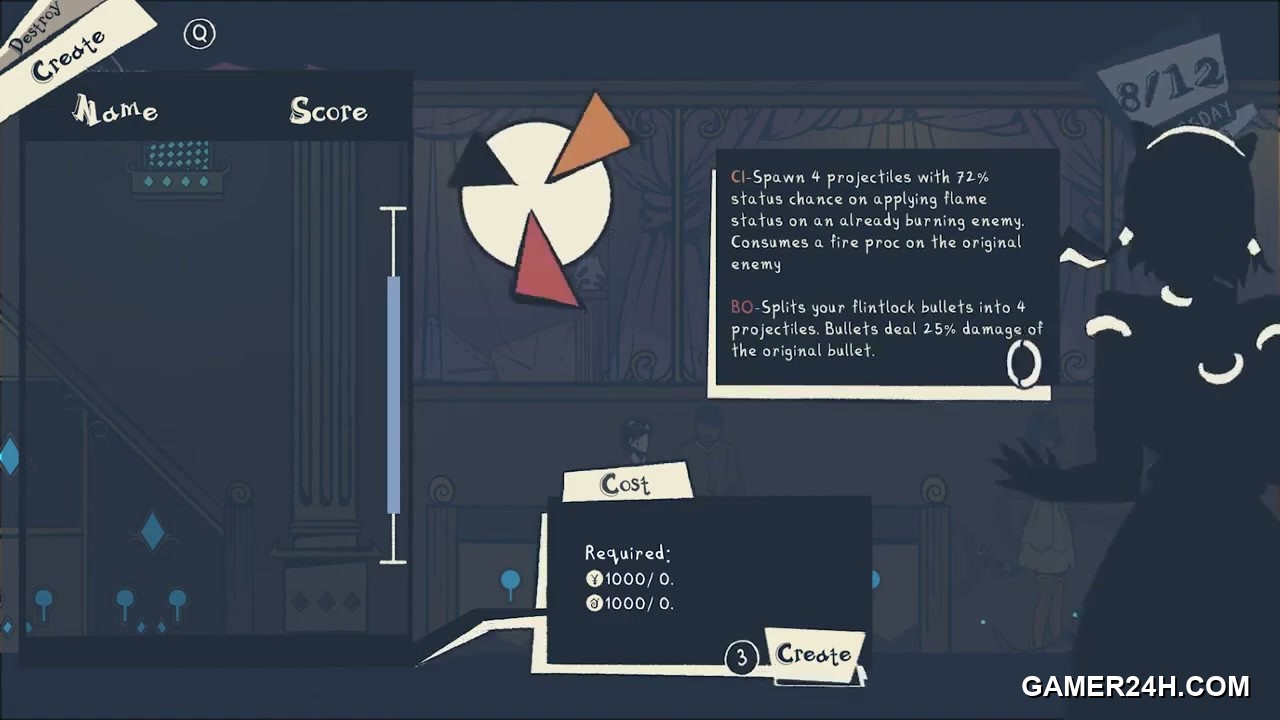
“Sonzai” takes full advantage of Unreal Engine 5’s cutting-edge technology to deliver a visually stunning world. From the moment players step into the game’s meticulously crafted environments, they are greeted with unparalleled attention to detail and breathtaking realism. The game’s use of Nanite, which allows for unprecedented levels of geometric complexity without performance penalties, ensures that every corner of the digital landscape is rendered in crisp, lifelike fidelity.
The lighting system in “Sonzai” is equally impressive, leveraging Lumen’s real-time global illumination to cast dynamic shadows and reflections. As players navigate through darkened corridors and lush outdoor environments, they’ll notice how light interacts with objects and characters, enhancing the game’s atmosphere and immersing them deeper into its narrative world.
Moreover, “Sonzai” utilizes MetaHuman for character creation, allowing for incredibly lifelike NPCs that are as expressive in their movements as they are in their dialogue. This combination of cutting-edge visual technology creates a seamless blend of beauty and functionality, making every moment in the game feel lived-in and engaging.
Combat & Systems: Tactical Espionage and Combat Dynamics
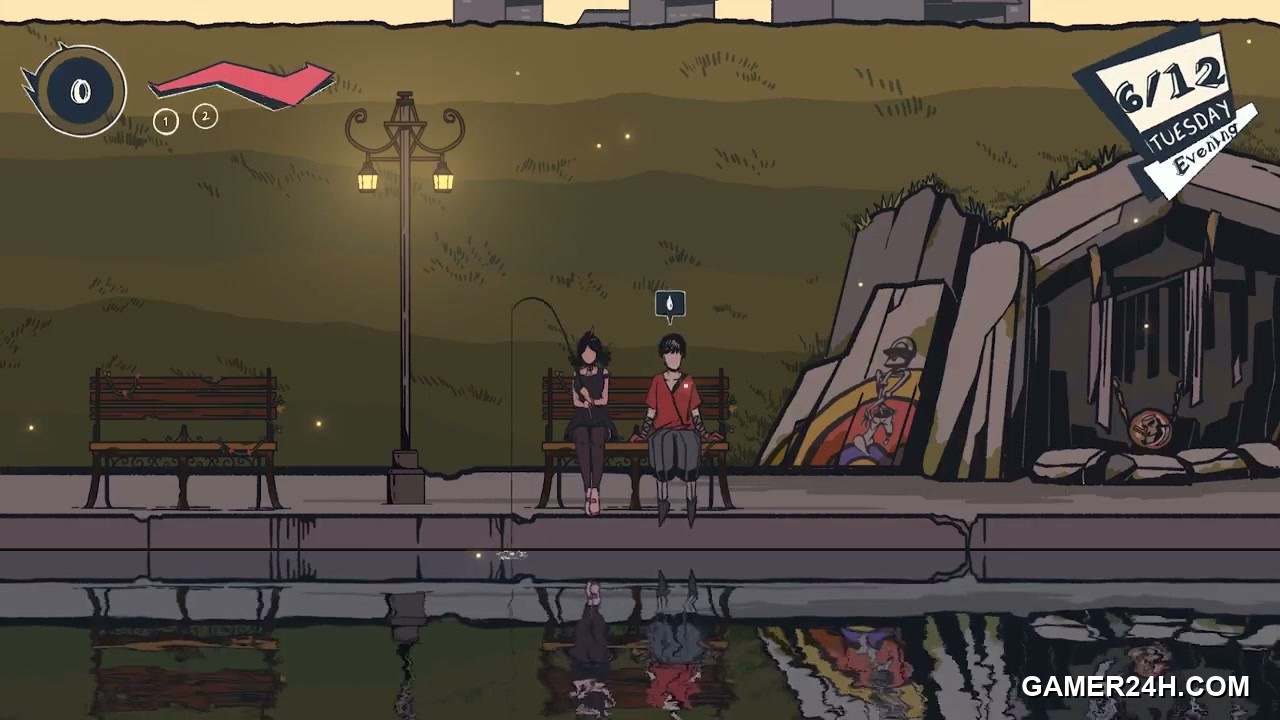
At its core, “Sonzai” is an exercise in tactical espionage, where stealth and strategy are paramount. Players take on the role of Lucia, a skilled operative tasked with infiltrating heavily guarded facilities to uncover secrets about The Architects, a shadowy organization that wields significant influence over global affairs.
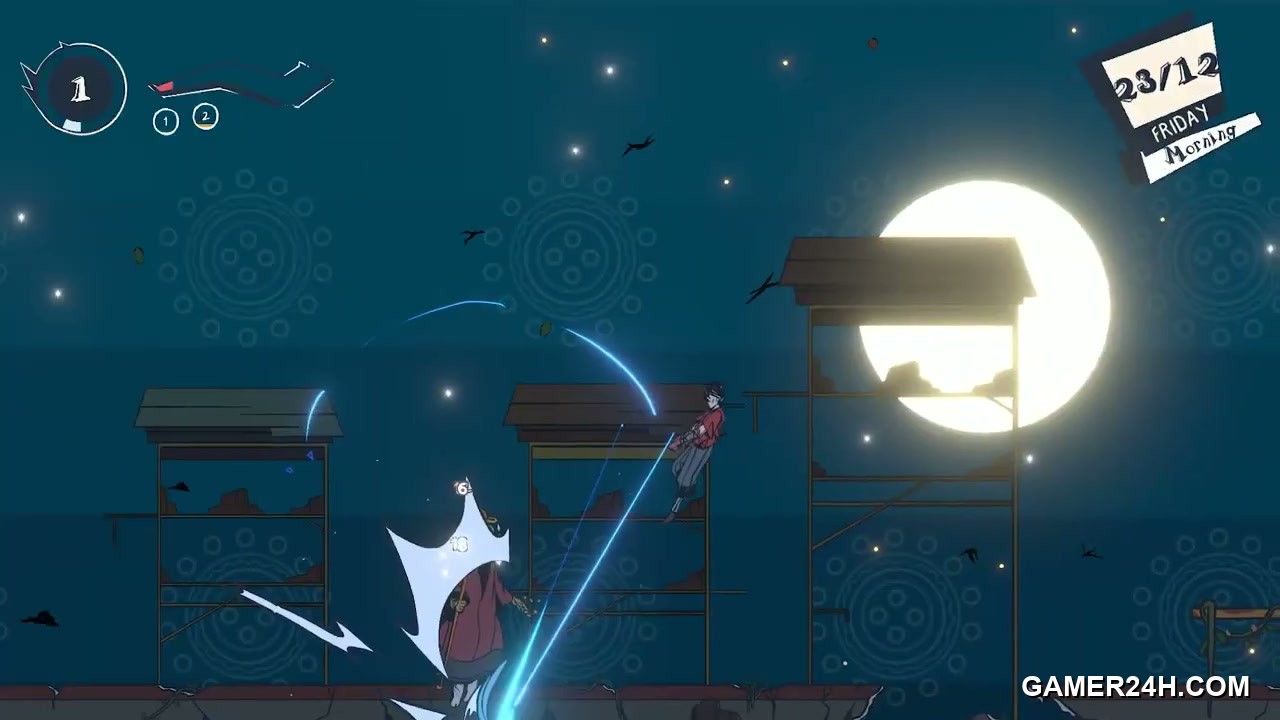
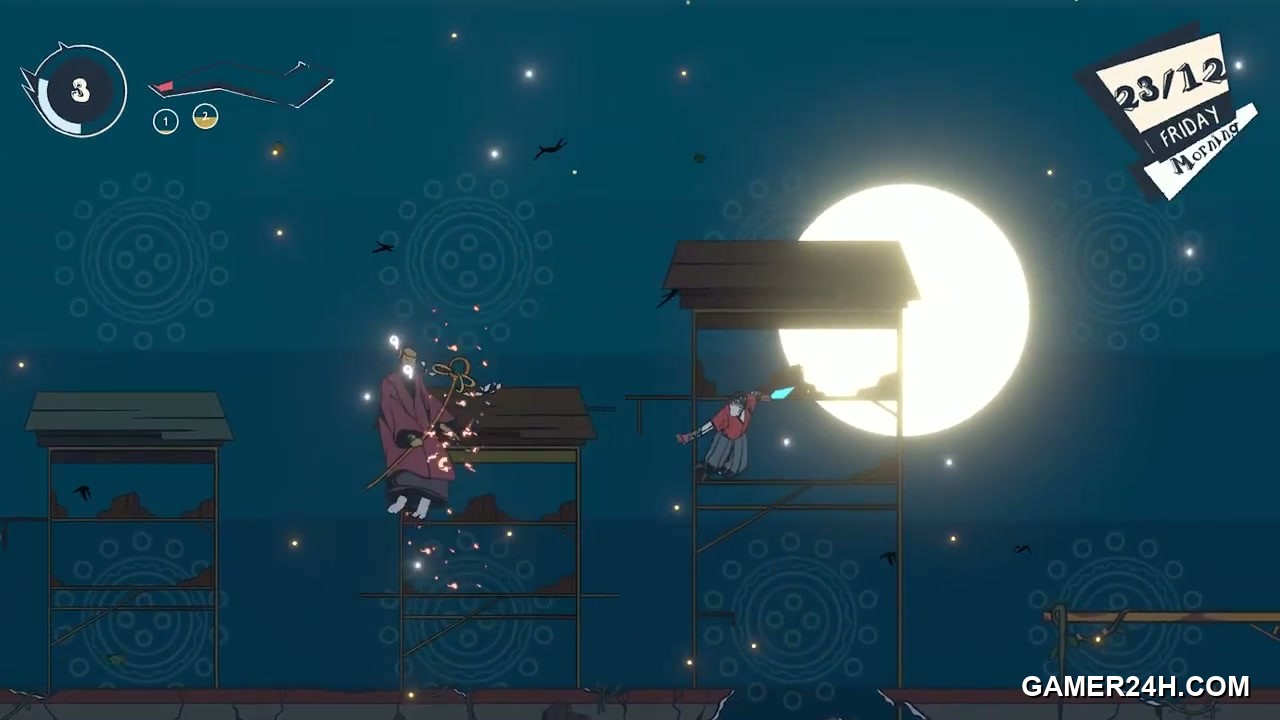
The combat system in “Sonzai” is designed around these principles, offering players several options for dispatching enemies without compromising their cover. Ranging from non-lethal takedowns and environmental weapon placements to high-risk direct confrontation, the game ensures there’s always a way forward, no matter the situation.
One of the most intriguing aspects of “Sonzai” is its innovative use of portals, which serve as both gameplay mechanics and narrative devices. These portals allow Lucia to bypass obstacles and reach otherwise inaccessible areas, but they also come with their own set of risks and challenges. Players must carefully plan each move to avoid detection while leveraging these unique tools to progress through increasingly complex levels.
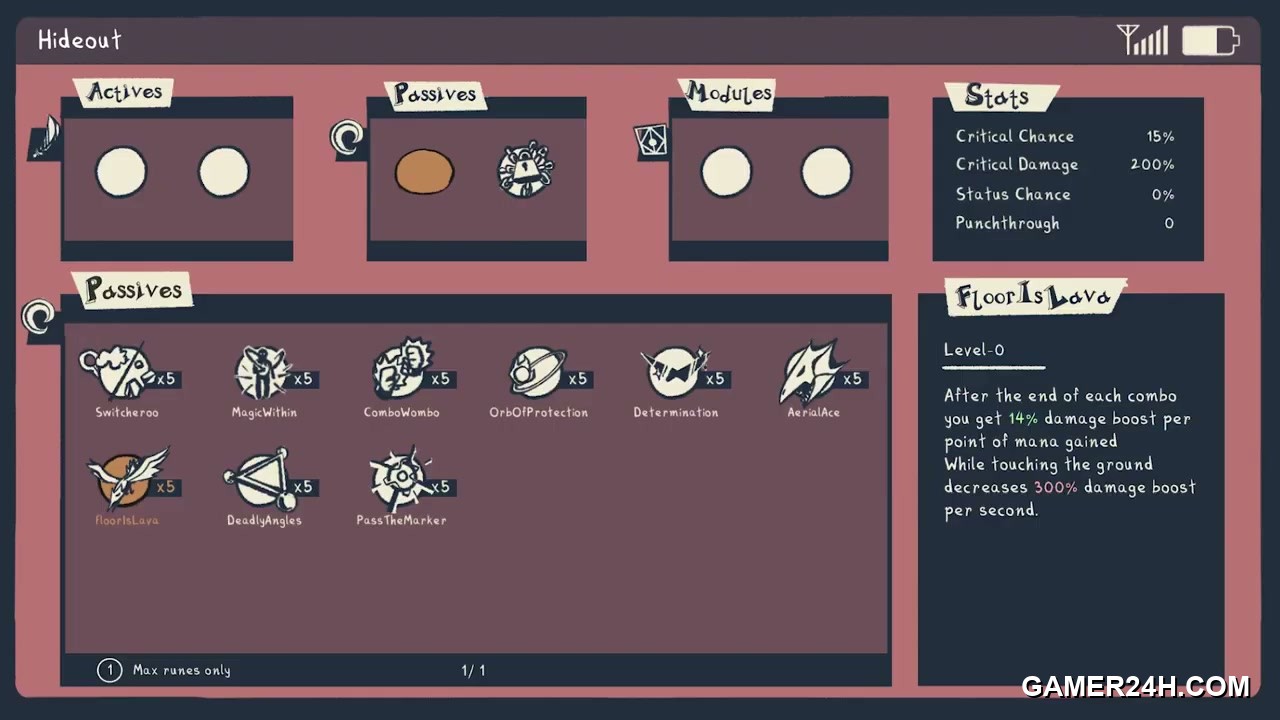
Moreover, “Sonzai” features a robust upgrade system that allows players to enhance Lucia’s abilities over time. This includes everything from increasing her agility for quicker escapes to boosting her senses for more effective reconnaissance missions. The balance between exploration and combat ensures that every player can find their own path through the game’s intricate puzzles and challenging battles.
Gameplay & Atmosphere Analysis: Portals and Tension
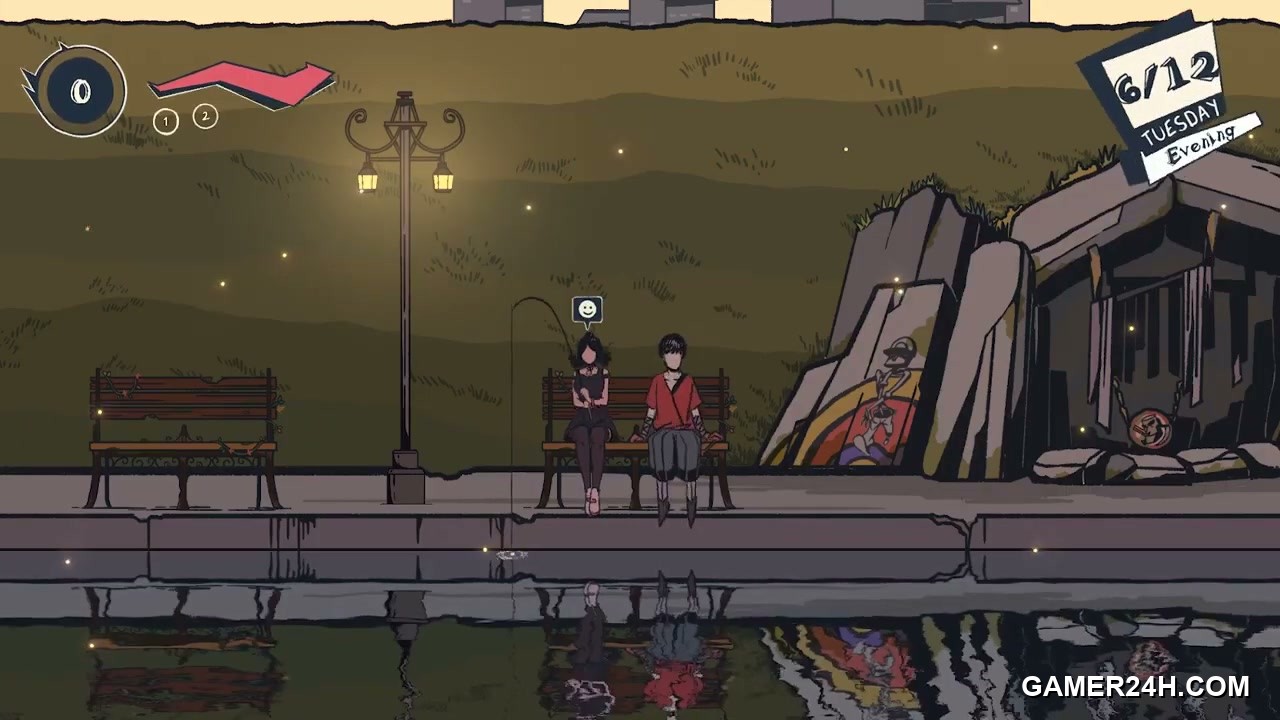
The gameplay in “Sonzai” is a masterclass in tension-building mechanics, with portals serving as both tools of convenience and instruments of peril. As players navigate through levels filled with hostile AI and intricate security systems, the use of portals becomes an essential element for strategic advancement.
Portals in “Sonzai” function much like wormholes, allowing Lucia to instantly transport herself or objects between two points marked by portal emitters. While this mechanic significantly aids in navigating complex environments, it also introduces a layer of unpredictability and danger. Enemies can detect the presence of portals, leading them to investigate areas where they suddenly appear, thus increasing the risk of discovery.
The atmosphere in “Sonzai” is meticulously crafted to keep players on edge at all times. The game’s sound design plays a crucial role here, with ambient noises such as footfalls and alarms subtly building tension as players approach high-risk situations. Meanwhile, the visual design ensures that each environment feels lived-in and full of hidden threats waiting to be discovered.
Additionally, the narrative progression in “Sonzai” is tightly intertwined with its gameplay mechanics, creating a cohesive experience where uncovering secrets often leads directly to new abilities or mission objectives. This integration keeps players engaged not just by offering tactical challenges but also through an unfolding mystery that drives them forward.
Narrative & Characters: The Architects’ Mystery and Lucia’s Mission
At the heart of “Sonzai” lies a compelling narrative that delves into themes of power, corruption, and the ethics of espionage. Players follow Lucia, a seasoned operative who is thrust into a mission to infiltrate The Architects’ headquarters after receiving cryptic information about their nefarious activities.
The Architects themselves are an enigmatic group, shrouded in secrecy and wielding significant influence over global politics through covert operations and technological advancements. As players delve deeper into the game’s storyline, they uncover layers of intrigue, betrayal, and moral dilemmas that challenge Lucia’s resolve and ethical boundaries.
Lucia is a character defined by her resourcefulness, resilience, and complex moral compass. Her journey is one of self-discovery as much as it is about unraveling The Architects’ schemes. Through interactions with other characters and uncovering hidden narratives within the game’s world, players gain insight into Lucia’s background and motivations, making her more than just a faceless agent in the fight against oppression.
The narrative structure of “Sonzai” allows for multiple paths to discovery, each revealing different facets of the overarching mystery. This non-linear storytelling approach keeps players engaged by offering choices that affect both personal growth and broader outcomes within the game’s world.
Acoustic Preservation / Audio Design: Sounds of Silence and Combat
The audio design in “Sonzai” is a critical component of its immersive experience, enhancing the atmosphere through meticulous attention to sound cues. The balance between silence and noise creates an ever-present sense of tension that mirrors Lucia’s precarious situation as she navigates enemy territory.
Environmental sounds such as door creaks, distant footsteps, and subtle alarms play a crucial role in heightening awareness, signaling potential threats or opportunities for stealthy movement. This auditory feedback loop keeps players alert to their surroundings, making every decision feel consequential.
Combat scenarios introduce a new layer of sound design focused on realism and impact. Each weapon produces distinct sounds that range from the sharp crackle of non-lethal takedowns to the explosive discharge of high-powered firearms. These audio cues not only serve to distinguish between different actions but also contribute to the game’s overall ambiance by reflecting the intensity of encounters.
Moreover, voice acting in “Sonzai” is top-notch, with a cast delivering nuanced performances that bring depth and emotion to conversations and cutscenes. The interplay between visual and auditory elements ensures that every moment feels authentic and emotionally resonant, further immersing players into Lucia’s world.
Critical Reception: Expectations and First Impressions
“Sonzai” has generated significant buzz among gaming enthusiasts and critics alike since its announcement, with many praising its innovative gameplay mechanics and narrative depth. Early reviews have highlighted the game’s seamless blend of stealth, combat, and exploration, as well as its impressive visual fidelity.
Players who have had a chance to experience “Sonzai” in preview sessions or through demo releases often comment on how the game’s atmospheric design and sound effects contribute significantly to its immersive quality. The unique portal mechanics are frequently noted for adding an extra layer of strategic complexity that sets “Sonzai” apart from other titles in the stealth genre.
Critics have also praised the narrative’s intricate plot twists and character development, noting how these elements complement each other perfectly within the game’s framework. The pacing is generally well-received, with a balance between intense action sequences and quieter moments of reflection that deepen players’ connection to Lucia and her mission.
However, some reviews point out areas where “Sonzai” could improve, such as minor technical hitches during high-pressure combat scenarios or occasional repetition in level design. Despite these minor critiques, the overall sentiment remains overwhelmingly positive, with many anticipating its full release as a landmark title for both stealth enthusiasts and action RPG fans.
Conclusion: The Vanguard of Next-Gen Action
“Sonzai” stands out not just because it excels in individual aspects like visuals or gameplay but because it manages to weave them into a cohesive whole that elevates the entire experience. By pushing boundaries with innovative mechanics, rich storytelling, and immersive design, “Sonzai” sets itself apart as a true gem of modern gaming.
As players step into Lucia’s shoes, they embark on a journey filled with suspenseful moments, strategic challenges, and profound narrative depth. Whether through its groundbreaking use of portals or the intricate web of conspiracies surrounding The Architects, “Sonzai” promises to deliver an unforgettable adventure that sets new standards for stealth action games.
With its release drawing near, all eyes are on “Sonzai” as it prepares to make waves in the gaming community and solidify its place among the vanguard of next-generation action RPGs.