

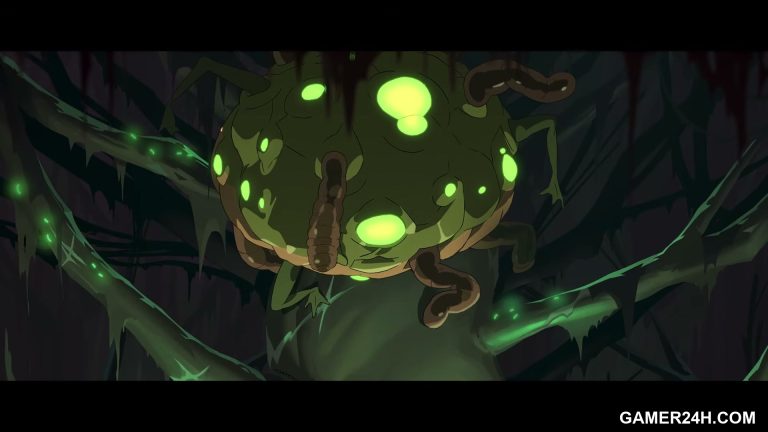
About this game
Introduction: Stealth Espionage Reimagined
In the realm of video games, some titles stand out not just for their innovative gameplay but also for how they transcend expectations set by their predecessors. “Slay the Spire II,” a direct sequel to the critically acclaimed card-battling roguelike game Slay the Spire, is poised to do exactly that. Developed by Mega Crit, the studio responsible for crafting one of the most revered and addictive deck-building games in recent years, “Slay the Spire II” introduces a bold new narrative direction that sets it apart from its forebear while retaining the core essence of what made the original so captivating.
The game’s predecessor was lauded not only for its intricate card mechanics but also for its ability to challenge players at every turn. By integrating an espionage-driven storyline with tactical combat, Mega Crit has crafted a sequel that pushes the boundaries of what’s possible in the deck-building genre. This article delves into the numerous facets of “Slay the Spire II,” exploring how it redefines stealth and strategy in the context of digital entertainment.

Visual Splendor: Pushing the Limits of Unreal Engine 5
The visual evolution from Slay the Spire to its sequel is nothing short of breathtaking. Leveraging the power of Unreal Engine 5, developers at Mega Crit have crafted an immersive and visually stunning environment that captivates players with its intricate details and dynamic presentation.

In “Slay the Spire II,” the setting shifts from a mystical tower to the shadowy realms of espionage and covert operations. This thematic shift is reflected in the game’s aesthetic, which now features sleek, high-tech environments and more nuanced character designs that emphasize both elegance and menace. The use of Unreal Engine 5 allows for a level of detail previously unseen in this genre: realistic lighting effects, dynamic weather conditions, and fluid character animations all combine to create an atmosphere that is as visually engaging as it is immersive.
Furthermore, the game’s environmental storytelling is enhanced by these visual improvements. Each location you visit feels like part of a larger world, with meticulously crafted set pieces and interactive elements that invite players to explore beyond their main objectives. From the neon-lit corridors of secret research facilities to the hushed halls of governmental agencies, every scene in “Slay the Spire II” is a testament to the developers’ commitment to visual excellence.
Combat & Systems: Tactical Espionage and Combat Dynamics
“Slay the Spire II” builds upon its predecessor’s foundation by introducing a new layer of complexity through espionage elements integrated into the gameplay. Players no longer fight only in direct combat but must also navigate various scenarios where stealth, deception, and strategic planning are key.
The core card-building system remains intact, with players collecting cards to form powerful decks that can be used both offensively and defensively. However, the introduction of espionage mechanics adds a new dimension to deck building. Players now have access to special cards that allow them to gather intelligence on enemy movements, sabotage rival operations, or even recruit allies from within their ranks.
One of the most intriguing additions is the concept of “Shadow Decks,” which are separate sets of cards used exclusively for espionage activities. These decks encourage players to develop specialized strategies for navigating complex scenarios where combat alone isn’t sufficient. The interplay between your combat and shadow decks creates a rich tactical landscape, forcing players to adapt their approaches based on the situation.
Another significant change is the introduction of “Counter-Intelligence Operations,” which require players to anticipate and counteract enemy moves before they occur. This aspect adds an element of psychological strategy, as you must constantly stay one step ahead of your adversaries.
Gameplay & Atmosphere Analysis: Portals and Tension
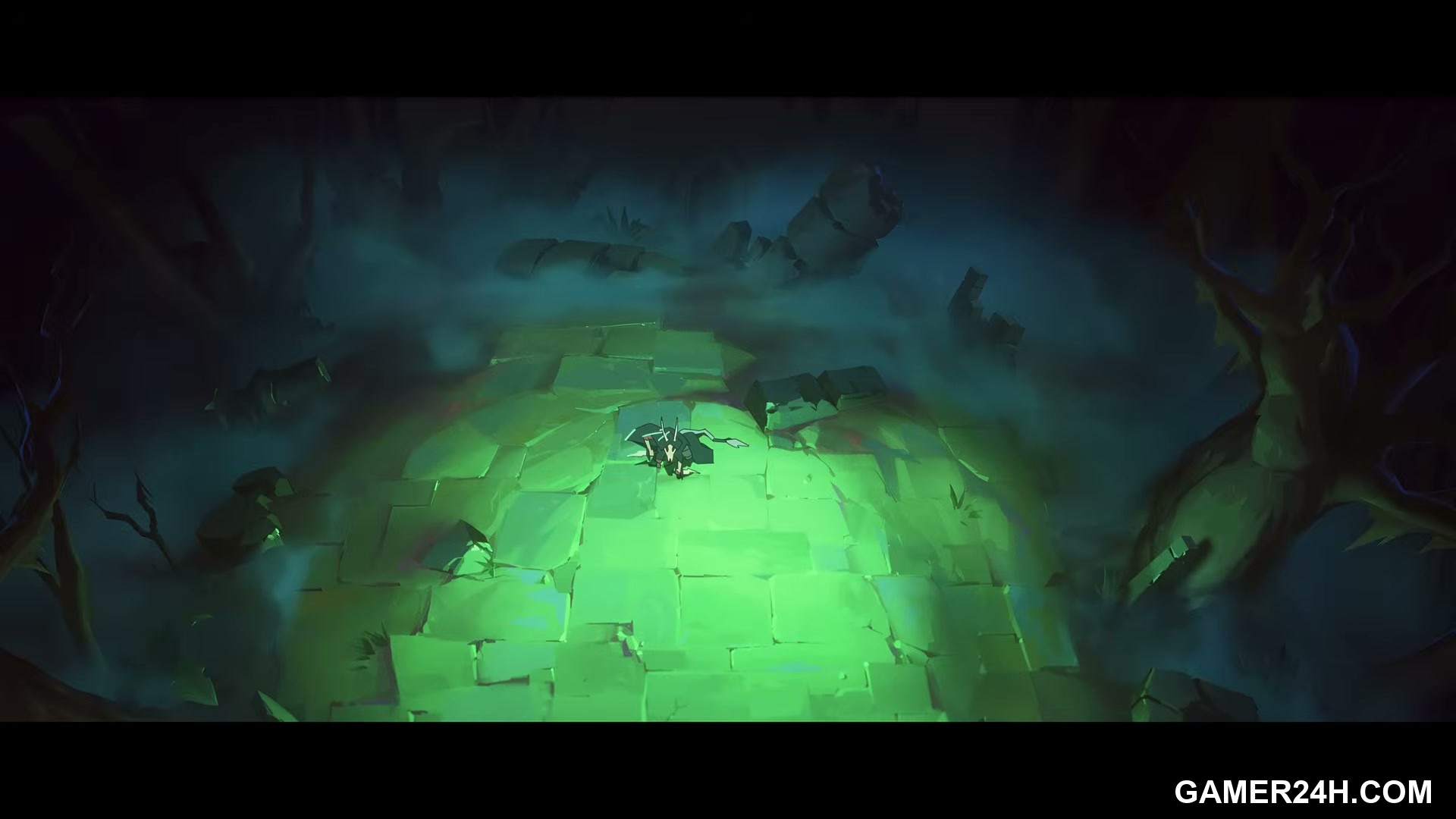
The gameplay in “Slay the Spire II” is infused with a sense of urgency and peril that elevates it above its predecessor. Central to this experience are the “Portals,” which serve as gateways to different areas within the game’s world.
Each portal presents players with unique challenges, from navigating through hostile territories to infiltrating heavily guarded facilities. The tension builds as you progress through these portals, knowing that every decision could mean life or death for your character and mission success.
The atmosphere of “Slay the Spire II” is one of constant uncertainty. Players must maintain a delicate balance between gathering intelligence, conserving resources, and taking calculated risks. The game’s soundtrack plays a crucial role in enhancing this tension, with subtle audio cues guiding players through critical moments without ever breaking immersion.
Moreover, the narrative unfolds incrementally as you discover hidden documents, overhear conversations, or witness events firsthand. This layer of storytelling enriches gameplay by providing context and motivation for your actions beyond mere survival or accumulation of cards.
Narrative & Characters: The Architects’ Mystery and Lucia’s Mission
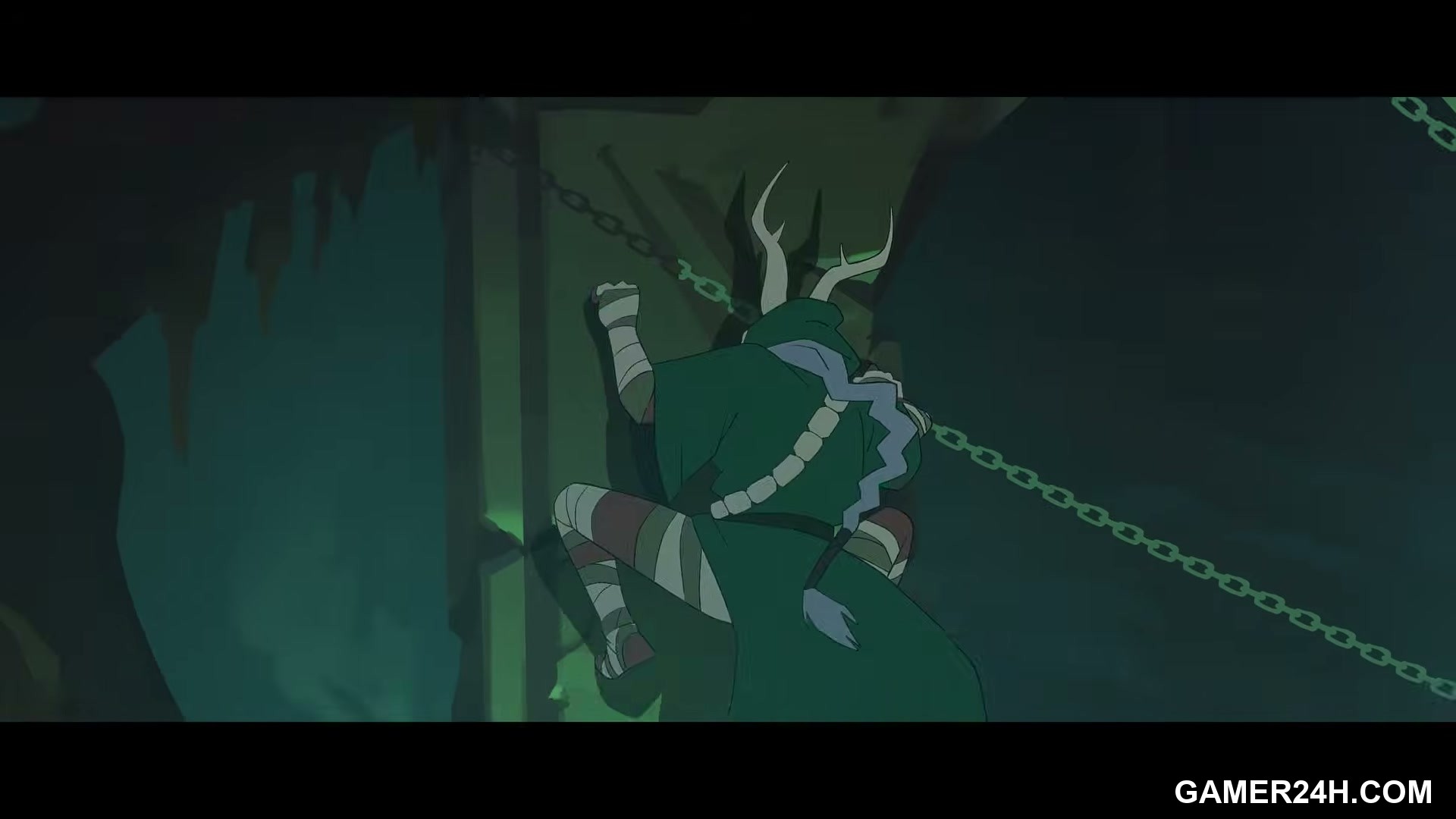
The narrative in “Slay the Spire II” revolves around a mysterious organization known as “The Architects,” whose clandestine activities have far-reaching consequences. Players assume the role of Lucia, an elite agent tasked with uncovering the truth behind these enigmatic figures.
Lucia’s background is shrouded in mystery, and her personal journey intertwines with broader events unfolding within the game world. As you progress through various missions and encounters, fragments of Lucia’s past are revealed, painting a complex picture of loyalty, betrayal, and redemption.
The characters Lucia interacts with are equally compelling, each bringing their own secrets to light as the story unfolds. These interactions are not just dialogue trees but dynamic exchanges that can influence both narrative outcomes and gameplay mechanics.
Acoustic Preservation / Audio Design: Sounds of Silence and Combat
The audio design in “Slay the Spire II” is a masterpiece, perfectly balancing silence with sound to create an atmosphere of tension and anticipation. The game’s soundscape evolves from eerie quietness to intense combat sequences, each transition crafted to heighten player engagement.
During stealth operations, ambient noises such as whispered conversations or distant footsteps add layers of depth, making players acutely aware of their surroundings. These subtle cues are crucial for navigating stealth missions successfully without detection.
In contrast, combat sequences feature a mix of impactful sounds and high-energy music that reflect the intensity of battle. The choice to integrate these contrasting elements underscores the game’s dynamic nature, ensuring that every moment feels distinct yet connected within the overarching narrative.
Critical Reception: Expectations and First Impressions
Given the success of its predecessor, “Slay the Spire II” carries significant expectations from both fans and critics. Early reviews have praised the game for expanding upon the core mechanics while maintaining a high level of accessibility and challenge.
The seamless integration of espionage elements into the deck-building framework has been particularly well-received. Players appreciate the added depth, noting that these new features enhance strategic thinking without overwhelming them with complexity.
However, some initial feedback points to potential areas for improvement, such as balancing the difficulty curve and ensuring that all players have access to meaningful progression paths. Nonetheless, the overall sentiment is overwhelmingly positive, with many praising “Slay the Spire II” as a worthy successor that not only honors its predecessor but also pushes boundaries in creative and engaging ways.
Conclusion: The Vanguard of Next-Gen Action
“Slay the Spire II” represents a significant leap forward for deck-building games, blending strategic depth with immersive storytelling and cutting-edge visuals. By seamlessly integrating espionage elements into its gameplay mechanics, Mega Crit has created an experience that challenges players both intellectually and emotionally.
The game’s ability to maintain high levels of engagement through intricate systems and compelling narrative ensures it stands out in a crowded genre. With “Slay the Spire II,” fans can look forward to not just another round of card battles but also a thrilling journey into the shadows where every move matters.
.single-share-action-btn:hover { transform: translateY(-2px); box-shadow: 0 6px 20px rgba(37, 99, 235, 0.4) !important; background: linear-gradient(135deg, #0369a1 0%, #1d4ed8 50%, #4338ca 100%) !important; } .single-share-action-btn:active { transform: translateY(0); box-shadow: 0 2px 8px rgba(37, 99, 235, 0.2) !important; } .share-section, .entry-share, .post-share-bar { display: none !important; }Gallery







No comments