Introduction: Stealth Espionage Reimagined
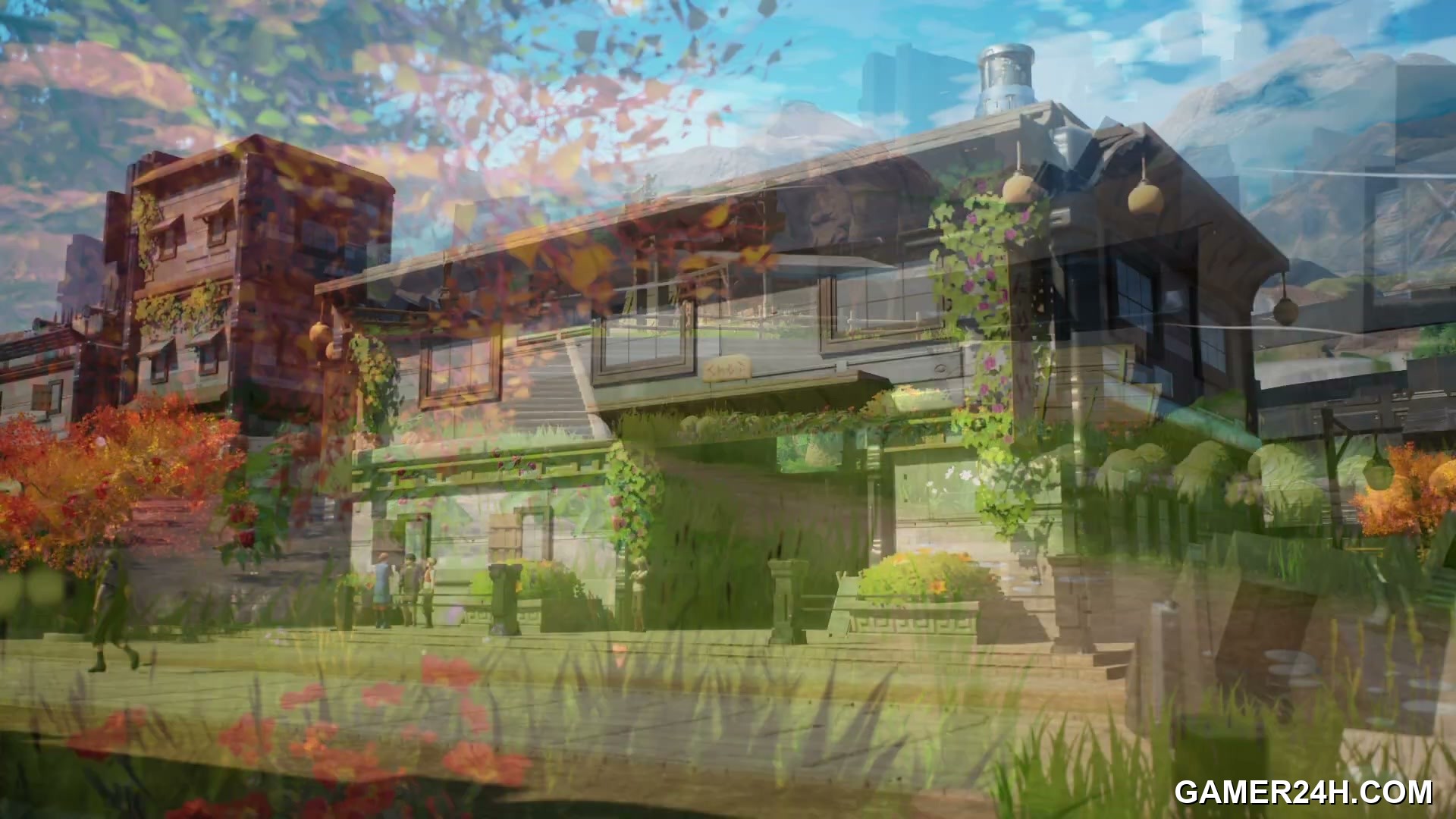
Runa, an upcoming gem from Fennec Studio, promises to redefine the stealth espionage genre by weaving a narrative-driven experience that challenges players' tactical acumen and strategic thinking. Set in a meticulously crafted world where technology and mysticism converge, Runa invites players into the clandestine life of Lucia, an elite operative tasked with unraveling the enigmatic machinations of the Architects—a shadowy organization that wields otherworldly powers.
The game's unique selling point lies in its seamless blend of stealth mechanics and supernatural elements. Players will navigate a labyrinthine world where portals serve as both a narrative device and a gameplay mechanic, allowing for dynamic exploration and combat scenarios. With Runa, Fennec Studio aims to deliver an experience that not only captivates with its intricate plot but also challenges players through its innovative gameplay systems.
Visual Splendor: Pushing the Limits of Unreal Engine 5
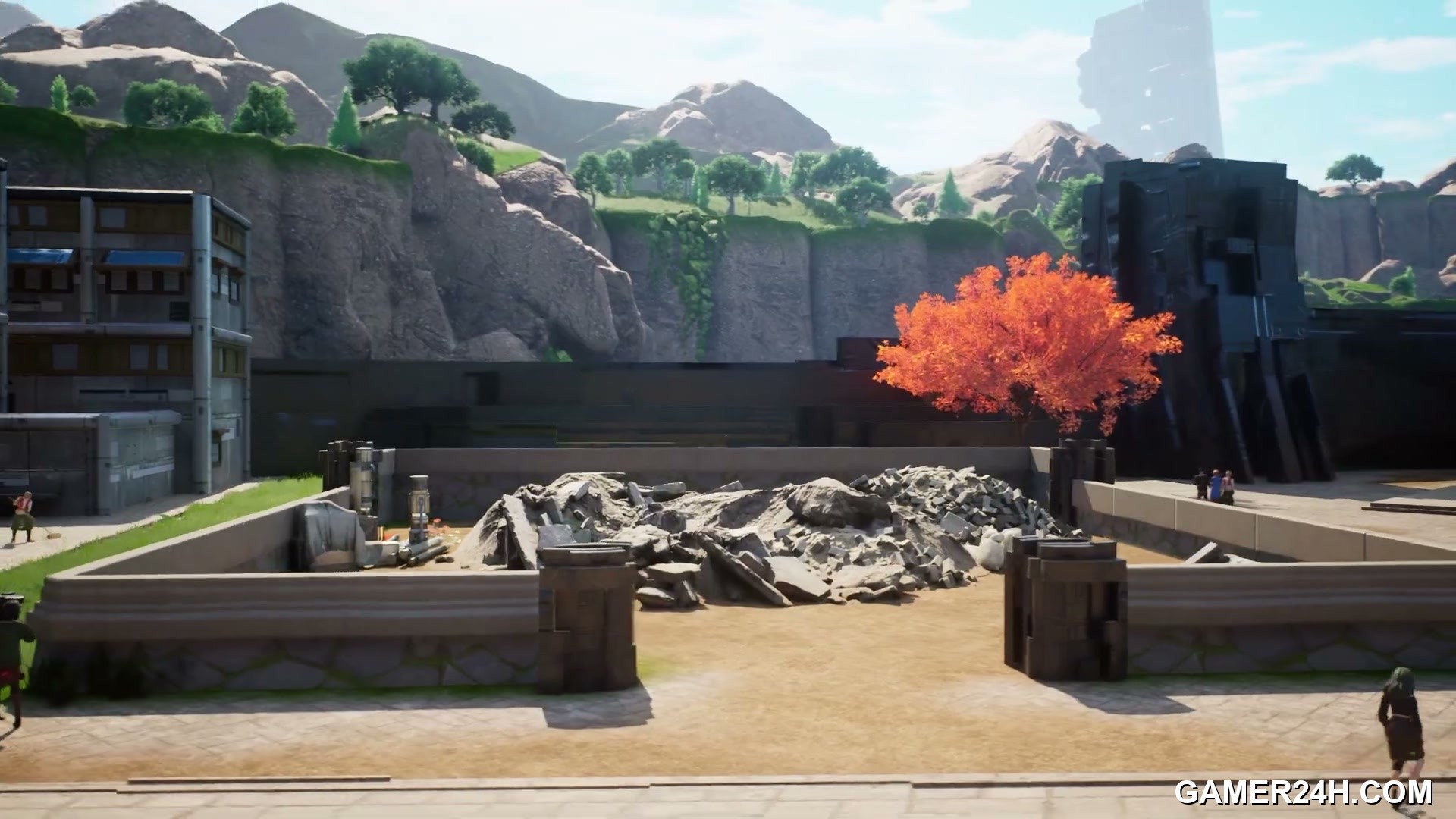
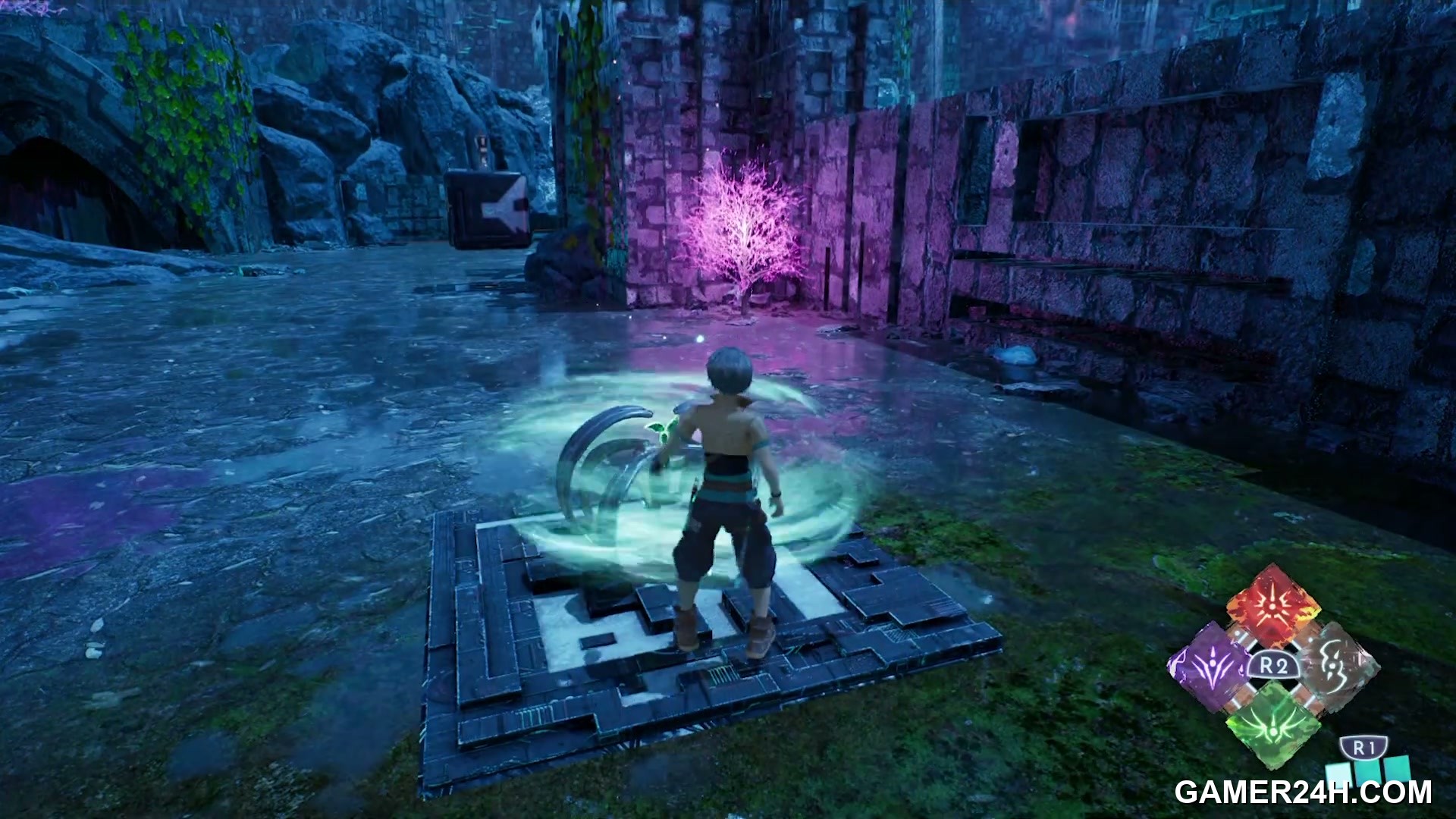
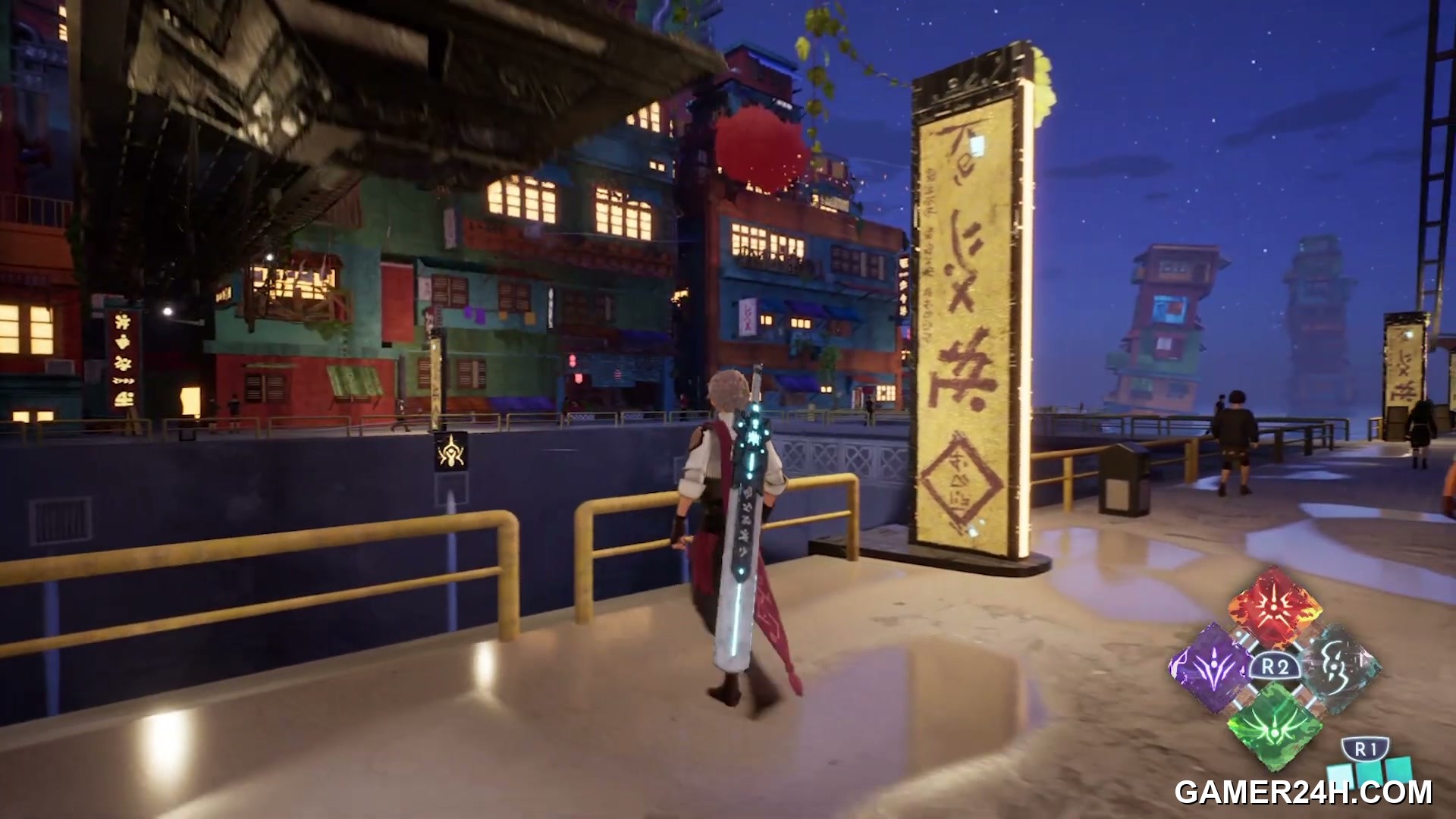
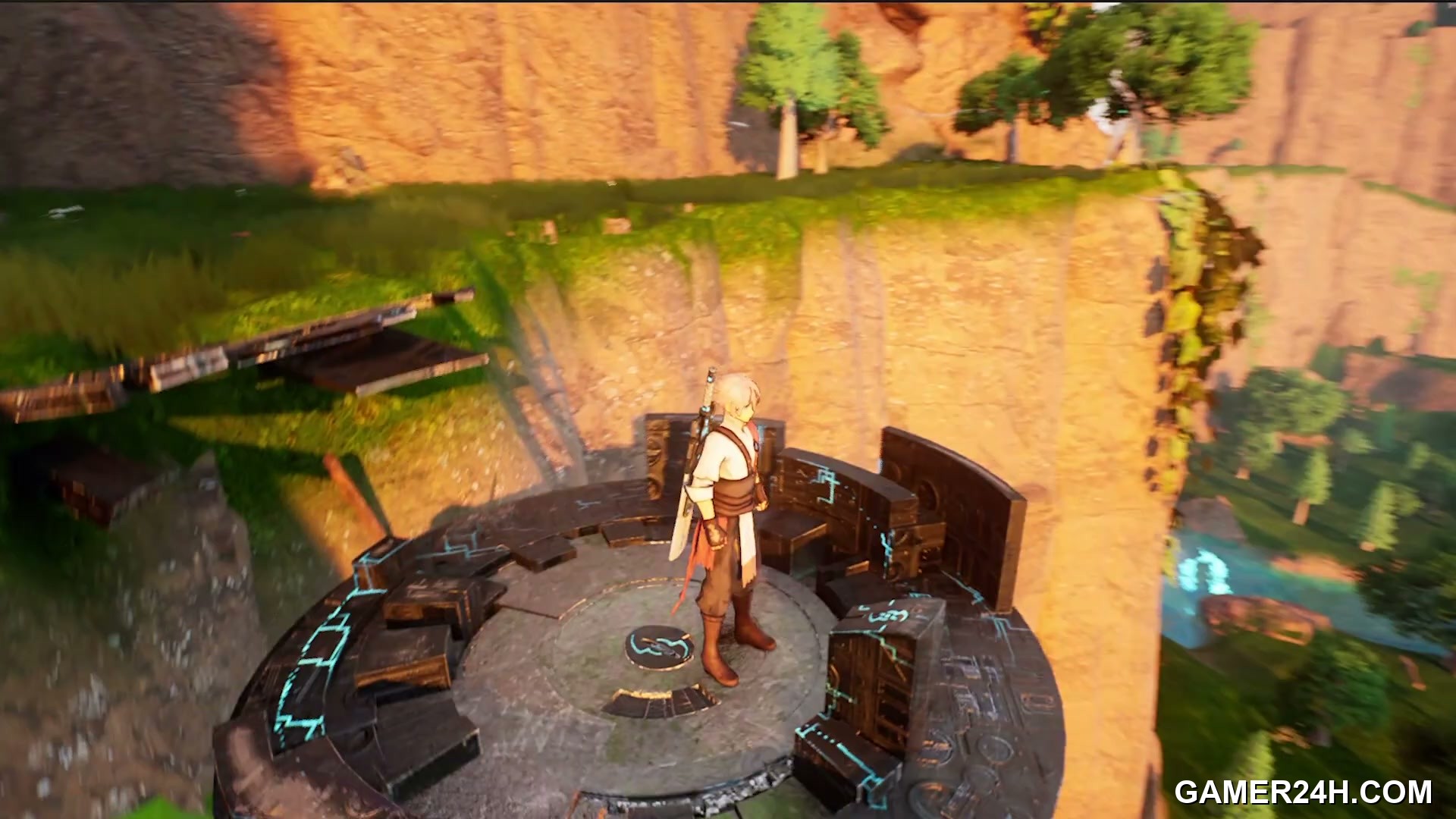
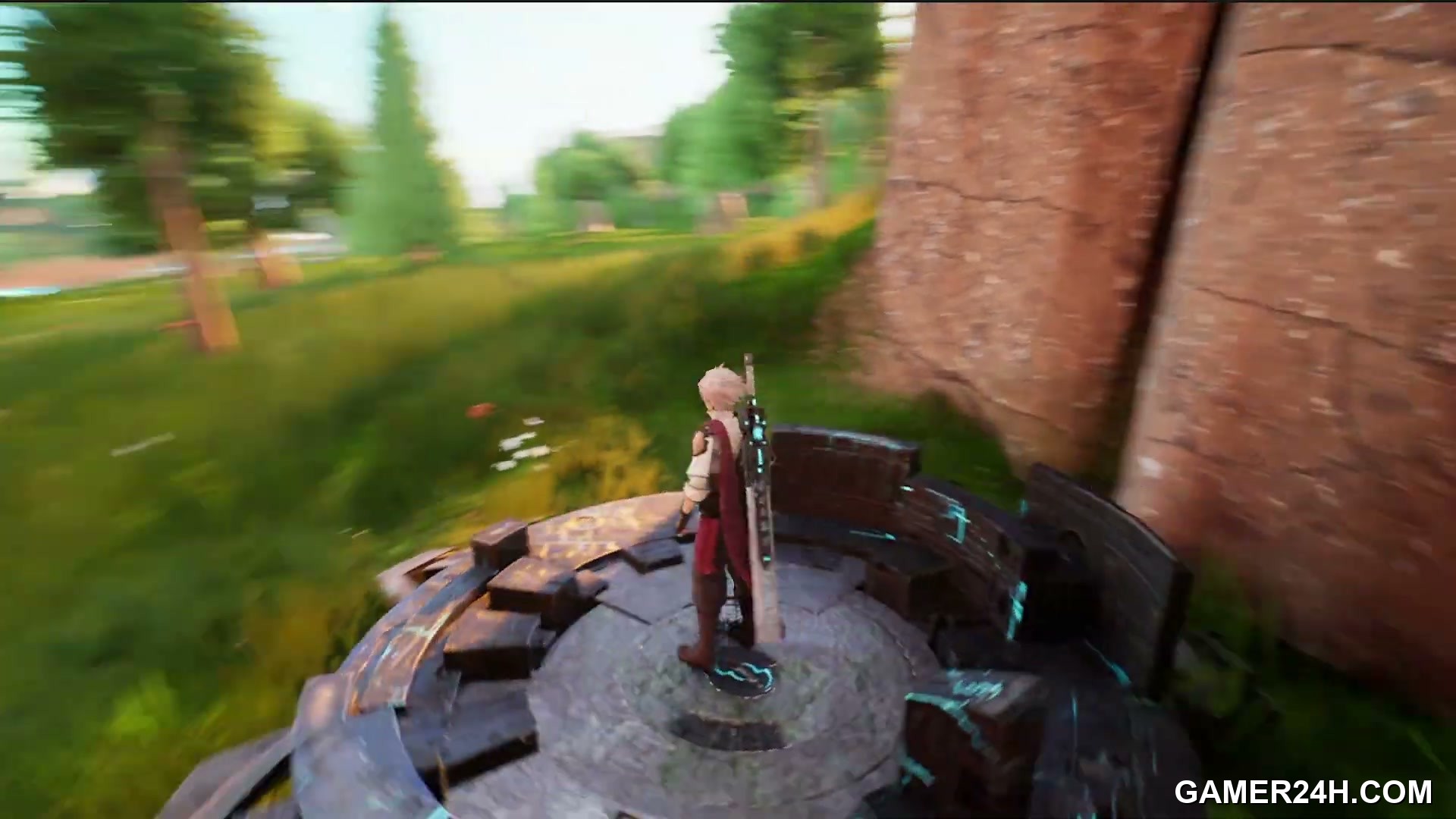
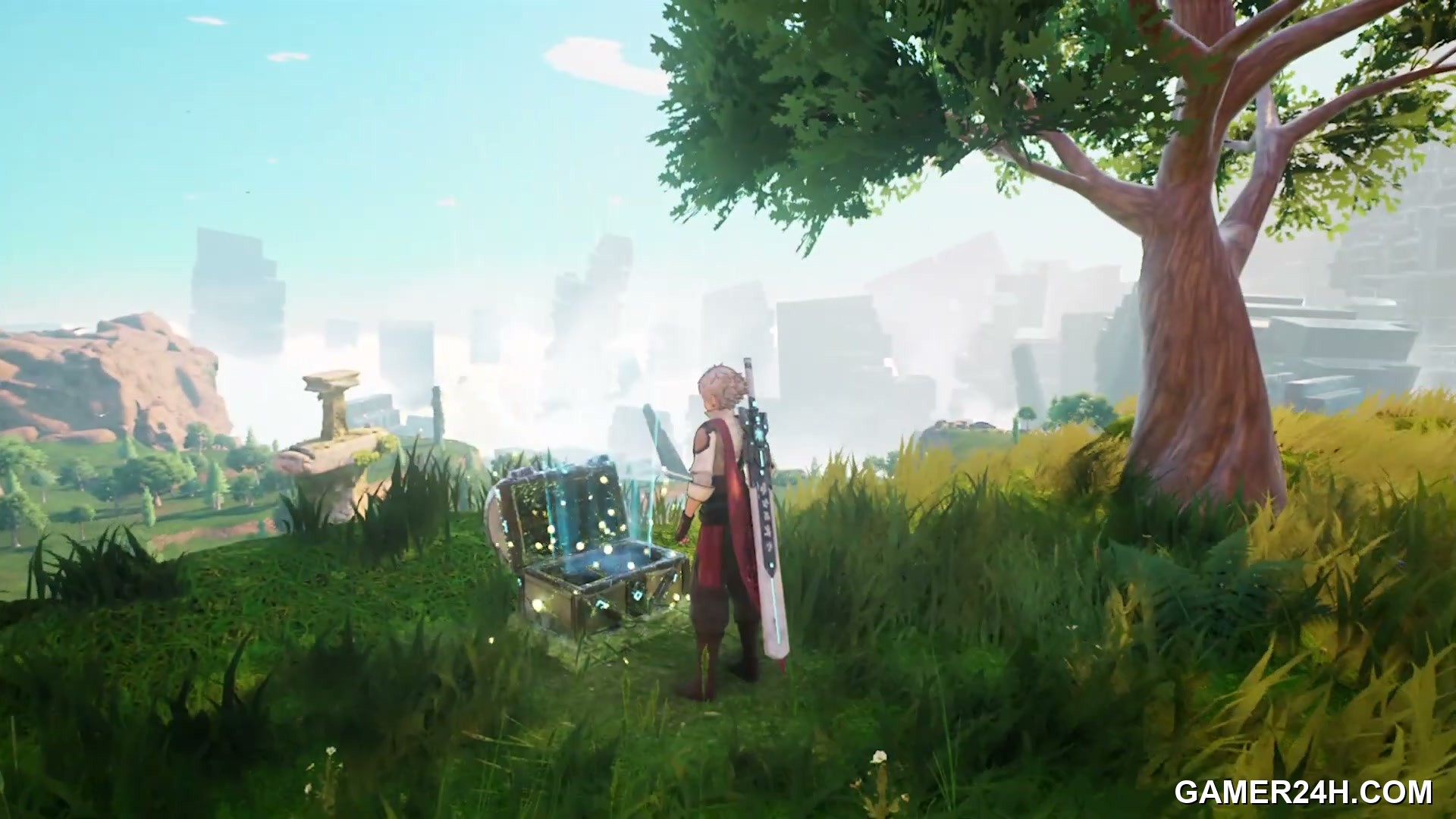
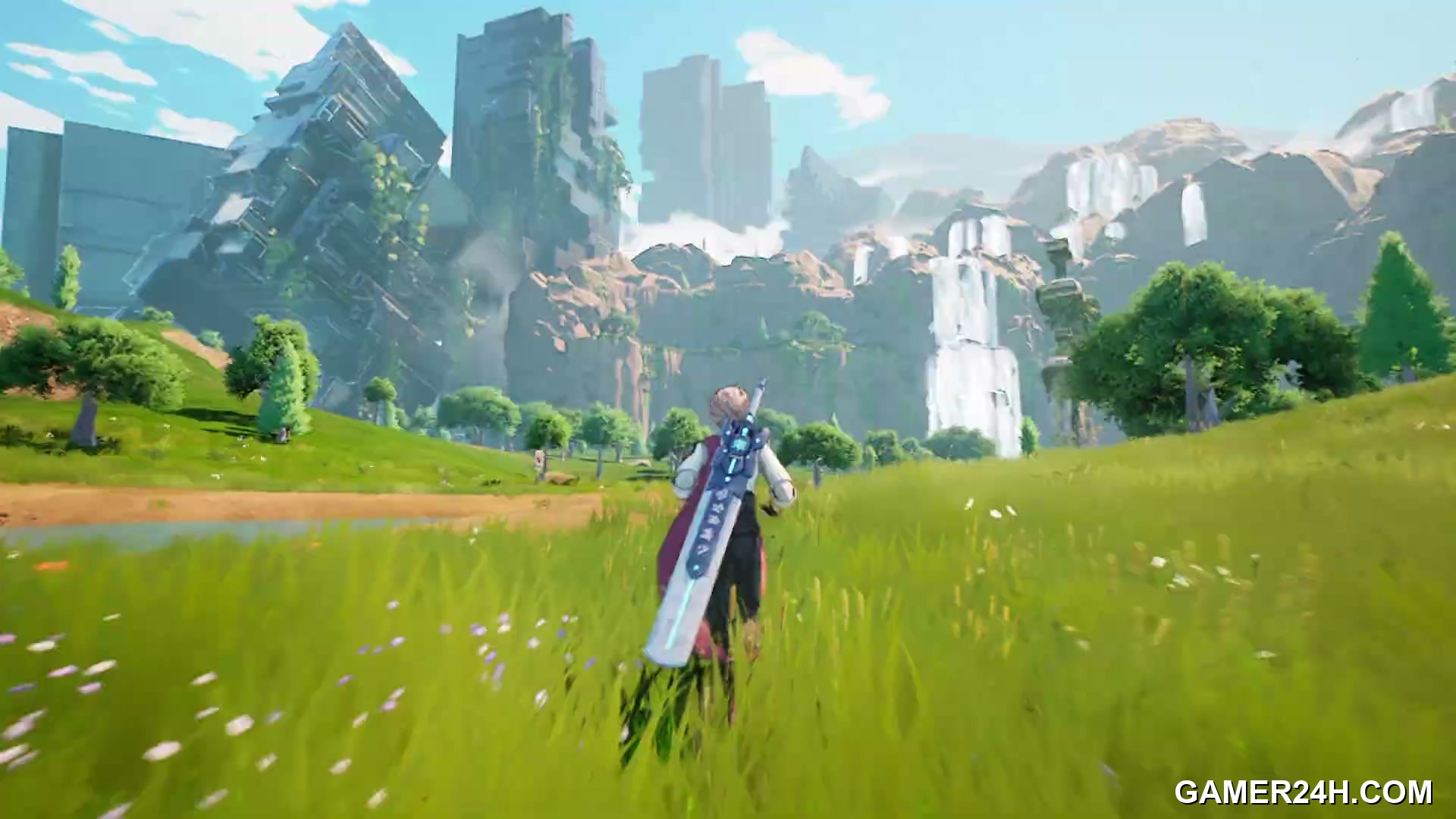
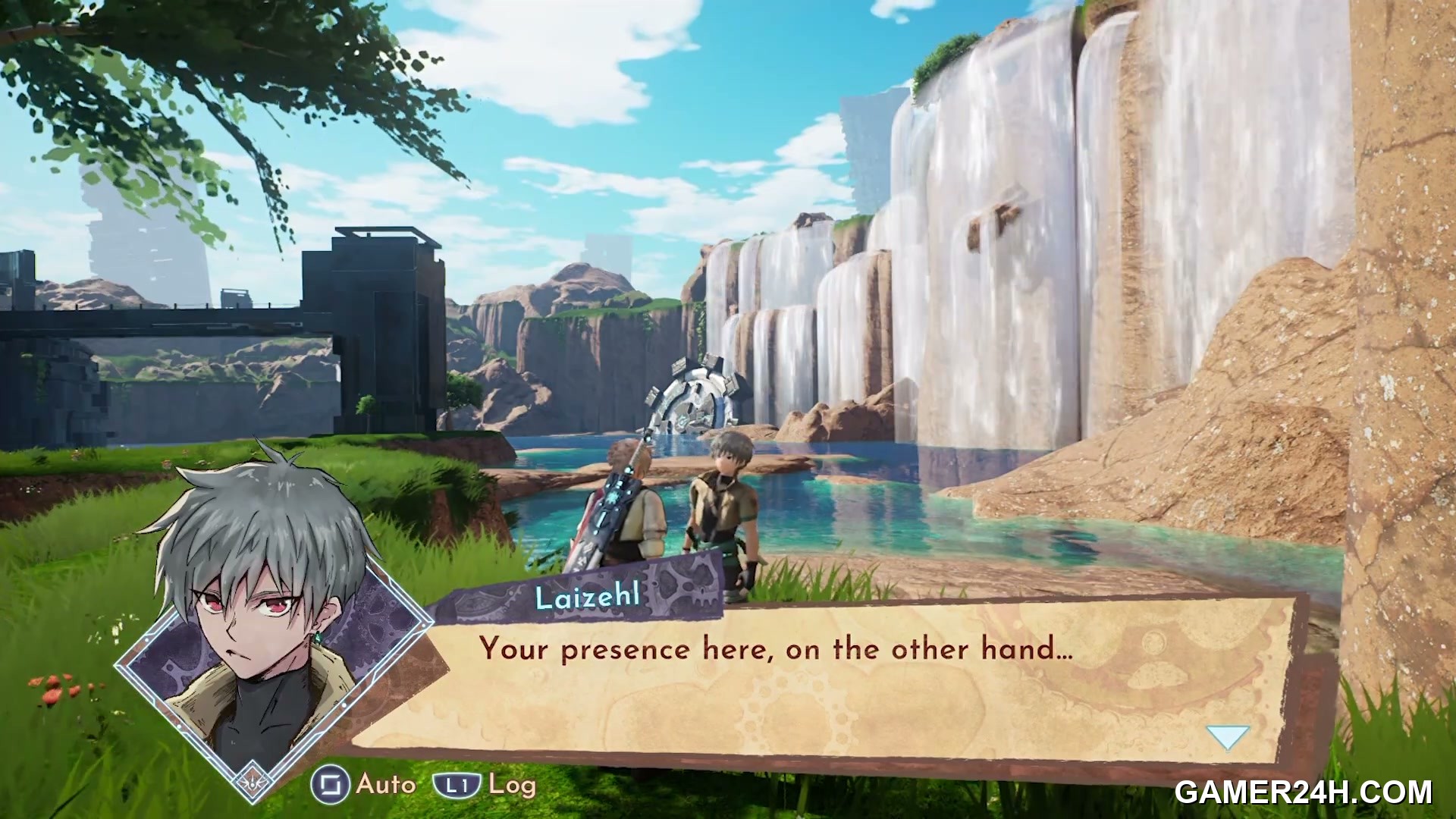
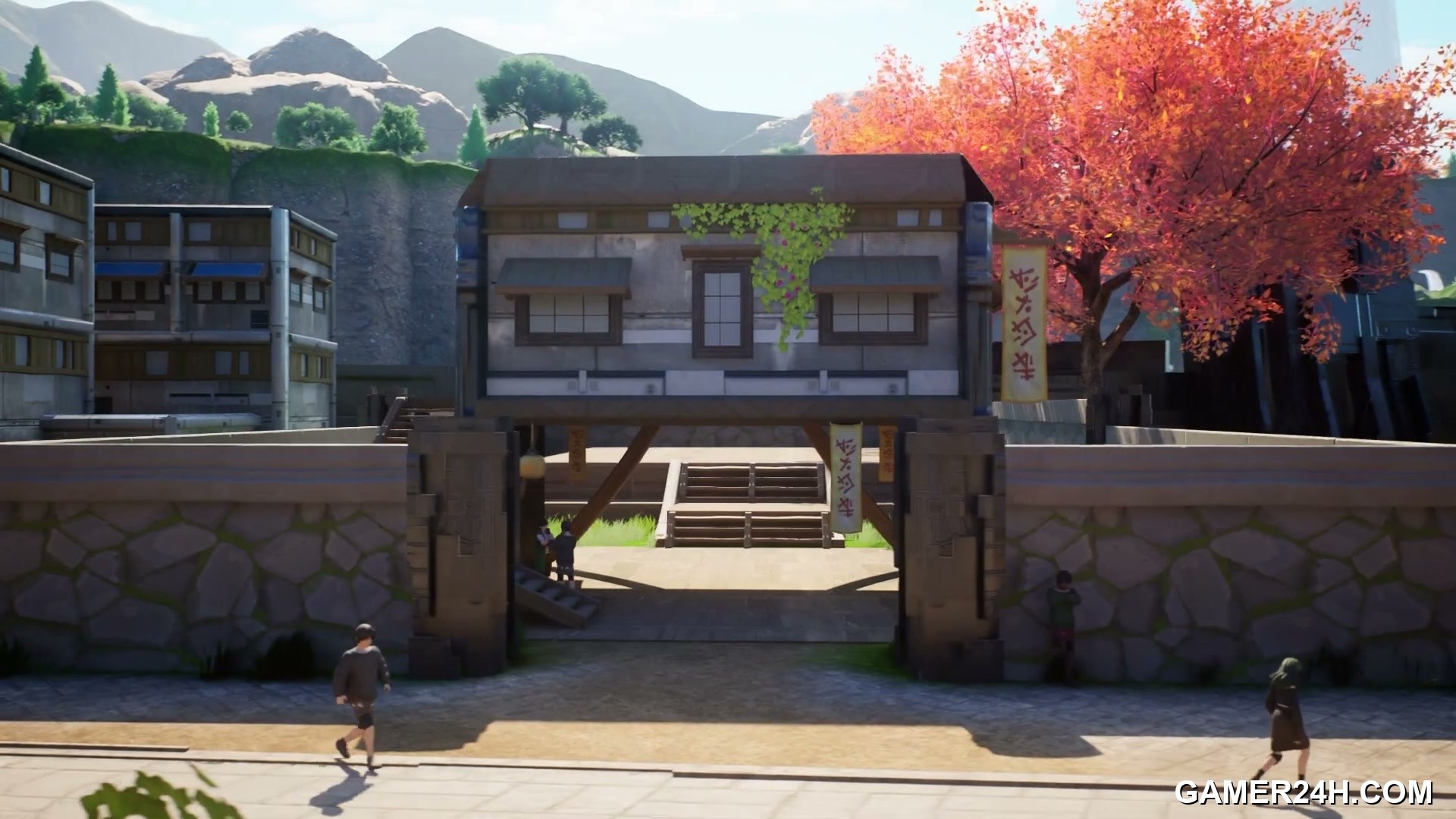
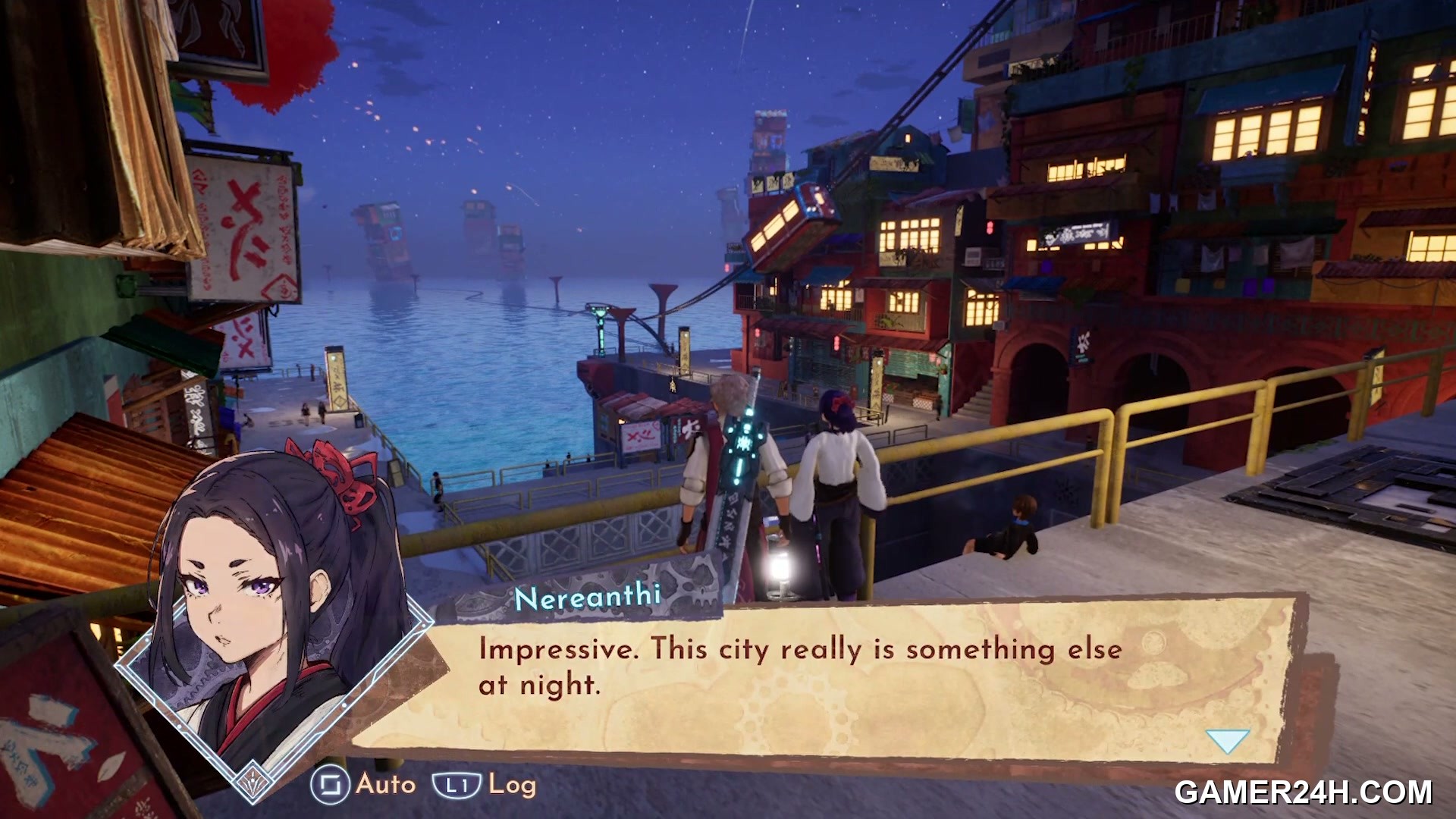
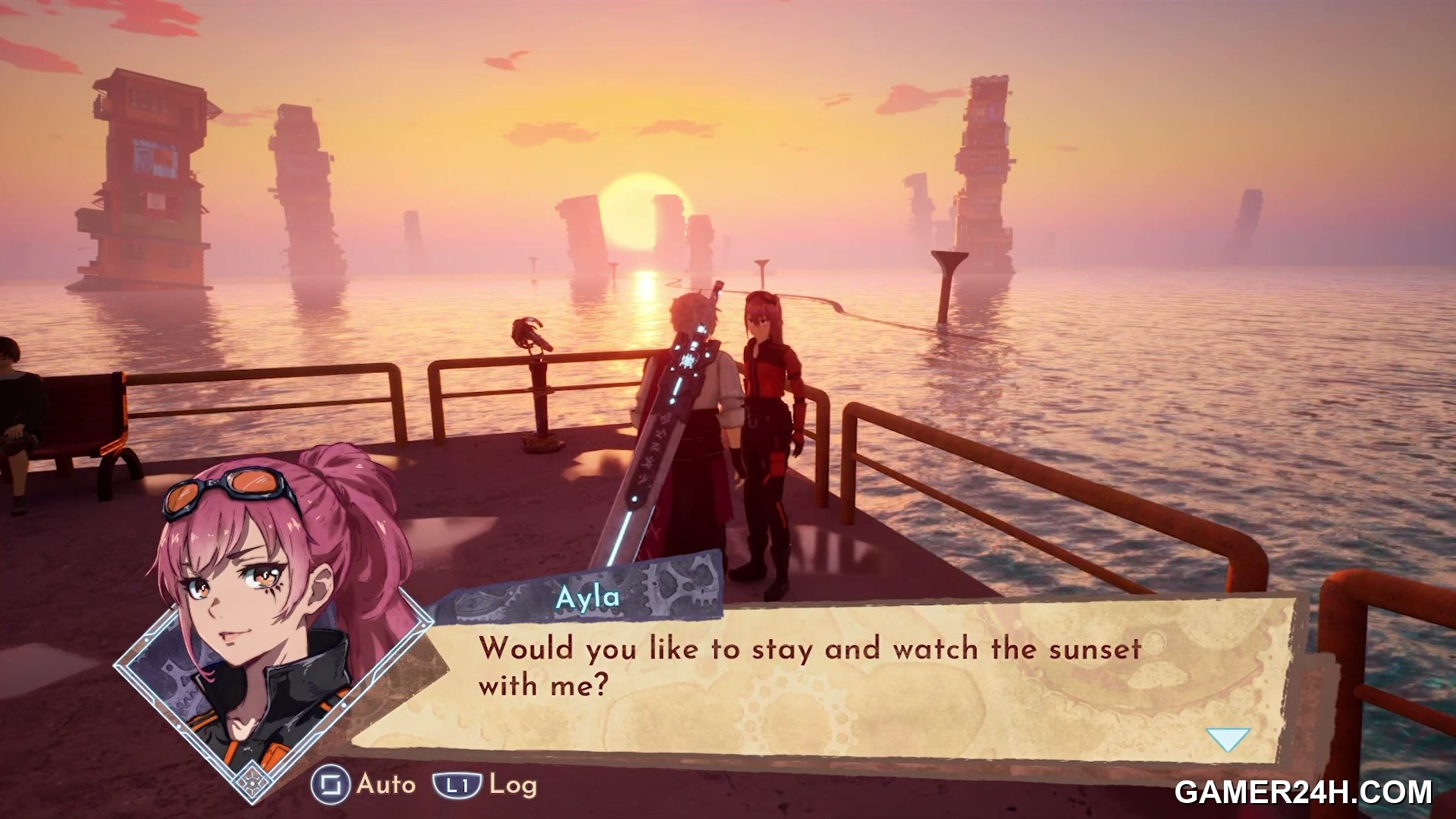
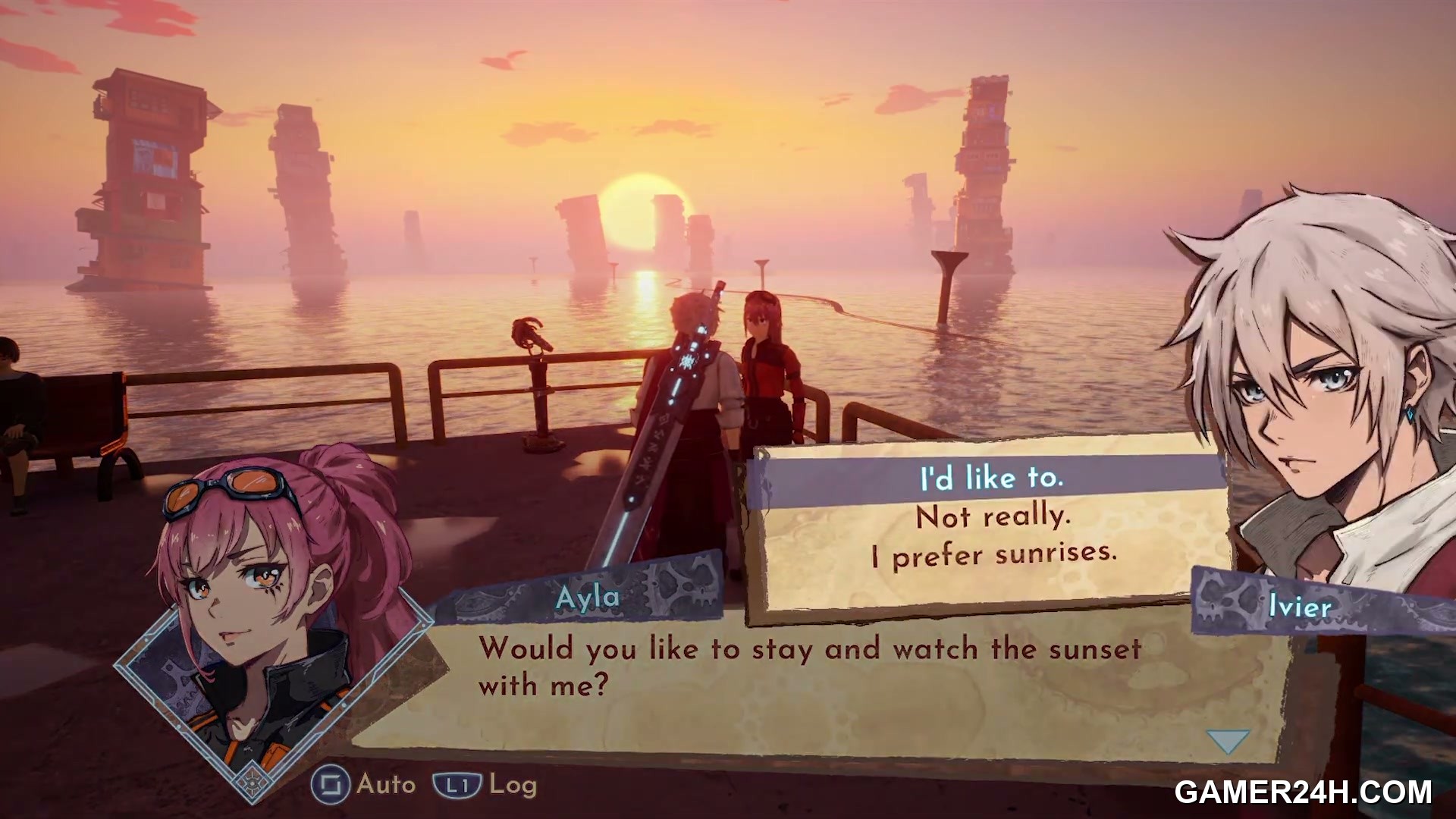
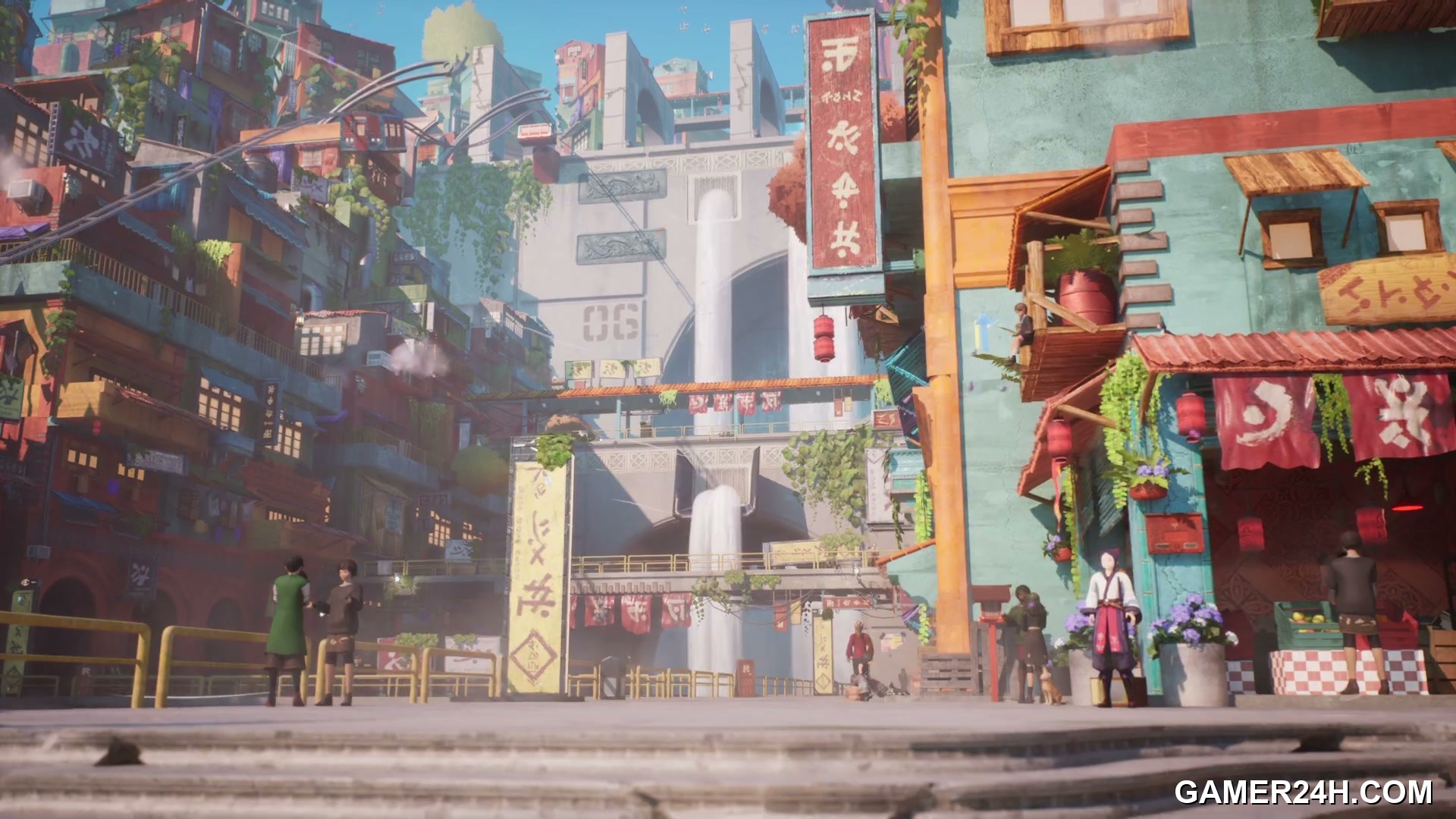
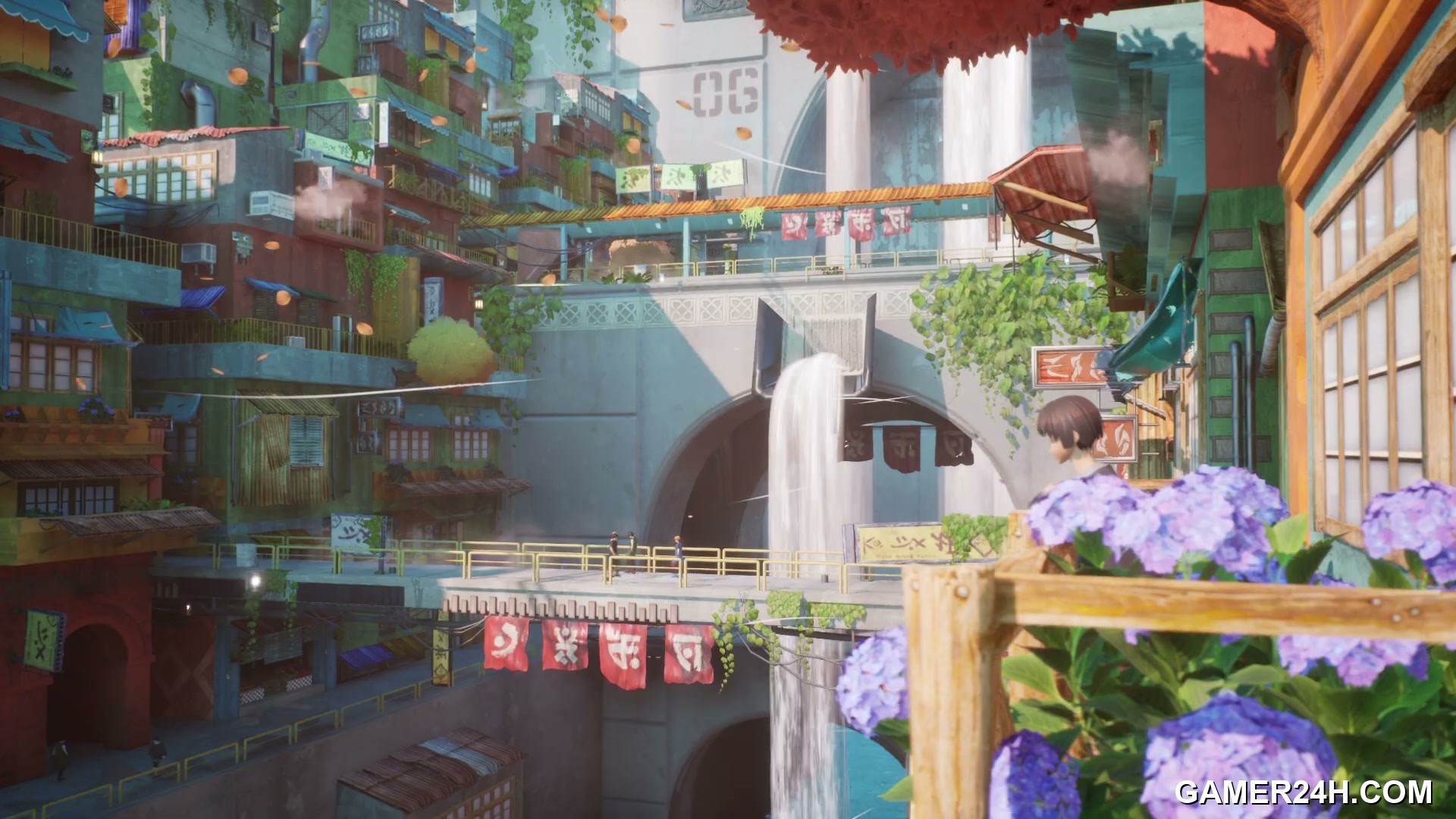
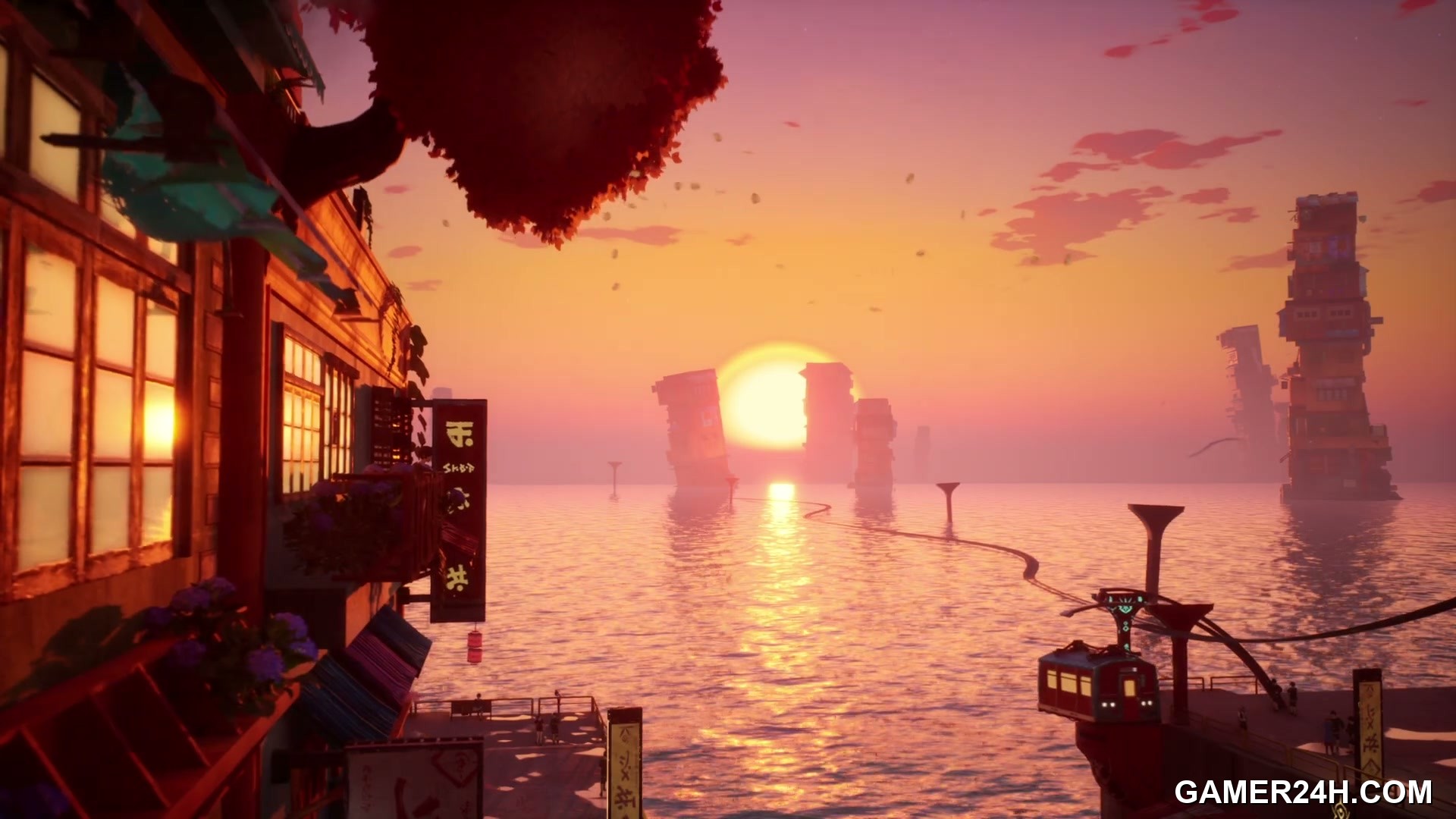
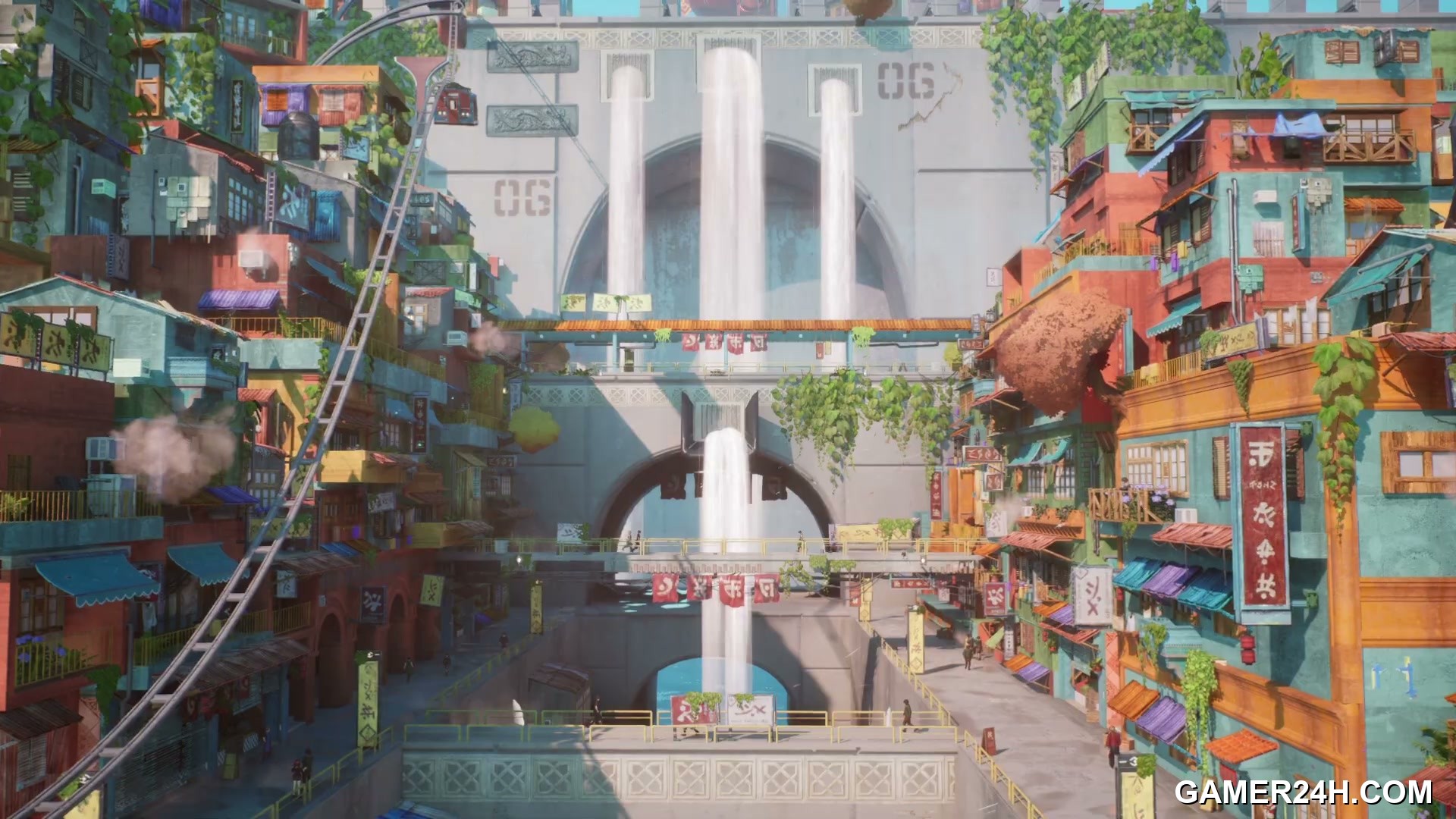
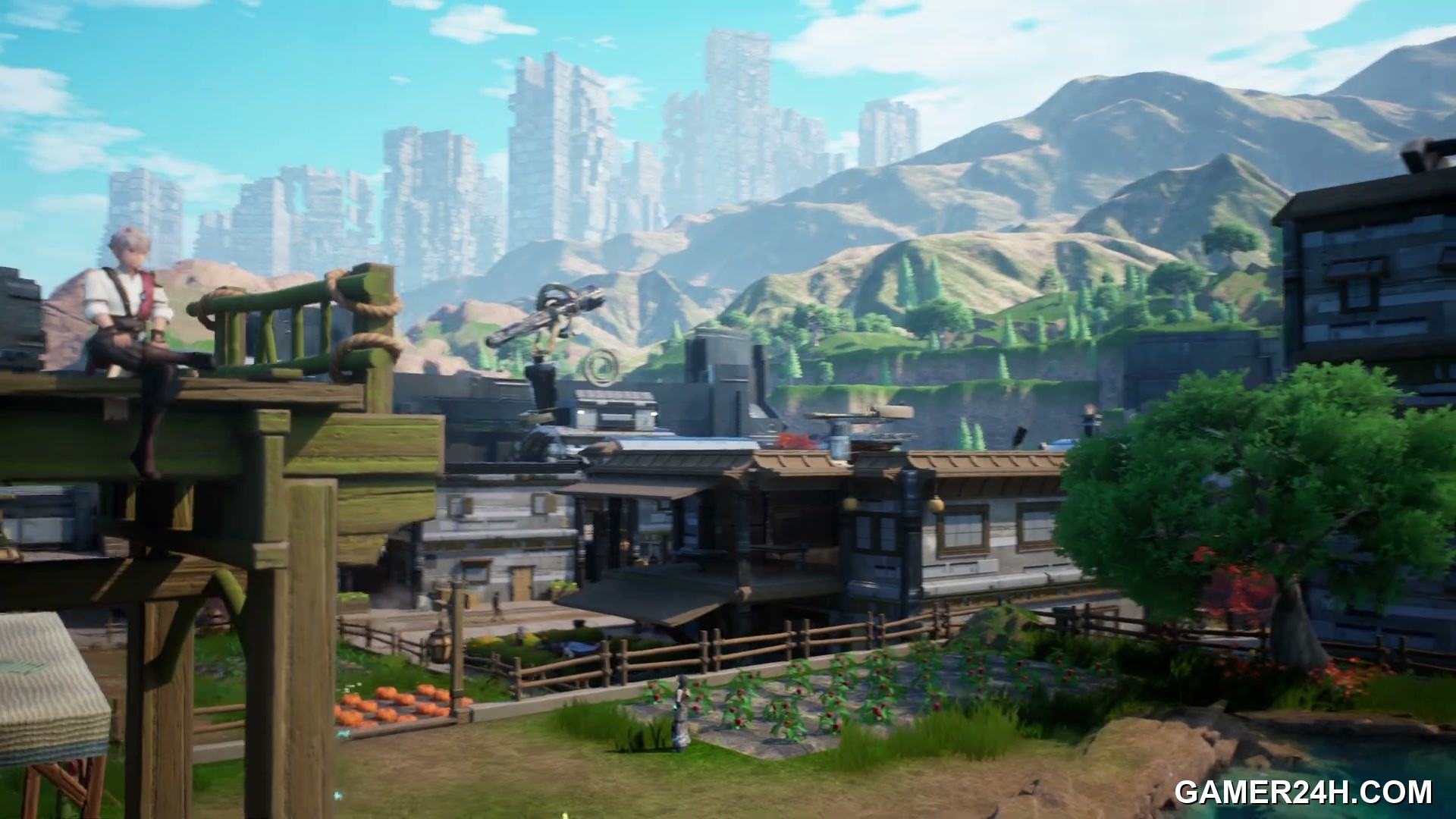
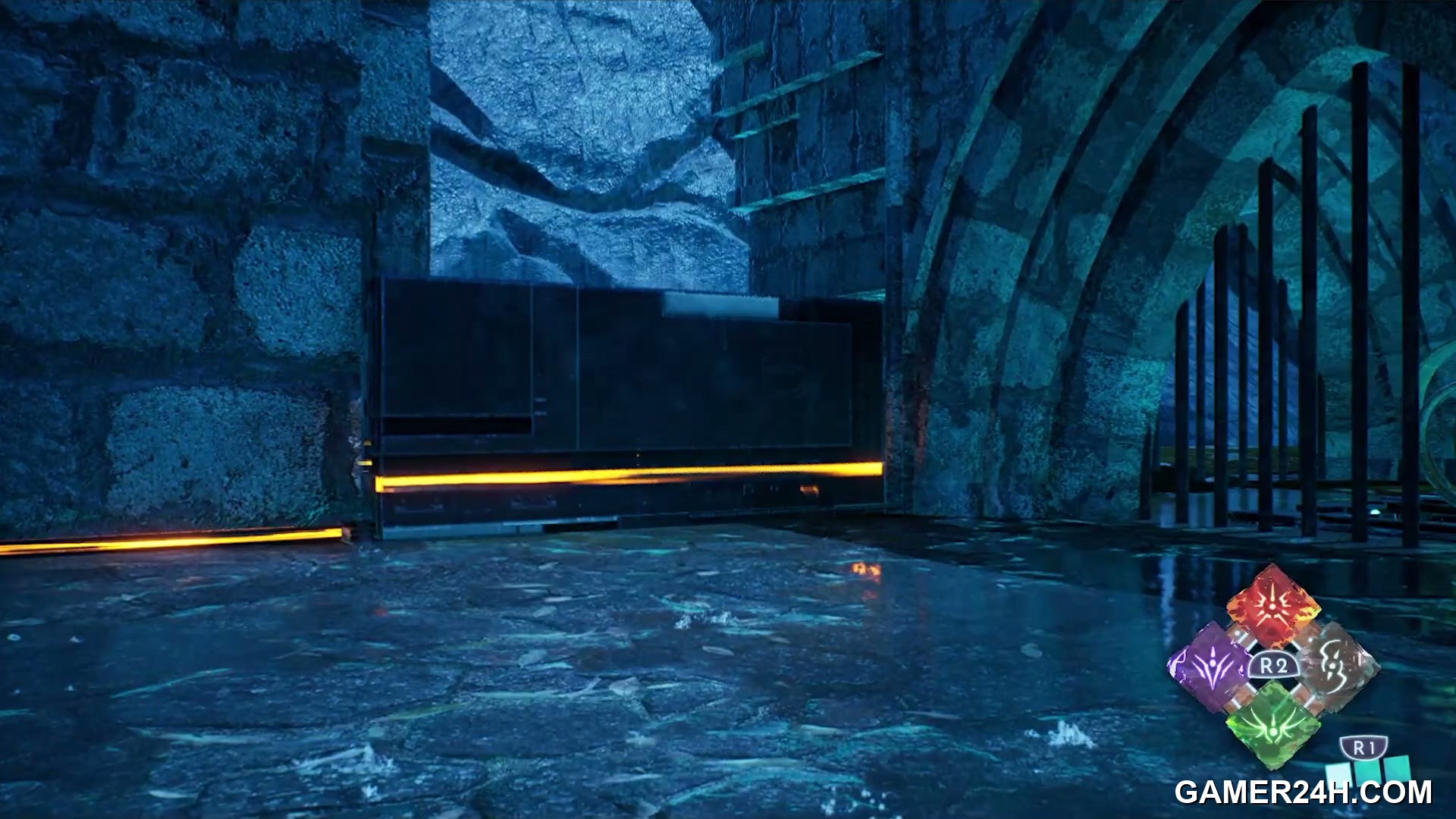
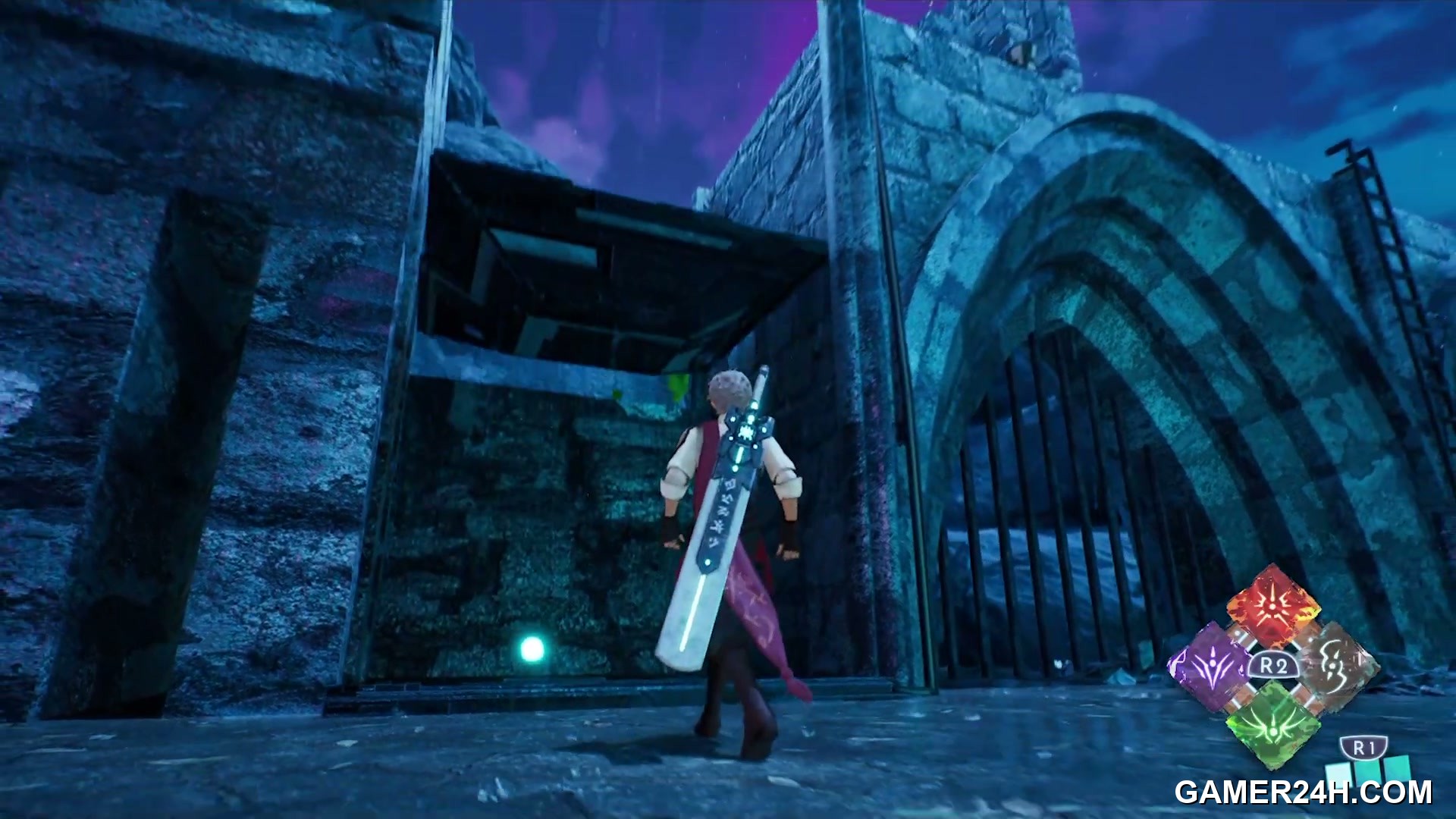
The visual aesthetic of Runa is a testament to Fennec Studio's commitment to pushing the boundaries of what can be achieved with Unreal Engine 5. The game's environments are rendered in stunning detail, from the eerie luminescence of ancient ruins to the sleek, modern aesthetics of high-tech facilities. Each setting is meticulously designed to reflect the narrative context and emotional tone, ensuring that players are visually immersed in the world of Runa.
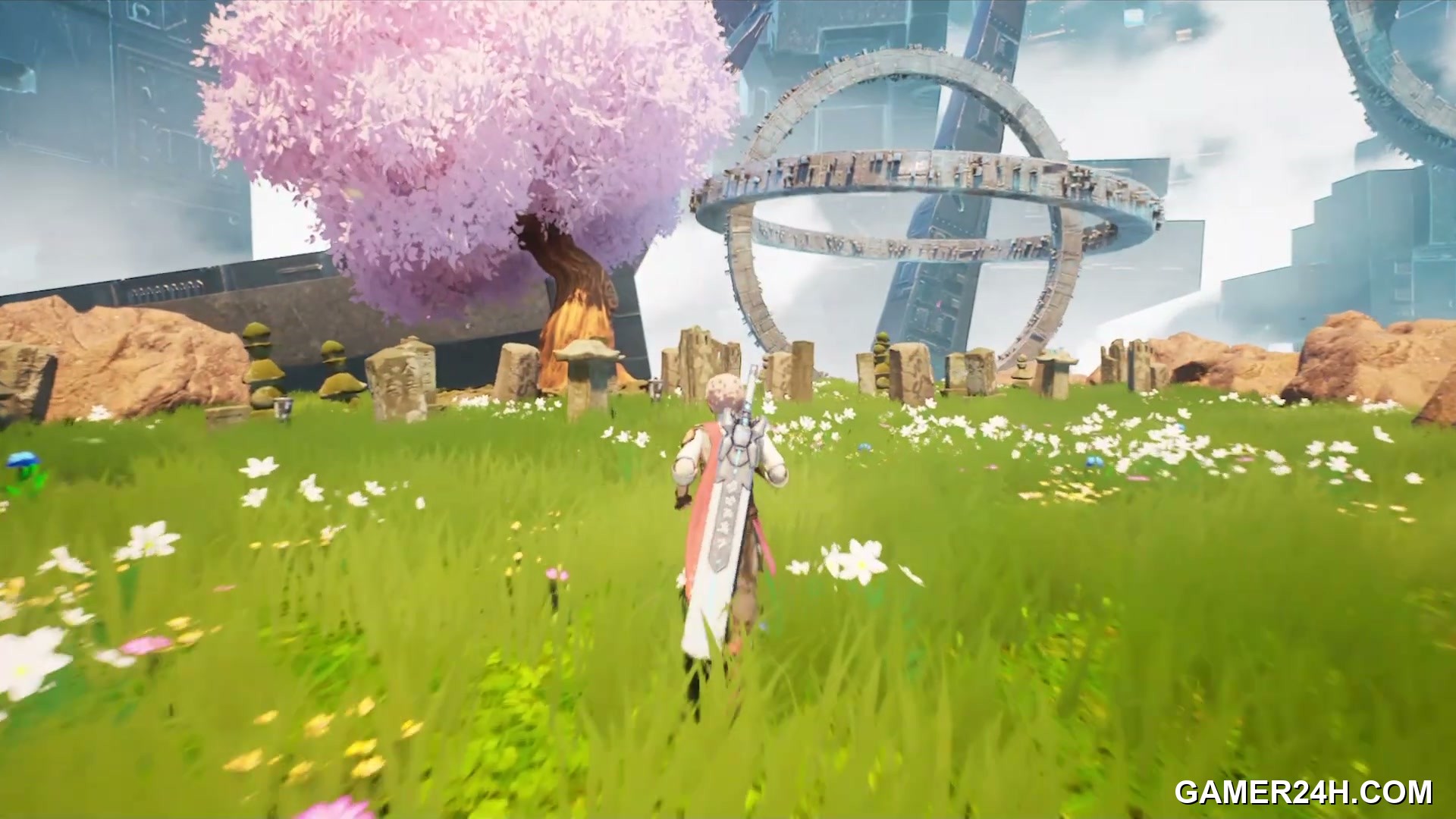
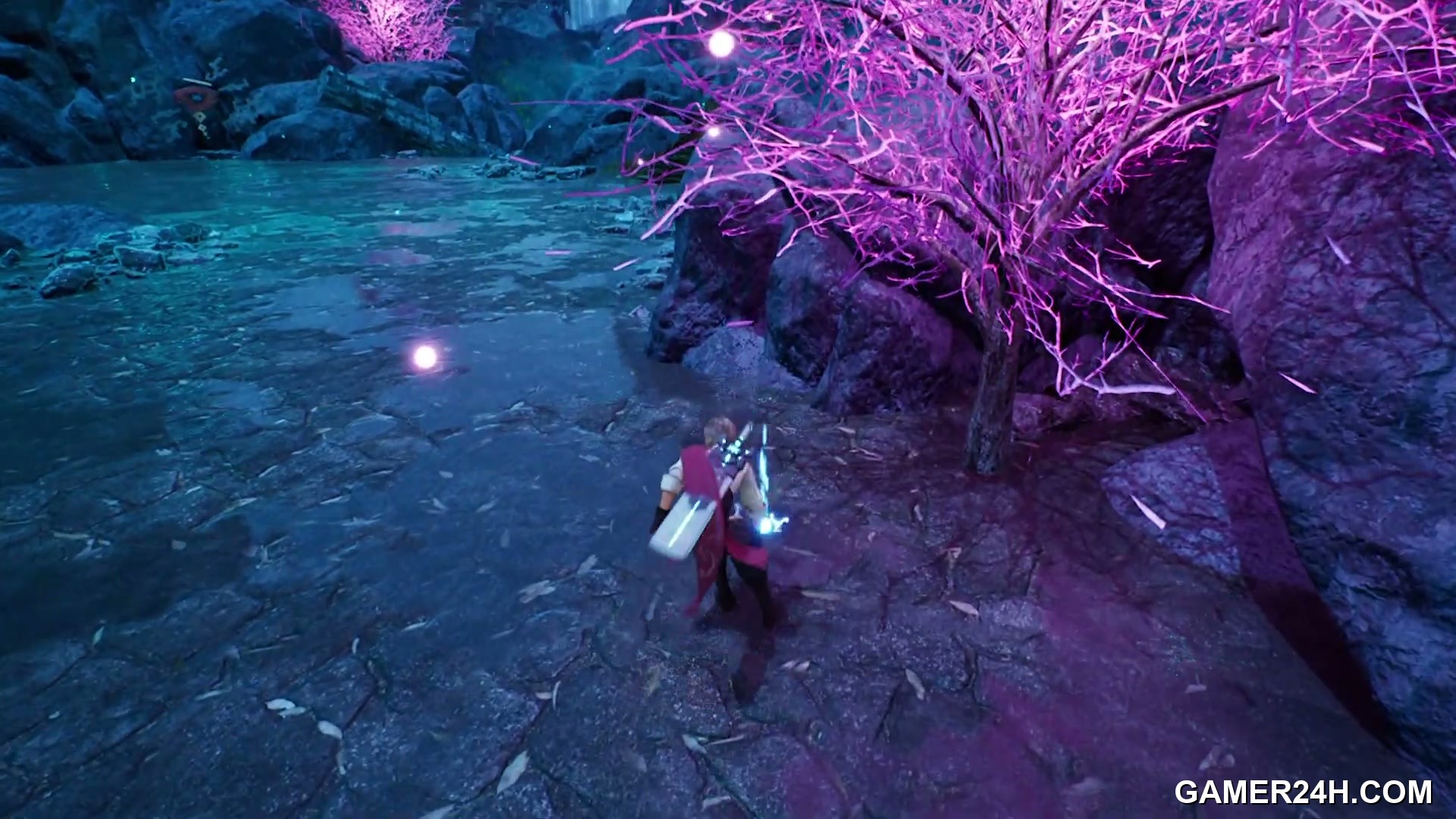
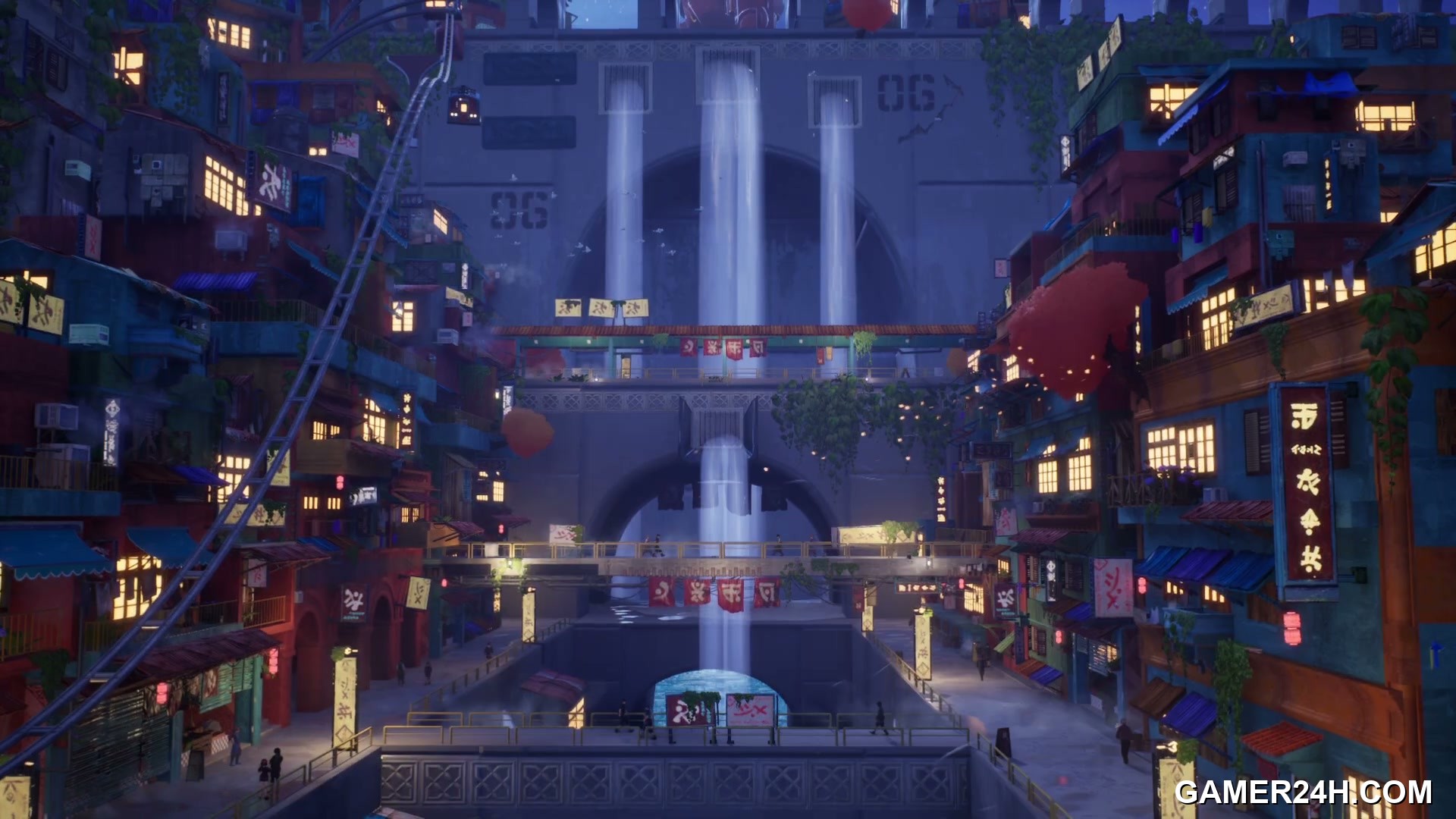
One of the standout features of Runa's graphics is its lighting system. Utilizing Unreal Engine 5's Nanite technology, the game creates a dynamic interplay between light and shadow, enhancing both the atmosphere and gameplay mechanics. Shadows cast by characters and objects become crucial elements in stealth scenarios, while strategically placed light sources can reveal or conceal Lucia’s movements. This level of visual fidelity not only aids player immersion but also adds layers to the tactical depth of each mission.
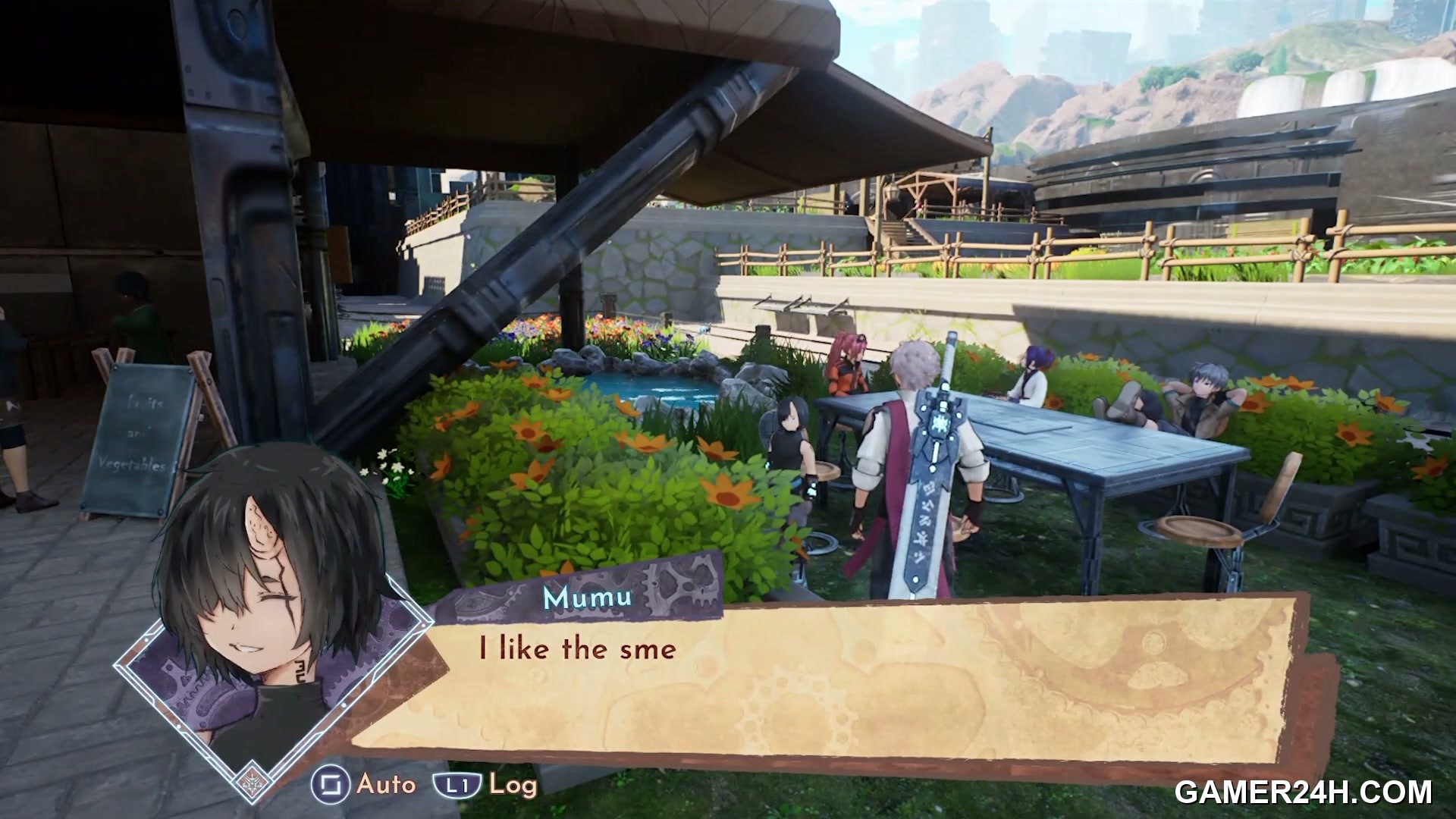
The character models are equally impressive, featuring high-resolution textures and lifelike animations that bring the characters' personalities to life. Lucia's expressions range from tense concentration during espionage missions to sudden bursts of fierce determination in combat scenarios. The attention to detail extends beyond the main protagonist; secondary characters also boast detailed animations and facial expressions, contributing to a more cohesive narrative experience.
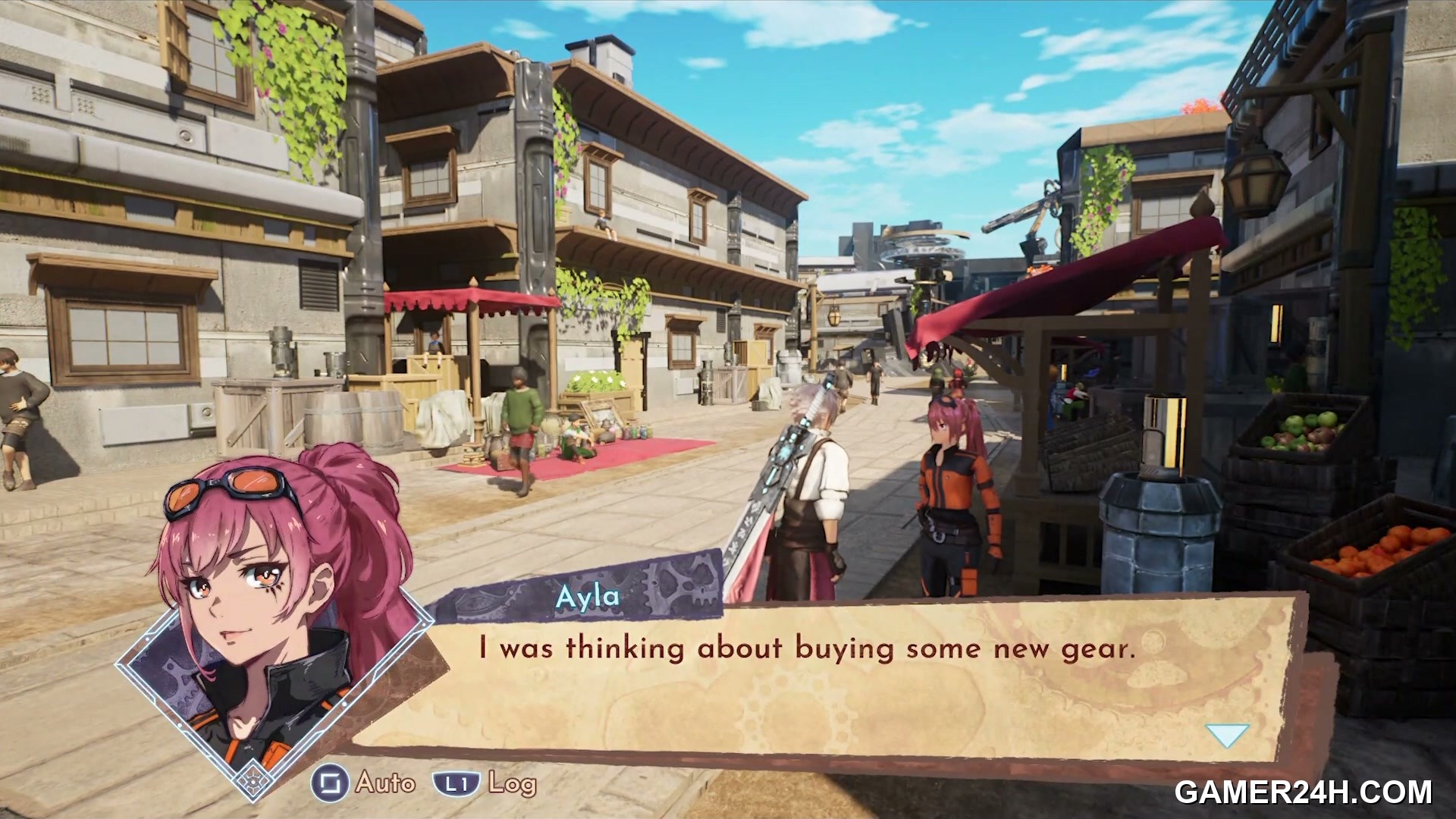
Moreover, Runa showcases an array of supernatural effects that are seamlessly integrated into its visual design. Portals, for instance, emit a mesmerizing glow as they transport Lucia between different dimensions, each with unique environmental features and challenges. These effects are not merely decorative but also functional, serving to guide players through complex puzzles or highlight critical areas in combat scenarios.
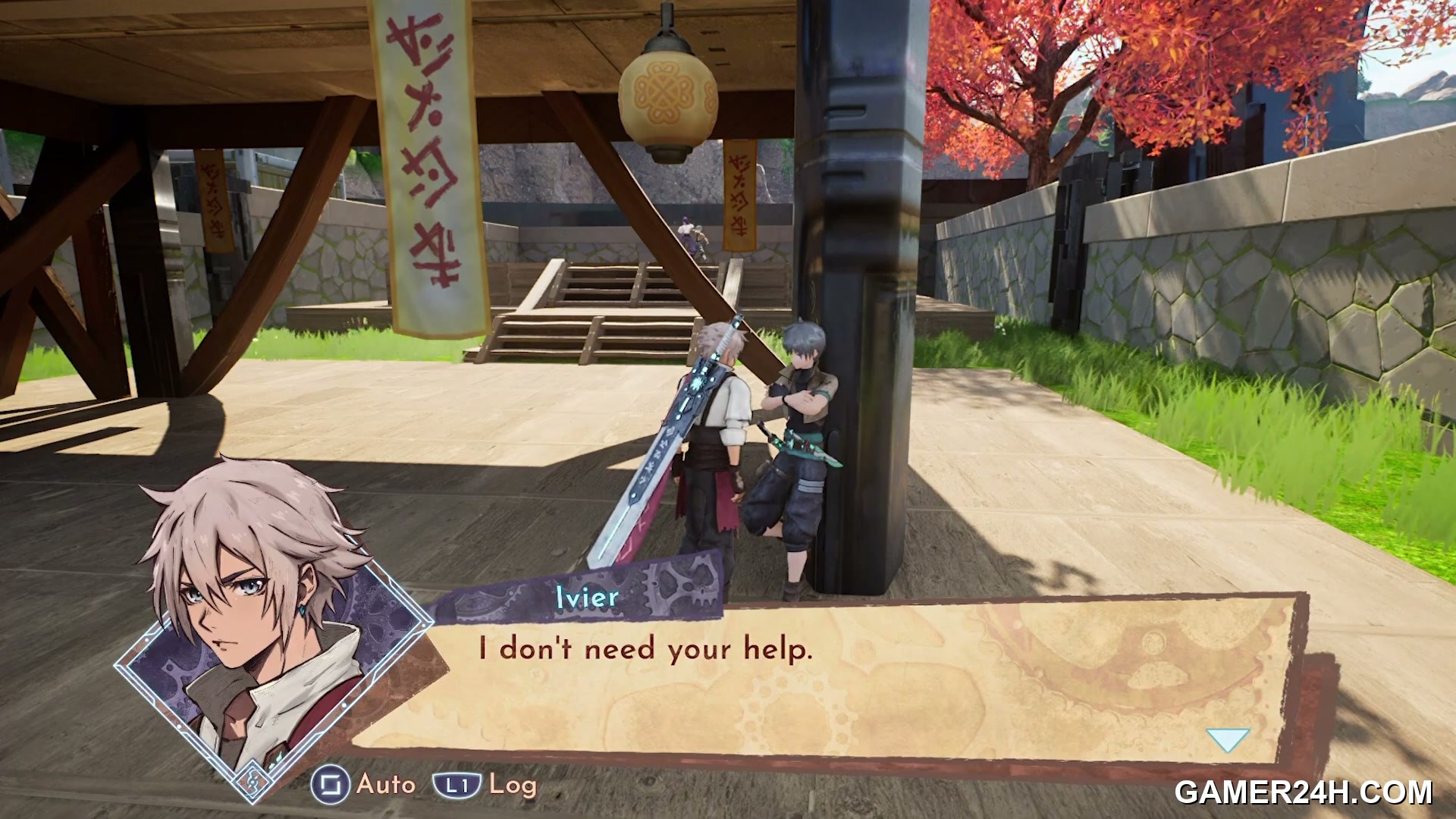
Fennec Studio's use of Unreal Engine 5’s Lumen technology further enhances the game's visual splendor by providing real-time global illumination. This results in realistic lighting interactions that dynamically adjust based on player actions and environmental changes, thereby immersing players deeper into Runa's intricate narrative world.
Combat & Systems: Tactical Espionage and Combat Dynamics
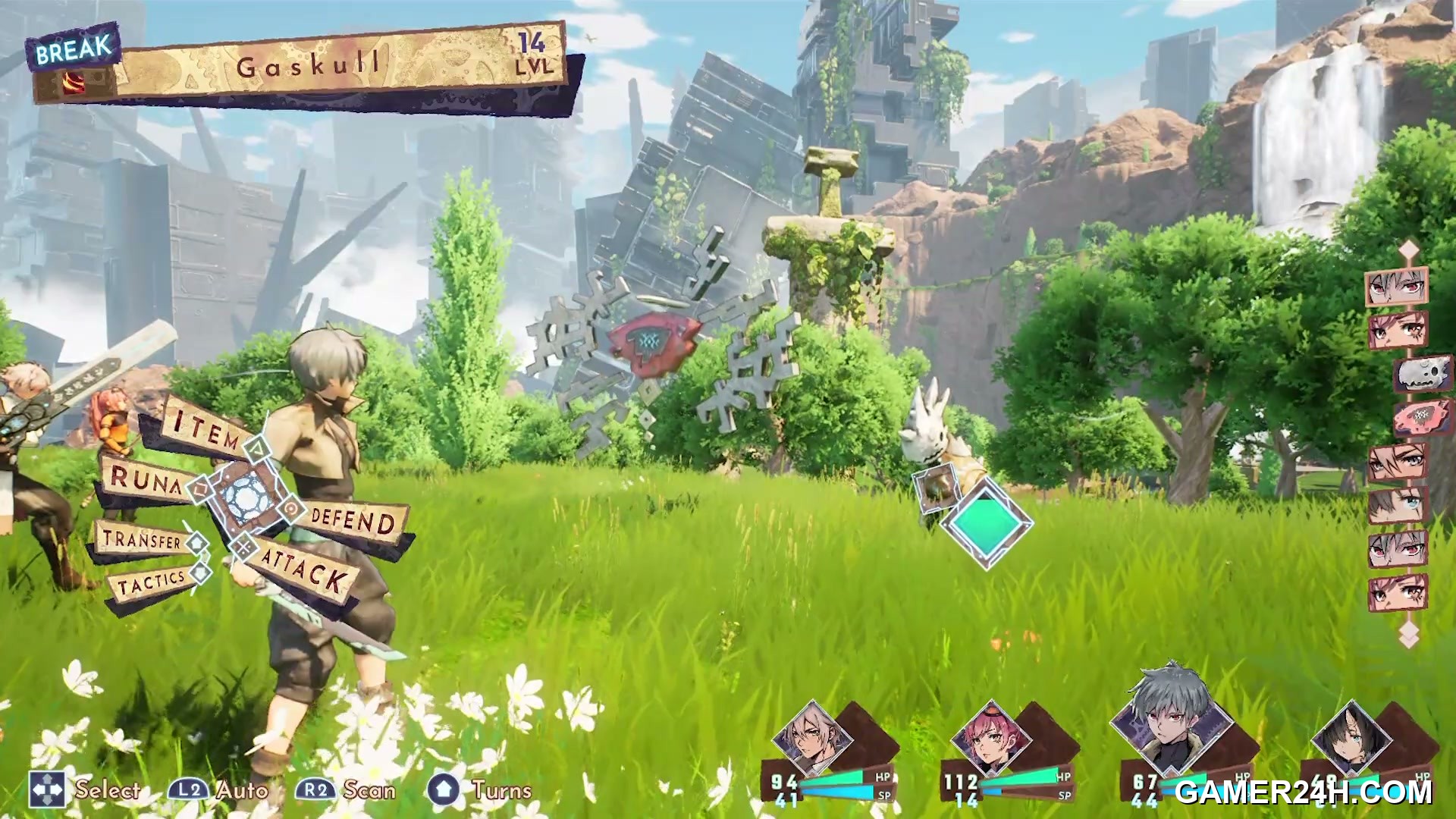
Runa's combat system is a masterclass in blending stealth with strategic engagement. Players must carefully navigate each mission, utilizing Lucia’s unique abilities to outmaneuver adversaries and complete objectives without detection. The game introduces an innovative portal-based system that allows players to transport themselves between different areas within the environment or across vast distances, adding another layer of complexity to combat scenarios.
Lucia is equipped with a variety of tools designed for both stealth and direct confrontation. Her arsenal includes non-lethal tranquilizers, high-tech gadgets like noise suppressors, and powerful melee weapons. Each tool has its own set of mechanics that players must master to effectively neutralize threats or complete objectives. For instance, the use of portals can turn the tide in combat by allowing Lucia to reposition herself out of danger or catch enemies off guard.
The game’s stealth elements are intricately tied to environmental interactions. Players will need to carefully observe and interact with their surroundings—using cover, disguises, and distractions—to avoid detection. Enemy AI is sophisticated enough to react intelligently based on player actions, making each encounter feel dynamic and unpredictable. This interplay between Lucia's abilities and the environment ensures that players must constantly adapt their strategies.
Combat in Runa also emphasizes resource management and decision-making under pressure. Players must balance the use of consumable items like healing packs and non-lethal tranquilizers, each with its own cost and benefit. The choice between stealth and confrontation often comes down to these resources, forcing players to weigh their options carefully.
The mission design in Runa is crafted to reward both stealthy and aggressive playstyles. Missions offer multiple approaches to objective completion, allowing for replayability and experimentation with different tactics. However, the game also features a dynamic difficulty system that adjusts based on player choices, ensuring that each attempt offers new challenges.
Gameplay & Atmosphere Analysis: Portals and Tension
The gameplay in Runa is intricately tied to its atmospheric design, with portals serving as a central mechanic that influences both narrative progression and player strategy. These interdimensional gateways are not merely plot devices but also integral to the game's puzzle-solving and combat dynamics.
Portals create an air of mystery and unpredictability within the game world. As players navigate through dark corridors, they often find themselves at critical junctures where a decision must be made: use a portal to bypass an area filled with enemies or confront them head-on? This constant tension keeps players on edge, fostering a sense of urgency and strategic thinking.
The narrative-driven missions in Runa are meticulously crafted to maintain player engagement through various means. Environmental storytelling is prevalent throughout the game, with subtle hints and artifacts left by previous inhabitants or events that gradually reveal the broader context of Lucia’s mission. This approach encourages players to explore their surroundings thoroughly for additional insights.
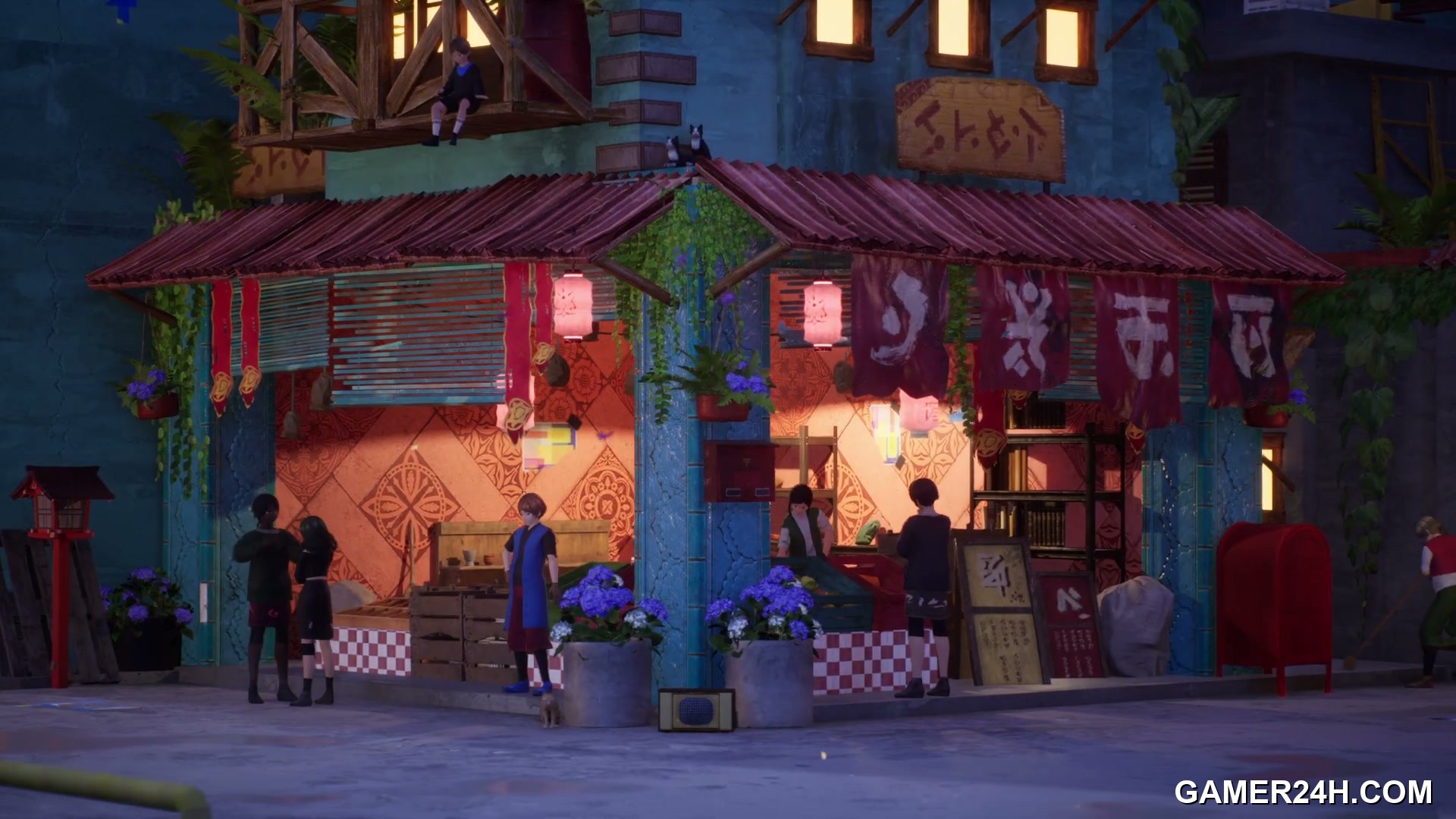
The game’s sound design complements its visual and gameplay elements in creating an immersive atmosphere. Background noises like distant echoes and rustling leaves heighten tension during stealth missions, while combat scenarios are punctuated with intense audio cues that reflect the intensity of each encounter.
Narrative & Characters: The Architects' Mystery and Lucia's Mission
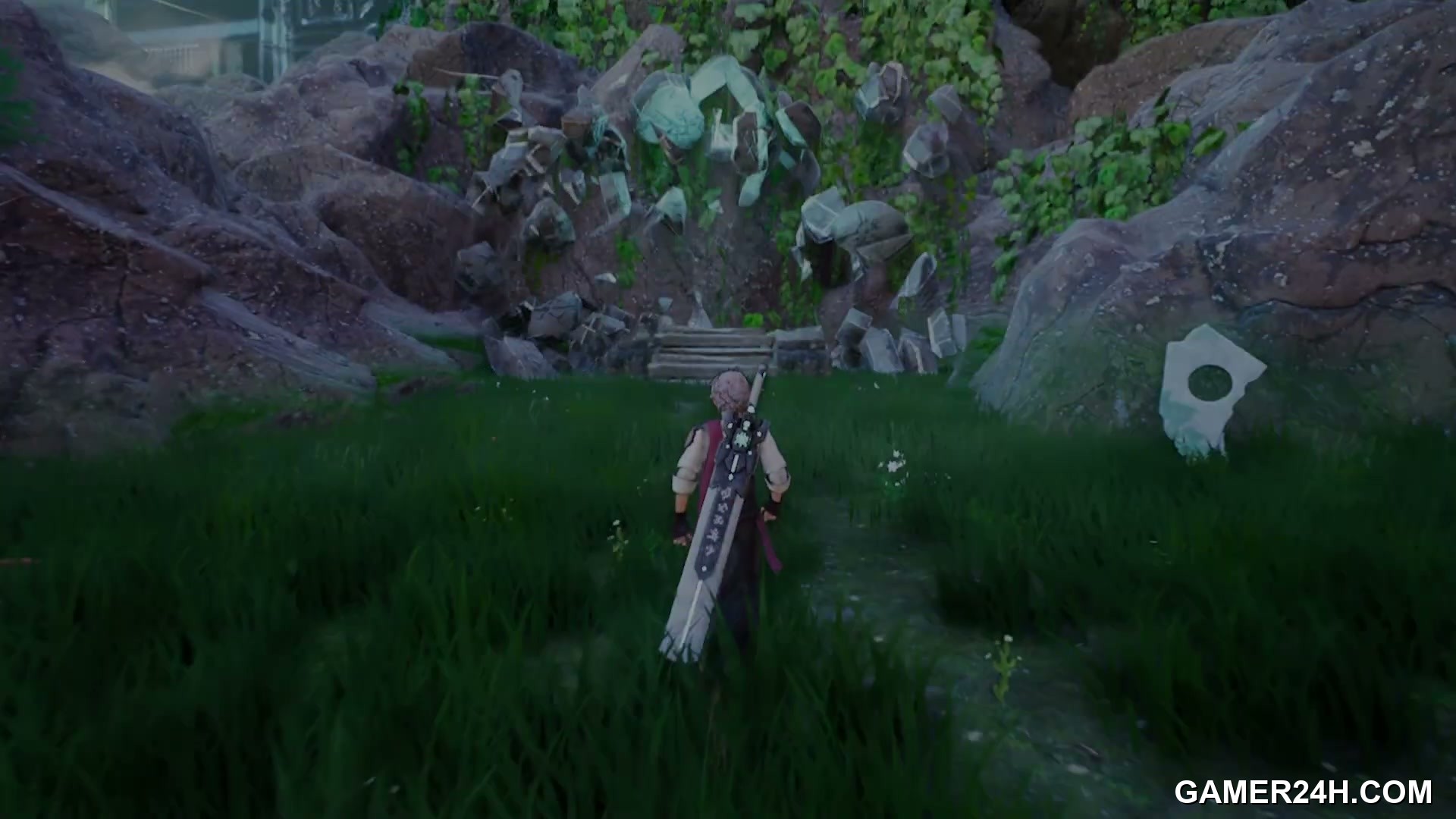
The narrative of Runa is a captivating blend of mystery and intrigue, centered around the enigmatic Architects—a secretive organization believed to possess otherworldly powers. As players delve deeper into the game’s storyline, they uncover layers of conspiracy and hidden truths that challenge preconceived notions about the world.
The main protagonist, Lucia, is an intriguing character whose background and motivations gradually unfold throughout the narrative. Initially portrayed as a skilled operative tasked with infiltrating enemy facilities and gathering intelligence on the Architects, her true purpose becomes increasingly complex as she uncovers deeper connections to her past. Lucia’s personal journey adds emotional depth to the gameplay experience, making each decision and action feel more consequential.
The supporting cast in Runa is equally compelling, featuring characters with diverse backgrounds and conflicting motivations that intertwine with the central plot. Relationships between these individuals evolve over time, influencing player choices and impacting story outcomes. Secondary characters provide additional layers to the narrative, offering perspectives that challenge Lucia’s assumptions and broaden her understanding of the Architects’ influence.
Acoustic Preservation / Audio Design: Sounds of Silence and Combat
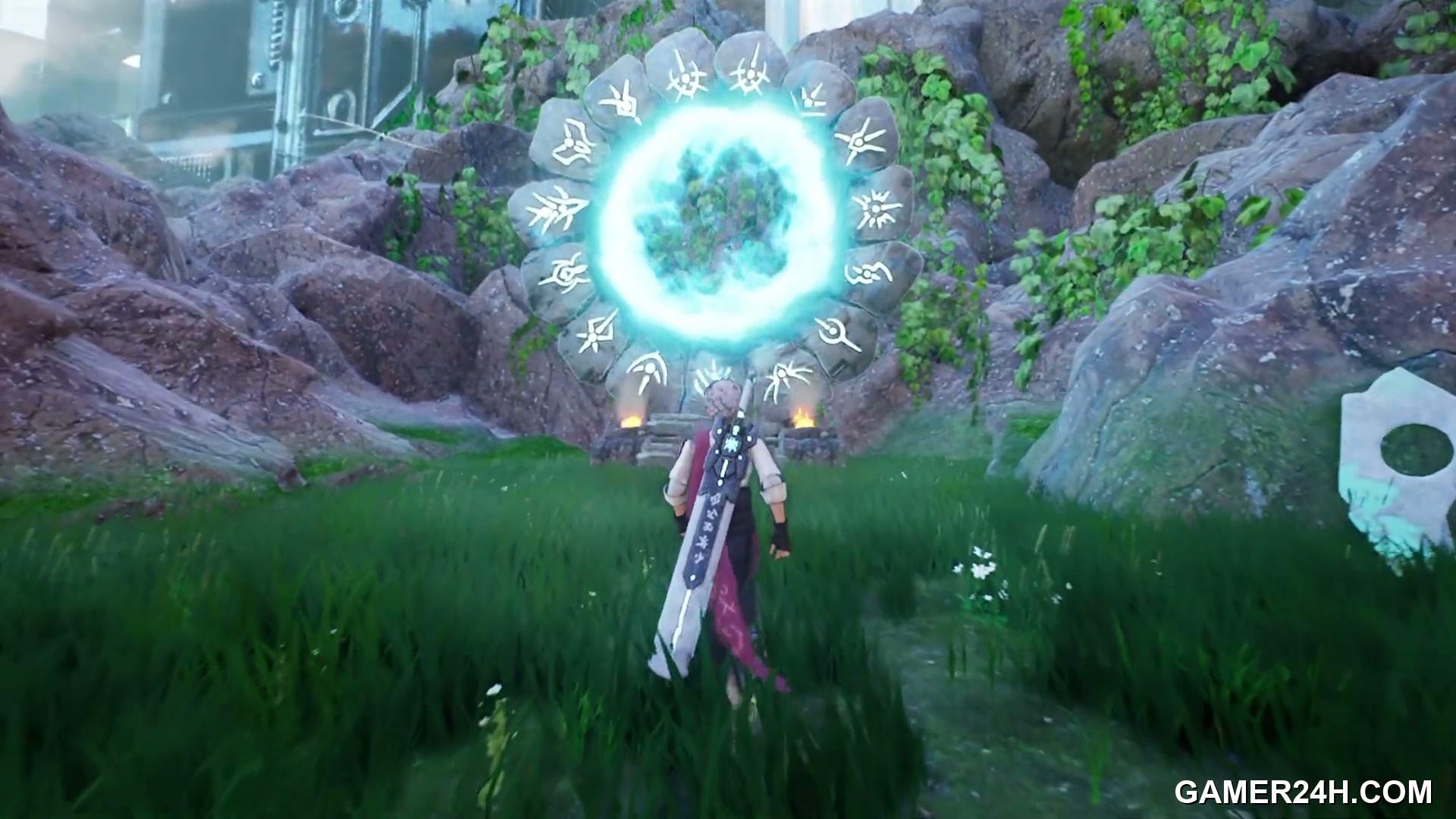
The audio design in Runa is a meticulously crafted blend of ambient sounds and dynamic audio cues that enhance both stealth gameplay and intense combat scenarios. The game’s soundscapes are designed to create an immersive atmosphere, with subtle background noises like distant echoes and rustling leaves contributing to the tension during espionage missions.
In contrast to the stealth segments, combat sequences in Runa feature a more aggressive audio palette. Impact sounds and weapon effects are heightened to reflect the intensity of each encounter, while environmental interactions add additional layers of realism. The use of directional sound cues guides players through complex scenarios, enhancing their situational awareness.
The game’s music also plays a crucial role in setting the tone for different environments and missions. From eerie, ambient tracks in ancient ruins to high-energy compositions during combat sequences, each piece is tailored to evoke specific emotions and maintain player engagement throughout the experience.
Critical Reception: Expectations and First Impressions
As Runa approaches its release date, anticipation among gamers and critics alike has reached a fever pitch. Early previews and gameplay demonstrations have garnered significant attention for the game’s innovative mechanics, stunning visuals, and atmospheric design.
Critics praise Fennec Studio's ambitious approach to blending traditional stealth elements with supernatural concepts, noting that Runa offers a fresh perspective on an established genre. The use of portals as both narrative devices and gameplay mechanisms is particularly lauded for its originality and impact on player strategy.
However, some initial concerns have been raised regarding the potential complexity of the game’s systems. While many appreciate the depth and challenge offered by Runa, there are worries about whether it might alienate players accustomed to more straightforward stealth titles. Balancing accessibility with the game's intricate mechanics will be crucial for widespread appeal.
The visual fidelity and audio design have been universally praised, with critics citing these elements as major highlights that contribute significantly to the immersive experience. However, there are calls for Fennec Studio to ensure that technical performance supports this aesthetic ambition across various hardware configurations.
Conclusion: The Vanguard of Next-Gen Action
Runa, with its innovative gameplay mechanics, stunning visuals, and intricate narrative, stands poised to set a new standard in the stealth espionage genre. Fennec Studio's ambitious vision for the game promises not only an engaging single-player experience but also sets the stage for future titles to build upon these groundbreaking elements.
As Runa prepares to launch, it carries high expectations from gamers and critics alike. The blend of stealth tactics with supernatural mechanics offers a unique twist on familiar gameplay tropes, while the game's commitment to atmospheric design ensures that players will be fully immersed in its world.
Whether through its dynamic portal system, intricate combat scenarios, or compelling narrative threads, Runa is poised to deliver an unforgettable gaming experience. Its release marks a significant milestone for Fennec Studio and the stealth genre at large, heralding a new era of action-packed adventures that push the boundaries of what players expect from their favorite titles.