

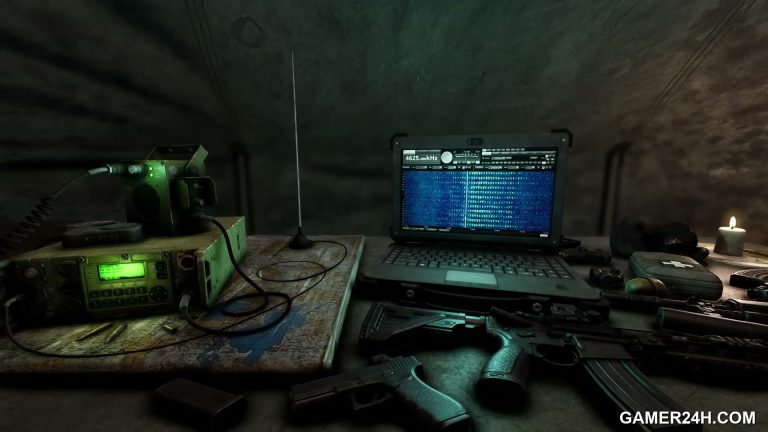
About this game
Introduction: Stealth Espionage Reimagined
In an era where video games continue to push the boundaries of interactive storytelling and gameplay mechanics, “Road to Vostok” emerges as a beacon of innovation in the stealth and survival genres. Developed by Road to Vostok, this first-person shooter (FPS) combines intricate espionage with heart-pounding combat dynamics, set against the backdrop of a meticulously crafted world that blurs the lines between reality and conspiracy theory.
The game’s premise revolves around an enigmatic organization known as The Architects, whose influence extends into the deepest recesses of government and technology. Players take on the role of Lucia, a covert operative tasked with unraveling the secrets of this shadowy group while navigating treacherous environments filled with both allies and adversaries. Through a combination of stealth, strategy, and sheer determination, players must uncover the truth behind The Architects’ sinister machinations.
“Road to Vostok” promises not just an engaging narrative but also a richly detailed world where every decision can have profound consequences. Its unique blend of cinematic storytelling and tactical gameplay sets it apart from its contemporaries, positioning it as one of the most anticipated releases in recent memory.
Visual Splendor: Pushing the Limits of Unreal Engine 5
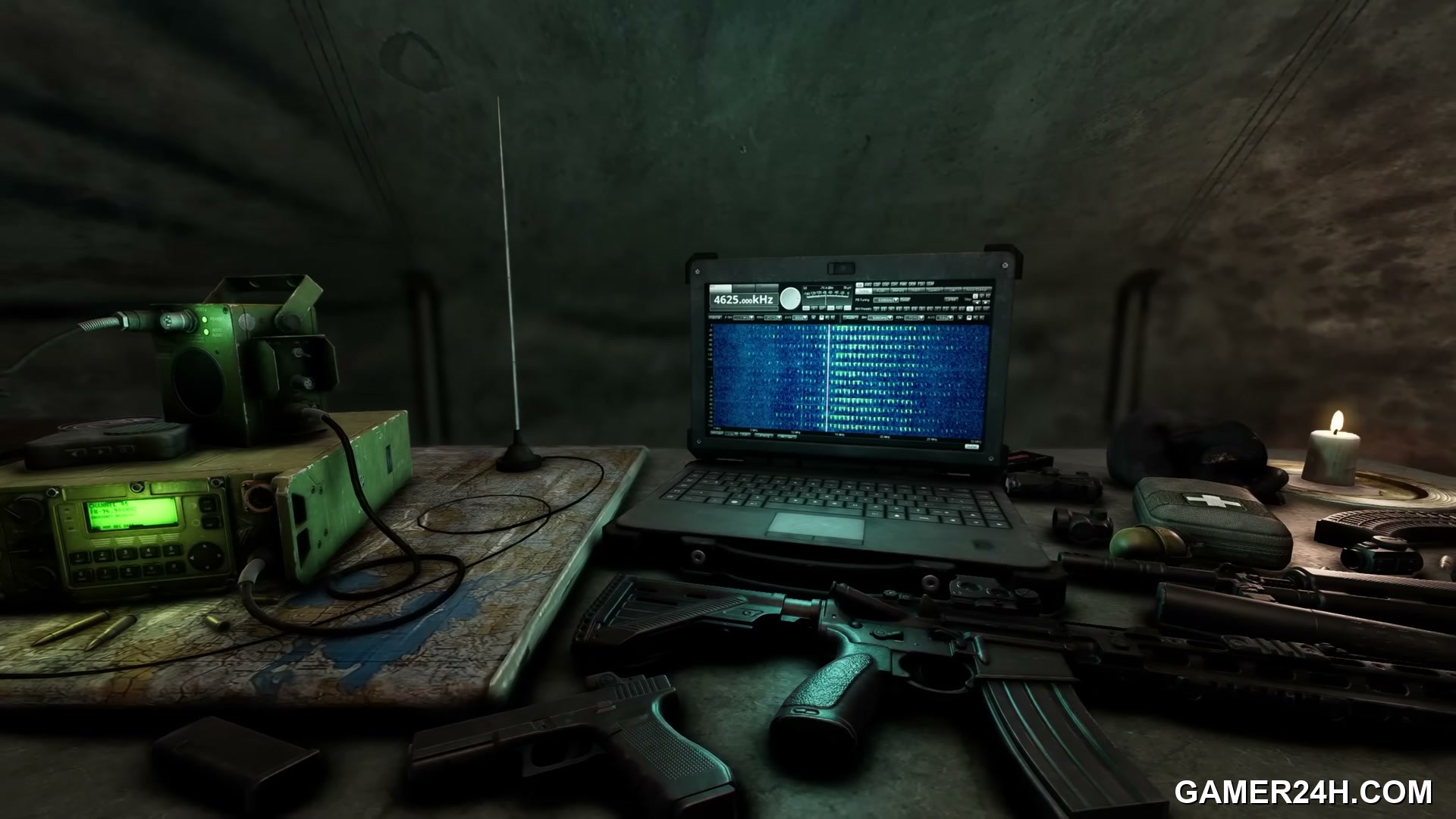
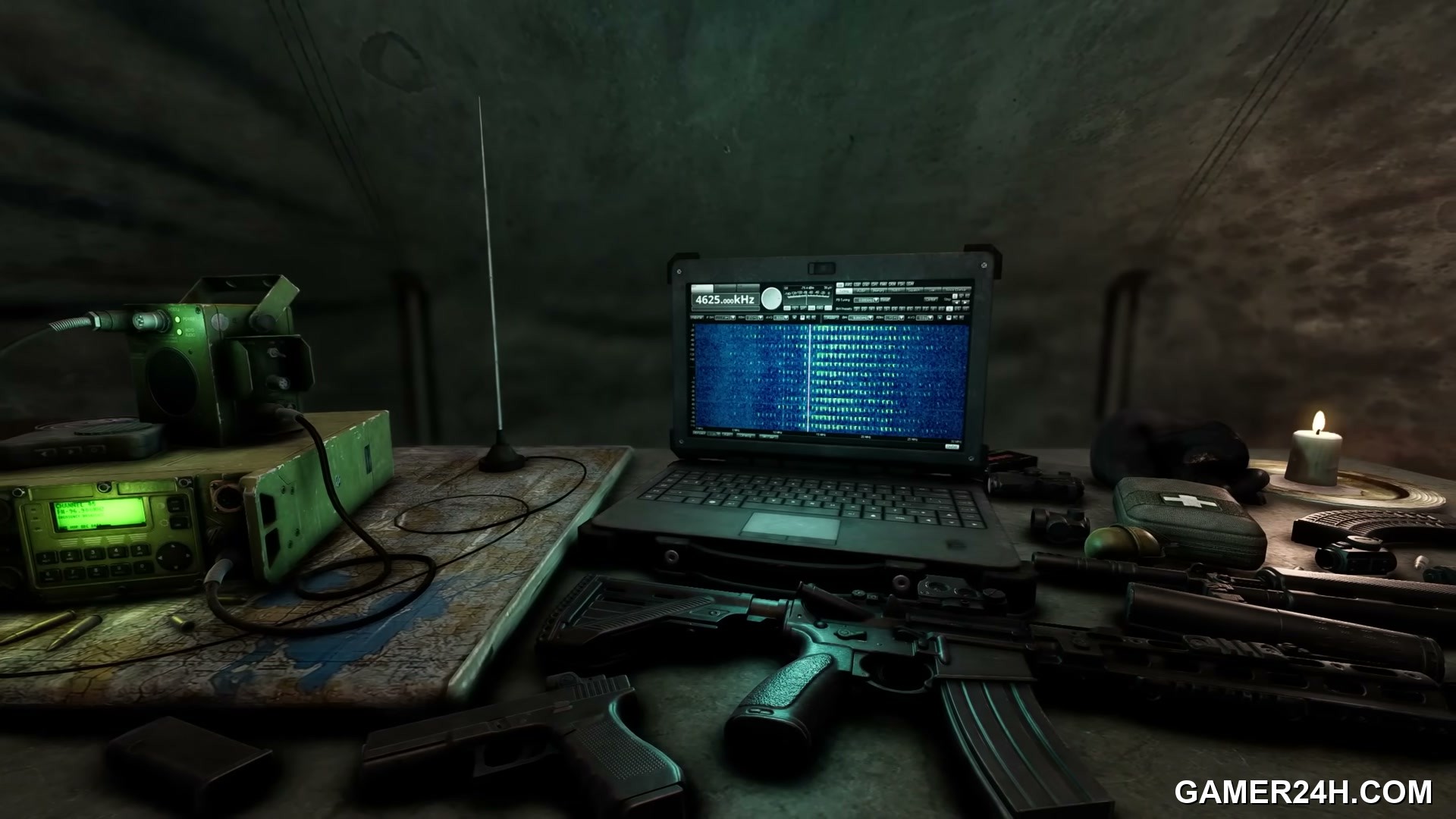
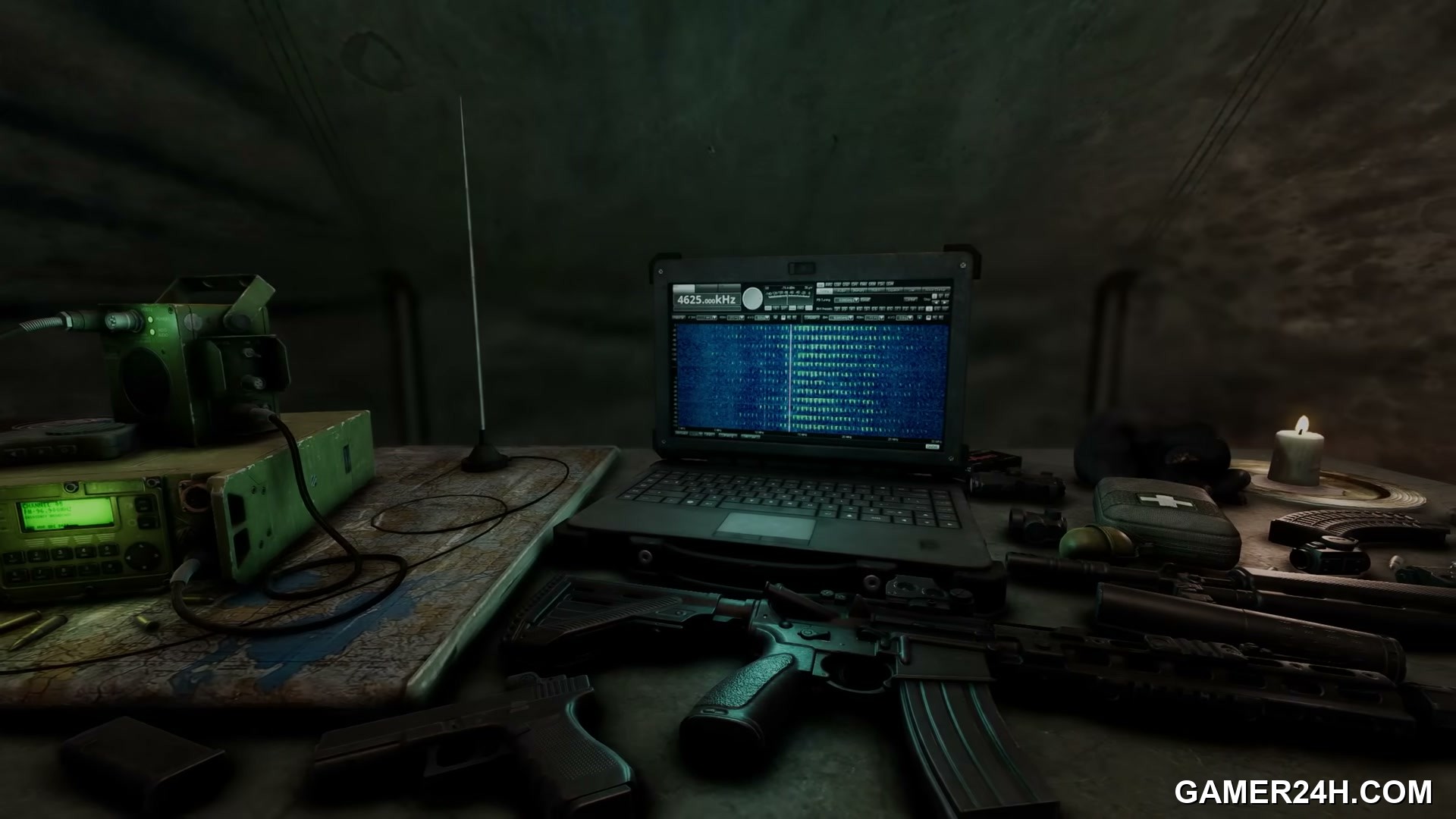
The visual design of “Road to Vostok” is nothing short of groundbreaking. Utilizing the power of Unreal Engine 5, Road to Vostok’s development team has crafted a visually stunning world that immerses players in a blend of realism and surrealism. The game’s environments range from sleek modern corporate offices to dark, eerie underground facilities, each meticulously detailed with textures that feel alive under the soft glow of neon lights or the harsh glare of security cameras.
One of the standout features is the use of dynamic lighting and shadow effects to enhance the sense of tension and danger. When Lucia moves through a brightly lit room in broad daylight, the game uses contrasting shades to highlight potential threats lurking in darker corners. This not only adds an extra layer of challenge but also serves as a narrative tool, subtly guiding players towards critical discoveries.
The character models are equally impressive, featuring realistic facial animations that convey emotion and intent with remarkable fidelity. Lucia’s expressions shift seamlessly from cautious alertness to fierce determination, reflecting the emotional weight of her mission at every turn. The level of detail extends beyond just human characters; even minor NPCs and enemies have unique appearances and behaviors that contribute to a vividly populated world.
Unreal Engine 5’s Nanite technology plays a crucial role in this visual spectacle by allowing for incredibly high-resolution assets without compromising performance. This results in environments where every object, from the smallest tools on desks to sprawling industrial complexes, feels tangible and integral to the story’s progression.
In summary, “Road to Vostok” leverages Unreal Engine 5’s capabilities to deliver a visually immersive experience that complements its narrative depth and gameplay mechanics, setting new standards for graphical fidelity in modern gaming.
Combat & Systems: Tactical Espionage and Combat Dynamics
At the heart of “Road to Vostok” lies a sophisticated combat system that seamlessly integrates with its stealth-focused gameplay. The game challenges players to navigate perilous situations using a combination of strategic thinking, quick reflexes, and resource management.
Players have access to an array of tools and weapons designed for both covert operations and direct confrontation. Non-lethal gadgets such as tranquilizer darts, flashbangs, and hacking devices enable stealthy takedowns and security breaches, while more lethal options like silenced pistols and assault rifles cater to players who prefer a more aggressive approach.
The environment itself plays a crucial role in combat dynamics, offering myriad ways for players to outmaneuver opponents. Concealment spots are abundant, ranging from shadows cast by towering structures to the cover provided by scattered furniture and equipment. Utilizing these elements effectively can mean the difference between stealthy success and loud confrontation.
Furthermore, “Road to Vostok” introduces an innovative system of ‘Portals’, which serve as critical entry points into restricted areas but also act as high-risk zones due to heightened security presence. Navigating through Portals requires careful planning and execution; players must consider factors such as enemy patrol patterns, environmental hazards, and potential escape routes before attempting infiltration.
Each mission in “Road to Vostok” presents unique challenges that demand adaptability from the player base. Whether it’s sneaking past vigilant guards or taking down heavily armed enemies in close quarters combat, every encounter is designed to test players’ tactical acumen and ability to remain calm under pressure.
In summary, “Road to Vostok” offers a richly nuanced combat experience that rewards strategic thinking and quick decision-making while maintaining the thrill of high-stakes espionage. Its intricate systems ensure that no two playthroughs are identical, encouraging experimentation with different approaches and tactics based on situational awareness and personal preference.
Gameplay & Atmosphere Analysis: Portals and Tension
“Road to Vostok” excels in creating a tense atmosphere that mirrors the high-stakes nature of its narrative. This is particularly evident through its use of ‘Portals’, strategically placed entry points into highly secured areas where critical information or objectives reside. These portals serve as dynamic hubs for gameplay, offering both opportunities and risks.
Upon approaching a Portal, players are met with immediate sensory overload: bright lights illuminate the area, electronic alarms blare loudly, and armed guards patrol diligently. The very presence of such security measures conveys an intense sense of urgency and danger, heightening player anticipation and engagement. To succeed in these scenarios, meticulous planning is essential; players must assess potential routes, identify weak points in enemy defenses, and utilize available tools to minimize detection.
Beyond the mechanics of Portal navigation lies a deeper layer of atmospheric design that contributes significantly to the game’s immersive quality. Sound effects play a pivotal role here; ambient noises such as footsteps, whispered conversations, and distant alarms create an auditory landscape teeming with subtle clues about nearby threats or opportunities. This audio environment fosters a constant state of awareness among players, making them acutely sensitive to even minor changes in their surroundings.
Visually, the contrast between well-lit portals and darker, more secretive paths creates stark contrasts that reflect themes of exposure versus concealment within the game’s broader narrative context. The visual aesthetics are further enhanced by dynamic weather conditions and time-of-day cycles, altering lighting and shadows dynamically based on these factors to provide varied challenges and aesthetic appeal.
Moreover, “Road to Vostok” incorporates psychological elements into its gameplay through storytelling techniques that emphasize paranoia and uncertainty. NPCs often display conflicting behaviors or deliver cryptic messages, leaving players questioning the reliability of their sources and complicating decision-making processes. This narrative approach adds layers of complexity beyond mere physical obstacles, immersing players deeply in Lucia’s world of espionage and intrigue.
In summary, “Road to Vostok” masterfully blends gameplay mechanics with atmospheric design to craft a compelling experience that keeps players on edge at all times. Through its innovative use of Portals and attention to detail across visual and auditory aspects, the game successfully captures the essence of high-stakes espionage while maintaining an engaging balance between challenge and reward.
Narrative & Characters: The Architects’ Mystery and Lucia’s Mission
At the core of “Road to Vostok” lies a complex narrative that intertwines mystery with political intrigue. Players follow Lucia, a skilled operative who becomes entangled in the machinations of an enigmatic organization known as The Architects. This group wields immense influence over global politics and technology, their true motives shrouded in secrecy and deception.
As Lucia delves deeper into her mission to uncover The Architects’ secrets, she encounters a cast of compelling characters each with their own agenda. From sympathetic allies who aid her progress to suspicious figures harboring hidden agendas, these interactions shape the unfolding narrative in unexpected ways. The game’s dialogue and storytelling mechanics are finely tuned to evoke emotional responses from players, blurring lines between friend and foe.
Lucia herself is a character of depth and complexity. Her background as an ex-government agent who has seen firsthand the dark side of power adds layers of nuance to her motivations and actions throughout the story. The player’s journey alongside Lucia becomes one not just of physical challenges but also of moral dilemmas, ethical choices, and personal growth.
The narrative structure of “Road to Vostok” is intricate yet accessible, weaving together multiple threads of plot that gradually reveal the full scope of The Architects’ influence. Through a series of interconnected missions, players piece together clues about this shadowy organization’s origins, goals, and methods. Each revelation propels Lucia further into dangerous territory where trust is scarce and survival depends on wits and strategy.
Moreover, “Road to Vostok” employs narrative techniques such as non-linear storytelling and branching dialogue paths to offer players varying perspectives on key events. This approach enhances replayability by allowing different outcomes based on player choices, creating a sense of agency within the overarching storyline.
In conclusion, “Road to Vostok”‘s narrative and character development are central to its appeal, offering a rich tapestry of political intrigue, personal drama, and moral ambiguity that keeps players engaged and invested in Lucia’s quest for truth. The game’s storytelling prowess complements its gameplay mechanics perfectly, delivering an immersive experience that resonates long after the credits roll.
Acoustic Preservation / Audio Design: Sounds of Silence and Combat
The audio design in “Road to Vostok” is a cornerstone of its immersive atmosphere, contributing significantly to both tension and narrative depth. From the eerie silence of empty corridors to the cacophony of combat scenarios, every sound element serves a purpose in enhancing player engagement and emotional investment.
One of the standout aspects of the game’s audio design is its ability to capture moments of profound quietude. In environments where Lucia navigates stealthily, ambient sounds are carefully calibrated to amplify small noises like footsteps or rustling papers. This auditory precision heightens players’ senses, making them acutely aware of potential threats lurking in shadowy corners or behind closed doors.
Conversely, combat sequences feature an intense and dynamic audio landscape that mirrors the chaos on screen. Gunfire, explosions, and panicked cries blend seamlessly with environmental sounds to create a visceral sensory experience. The use of directional audio cues further immerses players by pinpointing sources of danger from all directions, requiring quick reflexes and strategic positioning.
The game also employs intricate sound design techniques to reflect Lucia’s emotional state and the evolving narrative context. For instance, during moments of heightened tension or introspection, background music subtly shifts in tone and rhythm, mirroring Lucia’s internal conflict. This sonic layering not only underscores key plot points but also deepens players’ connection with her character.
Furthermore, “Road to Vostok” incorporates unique audio elements like interactive dialogue systems that adapt based on player choices. Voice actors deliver nuanced performances, allowing for varied responses from NPCs depending on the player’s approach or previous interactions. This dynamic interplay between sound and gameplay enhances immersion and narrative richness.
In summary, the acoustic preservation and audio design in “Road to Vostok” are meticulously crafted to enhance both stealth and combat scenarios while enriching the overall storytelling experience. Its attention to auditory detail elevates every aspect of the game, making it a standout achievement in modern FPS/Survival titles.
Critical Reception: Expectations and First Impressions
As “Road to Vostok” nears its release date, anticipation is building among both casual gamers and hardcore enthusiasts alike. Critics and industry experts have praised the game’s innovative blend of stealth mechanics and immersive storytelling, positioning it as a potential frontrunner in the upcoming year’s best titles.
Early reviews highlight the game’s impressive visual fidelity and atmospheric design as key strengths. The use of Unreal Engine 5 has allowed for stunning graphics that rival those seen in cinematic productions. Critics also commend the game’s nuanced narrative and well-developed characters, noting how they contribute to a compelling storyline rich with intrigue and moral complexity.
The gameplay mechanics have garnered particular acclaim for their balance between stealth and action. Players appreciate the freedom offered by the dynamic environment and varied mission objectives, which encourage experimentation with different strategies and tactics. The inclusion of Portals adds an extra layer of challenge that requires strategic thinking and quick decision-making skills.
However, some initial reviews point out minor technical issues such as occasional frame rate drops during intense combat sequences or loading times in certain areas. Despite these minor setbacks, most critics agree that the overall experience remains engaging and rewarding for both newcomers and seasoned players alike.
In summary, “Road to Vostok” has garnered significant buzz ahead of its release due to its exceptional visuals, immersive atmosphere, and innovative gameplay mechanics. While there may be room for refinement in certain technical aspects, early feedback suggests that this title will make a strong impact on the gaming landscape upon launch.
Conclusion: The Vanguard of Next-Gen Action
“Road to Vostok” stands as an exemplar of next-generation action gaming, seamlessly integrating stealth and survival elements with cinematic storytelling. Its use of Unreal Engine 5 has allowed for visually breathtaking environments that set the stage for suspenseful gameplay scenarios. Through a deep narrative that challenges players morally and tactically, “Road to Vostok” offers more than just an engaging experience—it provides a thought-provoking journey into the world of espionage and high-stakes intrigue.
As players navigate through its complex web of conspiracy theories and personal dilemmas, they are rewarded with both strategic depth and emotional resonance. The game’s innovative use of Portals and dynamic environmental interactions keeps gameplay fresh and exciting throughout multiple playthroughs. Whether one delves deep into the narrative or focuses on mastering stealth techniques, “Road to Vostok” promises an unforgettable adventure that cements its place as a must-play title in modern gaming history.
In conclusion, with its stunning visuals, intricate mechanics, and rich storyline, “Road to Vostok” emerges as a groundbreaking entry in the FPS/Survival genre. It sets new standards for narrative-driven gameplay experiences and positions itself as a vanguard of what’s possible in next-generation action games.
.single-share-action-btn:hover { transform: translateY(-2px); box-shadow: 0 6px 20px rgba(37, 99, 235, 0.4) !important; background: linear-gradient(135deg, #0369a1 0%, #1d4ed8 50%, #4338ca 100%) !important; } .single-share-action-btn:active { transform: translateY(0); box-shadow: 0 2px 8px rgba(37, 99, 235, 0.2) !important; } .share-section, .entry-share, .post-share-bar { display: none !important; }Gallery





No comments