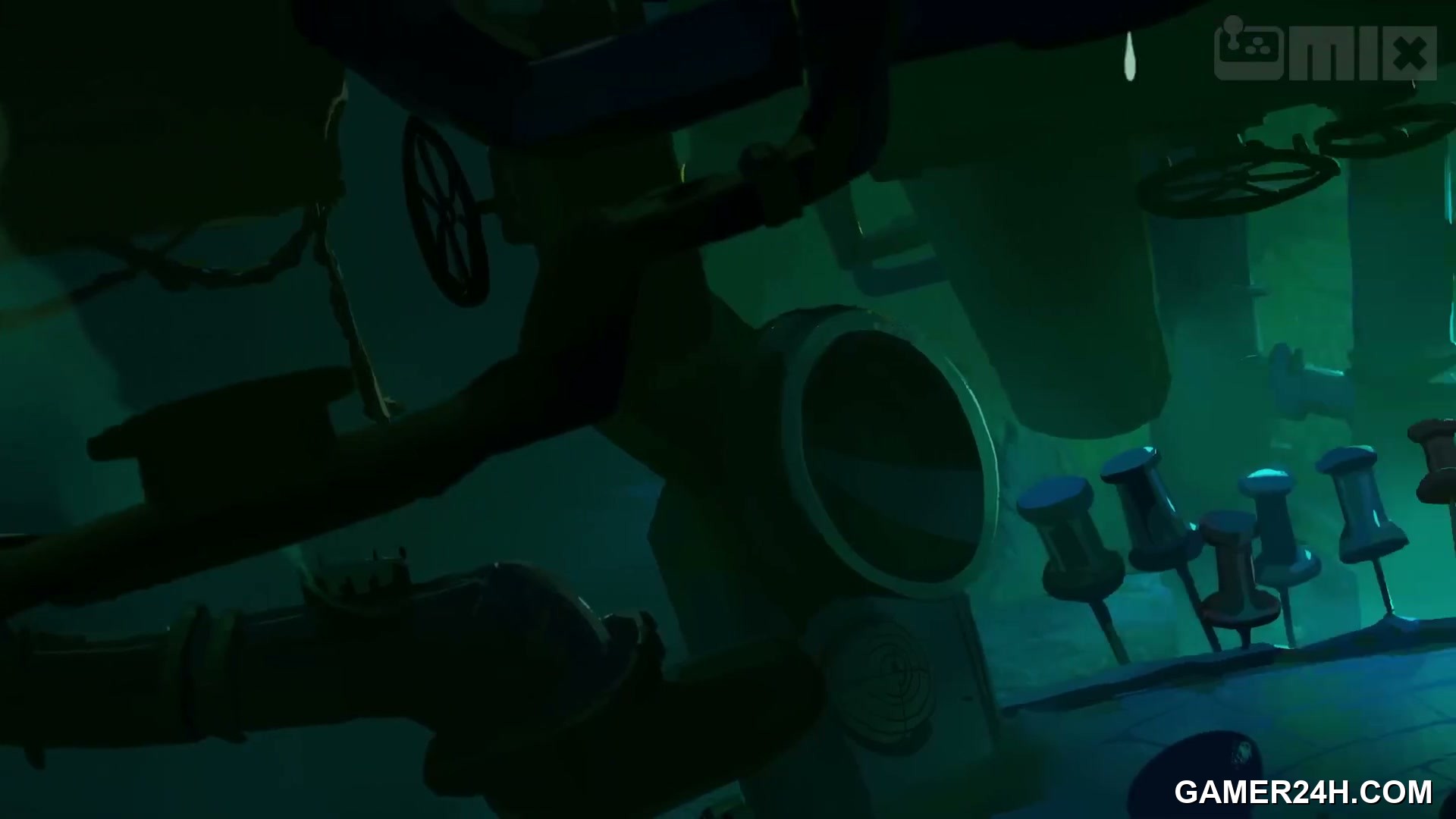
Introduction: Stealth Espionage Reimagined
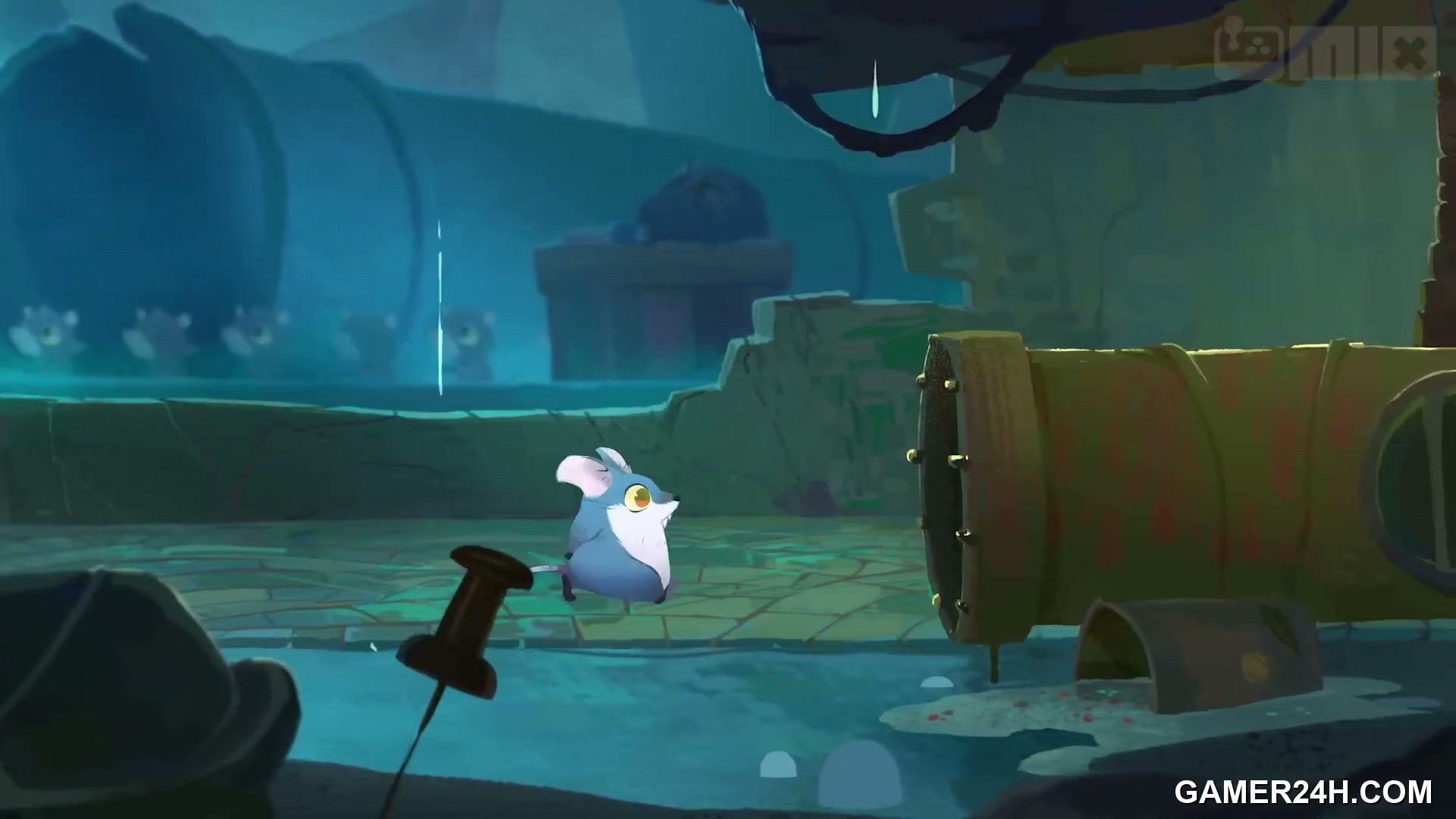
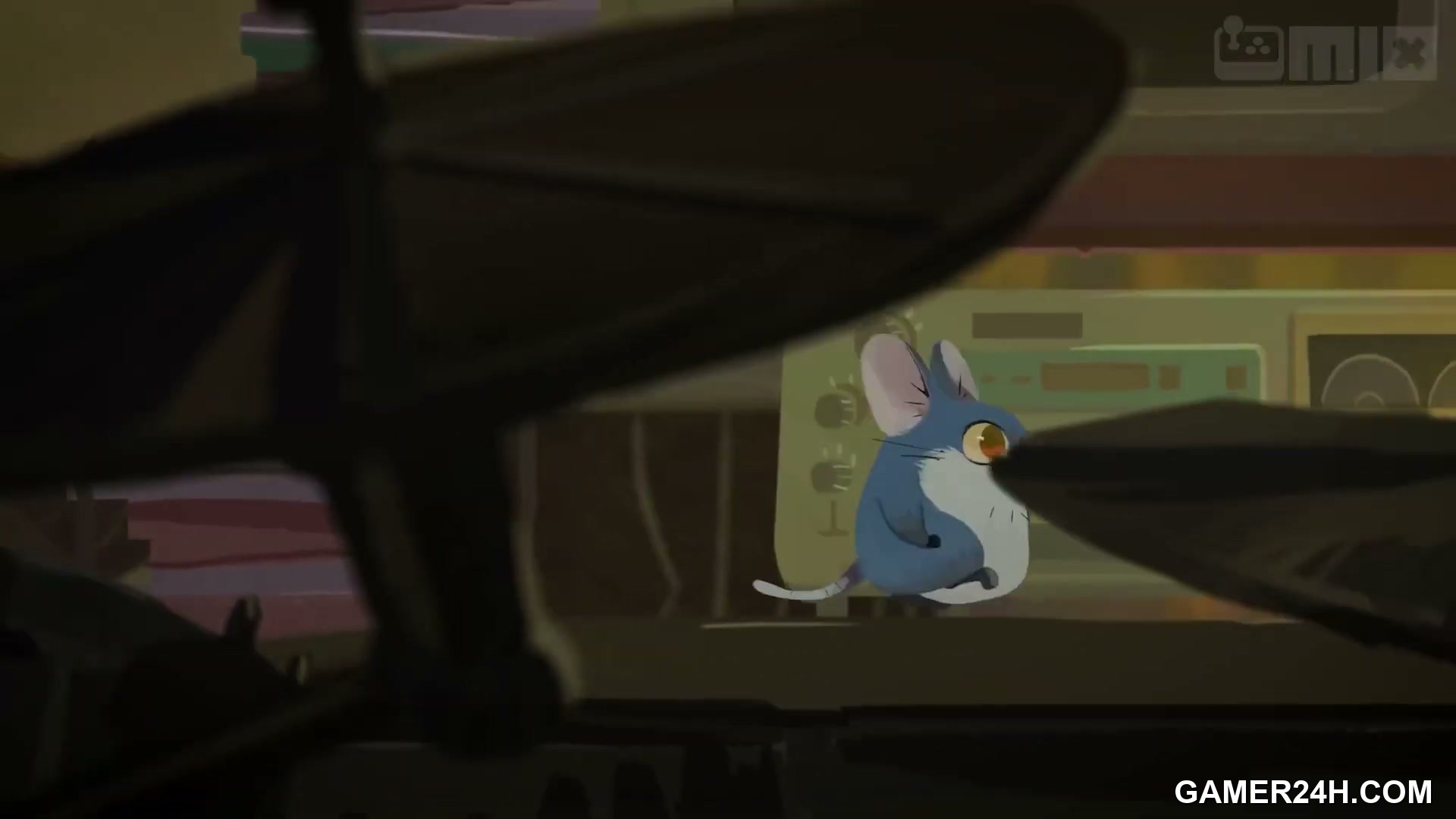
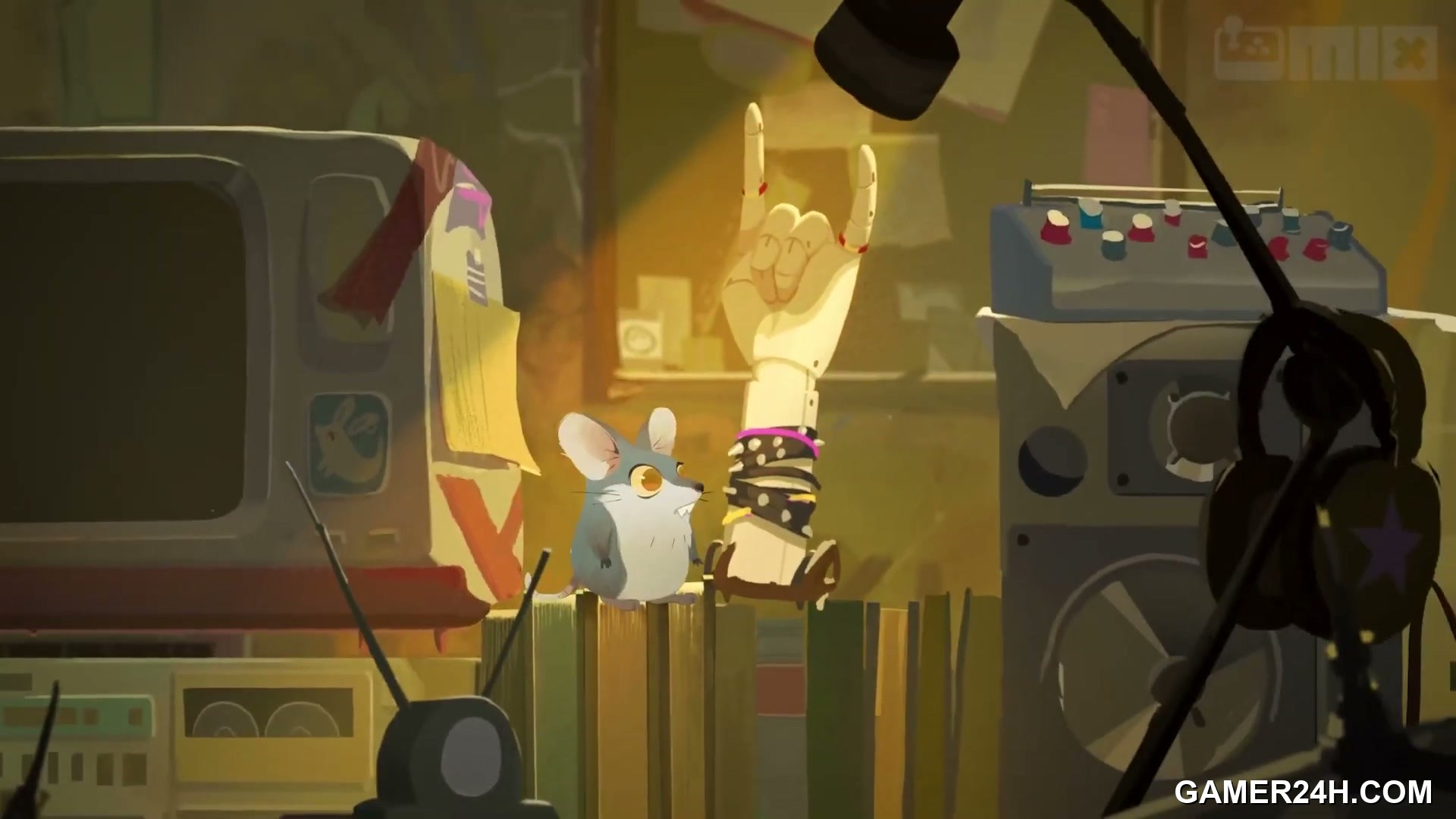
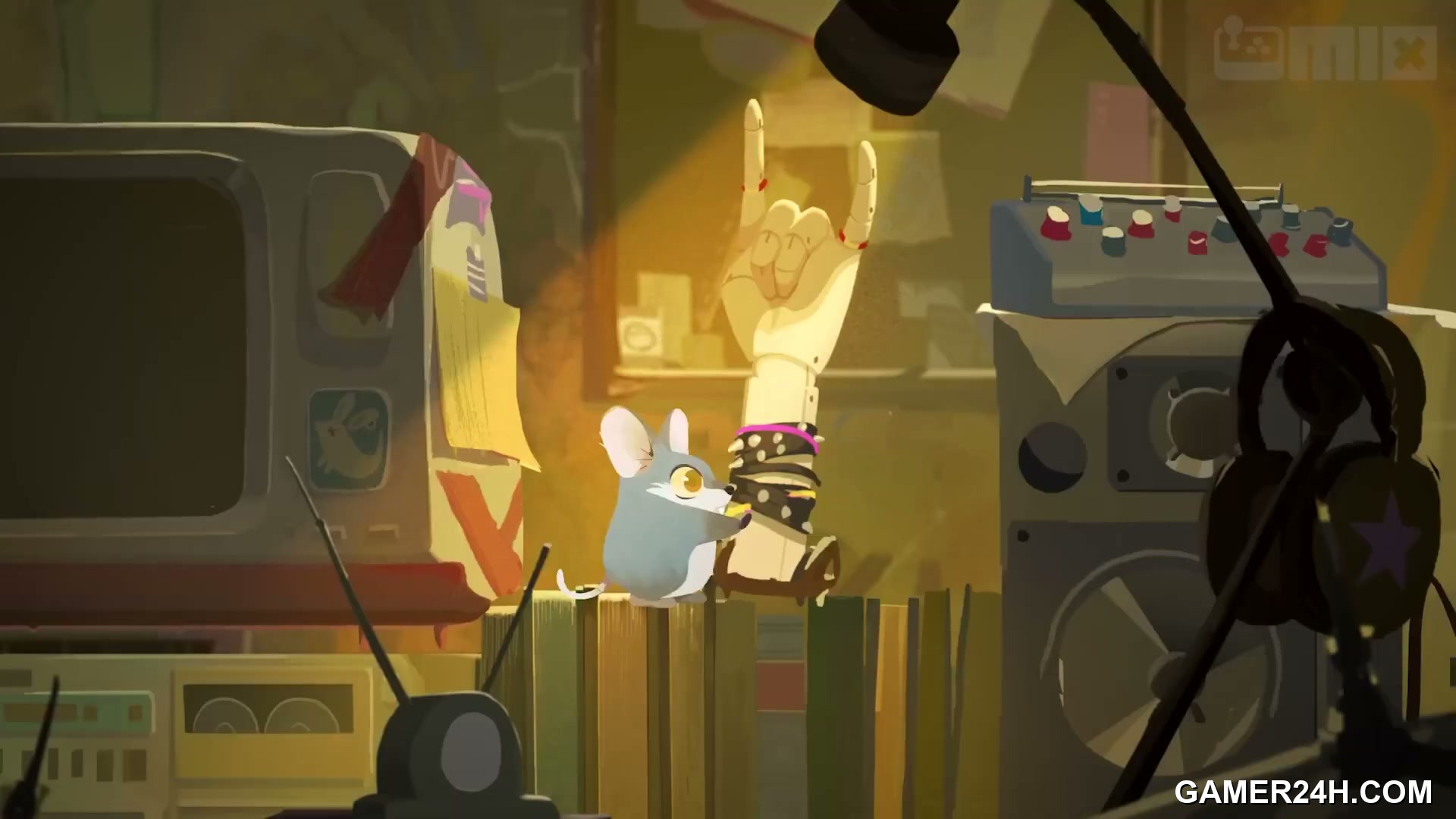
In the ever-evolving landscape of video games, few titles manage to capture the essence of innovation and narrative depth like “RatScum,” developed by Eclair Games. This upcoming adventure game is not just a leap forward in gameplay mechanics; it’s a quantum shift in how stealth-based espionage experiences are crafted for modern gaming audiences. Set against a backdrop of intrigue and betrayal, “RatScum” immerses players into a world where every decision matters and the stakes could not be higher.
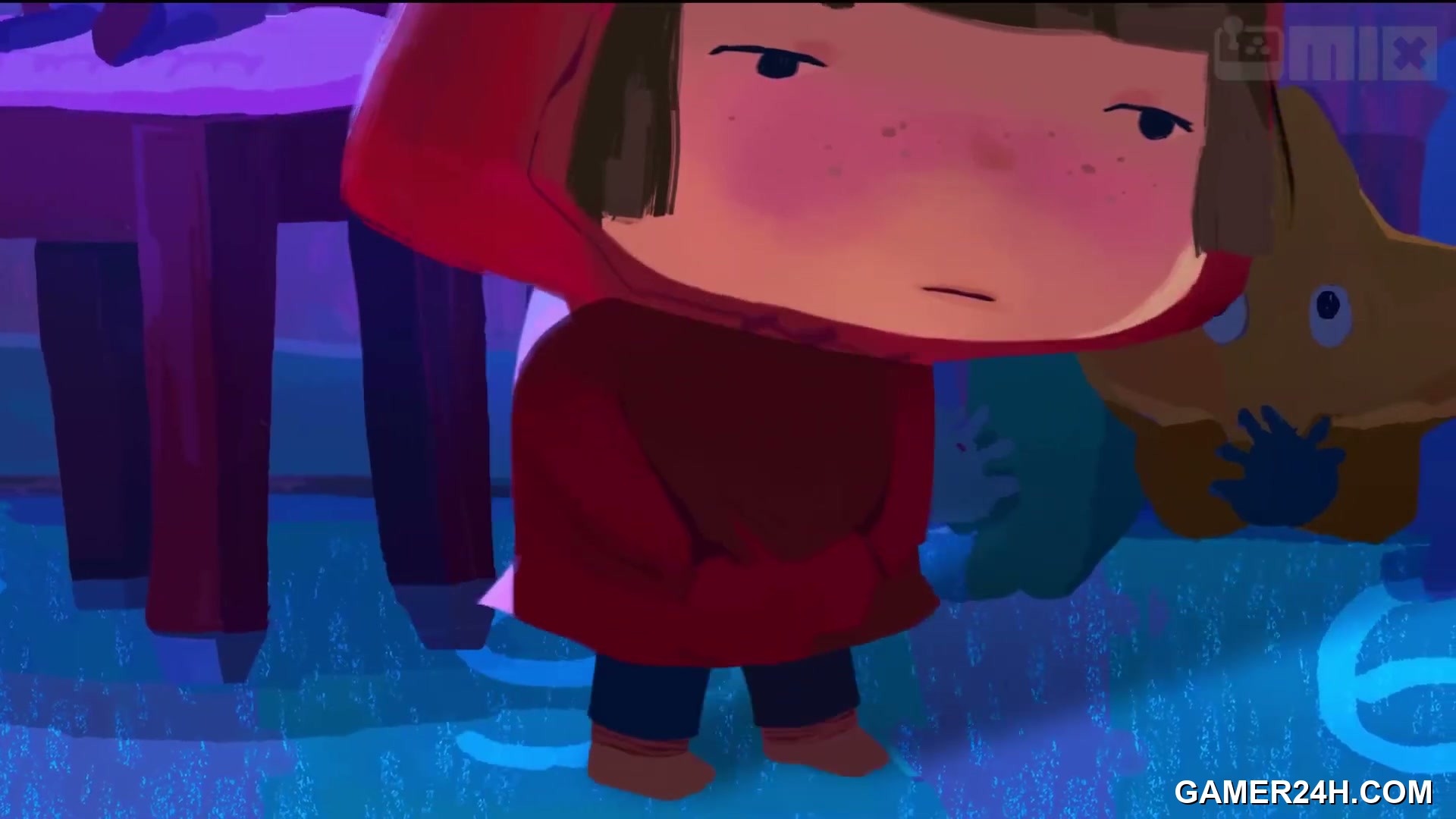
The narrative follows Lucia, a cunning operative tasked with infiltrating an enigmatic organization known as The Architects. Armed with a vast array of gadgets and skills honed through relentless training, Lucia must navigate treacherous hallways, evade deadly security systems, and unravel the dark secrets that lie at the heart of this clandestine operation.
Stealth espionage has long been a genre filled with classic titles, but “RatScum” promises to breathe new life into its conventions. With its innovative gameplay mechanics, breathtaking visuals, and a narrative rich in mystery and suspense, it’s poised to redefine what players expect from stealth-based adventures.
Visual Splendor: Pushing the Limits of Unreal Engine 5
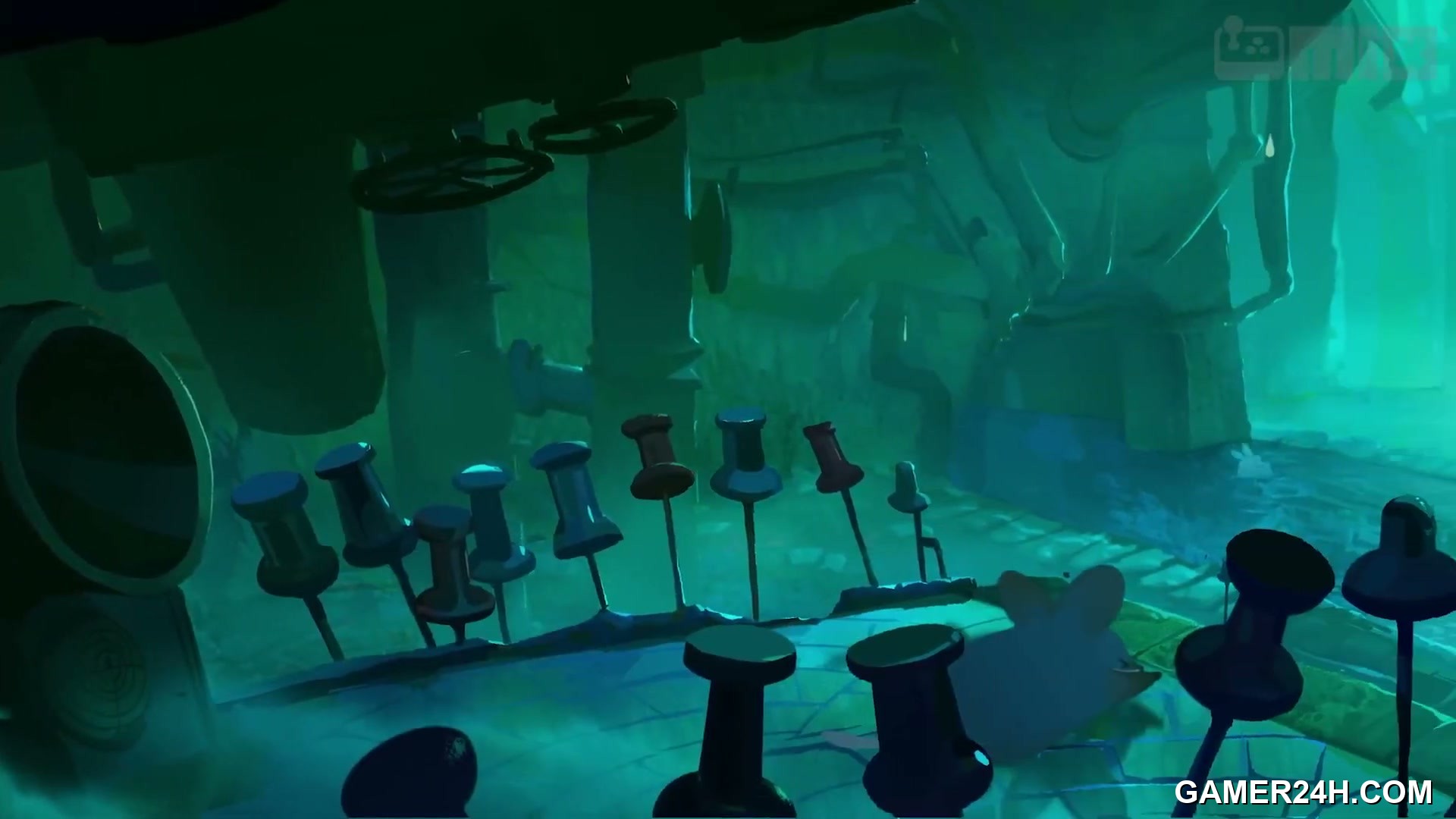
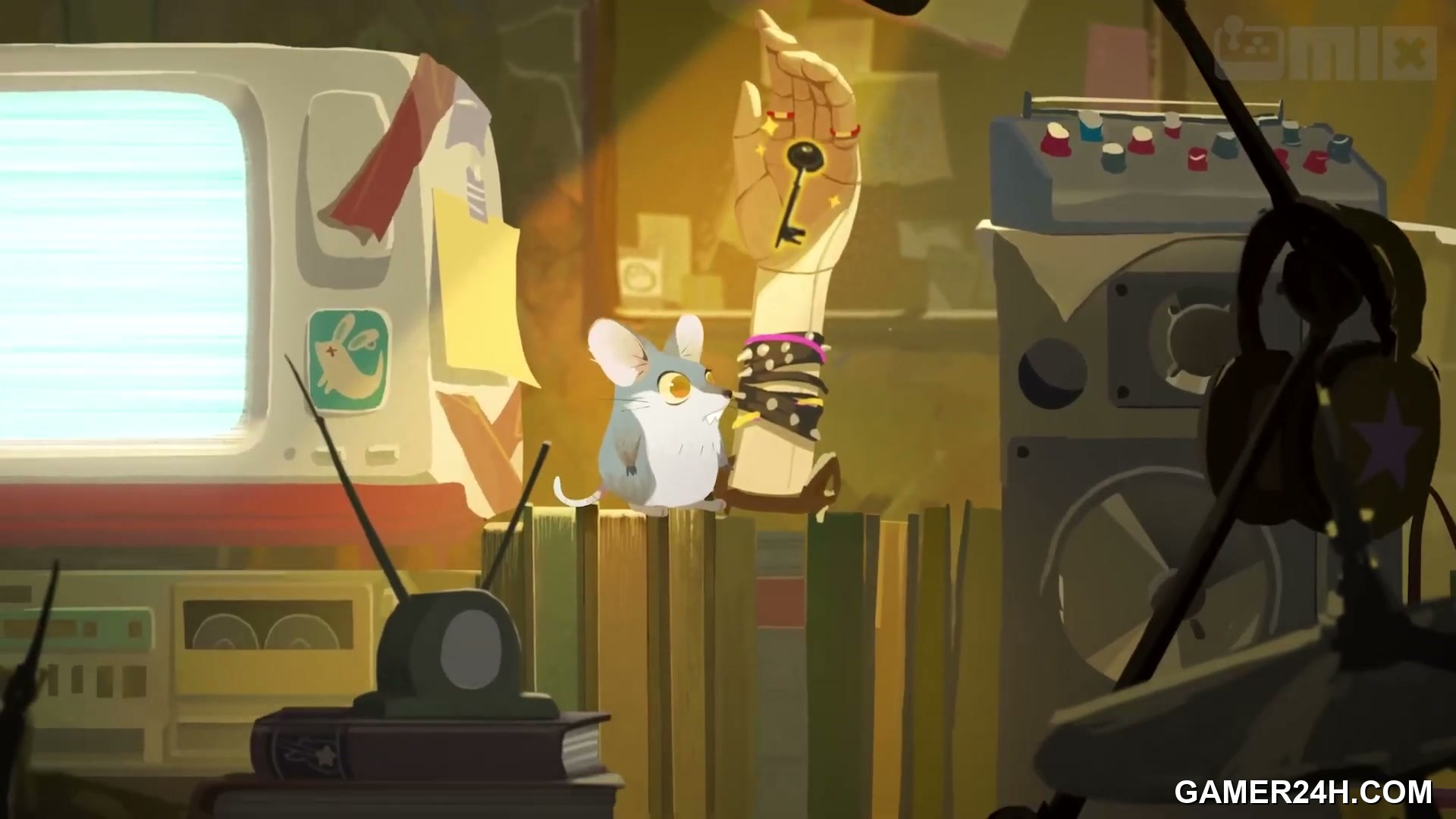
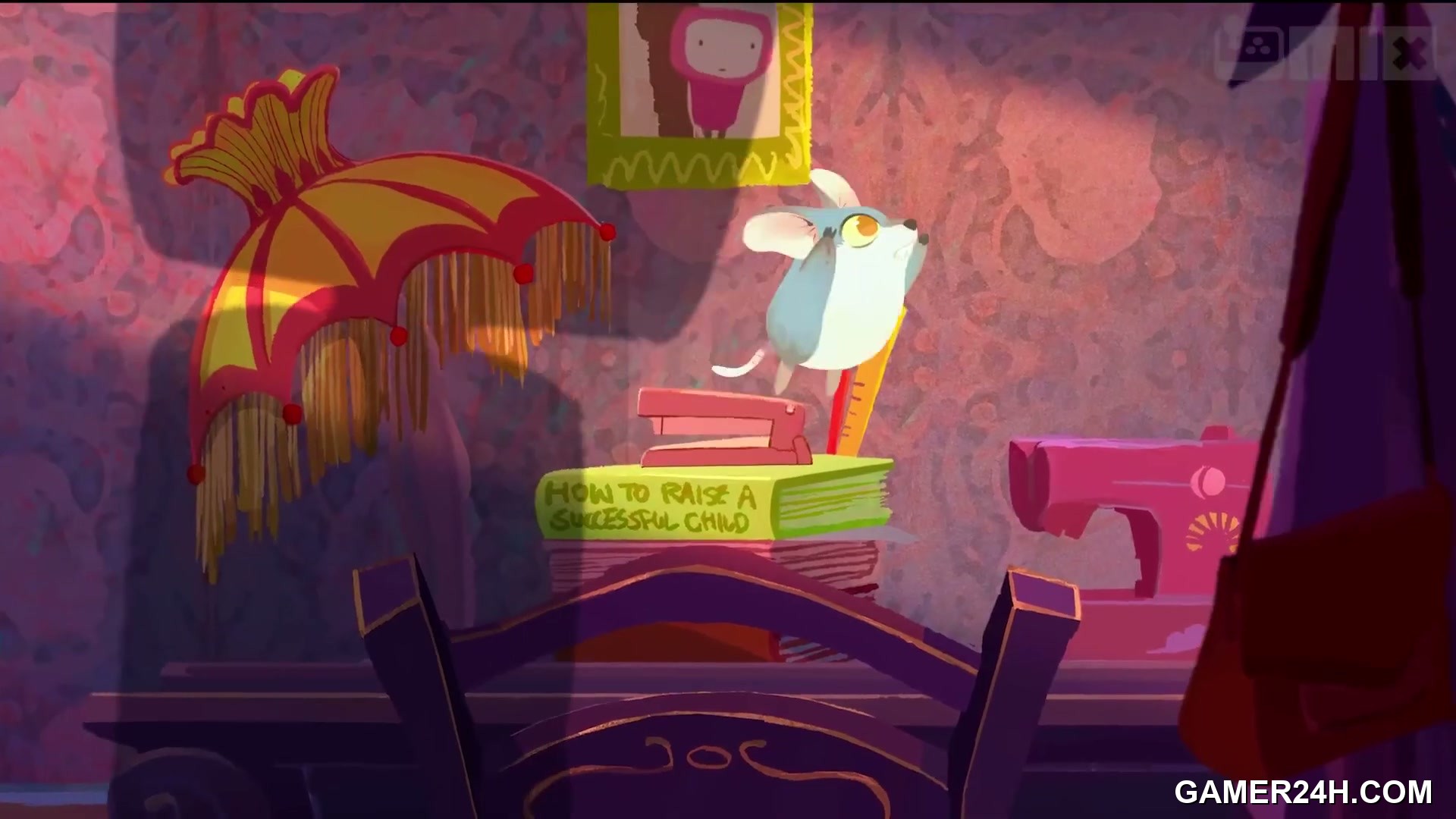
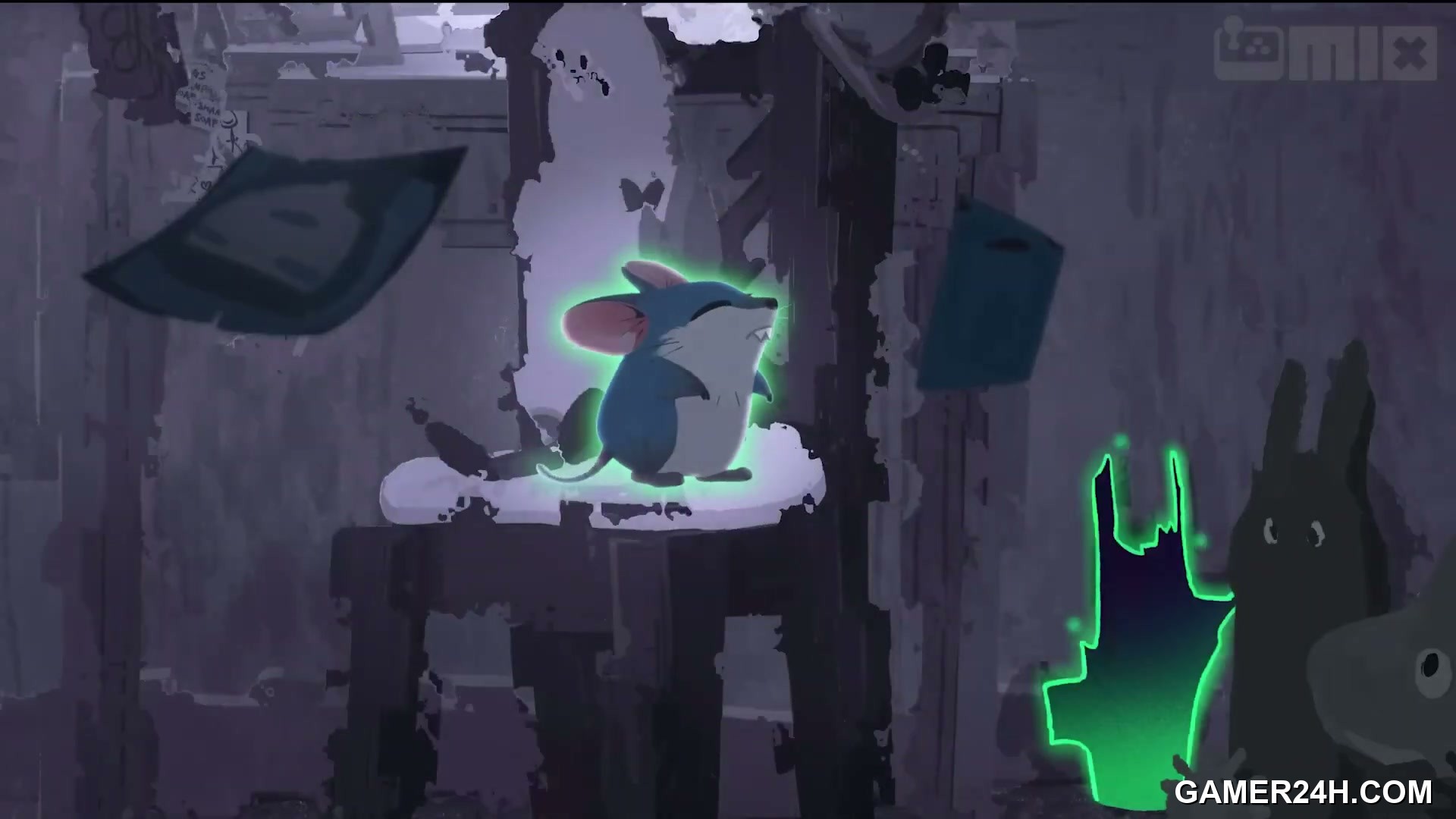
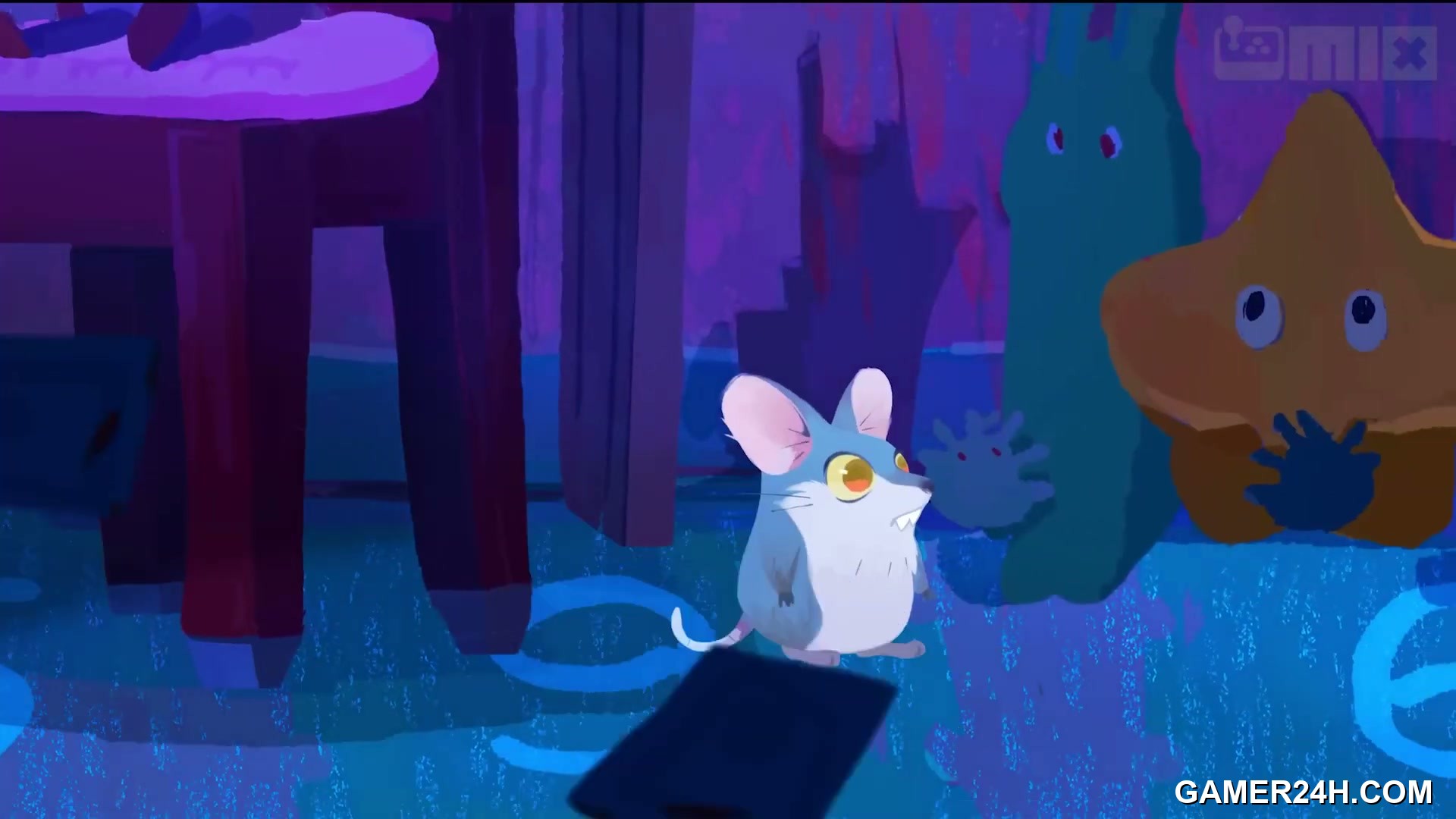
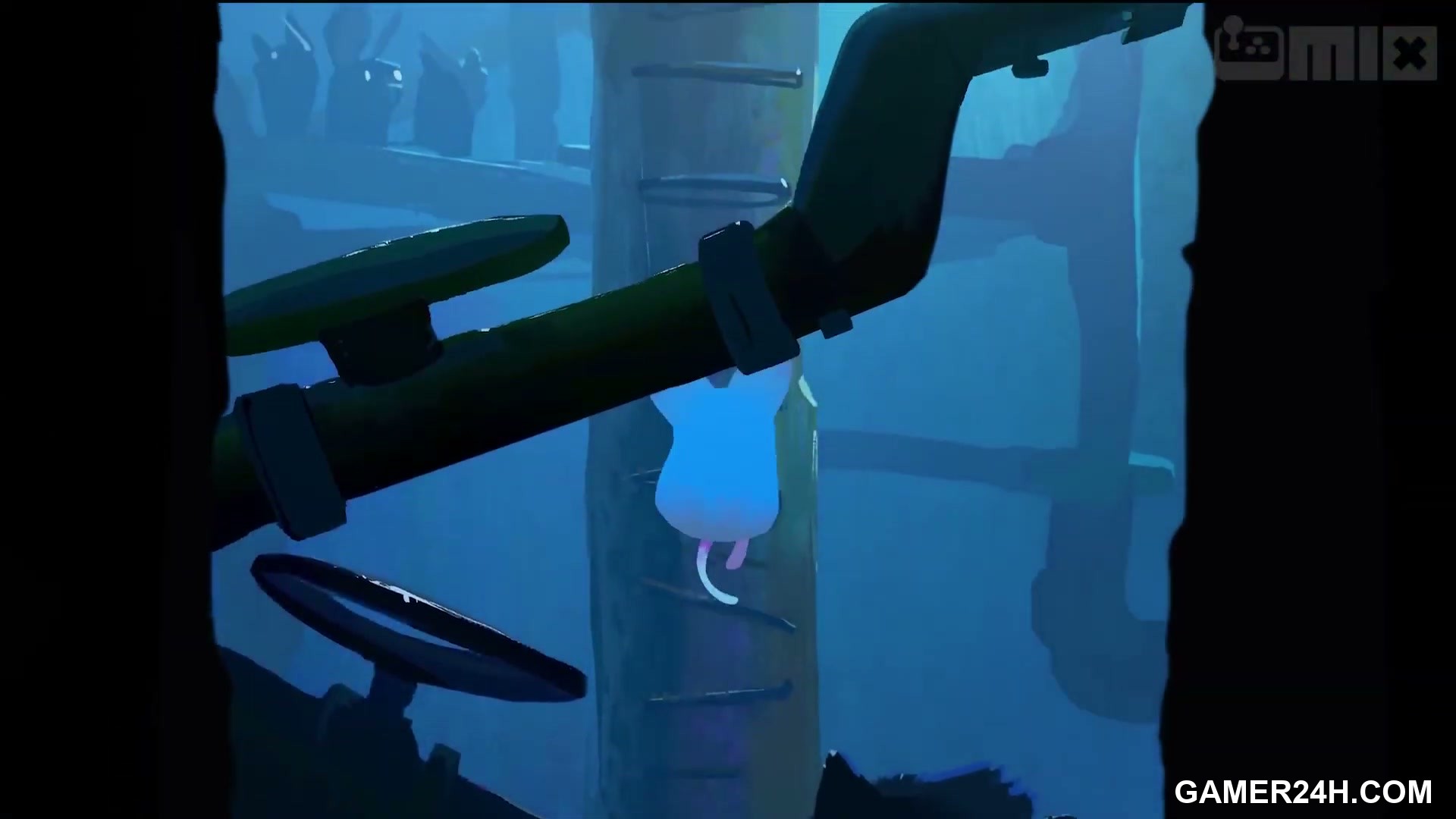
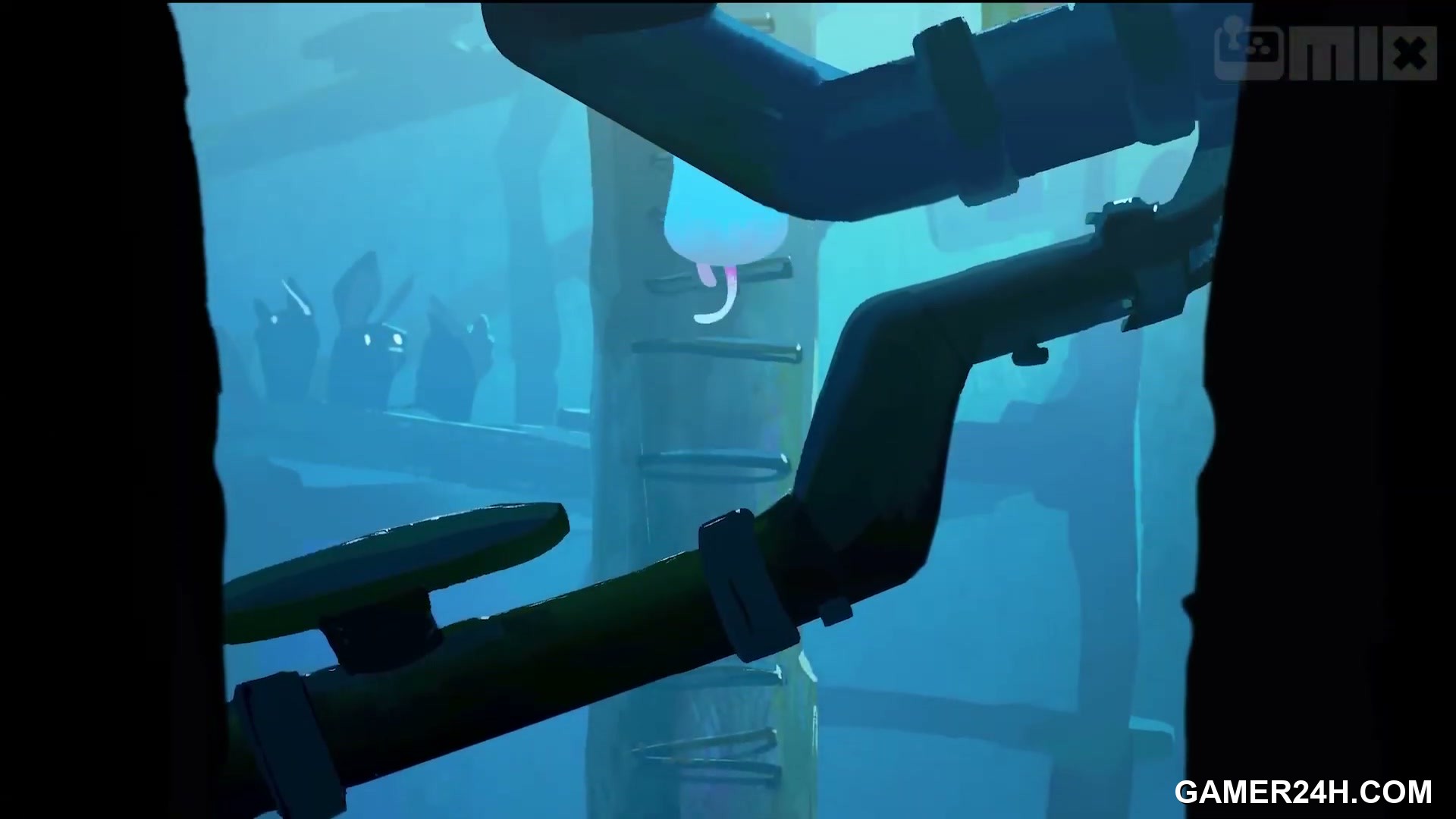
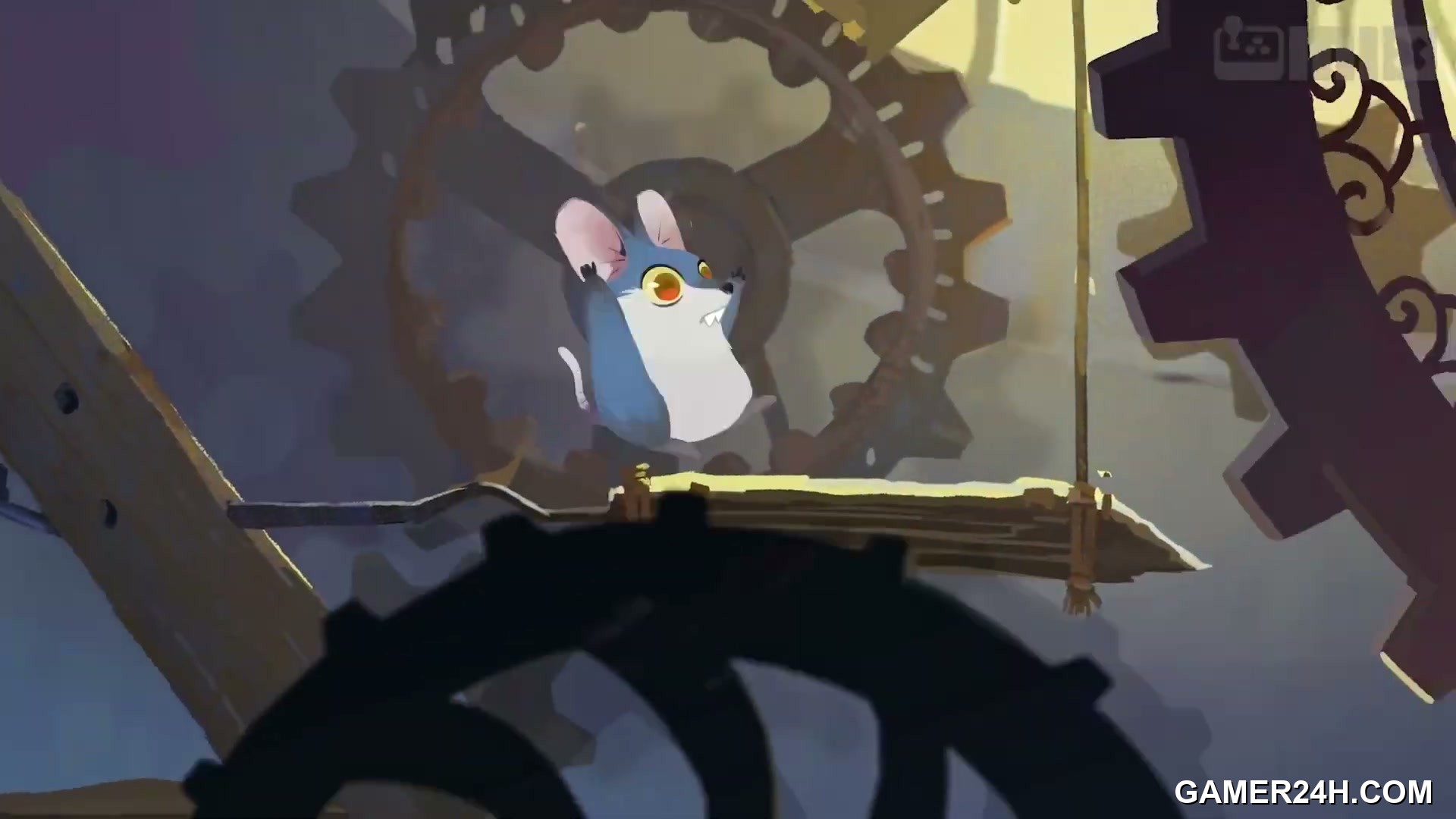
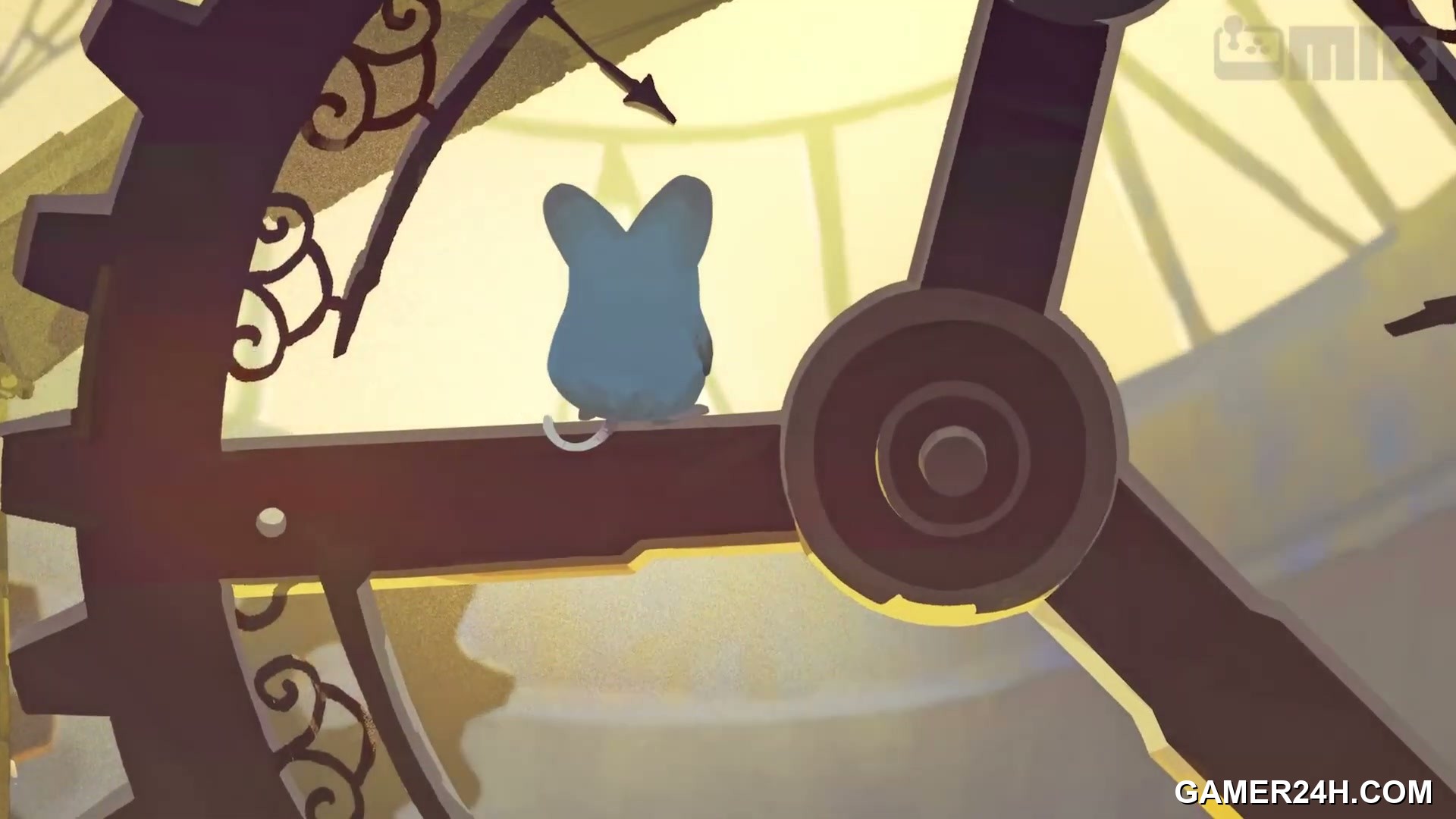
One of “RatScum”s most striking features is its visual fidelity, powered by Unreal Engine 5. The game showcases a level of detail and realism that pushes the boundaries of what’s possible in modern gaming graphics. From the reflective surfaces of polished metal to the intricate textures on fabric and skin, every element of the environment has been meticulously crafted.
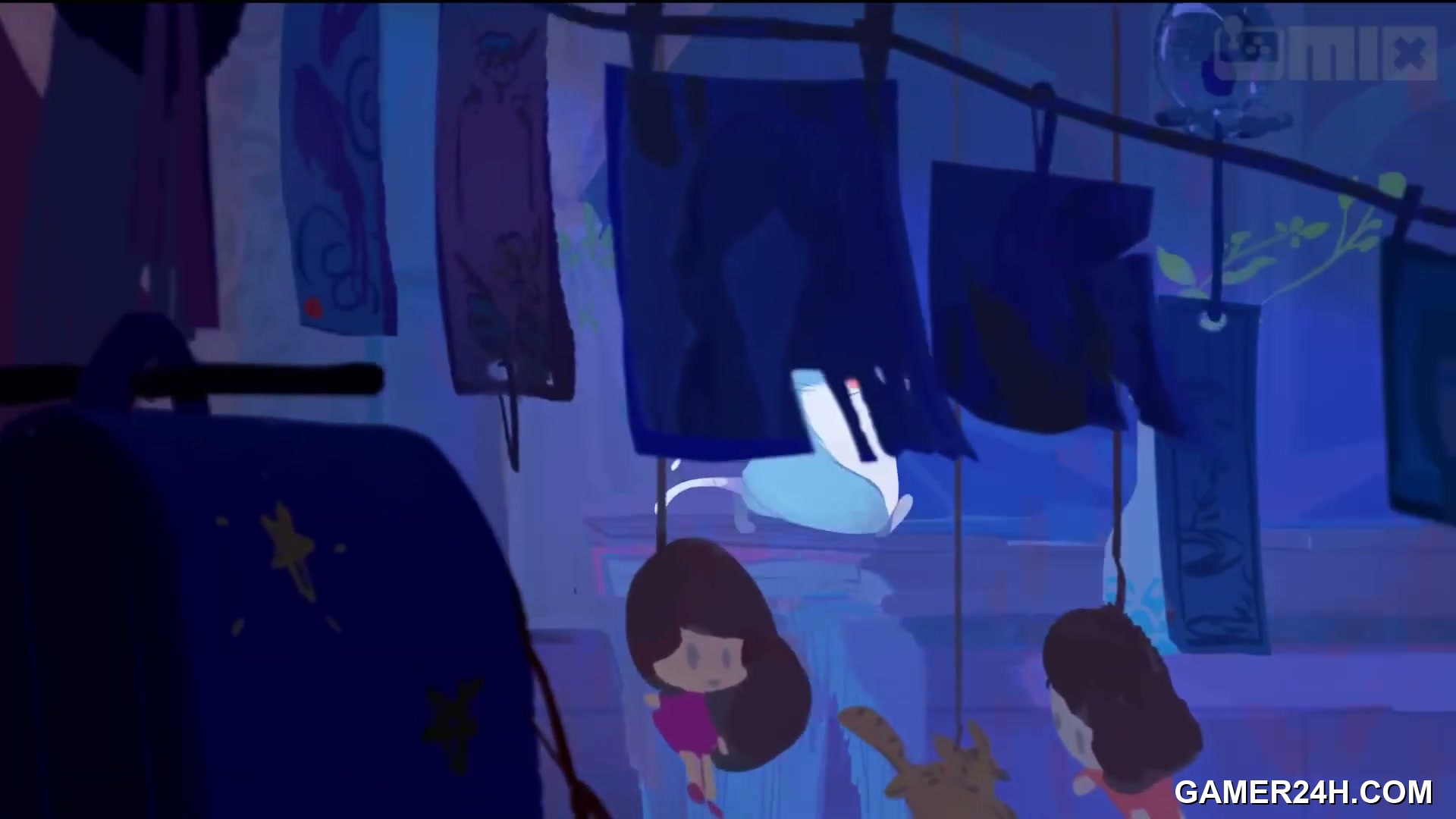
The game’s lighting system is another highlight, utilizing real-time ray tracing for unparalleled depth and ambiance. Shadows are not just dark voids but have a life of their own, casting dynamic patterns that shift with player movement and environmental changes. This level of attention to detail creates an immersive atmosphere where players feel as though they’re part of the world rather than mere observers.
Moreover, “RatScum” employs advanced physics simulations to render objects in the game world accurately. Whether it’s the subtle sway of a hanging light fixture or the realistic fall and bounce of projectiles, these elements contribute significantly to the overall immersion. The use of high-resolution textures and dynamic resolution scaling ensures that even lower-end hardware can deliver impressive visuals without compromising on performance.
Combat & Systems: Tactical Espionage and Combat Dynamics
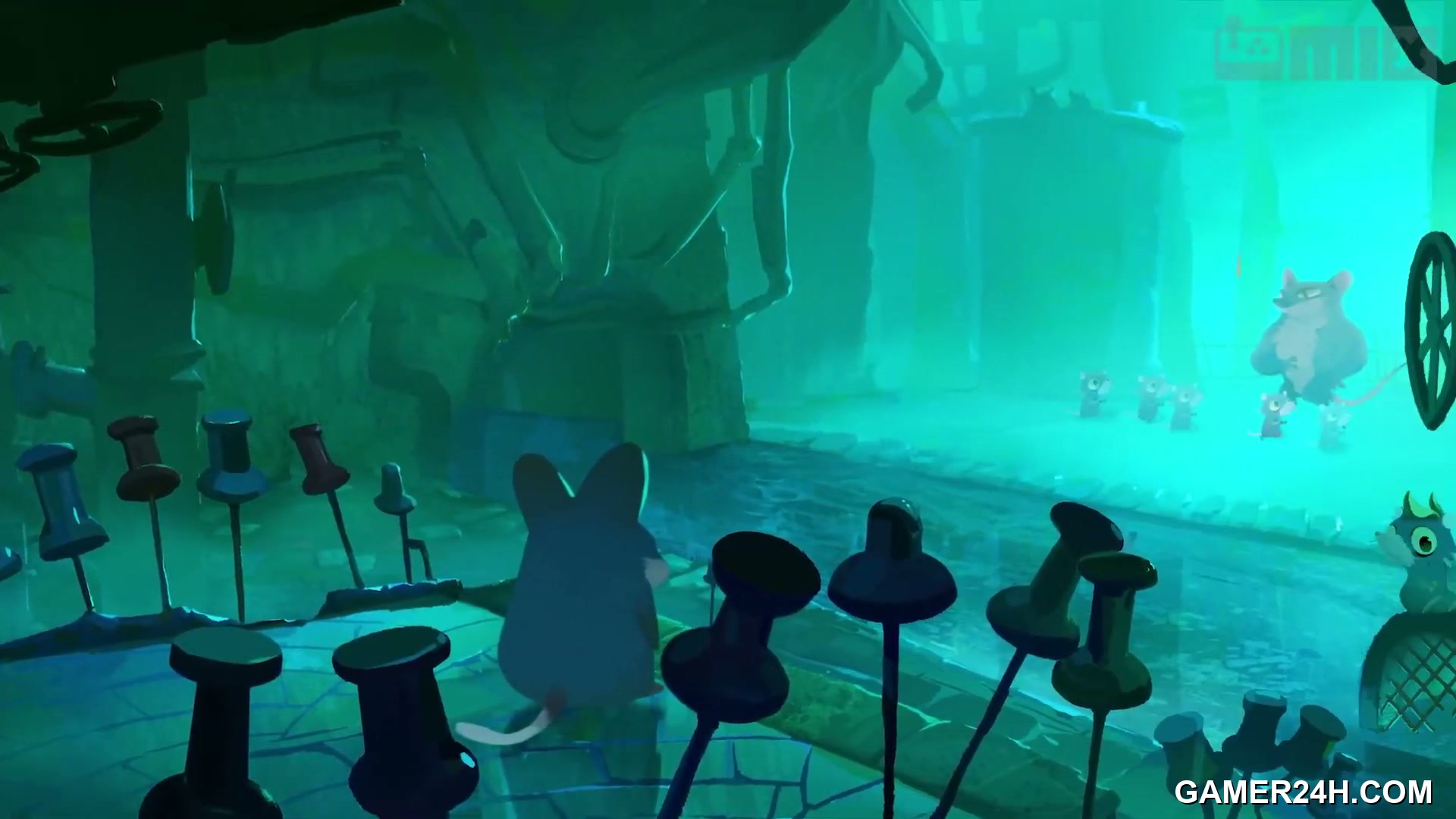
At its core, “RatScum” is a game about tension and strategy. While stealth remains the primary method for progression, combat scenarios are designed to test players’ reflexes and tactical acumen. The game offers an array of gadgets and weapons that can be customized according to player preference, allowing for diverse playstyles.
Lucia’s arsenal includes non-lethal options like tranquilizers and sticky bombs alongside more lethal choices such as silenced pistols and knives. Each tool has its own use case and optimal situations in which it shines—players must learn when to strike silently and when to make their presence known through forceful action.
The game’s cover system is particularly noteworthy, providing quick and intuitive ways for Lucia to move between safe positions while evading enemy detection. However, the environment plays a crucial role too; players often need to utilize environmental hazards like fire or alarms to create distractions or even turn the tide of combat temporarily in their favor.
In addition to these elements, “RatScum” introduces unique features such as the ‘Hacking’ system which allows players to control certain aspects of AI behavior. This mechanic opens up new possibilities for stealth and deception, enabling players to manipulate enemy movements and responses strategically.
Gameplay & Atmosphere Analysis: Portals and Tension
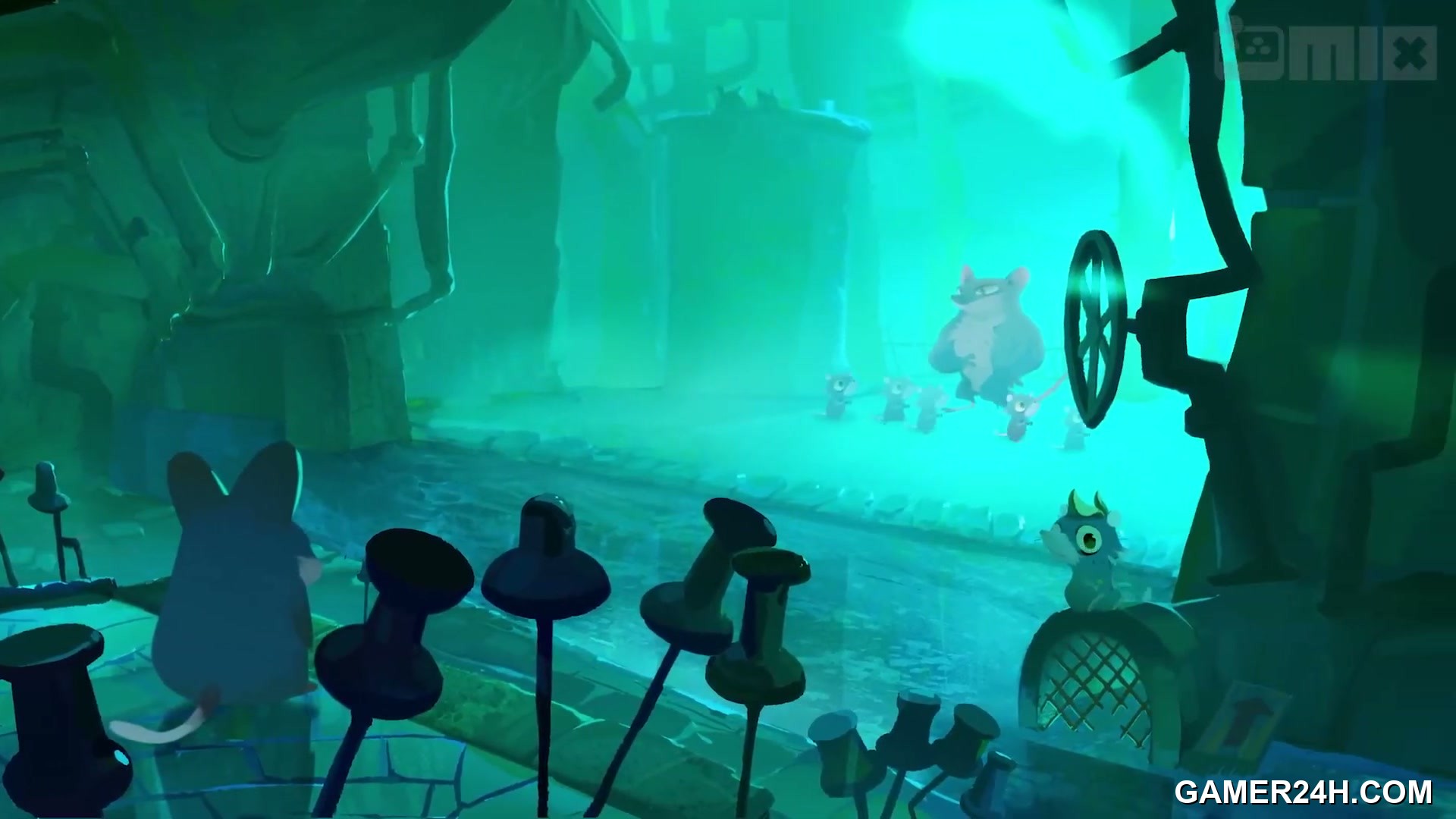
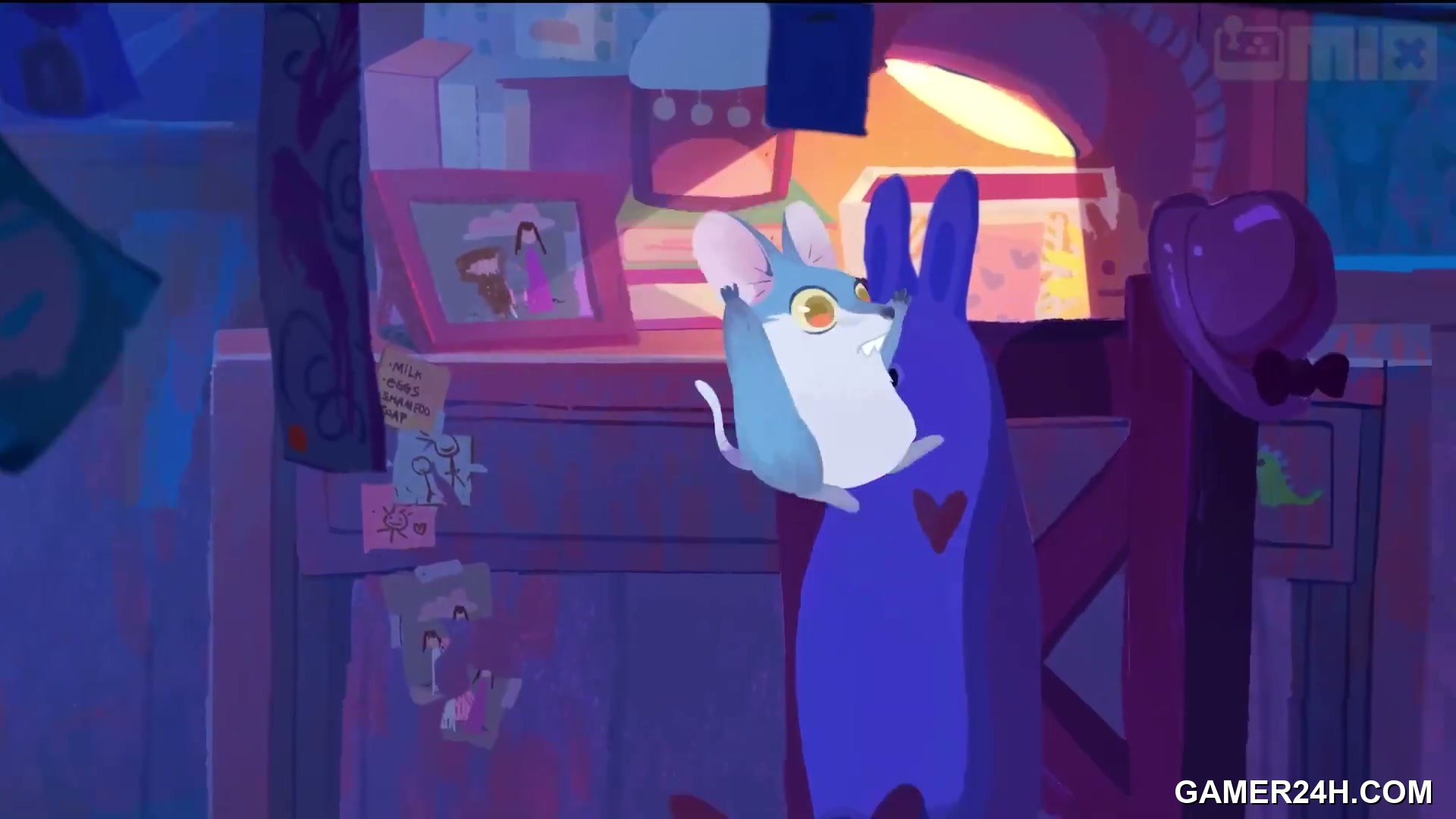
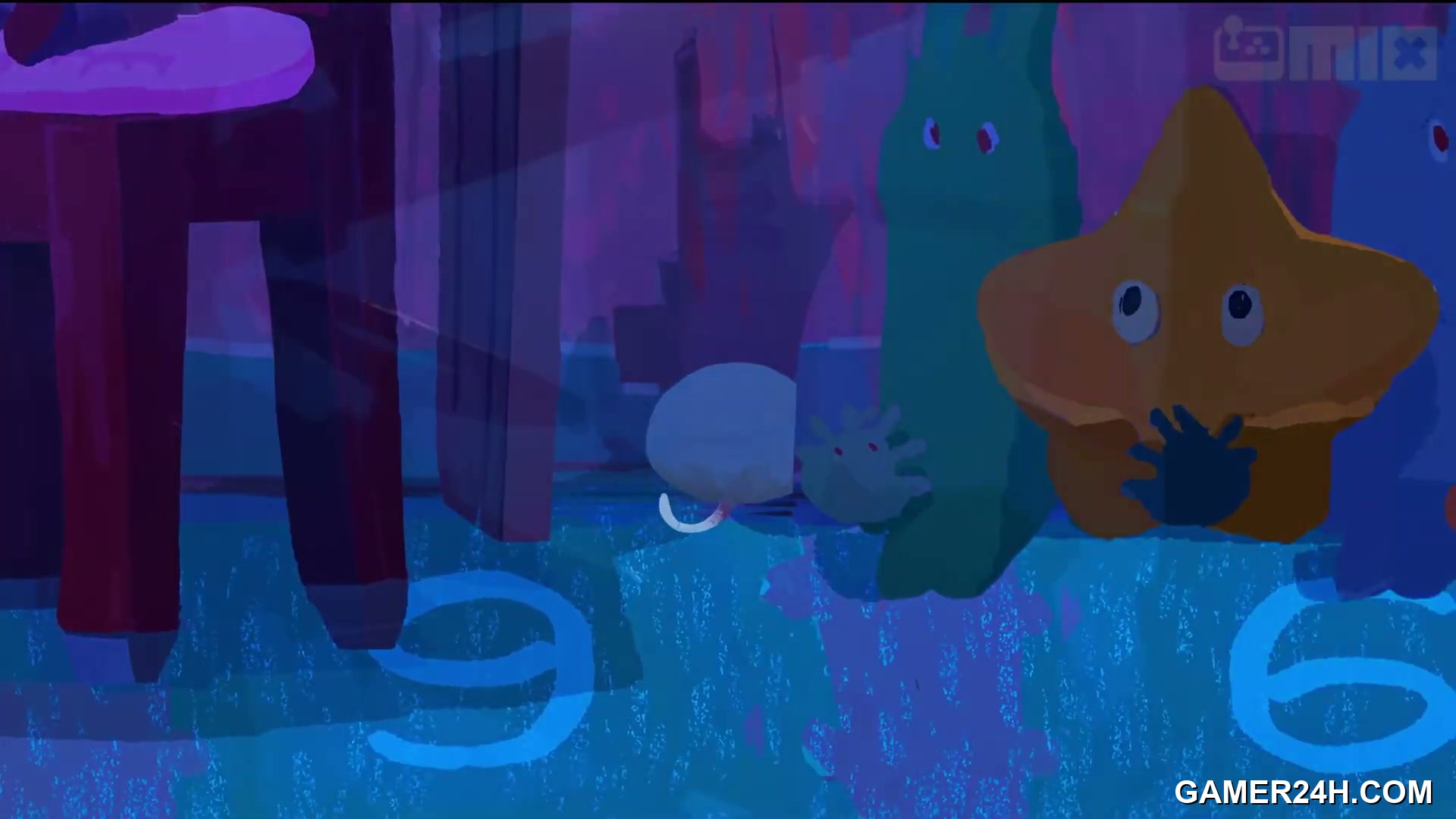
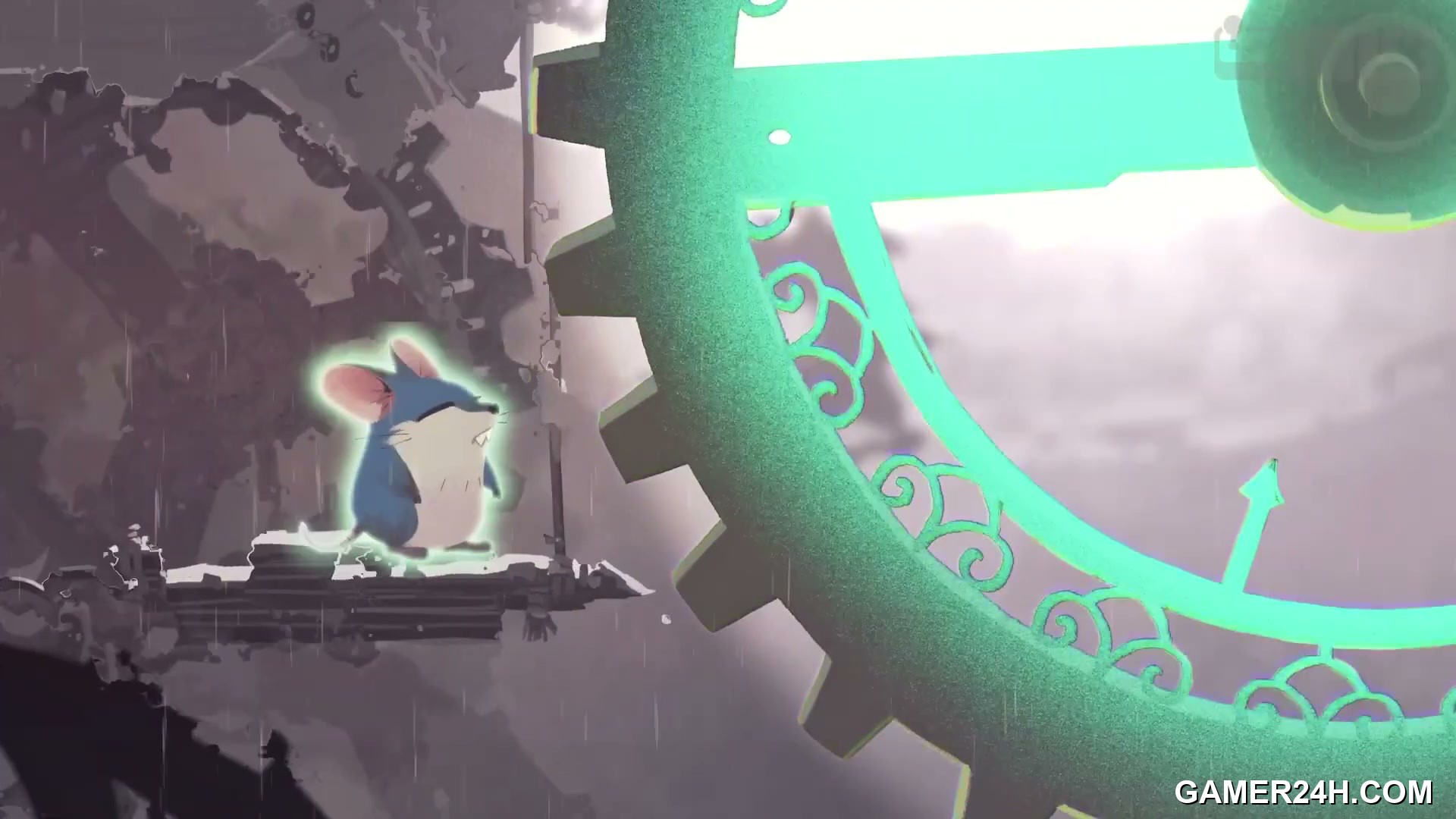
Central to “RatScum”s gameplay experience is its use of portals—literal openings that transport Lucia between different parts of the game world. These portals serve multiple purposes beyond mere convenience; they’re instrumental in creating suspenseful scenarios where players must carefully choose their paths based on limited information.
Each portal encounter requires a delicate balance of observation and action. Players often find themselves facing off against unseen threats or navigating through unpredictable environments riddled with traps and hidden guards. The tension builds as players learn to anticipate potential dangers and devise plans that maximize the element of surprise.
Furthermore, “RatScum” excels in crafting an atmosphere where silence reigns supreme. Sound design plays a critical role here, with each creaking floorboard or distant alarm signal amplifying player anxiety. This auditory feedback loop creates a palpable sense of danger that permeates every level, making the act of sneaking past guards and avoiding detection feel like a high-stakes gamble.
The narrative also contributes to this tension through its storytelling approach. As players unravel more about The Architects’ plans, they’re left questioning their own moral compasses. Is Lucia truly fighting for justice? Or has she become ensnared in a web of deceit where the lines between right and wrong blur?
Narrative & Characters: The Architects’ Mystery and Lucia’s Mission
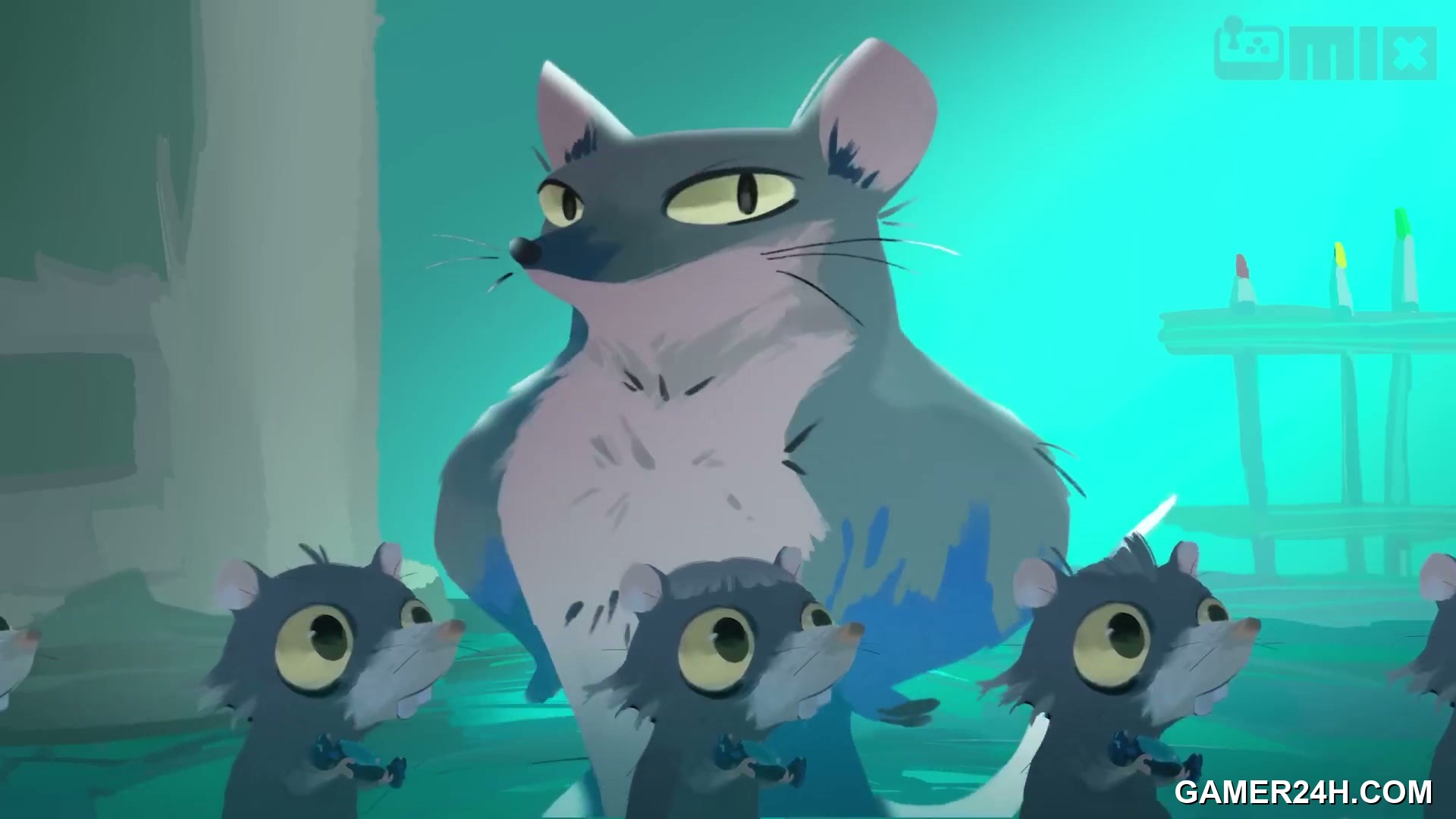
The narrative of “RatScum” is as intricate as it is compelling, unfolding through a series of revelations that challenge players to question their assumptions. Central to this story is the enigmatic organization known as The Architects, whose true intentions remain shrouded in mystery until the final moments.
Lucia’s character arc is equally complex; she begins her journey driven by revenge against those who wronged her but gradually evolves into a nuanced figure grappling with ethical dilemmas and personal demons. Her relationships with other characters—both allies and adversaries—are fraught with intrigue, further complicating her mission objectives.
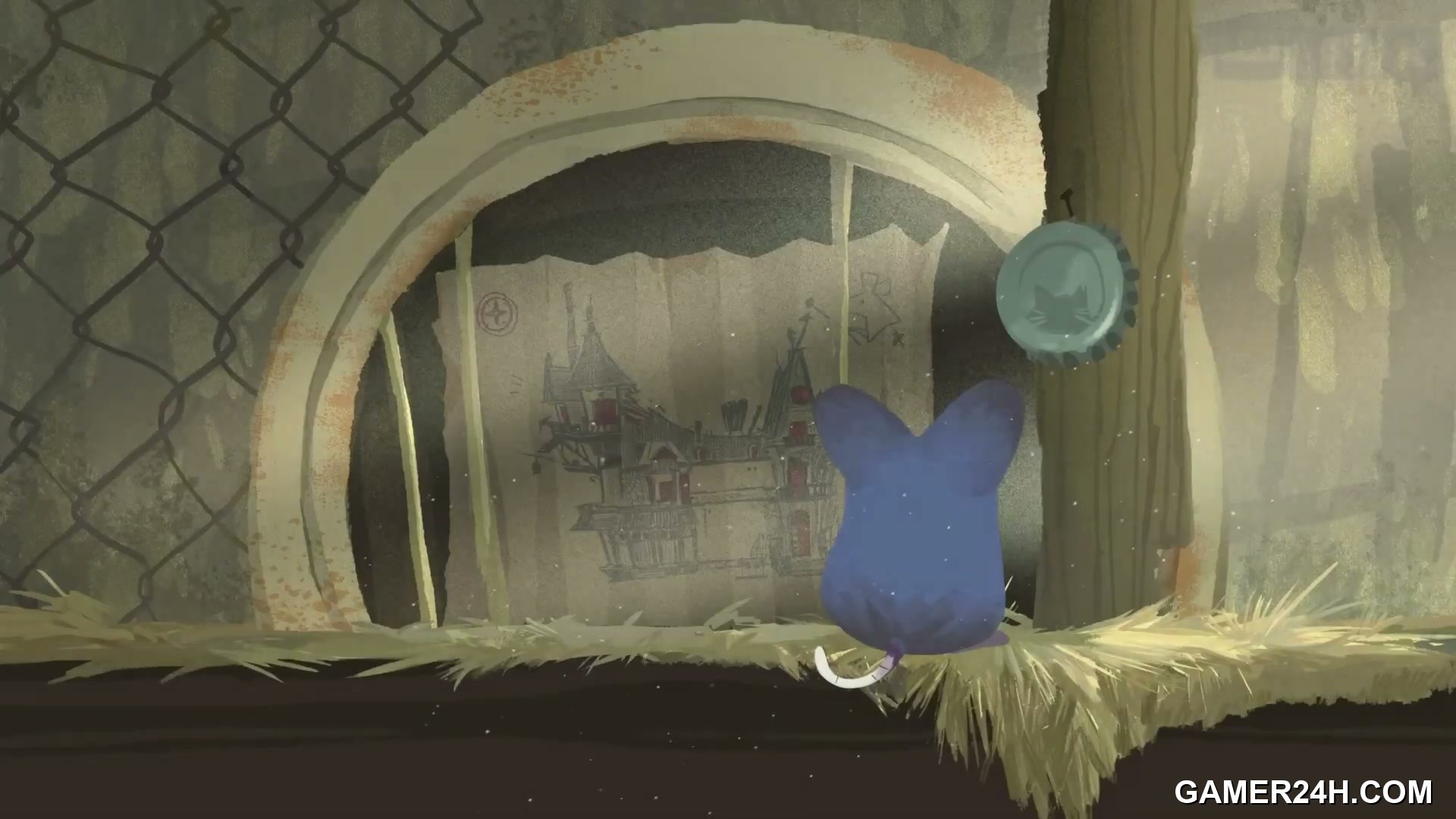
The game’s writing strikes an excellent balance between exposition and subtlety. While key plot points are clearly communicated through dialogue and cutscenes, much of the narrative is conveyed through environmental storytelling and player discovery. This approach encourages players to engage actively with the world around Lucia, piecing together clues left behind by The Architects and other factions.
Supporting characters add depth to this unfolding mystery. Each brings their unique backstory and motivations into play, contributing layers of complexity that enrich Lucia’s journey. These interactions often lead to moral dilemmas that force players to make difficult choices impacting both the narrative direction and gameplay outcomes.
Acoustic Preservation / Audio Design: Sounds of Silence and Combat
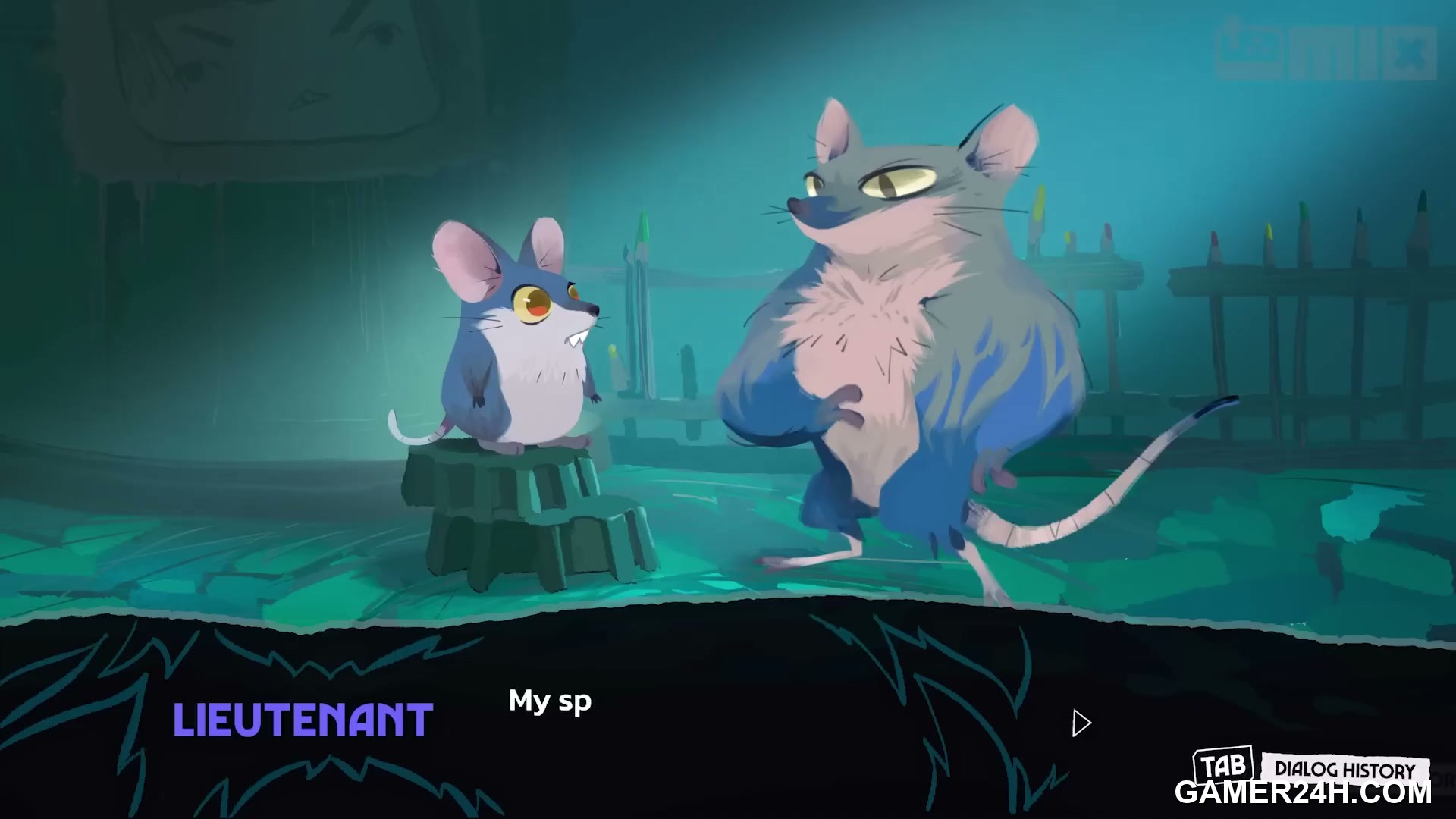
“RatScum”s audio design is a masterclass in creating tension through sound, emphasizing auditory cues over visual ones. The game’s ambient soundscape, filled with subtle noises like distant conversations or ticking clocks, heightens player awareness and anticipation.
When combat breaks out, the sudden shift from quiet stealth to intense action creates a stark contrast that amplifies emotional impact. Gunfire rings loud and clear, while environmental hazards such as breaking glass or alarm sirens add urgency to the situation. The game’s soundtrack complements this auditory experience with carefully timed orchestral pieces that build suspense and highlight climactic moments.
Moreover, non-lethal encounters often rely heavily on silence, requiring players to move cautiously and listen intently for signs of danger. This mechanic forces engagement with the environment in ways reminiscent of classic stealth titles while incorporating modern refinements like real-time sound propagation.
The integration of audio cues into gameplay mechanics ensures that hearing remains one of Lucia’s most valuable senses, making “RatScum” an immersive auditory experience alongside its visual splendor.
Critical Reception: Expectations and First Impressions
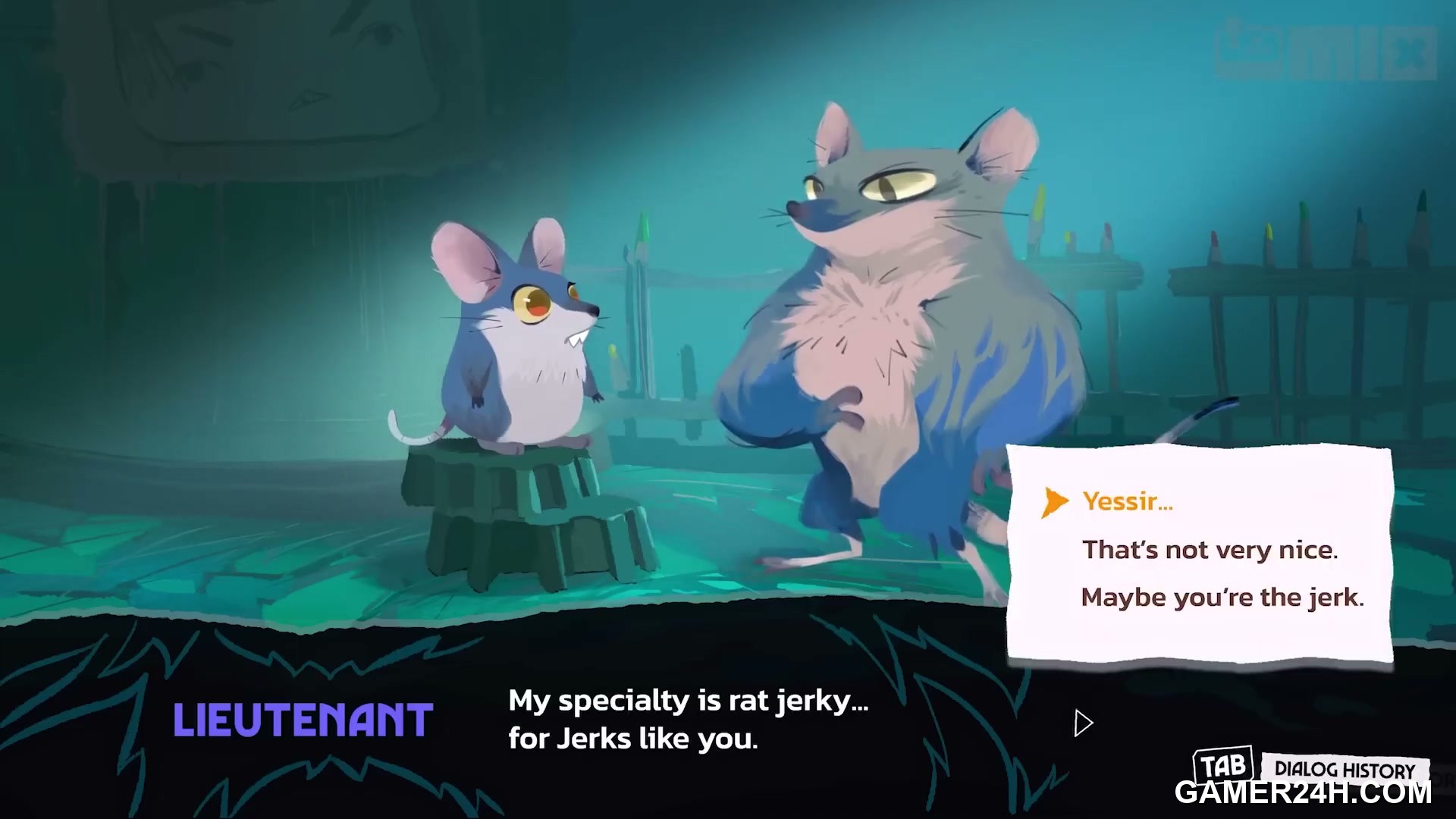
As anticipation builds for the release of “RatScum,” industry analysts and early reviewers are already buzzing with excitement. The game has garnered praise for its innovative approach to stealth gameplay, stunning visuals, and compelling narrative. However, initial reviews also highlight areas where the title might face scrutiny.
One common point of critique centers around the learning curve associated with complex mechanics like hacking systems and environmental interactions. Some players may find these elements initially daunting but rewarding upon mastery.
Another area of note is performance optimization across different platforms. While the game’s visuals are breathtaking, ensuring smooth gameplay on less powerful hardware remains a challenge that developers are actively addressing through ongoing updates and patches.
Despite these potential hurdles, the overall sentiment towards “RatScum” remains overwhelmingly positive. Its unique blend of narrative depth, tactical gameplay, and aesthetic brilliance positions it as one of the most anticipated releases in recent memory. Fans of stealth games and newcomers alike can expect a richly rewarding experience that pushes boundaries while honoring classic espionage traditions.
Conclusion: The Vanguard of Next-Gen Action
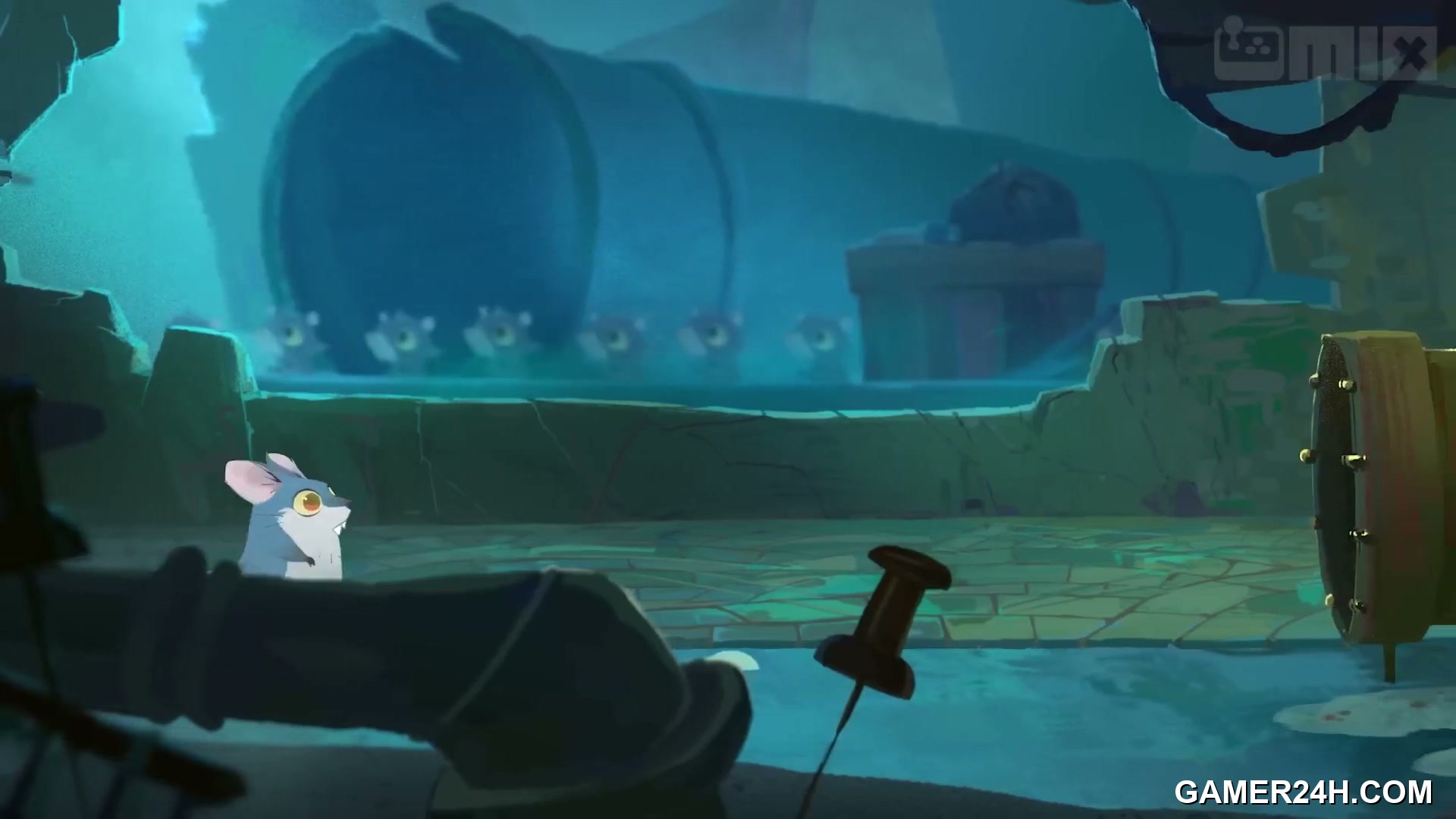
In conclusion, “RatScum” stands out not just within its genre but across the entire landscape of action-adventure gaming. Its innovative use of portals, tactical combat dynamics, and atmospheric storytelling sets it apart as a must-play title for anyone looking to explore new frontiers in stealth espionage.
As Eclair Games continues refining the game ahead of release, players can look forward to an experience that blurs the lines between digital entertainment and cinematic narrative excellence. Whether diving into its intricate puzzles or immersing oneself in Lucia’s morally complex journey, “RatScum” promises to deliver more than just a game—it offers a complete sensory adventure that could very well set a new standard for next-generation action titles.