Introduction: Stealth Espionage Reimagined
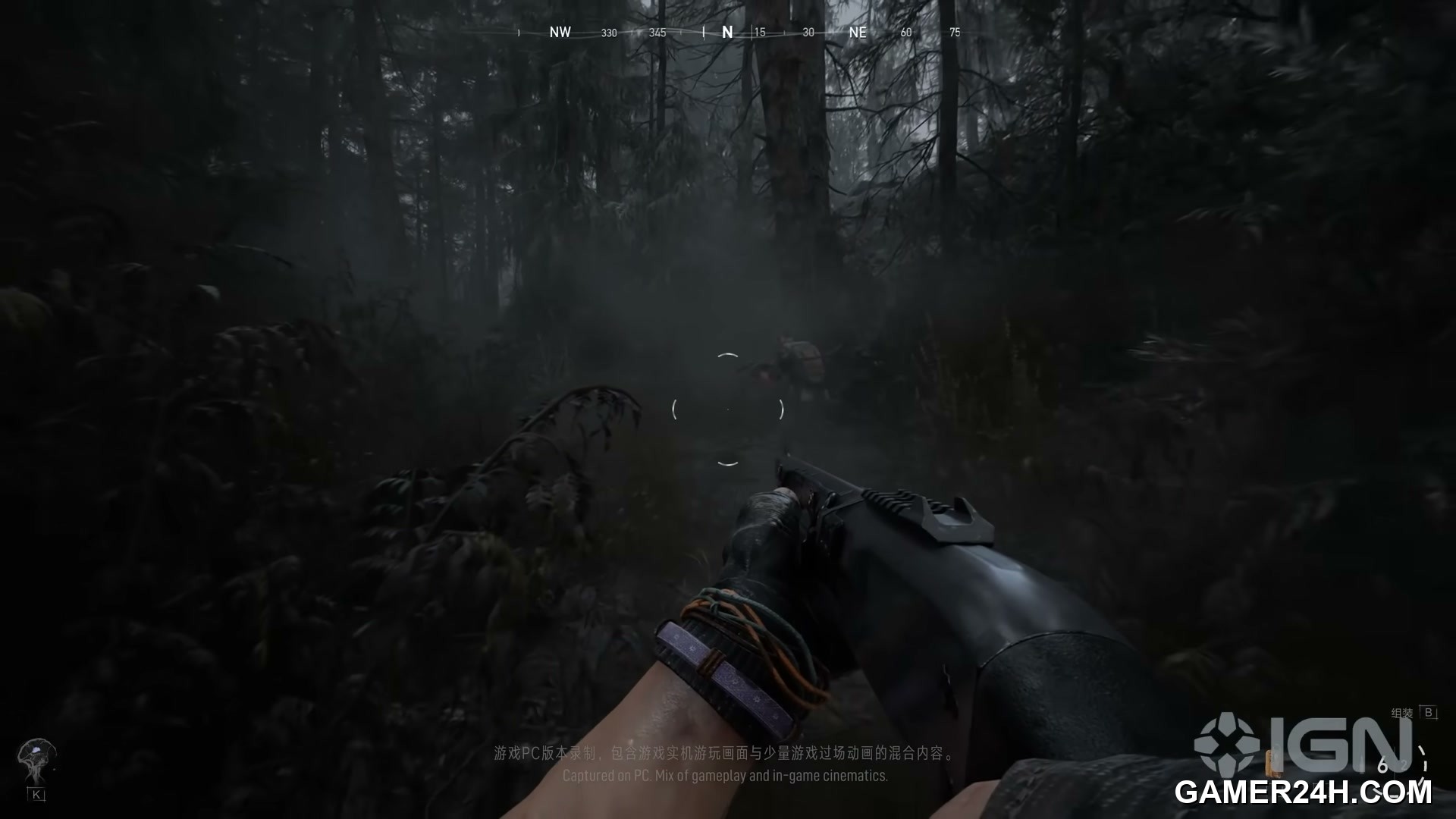
Project Spectrum, developed by Team Jade and set to debut as one of the most anticipated titles of 2024, represents a groundbreaking leap in stealth action gaming. This first-person shooter (FPS) offers players an unparalleled experience through its innovative blend of tactical espionage and high-stakes combat. The game’s core premise revolves around the protagonist Lucia’s mission to infiltrate a mysterious organization known as “The Architects,” whose clandestine operations threaten global stability. Project Spectrum challenges gamers to navigate complex environments, solve intricate puzzles, and engage in strategic combat while maintaining near-invisible stealth.
Visual Splendor: Pushing the Limits of Unreal Engine 5
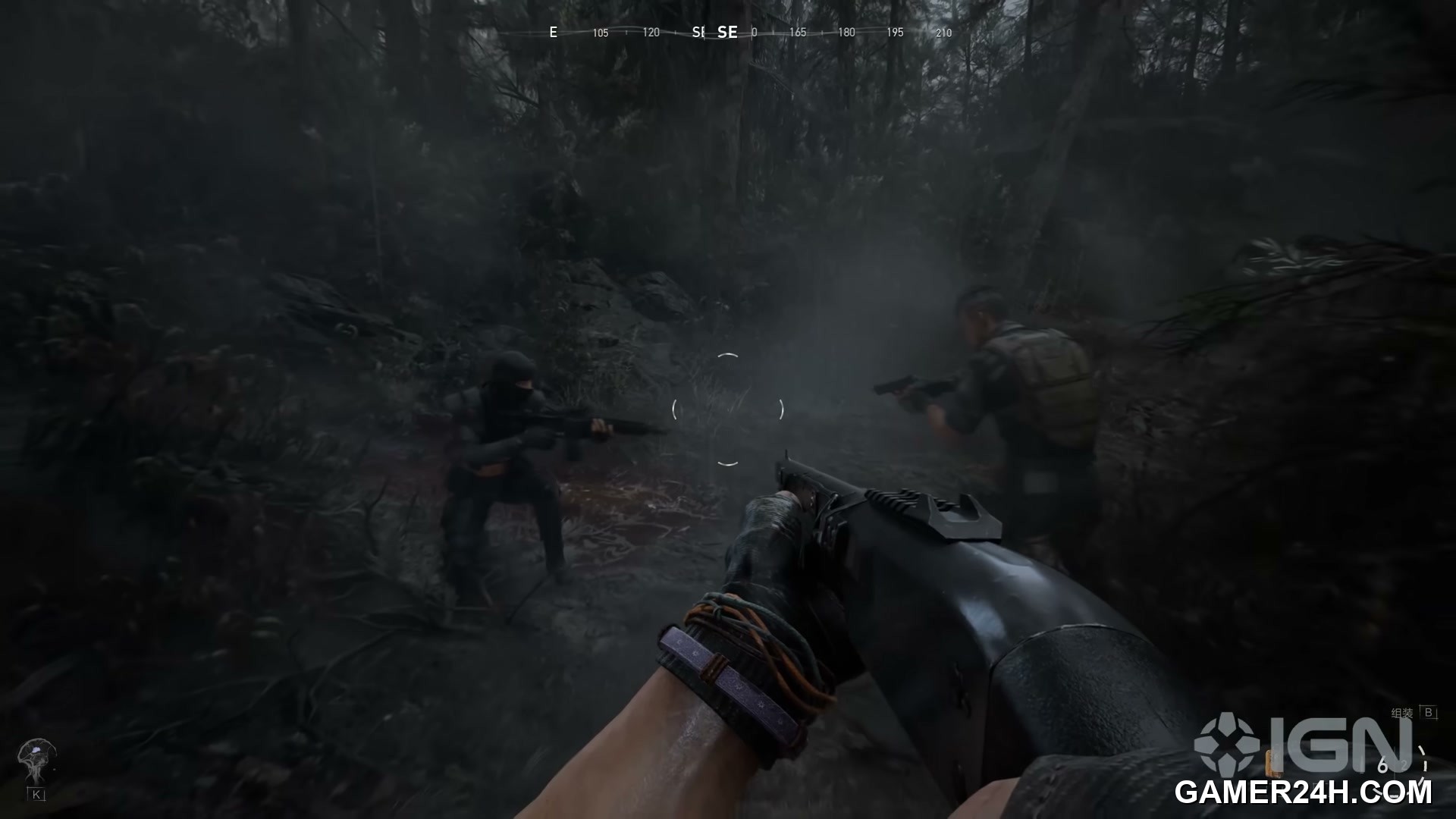
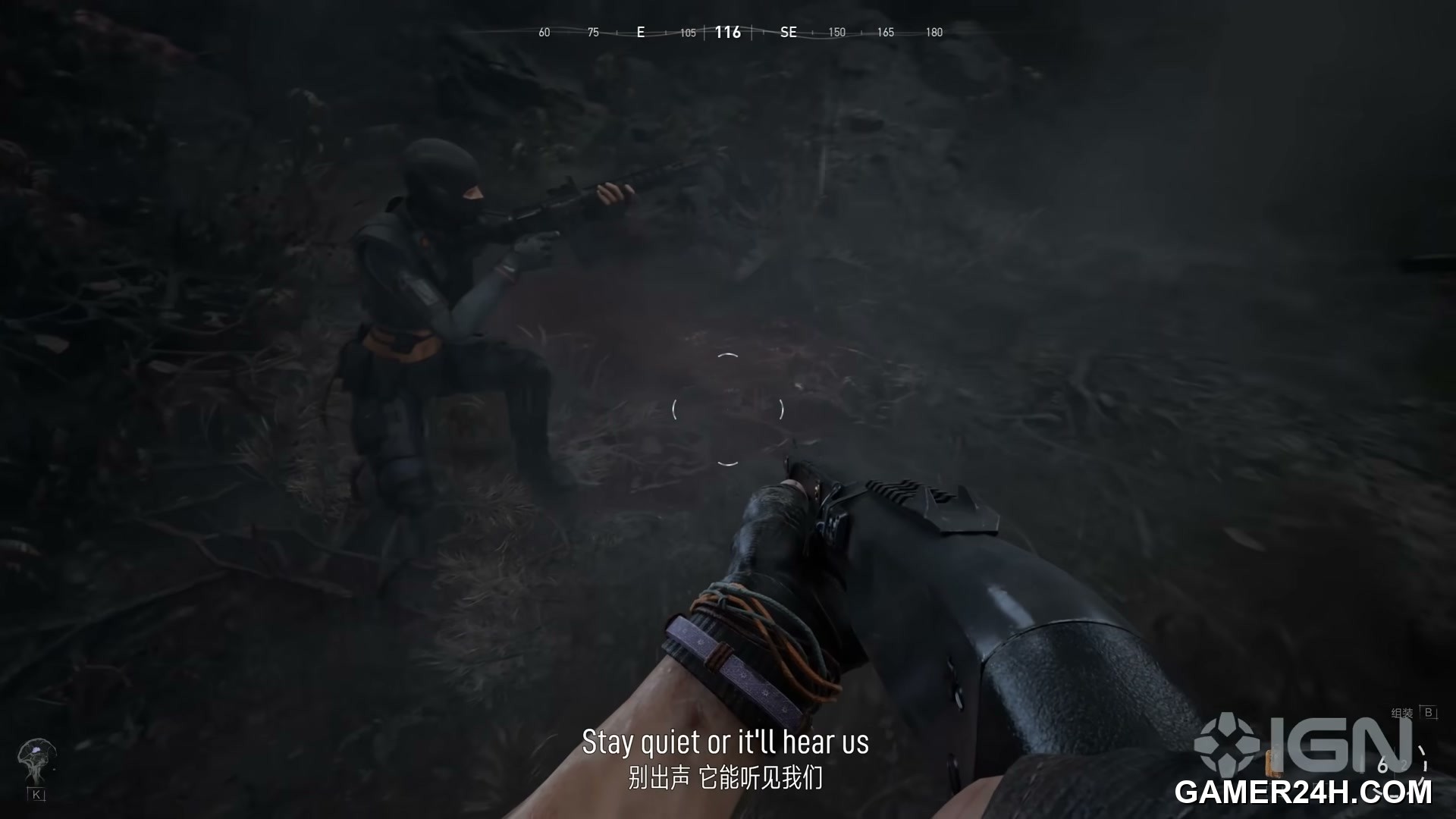
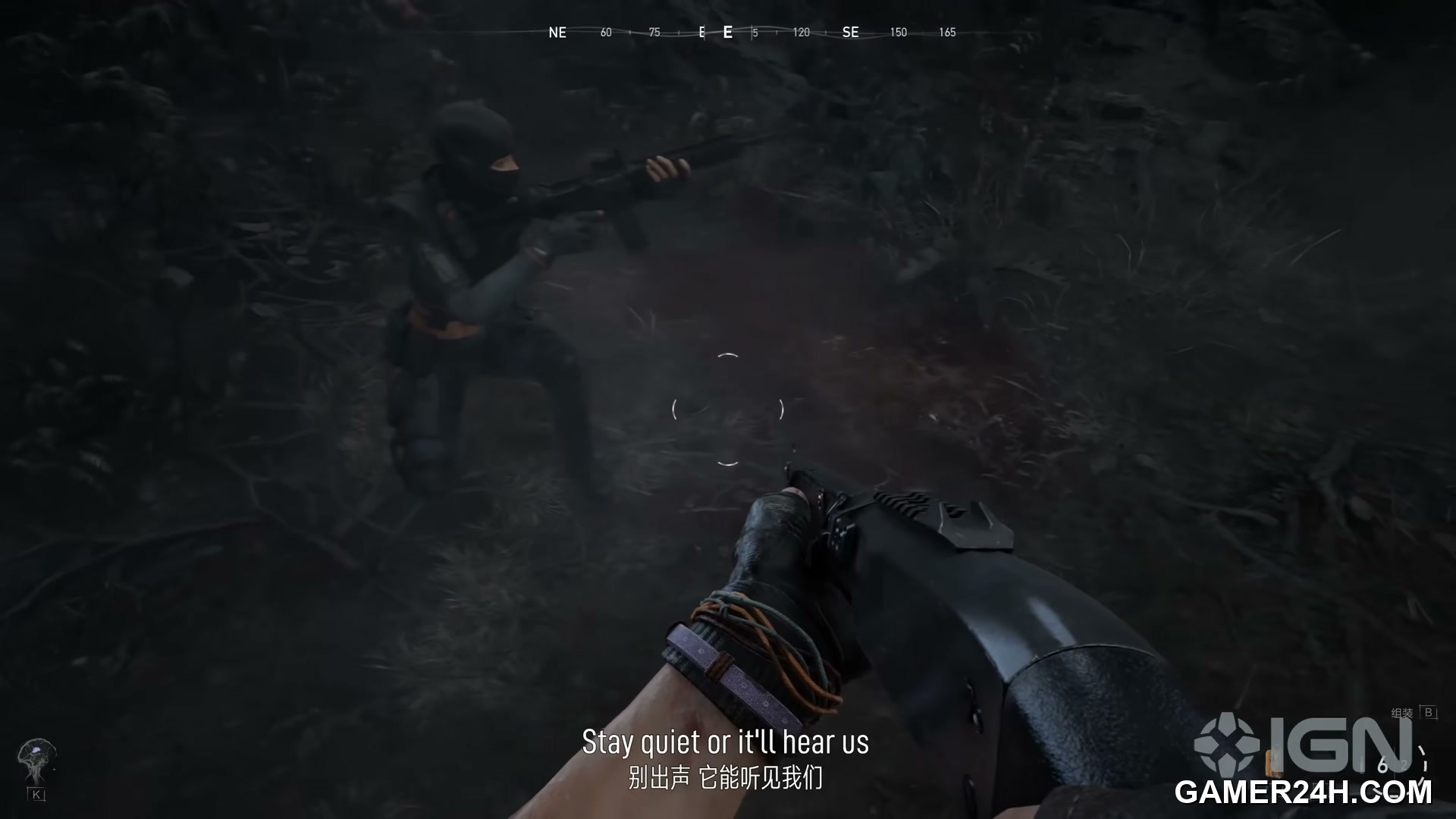
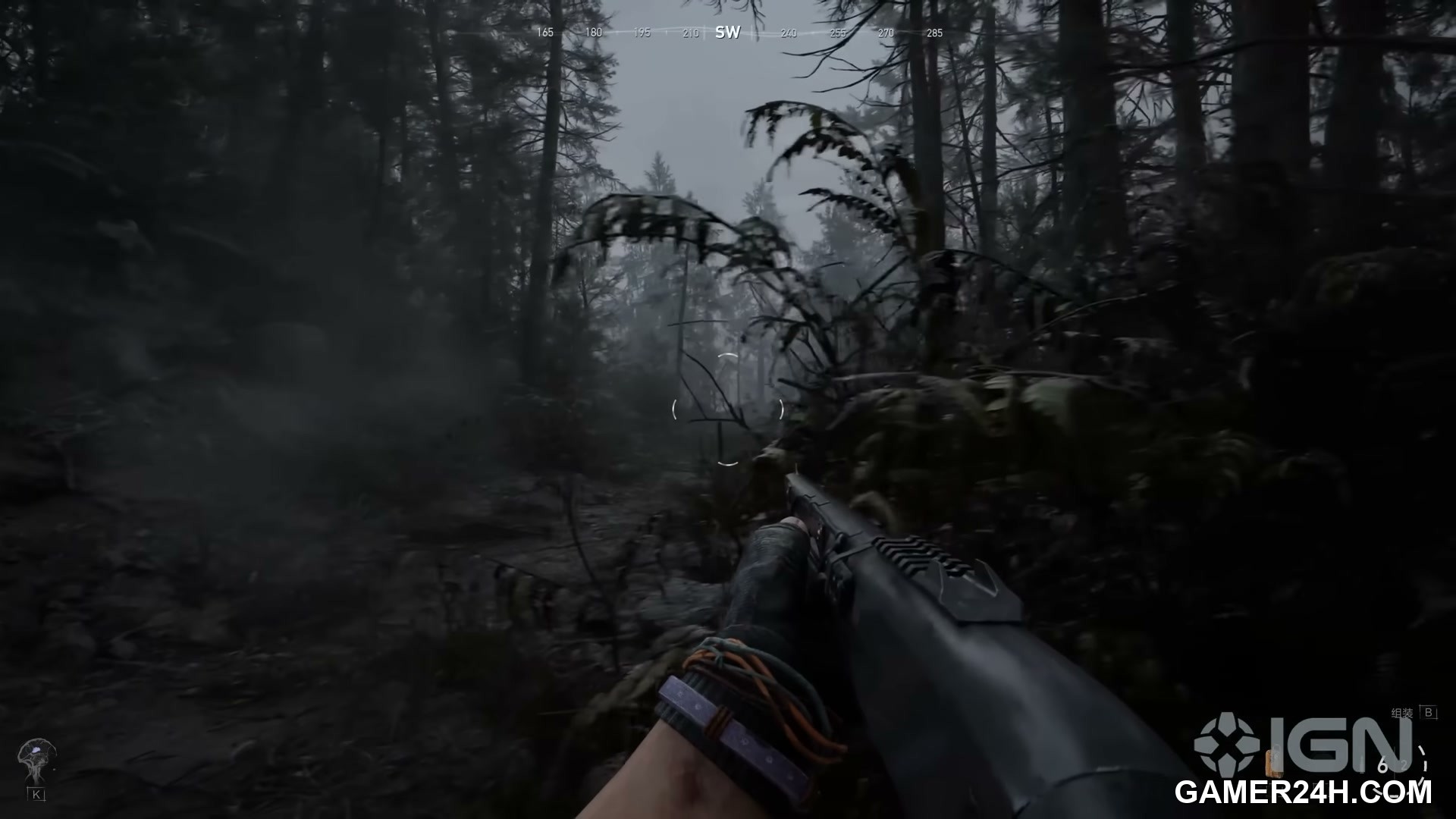
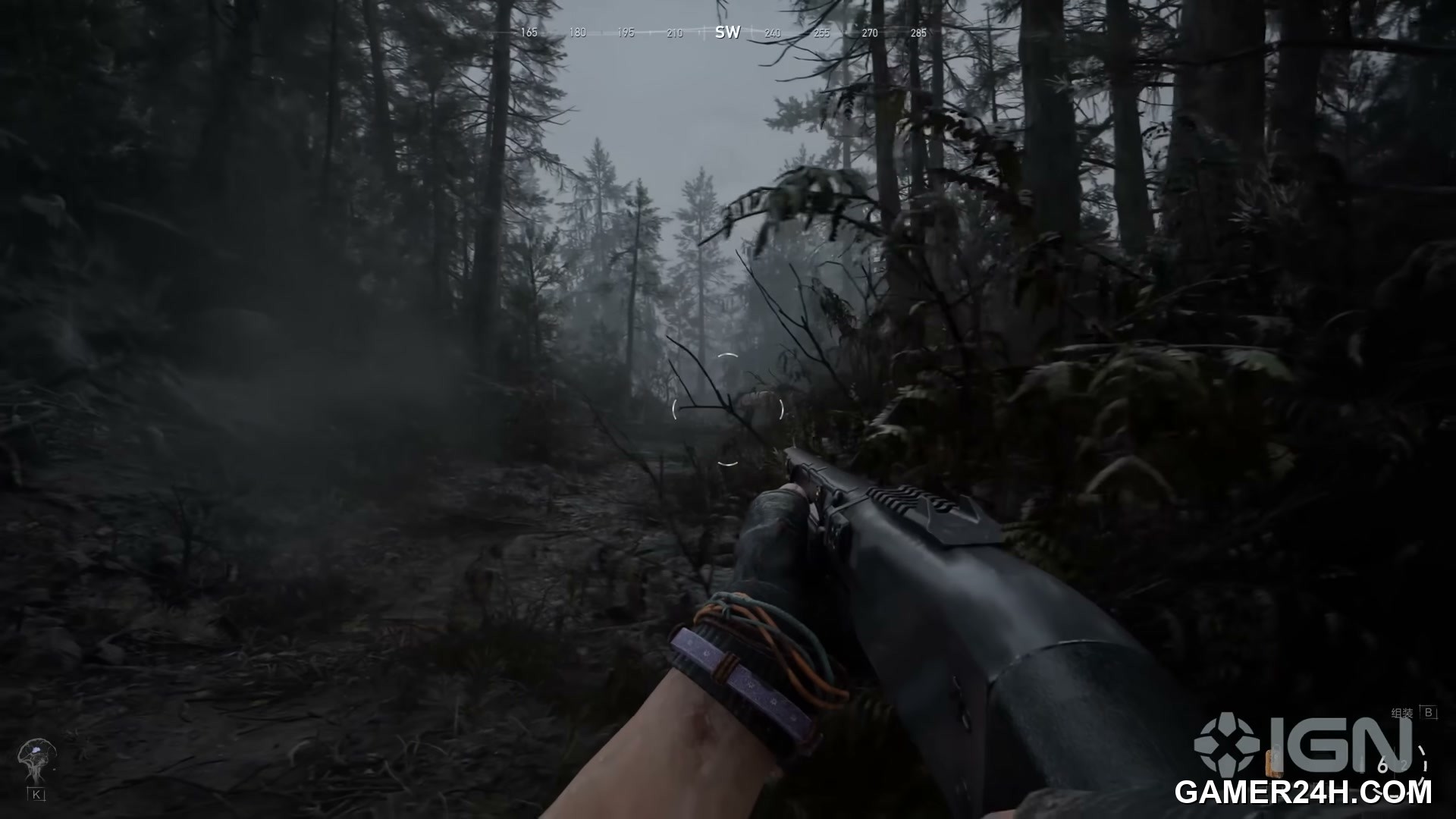
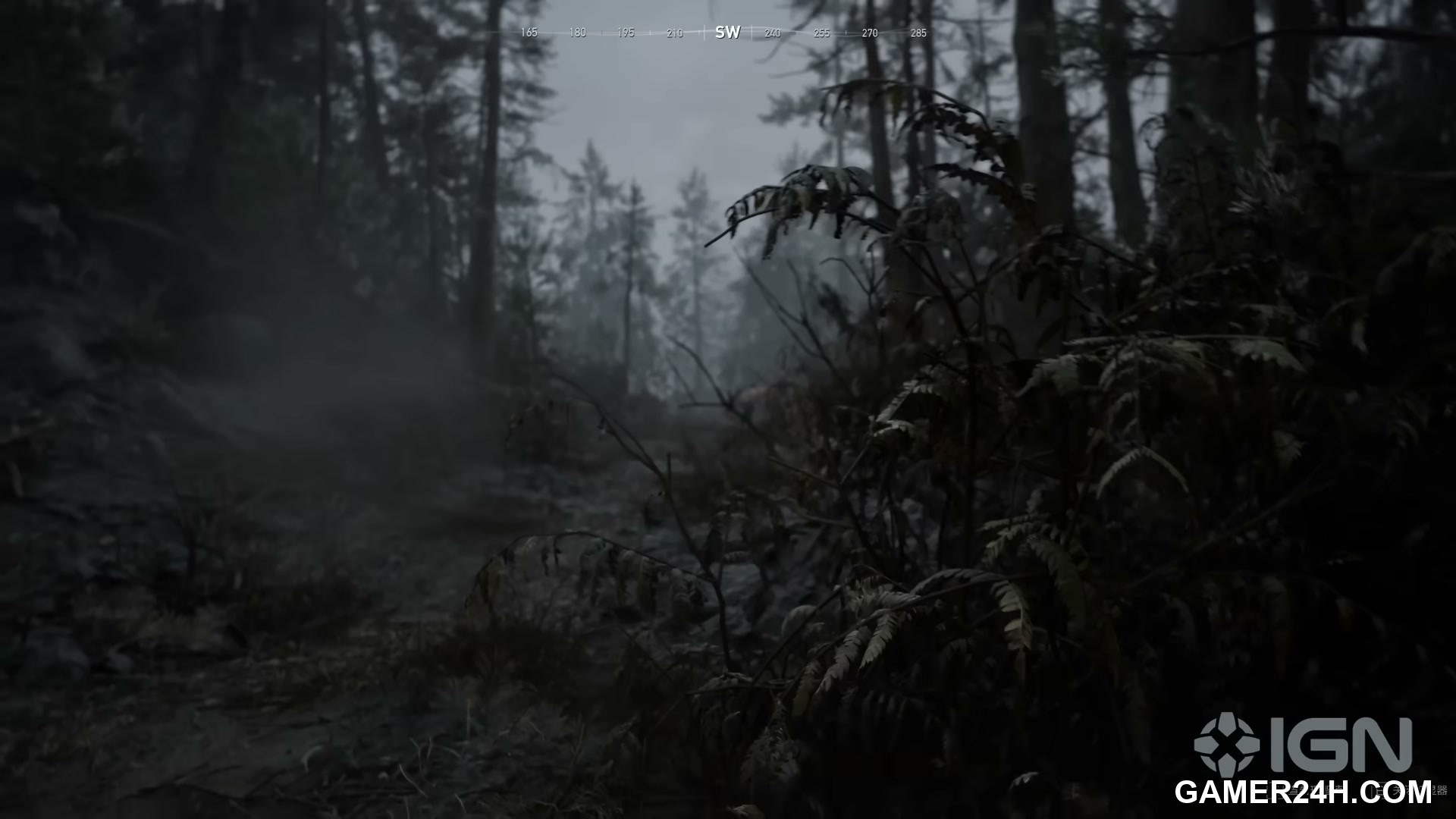
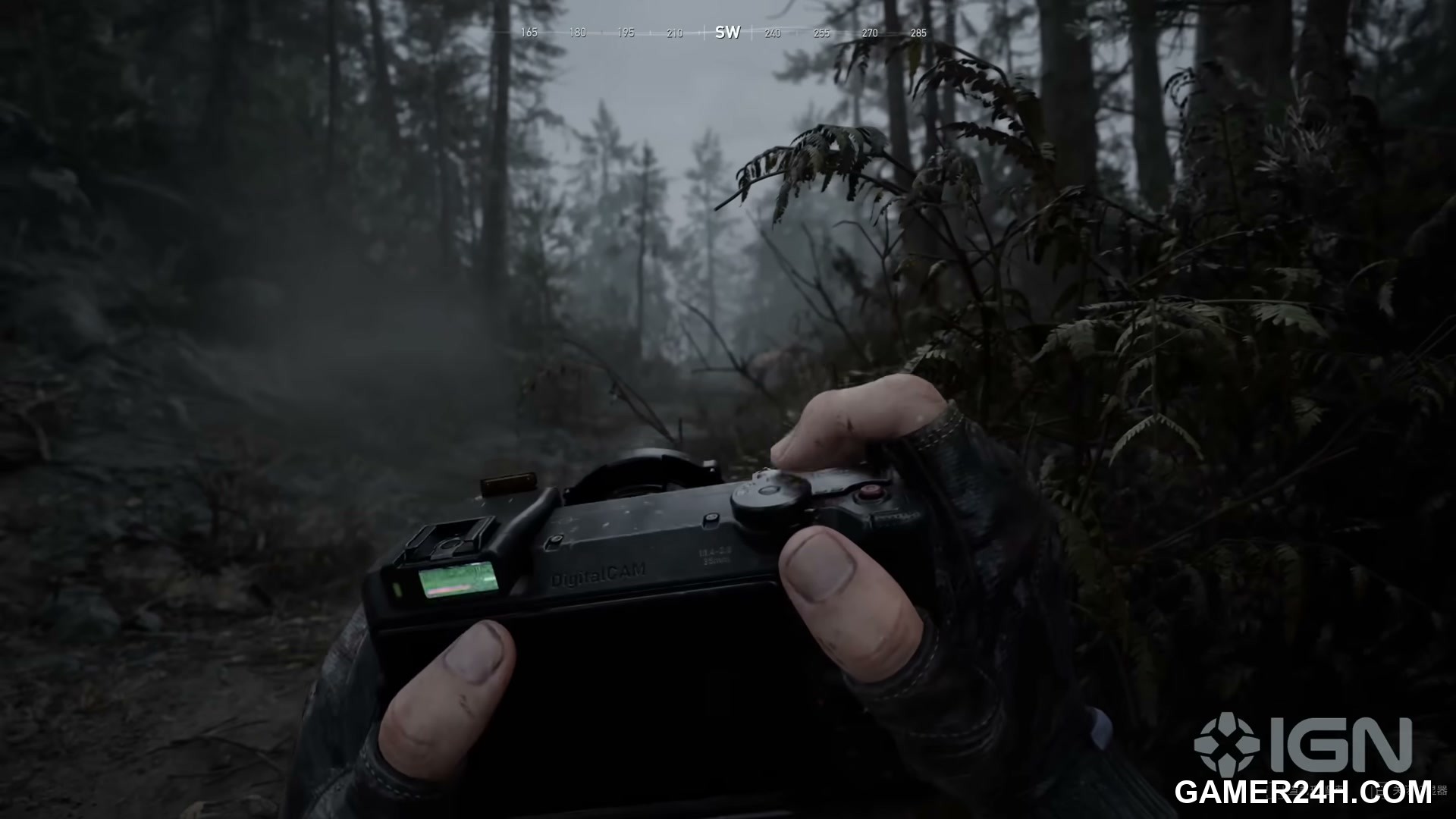
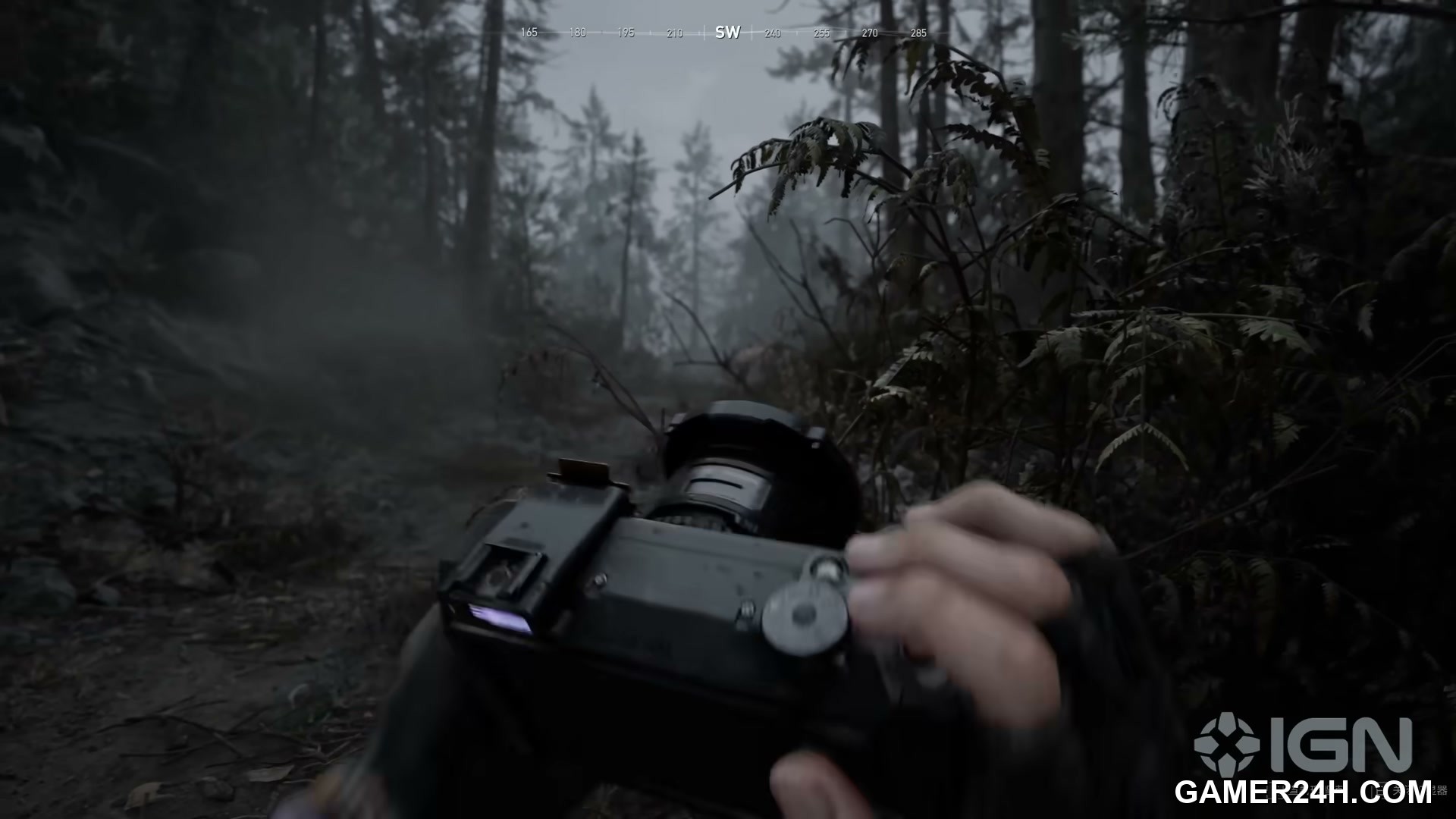
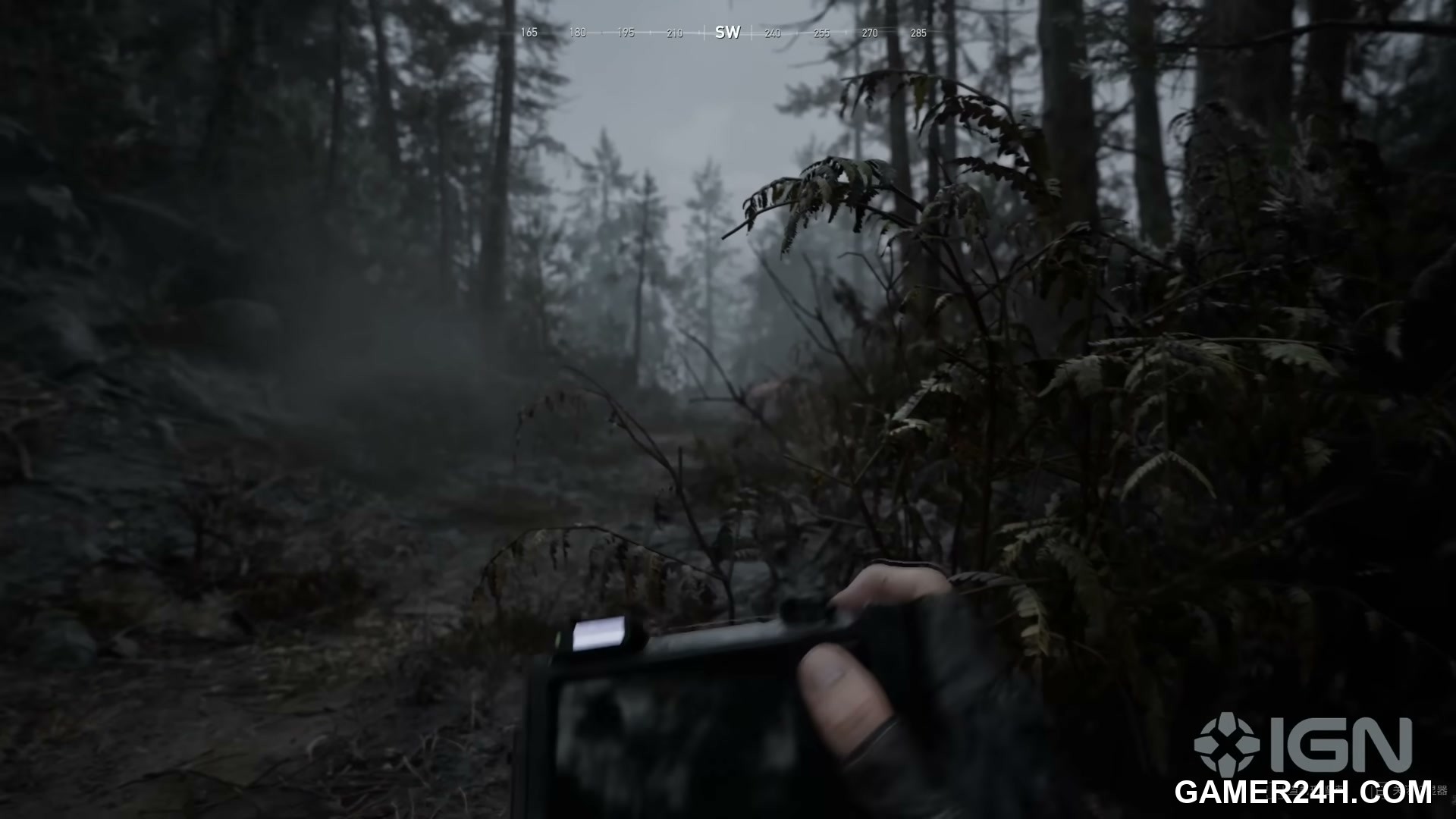
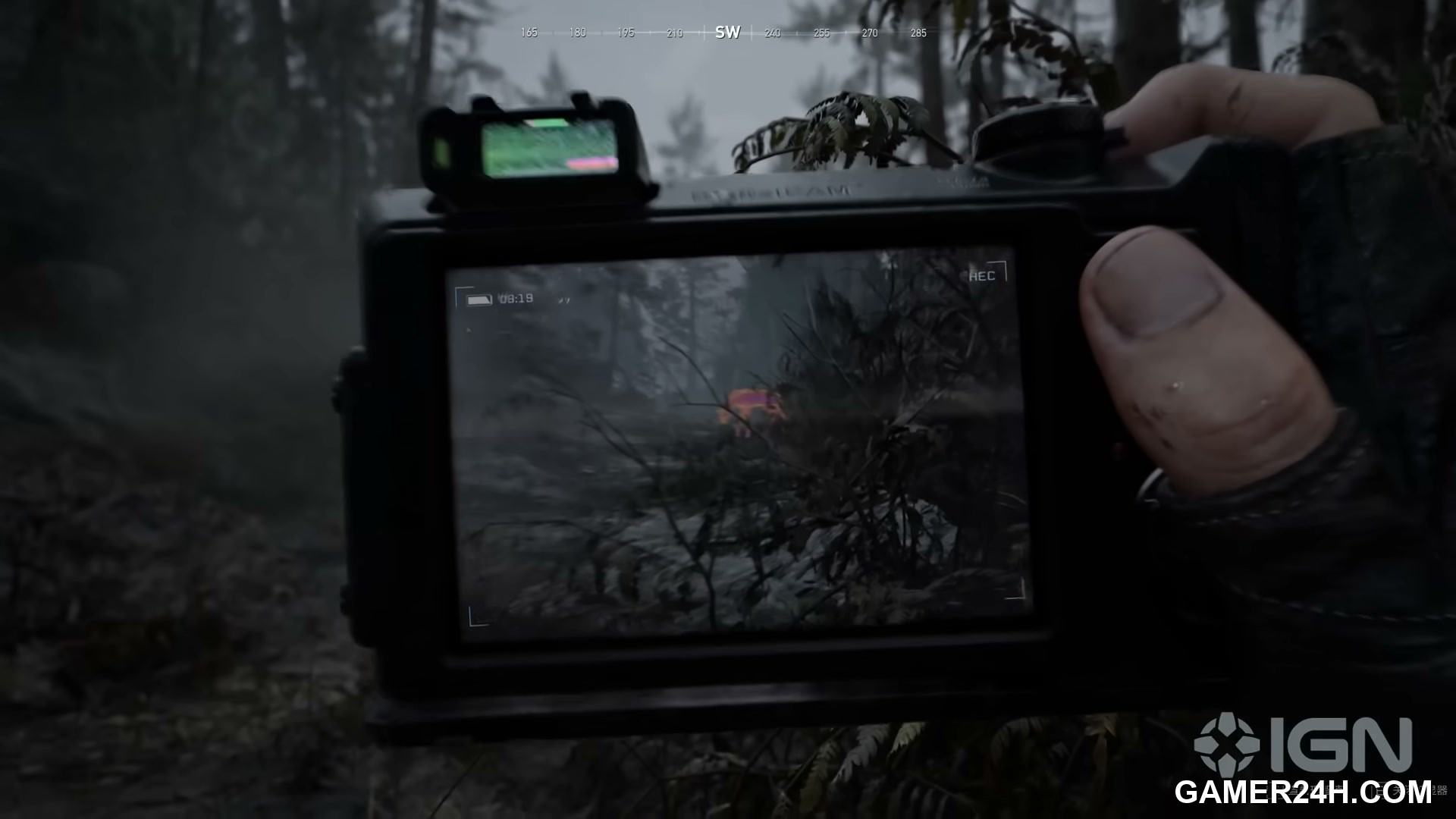
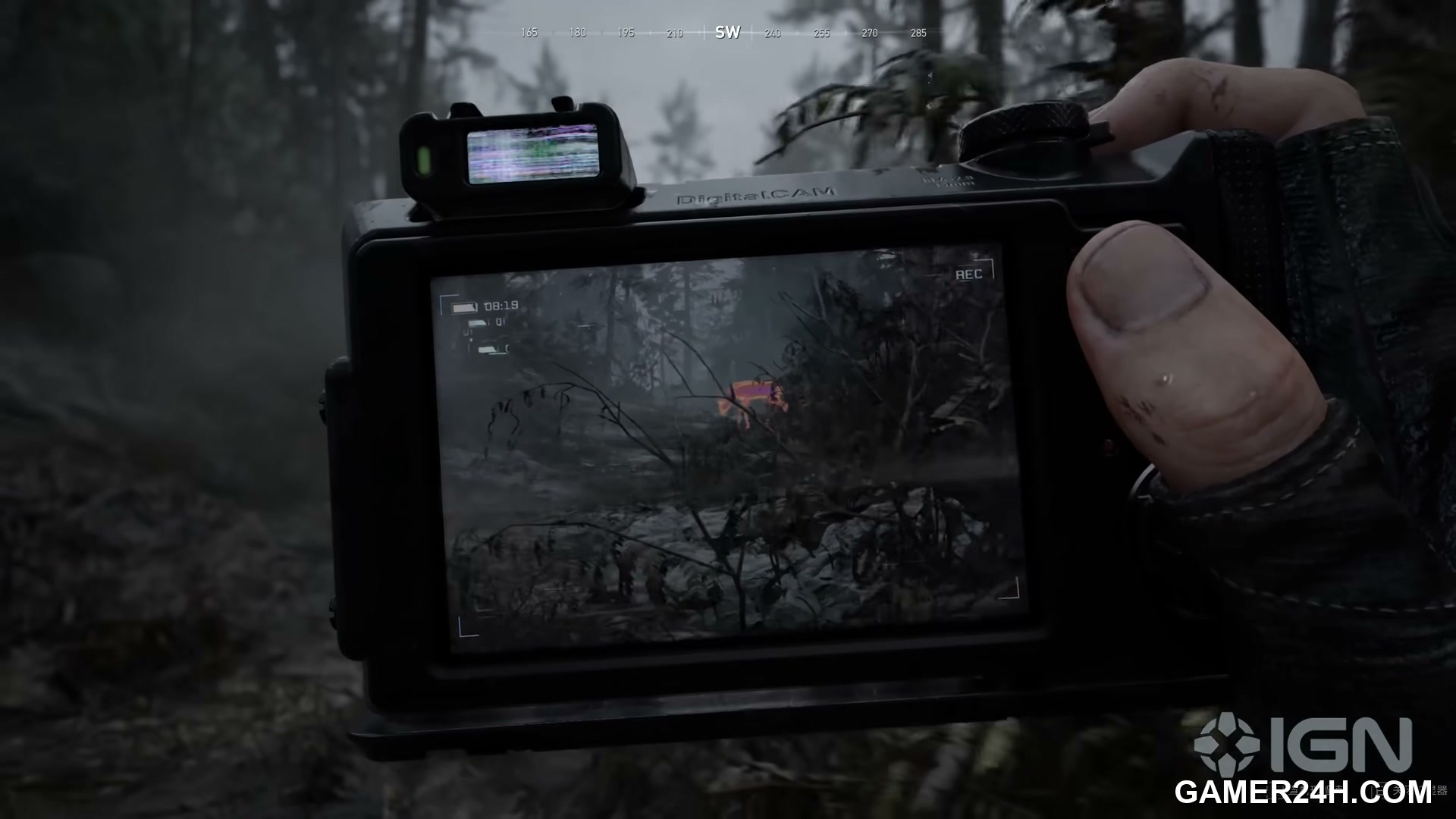
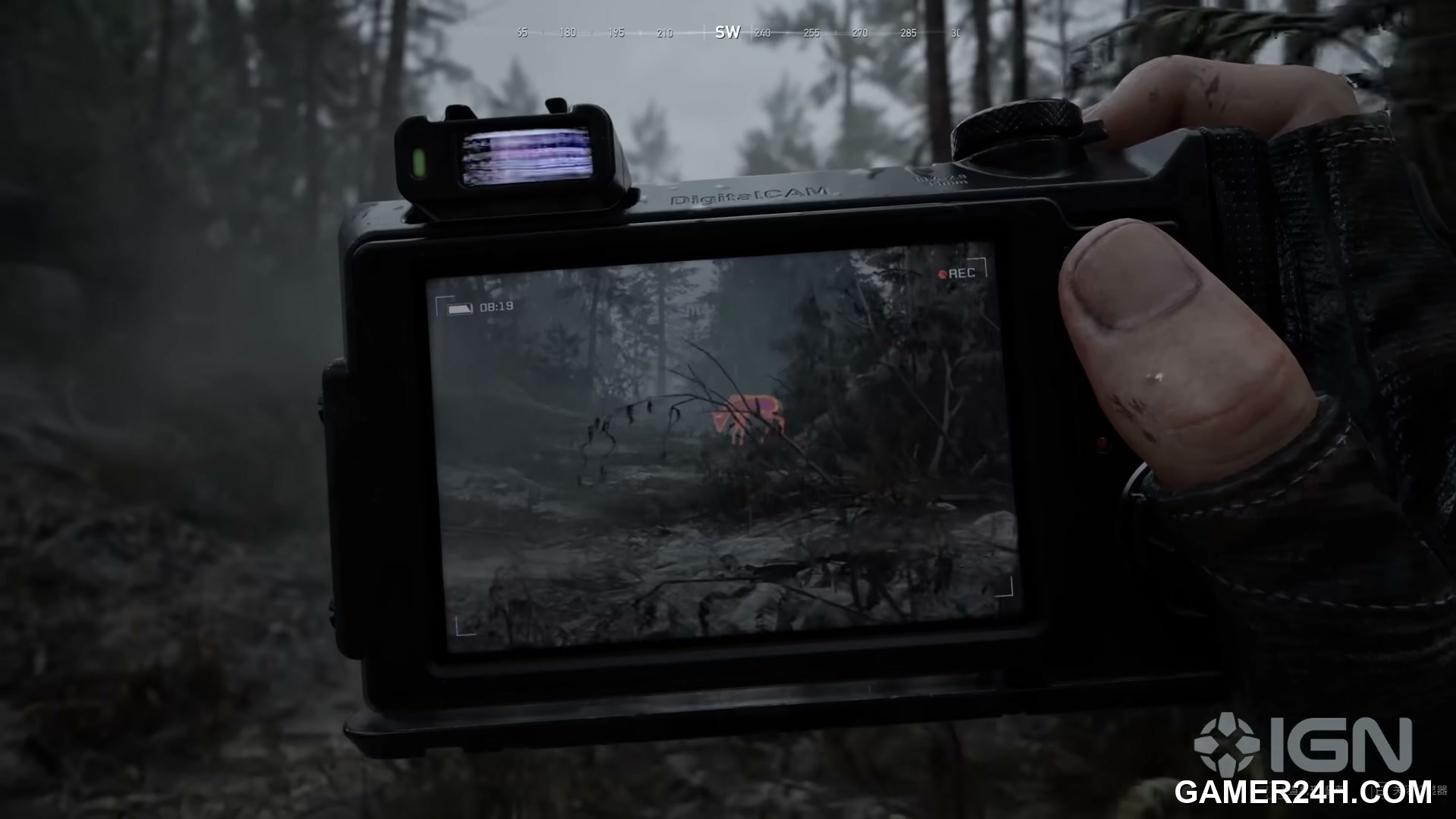
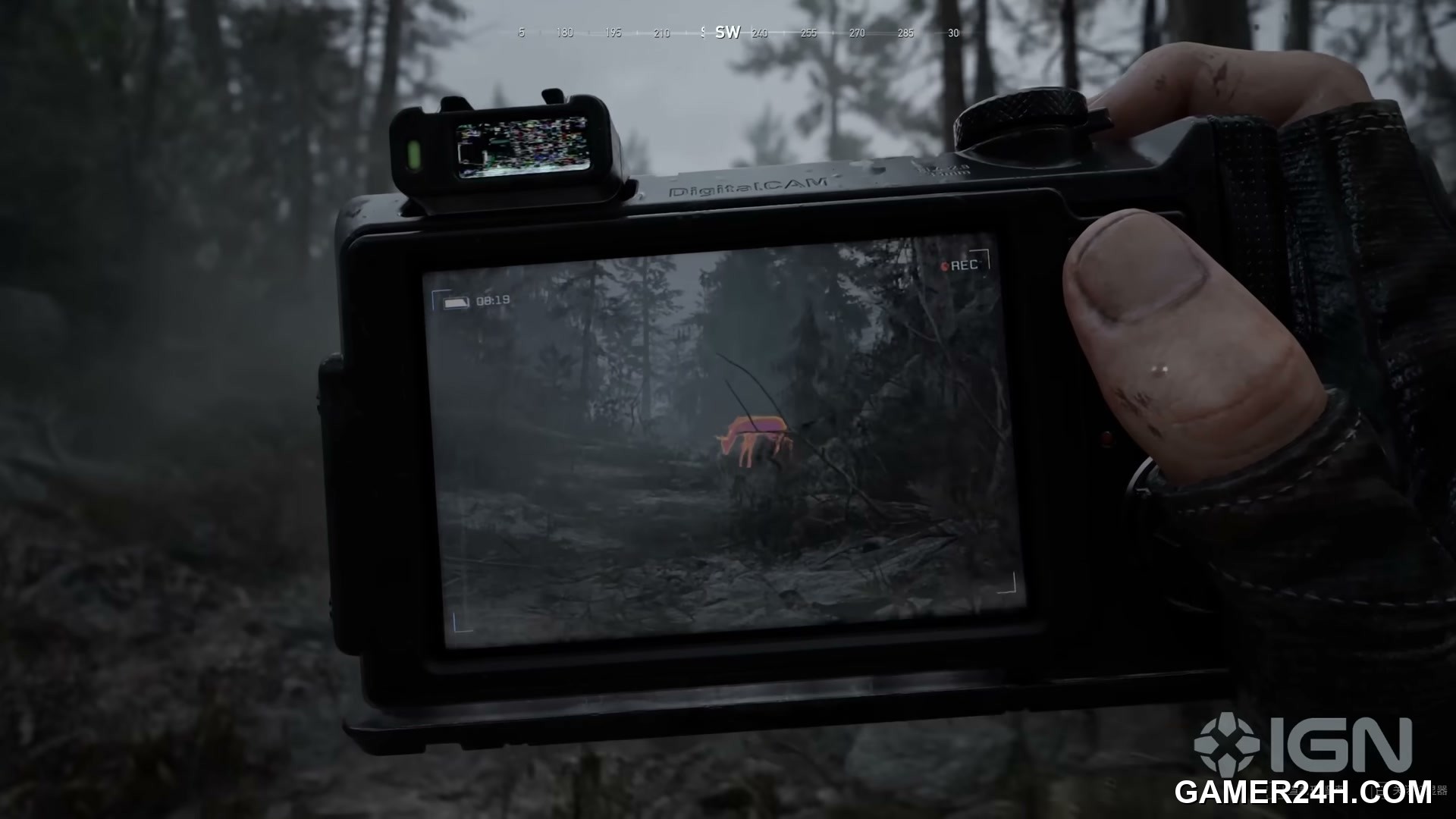
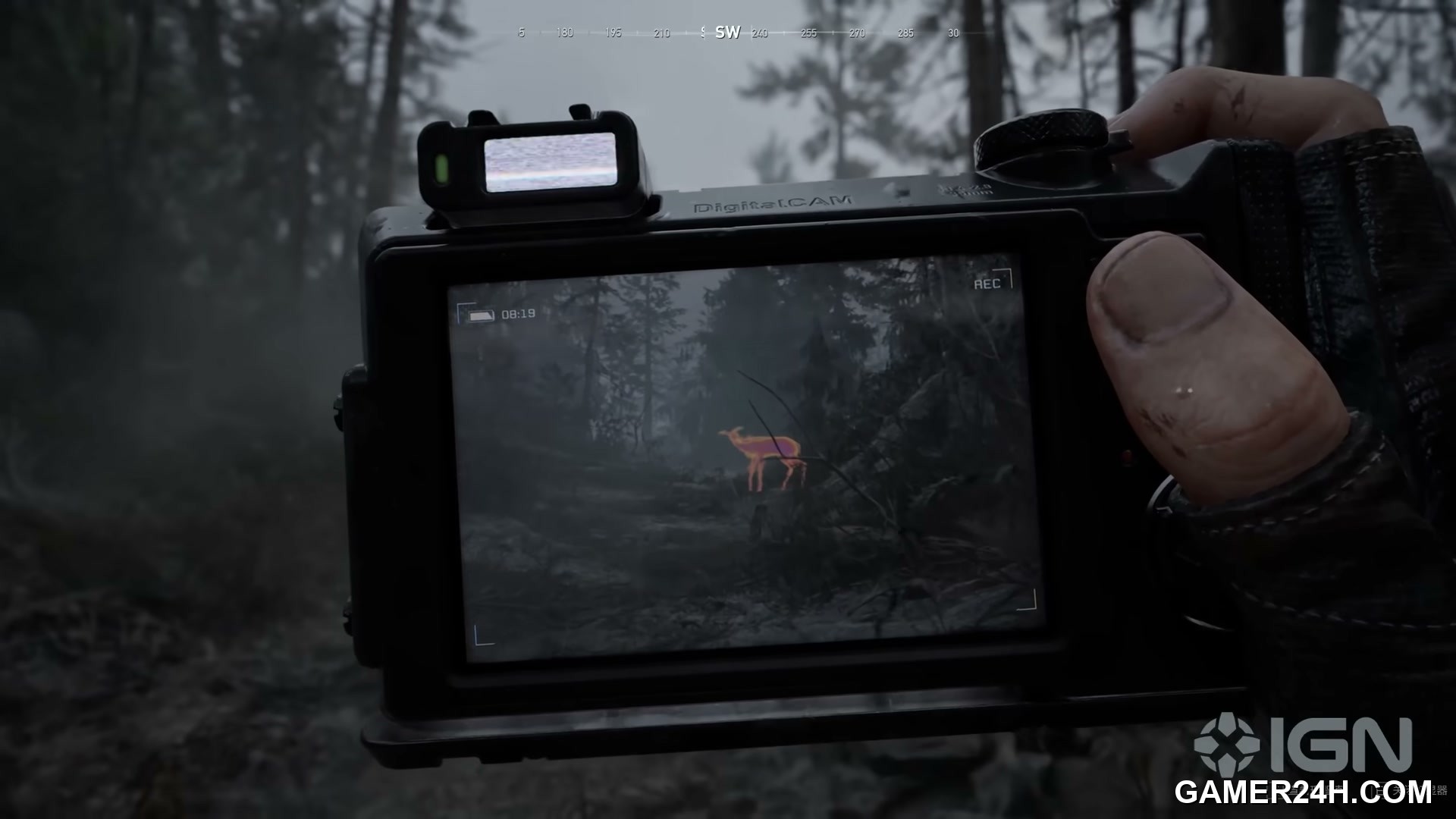
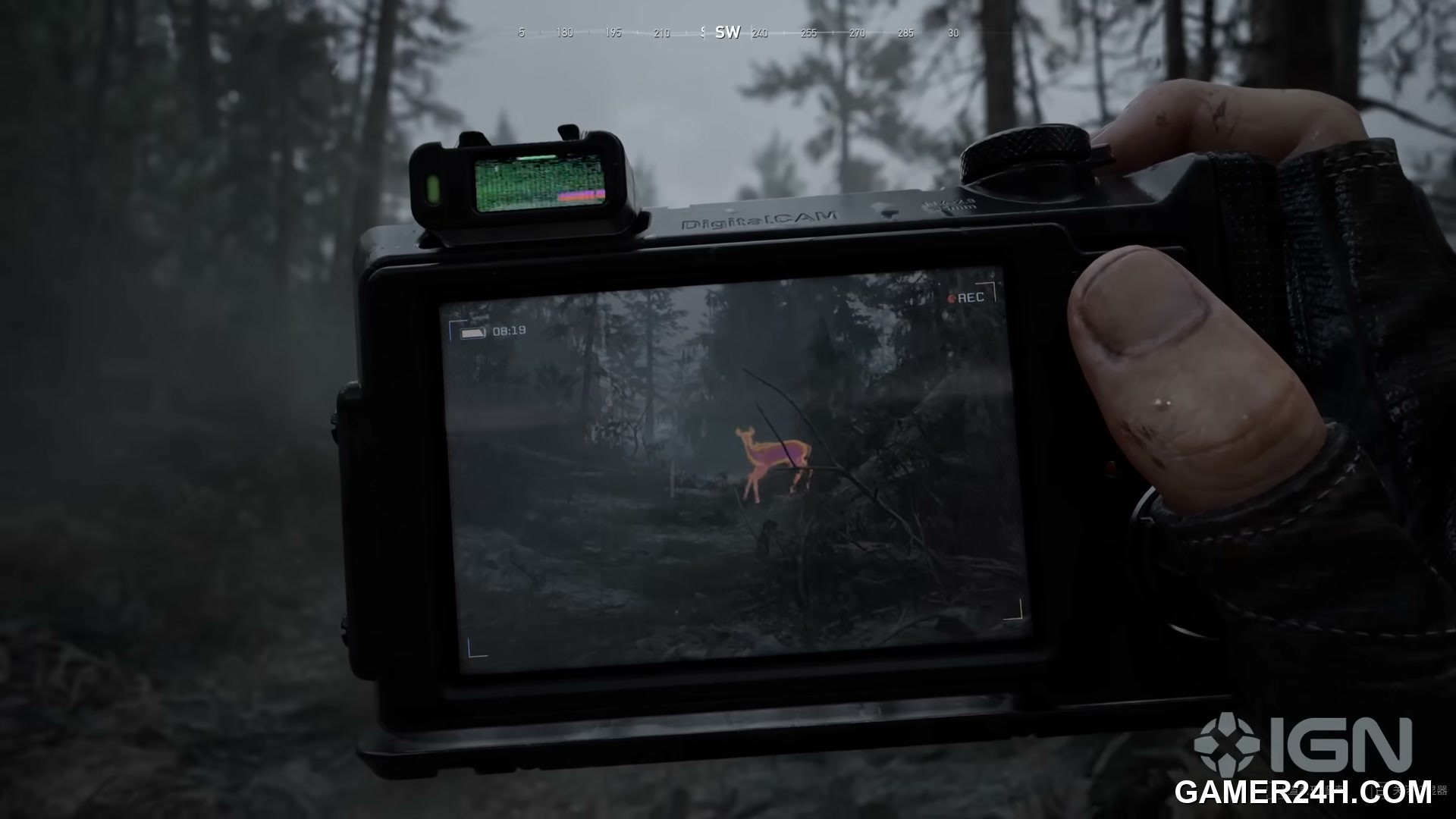
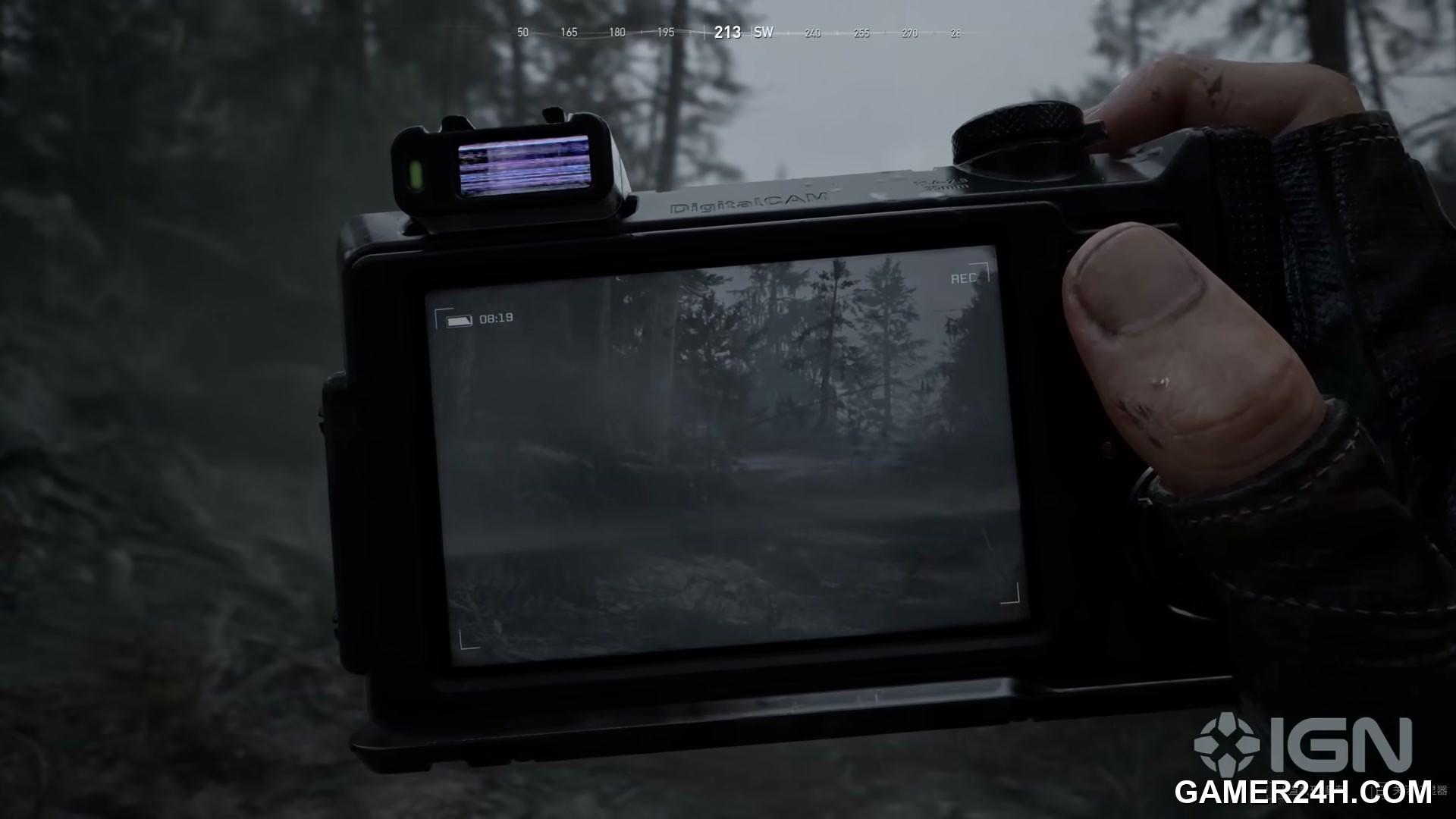
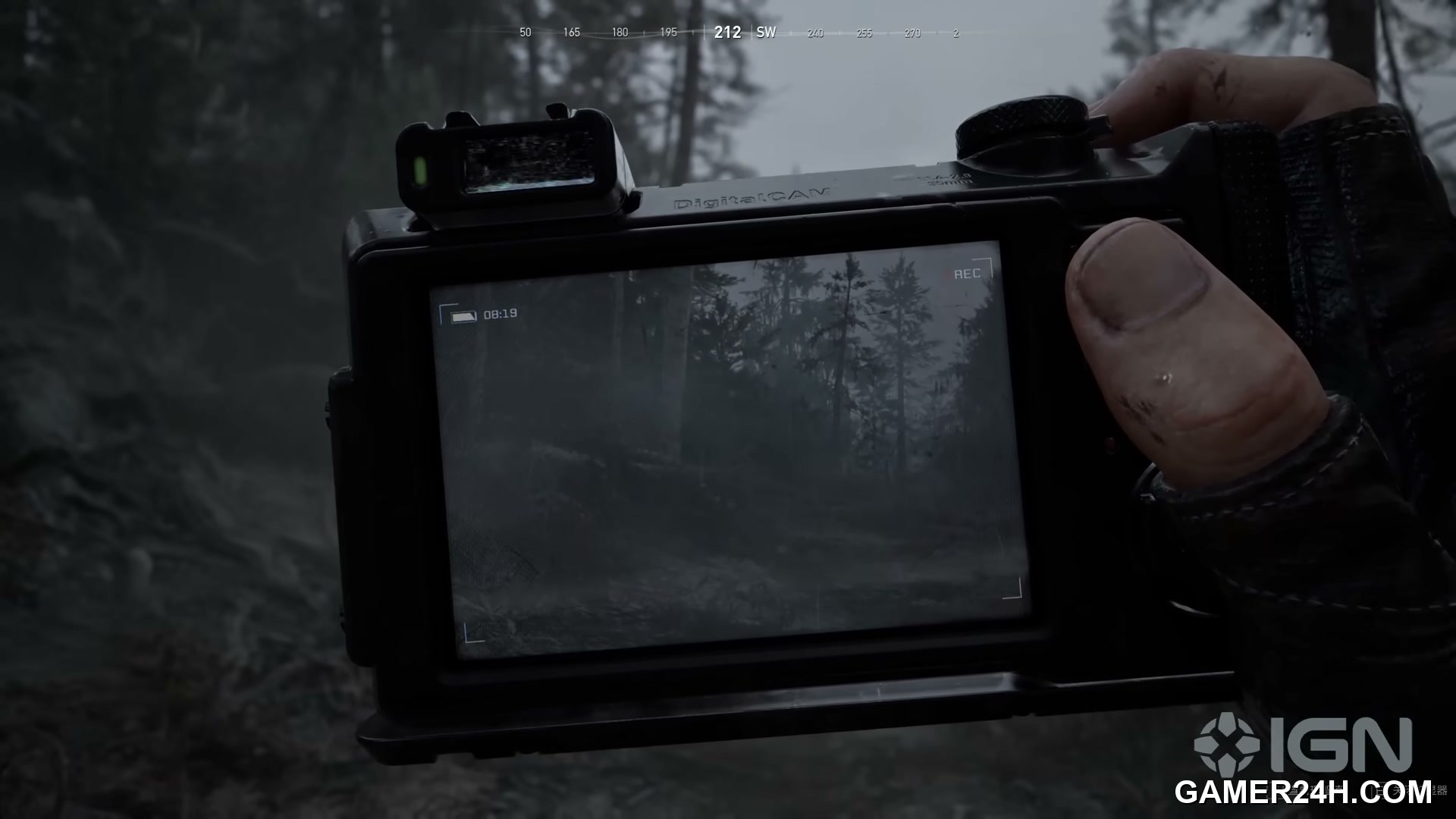
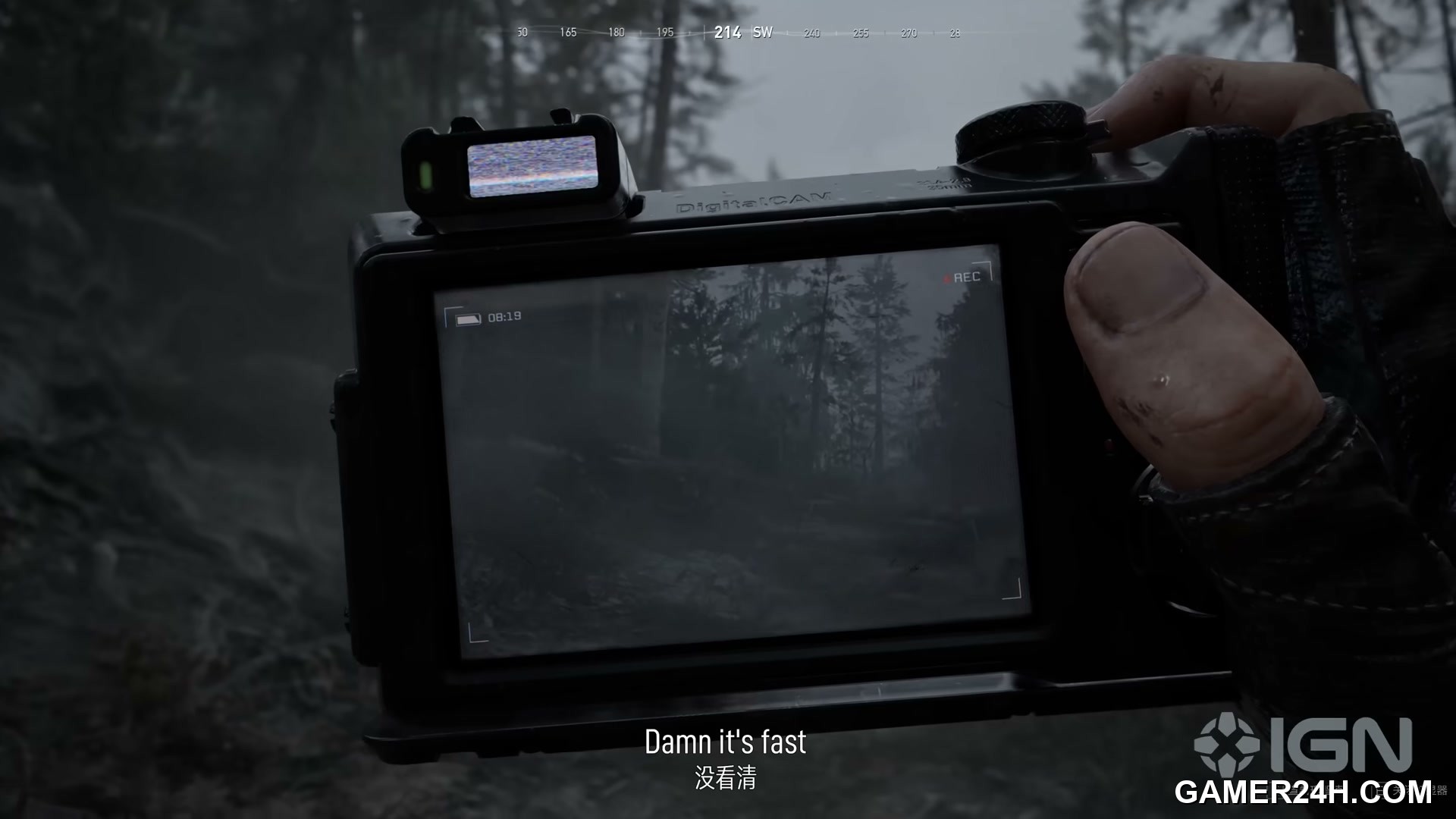
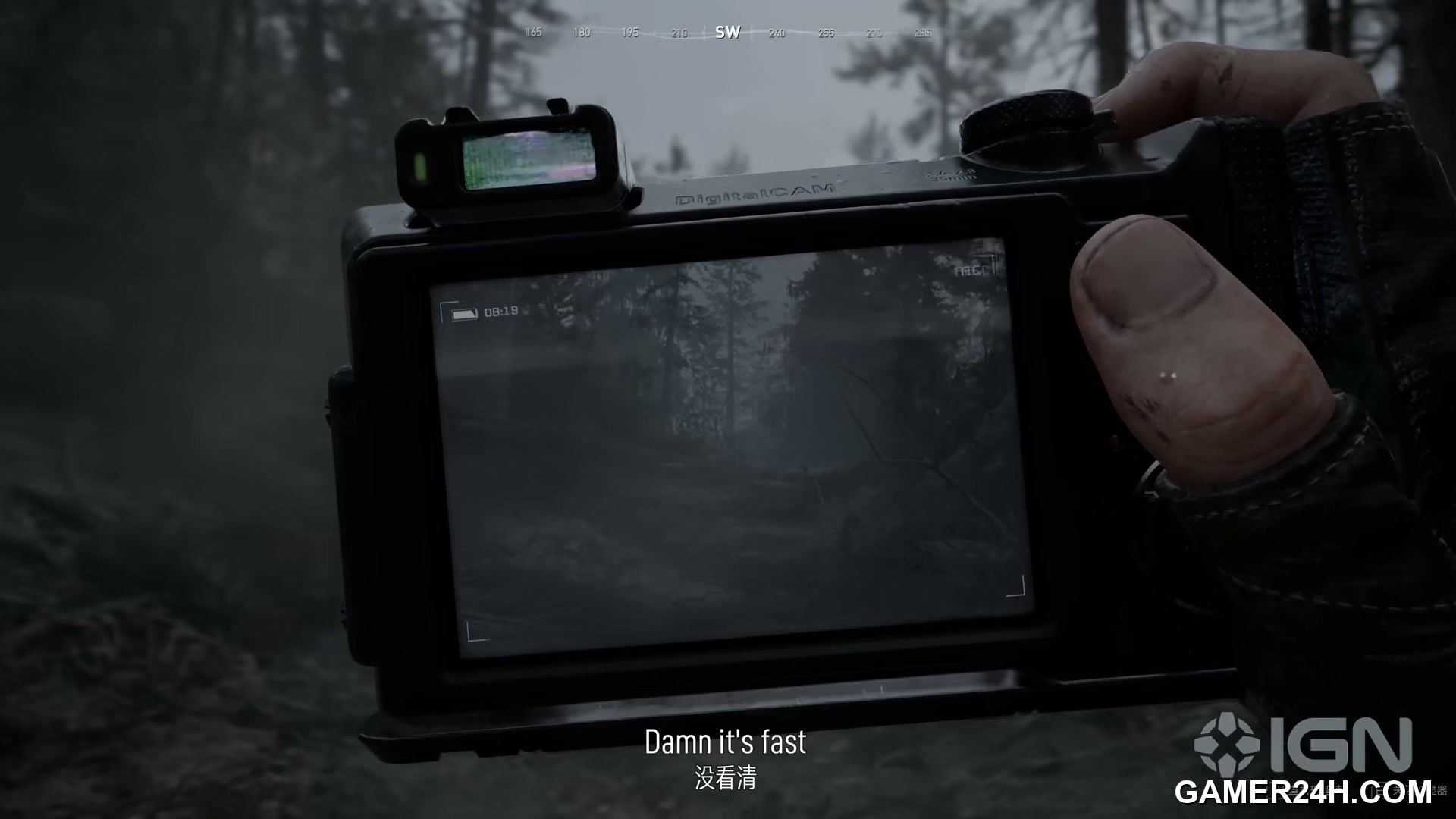
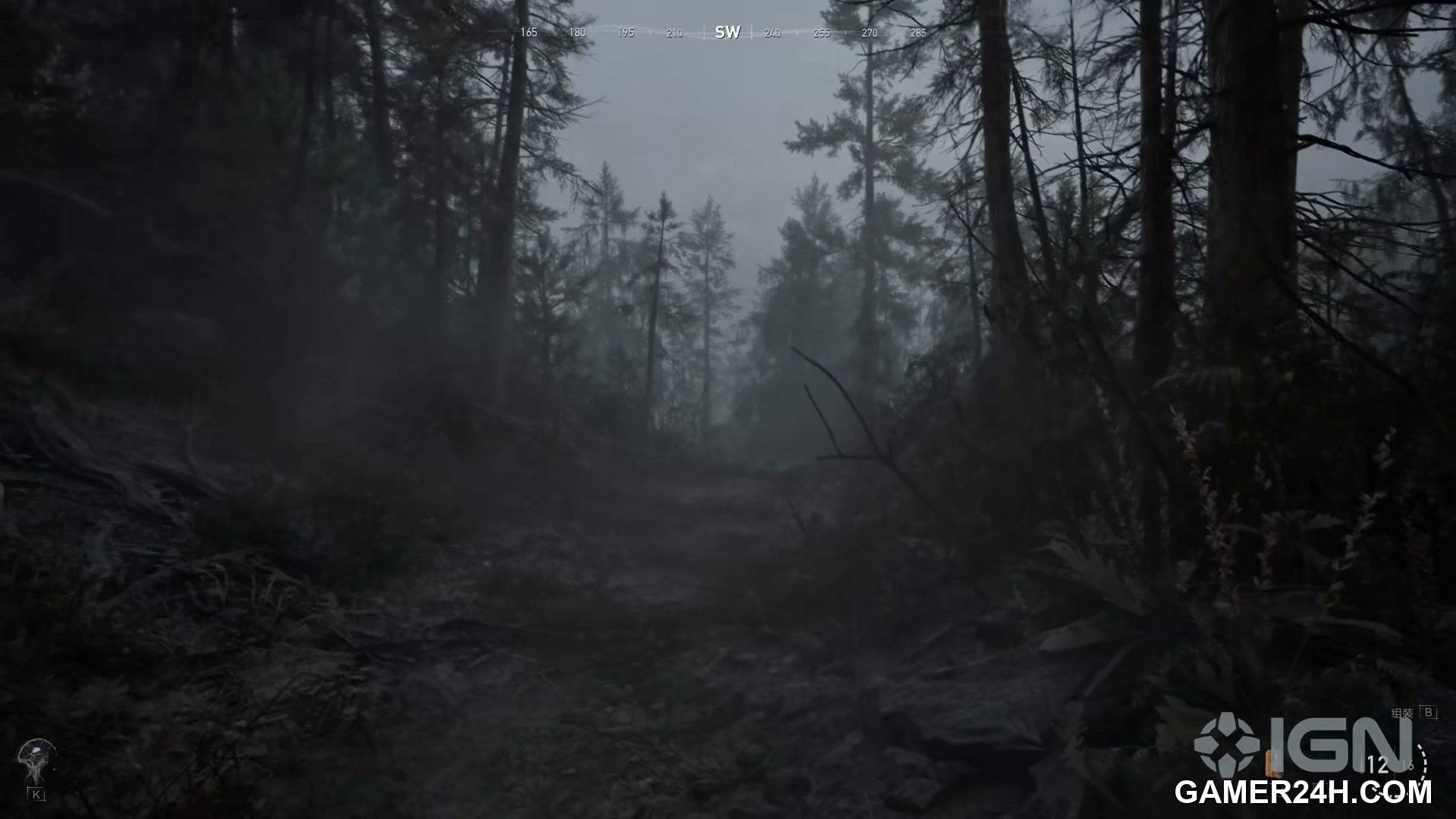
Project Spectrum leverages the power of Unreal Engine 5 to deliver a visual experience that is both breathtaking and immersive. The game’s art direction emphasizes realism and detail, with environments ranging from neon-lit cityscapes to dimly lit corporate offices. Each location is meticulously crafted, featuring dynamic lighting effects, realistic physics interactions, and detailed textures that bring the world of Project Spectrum to life. Unreal Engine 5’s Nanite technology ensures that even the most complex scenes maintain a high frame rate without compromising on visual fidelity.
The game’s use of ray tracing further enhances this realism by simulating real-world light behavior, creating soft shadows and realistic reflections. This attention to detail extends to character models as well, with highly detailed facial animations and lifelike skin textures that reflect the emotional intensity of Lucia’s journey. The result is a visually stunning world that not only looks beautiful but also feels lived-in and believable.
Combat & Systems: Tactical Espionage and Combat Dynamics
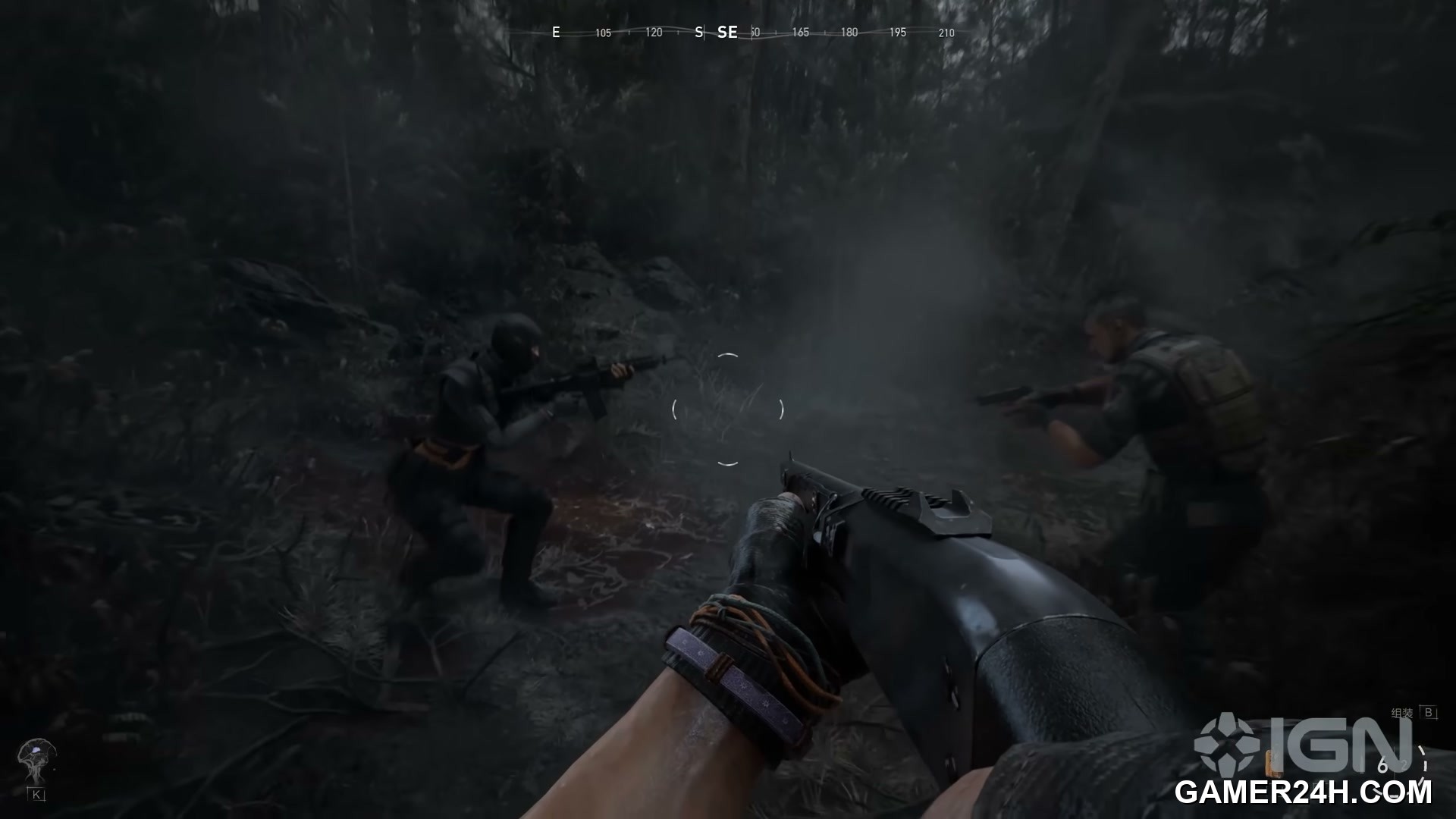
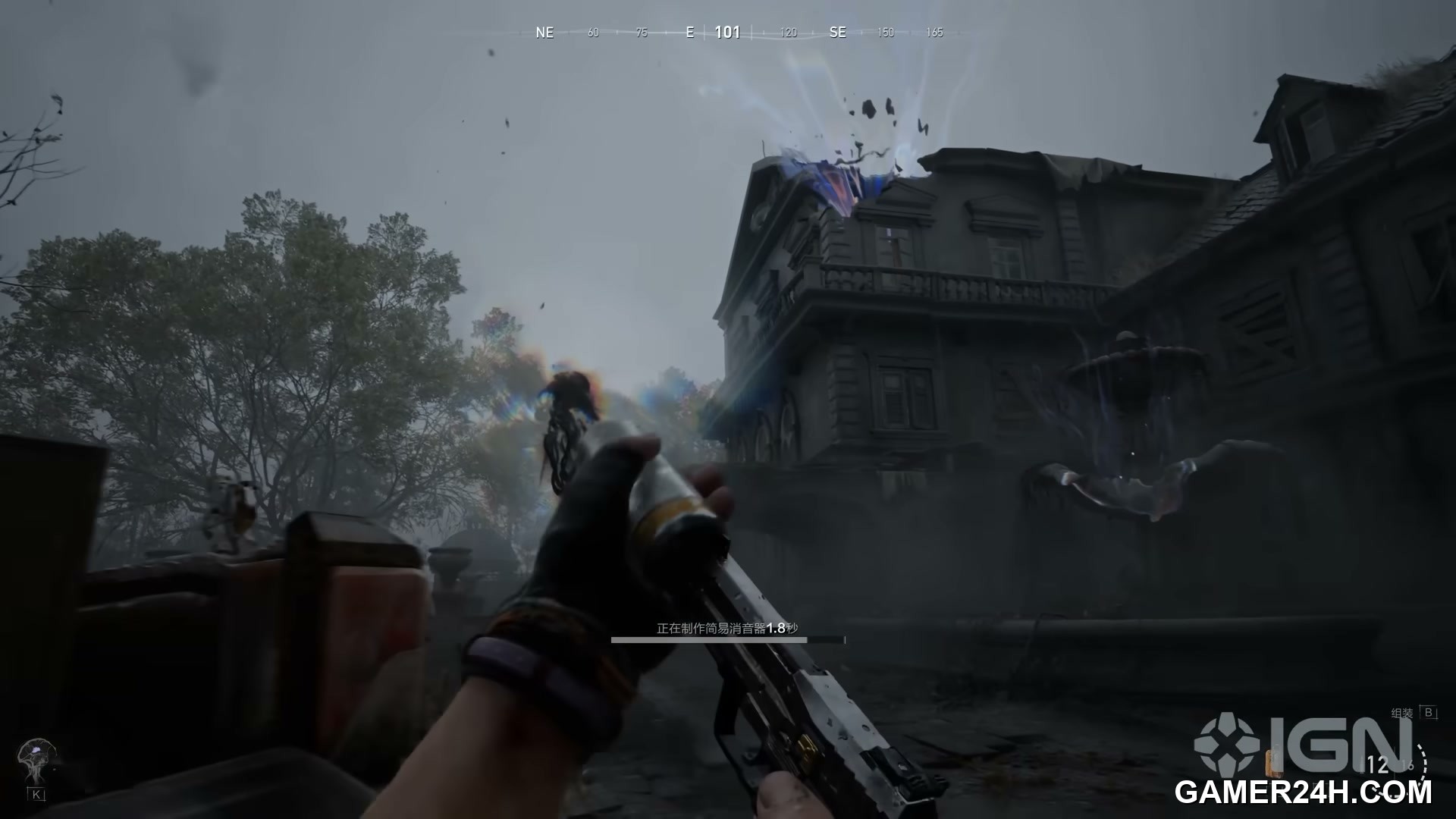
Project Spectrum’s combat system is designed to be both challenging and rewarding, offering players multiple approaches to overcoming obstacles. At its core, the game emphasizes stealth over direct confrontation, encouraging players to use cover, environmental elements like vent shafts or destructible objects for surprise attacks, and a variety of gadgets such as smoke bombs, taser guns, and grappling hooks.
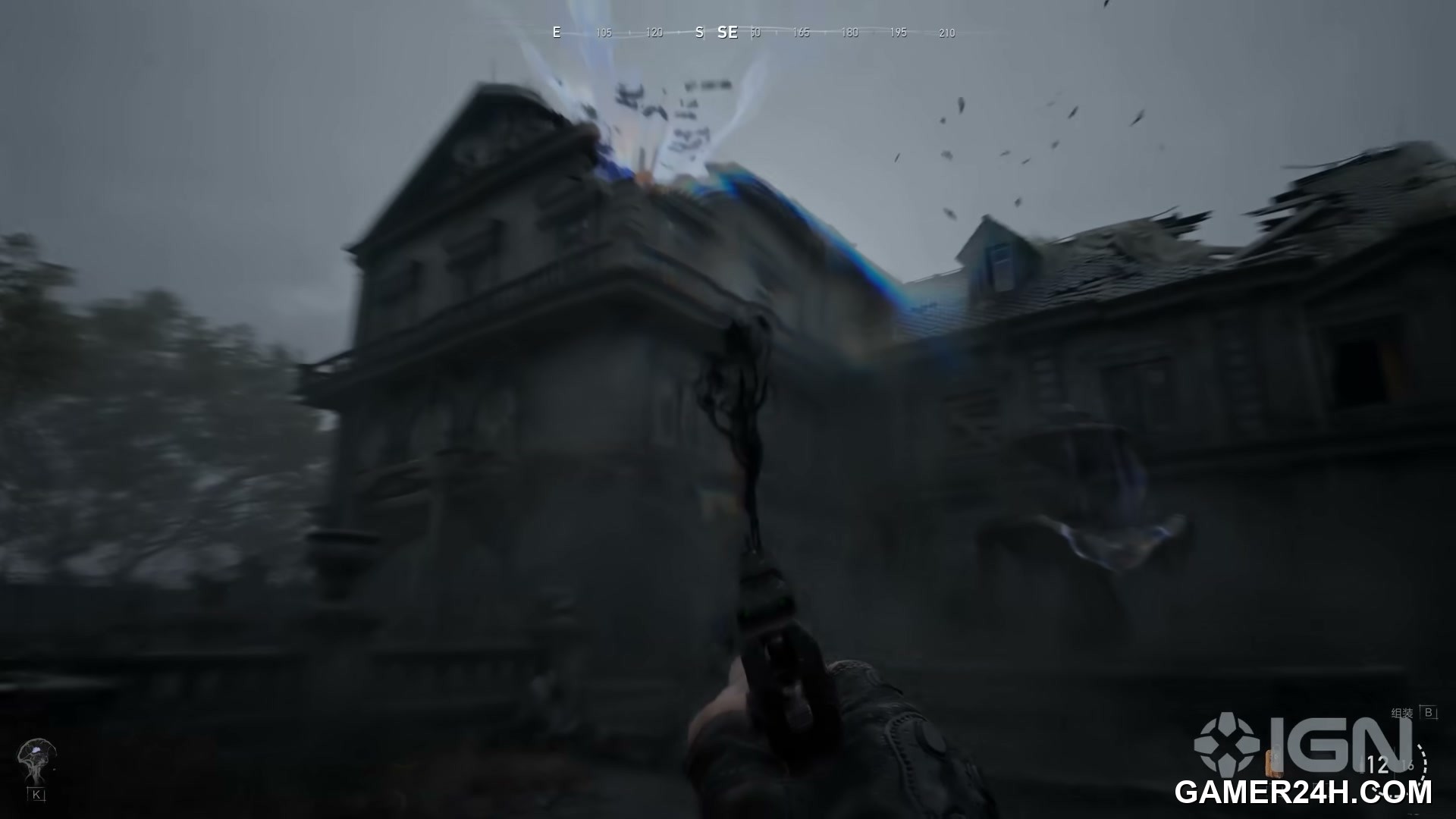
However, combat is not limited to traditional FPS mechanics; Project Spectrum introduces innovative gameplay elements that set it apart. The inclusion of portals—a concept borrowed from the game’s mysterious setting—allows players to create temporary gateways between different locations within a level. This mechanic can be used offensively by trapping enemies or defensively by escaping dangerous situations.
Moreover, the health and resource management systems are intricately balanced. Players must carefully manage their ammunition, gadgets, and health packs, as resources are limited and respawning is costly in terms of time and mission progress. This creates a sense of urgency that keeps players engaged and forces them to make strategic decisions under pressure.
Gameplay & Atmosphere Analysis: Portals and Tension
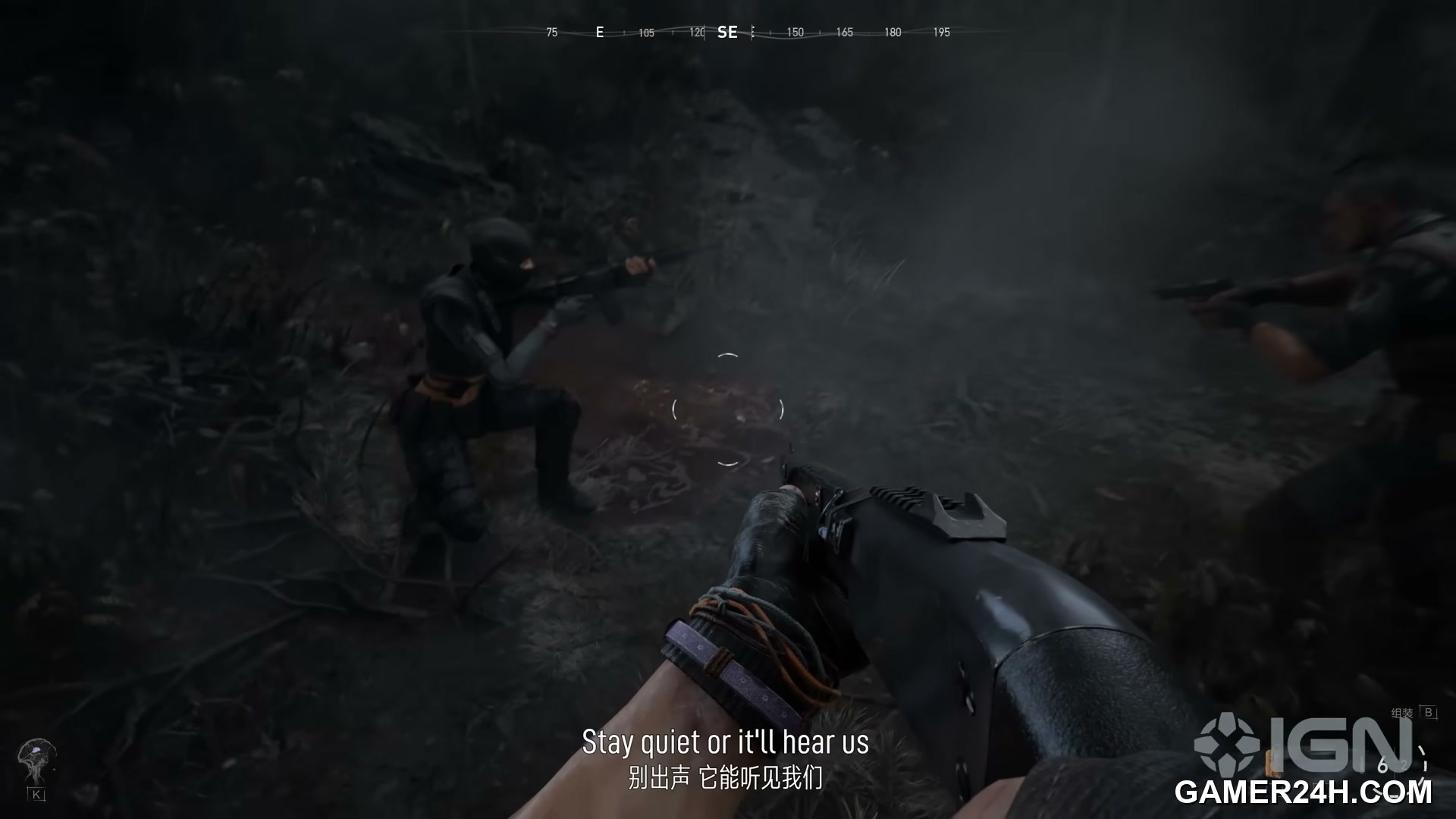
The gameplay mechanics in Project Spectrum are not just about combat; they also play a crucial role in building the game’s tense atmosphere. The introduction of portals is particularly noteworthy for its impact on both gameplay and narrative immersion. These portals serve as both strategic tools and plot devices, allowing players to explore interconnected levels that would otherwise be impossible to reach.
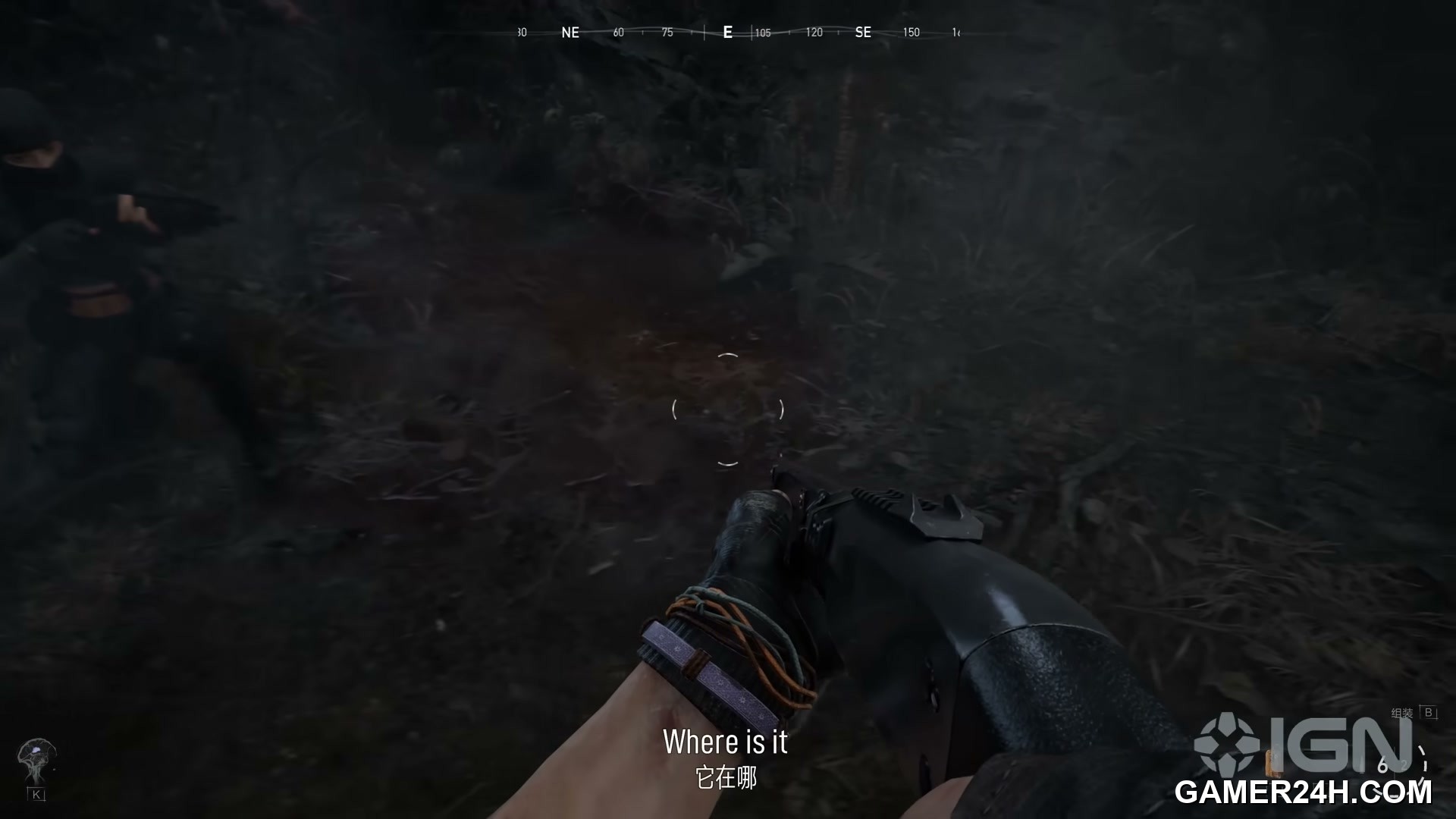
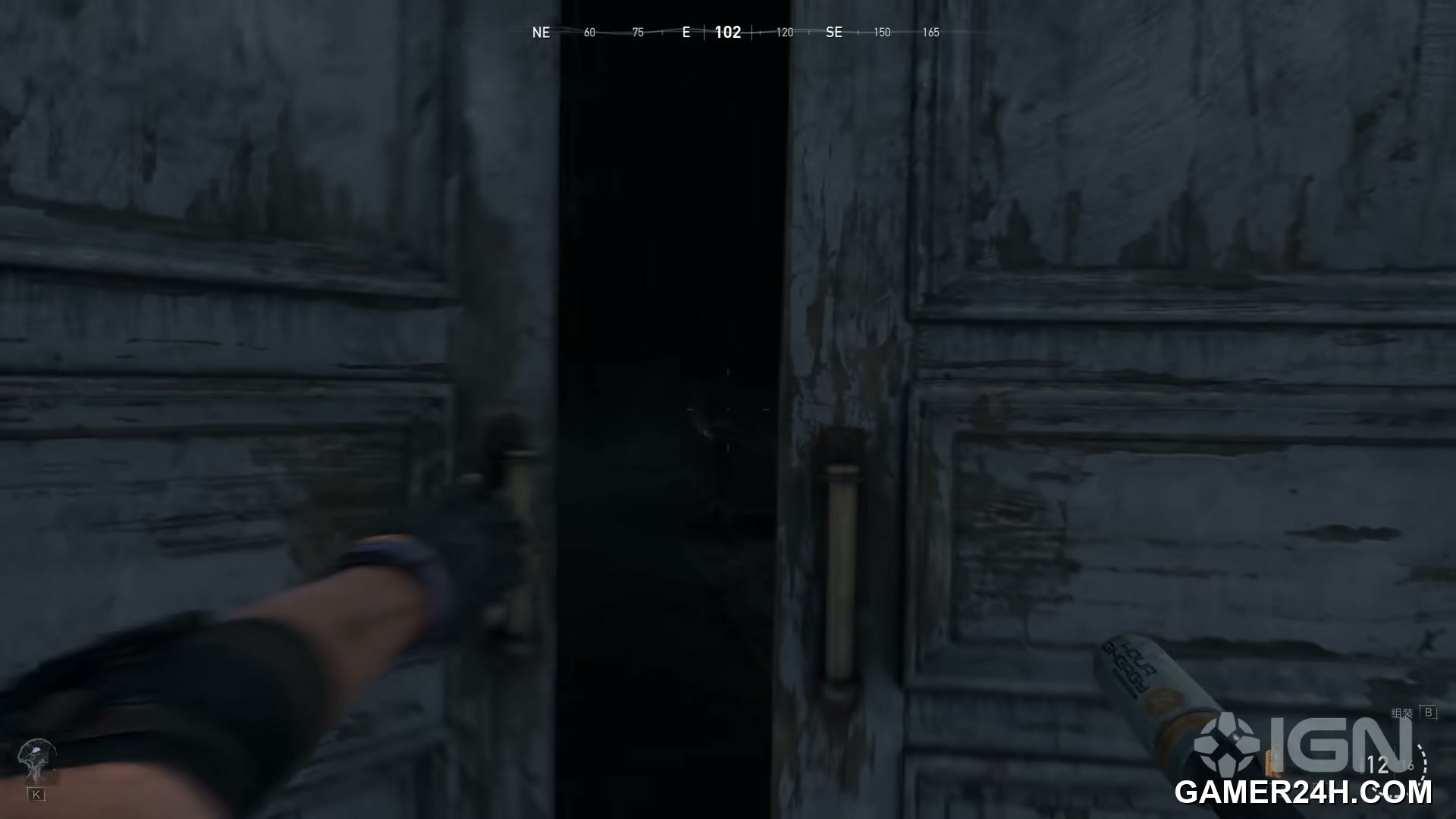
The atmosphere within Project Spectrum is meticulously crafted to enhance player engagement and emotional investment in Lucia’s story. From the eerie silence broken only by distant whispers or the sound of approaching footsteps to the sudden bursts of combat tension, every element contributes to a sense of unease and danger. The game’s narrative pacing, coupled with its visual design, ensures that players remain on edge as they navigate through each mission.
Portals not only facilitate gameplay but also deepen the mystery surrounding “The Architects.” As players use these portals more frequently, the true nature and extent of their influence become increasingly apparent, fueling curiosity and driving the story forward. This interplay between mechanics and narrative creates a cohesive experience where every action has consequences, blending stealth, exploration, and combat into a seamless whole.
Narrative & Characters: The Architects’ Mystery and Lucia’s Mission
Project Spectrum unfolds its story through a rich tapestry of characters whose motivations and backstories are intricately woven together. At the center of this narrative is Lucia, an ex-spy turned vigilante who embarks on a perilous journey to uncover the truth behind “The Architects,” a shadowy organization that wields immense power across the globe.
Lucia’s character development throughout the game is pivotal. She starts as a solitary figure driven by personal vendettas but evolves into someone fighting for broader justice and understanding of the world she inhabits. Her relationships with other characters, both allies and adversaries, further enrich her journey. Key among these are Agent Marcus, an old acquaintance from Lucia’s past who now works within The Architects’ ranks; and Dr. Elara Myles, a brilliant but conflicted scientist who may hold the key to unraveling The Architects’ secrets.
The narrative of Project Spectrum is characterized by its intricate plot twists and moral dilemmas. As players delve deeper into Lucia’s mission, they encounter ethical quandaries that challenge their perceptions of right and wrong. The game’s story does not shy away from exploring complex themes such as surveillance ethics, corporate corruption, and the fine line between heroism and vigilantism.
Acoustic Preservation / Audio Design: Sounds of Silence and Combat
The audio design in Project Spectrum is a critical component that elevates its immersive experience. The game employs a dynamic sound system where ambient noises like distant chatter or the creaking of wooden floors become significant indicators of enemy presence. This auditory feedback loop enhances player awareness, making stealth encounters even more nerve-wracking.
Combat sequences are equally impressive in their audio execution. Each weapon has a distinct and impactful sound profile that changes depending on the situation—whether firing from behind cover to reduce detection or engaging in close-quarters combat where every shot is louder due to the enclosed space. The use of directional audio helps players locate threats even when visibility is low, adding another layer of realism.
Beyond these technical aspects, Project Spectrum also incorporates a thoughtful sound design philosophy focused on acoustic preservation and environmental storytelling. Sounds within the game world are meticulously placed to reflect the setting’s atmosphere and historical context. For example, in an old industrial area, the hum of machinery or distant echoes contribute significantly to the immersive experience without overwhelming players with excessive noise.
Critical Reception: Expectations and First Impressions
As Project Spectrum approaches its release date, anticipation among gamers is at an all-time high. Early reviews have praised the game’s innovative gameplay mechanics, particularly the portal system which adds a unique twist to traditional stealth games. Critics also commend Team Jade’s commitment to visual fidelity and atmospheric storytelling, noting how these elements come together seamlessly to create an engaging narrative experience.
However, some initial feedback has pointed out potential issues with difficulty balancing, especially for newcomers unfamiliar with stealth-based gameplay. Additionally, while the game’s technical achievements are widely acknowledged, there is a desire among players for more variety in enemy types and combat scenarios to avoid repetitive encounters.
Despite these minor concerns, Project Spectrum is poised to make a significant impact on the gaming landscape. Its blend of stealth, tactical combat, and narrative depth positions it as a must-play title for fans of action-adventure games looking for something fresh and innovative.
Conclusion: The Vanguard of Next-Gen Action
Project Spectrum emerges not just as another entry in the FPS genre but as a pioneering work that sets new standards for stealth-based gameplay. Through its masterful use of Unreal Engine 5, engaging narrative, and groundbreaking mechanics like portals, Team Jade has crafted an experience that is both visually stunning and intellectually stimulating. As players step into Lucia’s shoes, they are invited to navigate complex moral landscapes while mastering the art of tactical espionage.
With Project Spectrum, gamers can look forward to a game that challenges conventions, pushes technological boundaries, and promises to leave a lasting impression on the gaming industry. Whether you’re drawn in by its sleek visuals, intricate storylines, or innovative gameplay mechanics, there’s no denying that Project Spectrum stands at the forefront of next-generation action games.