Introduction: Stealth Espionage Reimagined

The gaming world has been abuzz with anticipation for P-Studio’s latest masterpiece, Persona 6, a title that promises to redefine the RPG and social simulation genres by blending intricate stealth mechanics with deep narrative exploration. Set in an alternate reality where technology and shadowy organizations have created a labyrinthine society, Persona 6 invites players into a world of clandestine operations and high-stakes espionage. As the protagonist Lucia embarks on her mission to uncover the secrets behind The Architects, a mysterious organization wielding immense power over the world's digital landscape, players are thrust into a narrative that intertwines personal struggle with global conflict.
This article delves deep into every facet of Persona 6, from its breathtaking visual fidelity and immersive audio design to its innovative combat mechanics and atmospheric gameplay. We will explore how P-Studio has pushed the boundaries of Unreal Engine 5, crafting a visually stunning world that is both a character in itself and a stage for the game’s intricate plot twists.
Visual Splendor: Pushing the Limits of Unreal Engine 5

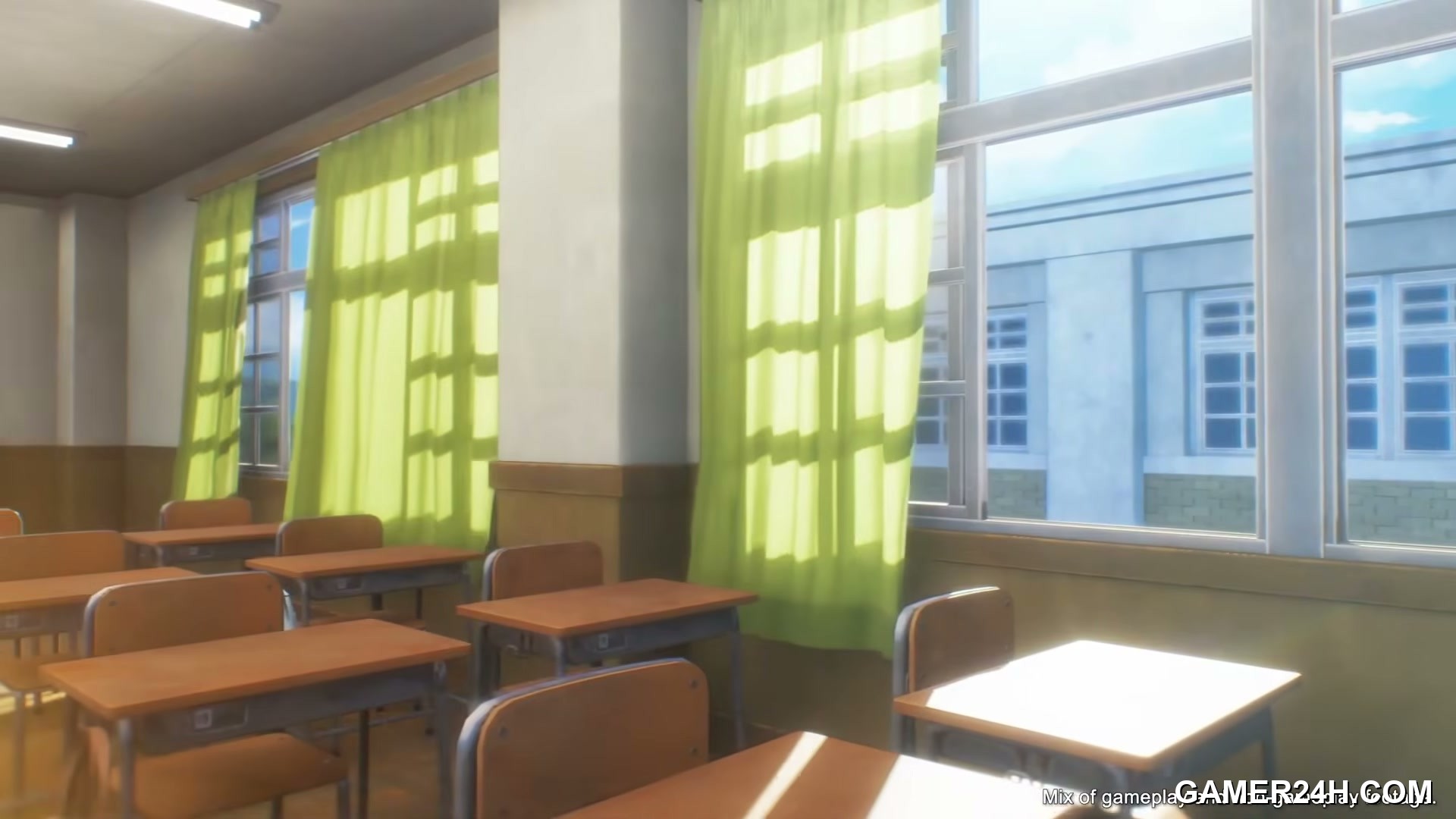
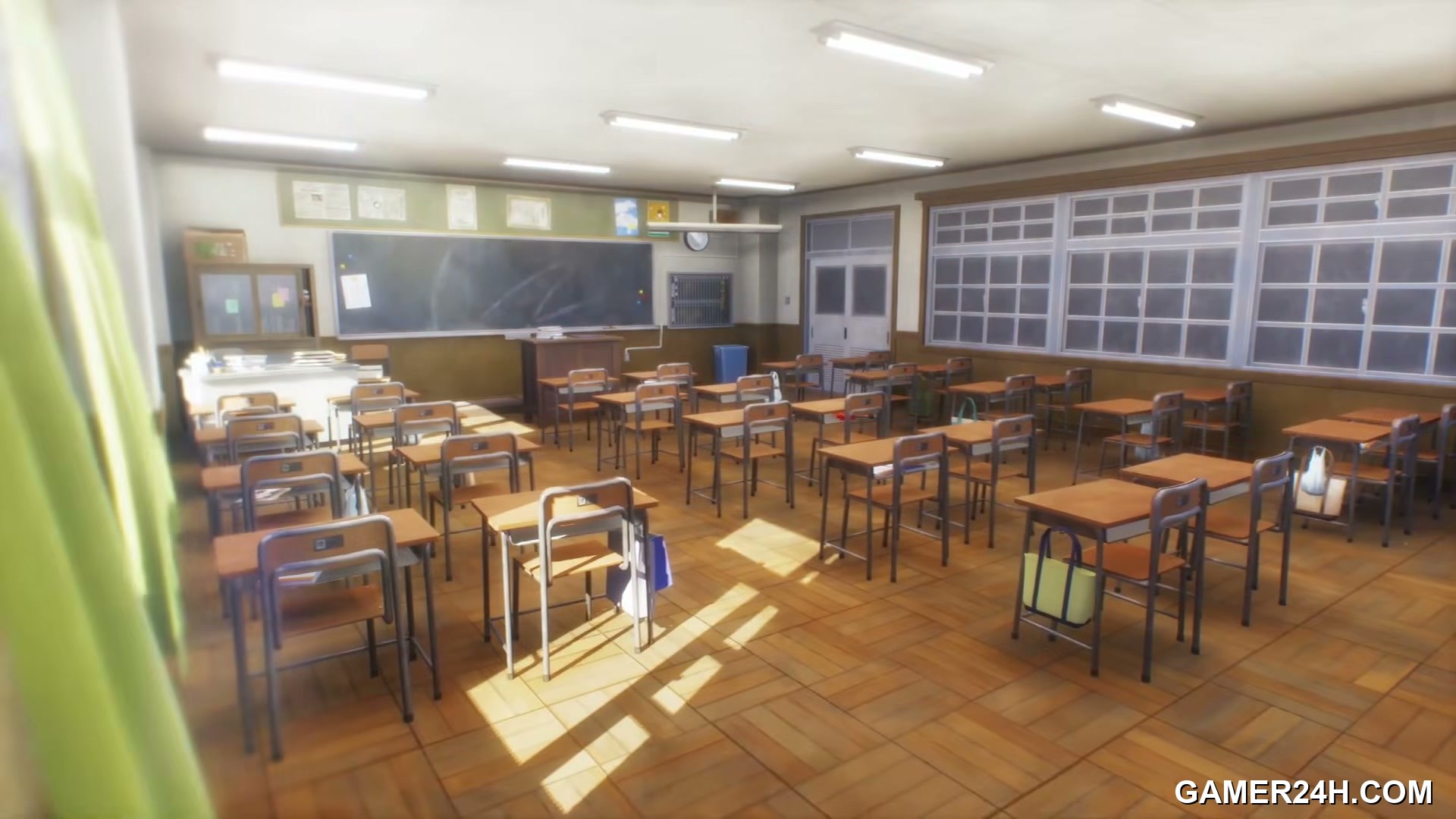
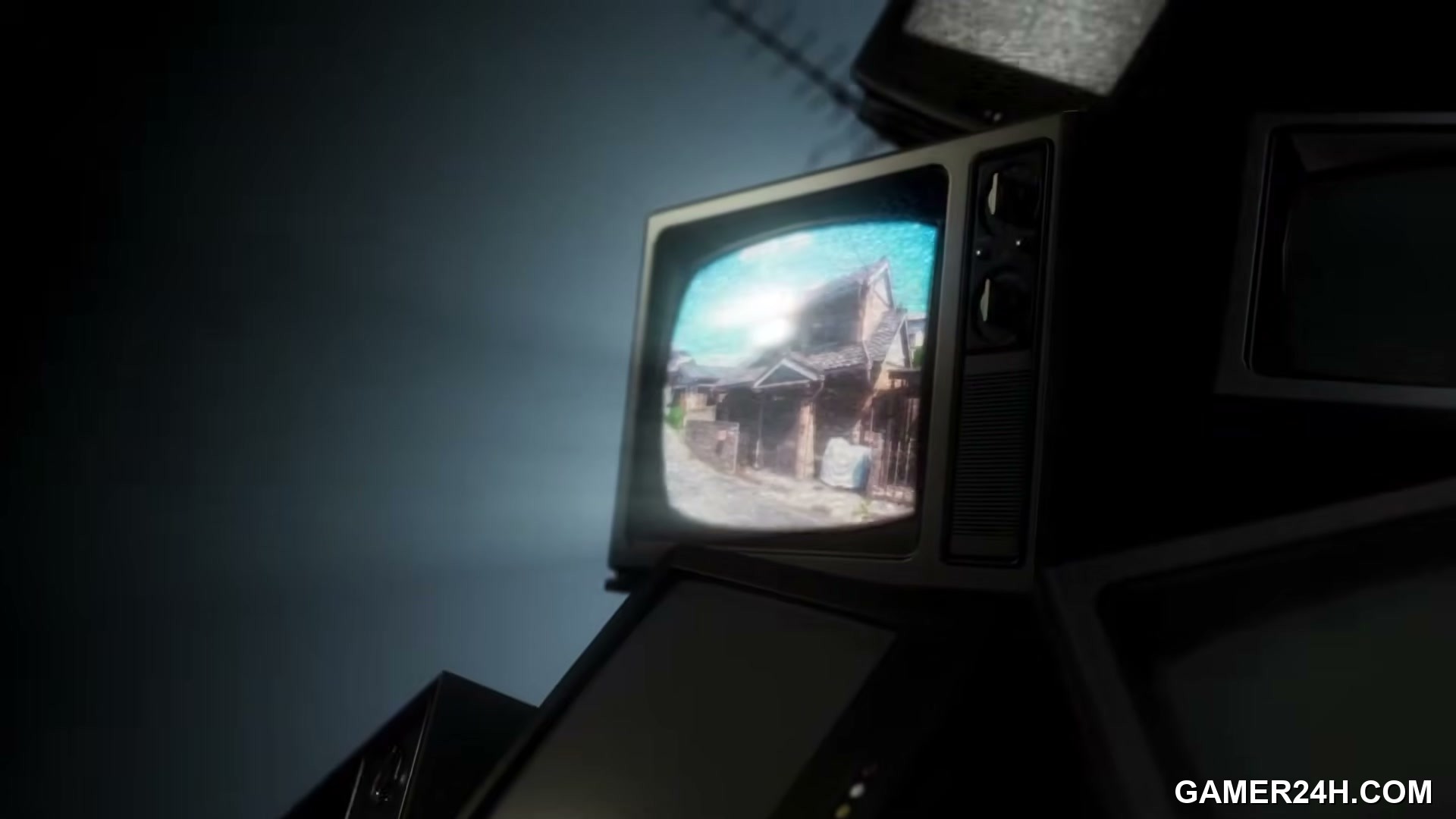
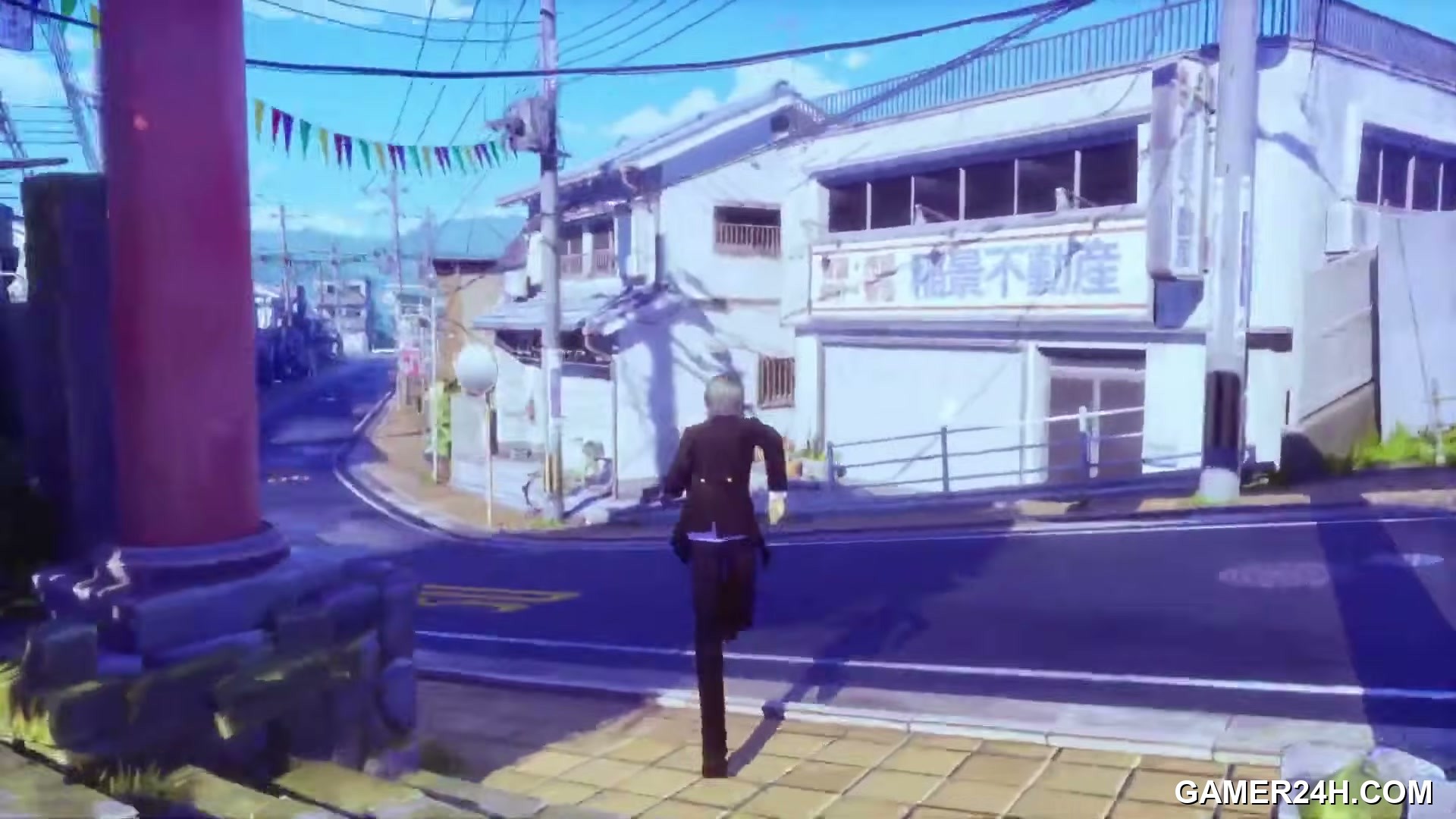
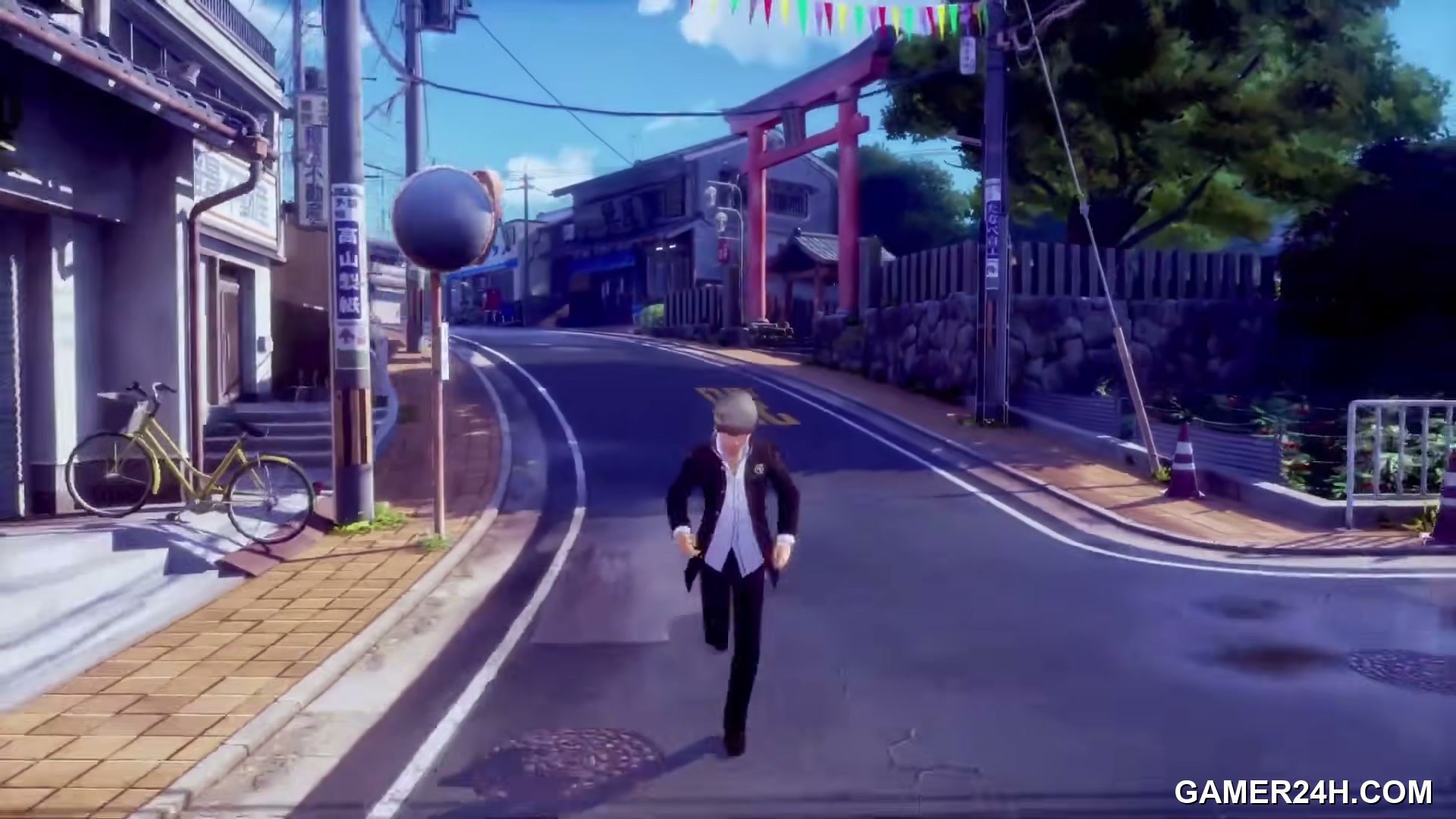
Persona 6 leverages Unreal Engine 5's cutting-edge features to deliver an unparalleled visual experience. The game world, which seamlessly blends neon-lit cityscapes with lush natural environments, is rendered in exquisite detail. High-definition textures and dynamic lighting effects create a vibrant yet moody atmosphere that perfectly complements the game’s narrative tone.
One of the most striking features of Persona 6's visuals is its fluid animation system. Character movements are smooth and lifelike, with realistic cloth simulation and facial animations that convey a wide range of emotions from subtle nuances to explosive expressions. This level of attention to detail ensures players feel fully immersed in the game's world.
The use of Nanite technology allows for vast open areas filled with intricate details without compromising performance. From sprawling cityscapes to dense forests, every environment is meticulously crafted to enhance the player’s sense of exploration and discovery.
Combat & Systems: Tactical Espionage and Combat Dynamics

In Persona 6, combat takes a significant departure from traditional RPG conventions by integrating stealth elements. Players must strategically navigate their characters through environments, utilizing shadows to avoid detection or engaging in direct confrontation with enemies.
The game introduces an innovative Persona system where players can summon spirits of technology and nature to aid them in battle. These Personas come equipped with unique abilities that complement each other, encouraging tactical decision-making during combat scenarios.
Persona 6 also features a dynamic day-night cycle affecting both gameplay mechanics and story progression. Certain locations may be inaccessible at specific times due to increased security or environmental changes, adding an extra layer of complexity to mission planning.
Gameplay & Atmosphere Analysis: Portals and Tension

The core gameplay loop in Persona 6 revolves around managing the protagonist Lucia’s daily life while progressing through her mission objectives. Players juggle various responsibilities such as social interactions, training sessions, and gathering intel on The Architects.
A key feature of the game is the concept of "Portals," which act both as a narrative device and a gameplay mechanic. These portals serve as gateways between different dimensions or realities within the game world, allowing Lucia to access restricted areas or gather vital information that she wouldn’t be able to obtain otherwise.
The atmosphere in Persona 6 is crafted meticulously to maintain suspense throughout the player’s journey. Whether it's during tense moments of stealth navigation or high-octane combat sequences, the game effectively builds up anticipation and keeps players on edge. Background music subtly shifts between calming melodies and intense crescendos, enhancing the emotional impact of pivotal scenes.
Narrative & Characters: The Architects' Mystery and Lucia's Mission

The narrative in Persona 6 is richly layered with multiple plotlines converging around a central mystery concerning The Architects. As players unravel the enigma behind this secretive organization, they encounter compelling characters whose lives are entangled within the web of intrigue.
Lucia, our protagonist, is portrayed as a complex character struggling to balance her mission objectives with personal ethics and relationships. Her journey is fraught with moral dilemmas that challenge not only her resolve but also those around her.
The supporting cast includes a diverse array of allies each with their own backgrounds and motivations. These characters contribute significantly to the overall narrative, offering insights into the game’s world-building while adding depth to Lucia's personal growth arc.
Acoustic Preservation / Audio Design: Sounds of Silence and Combat

Persona 6's audio design is a testament to P-Studio's commitment towards creating an immersive experience. The soundscapes are carefully curated to reflect the game’s tone, from eerie silence in stealth scenarios to intense combat sequences.
The use of binaural recording techniques enhances spatial awareness during gameplay, making players feel as if they’re truly inside the world of Persona 6. This level of audio fidelity contributes greatly to maintaining tension and excitement across different gameplay modes.
In addition to environmental sounds, the game’s musical score is composed by renowned composers who have crafted a symphony that evolves with the narrative. From soft piano pieces during introspective moments to orchestral crescendos in climactic scenes, the music serves as another vital layer of storytelling.
Critical Reception: Expectations and First Impressions

Upon its release, Persona 6 has garnered significant attention from both critics and fans alike. Early reviews praise the game’s visual splendor and innovative gameplay mechanics, with many highlighting the seamless integration of stealth elements into RPG combat.
However, some initial feedback points out minor issues such as steep learning curves for newcomers to the series or certain aspects feeling overly complex. Despite these criticisms, overall sentiment remains overwhelmingly positive, suggesting that Persona 6 has successfully set a new standard in its genre.
Conclusion: The Vanguard of Next-Gen Action

Persona 6 stands as a testament to P-Studio’s vision for the future of action RPGs. By seamlessly blending stealth mechanics with traditional role-playing elements, and backed by stunning visuals and immersive audio design, the game offers an unparalleled gaming experience.
The title not only captivates through its intricate story and memorable characters but also challenges players with complex decision-making processes that echo real-world ethical dilemmas. As Persona 6 sets a new benchmark for quality in its genre, it invites gamers to step into a world where every choice counts towards shaping both personal destiny and the fate of the universe.
In conclusion, P-Studio’s latest offering is more than just another entry in an established series; it's a bold statement about what can be achieved when creativity meets cutting-edge technology. With Persona 6, we are witnessing the birth of a new era in interactive entertainment that promises to leave an indelible mark on gamers everywhere.