
For more than thirty years, Bandai Namco has cultivated a distinctive identity with its Ace Combat series, steering clear of tedious manuals and arcade gimmicks to deliver a soaring experience that makes players feel like the planet’s top fighter pilot.
From its inception, Ace Combat has promised a fantasy of blistering speeds, storm‑piercing runs, squadron‑sweeping strikes, and war‑shaping maneuvers—all underscored by a rousing orchestral soundtrack. This unique blend of simulation and arcade flair has set a high bar that few have matched, and none have truly duplicated.
After spending an entire afternoon playing Ace Combat 8: Wings of Theve in Los Angeles and speaking with series producer Kazutoki Kono, it’s clear that the upcoming title isn’t about reinventing the wheel. Instead, it aims to refine and elevate the franchise to new heights.
All signs point to the forthcoming installment becoming one of the finest entries in Ace Combat history, promising to deliver an even more immersive and exhilarating aerial combat experience.
From the very first take‑off, a surprising shift caught our attention: the aircraft now carry real weight. It may sound trivial, but the difference is palpable within seconds. Fighter jets no longer react with the instant snap of previous releases; instead, each maneuver carries a subtle inertia, demanding more anticipation and refined control as the plane lags a fraction of a second before responding.
In the opening minutes we even over‑corrected some turns out of habit, but as the session progressed we began to grasp the team’s intent: a deliberate pursuit of realism. This is a bold move for a franchise that has traditionally favored arcade‑style flight dynamics.
According to lead designer Kono, the goal was to give each aircraft a distinct flight signature. Weight, acceleration, control responsiveness, and inertial feel were all fine‑tuned individually, ensuring every machine possesses its own unique personality.
The outcome is a flight model that retains the approachable charm of Ace Combat while adding a layer of authenticity. It remains an arcade shooter—accessible, wildly exhilarating, and visually stunning—yet it now better conveys the sensation of piloting a multi‑tonne, supersonic machine.
Ace Combat has always been known for its visual ambition, but Wings of Theve takes that promise to a new level. The shift to Unreal Engine 5 unlocks richer environments, more detailed characters, atmospheric effects, and lighting that feels genuinely realistic. Yet the game’s most striking visual feature is its cloud system.
Bandai Namco has engineered a proprietary technology called Cloudly, crafted specifically to generate dynamic, volumetric cloud formations. Beyond mere aesthetics, these clouds influence gameplay: passing through a dense cloud triggers raindrops that batter the cockpit, reduces visibility, and alters the surrounding environment. Different cloud types even convey tactical information—heavy rain droplets indicate lower altitude, for instance.
Kono explained that Ace Combat 8’s goal extends beyond simply painting prettier skies than its predecessor; the intention is to transform them into a tactical tool that adds strategic depth without compromising the series’ signature arcade pace. The visual payoff is breathtaking—flying through a storm while dozens of missiles streak across the sky is a visceral reminder of why this franchise remains distinctive.
The narrative of Wings of Theve introduces a fresh protagonist within the Strangereal universe. Rather than starting as a legend, players assume the role of a pilot who inherits the mantle of “Wing of Theve,” a propaganda figure engineered to galvanize the war effort. This symbol is meticulously crafted for social media impact, more than a genuine hero.
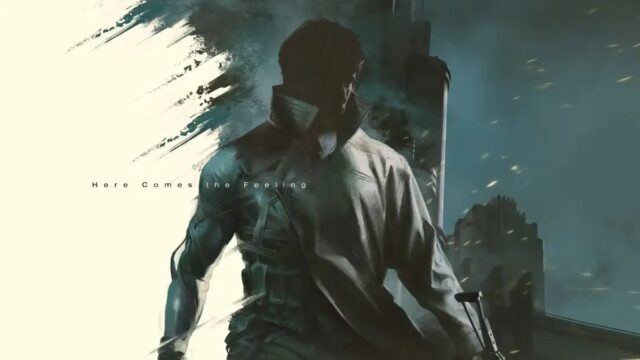
Bring life to the legend, transform myth into reality. This is the call for the latest installment of the acclaimed gaming franchise, where human connections and emotional impact take center stage.
The return of Sunao Katabuchi as the game’s historical director seems to be significantly influencing the narrative direction. According to the development team, the primary theme of this release is “soul connection.” The story focuses on human relationships, the bonds formed during conflict, and how individuals affect each other in times of war. This is evident in the new cast of characters that accompany you.
One of the most interesting novelties of this installment are the new first-person sequences from the protagonist’s perspective. It is here that the power of Unreal Engine 5 truly shines, with characters appearing more detailed, expressive, and believable than in previous releases. These scenes aim to enhance immersion and allow players to feel the pressure of leading a squadron during wartime more directly.
Beyond visual spectacle, these sequences also serve as a narrative vehicle to build relationships with your flying companions, understand their personalities, motivations, and fears. Making tough decisions on the battlefield carries a different weight when you’ve seen your allies face-to-face, shared moments with them, and come to know them as individuals. This direction aligns perfectly with the central theme of the story, soul connection, promising to add an emotional charge to each mission.
News Source: Levelup



Comments
Be the first to comment.