Visual Splendor: Pushing the Limits of Unreal Engine 5
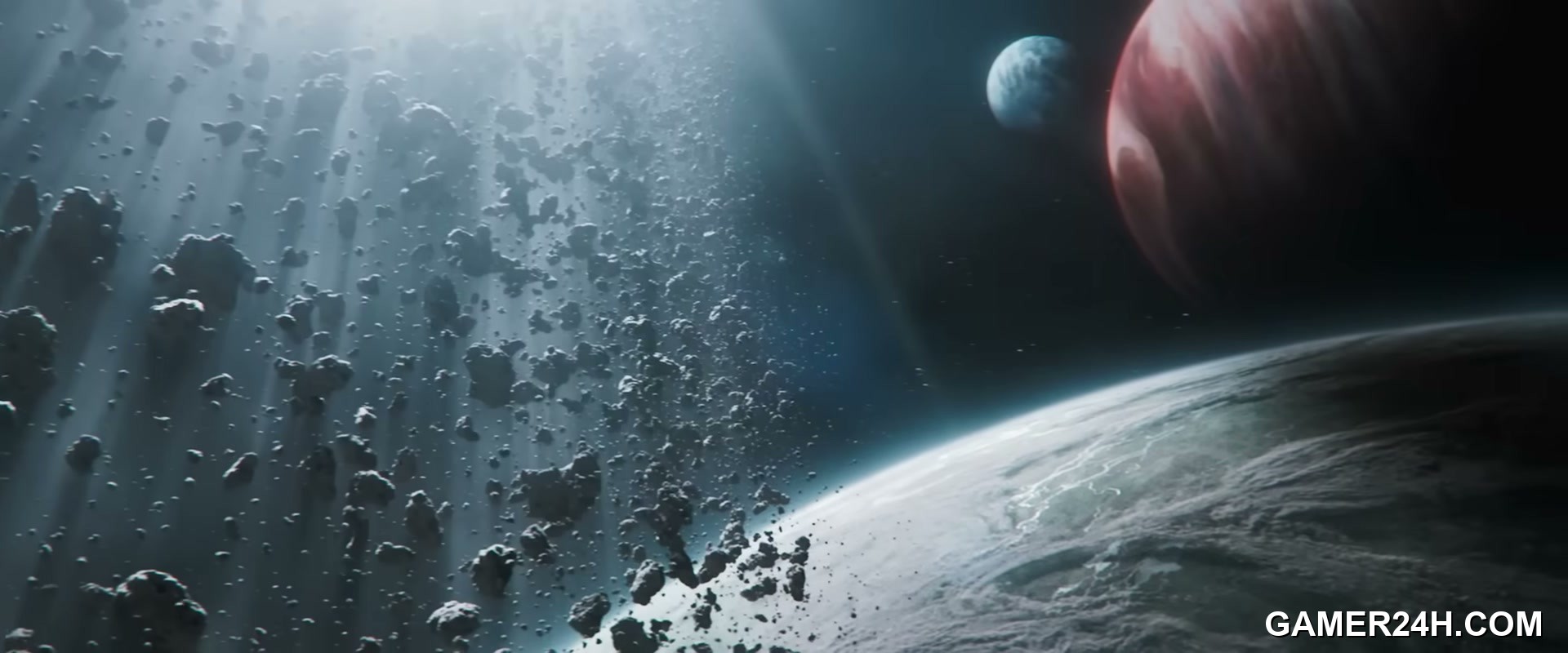
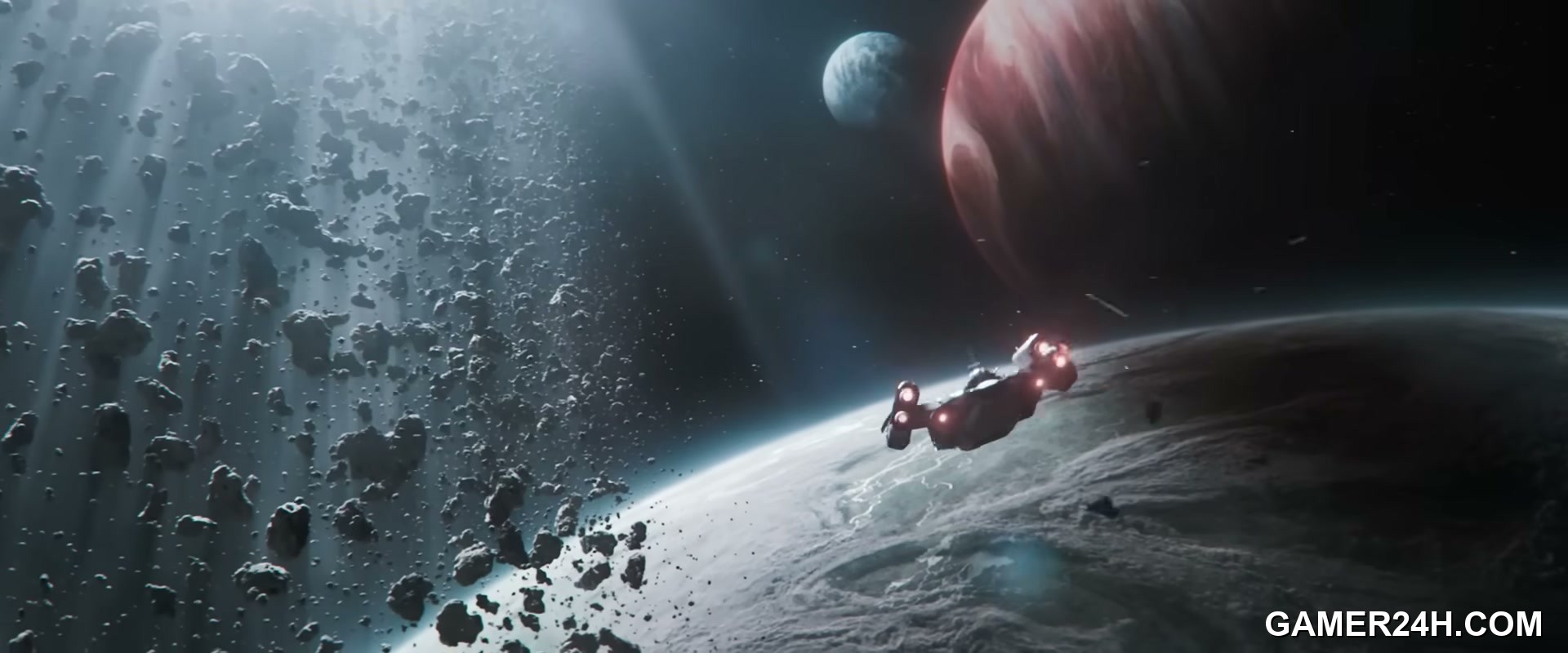
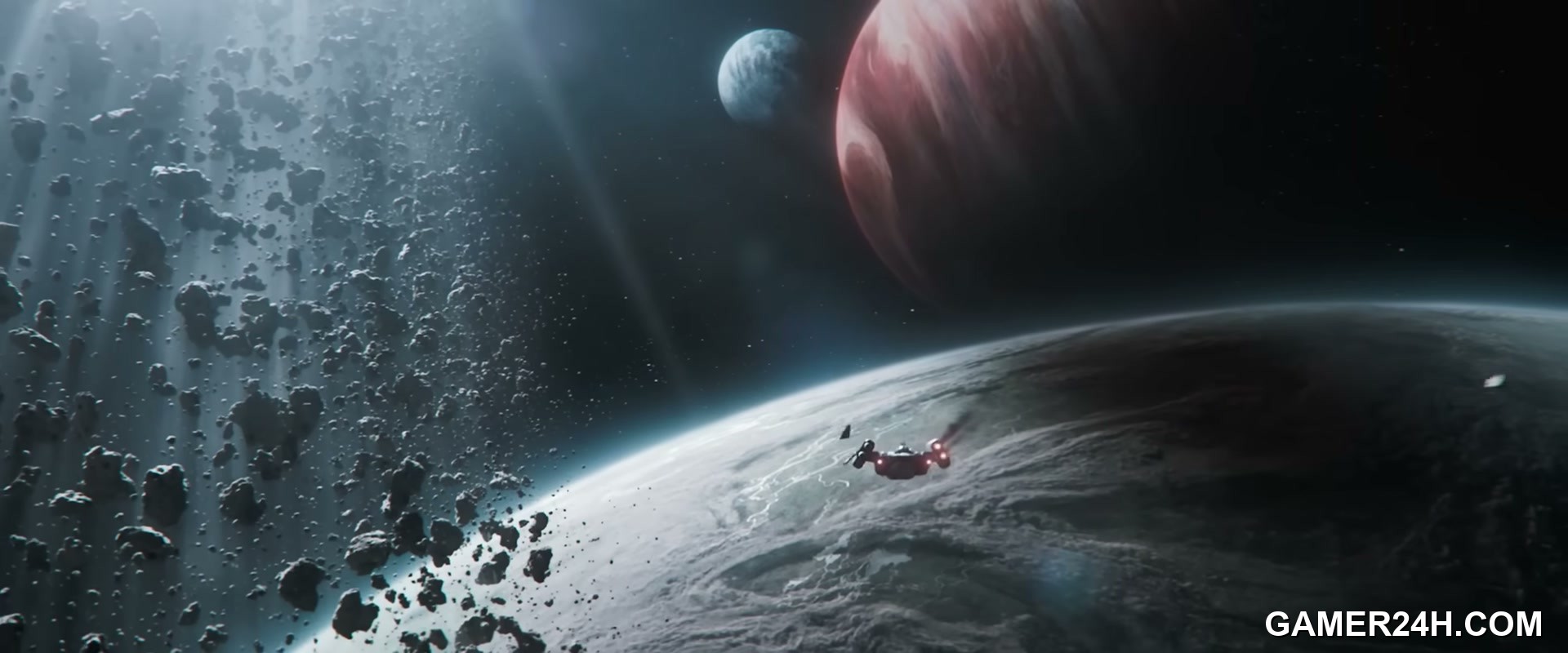
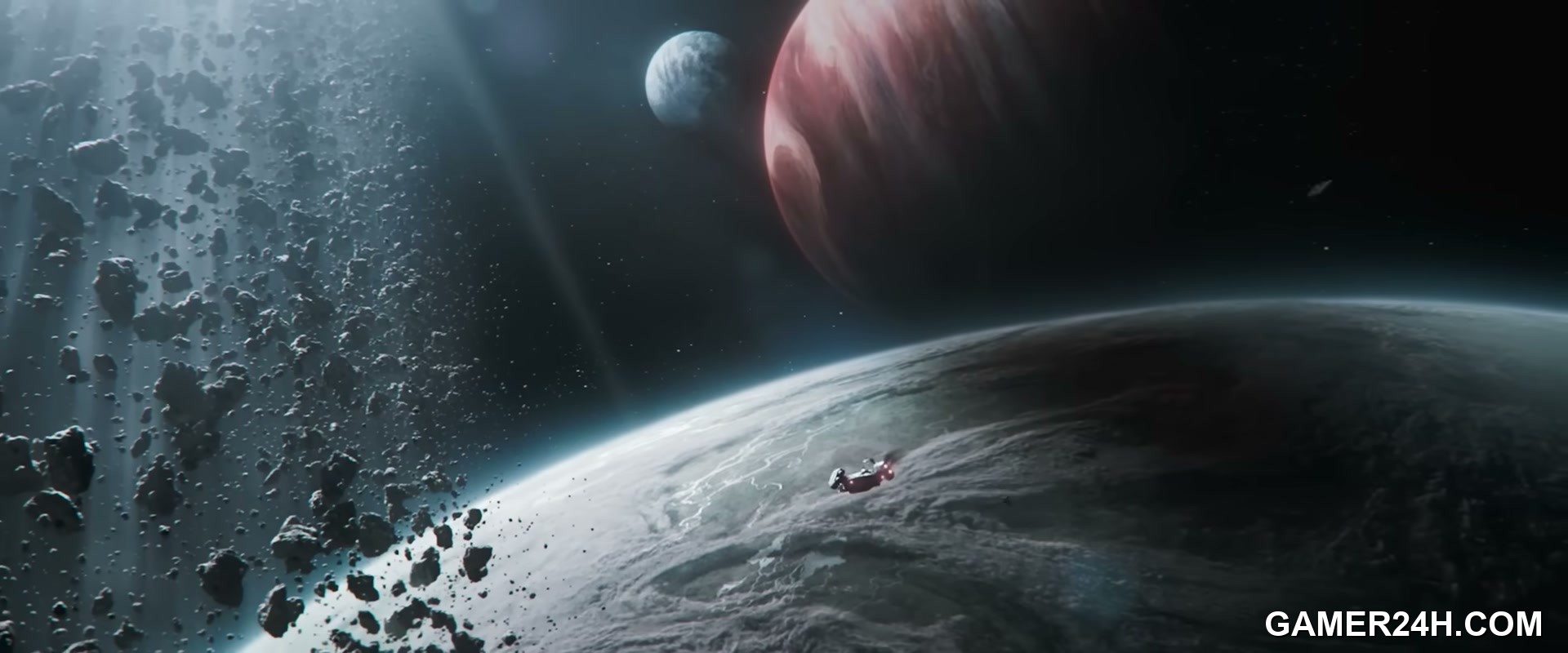
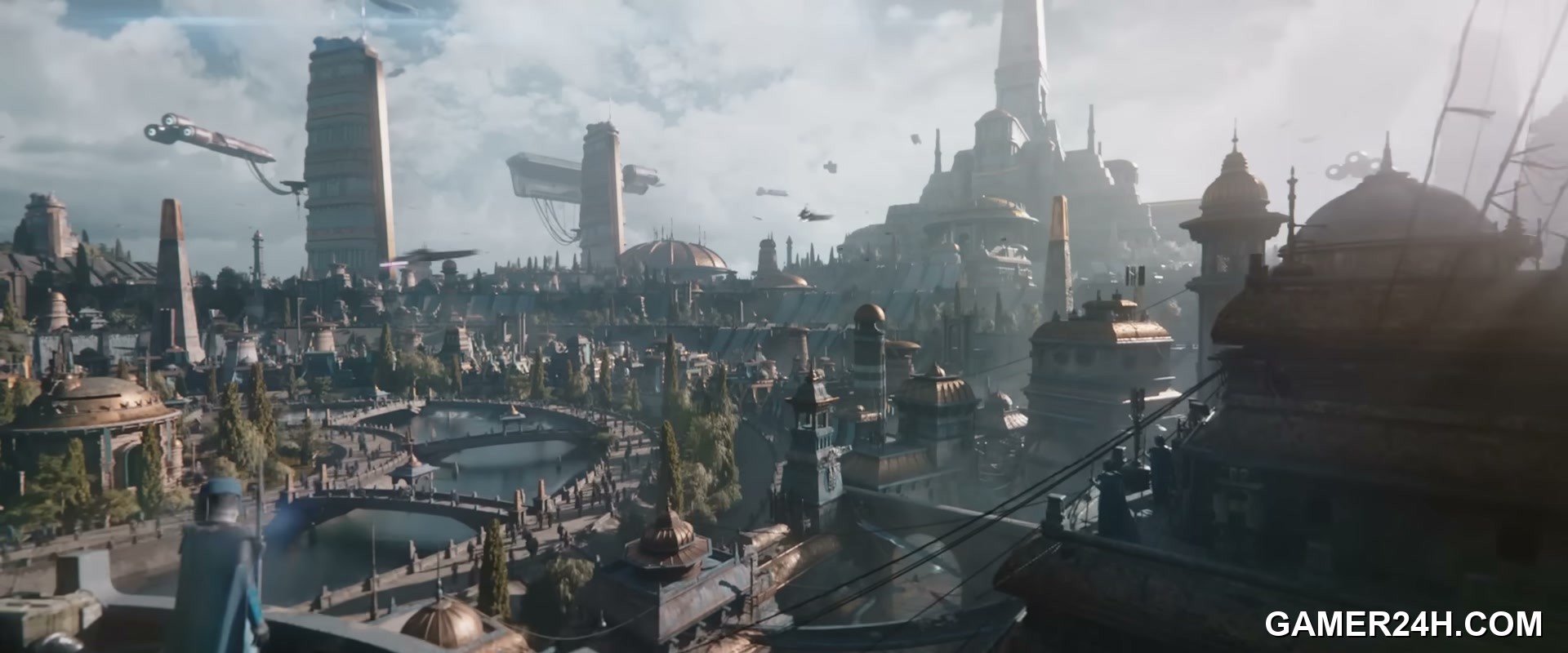
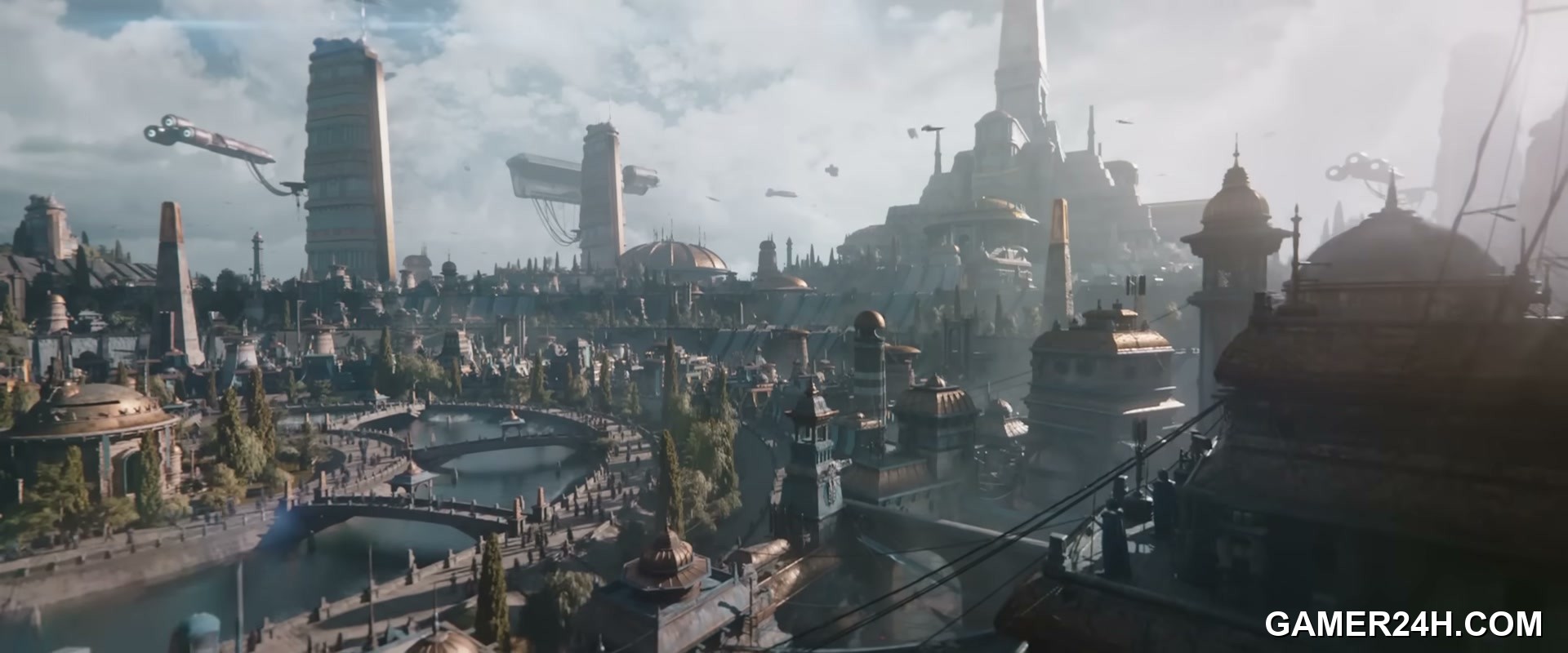
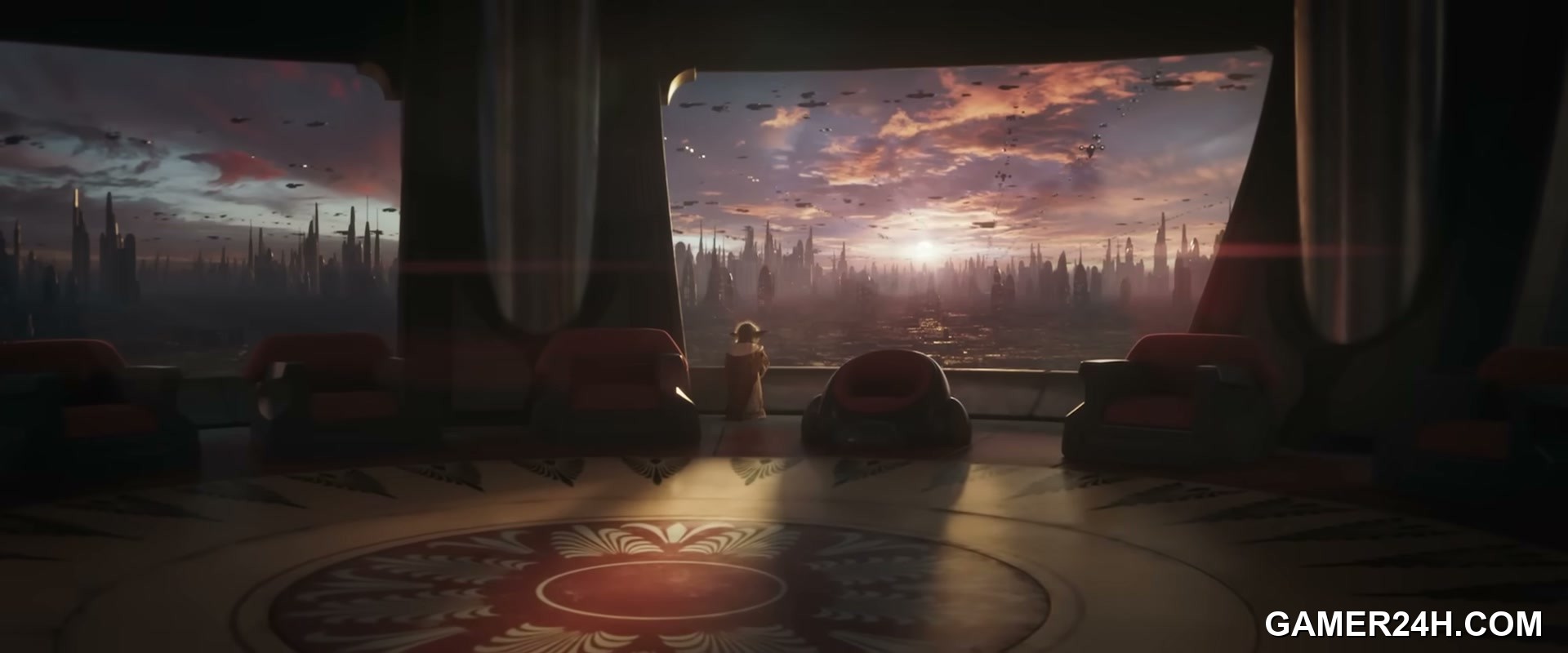
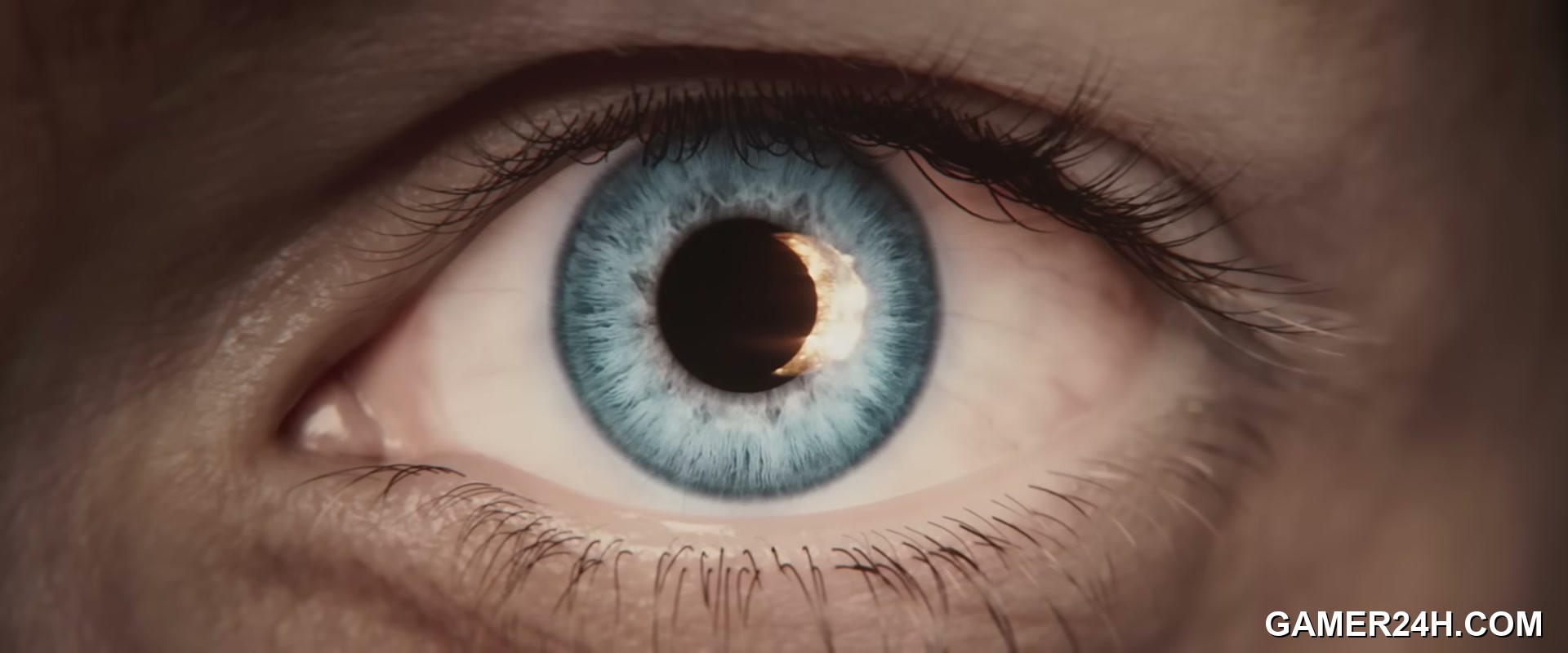
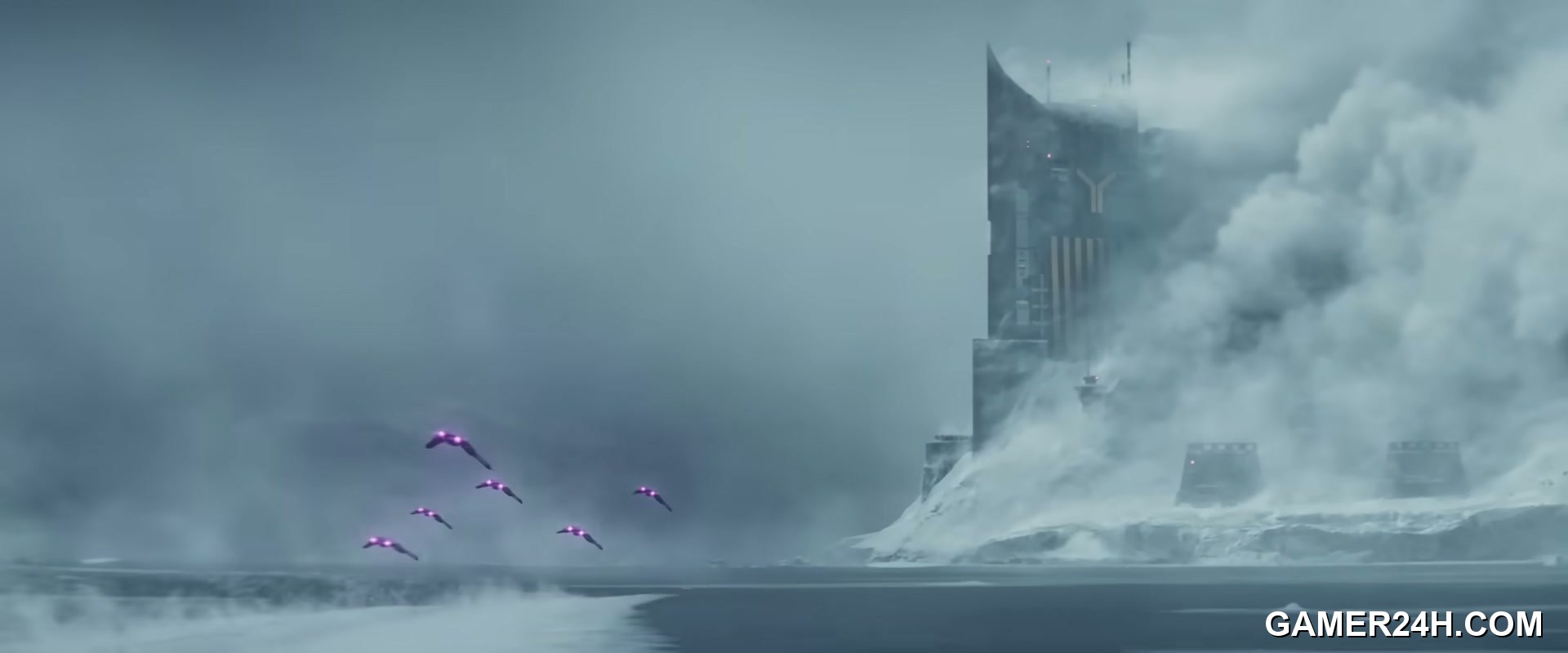
In an era where graphical fidelity has become almost synonymous with gaming excellence, “The Last Hour of an Epic TO THE MOON RPG” stands out not just for its narrative depth but also for its visual splendor. Developed by Freebird Games, this adventure title pushes the boundaries of what Unreal Engine 5 can achieve in terms of realism and aesthetic beauty. The game’s world is a meticulously crafted blend of dark, moody environments and vibrant, detailed character models that immerse players in a narrative-driven experience.
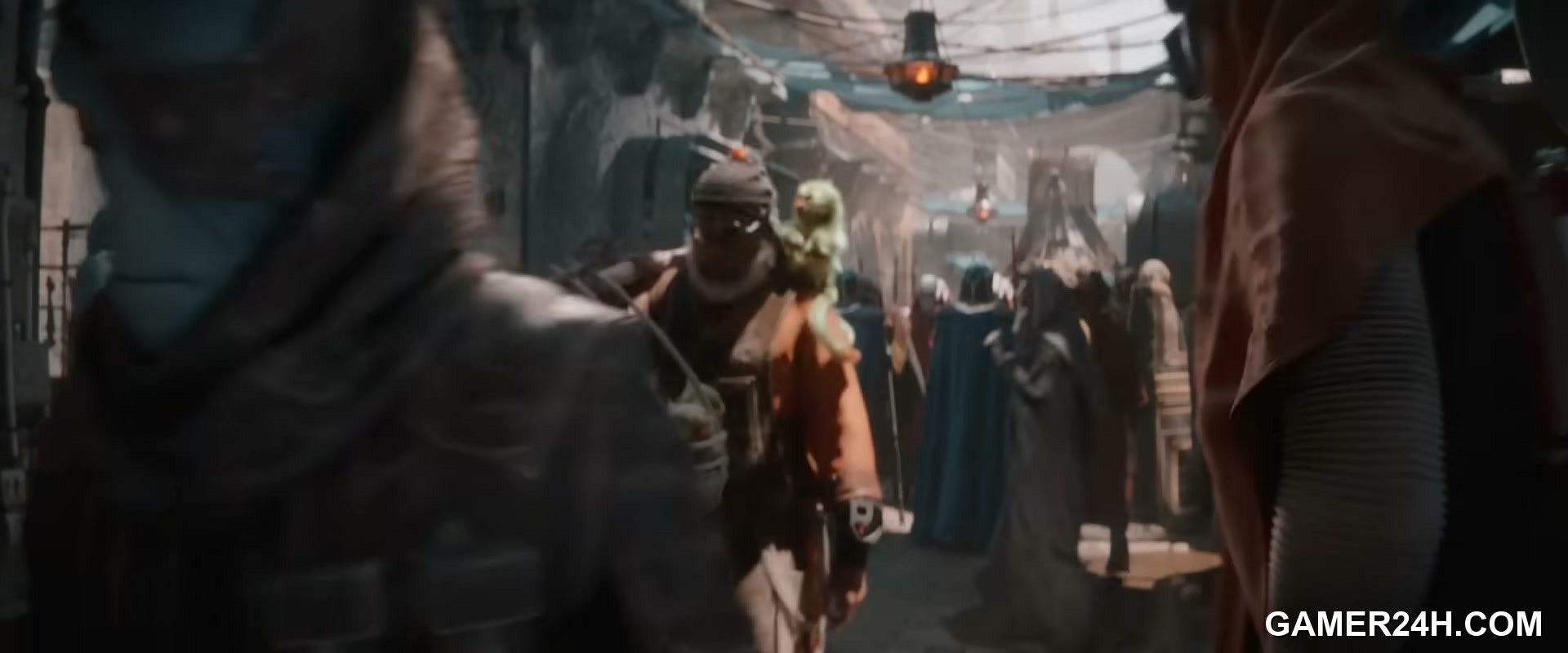
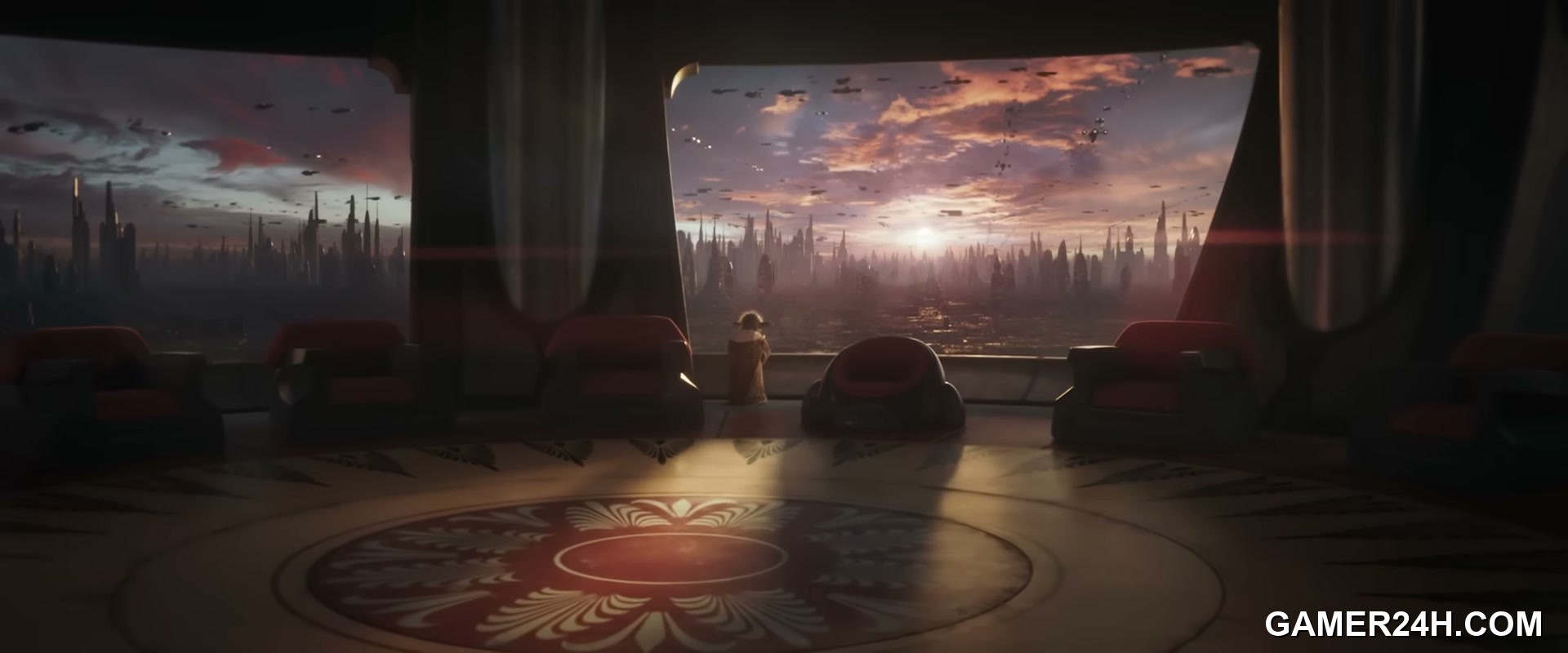
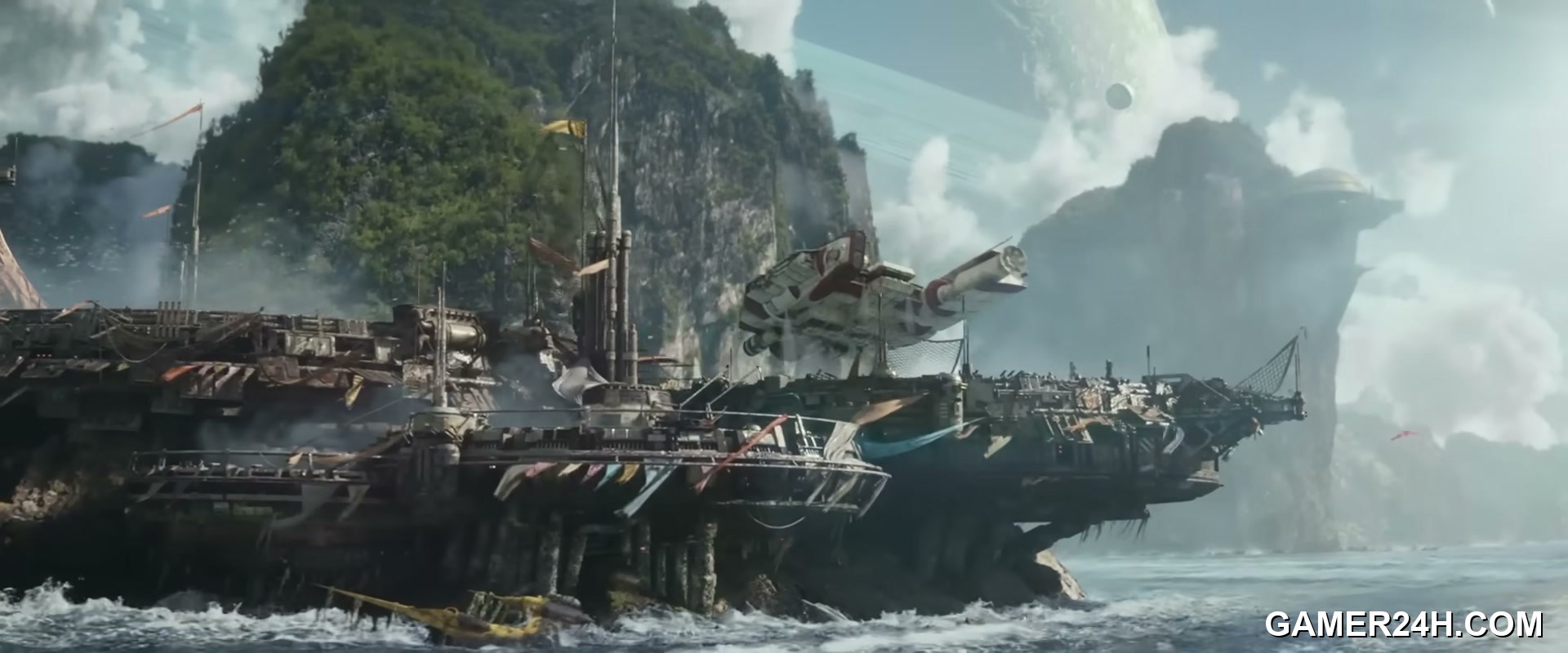
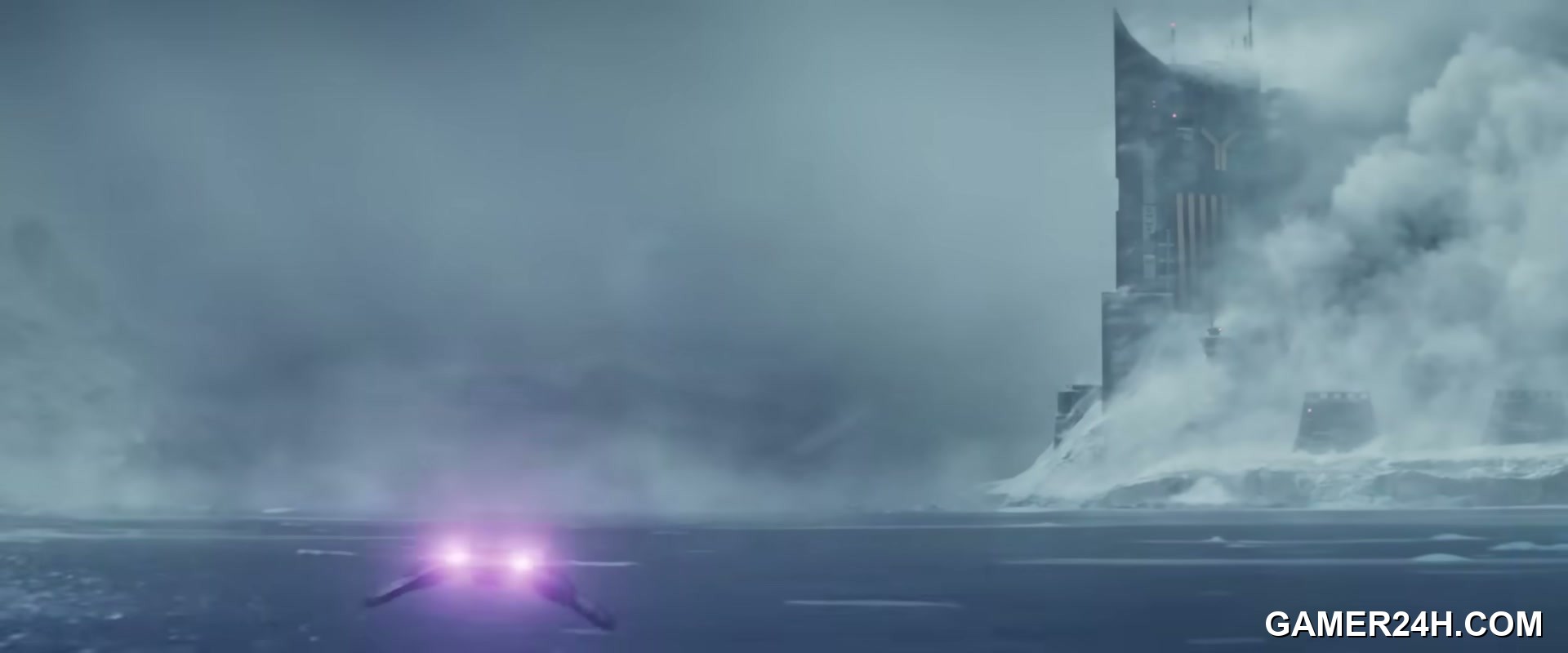
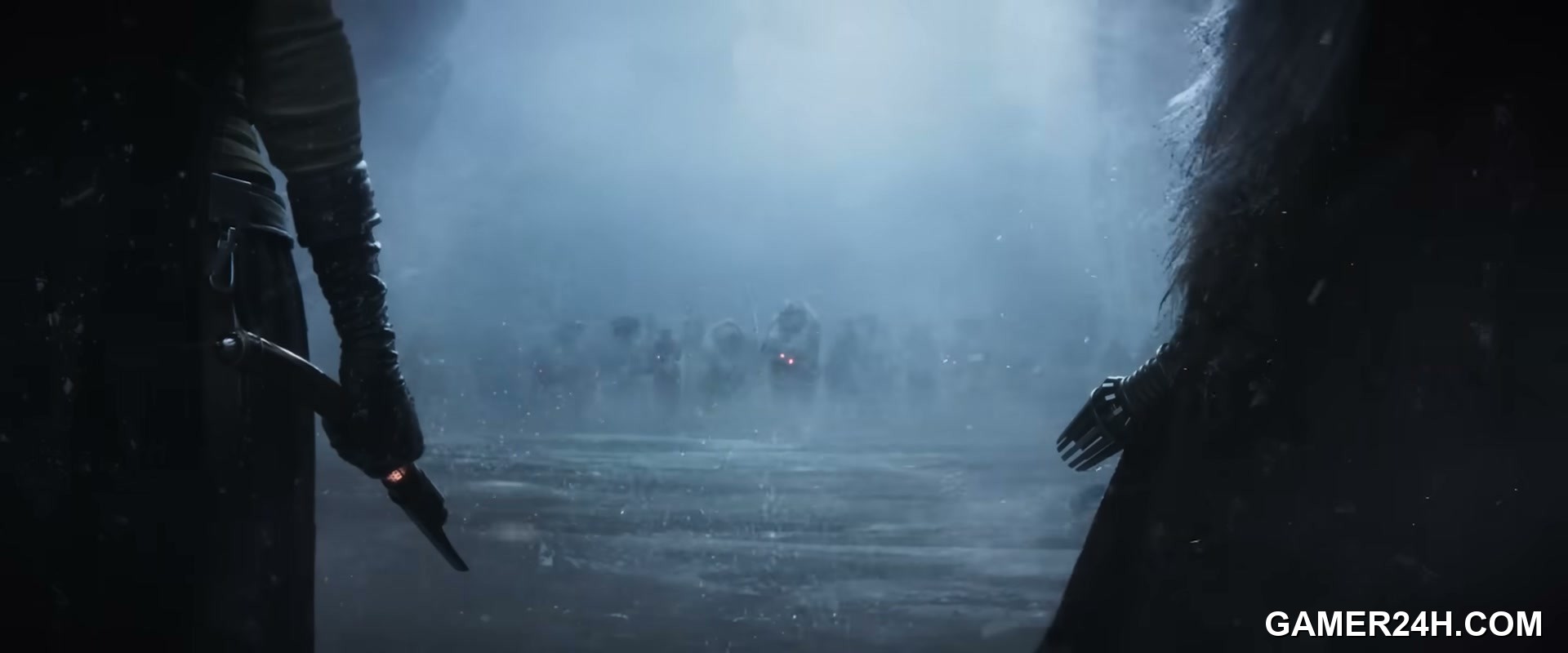
Utilizing the cutting-edge technology offered by Unreal Engine 5, “The Last Hour” excels in its dynamic lighting and shadow effects, creating an atmosphere that is both hauntingly beautiful and emotionally resonant. The engine’s Nanite virtualized geometry allows for stunningly detailed environments without performance penalties, ensuring players can explore every nook and cranny of the game world with ease. From the rain-soaked streets of a dystopian cityscape to the sun-drenched forests where shadows play tricks on the mind, each scene is crafted to draw you into its narrative.
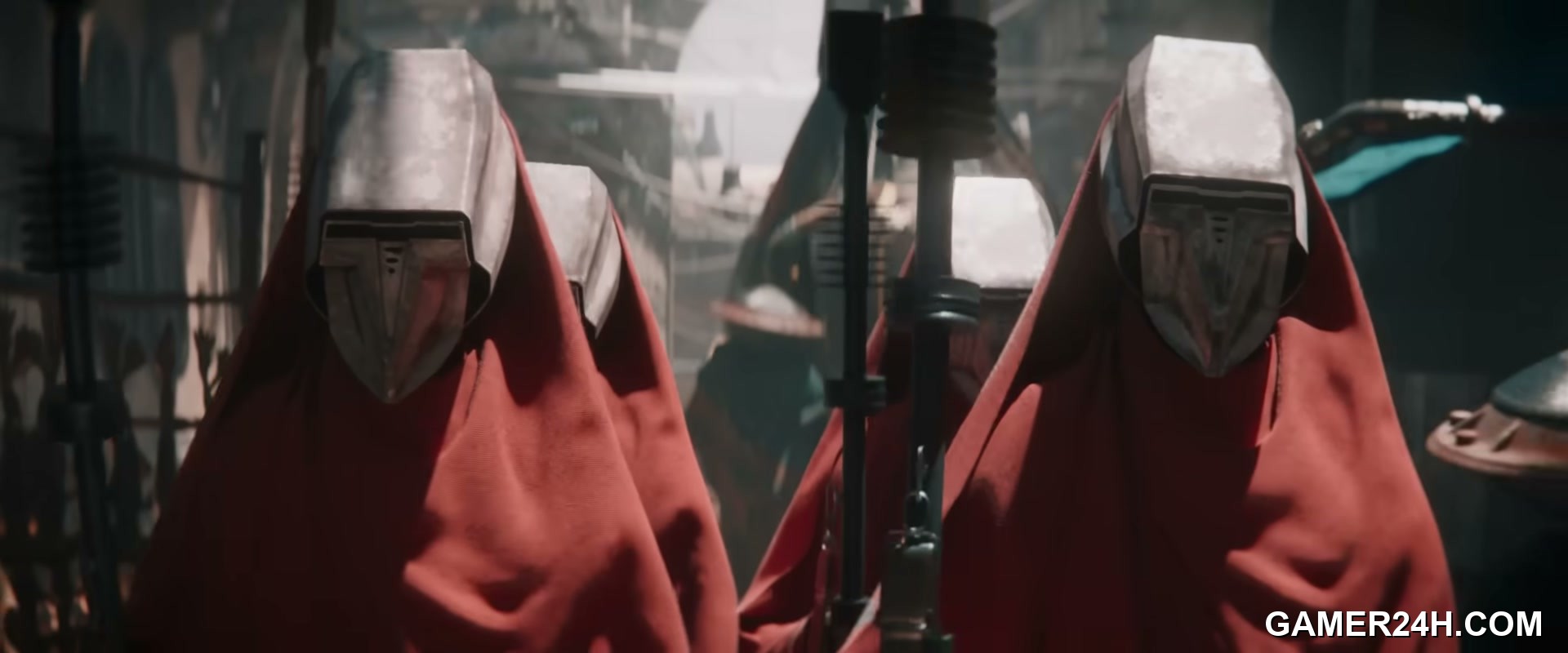
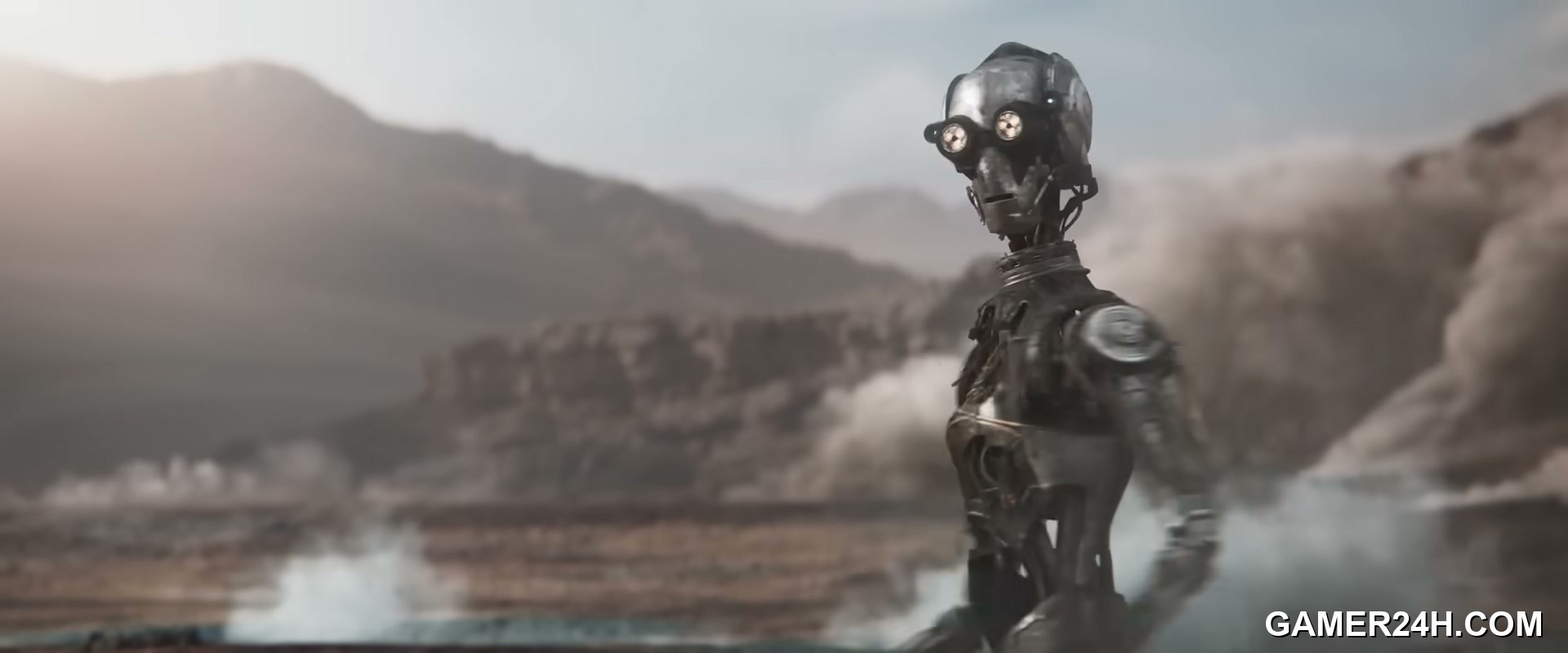
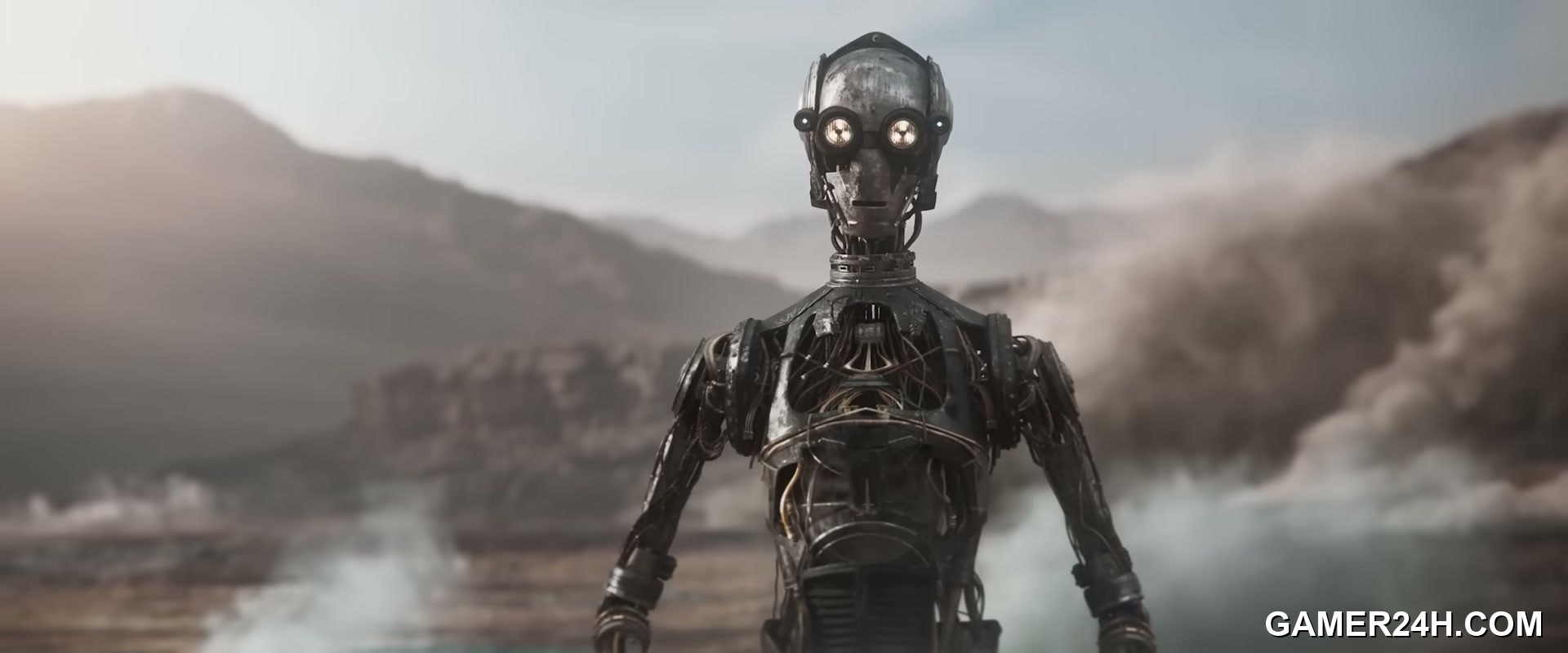
Moreover, the character animations are a testament to the developers’ commitment to realism and emotional engagement. The facial expressions and body language of characters like Lucia and the Architects are rendered with such subtlety and nuance that they feel almost lifelike. This level of detail not only enhances the player’s connection with the story but also reinforces the game’s thematic elements, adding layers of depth to its narrative.
The visual design of “The Last Hour” is more than just a feast for the eyes; it serves as an integral part of the storytelling process. The interplay between light and darkness, color schemes that evoke different moods and emotions, and the seamless integration of environmental storytelling elements all contribute to creating an immersive world where every detail tells its own story.
Combat & Systems: Tactical Espionage and Combat Dynamics

“The Last Hour” introduces a unique blend of stealth-based espionage mechanics and dynamic combat systems that set it apart from traditional RPGs. Players take on the role of Lucia, an agent tasked with infiltrating the Architects’ stronghold to uncover secrets that could change the fate of humanity. The gameplay revolves around a combination of strategic planning and split-second decision-making as players navigate through complex environments filled with hostile guards and unpredictable traps.
One of the game’s standout features is its real-time combat system, which emphasizes agility and tactical thinking over brute force. Players must carefully plan their movements to avoid detection while also being ready to engage in quickfire combat when necessary. The inclusion of a variety of weapons and tools further enhances this gameplay style, allowing players to adapt their approach based on the situation at hand.
In addition to combat, “The Last Hour” introduces an intricate espionage system that challenges players to gather information and manipulate the environment to their advantage. This includes hacking into security systems, decoding encrypted messages, and even using social engineering tactics to outmaneuver opponents. The game’s level design plays a crucial role in this aspect, with numerous hidden pathways and secret areas waiting to be discovered.
The integration of these gameplay elements creates a thrilling and immersive experience that keeps players on their toes. Whether it’s sneaking past guards or engaging in intense firefights, “The Last Hour” offers a balanced mix of challenge and reward that caters to both stealth enthusiasts and action fans alike. The result is a game that not only entertains but also challenges the player’s strategic abilities and reflexes.
Gameplay & Atmosphere Analysis: Portals and Tension

One of the most captivating aspects of “The Last Hour” is its use of portals as both gameplay elements and narrative devices. These portals, which serve as gateways between different dimensions or timelines, introduce a layer of complexity to the game’s mechanics while also enriching its storytelling potential. Players must navigate through these dimensional rifts with caution, as they often lead to new challenges and dangers.
The atmosphere created by these portals is incredibly tense, with eerie music and visual effects that underscore the sense of mystery and danger lurking around every corner. As players explore various timelines and dimensions, they encounter unique environmental hazards, puzzles, and enemies that require innovative solutions. This not only adds variety to gameplay but also deepens the narrative as players piece together clues about the Architects’ true intentions.
Moreover, “The Last Hour” excels in maintaining a constant sense of urgency throughout its campaign. The game’s pacing is carefully crafted to build tension gradually, with moments of high-stakes action punctuated by quieter, introspective scenes that allow for character development and world-building. This balance between action and reflection ensures that players remain engaged not just with the gameplay but also with the emotional journey Lucia undergoes.
The interplay between portals and atmosphere is a testament to Freebird Games’ understanding of how environmental design can enhance storytelling. By creating an immersive world where every decision has consequences, “The Last Hour” offers a richly layered experience that challenges players both intellectually and emotionally.
Narrative & Characters: The Architects’ Mystery and Lucia’s Mission

At the heart of “The Last Hour” lies a compelling narrative that revolves around the enigmatic Architects, a secretive organization manipulating events across multiple timelines. Players follow Lucia, a determined agent tasked with infiltrating their stronghold to uncover the truth behind their machinations.
From the outset, it is clear that Freebird Games has crafted a deep and intricate storyline filled with twists and turns. The narrative unfolds through a series of interconnected flashbacks and real-time sequences, gradually revealing more about both Lucia’s past and the Architects’ plans. Players are continually drawn into this unfolding tale as they piece together clues and make choices that shape the outcome.
Lucia herself is a character of depth and complexity, her journey marked by moments of vulnerability and strength. Through interactions with other characters and through personal revelations, players come to understand Lucia’s motivations and the sacrifices she has made in pursuit of justice. This emotional investment extends beyond just sympathy for Lucia; it fuels an intense desire to see her succeed against overwhelming odds.
The Architects, on the other hand, remain shrouded in mystery throughout much of the game. Their motives are unclear until key plot points reveal their true intentions, creating a sense of anticipation and intrigue that propels players forward. This narrative structure keeps viewers engaged not just with Lucia’s immediate goals but also with broader questions about power, control, and the nature of reality.
In summary, “The Last Hour” delivers a gripping narrative through its complex characters and intricate plot devices. It is a testament to Freebird Games’ storytelling prowess, offering players an experience that combines intellectual challenge with emotional resonance.
Acoustic Preservation / Audio Design: Sounds of Silence and Combat

“The Last Hour” excels in its audio design, leveraging the power of sound to create an immersive and emotionally resonant experience. The game’s soundtrack is a masterclass in acoustic preservation, featuring a blend of ambient noises and carefully crafted musical pieces that complement the visual splendor and gameplay dynamics.
Silence often plays as much of a role as audible elements in “The Last Hour,” especially during stealth missions where every step and breath can be heard by enemies. The absence of sound is used to great effect, heightening tension and emphasizing the delicate balance between safety and risk. Meanwhile, when combat does erupt, the audio design shifts dramatically, with intense orchestral scores and realistic weapon sounds that envelop players in a chaotic battlefield.
Moreover, environmental sounds are meticulously integrated into each setting. Whether it’s the rustling leaves of a forest or the echoing footsteps in an abandoned building, these details contribute significantly to the game’s atmosphere. They not only enhance immersion but also serve as cues for gameplay mechanics, such as alerting players to approaching guards or hidden traps.
The vocal performances are equally noteworthy. Character dialogues are delivered with authenticity and emotion, bringing depth to each personality on screen. The voice acting captures the nuances of fear, determination, and revelation, further enriching the narrative experience.
In essence, “The Last Hour” showcases how well-crafted audio can elevate a game’s overall quality. It transforms an already impressive visual and gameplay presentation into a fully realized world where every sensory detail contributes to a cohesive and impactful storytelling journey.
Critical Reception: Expectations and First Impressions
As anticipation for “The Last Hour” reached fever pitch, critics and fans alike were eager to witness what Freebird Games had in store. Upon release, the game garnered significant attention, with reviews highlighting both its strengths and areas for improvement.
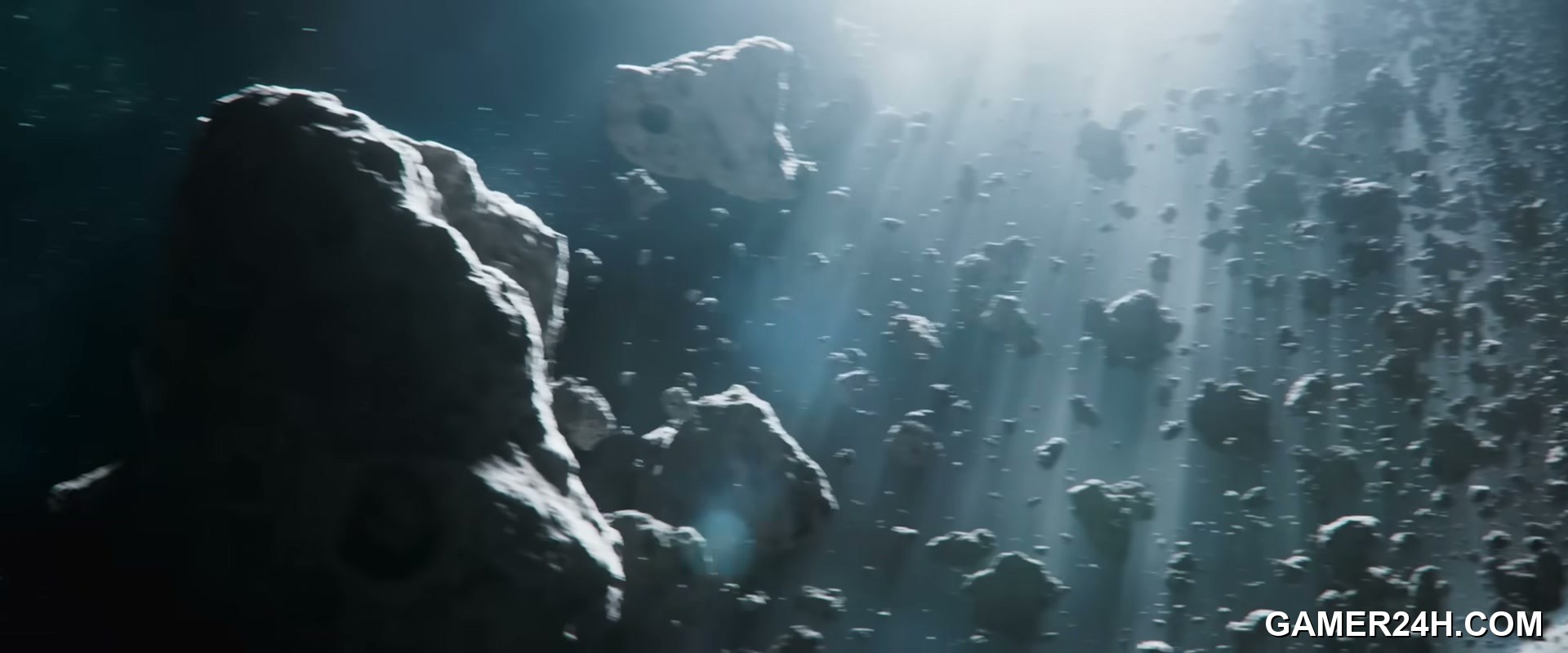
Initial reactions praised the game’s visual fidelity and atmospheric design. Many reviewers noted that “The Last Hour” pushed Unreal Engine 5 to new heights, creating an immersive world where every detail felt meticulously crafted. The gameplay mechanics, particularly the espionage and combat systems, were also widely acclaimed for their balance and depth, offering a fresh take on the stealth genre.
However, some critics pointed out certain technical issues that marred the experience. Minor glitches and loading times occasionally disrupted the flow of the game, although these were generally minor setbacks in an otherwise polished package. Additionally, while the narrative was well-received for its complexity and emotional depth, some felt the pacing could have been tighter to maintain a consistent level of engagement throughout.
Overall, “The Last Hour” has exceeded expectations by delivering on both visual spectacle and gameplay innovation. The game’s unique blend of stealth mechanics, dynamic combat, and rich storytelling positions it as a standout title in its genre. Critics and players alike are eagerly awaiting future updates and expansions that may further enhance this captivating adventure.
Conclusion: The Vanguard of Next-Gen Action
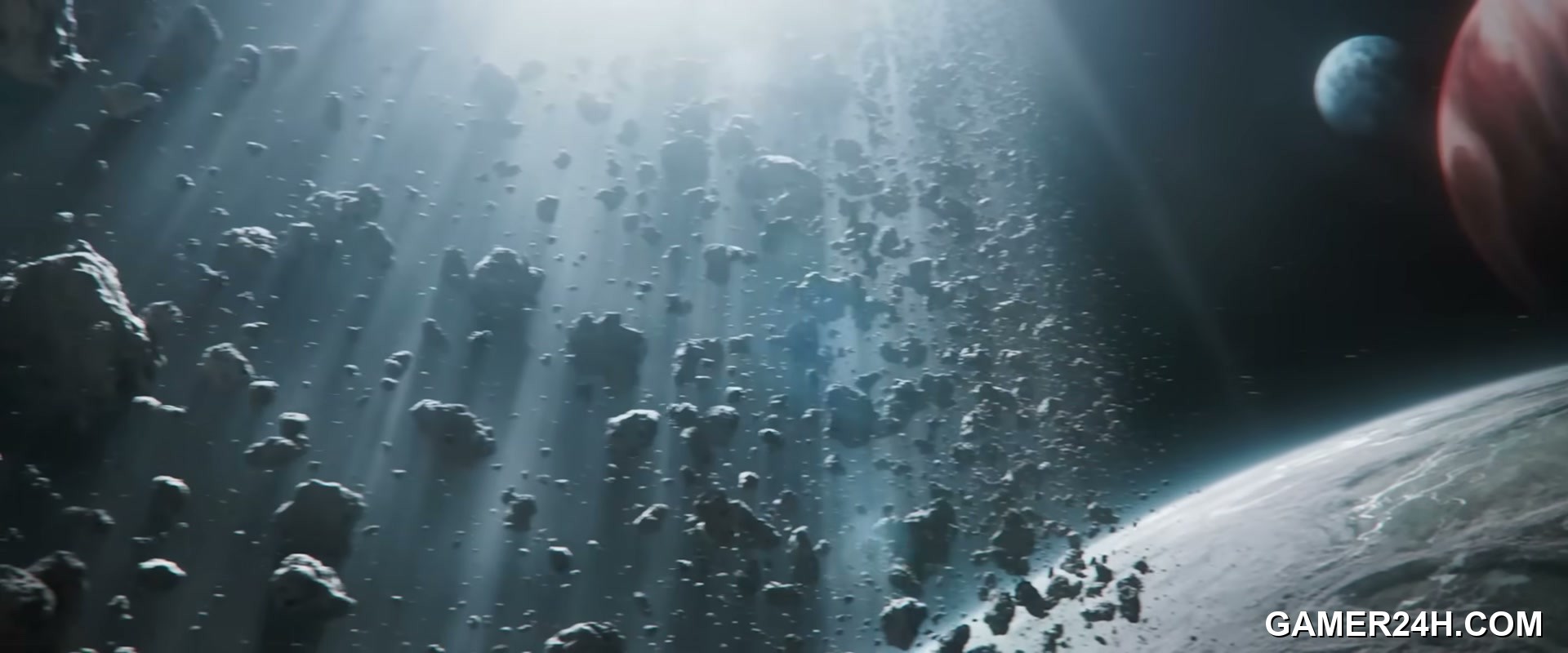
“The Last Hour” is more than just another game; it’s a testament to the evolving landscape of gaming, pushing boundaries and redefining what an action-adventure experience can be. Freebird Games has crafted a masterpiece that seamlessly combines stunning visuals, engaging gameplay mechanics, and an emotionally resonant narrative into one cohesive package.
With its innovative use of Unreal Engine 5, intricate espionage systems, and atmospheric design, “The Last Hour” sets the bar high for future titles in the genre. It not only entertains but also challenges players to think strategically while immersing them deeply within its world. As such, it stands as a vanguard of next-gen action-adventure gaming, paving the way for new possibilities in storytelling and gameplay.
In conclusion, “The Last Hour” is an essential addition to any gamer’s library, offering both technical marvels and compelling narratives that will leave players captivated long after they’ve seen its final scene.