


About this game
Introduction: Stealth Espionage Reimagined
In an era dominated by fast-paced action and high-octane thrills, Hell Maiden, developed by AstralShift, stands out as a meticulously crafted gem in the deck-building roguelike genre. This game is not just another title; it’s a reimagining of stealth espionage through a unique blend of tactical combat and dynamic narrative elements. Set against a backdrop of intricate conspiracy theories and mysterious archipelagos, Hell Maiden challenges players to navigate complex systems while unraveling the enigmatic story of its protagonist, Lucia.
The game’s premise revolves around Lucia, an undercover agent tasked with infiltrating the Architects – a secretive organization that wields unparalleled power. Her mission is fraught with danger and deception, requiring players to employ strategic thinking and quick reflexes to succeed. As she delves deeper into the world of Hell Maiden, players will find themselves immersed in a rich tapestry of suspenseful storytelling, cleverly designed mechanics, and breathtaking visuals that push the boundaries of Unreal Engine 5.

Visual Splendor: Pushing the Limits of Unreal Engine 5
AstralShift’s commitment to visual excellence is evident from the moment players launch Hell Maiden. Utilizing the powerful capabilities of Unreal Engine 5, the game offers a visually stunning experience that immerses players in its meticulously crafted world. The use of advanced lighting techniques and realistic physics engines creates an atmosphere teeming with shadows and subtle nuances.

The environments within Hell Maiden are designed to be both functional and aesthetically pleasing, blending the sleek lines of modern architecture with organic textures that hint at a deeper narrative context. Each location, whether it’s a labyrinthine office building or a dimly lit alleyway, is crafted to enhance gameplay while also providing visual cues for players to decipher.

Moreover, the character design in Hell Maiden is noteworthy for its attention to detail and emotional depth. Lucia herself embodies the game’s thematic core through her stoic yet resilient demeanor, complemented by a wardrobe that seamlessly integrates practicality with style. The visual cues provided by her outfit, alongside those of other characters, serve as vital hints throughout the gameplay.
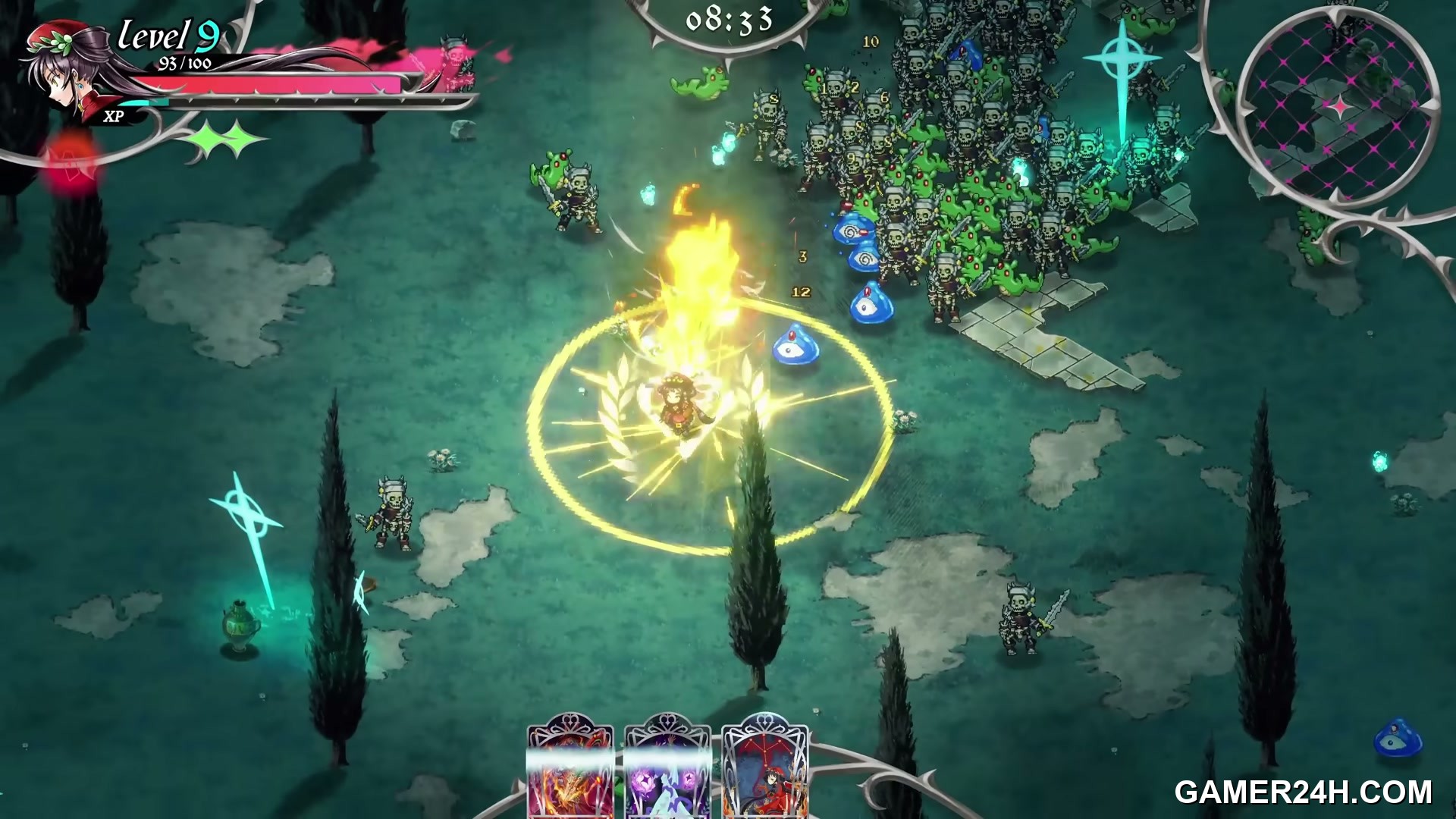
With Hell Maiden, AstralShift has pushed the boundaries of what is possible within Unreal Engine 5, creating an experience that not only looks stunning but also enhances player engagement through its aesthetic elements. This visual splendor complements the game’s intricate mechanics and immersive storytelling, making it a standout title in the deck-building roguelike genre.
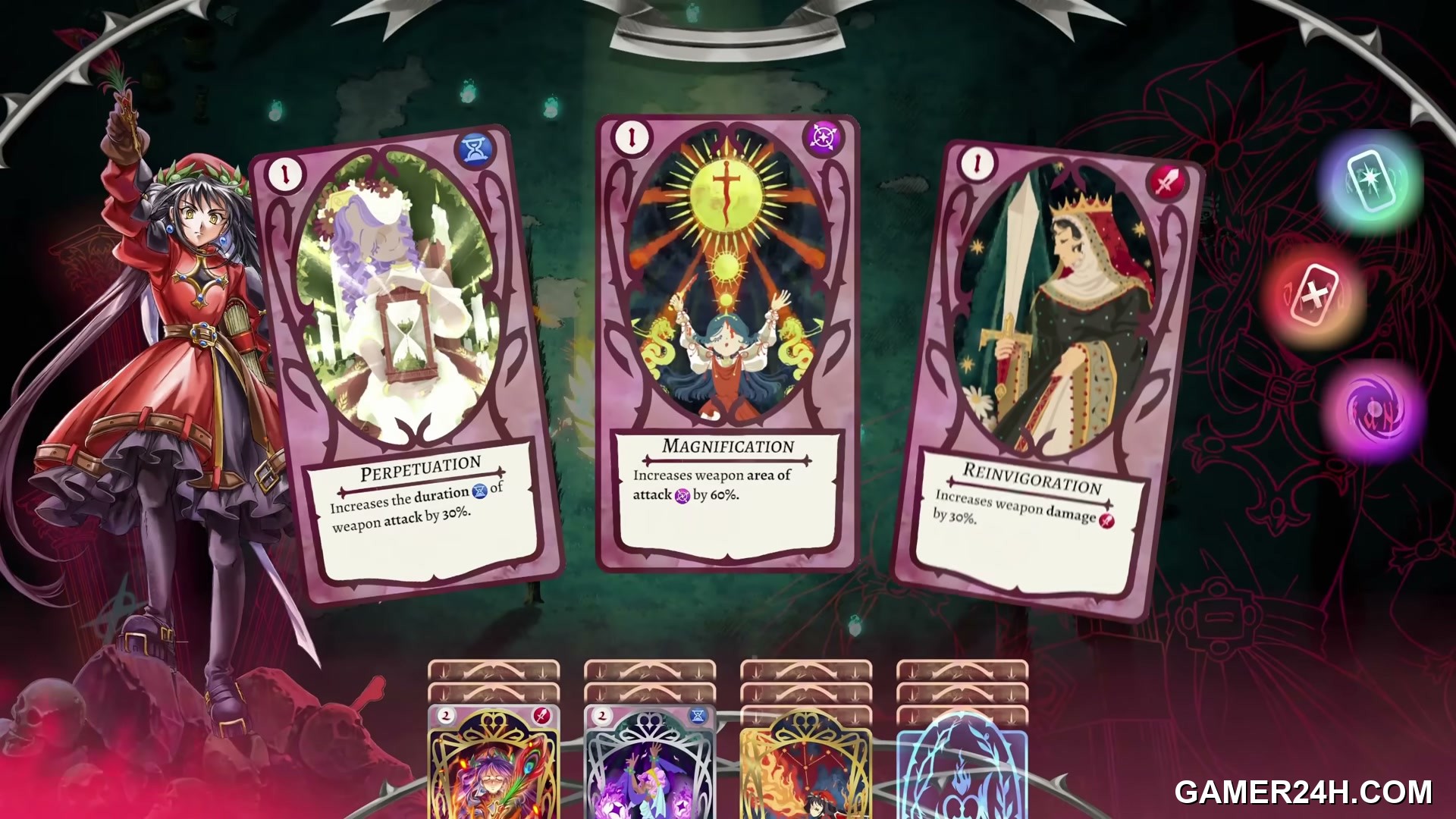
Combat & Systems: Tactical Espionage and Combat Dynamics
Hell Maiden distinguishes itself through its innovative approach to combat and gameplay systems. The core of the game revolves around deck building, where players strategically assemble a collection of cards that dictate Lucia’s actions during missions. Each card represents an action or ability, such as stealth movements, hacking devices, or executing tactical strikes.
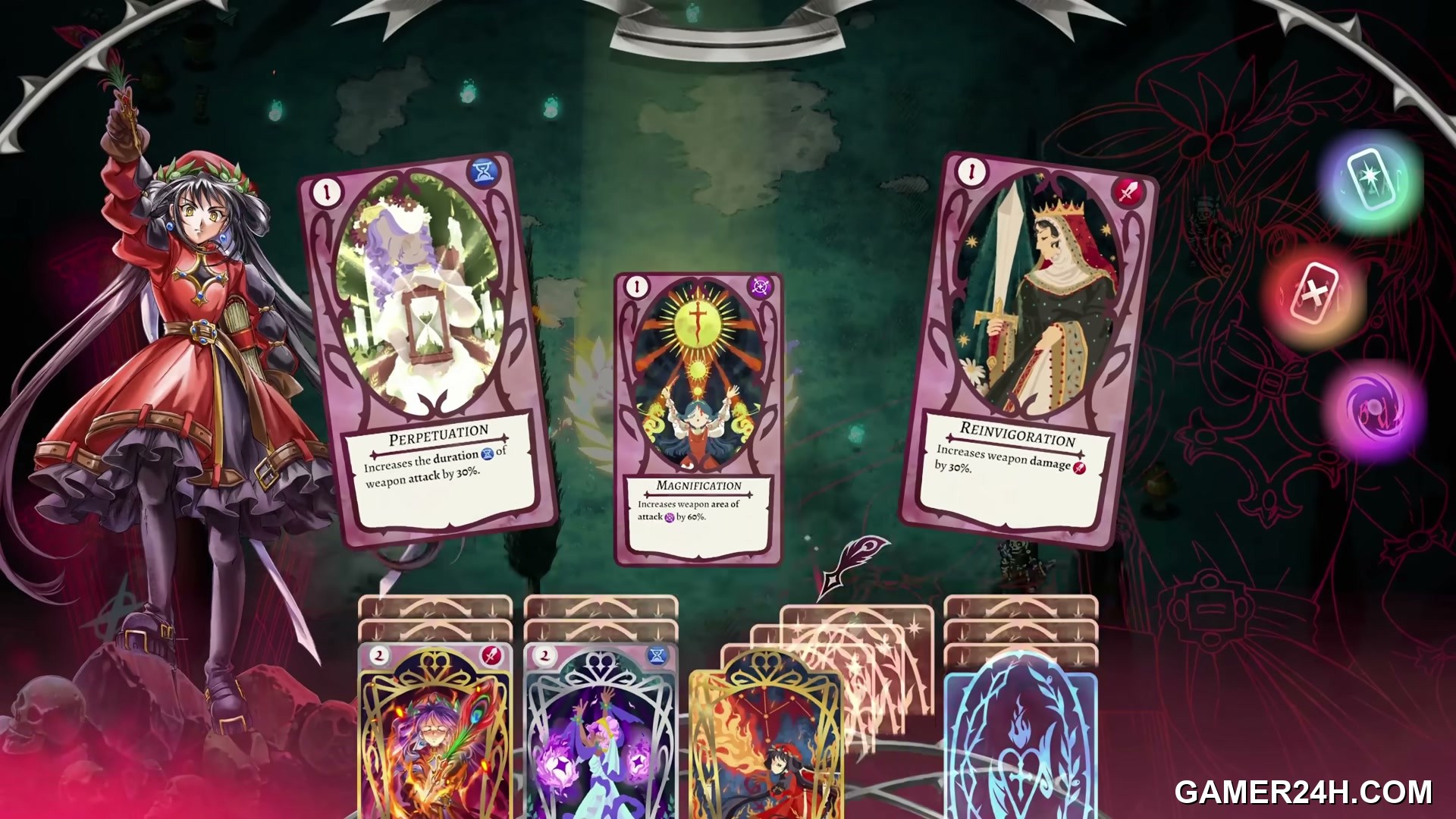
The game’s unique selling point is its seamless integration of roguelike elements into these systems. Players must navigate procedurally generated levels filled with enemies and obstacles while managing a limited number of lives. Every decision carries weight; choosing the wrong card could mean failure. This creates a high-stakes environment where players are constantly adapting their strategies to succeed.

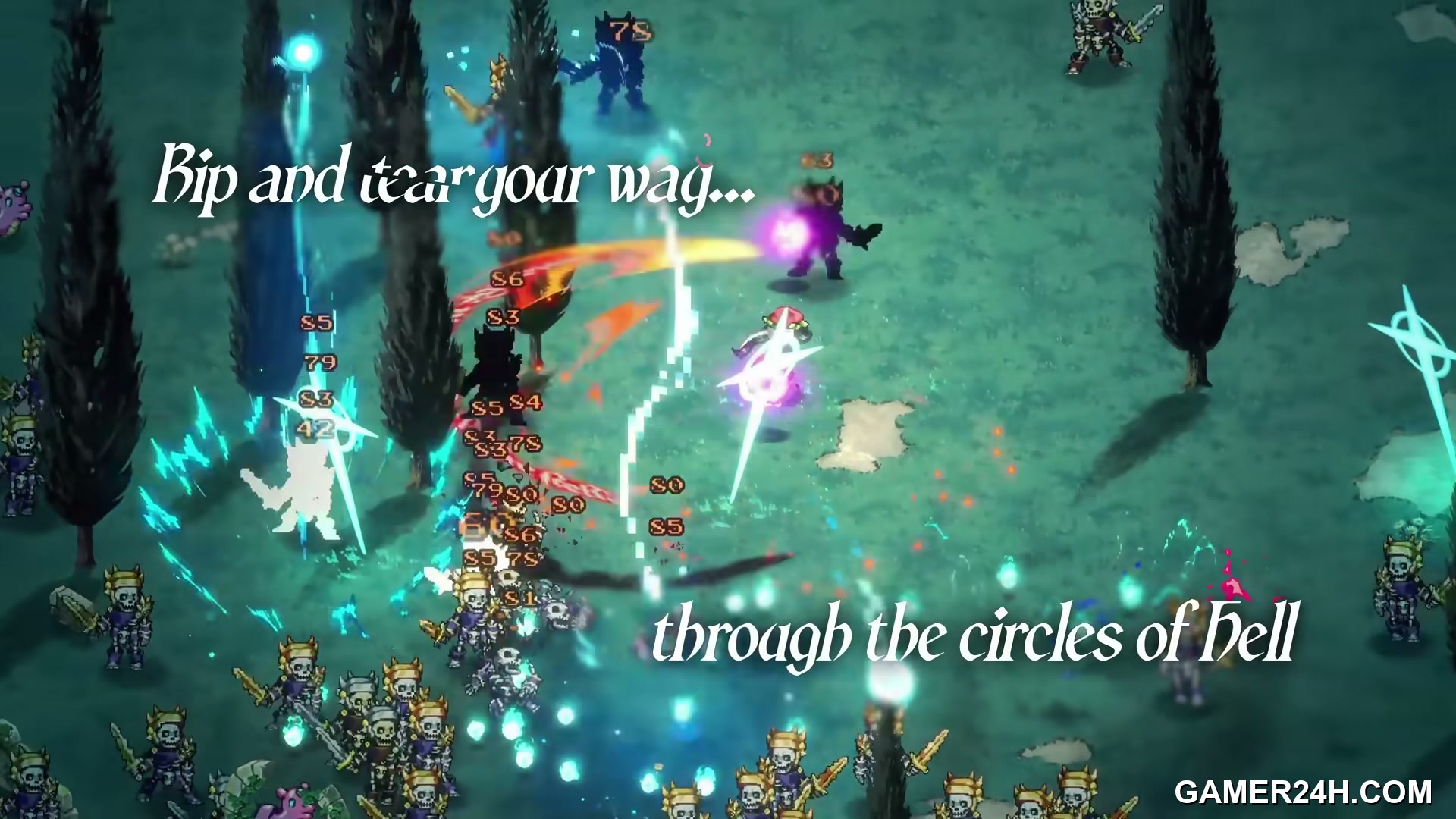
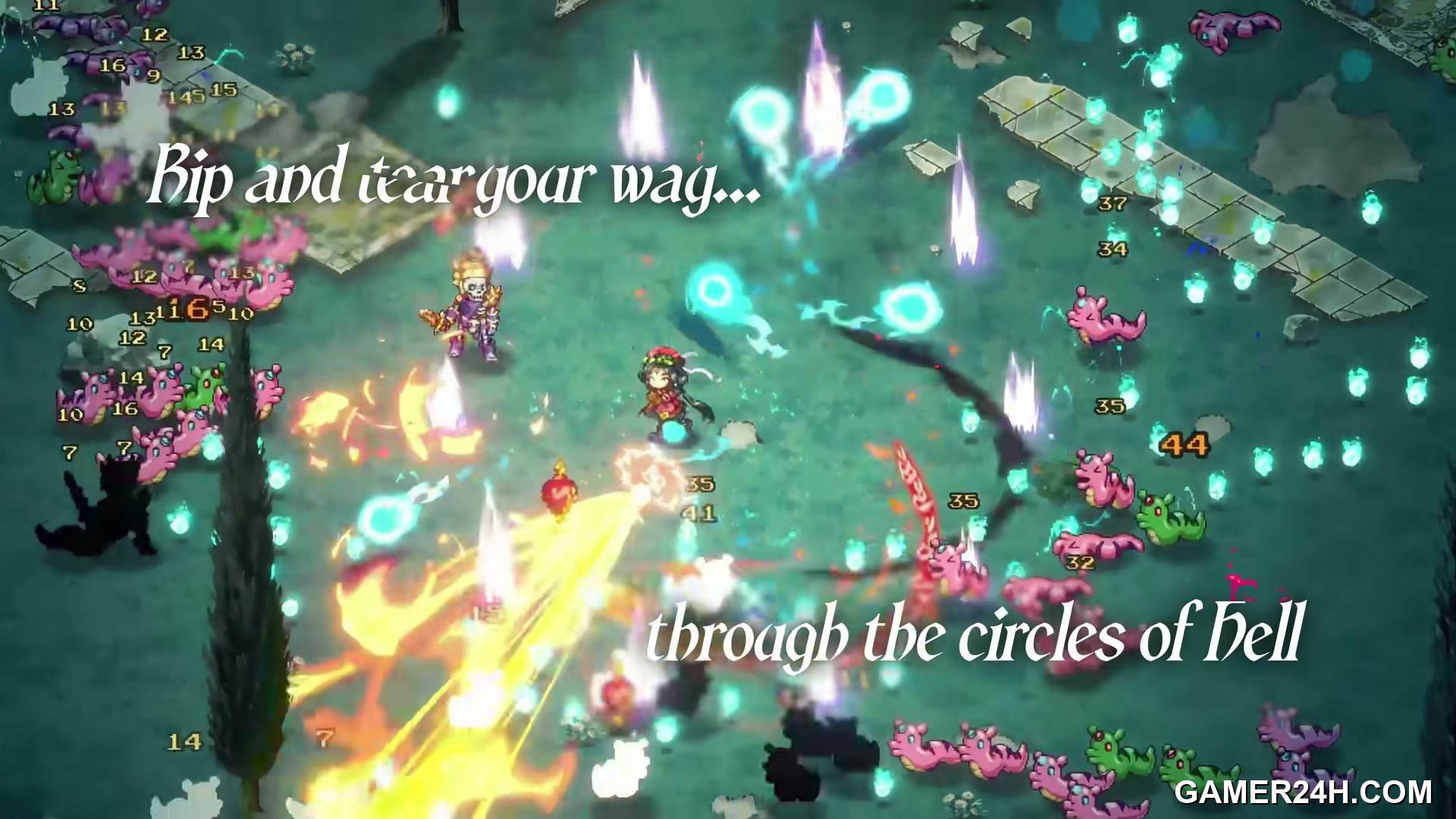
In addition to deck building, Hell Maiden also incorporates an intricate combat system that challenges players’ reflexes and strategic thinking. Combat scenarios often require quick decisions and precision movements to avoid detection or eliminate threats efficiently. The inclusion of environmental mechanics further adds depth; utilizing objects like crates for cover or disrupting enemy movements through clever positioning can turn the tide in a player’s favor.

The game’s systems encourage experimentation and learning from failure, fostering an engaging cycle of improvement as players progress. Each run provides new insights into optimal strategies and card combinations, pushing players to refine their approach continually.
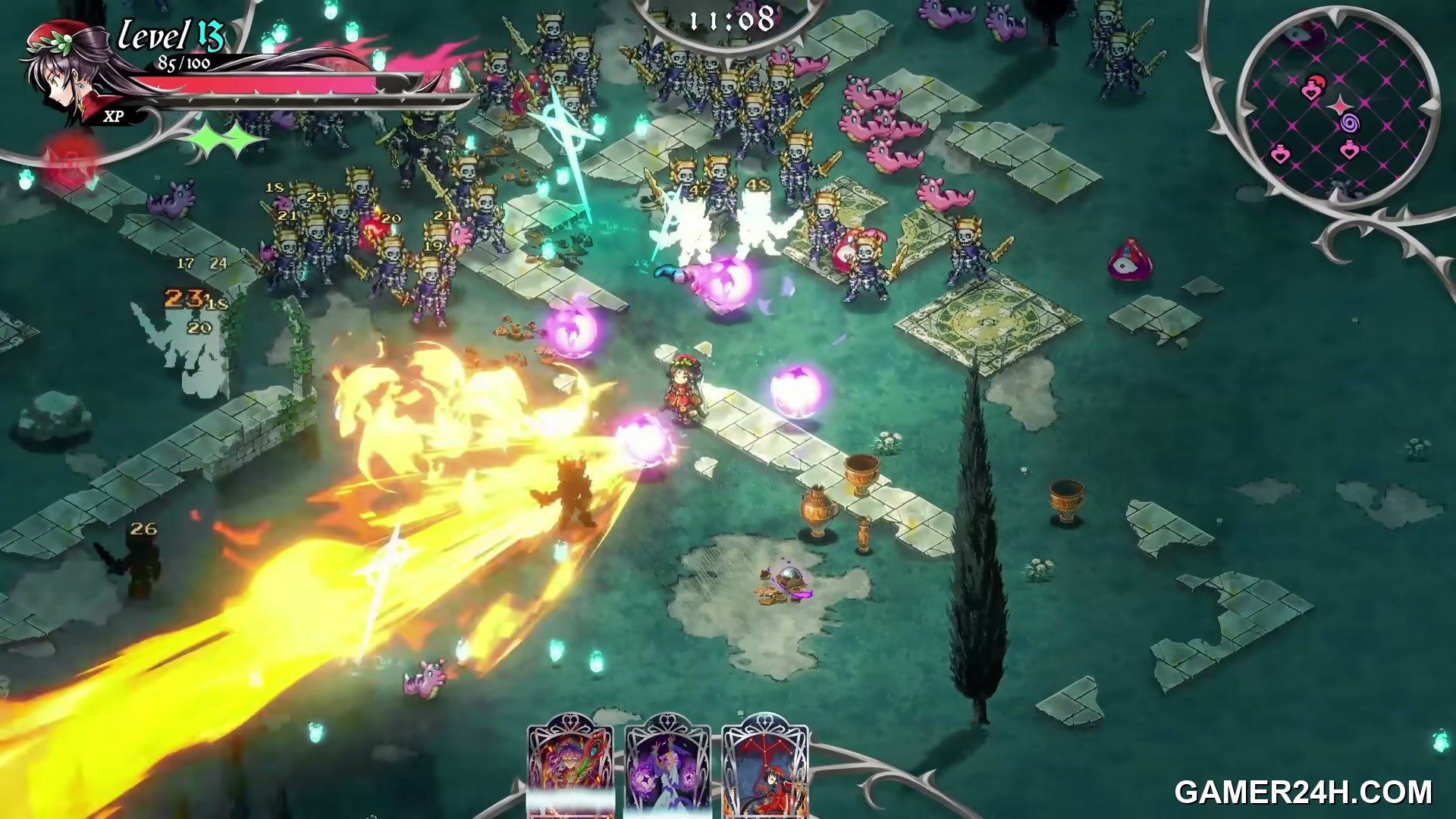
Gameplay & Atmosphere Analysis: Portals and Tension
Hell Maiden’s gameplay is intricately woven with its atmospheric elements, creating a cohesive experience that draws players deeply into the world of espionage. The game masterfully utilizes portals as both gameplay mechanics and narrative devices to maintain an air of constant tension.
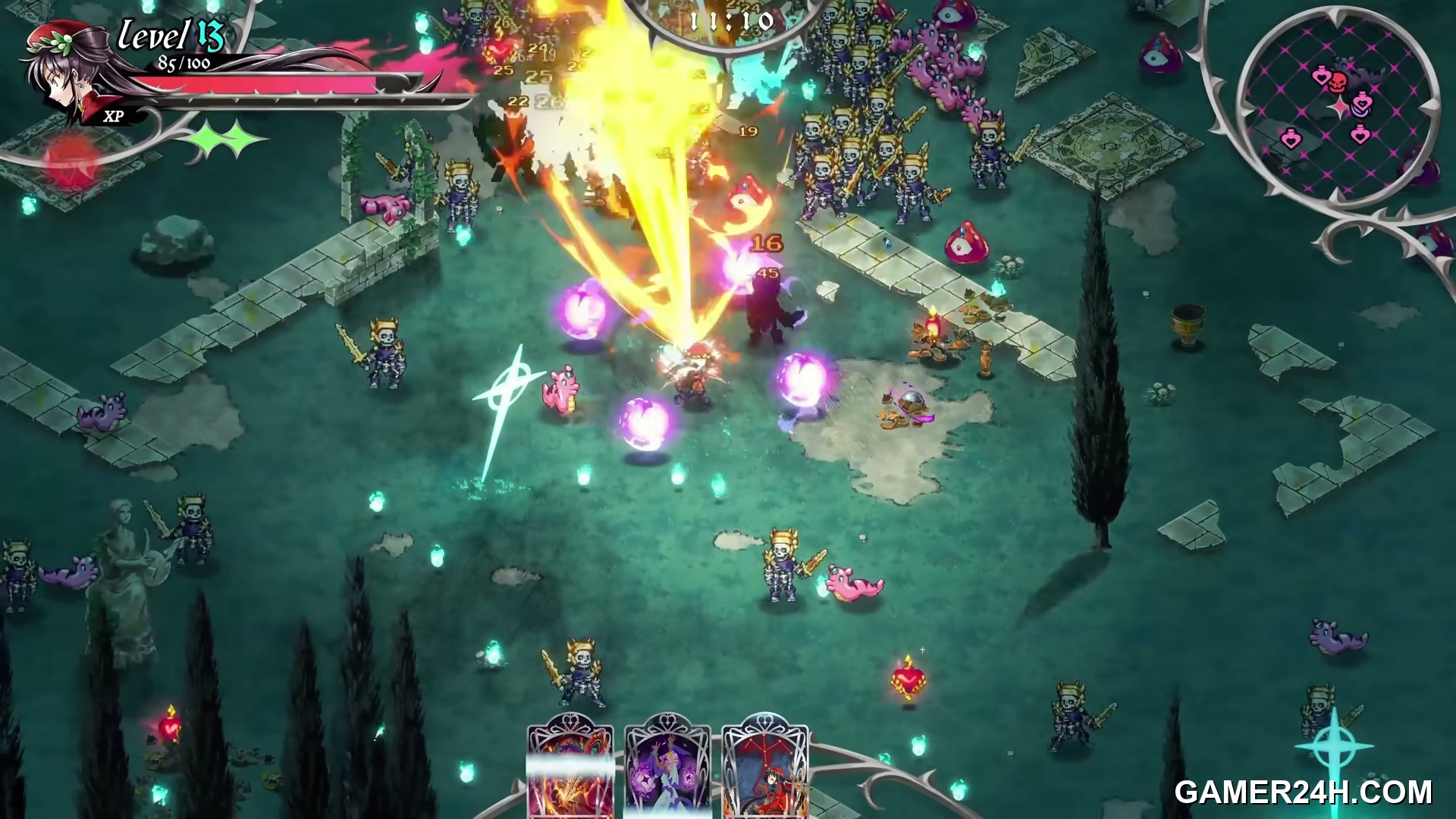
Portals serve as critical pathways for Lucia to navigate through various levels and environments. Each portal teleports her to new locations or different dimensions within the same level, adding a layer of unpredictability to exploration. This mechanic not only enhances the game’s roguelike nature but also serves to heighten tension by presenting players with sudden changes in context.

The atmosphere within Hell Maiden is crafted through its narrative-driven gameplay and environmental storytelling. As Lucia progresses, she encounters a variety of characters and situations that flesh out the Architects’ organization and her mission’s true purpose. These interactions are not just dialogue trees but immersive scenarios that challenge players to make choices that affect both their immediate situation and the broader narrative.

The soundtrack complements this atmosphere by shifting between moments of eerie silence and intense action, effectively mirroring Lucia’s emotional journey. This audio-visual synergy creates a palpable tension that keeps players on edge throughout their playthroughs.

Narrative & Characters: The Architects’ Mystery and Lucia’s Mission
The narrative in Hell Maiden is as intricate and compelling as its gameplay mechanics. AstralShift has crafted a story filled with conspiracy theories, espionage lore, and moral dilemmas that challenge players to question their assumptions about the world they are exploring.

The Architects, an enigmatic organization central to the narrative, serve as both antagonists and catalysts for Lucia’s journey. Their true nature remains shrouded in mystery throughout much of the game, forcing players to piece together clues through interactions with various characters and environments. This layering of information creates a rich tapestry of intrigue that keeps players engaged and curious about what lies ahead.

Lucia herself is a character deeply rooted in her mission but also burdened by personal history and moral complexities. Her backstory, revealed gradually over the course of gameplay, adds depth to her motivations and challenges as she navigates treacherous waters within the Architects’ organization. Players will find themselves invested not only in Lucia’s success but also in understanding who she is beyond her role.
The supporting cast further enriches the narrative with their unique perspectives and hidden agendas. Each character interaction presents players with choices that can alter Lucia’s path, adding another layer of complexity to an already dense storyline.
Acoustic Preservation / Audio Design: Sounds of Silence and Combat
The audio design in Hell Maiden is a masterclass in balancing auditory cues to enhance player immersion and engagement. The game utilizes a dynamic sound environment that shifts between moments of silence, tension-building ambiance, and intense combat scenarios.
Silence plays a crucial role within the game’s atmosphere. During stealth missions or when navigating through quiet corridors, players are acutely aware of every footstep and potential disturbance. This heightened sense of awareness is accentuated by subtle background sounds like distant whispers or mechanical hums that hint at impending danger.

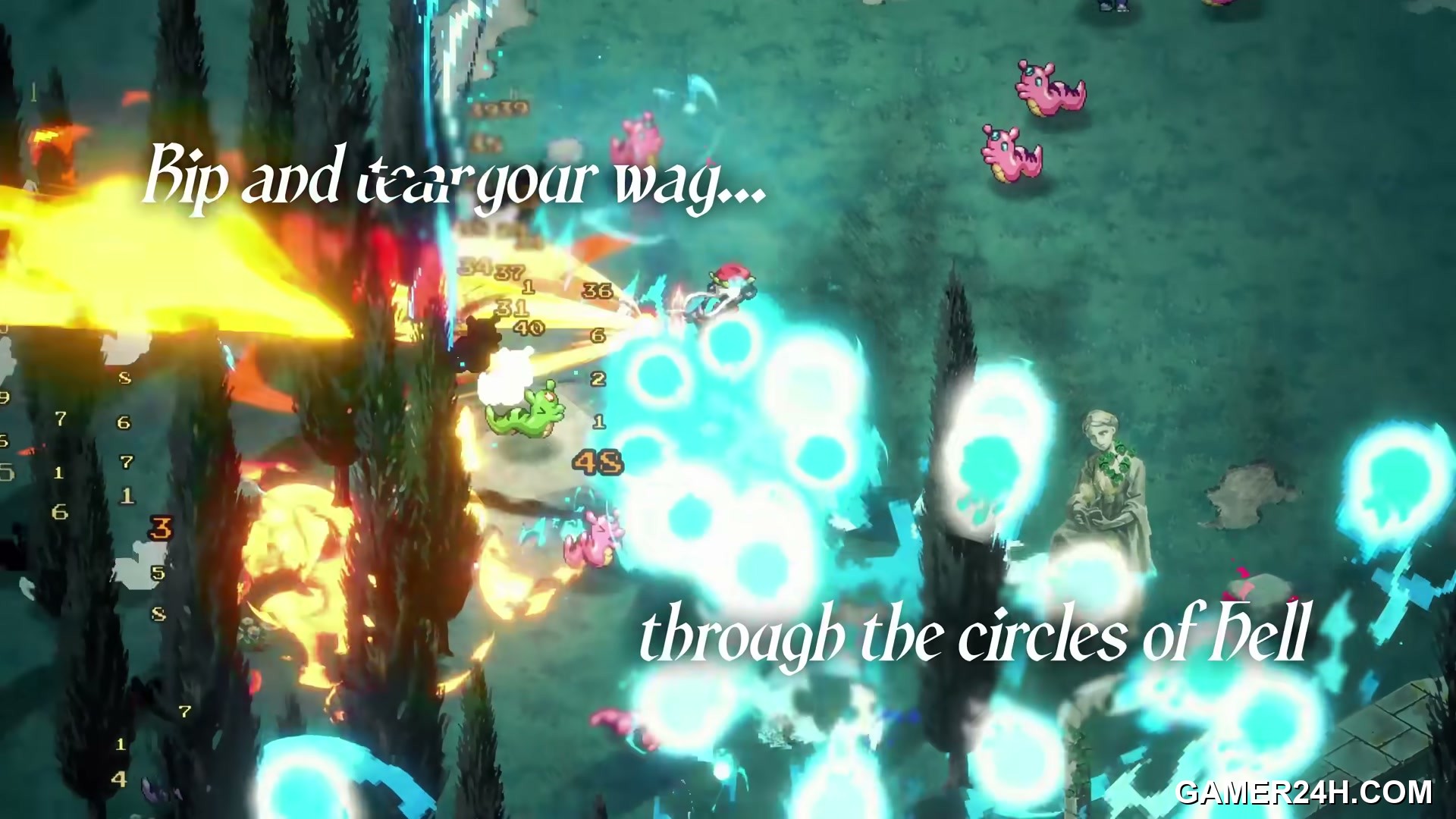
Conversely, combat scenarios burst into a cacophony of noise with gunfire, explosions, and the adrenaline-fueled soundtrack driving home the intensity of each encounter. The contrast between these auditory extremes serves to heighten emotional responses, making victories and defeats feel more impactful.

The use of binaural audio techniques further immerses players by creating a three-dimensional soundscape that precisely locates sources within the environment. Whether it’s the clink of metal as Lucia picks up an item or distant voices indicating nearby threats, these details contribute significantly to player immersion and decision-making processes.

Critical Reception: Expectations and First Impressions
As Hell Maiden approaches release, anticipation among gaming enthusiasts is palpable. The game has garnered significant buzz for its innovative blend of deck-building mechanics, roguelike elements, and atmospheric storytelling. Early reviews suggest a title that not only meets but exceeds expectations set by its genre peers.

Critics have praised the visual splendor of Hell Maiden, noting how AstralShift’s utilization of Unreal Engine 5 brings an unparalleled level of detail and realism to every scene. The game’s audio design has also received acclaim for effectively balancing silence with intense action sequences, enhancing player immersion.

However, the most compelling aspect of early feedback revolves around the gameplay mechanics. Reviewers have highlighted how Hell Maiden seamlessly integrates deck building with tactical combat and narrative exploration. The strategic depth offered by its systems has been noted as both challenging and rewarding for players willing to invest time in mastering them.

The narrative, while still unfolding gradually over multiple playthroughs, is praised for its intricacy and the moral questions it raises. Lucia’s character development and interactions with the Architects’ organization have piqued interest among those who enjoy stories rich in complexity and depth.

Conclusion: The Vanguard of Next-Gen Action
Hell Maiden, developed by AstralShift, emerges as a standout title within the deck-building roguelike genre. Through its innovative gameplay mechanics, atmospheric storytelling, and visually stunning design, it sets itself apart from conventional titles in this category.

The game’s seamless integration of stealth espionage elements with tactical combat dynamics provides players with an engaging experience that challenges both strategy and reflexes. Its narrative-driven approach adds layers of complexity to each playthrough, ensuring that no two experiences are the same.

As Hell Maiden prepares for its launch, it positions itself not just as a game but as a statement on what next-generation action titles can achieve when creativity meets technological prowess. AstralShift’s bold experimentations with Unreal Engine 5 and traditional genre conventions promise to deliver an unforgettable journey for those daring enough to venture into the shadows of the Architects’ world.

With its intricate systems, atmospheric depth, and compelling narrative, Hell Maiden stands ready to captivate players seeking something more than just surface-level entertainment. It is poised to make waves in the gaming community as a definitive entry for fans of tactical espionage and deck-building roguelikes.

Gallery



No comments