


About this game
Visual Splendor: Pushing the Limits of Unreal Engine 5
In the realm where technology and storytelling converge, few titles dare to challenge the boundaries of visual fidelity and narrative depth as ambitiously as “.hack//Z.E.R.O.” from CyberConnect2. Utilizing the power of Unreal Engine 5, this action RPG offers a breathtakingly immersive experience that transports players into a world of espionage, intrigue, and cutting-edge combat mechanics. The game’s developers have meticulously crafted an environment where every pixel tells a story and every frame is a testament to their unwavering commitment to visual excellence.
The introduction of Nanite technology in Unreal Engine 5 has allowed “.hack//Z.E.R.O.” to push the envelope on graphical fidelity, delivering real-time global illumination that bathes each scene in natural light, creating an atmosphere of both wonder and unease. The game’s urban landscapes are a marvel of architectural detail, from the sleek skyscrapers reflecting the neon glow of their surroundings to the intricate graffiti adorning the alleyways. This level of environmental storytelling not only enhances the player’s immersion but also serves as a subtle guide through the narrative complexities that lie ahead.
But it is not just static environments that benefit from this technological prowess; dynamic weather effects and particle systems bring the world to life with every raindrop splashing against the pavement, each gust of wind rustling leaves, and even the intricate dance of snowflakes in winter scenes. These elements combine to create a living, breathing world where players can lose themselves for hours on end.
The character models are equally impressive, showcasing an unprecedented level of detail that brings every avatar to life with lifelike movements and expressions. The use of Lumen technology ensures that each interaction between characters and their surroundings is rendered in stunning clarity, from the subtle play of light across a protagonist’s face to the intricate shadows cast by towering buildings during nighttime missions.
In “.hack//Z.E.R.O.”, CyberConnect2 has not only set new standards for visual fidelity but also redefined what it means for an action RPG to look and feel like a cinematic masterpiece. This is more than just a game; it’s an experience that challenges players to appreciate the beauty of stealth espionage in its purest form.
Combat & Systems: Tactical Espionage and Combat Dynamics
At the heart of “.hack//Z.E.R.O.” lies a combat system that seamlessly blends traditional action RPG mechanics with elements of tactical espionage. Players find themselves not just engaging in high-octane battles, but also navigating complex scenarios where stealth and strategy are as crucial as raw power. This hybrid approach to gameplay offers an exhilarating challenge for both seasoned veterans and newcomers alike.
The core combat dynamics revolve around a unique blend of real-time action and turn-based strategic elements. Players can choose between engaging in fast-paced, reflex-driven encounters or opting for more calculated approaches that utilize the game’s intricate systems. The use of cover mechanics is paramount; players must carefully position themselves to take advantage of environmental features such as crates, pillars, and doorways to both avoid enemy fire and set up ambushes.
Weapon customization plays a significant role in this tactical framework. Each weapon type—whether it’s a sleek pistol, an assault rifle, or a silent bow—brings its own unique set of skills and attributes that players can tailor according to their playstyle. This flexibility allows for deep strategic planning as players craft the perfect arsenal to tackle any situation.
In addition to these core elements, “.hack//Z.E.R.O.” introduces a dynamic AI system that ensures enemies are always challenging but fair. Enemies possess distinct combat styles and strengths, requiring players to adapt on the fly. From swift melee fighters to ranged snipers, each enemy type demands different strategies for optimal success. This unpredictability keeps every encounter fresh and engaging.
The game’s progression system further enhances this sense of engagement by offering a wide array of skill points that can be allocated to improve combat prowess. Skills range from basic health boosts to advanced tactical maneuvers such as enhanced stealth capabilities or increased resistance against specific types of damage. Players are encouraged to experiment with various combinations, leading to personalized play styles that evolve alongside the narrative.
Ultimately, “.hack//Z.E.R.O.” crafts a battlefield where every decision counts and every move can mean the difference between victory and defeat. It’s not just about defeating opponents; it’s about outsmarting them and mastering the intricacies of tactical espionage in an ever-evolving world of danger and intrigue.
Gameplay & Atmosphere Analysis: Portals and Tension
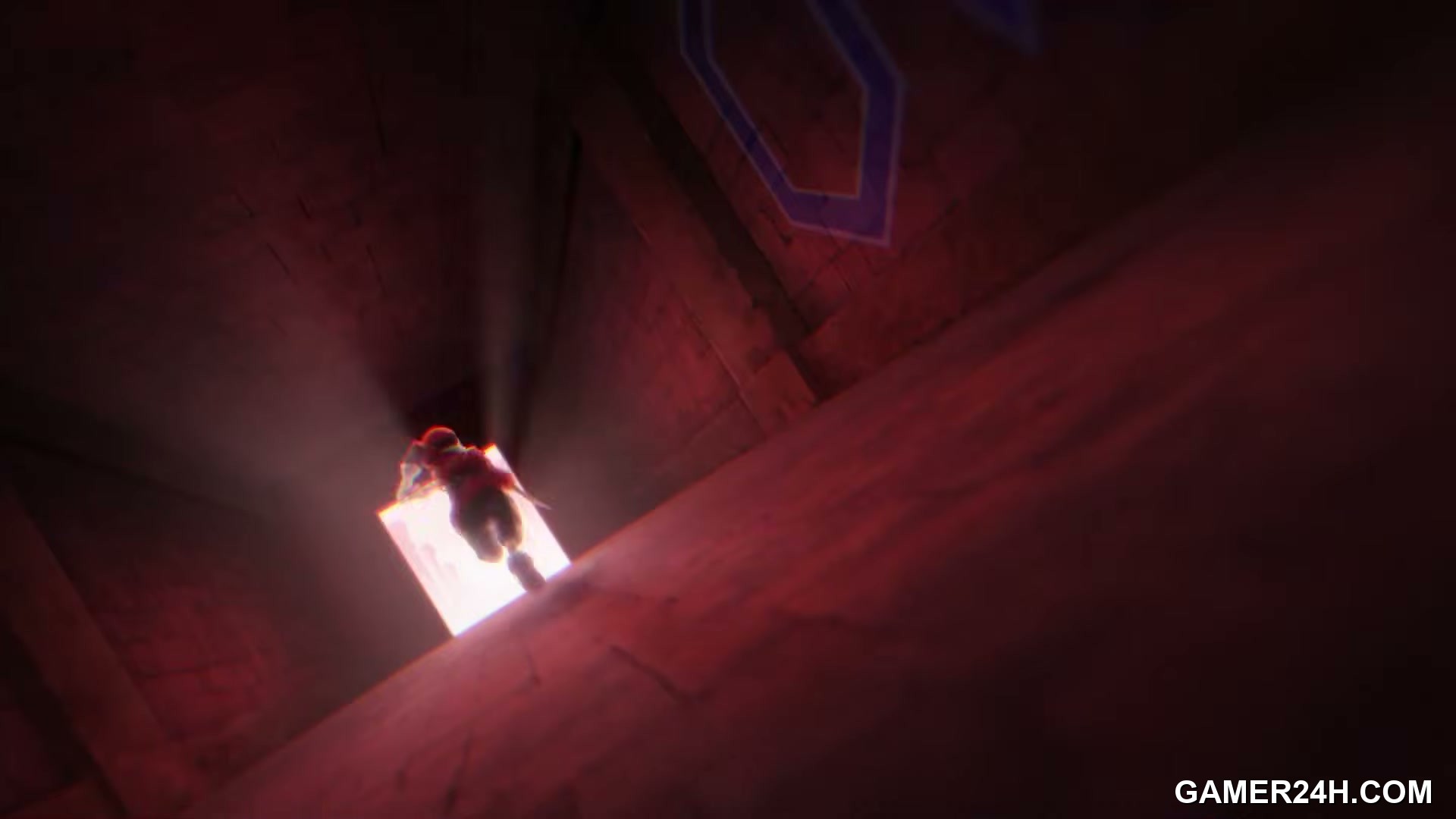
In “.hack//Z.E.R.O.”, the gameplay is as much a reflection of its atmospheric design as it is an extension of its narrative. The game’s core mechanic, the use of portals, serves not only as a method for traversal but also as a catalyst for tension and excitement. This innovative feature allows players to instantly teleport between different points within the game world, turning what could be mundane exploration into a dynamic and exhilarating experience.
The concept of portals is seamlessly integrated into the gameplay mechanics, offering multiple layers of strategic depth. For instance, players can use them to gain positional advantages in combat by appearing behind enemies or to quickly escape dangerous situations. The tactical implications are immense; it’s not just about moving from point A to B but doing so with precision and timing that can alter the outcome of any scenario.
Atmospherically speaking, portals add a layer of mystery and unpredictability to the world. When first encountered, they often serve as enigmatic gateways to unknown areas, encouraging players to explore and uncover hidden secrets scattered throughout the game’s vast landscape. This element of discovery is enhanced by the game’s narrative-driven design, where each portal leads not just to new locations but also to deeper insights into the overarching storyline.
The interplay between gameplay mechanics and atmospheric elements extends beyond portals to encompass various environmental hazards and interactive objects. For example, players might find themselves navigating through darkened corridors patrolled by unseen enemies or crossing treacherous bridges over deep chasms filled with swirling mist. These moments of suspense are carefully crafted to build tension, creating an emotional investment in each action taken.
Furthermore, the game’s visual design contributes significantly to this atmosphere. Dark shadows and stark contrasts between light and dark create a sense of unease, mirroring the psychological journey players undertake alongside their characters. Sound plays a crucial role here as well; ambient noises like distant footsteps or sudden alarms can signify impending danger, heightening player awareness and anticipation.
In summary, “.hack//Z.E.R.O.” masterfully intertwines its gameplay mechanics with atmospheric design to create an immersive experience that is both thrilling and thought-provoking. Through the strategic use of portals, environmental hazards, and meticulously crafted visuals and sounds, the game delivers a rich tapestry of experiences that keep players engaged from start to finish.
Narrative & Characters: The Architects’ Mystery and Lucia’s Mission
The narrative of “.hack//Z.E.R.O.” is as intricate and compelling as its visual splendor. Set in a world where the line between virtual reality and physical existence blurs, the story revolves around the enigmatic Architect, whose true identity and motives remain shrouded in mystery until the very end. The Architects are powerful entities within the game’s universe who possess immense influence over both digital and real-world domains. Their presence casts an ominous shadow over the narrative, creating a sense of intrigue that drives players to uncover their intentions.
Central to this tale is Lucia, the protagonist whose mission is not only personal but also of paramount importance to the fate of her world. As she delves deeper into the mysteries surrounding the Architects, she uncovers hidden truths and confronts ethical dilemmas that challenge her very sense of self. Her journey is one of discovery and transformation, where every decision carries weight and consequence.
Lucia’s character development is a cornerstone of the narrative’s strength. Initially presented as an ordinary individual thrust into extraordinary circumstances, she evolves through trials and tribulations, gaining both physical prowess and emotional depth. The game masterfully weaves her personal history with broader socio-political themes, creating a complex web of relationships and motivations that keep players invested in her journey.
Supporting characters add layers to the narrative tapestry, each bringing their own unique perspective and backstory. From enigmatic allies who provide crucial information to formidable foes who challenge Lucia’s resolve, these individuals contribute to a richly textured world where every interaction is meaningful. Their dialogues are thoughtfully crafted, offering insights into personal struggles and shared goals that resonate emotionally with players.
The narrative structure itself mirrors the game’s design philosophy—interconnected systems working in harmony to create a cohesive experience. Just as portals serve as dynamic gameplay elements, they also function symbolically within the storyline, representing key moments of transition and discovery. This dual purpose underscores how “.hack//Z.E.R.O.” seamlessly blends its technical innovations with narrative depth.
In essence, the narrative of “.hack//Z.E.R.O.” is a masterpiece of storytelling that captivsates through its intricate plot twists, deep character arcs, and thematic exploration. It invites players to question reality and morality while delivering an engaging story filled with suspense and revelation.
Acoustic Preservation / Audio Design: Sounds of Silence and Combat
The audio design in “.hack//Z.E.R.O.” is a testament to the meticulous attention to detail that permeates every aspect of this game. From the eerie silence of desolate landscapes to the cacophony of intense combat sequences, sound plays an indispensable role in enhancing immersion and emotional engagement.
Silence itself is used as a powerful tool within “.hack//Z.E.R.O.”’s auditory palette. Moments of quietude are not merely pauses between sounds but carefully crafted interludes that heighten anticipation and tension. The absence of noise creates a palpable sense of unease, hinting at unseen dangers lurking just beyond the player’s immediate perception. This strategic use of silence is particularly effective in stealth missions where players must navigate through enemy territories undetected. Each footstep or weapon draw becomes an audibly amplified event, underscoring the delicate balance between survival and discovery.
Conversely, combat sequences are a symphony of clashing sounds that vividly depict the chaos and intensity of battle. The audio design ensures that every blow lands with visceral impact, from the sharp crack of gunfire to the metallic clangs of melee weapons. Sound effects are meticulously synchronized with visual cues, creating an immersive experience where players feel physically connected to their actions within the game world.
Environmental sounds also contribute significantly to this auditory tapestry. Wind rustling through trees, rain pattering on rooftops, and distant alarms all serve to enrich the setting while adding layers of realism. These ambient noises not only enhance immersion but also provide subtle hints about upcoming events or hidden threats in the environment.
Voice acting is another critical component of “.hack//Z.E.R.O.”’s audio landscape. The performances are nuanced and emotionally resonant, bringing depth to characters and their motivations. Dialogue sequences are seamlessly integrated with background sounds, creating a natural flow that draws players into conversations and discussions as if they were part of the narrative fabric.
The seamless blending of these auditory elements—silence, combat noise, environmental sounds, and voice acting—creates a cohesive audio experience that complements the game’s visual splendor and gameplay dynamics. Together, they form an immersive world where every sound tells a story and every silence holds secrets waiting to be uncovered.
In summary, “.hack//Z.E.R.O.”’s acoustic design is a masterclass in using sound as a narrative tool, enhancing immersion and emotional impact through strategic use of silence and dynamic combat sounds. This audio richness elevates the overall experience, making it not just visually stunning but also deeply engaging on an auditory level.
Critical Reception: Expectations and First Impressions
As anticipation builds for “.hack//Z.E.R.O.” from CyberConnect2, industry analysts and gaming enthusiasts alike are eagerly awaiting the game’s release to assess its impact on the action RPG genre. The title has been generating buzz for its innovative blend of visual fidelity, tactical espionage gameplay, and a rich narrative tapestry that promises to challenge both players’ strategic acumen and emotional engagement.
Critics have praised the game’s use of Unreal Engine 5, noting how it pushes graphical boundaries while maintaining an artful balance between technical prowess and aesthetic beauty. The introduction of Nanite technology has been hailed as a significant leap forward in real-time rendering, with many reviewers commending the attention to detail evident in character models, environmental designs, and dynamic weather effects.
The combat system, which seamlessly merges fast-paced action with strategic elements, has garnered particular acclaim. Reviewers have highlighted its depth and flexibility, noting how players can tailor their approach to suit different play styles and encounter types. The integration of portal mechanics into the gameplay dynamics is seen as a creative solution that enhances both tactical planning and narrative immersion.
Nostalgic fans of the original “.hack” series are equally excited about the revival of familiar elements while embracing new innovations. The narrative-driven design, featuring complex character arcs and intricate plot twists, has been praised for maintaining the thematic depth and emotional resonance characteristic of the franchise.
However, some early reviews have noted minor technical hiccups that could potentially detract from the overall experience. Issues such as occasional frame rate drops or performance inconsistencies across different platforms are points of concern that developers will need to address through post-release updates.
Despite these potential drawbacks, the overwhelming consensus is positive. The game’s innovative approach to stealth espionage and its seamless blend of gameplay mechanics with atmospheric design set it apart from other titles in the genre. “.hack//Z.E.R.O.” emerges not just as a continuation but an evolution of the series, offering players a fresh yet familiar journey through the intricate world of cybernetic intrigue.
In conclusion, the critical reception of “.hack//Z.E.R.O.” is overwhelmingly positive, with reviewers and fans alike praising its visual splendor, tactical gameplay depth, and narrative richness. As it prepares to launch into the gaming market, this title stands poised as a testament to CyberConnect2’s commitment to pushing boundaries and delivering an unparalleled experience.
Conclusion: The Vanguard of Next-Gen Action
In summarizing “.hack//Z.E.R.O.”, one cannot overlook its status as a vanguard in the realm of next-generation action RPGs. From its breathtaking visual splendor, powered by Unreal Engine 5 and enhanced with Nanite technology, to its innovative blend of tactical espionage and dynamic combat mechanics, the game sets a new standard for immersive gaming experiences.
The seamless integration of narrative depth with gameplay sophistication ensures that “.hack//Z.E.R.O.” not only entertains but also engages players on an emotional level. The intricate web of storylines and character arcs, combined with atmospheric design elements such as portals and environmental hazards, creates a world where every decision counts and every moment resonates.
Furthermore, the game’s audio design adds another layer of immersion, leveraging silence and dynamic combat sounds to heighten tension and enhance player engagement. This holistic approach to sensory immersion elevates “.hack//Z.E.R.O.” beyond mere technical prowess into an art form that celebrates both creativity and innovation in gaming.
While early reviews have highlighted minor technical issues, the overall critical reception underscores the game’s significant contributions to the genre. Its ability to blend nostalgia with modern advancements positions it as a must-play title for fans of the series and newcomers alike.
In essence, “.hack//Z.E.R.O.” is more than just an action RPG; it’s a testament to CyberConnect2’s vision of what gaming can achieve when cutting-edge technology meets profound storytelling. As players embark on this journey through portals and tension, they are in for an experience that challenges the boundaries of what is possible in next-gen gaming.
.single-share-action-btn:hover { transform: translateY(-2px); box-shadow: 0 6px 20px rgba(37, 99, 235, 0.4) !important; background: linear-gradient(135deg, #0369a1 0%, #1d4ed8 50%, #4338ca 100%) !important; } .single-share-action-btn:active { transform: translateY(0); box-shadow: 0 2px 8px rgba(37, 99, 235, 0.2) !important; } .share-section, .entry-share, .post-share-bar { display: none !important; }Gallery








No comments