

About this game
Introduction: Stealth Espionage Reimagined
As the anticipation for “Final Fantasy VII Remake Part 3” builds to an unprecedented crescendo, gamers and critics alike are poised on the edge of their seats, eager to witness how Square Enix will push the boundaries of stealth-based gameplay. This installment introduces a new dimension to the series: espionage. Players take control of Tifa Lockhart, who is tasked with infiltrating Shinra’s inner sanctum under the guise of an architect’s assistant. The environment is meticulously crafted to challenge players’ tactical acumen and reflexes, blending classic RPG elements with modern stealth mechanics in a way that feels both nostalgic and cutting-edge.
The espionage theme sets the stage for dynamic new gameplay scenarios where Tifa must navigate through enemy-controlled territory undetected, gathering intelligence crucial for AVALANCHE’s next move against Shinra. This shift not only adds depth to Tifa’s character but also enriches the narrative with intricate plot twists that intertwine her personal history and motivations.
Visual Splendor: Pushing the Limits of Unreal Engine 5
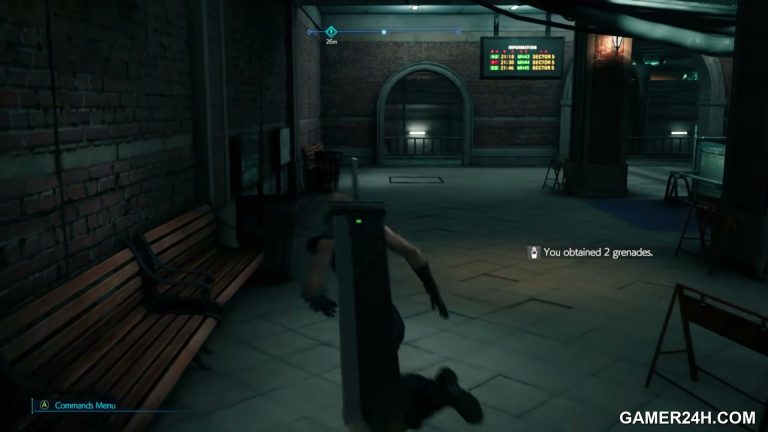
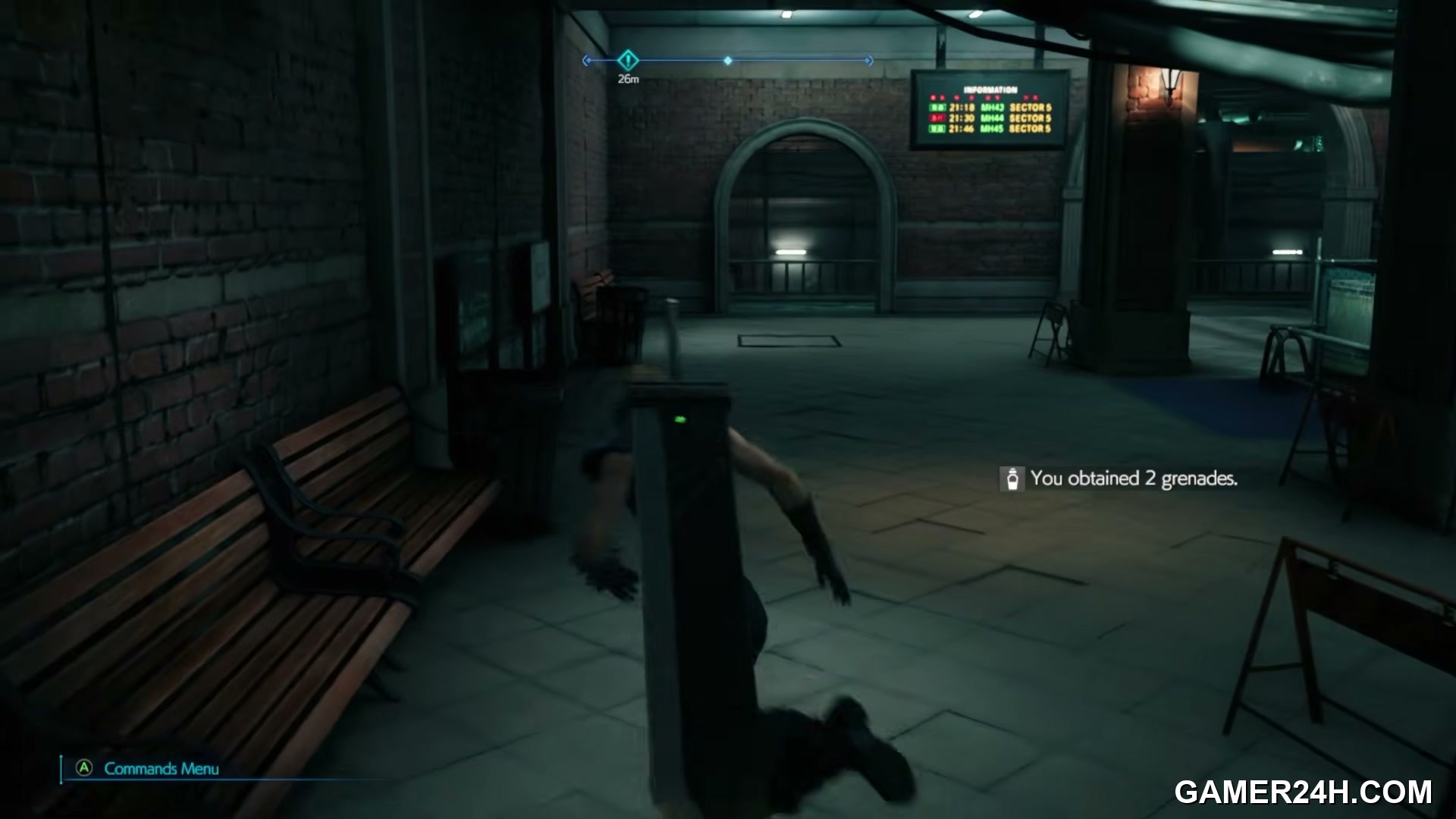
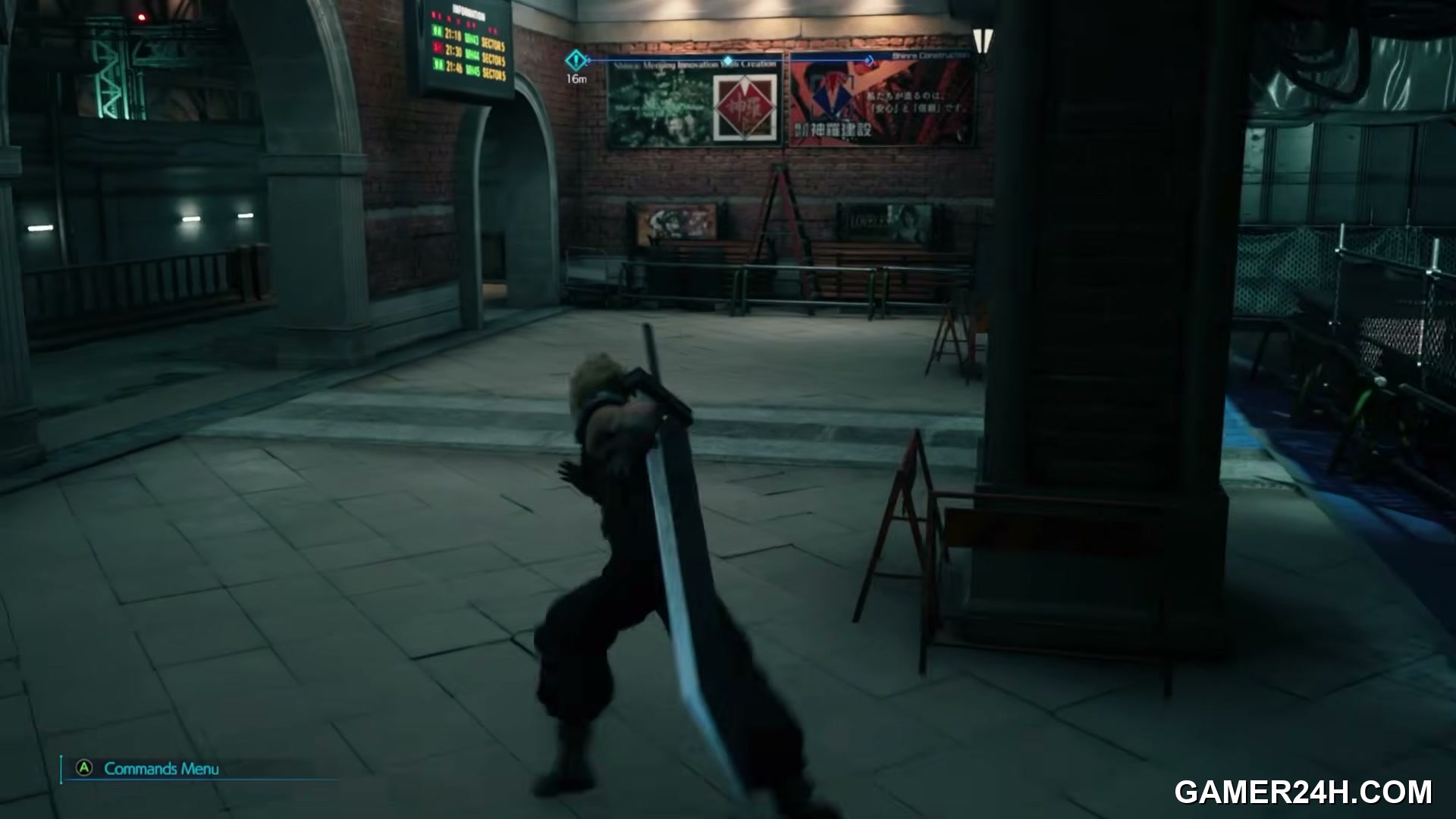
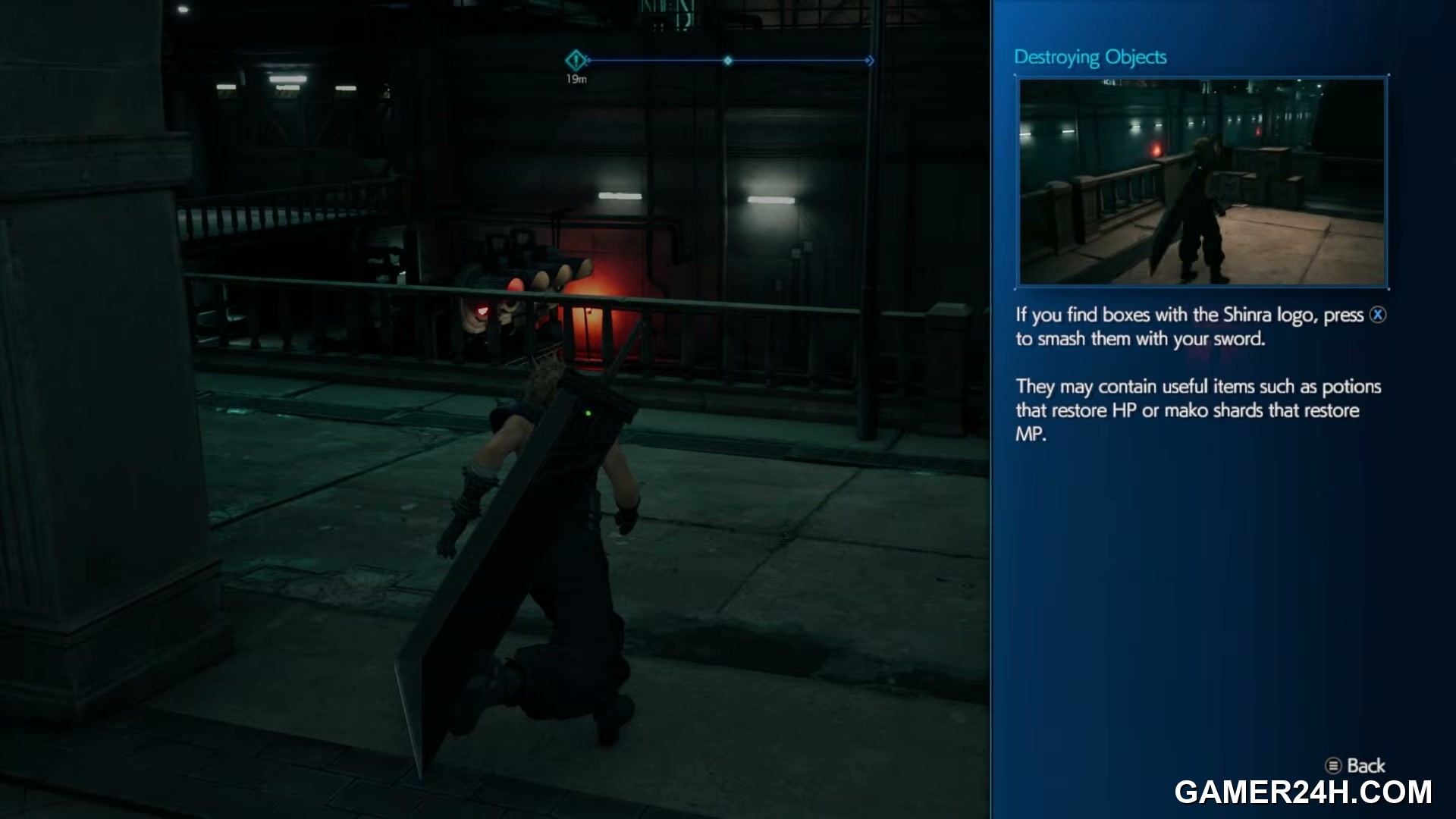
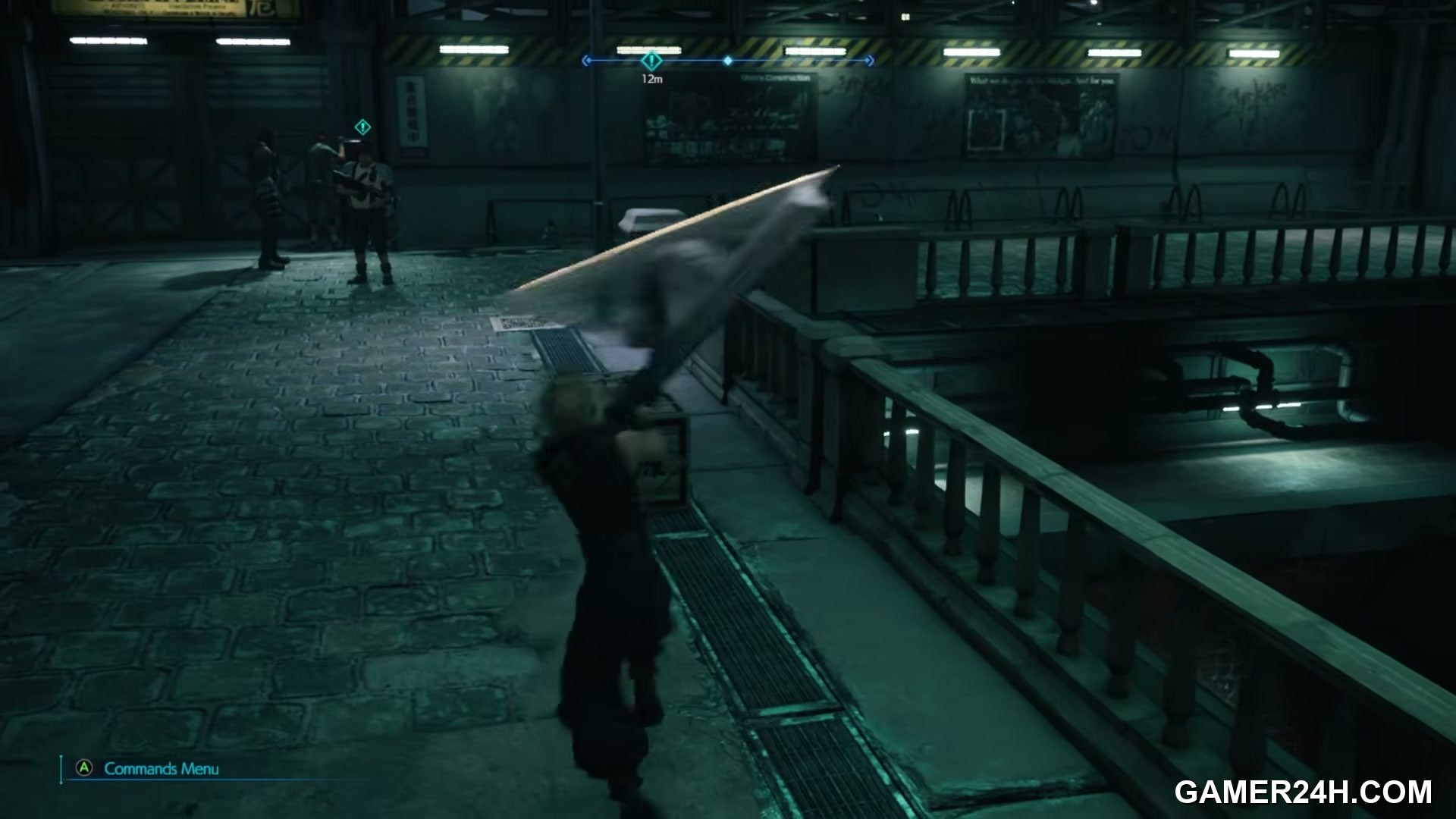
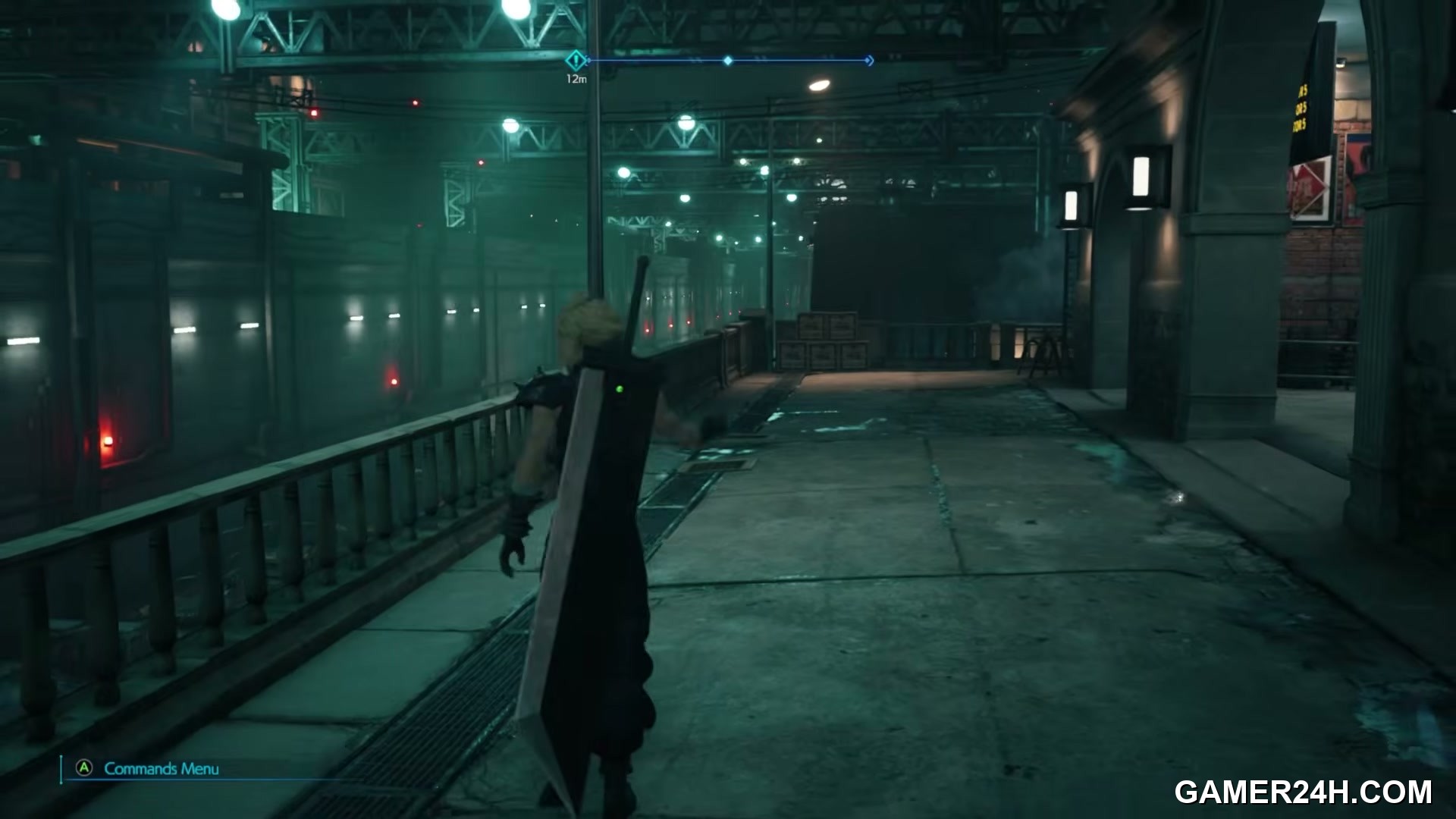
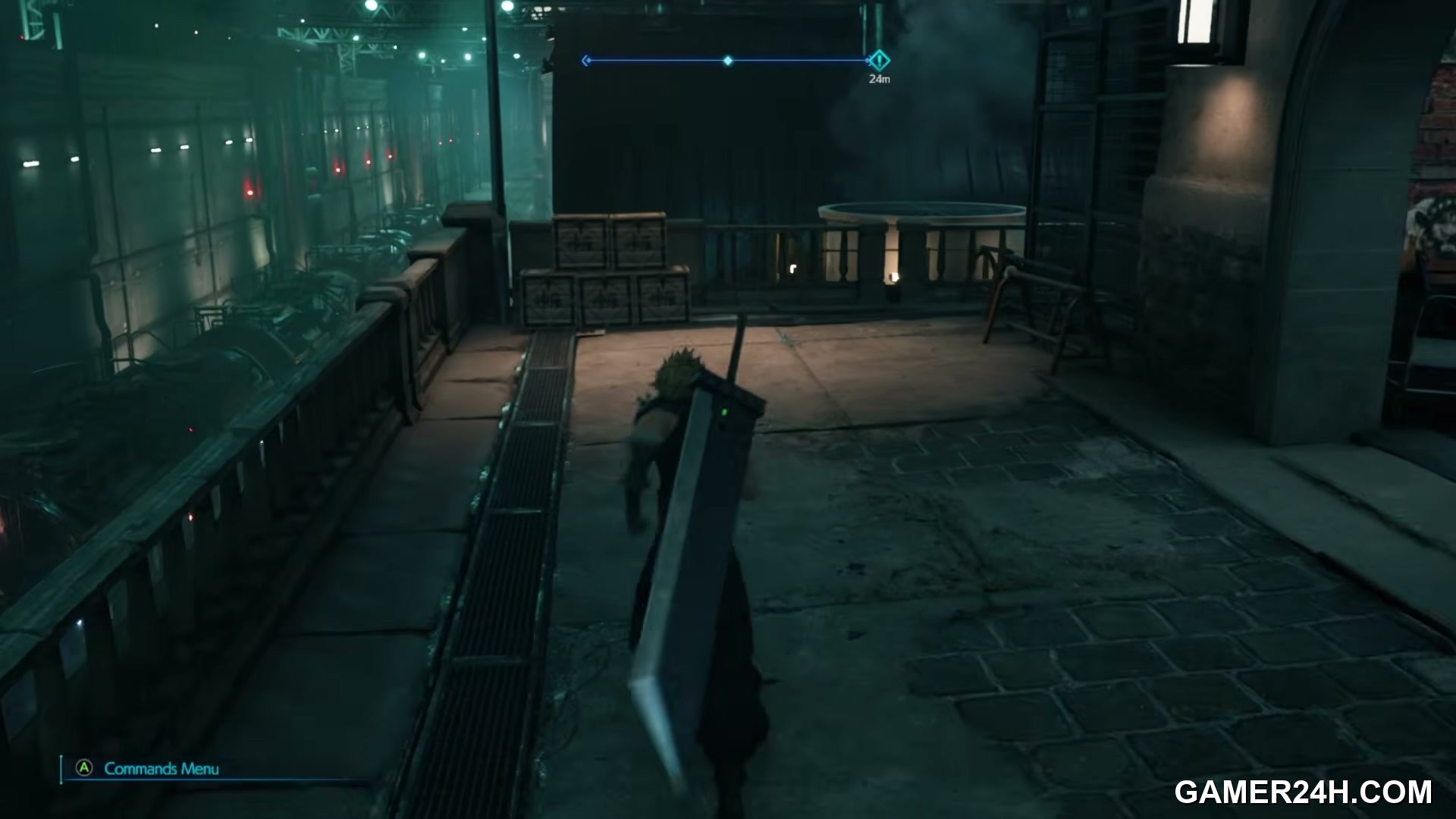
The visual design in “Final Fantasy VII Remake Part 3” is nothing short of breathtaking, thanks to the advanced capabilities of Unreal Engine 5. The developers have meticulously crafted an immersive world that seamlessly blends gritty realism with fantastical elements unique to the Final Fantasy universe. Each environment, from the labyrinthine corridors of Shinra’s headquarters to the sprawling cityscape of Midgar, is rendered in stunning detail.
The use of ray-tracing technology brings light and shadow into sharp relief, creating a dramatic interplay between darkness and illumination that enhances both visual aesthetics and gameplay dynamics. The character models are among the most intricate ever seen in an action RPG, featuring highly detailed textures, lifelike animations, and expressive facial features that convey emotions with remarkable nuance.
Moreover, the seamless integration of CGI cutscenes into the game world ensures a cohesive narrative experience without breaking immersion. This meticulous attention to visual fidelity sets “Final Fantasy VII Remake Part 3” apart as a definitive showcase of Unreal Engine 5’s potential in delivering unparalleled gaming visuals.
Combat & Systems: Tactical Espionage and Combat Dynamics
In this latest installment, Square Enix has expanded upon the combat systems introduced in earlier parts to accommodate Tifa’s espionage role. Players will engage in stealth-based encounters that require careful planning and execution. The game introduces a new mechanic called “Sneak Mode,” which allows players to observe enemy patrols and plan optimal routes through high-risk areas.
Combat scenarios are equally dynamic, featuring an expanded array of hand-to-hand combat techniques inspired by martial arts disciplines. Tifa’s moveset has been enriched with numerous new attacks that can be combined into devastating combos. The system also includes a “Counter” feature, which rewards players for timing their defensive maneuvers to block enemy strikes and retaliate with powerful counterattacks.
Furthermore, the game integrates a resource management element where stealth items such as smoke bombs and lockpicks are essential for completing objectives without alerting enemies. This adds another layer of strategic depth that encourages experimentation and adaptability in gameplay approaches.
Gameplay & Atmosphere Analysis: Portals and Tension
The atmosphere in “Final Fantasy VII Remake Part 3” is characterized by a palpable sense of tension and urgency, particularly as players navigate through the labyrinthine corridors of Shinra’s headquarters. The use of environmental storytelling is masterful; subtle details like graffiti messages left by other AVALANCHE operatives or hidden compartments containing secret documents add layers of intrigue to the gameplay.
A key feature that sets this part apart is the introduction of “Portals,” which serve as entry points into different parts of Shinra’s complex. These portals function similarly to a level selection menu but are integrated organically within the game world, enhancing immersion and narrative coherence. Players must strategically choose their path through these interconnected spaces while avoiding detection by patrolling guards.
The soundtrack plays a crucial role in setting the mood; ambient sounds like footsteps echoing down empty hallways or distant alarm sirens create an acute awareness of danger lurking around every corner. This combination of environmental cues, atmospheric design, and strategic gameplay elements crafts an experience that is both thrilling and nerve-wracking, perfectly encapsulating the essence of espionage.
Narrative & Characters: The Architects’ Mystery and Lucia’s Mission
The narrative in “Final Fantasy VII Remake Part 3” delves deeper into the enigmatic background of the Architect faction within Shinra Corporation. Through Tifa’s interactions with key figures like Elmyra Gainsborough, players uncover the complex web of alliances and betrayals that have shaped this underground resistance movement.
A new character, Lucia, takes center stage as an architect whose mission intersects directly with Tifa’s objectives. Her storyline adds depth to the overall narrative by exploring themes of loyalty and sacrifice within Shinra’s ranks. Through a series of poignant cutscenes and dialogues, players gain insight into Lucia’s motivations and the moral dilemmas she faces.
This installment also sees further development in existing characters like Cloud Strife and Barret Wallace, whose perspectives continue to evolve as they adapt their strategies against Shinra’s formidable forces. The interplay between these character arcs enriches the narrative tapestry, making each decision Tifa makes feel consequential within the broader context of AVALANCHE’s struggle.
Acoustic Preservation / Audio Design: Sounds of Silence and Combat
The audio design in “Final Fantasy VII Remake Part 3” is a meticulous blend of silence and cacophony that underscores the game’s espionage theme. Sound effects play a pivotal role in building tension; even small noises like Tifa’s footsteps or the creaking of floorboards can alert enemies if heard at critical moments. This auditory feedback loop encourages players to move cautiously through stealth missions, adding another layer of challenge and immersion.
For combat sequences, the soundtrack transitions into high-energy orchestral pieces that complement the action on screen. The use of dynamic volume control ensures that ambient sounds remain audible during quieter moments but are effectively drowned out by intense battle music when necessary. This nuanced audio design creates a powerful emotional impact, enhancing both stealth-based tension and adrenaline-fueled combat.
Moreover, voice acting performances from the returning cast bring characters to life with authenticity and depth. Each line delivered carries weight and emotion, contributing significantly to the game’s narrative resonance. The balance between environmental sounds, battle music, and character dialogue ensures a cohesive auditory experience that amplifies the overall gaming immersion.
Critical Reception: Expectations and First Impressions
As “Final Fantasy VII Remake Part 3” launches globally, critics and fans are eager to weigh in on its merits. Early reviews highlight the game’s seamless blend of stealth gameplay with classic RPG elements, praising its innovative use of Unreal Engine 5 for stunning visuals. The narrative depth, especially regarding the Architect faction and Lucia’s storyline, has garnered particular acclaim for enriching the overall Final Fantasy VII saga.
However, some critics note that the shift towards espionage-based mechanics may alienate long-time fans accustomed to more traditional RPG combat systems. Others have pointed out minor technical issues such as occasional frame rate drops during high-stress moments, though these are generally considered minor quibbles in an otherwise polished product.
Overall, “Final Fantasy VII Remake Part 3” is receiving widespread acclaim for its ambitious design and execution, setting a new benchmark for next-generation action RPGs. The game’s ability to innovate while honoring the spirit of its source material positions it as a must-play title for both veterans and newcomers alike.
Conclusion: The Vanguard of Next-Gen Action
In conclusion, “Final Fantasy VII Remake Part 3” stands out not just as an installment in a beloved franchise but as a groundbreaking example of what next-generation gaming can achieve. Through its innovative blend of stealth gameplay with RPG elements, stunning visuals, and rich narrative depth, the game pushes the boundaries of what is possible in action-adventure titles.
As players dive into Tifa’s espionage mission within Shinra Corporation, they are treated to an immersive experience that challenges their tactical acumen while rewarding them with a gripping storyline and unforgettable characters. The seamless integration of cutting-edge technology and timeless storytelling cements “Final Fantasy VII Remake Part 3” as a true masterpiece in the realm of video games.
With its release, Square Enix not only pays homage to the original game but also sets a new standard for future titles in both the Final Fantasy series and beyond. Whether you’re a long-time fan or a newcomer to the franchise, this installment offers an unparalleled gaming experience that is sure to leave a lasting impression on players worldwide.
.single-share-action-btn:hover { transform: translateY(-2px); box-shadow: 0 6px 20px rgba(37, 99, 235, 0.4) !important; background: linear-gradient(135deg, #0369a1 0%, #1d4ed8 50%, #4338ca 100%) !important; } .single-share-action-btn:active { transform: translateY(0); box-shadow: 0 2px 8px rgba(37, 99, 235, 0.2) !important; } .share-section, .entry-share, .post-share-bar { display: none !important; }Gallery



No comments