

About this game
Introduction: Stealth Espionage Reimagined
As the gaming industry continues to push boundaries and redefine genres, Pathea Games has emerged as a notable player with their upcoming Action RPG, “The God Slayer.” This title is not just another entry in an already crowded market; it’s a bold step towards redefining stealth-based espionage games. Set against the backdrop of a dystopian society where gods walk among mortals, “The God Slayer” offers players an immersive and challenging experience that blends tactical combat with intricate stealth mechanics.
In this exclusive preview, we delve into what makes “The God Slayer” stand out from the crowd: its visual splendor, innovative gameplay mechanics, deep narrative threads, and a sound design that immerses you in every moment of tension. This article aims to provide readers with an unparalleled glimpse into how Pathea Games is poised to set new standards for action RPGs.
Visual Splendor: Pushing the Limits of Unreal Engine 5
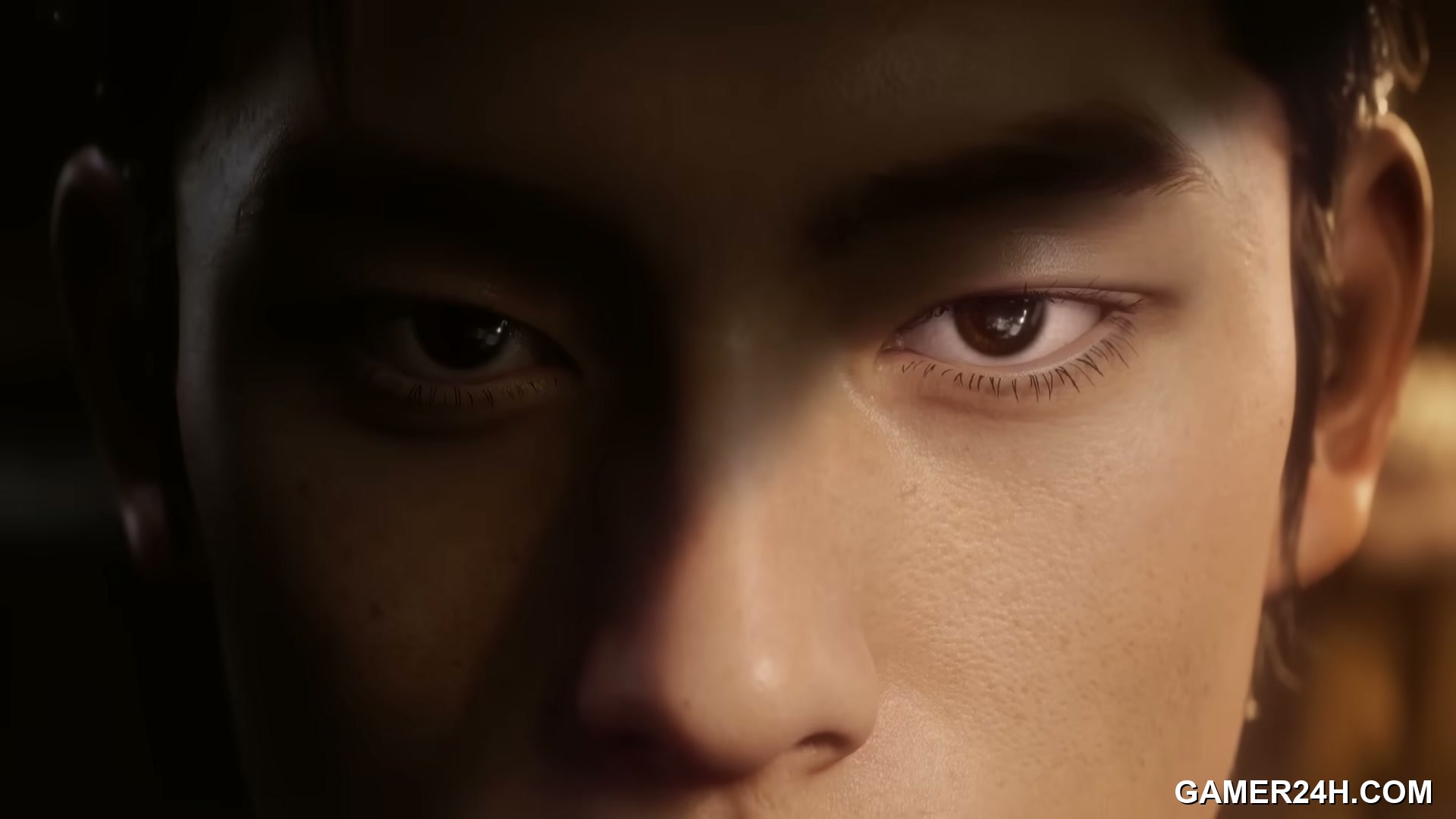
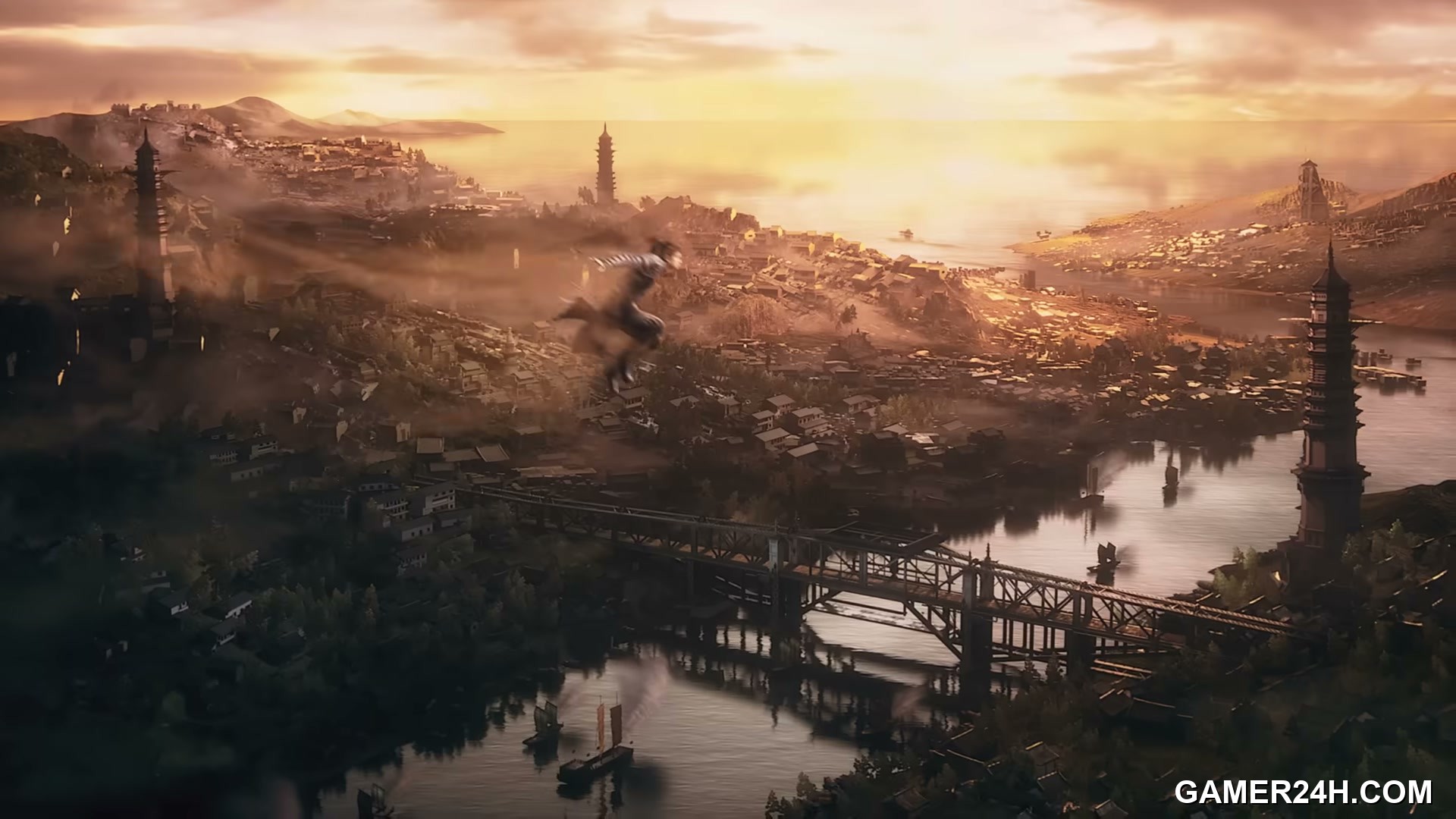
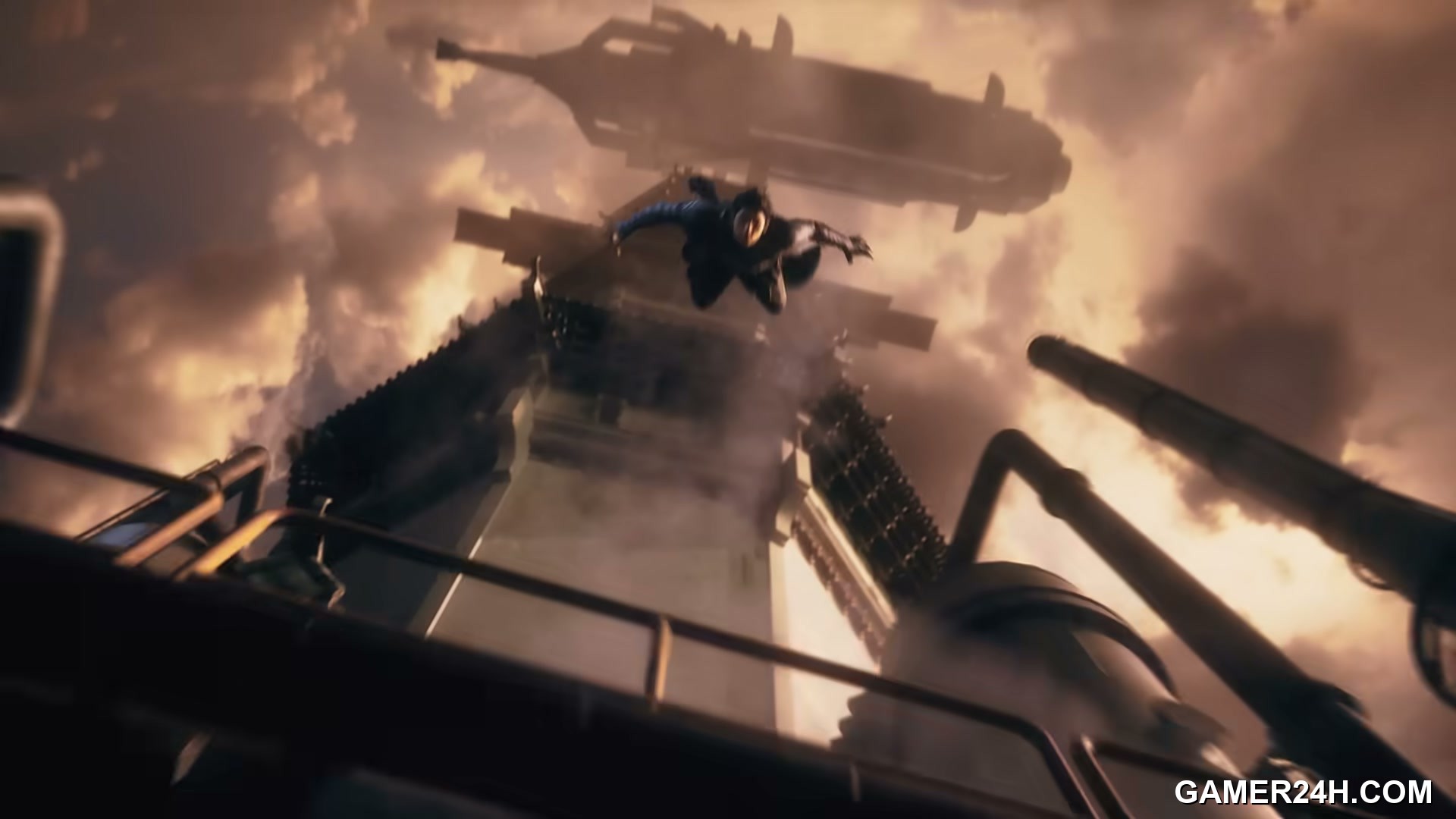
One cannot discuss “The God Slayer” without acknowledging its breathtaking visuals, powered by Unreal Engine 5. The game’s aesthetic is a perfect blend of stark realism and surreal fantasy elements that seamlessly coexist within an oppressive yet hauntingly beautiful world. From the sprawling neon-lit cities to the desolate wastelands where nature begins to reclaim humanity’s dominion, each environment is meticulously crafted with attention to detail that ensures players are continually captivated.
The use of Unreal Engine 5 allows for dynamic lighting and shadow effects that create a moody atmosphere, essential in enhancing the game’s narrative depth. The level design integrates complex mechanics like environmental puzzles and enemy AI systems, all rendered in stunning clarity thanks to UE5’s Nanite virtualized geometry, which eliminates traditional draw distance limits.
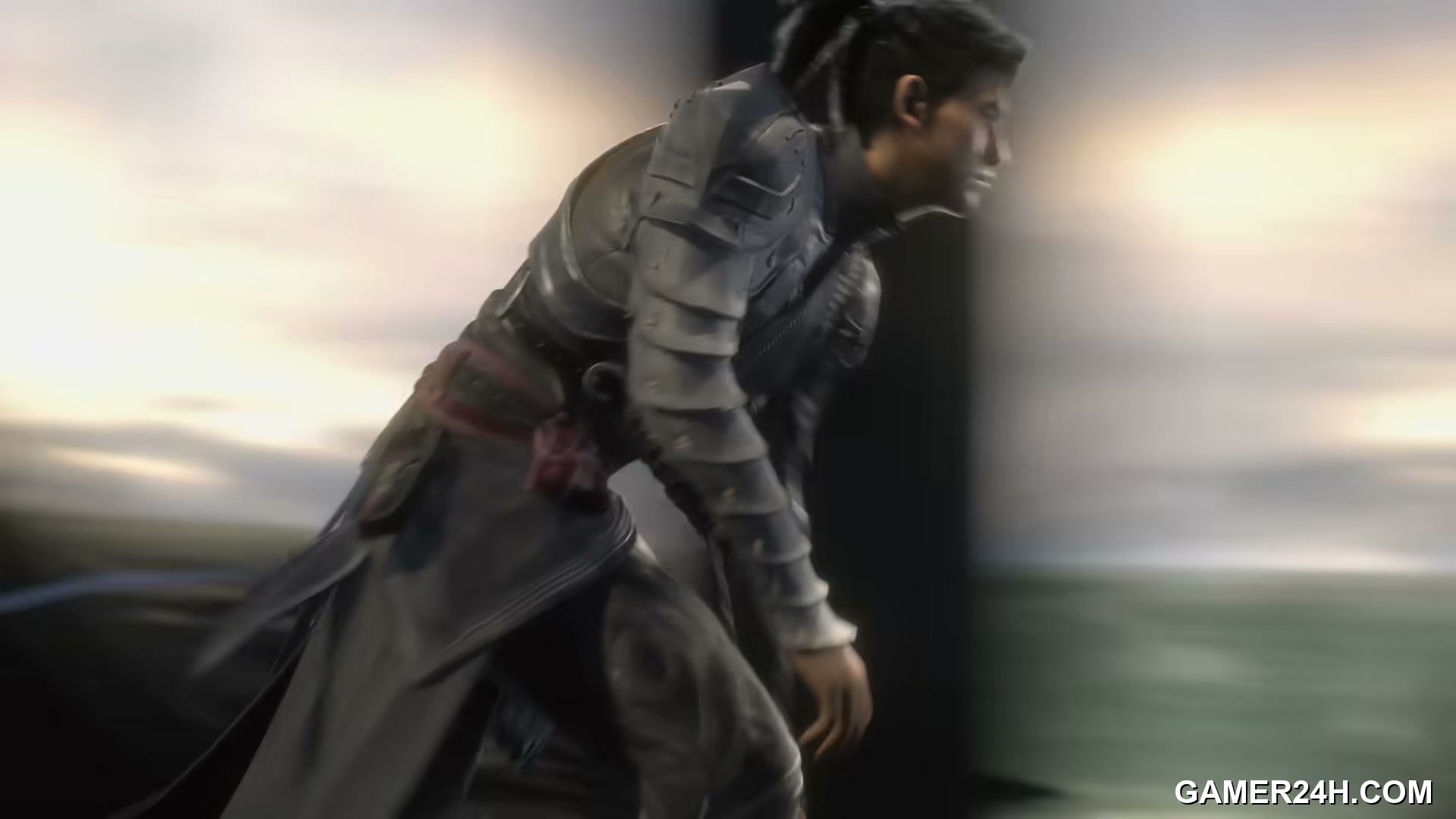
Moreover, “The God Slayer” features fluid character animations coupled with realistic physics simulations that bring each fight sequence alive. The attention to detail extends beyond aesthetics; sound effects and background noises subtly change based on the player’s actions and environmental interactions, creating an immersive experience where every decision matters.
Combat & Systems: Tactical Espionage and Combat Dynamics
At its core, “The God Slayer” is a game about survival in a world where being noticed means certain death. The combat system marries stealth with strategy, offering players multiple approaches to overcoming challenges. While direct confrontation can be an option, it’s often less effective than employing cunning tactics to outmaneuver foes.
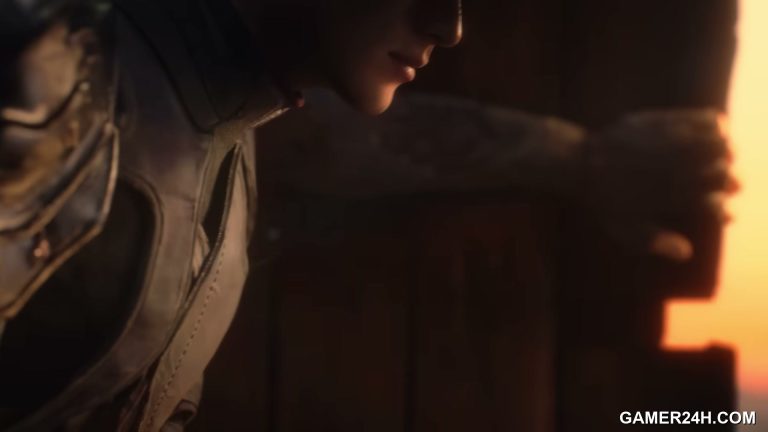
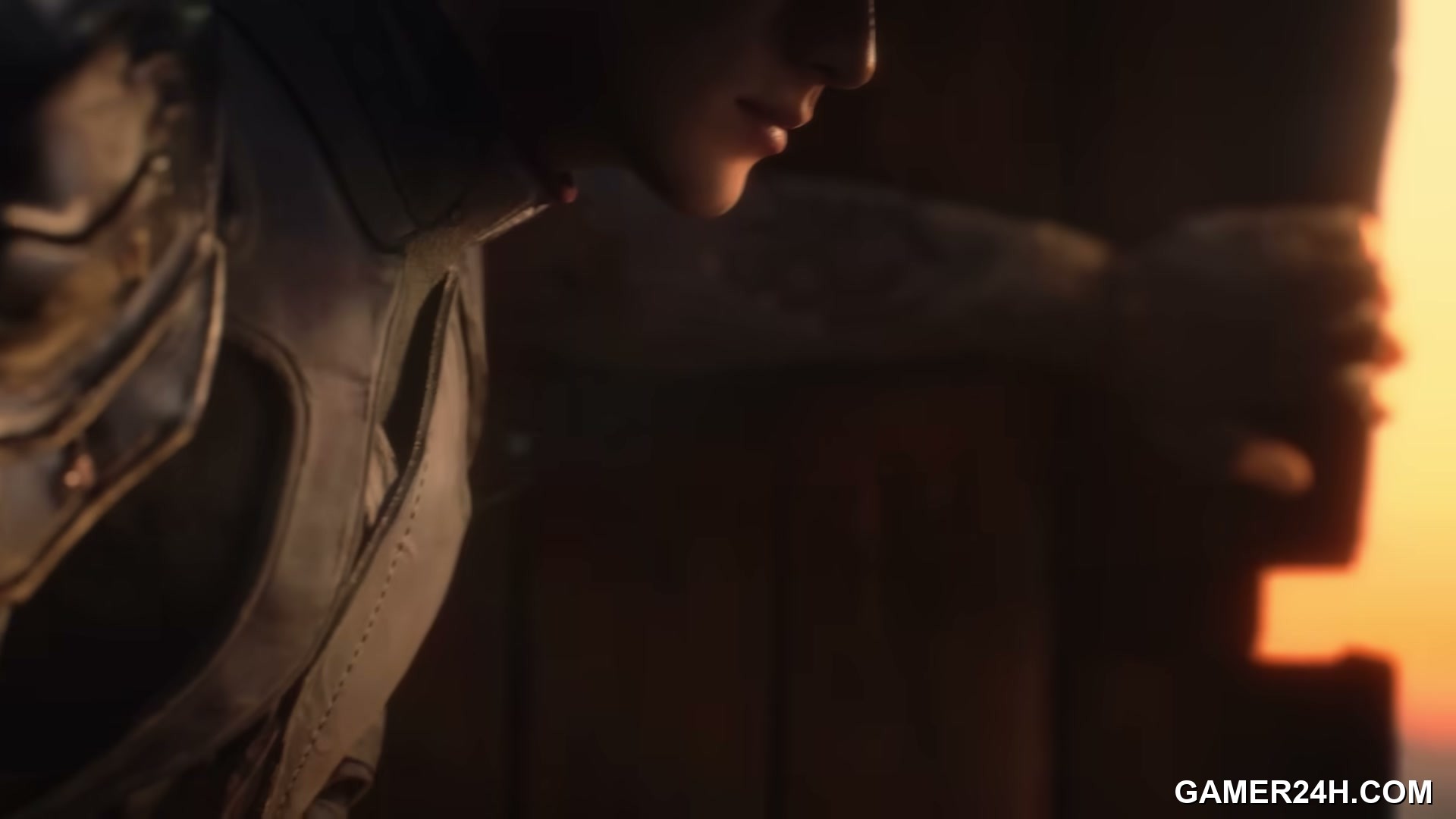
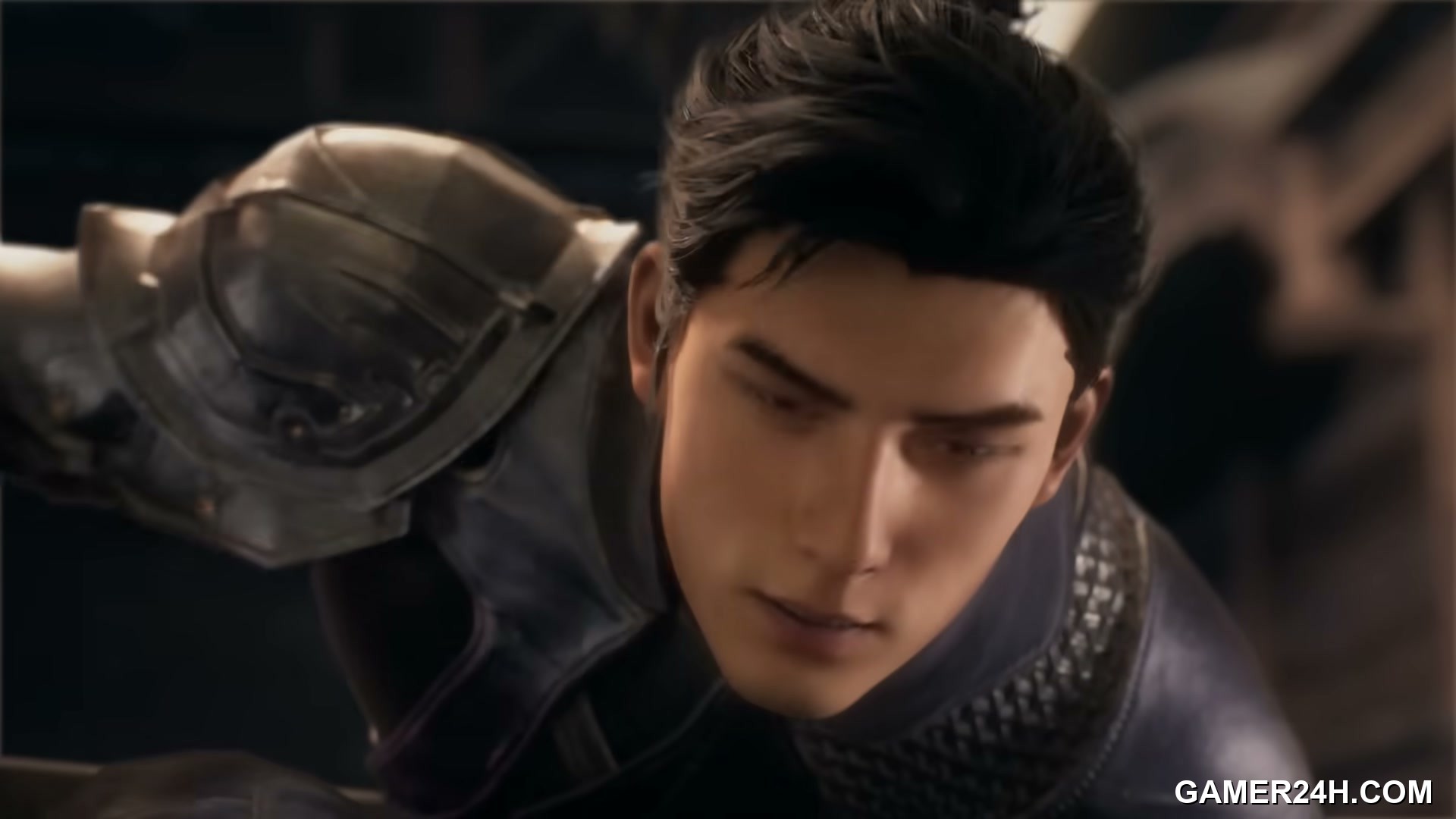
Players take control of Lucia, a skilled agent who must navigate through hostile territories filled with both human and divine adversaries. Combat dynamics are designed to reward patience and observation: enemies have unique patrol patterns, strengths, and weaknesses that require careful study before engaging. This encourages players to approach each encounter methodically rather than relying solely on brute force.
A key feature of the combat system is Lucia’s ability to manipulate the environment using portals—a mechanic reminiscent of classic platformers but adapted here for strategic advantage. Portals allow her to bypass obstacles, set traps, or create advantageous line-of-sight scenarios that can tip battles in her favor. The inclusion of these elements adds a layer of complexity and excitement to combat encounters.
Gameplay & Atmosphere Analysis: Portals and Tension
The use of portals is not merely a gimmick but an integral part of the gameplay experience, significantly affecting how players interact with both the environment and narrative. These dimensional rifts provide opportunities for creative problem-solving and dynamic combat scenarios, elevating “The God Slayer” beyond conventional stealth games.
Portals serve as conduits to different areas within the same space or even between levels, allowing Lucia access to secret paths and hidden caches of resources. This mechanic also introduces a sense of constant discovery, encouraging exploration and experimentation with level geometry. However, they come at a cost: improper usage could alert enemies or trigger traps, adding an element of risk-reward gameplay.
The atmosphere in “The God Slayer” is meticulously crafted to keep players on edge. From the eerie silence punctuated by sudden bursts of combat to the pervasive sense of being watched, every aspect contributes to maintaining tension throughout the game. Sound plays a crucial role here; ambient noises such as footsteps and distant conversations build anticipation for encounters while strategic sound suppression mechanics enable stealthier approaches.
Narrative & Characters: The Architects’ Mystery and Lucia’s Mission
“The God Slayer” boasts a compelling narrative that revolves around the enigmatic Architects—a secretive organization believed to hold the key to humanity’s survival against divine threats. Players are introduced to these characters through cryptic messages, hidden documents, and brief encounters throughout Lucia’s journey.
Lucia herself is an intriguing protagonist whose past remains shrouded in mystery, gradually revealed through flashbacks intertwined with main storyline progression. Her character development is organic, evolving alongside her growing skills and understanding of the world she inhabits. Each decision made by players impacts not only gameplay outcomes but also Lucia’s personal narrative arc.
As Lucia delves deeper into uncovering truths about the Architects, she uncovers a web of conspiracy that challenges everything she thought she knew about gods and mortals coexisting on Earth. This narrative structure ensures that “The God Slayer” delivers more than just action; it offers profound insights into themes such as power dynamics, morality under pressure, and the cost of knowledge.
Acoustic Preservation / Audio Design: Sounds of Silence and Combat
Audio design in “The God Slayer” is paramount to its immersive experience. Soundscapes are meticulously crafted to enhance the game’s atmosphere and gameplay mechanics, balancing silence with intense combat sequences. The absence of noise serves just as effectively as sound itself; player actions like sneaking or moving quietly rely heavily on auditory cues from both enemies and the environment.
Combat audio features robust integration where each weapon type produces distinct sounds, providing instant feedback on action effectiveness. Explosions, impacts, and environmental damage effects are designed to be visceral yet maintain clarity amidst chaos, ensuring that players always know what’s happening around them without being overwhelmed by cacophony.
Furthermore, voice acting complements the game’s narrative depth, with performances that range from chillingly calm to explosively fierce. These elements combine to create a symphony of auditory experiences that not only captivate but also inform gameplay strategies and emotional responses throughout “The God Slayer.”
Critical Reception: Expectations and First Impressions
As anticipation builds for the release of “The God Slayer,” industry analysts and gamers alike are buzzing with excitement and curiosity. Early reviews from select testers have praised its innovative mechanics, stunning visuals, and gripping narrative, positioning Pathea Games as a frontrunner in next-generation RPG development.
However, some critics have pointed out potential issues such as steep learning curves associated with mastering the portal system and combat tactics. Despite these minor concerns, most agree that “The God Slayer” presents an ambitious vision for stealth action games that pushes boundaries both creatively and technically.
First impressions from early demos indicate a game rich in atmosphere, challenging gameplay, and deep storytelling—elements that should resonate well among fans of the genre looking for something fresh and exhilarating. As release day approaches, all eyes are on Pathea Games to see how “The God Slayer” will fare against established titles and set new benchmarks for stealth action RPGs.
Conclusion: The Vanguard of Next-Gen Action
In conclusion, “The God Slayer” emerges as a game that not only pays homage to the classic elements of espionage thrillers but also innovates by integrating advanced technology like Unreal Engine 5 with intricate gameplay mechanics. Through its masterful blend of stealth and combat, engaging narrative, and immersive audio design, Pathea Games has crafted an experience that promises to challenge players while rewarding their creativity and strategic thinking.
As we look towards the future of action RPGs, “The God Slayer” stands as a testament to what can be achieved when developers dare to think outside conventional paradigms. It sets itself apart not just through its unique gameplay features but also by delivering on the promise of next-gen gaming in terms of visual fidelity and narrative depth. With high expectations already building among fans and critics alike, “The God Slayer” is poised to make waves in the gaming community upon release, cementing Pathea Games’ reputation as a leader in pushing boundaries for modern action RPGs.
.single-share-action-btn:hover { transform: translateY(-2px); box-shadow: 0 6px 20px rgba(37, 99, 235, 0.4) !important; background: linear-gradient(135deg, #0369a1 0%, #1d4ed8 50%, #4338ca 100%) !important; } .single-share-action-btn:active { transform: translateY(0); box-shadow: 0 2px 8px rgba(37, 99, 235, 0.2) !important; } .share-section, .entry-share, .post-share-bar { display: none !important; }Gallery





No comments