

About this game
Introduction: Stealth Espionage Reimagined
In an era where triple-A titles dominate the gaming landscape, Anima: Song from the Abyss, developed by The Anima Project, emerges as a beacon of innovation in stealth action role-playing games (RPGs). The game’s unique blend of tactical espionage and intense combat dynamics sets it apart from its contemporaries, offering players an immersive experience that challenges traditional notions of gameplay and storytelling. As we delve into the intricacies of Anima, prepare to be transported to a world where every decision could mean the difference between survival and obliteration.
Visual Splendor: Pushing the Limits of Unreal Engine 5
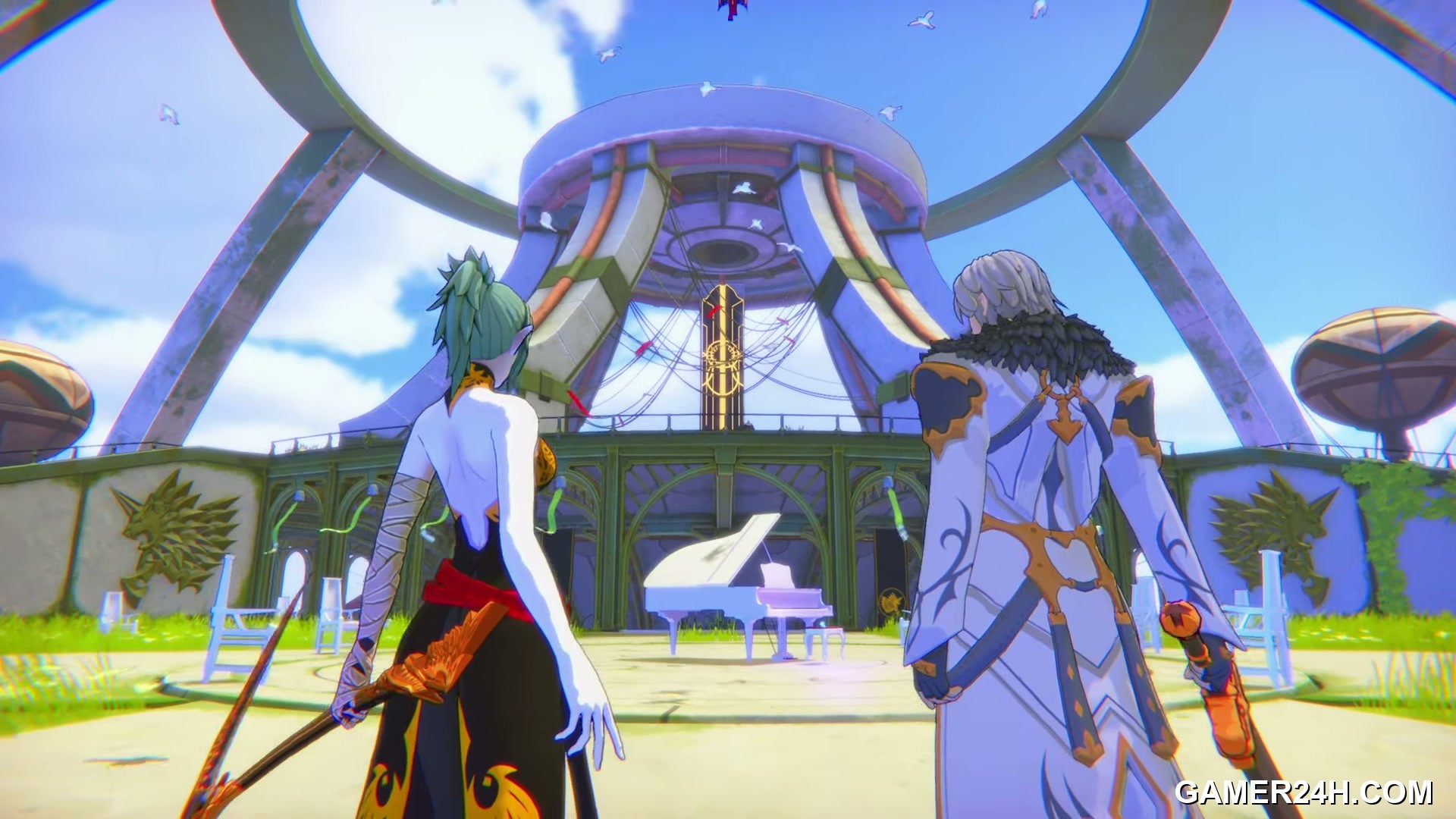
Anima: Song from the Abyss is not just a game; it’s an artistic masterpiece brought to life through the unparalleled capabilities of Unreal Engine 5. The developers have leveraged this cutting-edge technology to create a visual experience that rivals any cinematic production. From the sprawling, meticulously detailed environments to the fluid animations and dynamic lighting effects, every aspect of the game is designed to captivate the player’s senses.
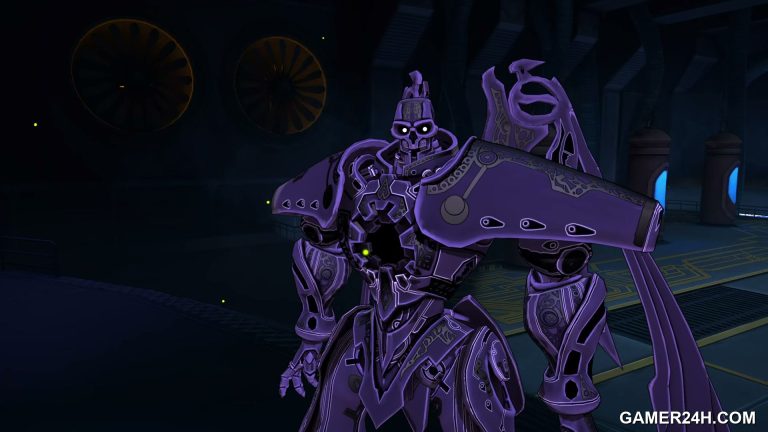
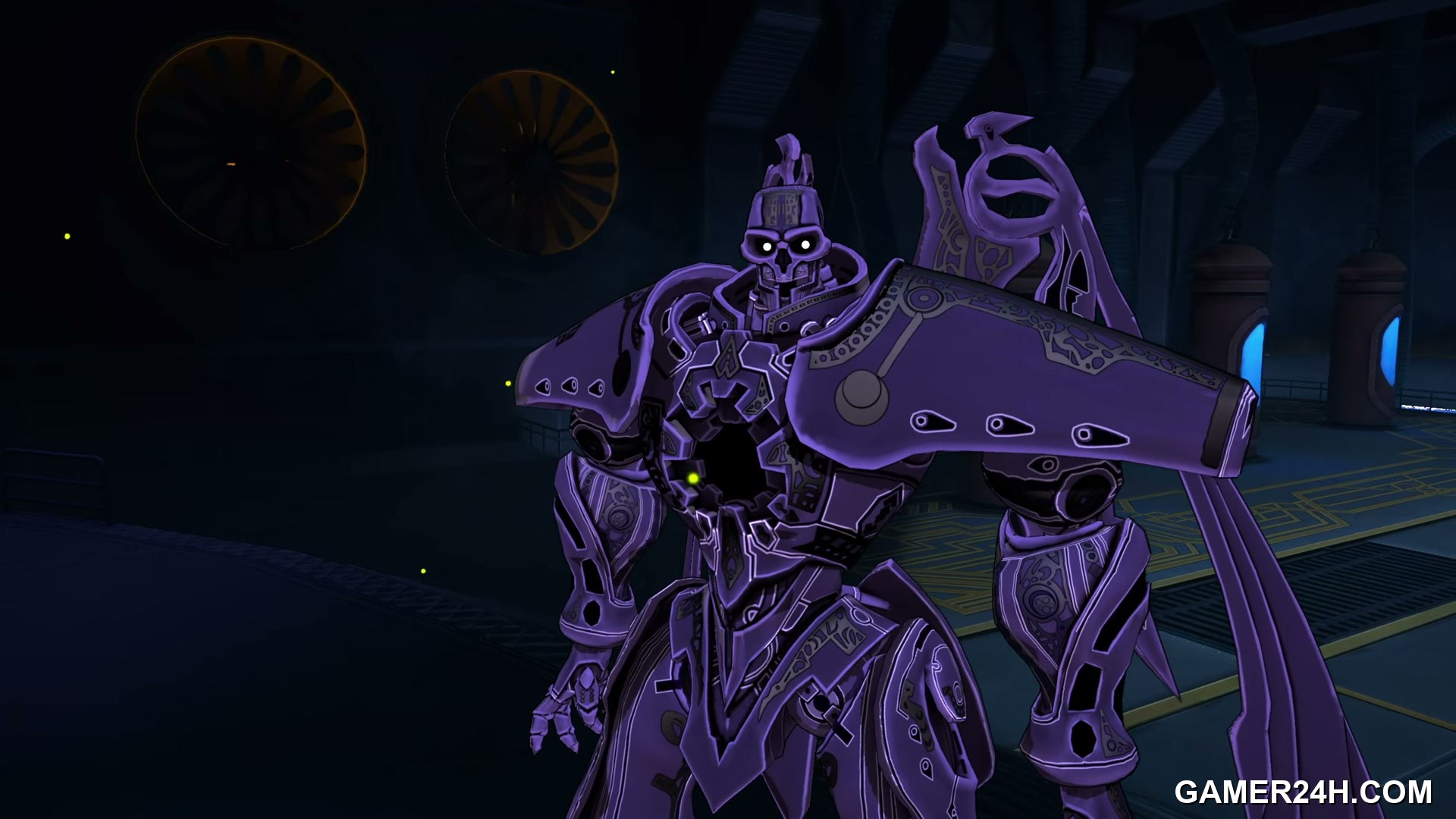
The use of ray tracing and real-time global illumination adds an extra layer of depth to the visuals, making each environment feel alive and vibrant. The contrast between light and shadow is masterfully executed, creating a stark distinction that heightens the tension in stealth-based encounters. Furthermore, the character models are nothing short of astonishing, with realistic textures and lifelike movements that seamlessly integrate into the game’s narrative and gameplay.
Combat & Systems: Tactical Espionage and Combat Dynamics
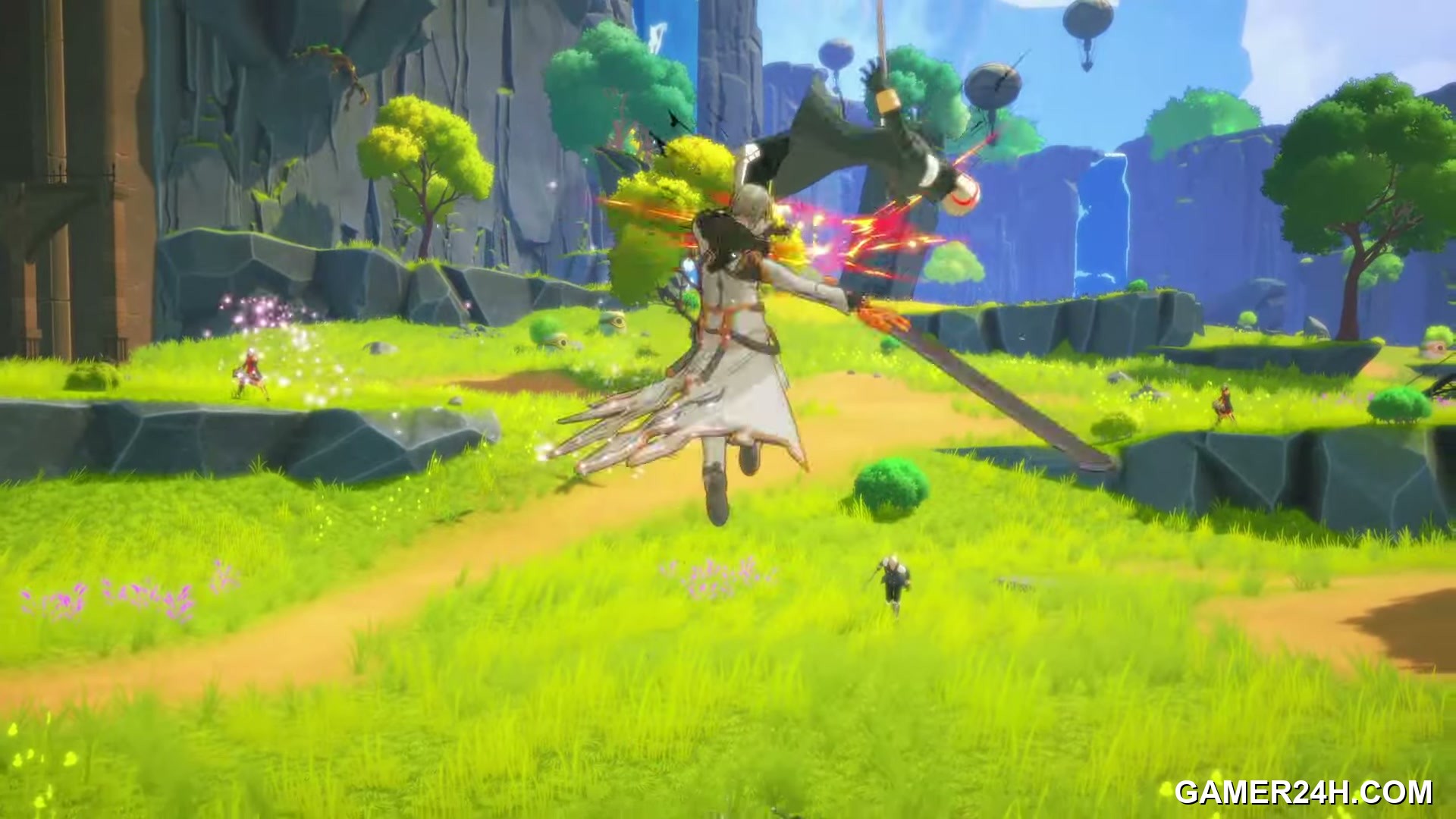
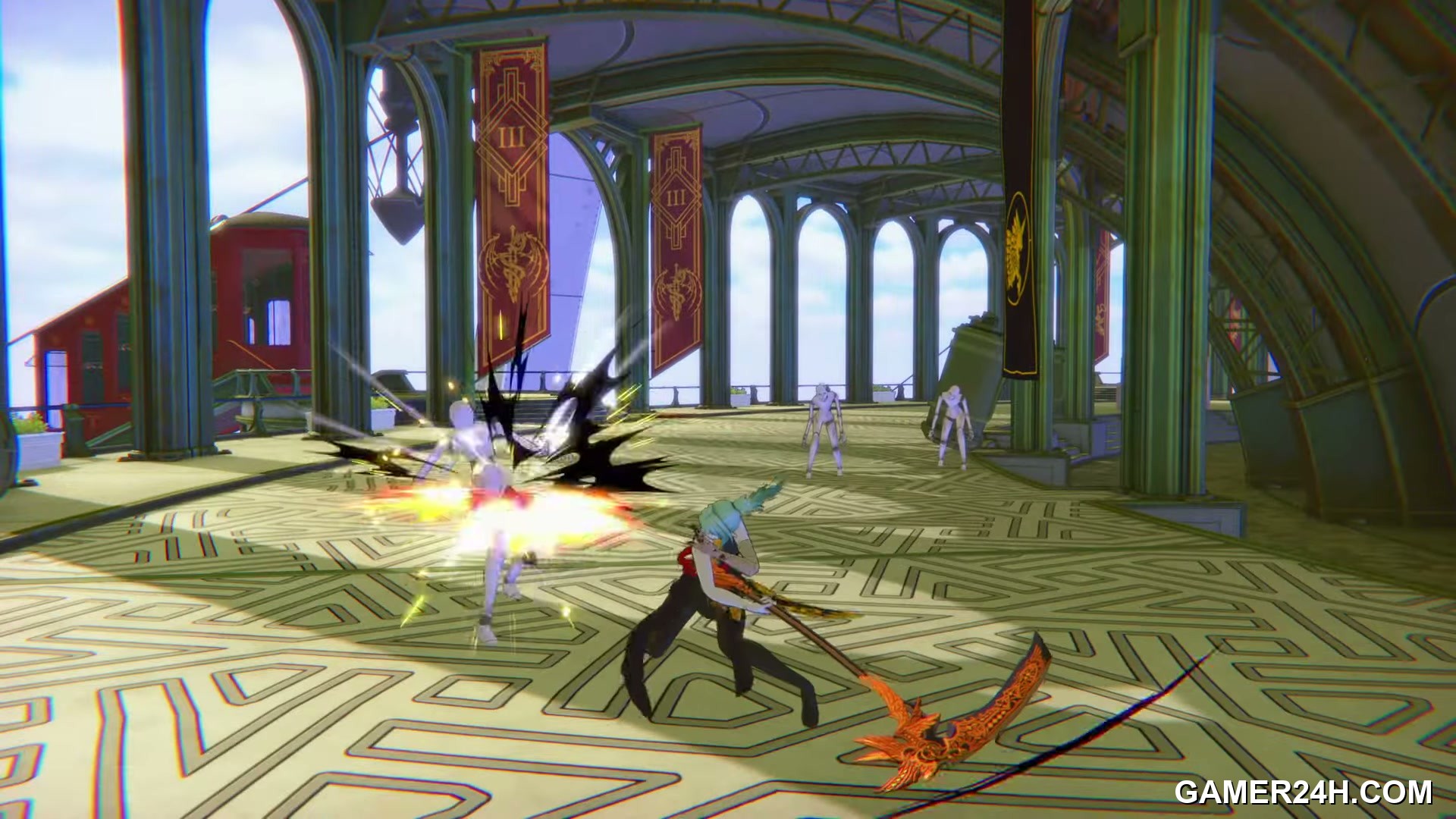
At its core, Anima: Song from the Abyss is a game about choices—choices that can shift the tides of battle in an instant. The combat system marries stealth and direct confrontation, forcing players to adapt their strategies based on situational awareness. This dynamic gameplay requires not only quick reflexes but also tactical foresight, as enemies are equipped with AI sophisticated enough to respond intelligently to player actions.
The integration of RPG elements such as character customization and skill trees adds an extra layer of depth to the combat mechanics. Players can tailor their characters to suit their preferred playstyle, whether that be a stealthy assassin or a brute force warrior. Each decision has consequences, making every encounter feel unique and challenging.
Moreover, the game’s physics engine plays a crucial role in combat dynamics. Objects within the environment can be utilized as tools for both offense and defense, from throwing objects to distract enemies to using environmental hazards to your advantage. This level of interactivity not only enhances the gameplay but also adds an element of unpredictability that keeps players on their toes.
Gameplay & Atmosphere Analysis: Portals and Tension
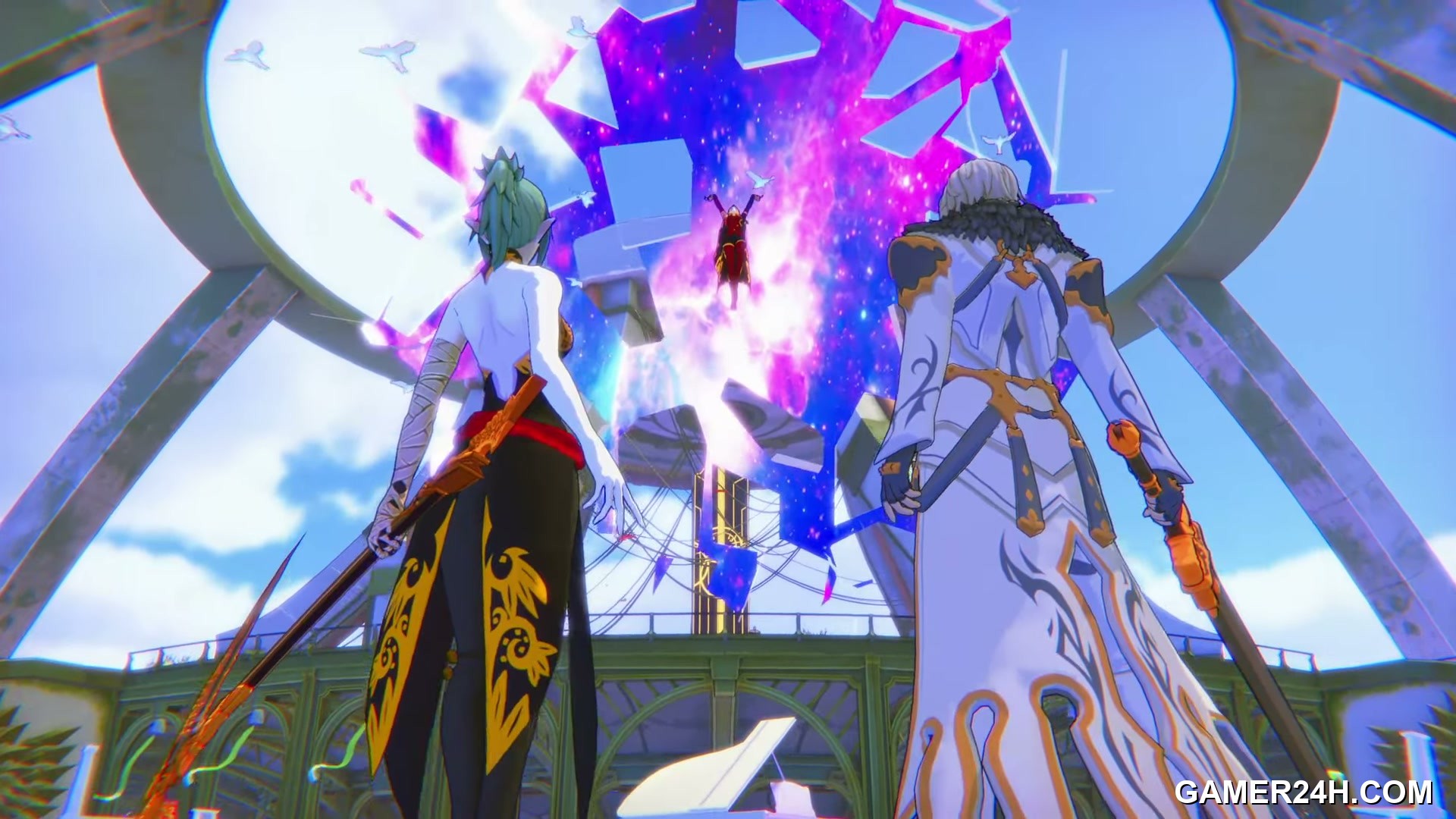
One of the most intriguing aspects of Anima: Song from the Abyss is its use of portals as both a gameplay mechanic and narrative device. These portals serve as gateways between different dimensions, each with its own unique set of challenges and enemies. The act of transitioning through these portals adds an element of suspense and surprise to the game, as players must constantly adapt to new environments and foes.
The atmosphere within Anima is deliberately crafted to create a sense of tension and urgency. Whether it’s the eerie silence that precedes an ambush or the oppressive presence of looming threats, every aspect of the game design works in concert to build a palpable sense of danger. The narrative unfolds gradually, revealing secrets piecemeal as players progress through levels filled with mystery and intrigue.
Narrative & Characters: The Architects’ Mystery and Lucia’s Mission
The narrative at the heart of Anima: Song from the Abyss revolves around the enigmatic organization known as “The Architects,” whose true motives remain shrouded in secrecy. Players take on the role of Lucia, a skilled operative with a personal vendetta against The Architects for their involvement in a tragic event from her past. As she delves deeper into their operations, Lucia uncovers a conspiracy that threatens not just individuals but entire dimensions.
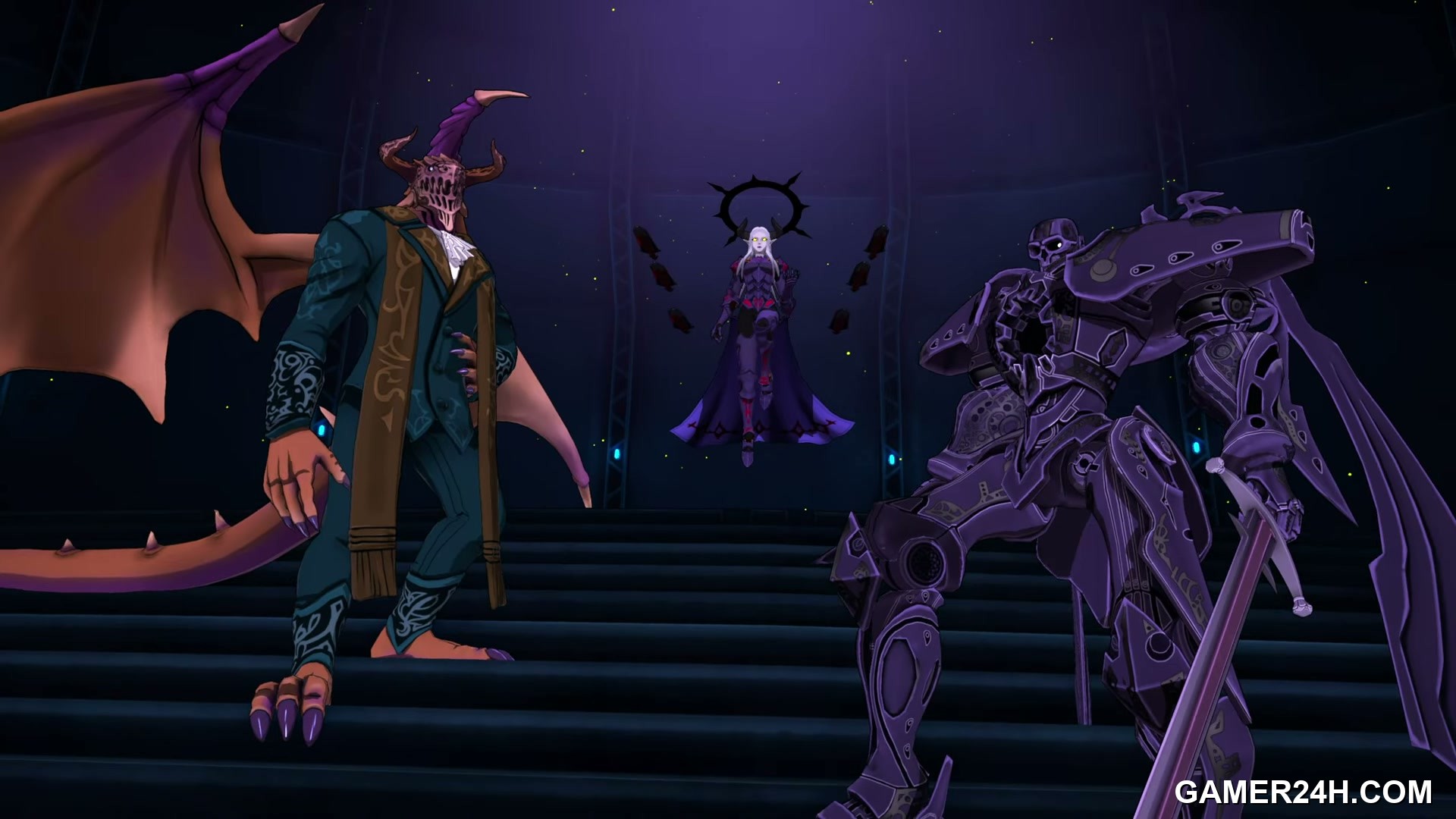
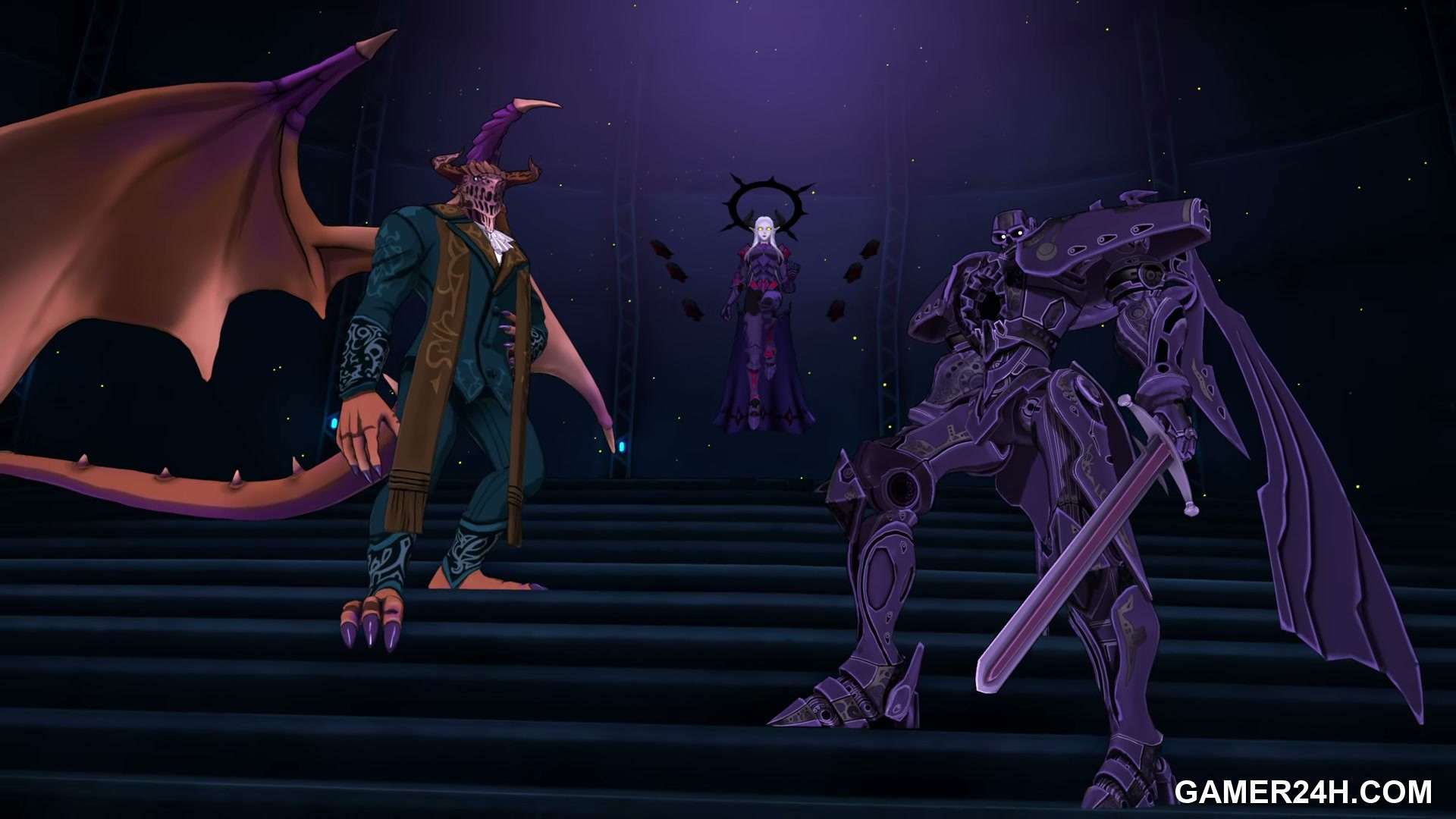
The cast of characters is richly developed, each with their own backstories and motivations. From the enigmatic leaders of The Architects to the loyal operatives who question their orders, every character adds depth to the narrative tapestry. Lucia’s journey is marked by moral dilemmas and emotional conflicts that challenge her resolve and force players to confront difficult choices.
Acoustic Preservation / Audio Design: Sounds of Silence and Combat
The audio design in Anima: Song from the Abyss is a masterclass in creating an immersive auditory experience. From the subtle footfalls echoing through empty corridors to the cacophony of combat, every sound plays a crucial role in building tension and enhancing gameplay immersion.
The game’s sound effects are meticulously crafted to reflect the environmental conditions and player actions accurately. For instance, the rustling of foliage or the clinking of metal against stone can alert nearby enemies, adding an extra layer of complexity to stealth missions. Conversely, the silence that follows a well-executed assassination is as impactful as the roar of gunfire in a heated battle.
The musical score complements this auditory landscape with haunting melodies and dynamic orchestral arrangements. Each dimension has its own unique soundtrack, reflecting the mood and atmosphere of its respective environment. Whether it’s the eerie whispers of an abandoned facility or the triumphant fanfare that accompanies a successful mission, the music serves as another tool for storytelling.
Critical Reception: Expectations and First Impressions
Since its announcement, Anima: Song from the Abyss has garnered significant attention within both gaming communities and industry circles. The anticipation surrounding this title is palpable, with many gamers eagerly awaiting a chance to experience its innovative gameplay mechanics and stunning visuals firsthand.
Early reviews have praised the game’s seamless blend of stealth and action, noting that it successfully strikes a balance between challenge and accessibility. Critics highlight the depth of character development and narrative complexity as standout features, praising The Anima Project for crafting an engaging story that resonates emotionally with players.
However, some reviewers have pointed out minor issues such as occasional frame rate drops during intense combat sequences. Despite these concerns, overall reception remains overwhelmingly positive, with many experts predicting Anima to be a frontrunner among this year’s must-play titles.
Conclusion: The Vanguard of Next-Gen Action
In conclusion, Anima: Song from the Abyss stands out as an exemplar of modern game design, pushing boundaries in both technical and creative aspects. Its innovative use of Unreal Engine 5 to craft visually stunning environments, coupled with a deep, engaging narrative and intricate gameplay mechanics, positions it as a leading title in next-generation action RPGs.
As players embark on Lucia’s journey through the labyrinthine dimensions controlled by The Architects, they are treated to an unforgettable gaming experience that challenges traditional norms while setting new standards for excellence. Whether you’re a seasoned veteran of stealth games or simply looking for your next adventure, Anima: Song from the Abyss is undoubtedly worth exploring.
.single-share-action-btn:hover { transform: translateY(-2px); box-shadow: 0 6px 20px rgba(37, 99, 235, 0.4) !important; background: linear-gradient(135deg, #0369a1 0%, #1d4ed8 50%, #4338ca 100%) !important; } .single-share-action-btn:active { transform: translateY(0); box-shadow: 0 2px 8px rgba(37, 99, 235, 0.2) !important; } .share-section, .entry-share, .post-share-bar { display: none !important; }Gallery




No comments