Introduction: The Next Chapter for The Elder Scrolls IV: Oblivion
Released in 2006, *The Elder Scrolls IV: Oblivion* arrived as a highly anticipated sequel to the critically acclaimed *Morrowind*. Bethesda Game Studios aimed to build upon the foundation of open-world exploration and character customization while addressing some of the criticisms leveled at its predecessor. The game promised a vast world, engaging quests, and an immersive experience that would redefine the RPG genre. It represented not just a new installment but a significant step forward in Bethesda's vision for interactive storytelling and player agency.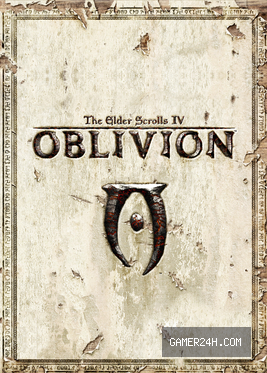
Visual Direction and Graphics Engineering
*Oblivion*'s visual direction marked a departure from *Morrowind*'s darker, more alien aesthetic. While still retaining a fantasy setting, the game opted for a brighter, more vibrant Cyrodiil. The graphics engine, an enhanced version of Gamebryo, aimed to deliver improved character models, environments, and special effects. However, the implementation wasn's without its challenges. Early reviews highlighted issues with facial animations and occasional graphical glitches. Despite these shortcomings, Bethesda worked diligently to address them through patches and updates, ultimately enhancing the overall visual experience. The art style, while not groundbreaking by today’s standards, successfully created a believable and engaging world for players to explore.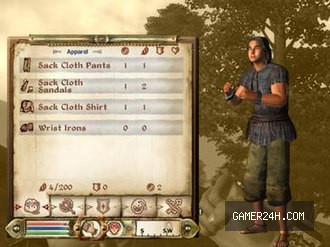
Gameplay Mechanics and Core Systems
The gameplay in *Oblivion* built upon the established conventions of the *Elder Scrolls* series, offering unparalleled freedom in character development and quest progression. The skill system was refined, allowing players to specialize in various disciplines such as combat, magic, stealth, and crafting. The "radiant AI" system introduced more dynamic NPC behavior, making the world feel more alive and reactive to player actions. However, the game's difficulty curve and occasional balance issues were points of contention among players. While offering a wealth of content, some quests felt repetitive, and certain character builds proved significantly stronger than others. The core gameplay loop, however, remained compelling, encouraging exploration and experimentation.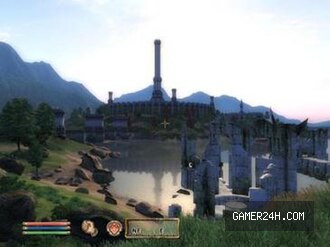
Level Design and World Atmosphere
Cyrodiil, the game's setting, is a meticulously crafted world filled with diverse environments, from sprawling countryside to bustling cities. The level design encouraged exploration, rewarding players who ventured off the beaten path with hidden treasures, unique encounters, and breathtaking vistas. While some dungeons felt somewhat generic, the overall quality of the world was consistently high. The atmosphere was further enhanced by dynamic weather systems, day-night cycles, and a captivating soundtrack composed by Jeremy Soule. This combination created an immersive experience that drew players into the heart of Tamriel.Narrative Depth and Character Profiles
The main storyline revolves around the Oblivion Crisis, a demonic invasion threatening to consume Cyrodiil. While the narrative structure was relatively linear, the game offered numerous side quests and faction storylines that added depth and complexity to the world. The player character, the "Hero of Kvatch," was customizable in terms of appearance, skills, and personality. However, the non-player characters (NPCs) were often criticized for their limited dialogue options and predictable behavior. Despite these limitations, the game's narrative provided a solid foundation for exploration and adventure.Sound Design and Acoustic Realism
The sound design in *Oblivion* played a crucial role in creating an immersive experience. Jeremy Soule's soundtrack perfectly complemented the game's visuals and atmosphere, ranging from epic orchestral scores to haunting melodies. The ambient sounds of forests, cities, and dungeons further enhanced the sense of realism. While some voice acting performances were uneven, the overall audio quality was commendable. The sound effects, from the clash of swords to the roar of dragons, added weight and impact to combat encounters.Release Expectations and Community Hype
The release of *Oblivion* was met with immense anticipation from fans of the *Elder Scrolls* series. Pre-release hype centered on Bethesda's promises of a vast open world, engaging quests, and improved graphics. The game quickly became a commercial success, selling millions of copies worldwide. However, initial reviews were mixed, with some critics praising its ambition while others criticized its technical issues and repetitive gameplay. Despite these criticisms, the community rallied around the game, creating mods and patches that addressed many of its shortcomings.Conclusion: The Future of The Elder Scrolls IV: Oblivion
*The Elder Scrolls IV: Oblivion* remains a landmark achievement in RPG history. While not without its flaws, the game's ambition, scope, and immersive world continue to captivate players today. Its influence can be seen in countless games that followed, solidifying its place as a classic. The modding community has kept the game alive for years, adding new content, improving graphics, and addressing lingering issues. *Oblivion* serves as a testament to the power of open-world design and the enduring appeal of fantasy role-playing.
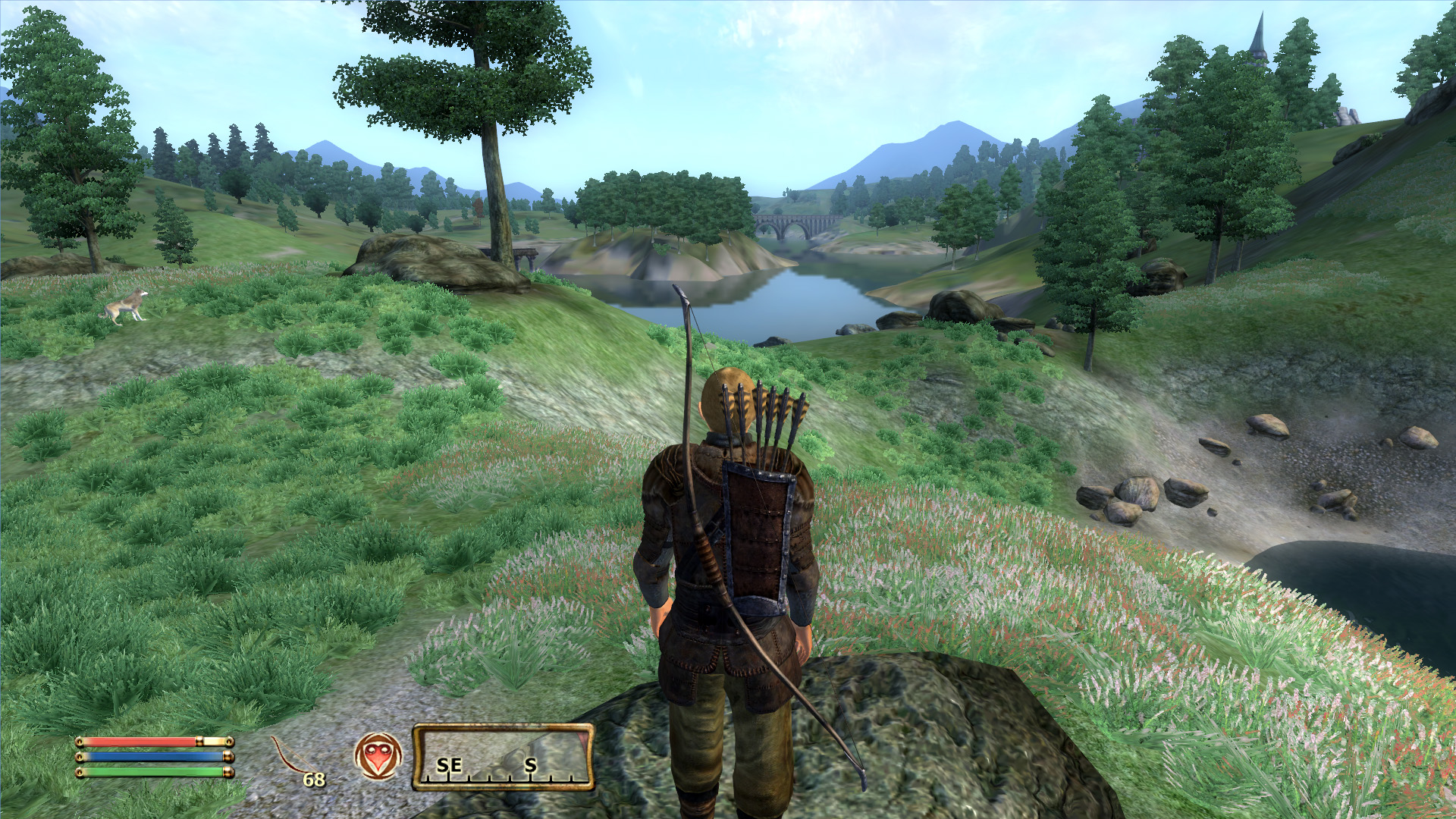
Source: Wikipedia
Google Preferred Source
Add us to your favorite news sources on Google
Get instant updates and breaking news directly in Google News