


About this game
The Genre Genesis: From Modern Titans to 2001 Pioneers
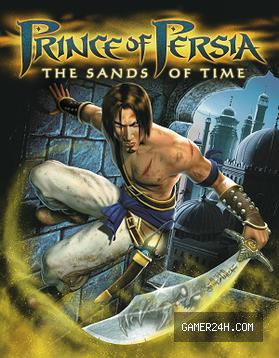
Fluid 3D parkour wall-running acrobatics traversal (seamlessly sprinting horizontally along shear palace walls, executing back-flips between parallel masonry shafts, swinging from wooden horizontal flagpoles, and vaulting over sword-wielding enemies), paired with the revolutionary active time-rewind manipulation mechanic (pressing the shoulder button to instantly rewind up to ten seconds of real-time gameplay to reverse fatal falls or miscalculated acrobatics using the Dagger of Time)—from Assassin’s Creed (1 through Mirage), Uncharted: Drake’s Fortune / 2-4, Mirror’s Edge, Braid, Titanfall 2, and modern action-platformers—trace their undisputed revolutionary birth to October 28, 2003 with Ubisoft Montreal’s crowning jewel, Prince of Persia: The Sands of Time.
Directed by visionary designer Patrice Désilets in creative collaboration with franchise creator Jordan Mechner at Ubisoft Montreal on their cutting-edge Jade Engine with an evocative Middle Eastern fusion rock and acoustic score composed by Stuart Chatwood (The Tea Party), The Sands of Time swept the industry. Winning Console Action/Adventure Game of the Year at the 7th Interactive Achievement Awards (D.I.C.E.) and holding a 92/100 on Metacritic, it sold over three million copies across PS2, GameCube, Xbox, and PC, single-handedly redefining third-person action platforming.
Platform Context & Gaming Environment
Tricked by the dying, treacherous Vizier of the Maharaja of India, the athletic young Prince of Persia unseals the colossal Hourglass of Time using the magical Dagger of Time. The released golden sands transform the entire kingdom of Azad into horrific sand demons and mutated monsters. Teaming up with the captured Indian archer princess Farah, the Prince navigates the crumbling, trap-filled chambers of the Sultan’s palace: the grand baths, the zoological menagerie, the clock towers, and the palace defense ramparts to reach the top of the palace and reverse the cosmic curse with the Dagger of Time.
Popularity & Cultural Standing: Niche vs. Blockbuster
Prince of Persia: The Sands of Time was an immense critical sensation that earned universal acclaim for its poetic, romantic narrative framed as a fairy-tale flashback (“Most people think time is like a river… but they are wrong”), its breathtaking architectural level design, and its flawless integration of acrobatic traversal and time manipulation.
Gameplay Mechanics & Technical Innovations
The Sands of Time established standard-setting traversal mechanics:
- The Dagger of Time Power Suite:
- Recall (Time Rewind): Holding L1 rewinds up to 10 seconds of gameplay in fluid reverse motion, reversing fatal platforming falls or enemy damage without reloading checkpoints.
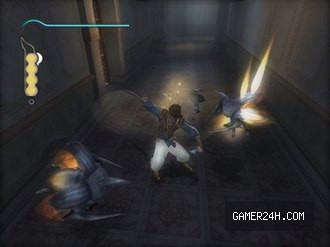
- Slow-Motion (Delay): Slowing down time to dodge rapid saw blades and strike sand demons before they can block.
- Restraint (Freeze): Freezing a target enemy in crystalline sand to strike them down in a single blow.
- Mega-Freeze (Haste): Freezing all surrounding enemies in time while the Prince moves at hyper-speed, executing instant decapitation slashes.
- Fluid 3D Wall-Running & Parkour Traversal: Sprinting horizontally along walls, wall-jumping between narrow crevices, balancing on wooden beams, swinging 360 degrees on hanging poles, and climbing rope curtains with unprecedented animation fluidity.
- Acrobatic Combat Gymnastics: Vaulting over enemy heads to strike from behind, rebounding off walls with horizontal slash thrusts, and retrieving Sand Tanks by plunging the Dagger of Time into fallen sand demons.
- Farah AI Co-Op Synergy: Princess Farah provides ranged bow-and-arrow sniper support from balconies, solving environmental lever puzzles and guiding the Prince through intricate palace ruins.
Historical Legacy & Archival Preservation
Prince of Persia: The Sands of Time is permanently enshrined in the World Video Game Hall of Fame as the revolutionary masterpiece that perfected 3D platforming acrobatics and provided the direct technical foundation for *Assassin’s Creed*.
.single-share-action-btn:hover { transform: translateY(-2px); box-shadow: 0 6px 20px rgba(37, 99, 235, 0.4) !important; background: linear-gradient(135deg, #0369a1 0%, #1d4ed8 50%, #4338ca 100%) !important; } .single-share-action-btn:active { transform: translateY(0); box-shadow: 0 2px 8px rgba(37, 99, 235, 0.2) !important; } .share-section, .entry-share, .post-share-bar { display: none !important; }Gallery




No comments