Introduction: The Next Chapter for The Getaway
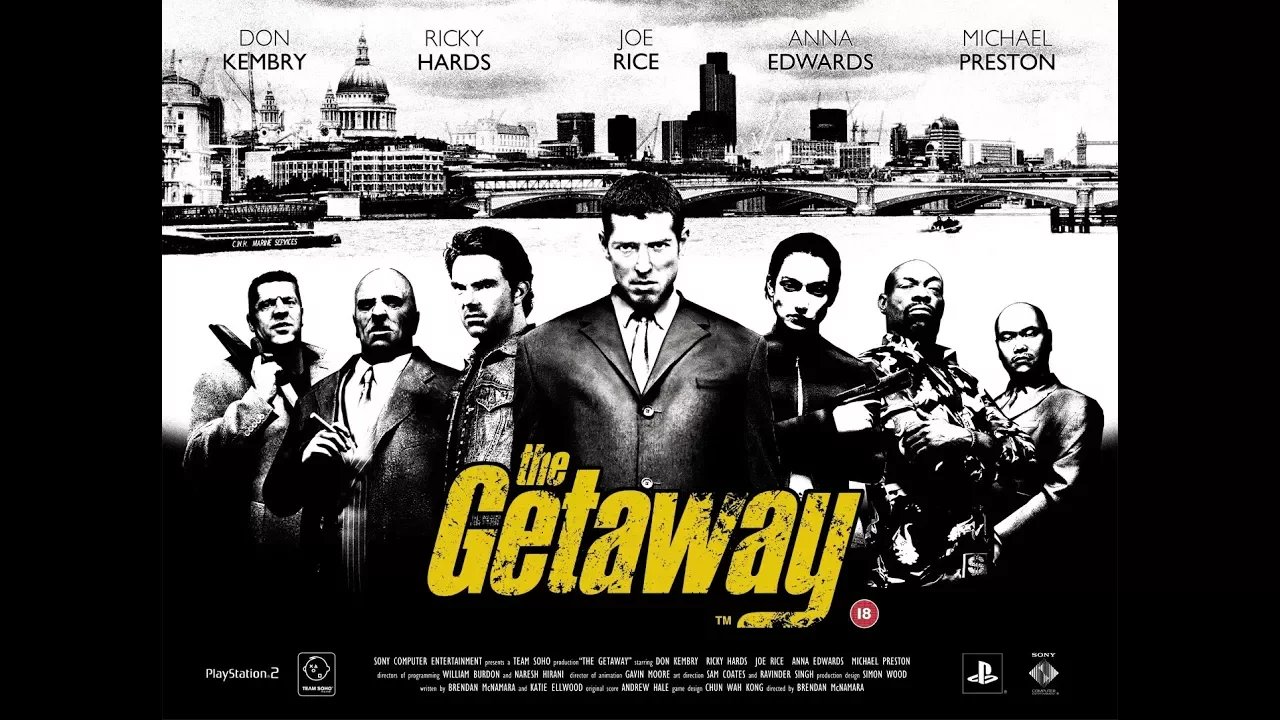
"The Getaway," a title that conjures images of gritty London streets and high-stakes criminal enterprises, represents a fascinating case study in early 2000s game development. While initially slated to launch alongside the PlayStation 2, its ambitious scope necessitated a significant delay, highlighting the challenges inherent in recreating a sprawling urban environment with the technology available at the time. This deep dive will explore the technical and creative choices that shaped "The Getaway," examining its visual direction, gameplay mechanics, narrative depth, and lasting impact on the gaming landscape. The game's legacy extends beyond its initial release, influencing subsequent titles and even spawning a television adaptation.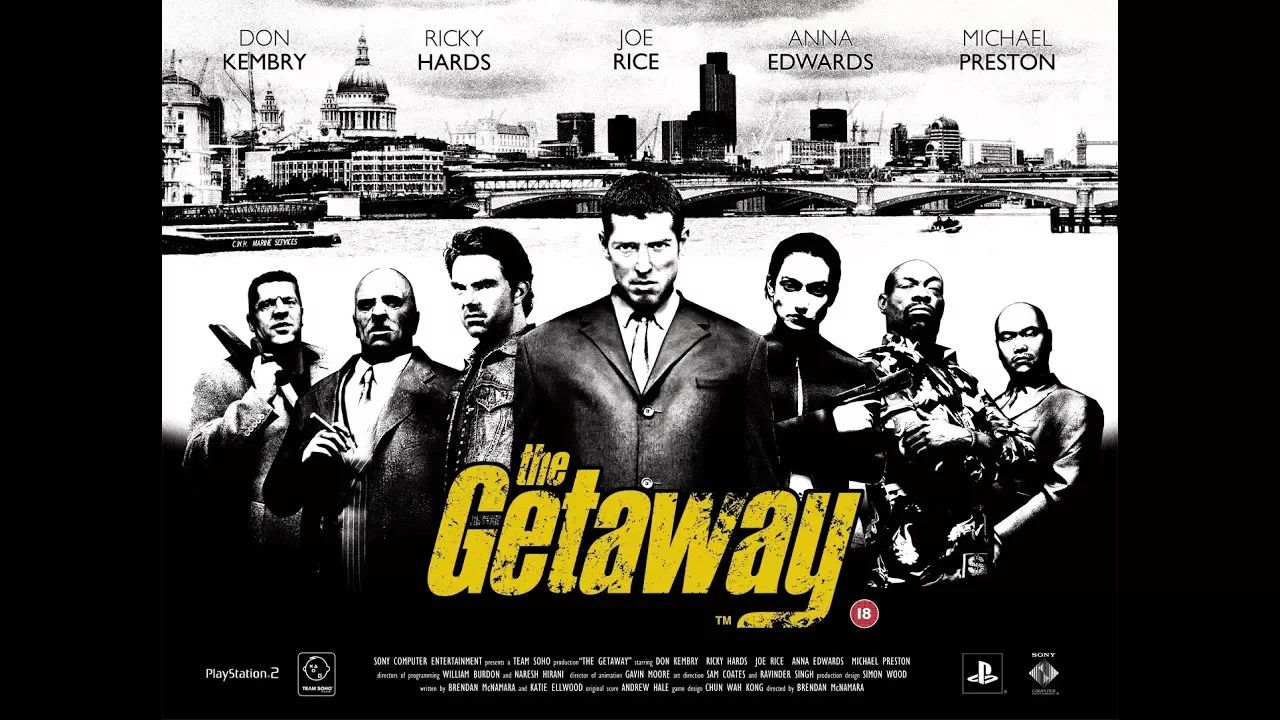
Visual Direction and Graphics Engineering
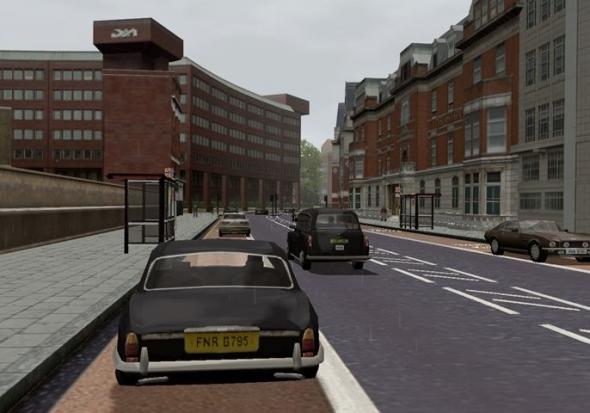
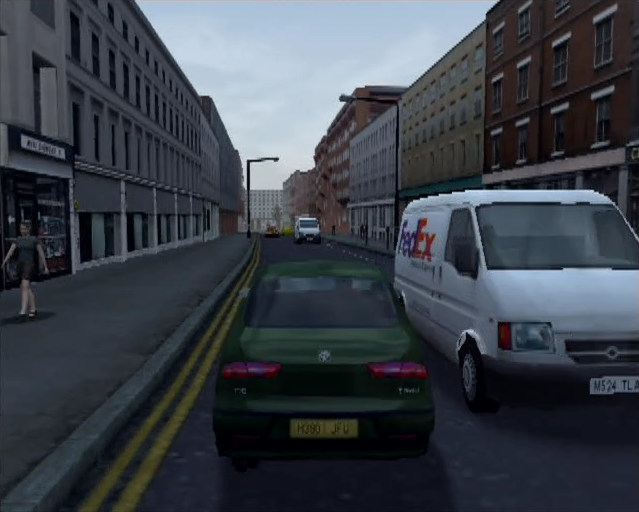
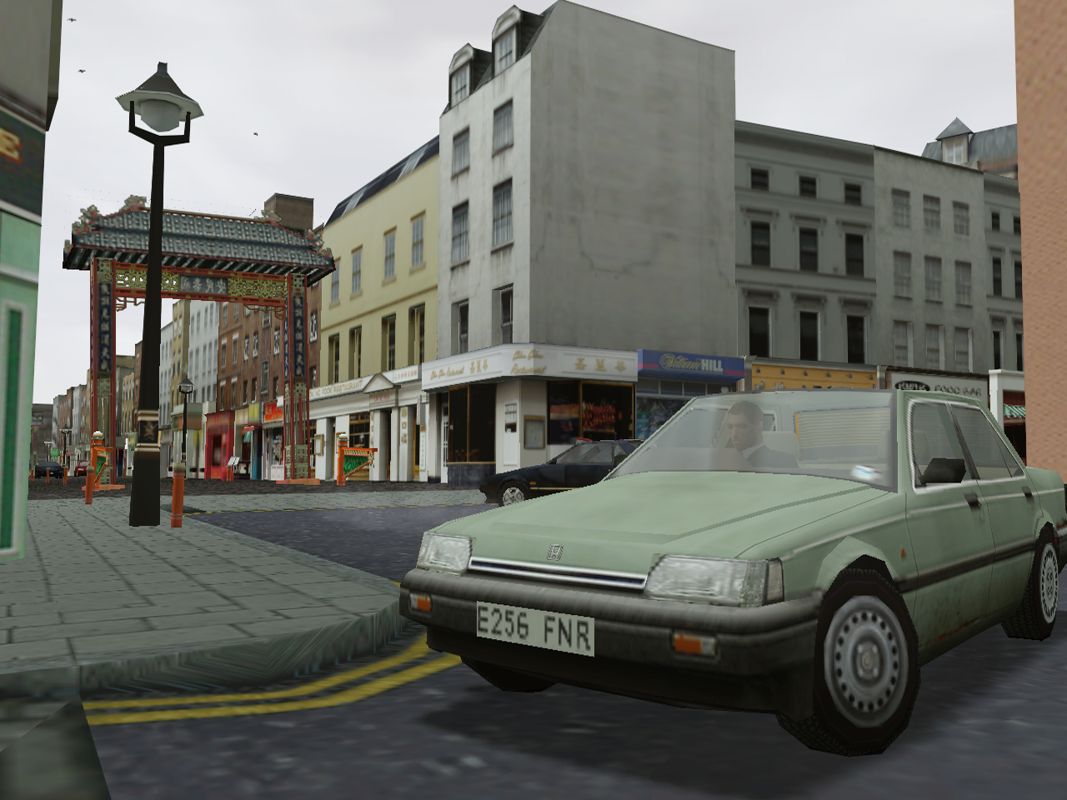
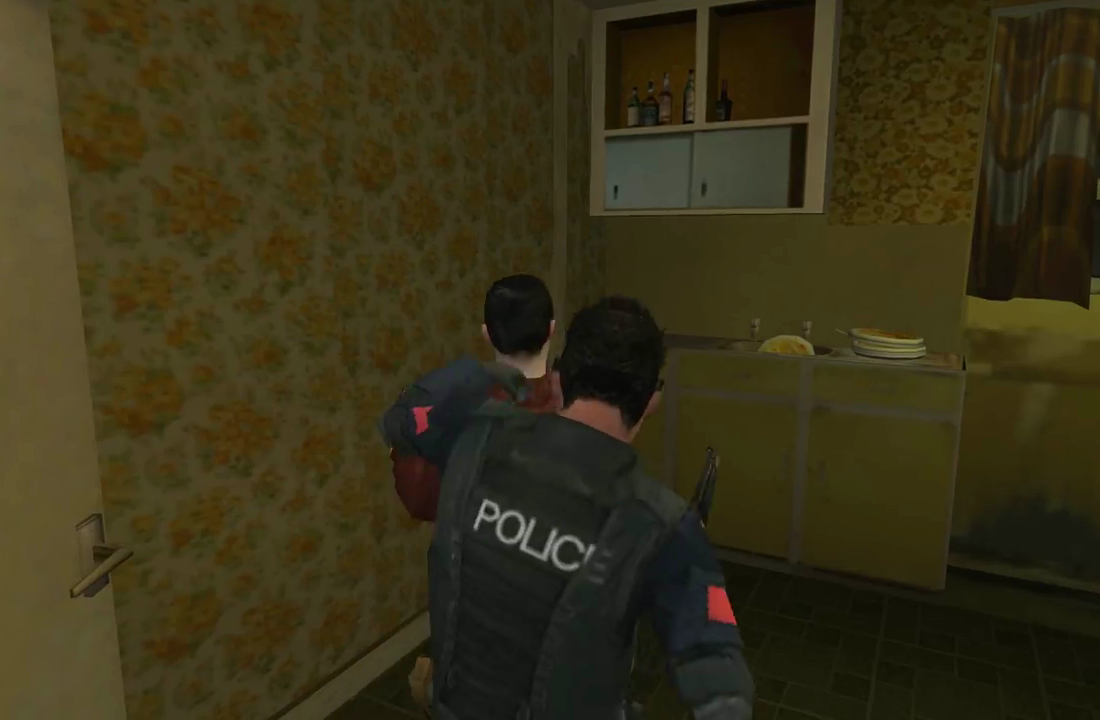
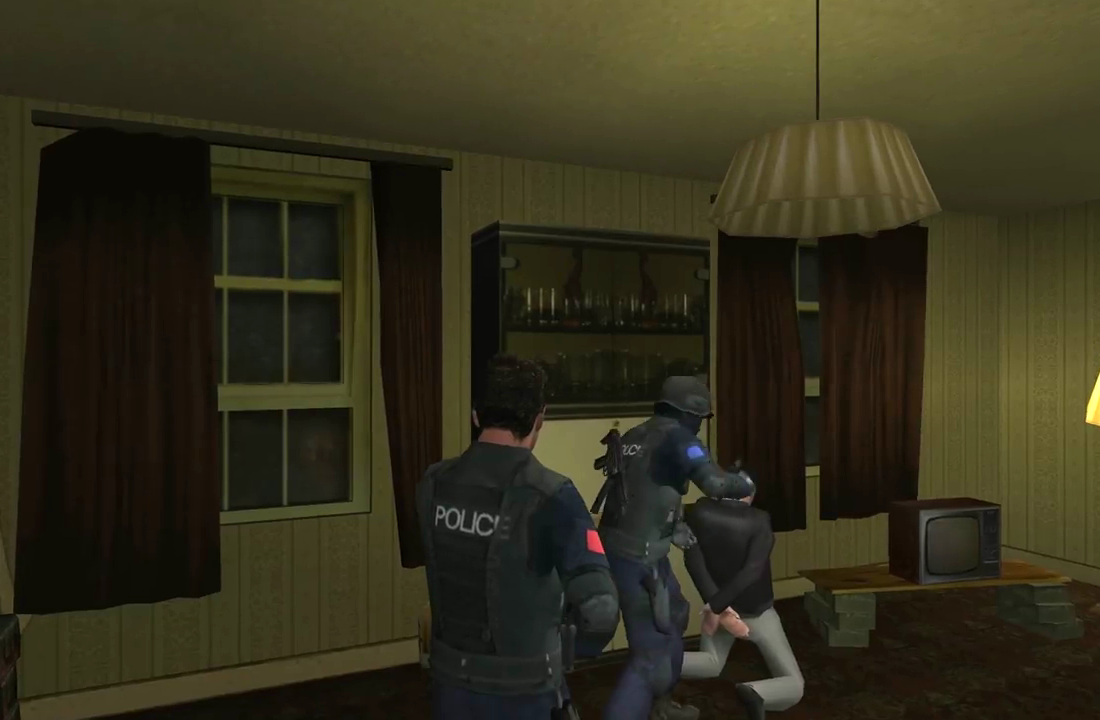
"The Getaway" aimed for a level of graphical fidelity unprecedented for its time. Recreating London in detail was a monumental task, requiring innovative techniques to optimize performance without sacrificing visual quality. The proprietary "Next-Gen Engine," while not as widely known as other engines of the era, was specifically designed to handle the complexities of a large open world and detailed character models. While today's standards dwarf its graphical capabilities, the ambition behind the visuals is undeniable. The team at Team Soho faced significant hurdles in balancing visual realism with performance constraints, resulting in a unique aesthetic that blends detail with stylized rendering.
Gameplay Mechanics and Core Systems
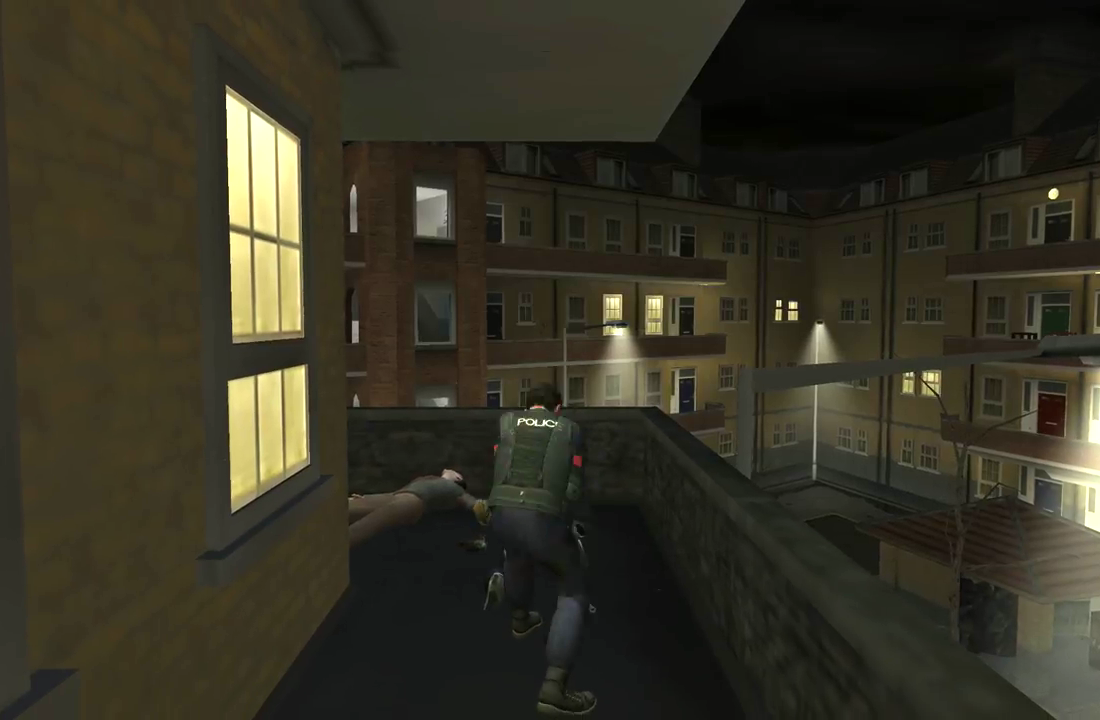
The gameplay of "The Getaway" revolves around two distinct narratives: one following Mark Hammond, an ex-bank robber pulled back into the criminal underworld, and the other focusing on Frank Carter, a police officer working undercover within the Flying Squad. This dual perspective offered players varied experiences, from stealthy heists to intense shootouts. The core gameplay mechanics include third-person shooting, driving sequences, and melee combat. While perhaps not groundbreaking by today's standards, the implementation of these systems within the context of London’s urban landscape provided a unique flavor.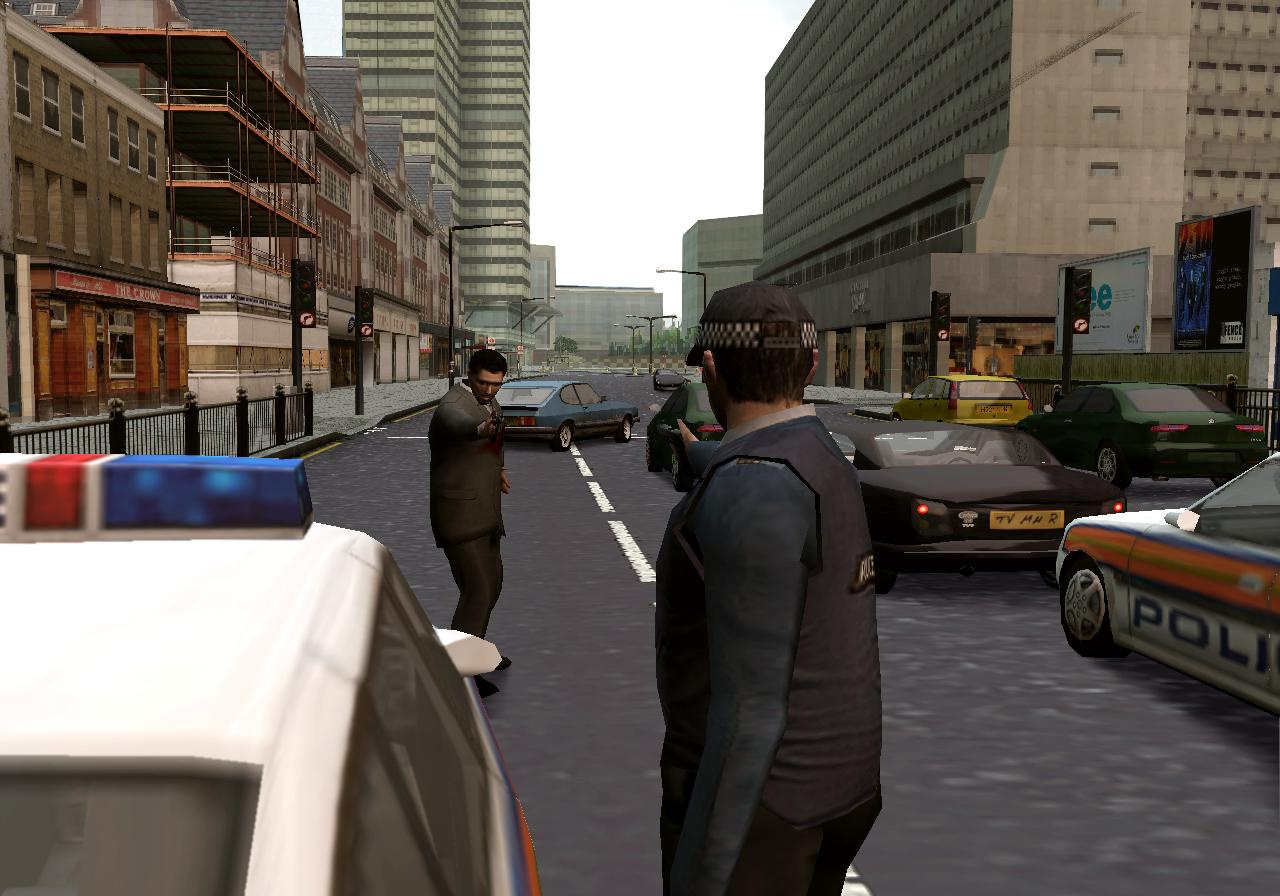
Level Design and World Atmosphere
The level design in "The Getaway" is crucial to its immersive quality. The game world, while not perfectly accurate to real-world London, captures the atmosphere and layout effectively. Players navigate through recognizable landmarks and iconic streets, creating a sense of familiarity and authenticity. The open-world structure allows for exploration and discovery, encouraging players to uncover hidden areas and engage in optional activities. The level design complements the dual narrative by offering distinct environments tailored to each character's storyline.
Narrative Depth and Character Profiles
The narrative depth in "The Getaway" is a key strength. The intertwining stories of Mark Hammond and Frank Carter create a compelling sense of intrigue and suspense. Players become invested in their respective journeys, experiencing the moral complexities of both sides of the law. The characters are well-developed, with believable motivations and flaws. The dual narrative structure allows for exploration of themes such as loyalty, betrayal, and redemption.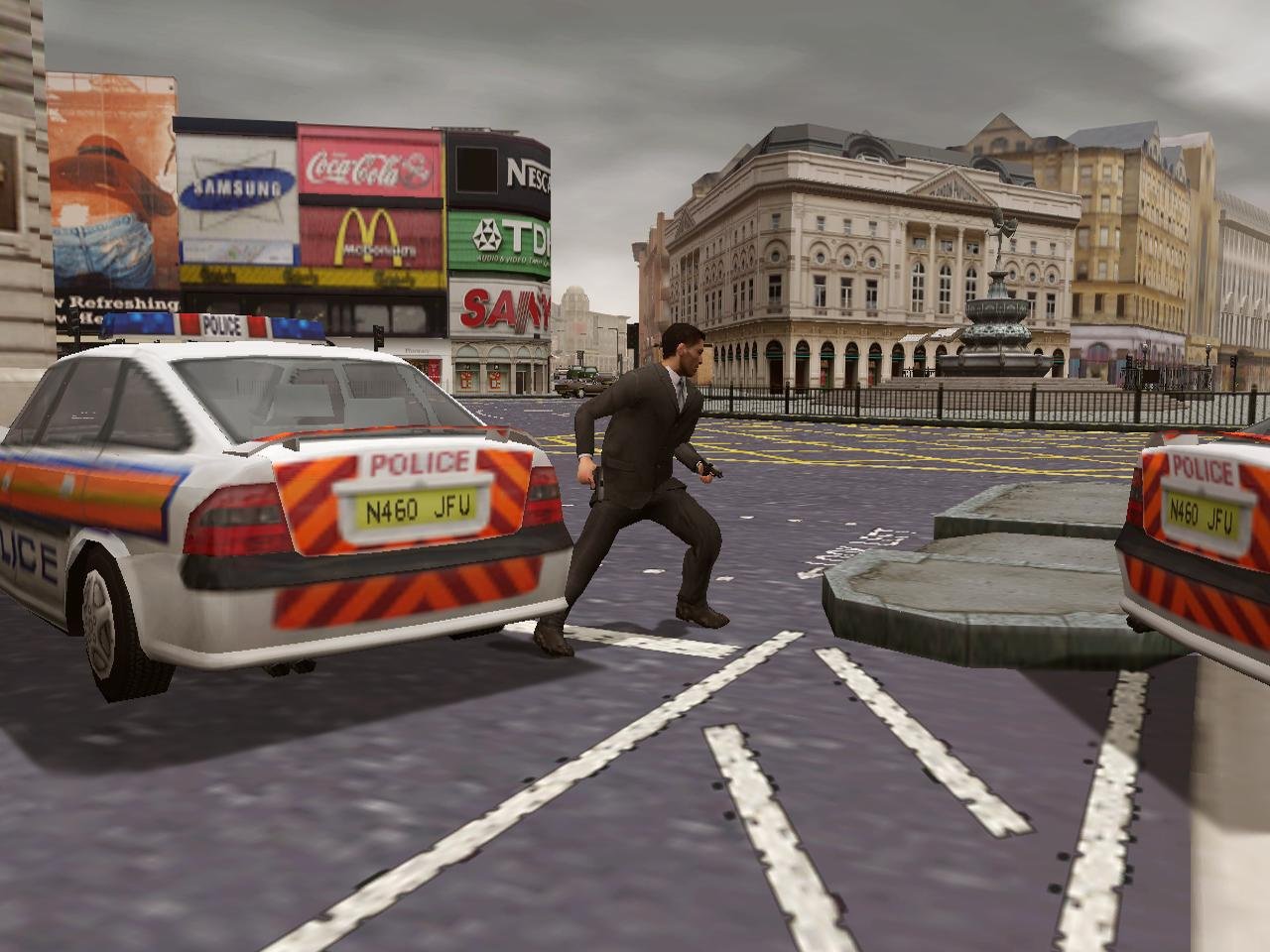
Sound Design and Acoustic Realism
The sound design in "The Getaway" plays a vital role in creating an immersive experience. Realistic gunshots, ambient city sounds, and character dialogue all contribute to the overall atmosphere. The soundtrack complements the gameplay, enhancing the tension and excitement of key moments. The acoustic realism helps to ground the player in the virtual world, making the experience more believable and engaging.
Release Expectations and Community Hype
The initial release of "The Getaway" was met with a mix of anticipation and skepticism. The delay from its original launch date created some disappointment among fans, but the promise of an open-world crime drama set in London generated considerable hype. The game's unique premise and ambitious scope piqued the interest of both critics and gamers alike. The community response to "The Getaway" was generally positive, with many praising its innovative gameplay mechanics and immersive atmosphere.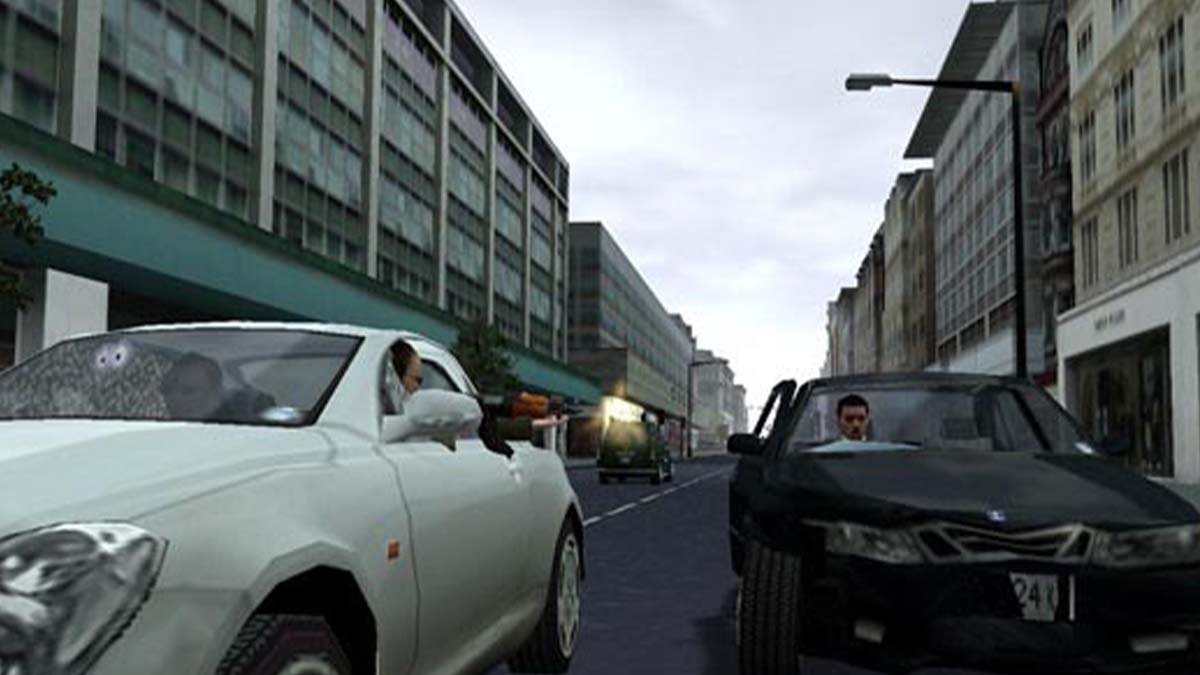
Conclusion: The Future of The Getaway
"The Getaway" remains a significant title in the history of PlayStation 2 gaming. Its ambitious scope, dual narrative structure, and unique setting helped to establish it as a cult classic. While its technical limitations may be apparent by today's standards, its influence can still be felt in subsequent crime dramas and open-world games. The game’s legacy extends beyond the original release, with a sequel, spin-off, television adaptation, and graphic novel further solidifying its place in popular culture.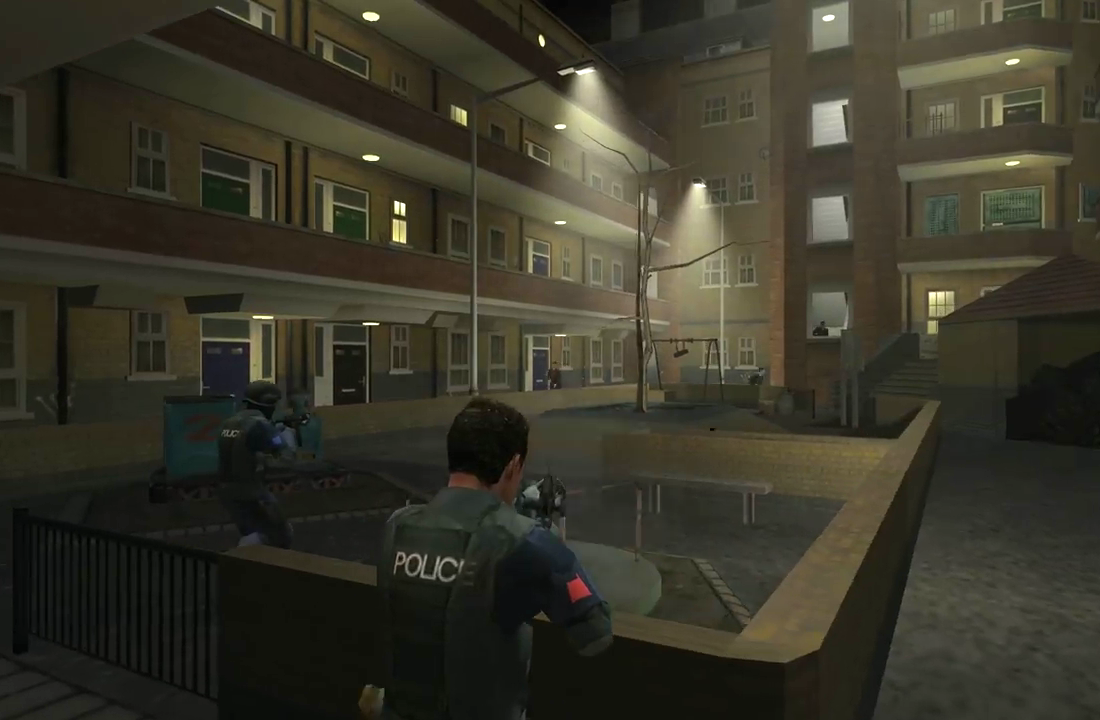
Source: Wikipedia
Google Preferred Source
Add us to your favorite news sources on Google
Get instant updates and breaking news directly in Google News