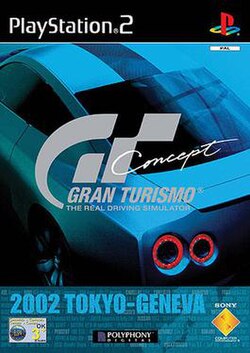
Introduction: The Next Chapter for Gran Turismo Concept
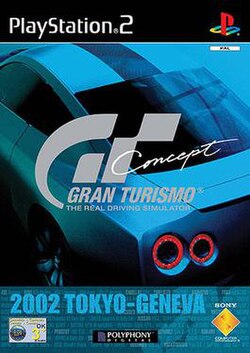
Gran Turismo Concept, a title shrouded in both anticipation and mystery, represents a pivotal moment in the evolution of Polyphony Digital's acclaimed racing franchise. Developed for the PlayStation 2, this installment promised to push the boundaries of realism and immersion, building upon the foundations laid by its predecessors. While never fully released in North America, the various iterations – particularly the "Tokyo" and "Seoul" versions – offer a fascinating glimpse into Polyphony Digital's vision for the future of sim racing. This deep-dive review will dissect every facet of Gran Turismo Concept, from its groundbreaking engine to its meticulously crafted car list, exploring why it remains a subject of enduring fascination within the gaming community.
Visual Direction and Graphics Engineering
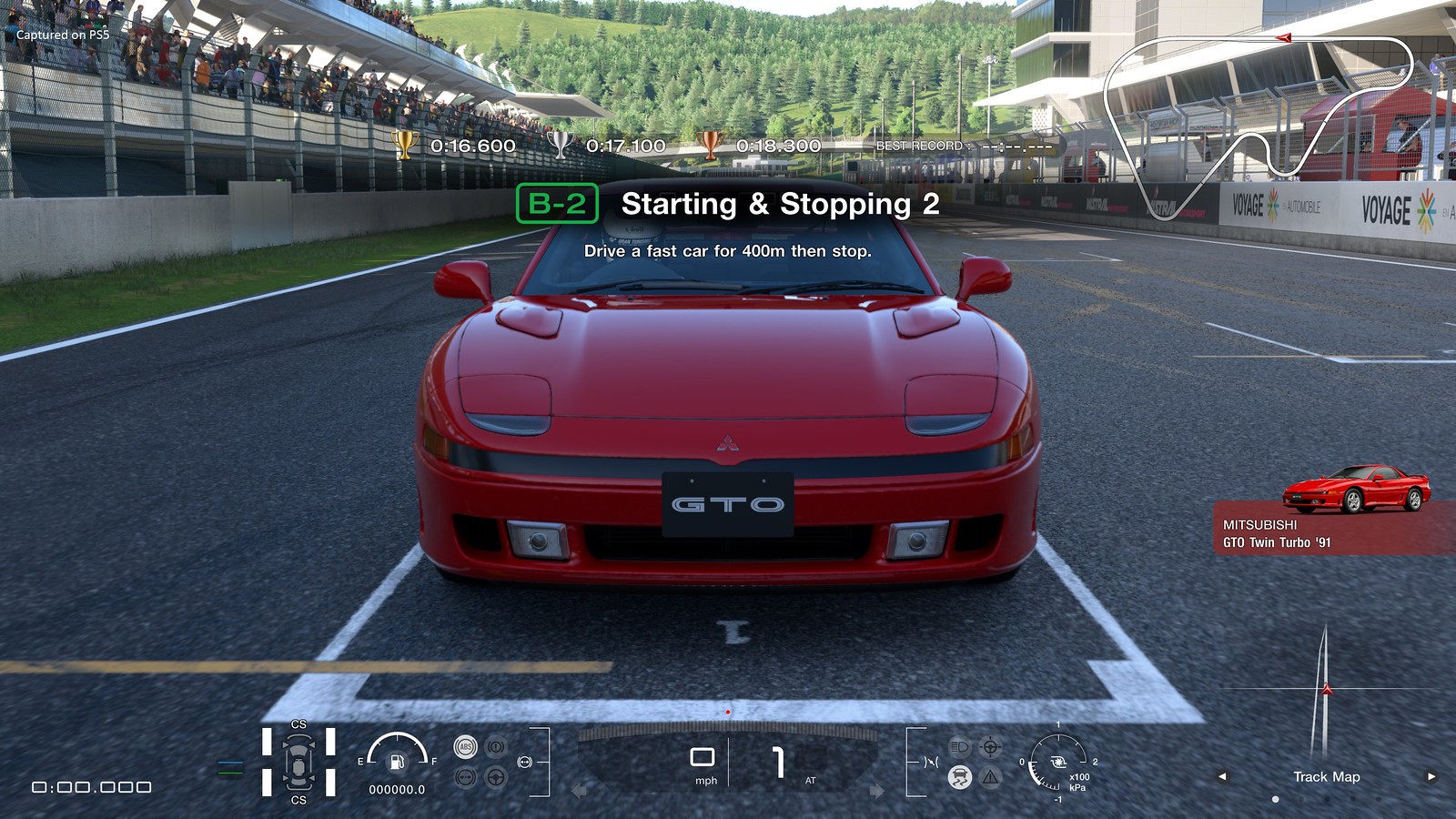
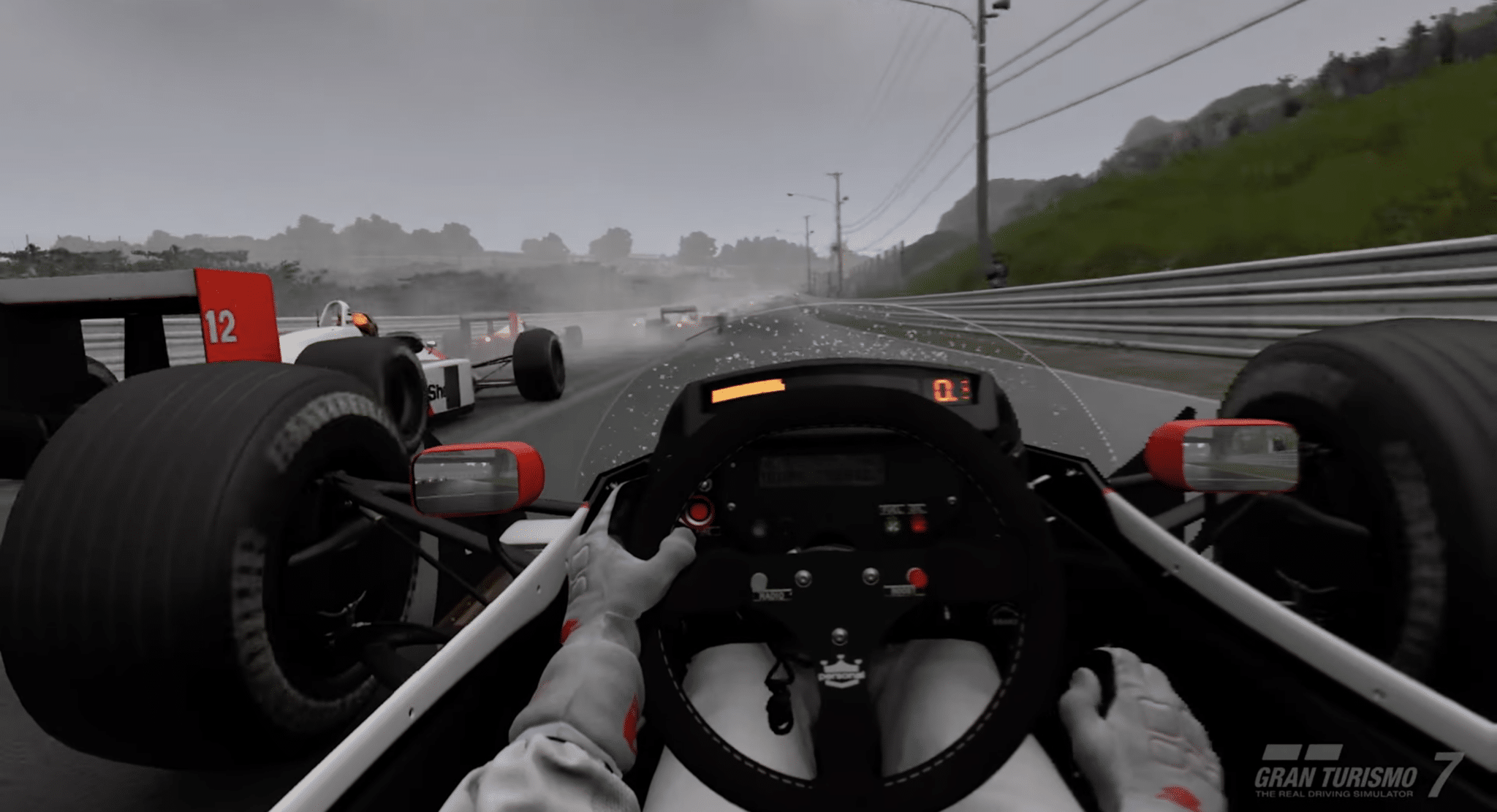
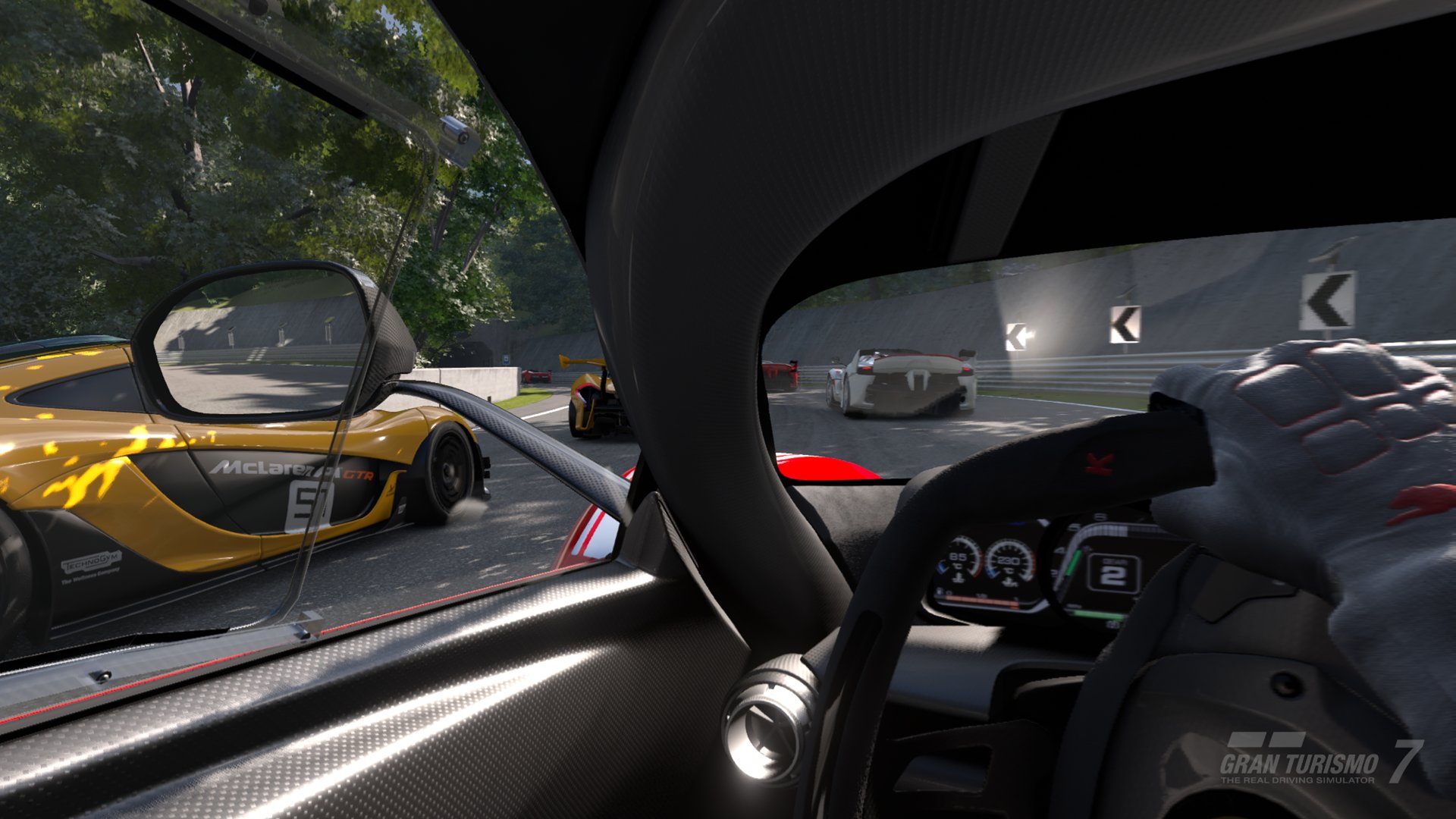
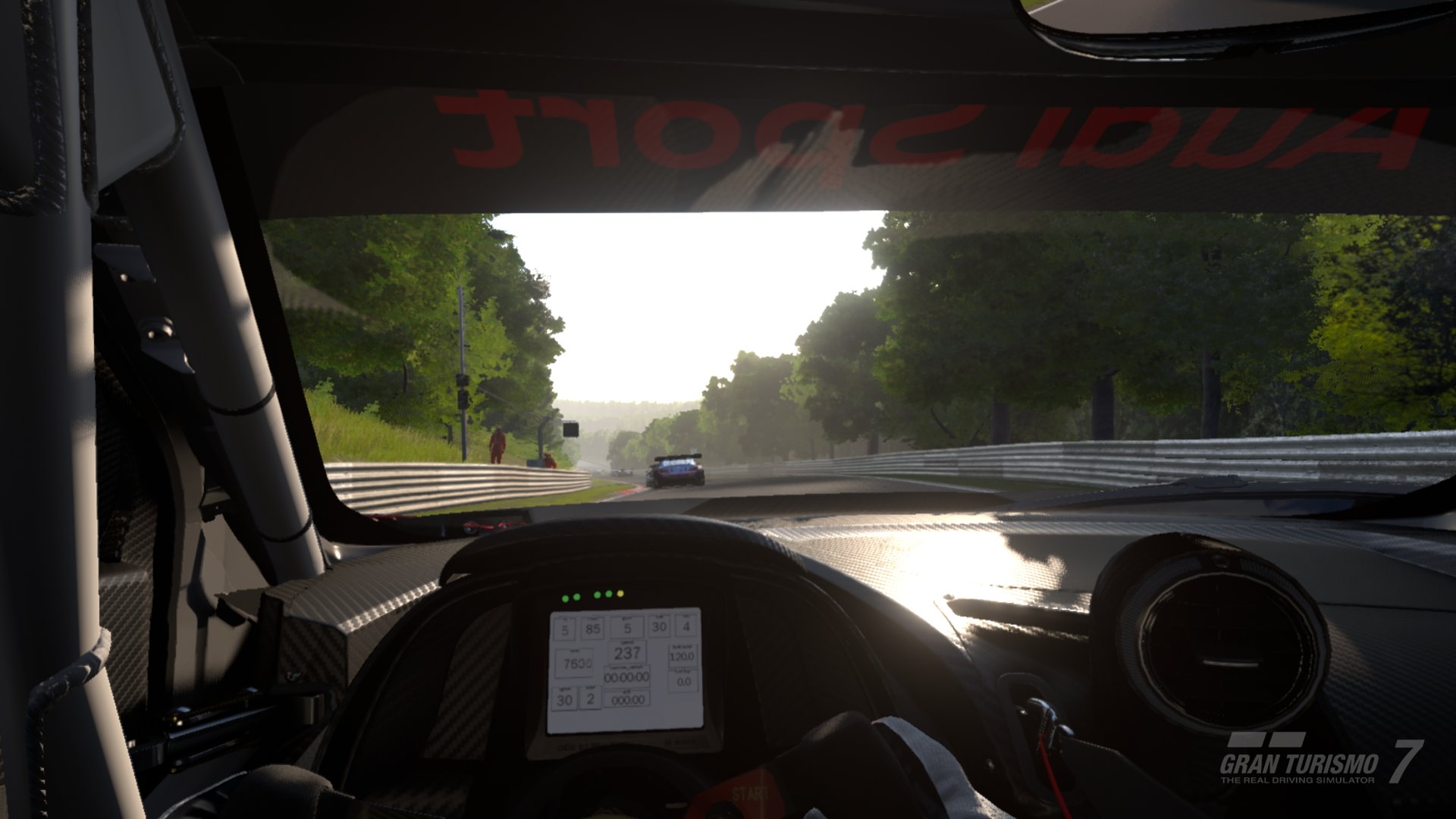
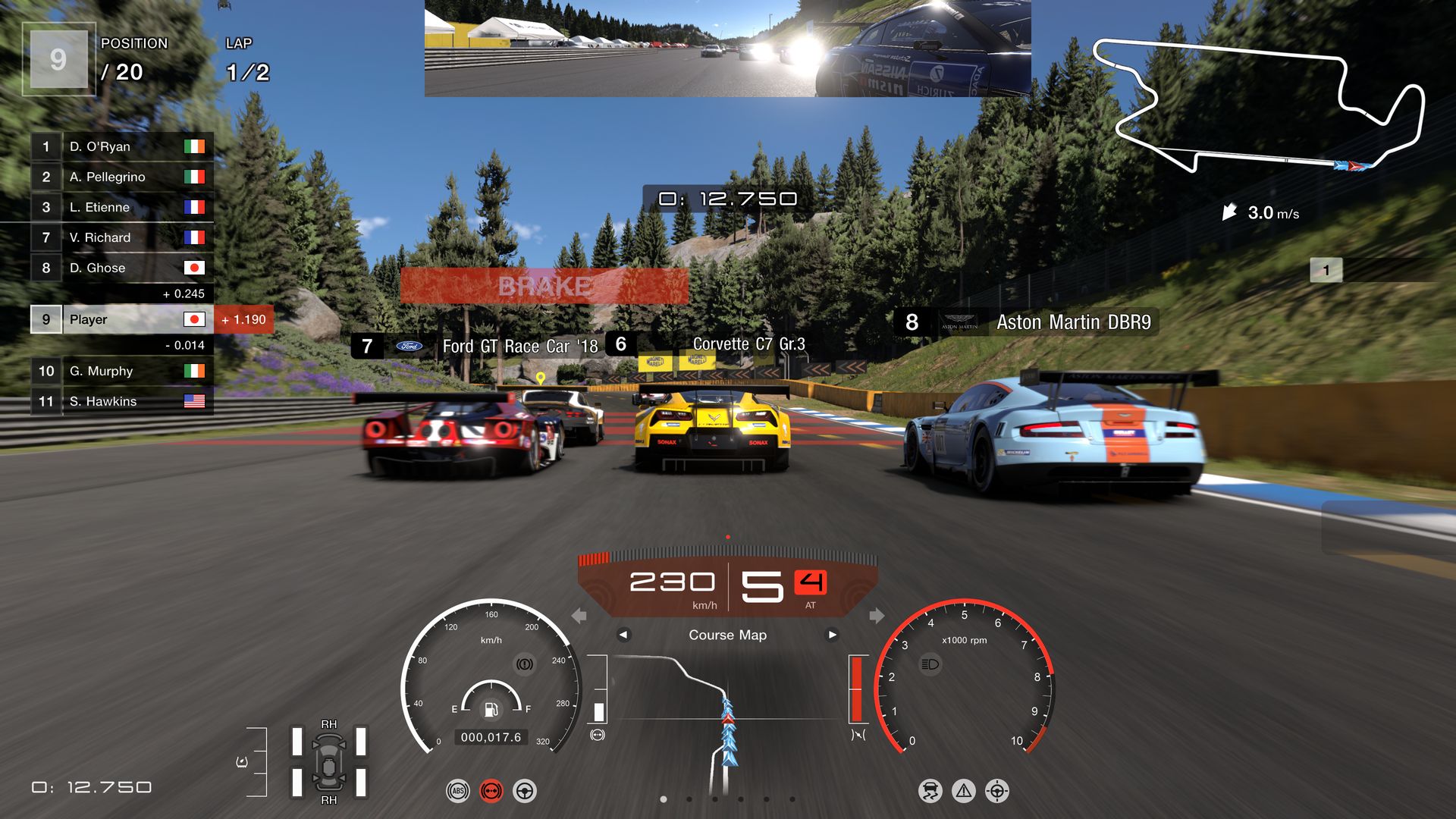
Gran Turismo Concept was built upon Polyphony Digital's proprietary next-gen engine, designed specifically to leverage the processing power of the PlayStation 2. While seemingly modest by today's standards, the engine allowed for impressive visual fidelity at the time, particularly in the rendering of car models. The attention to detail in replicating real-world vehicles was paramount, with painstaking efforts made to accurately capture body lines, interior details, and even the subtle reflections on paintwork. This commitment to realism extended to the environments, which featured a variety of tracks designed to evoke specific locations around the world. The lighting engine played a crucial role in creating atmosphere, with dynamic shadows and realistic weather effects adding to the sense of immersion. However, limitations inherent to the PS2 hardware meant that draw distances were often restricted, and pop-in could occasionally detract from the overall experience.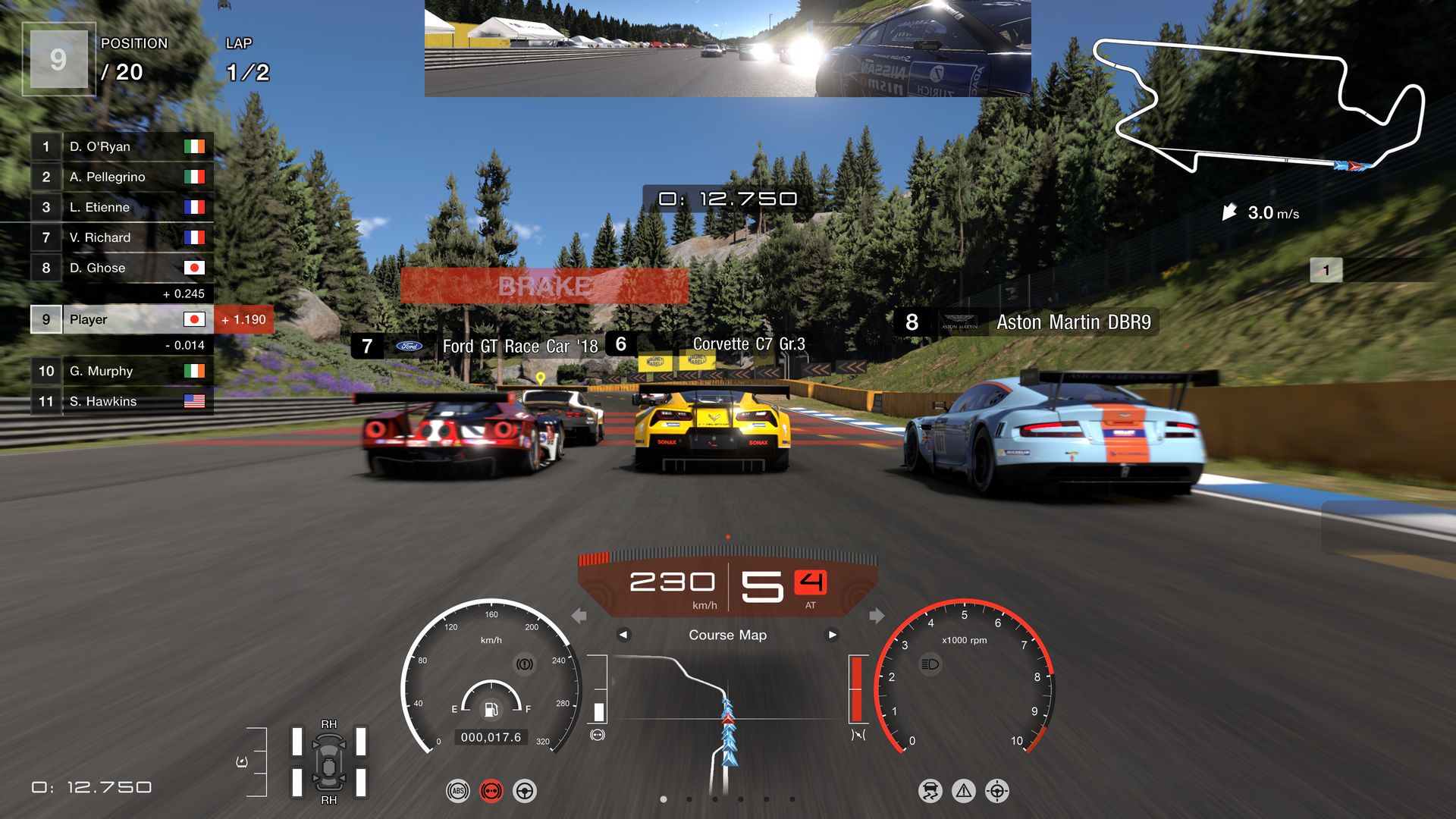
Gameplay Mechanics and Core Systems
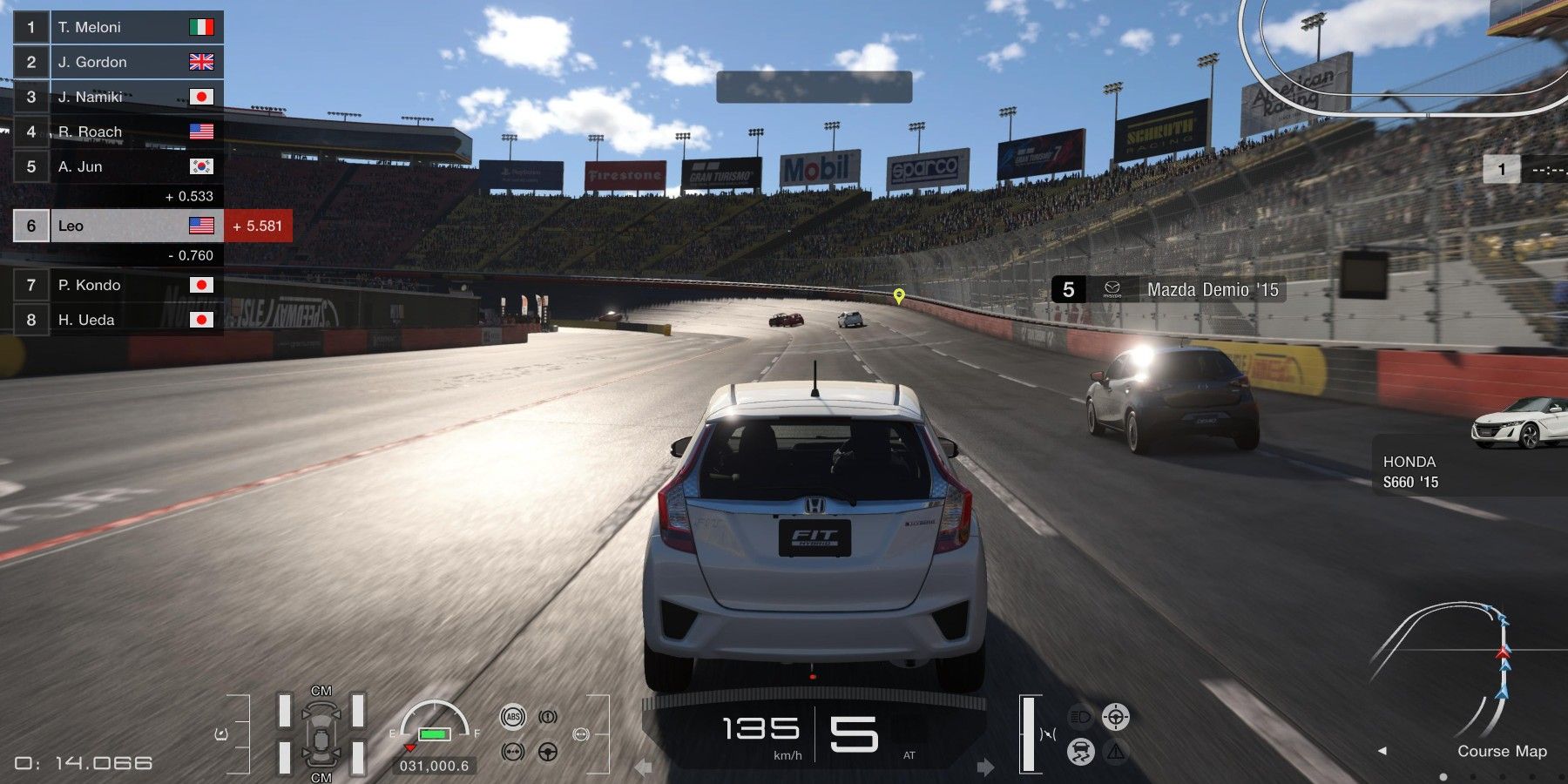
At its core, Gran Turismo Concept retained the fundamental gameplay loop that defined the series: a blend of arcade accessibility and simulation depth. Players could choose from a wide range of cars, each with unique handling characteristics and performance attributes. The game offered various modes, including single races, time trials, and championship events. A robust tuning system allowed players to fine-tune their vehicles, adjusting parameters such as suspension, aerodynamics, and engine mapping. This level of customization appealed to both casual gamers looking for a fun driving experience and hardcore enthusiasts seeking to optimize their performance. The AI opponents provided a challenging but fair competition, adapting to the player's skill level. While not as complex as some dedicated simulators, Gran Turismo Concept offered a satisfying balance between realism and accessibility.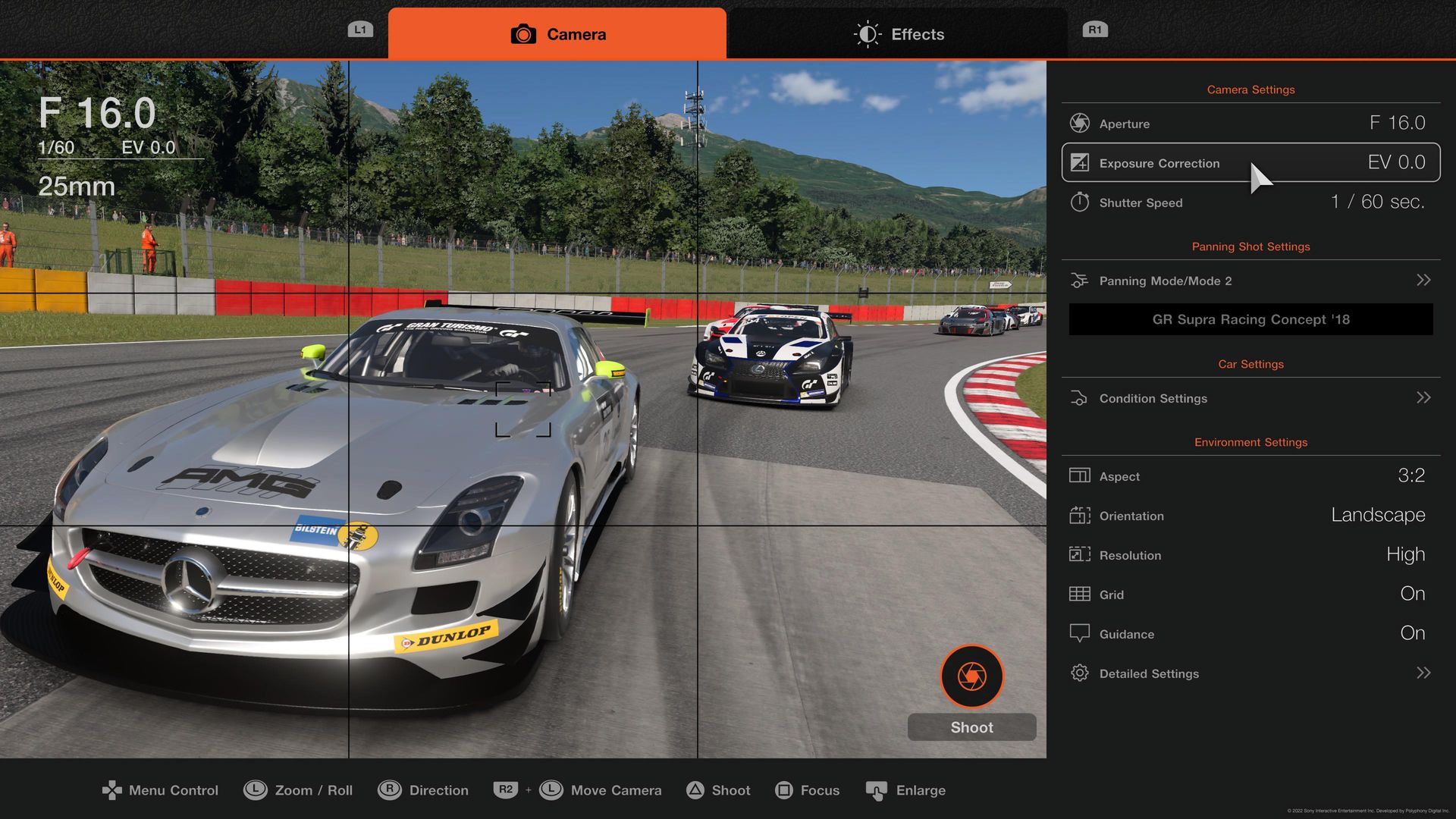
Level Design and World Atmosphere
Gran Turismo Concept featured a diverse selection of tracks, ranging from iconic circuits like Nürburgring and Tsukuba to fictional locations inspired by real-world environments. The level design emphasized both visual appeal and driving challenge, with each track offering its own unique layout and characteristics. The game aimed to capture the atmosphere of different regions, incorporating elements such as local architecture and vegetation into the environment. While the draw distances were limited by the hardware, the developers made clever use of lighting and textures to create a sense of depth and scale. The inclusion of real-world locations added authenticity and appeal, allowing players to experience the thrill of driving on some of the world's most famous racetracks.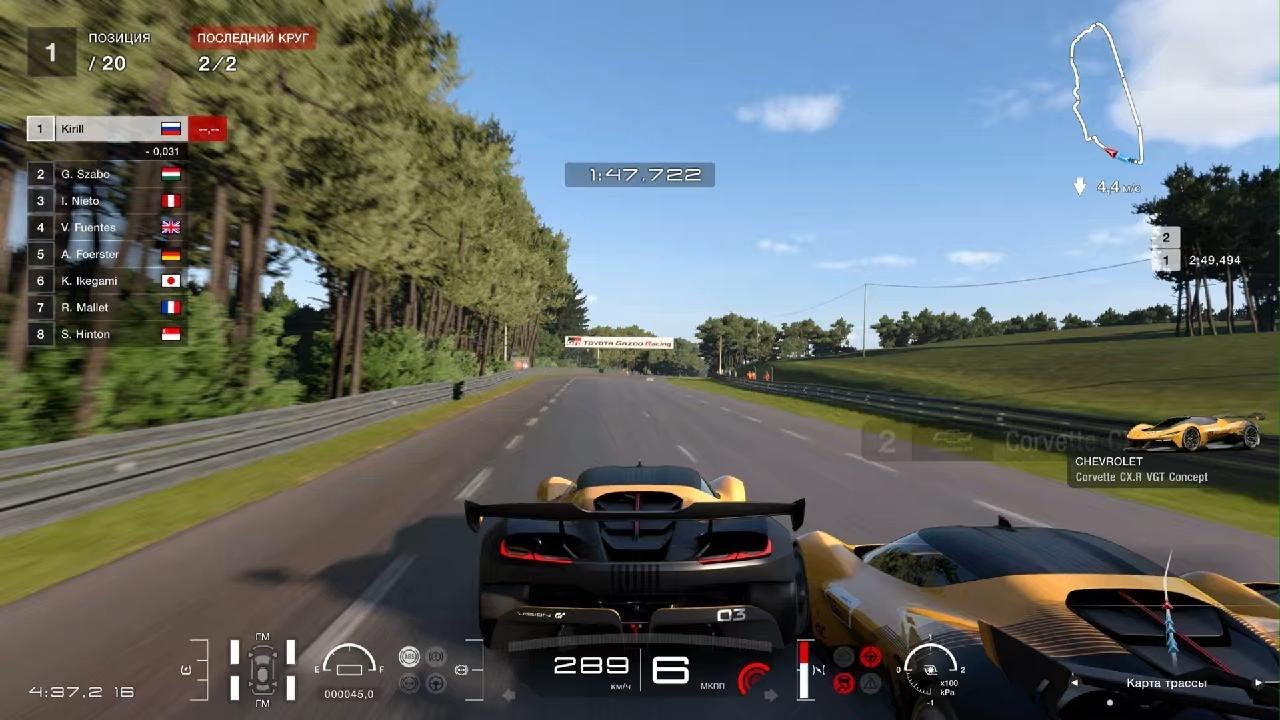
Narrative Depth and Character Profiles
Unlike some racing games that focus solely on gameplay, Gran Turismo Concept attempted to incorporate a narrative element into the experience. While not as prominent as in story-driven titles, the game featured brief cutscenes and character interactions that added context to the races. These elements helped to create a sense of progression and accomplishment, encouraging players to explore different aspects of the game world. The characters themselves were relatively simple archetypes, but they served their purpose in adding personality and humor to the experience. While not a major focus, the narrative elements contributed to the overall sense of immersion and engagement.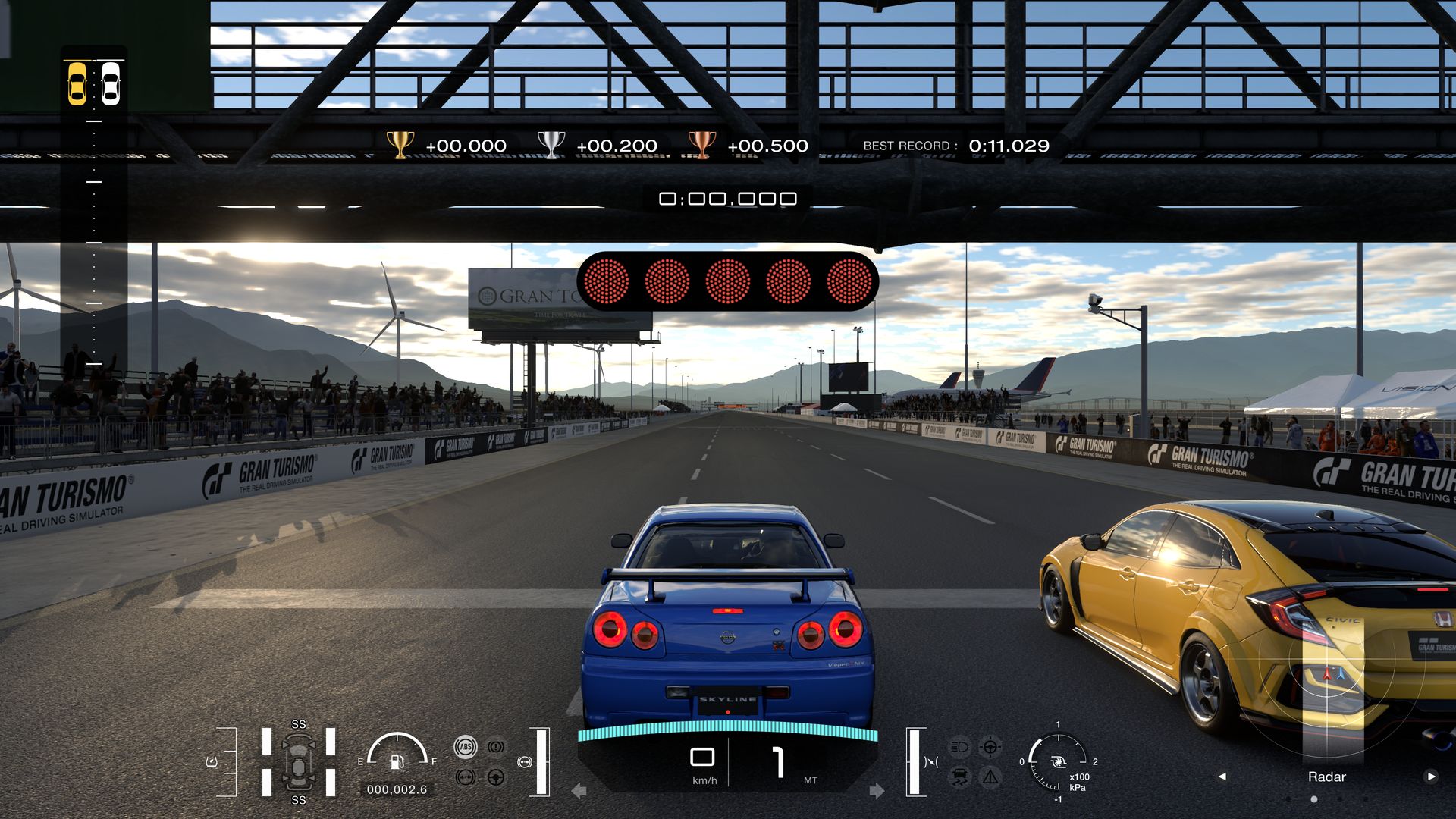
Sound Design and Acoustic Realism
The sound design in Gran Turismo Concept played a crucial role in creating an immersive racing experience. The game featured meticulously recorded engine sounds for each car, capturing the unique characteristics of different makes and models. The environmental audio was also carefully crafted to create a sense of realism, with sounds such as wind noise, tire squeal, and crowd cheering adding to the atmosphere. The soundtrack was composed by Daiki KashoIsamu Ohira, blending electronic music with orchestral elements to create a driving score that complemented the gameplay. While not groundbreaking, the sound design in Gran Turismo Concept was well-executed and contributed significantly to the overall sense of immersion.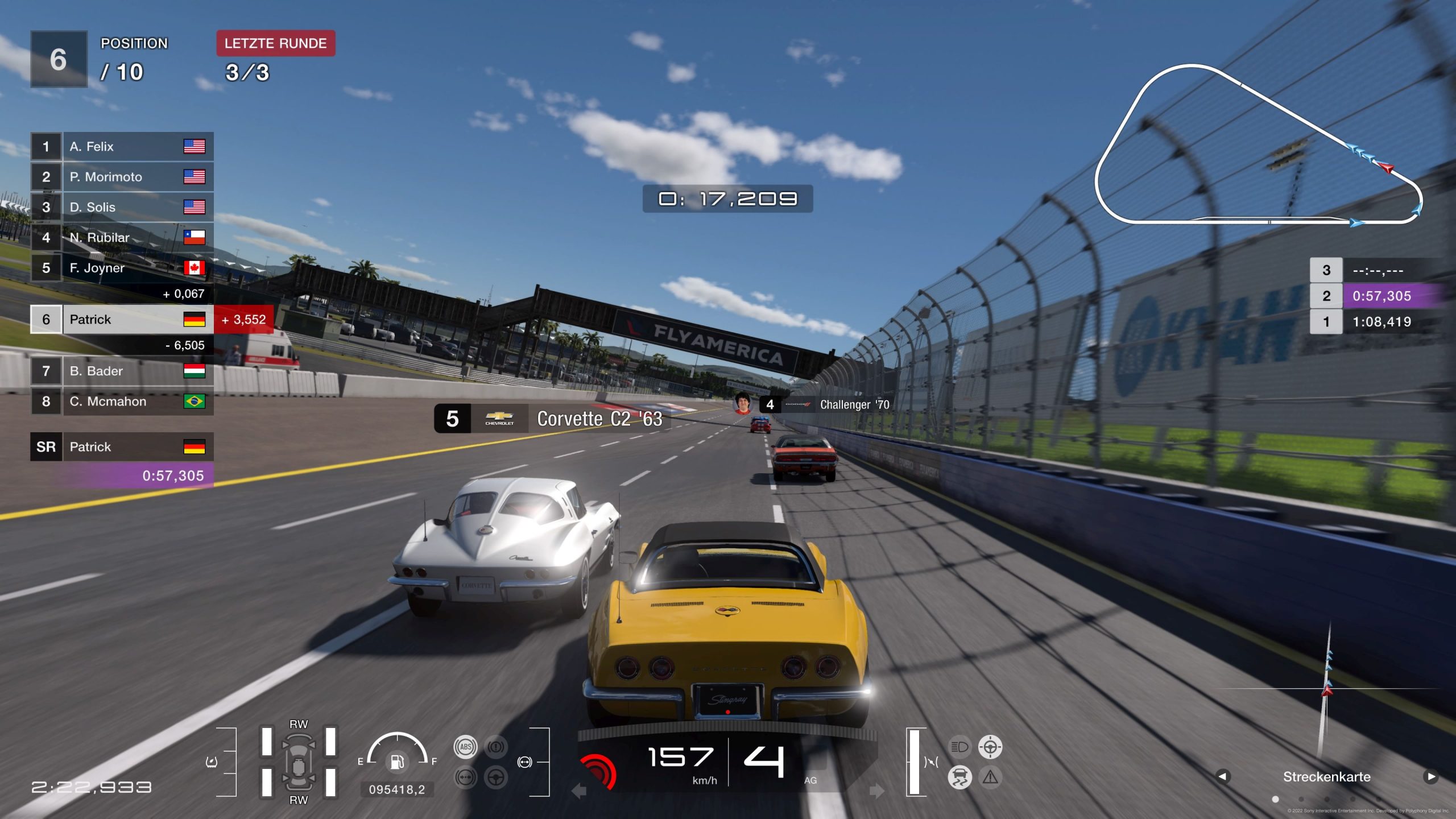
Release Expectations and Community Hype
Gran Turismo Concept generated significant hype within the gaming community prior to its release. The promise of enhanced graphics, improved handling, and a vast car list created a strong anticipation for what many believed would be the definitive racing experience on the PlayStation 2. However, the limited North American release and the subsequent focus on other titles in the Gran Turismo series led to a sense of disappointment among some fans. Despite this, the various versions of the game continued to circulate within online communities, fostering a dedicated following that appreciated its unique blend of realism and accessibility. The enduring fascination with Gran Turismo Concept speaks to its lasting impact on the racing genre and its ability to capture the passion and excitement of motorsport.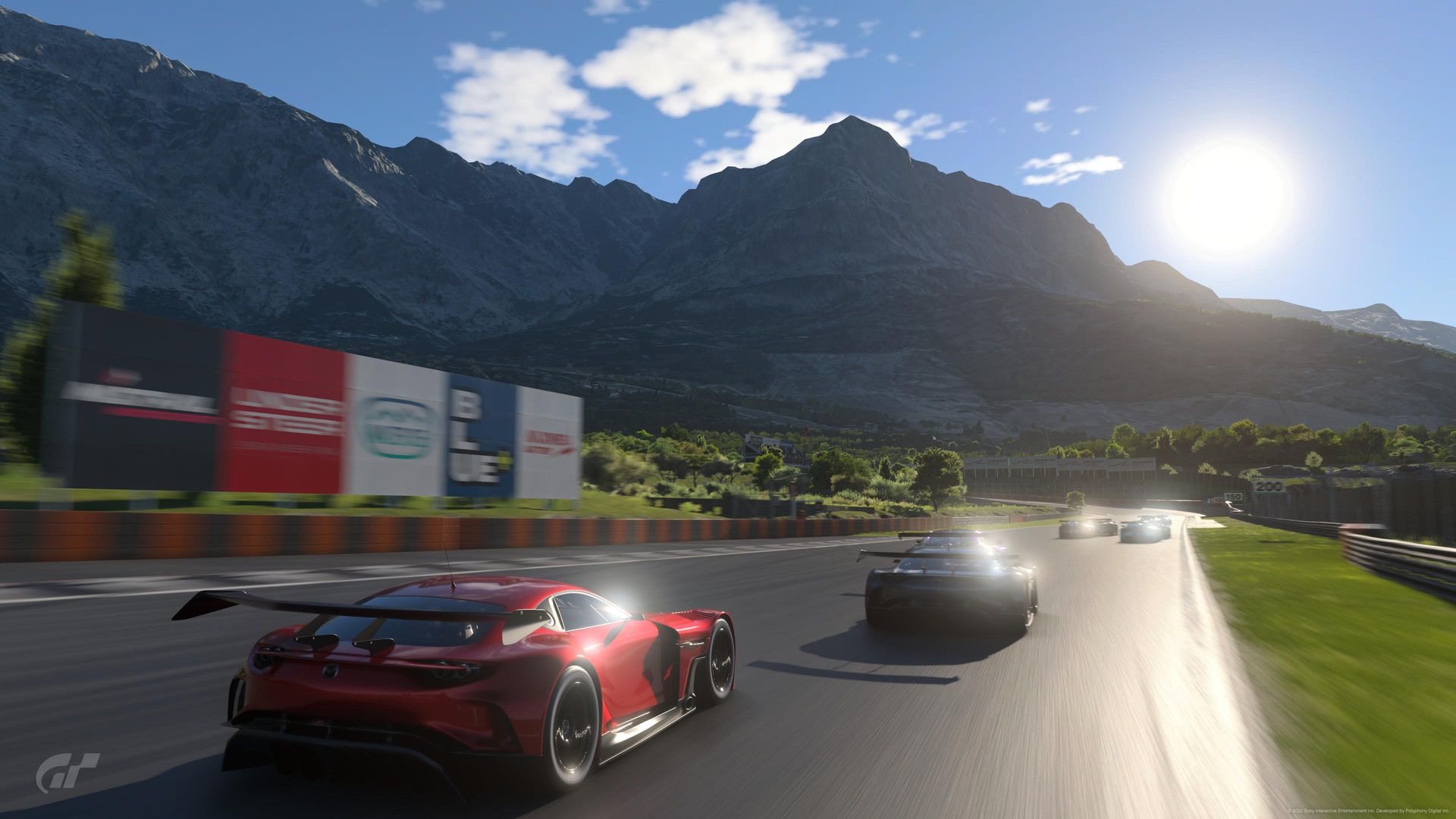
Conclusion: The Future of Gran Turismo Concept
Gran Turismo Concept represents a fascinating chapter in the history of Polyphony Digital's acclaimed racing franchise. While never fully realized in all regions, the various versions of the game offer a glimpse into the developer's vision for the future of sim racing. Its blend of realistic graphics, engaging gameplay, and a vast car list continues to resonate with fans today. Although overshadowed by later installments in the Gran Turismo series, its enduring legacy lies in its ability to capture the passion and excitement of motorsport while remaining accessible to a wide range of players. The game serves as a testament to the power of innovation and the enduring appeal of virtual racing.
Source: Wikipedia
Google Preferred Source
Add us to your favorite news sources on Google
Get instant updates and breaking news directly in Google News