
Reimagining the Living Room: Valve’s Overhaul of Steam’s Big Picture Mode and the Steam Deck Interface Architecture
Introduction: The Convergence of Handheld and Television Gaming Interfaces
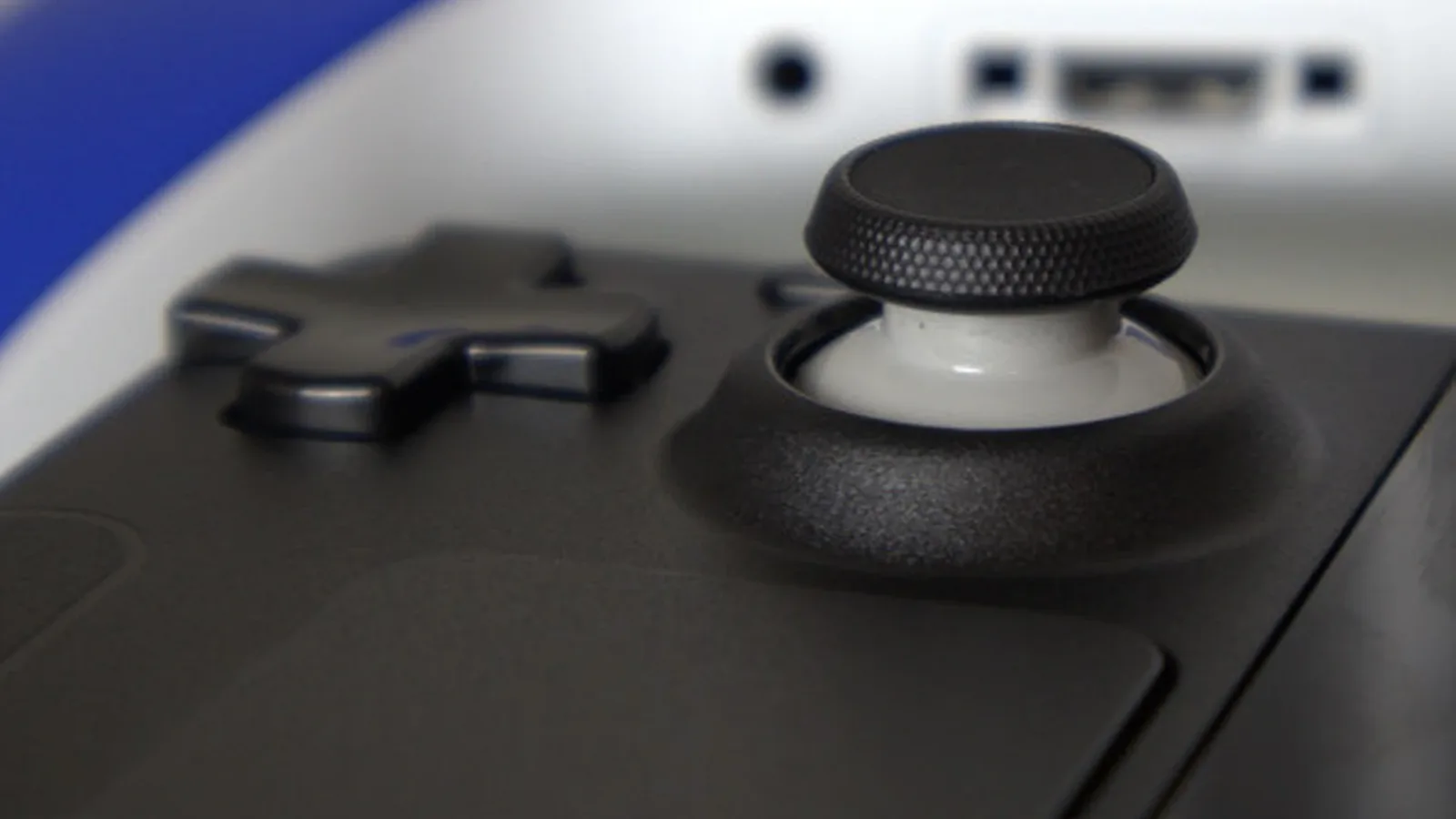
The contemporary landscape of personal computing has witnessed an increasingly pronounced convergence between portable and stationary gaming form factors. Valve Corporation’s Steam Deck handheld gaming computer, introduced in 2022, catalyzed a significant reconfiguration of how users interact with the Steam platform’s interface layers. This architectural shift culminated in a comprehensive overhaul of Steam’s Big Picture mode—a fullscreen, controller-centric user interface originally conceived in 2012 for television-based gaming experiences.
This study examines the technical, ergonomic, and architectural dimensions of Valve’s Big Picture mode redesign, analyzing how the integration of the Steam Deck’s interface philosophy into the desktop platform represents a meaningful evolution in human-computer interaction design. The research addresses the conceptual foundations of the redesign, the technical mechanics underlying the interface transformation, and the broader implications for gaming systems architecture.
Conceptual Foundations of Big Picture Mode
Historical Origins and Design Intent
Steam’s Big Picture mode first entered the platform’s ecosystem in 2012, establishing itself as a fullscreen, controller-focused user interface option specifically engineered for television integration. The original design philosophy prioritized a spatially expansive browsing environment optimized for the physical distance between the user and the display surface, contrasting sharply with the traditional desktop paradigm’s reliance on precise cursor navigation and keyboard-driven input.

The 2012 implementation reflected an early recognition of the “couch gaming” paradigm, wherein users interact with media libraries from a distance of several meters, necessitating interface elements sized and positioned for thumb-driven controller navigation rather than pixel-precise mouse control. This foundational design established Big Picture mode as a distinct interface layer operating on fundamentally different interaction principles than the platform’s primary desktop mode.
The Incremental Revision Problem
Over the intervening decade, revisions to Big Picture mode remained incremental at best, creating a persistent architectural divergence between the two interface modes. This stagnation became particularly pronounced following Valve’s substantial overhaul of Steam’s desktop mode, which introduced modernized navigation patterns, refined visual hierarchies, and improved information density. The resulting visual and functional disparity between the two interface generations rendered the older Big Picture mode increasingly anachronistic within the platform’s overall design language.
Technical Architecture of the Steam Deck Interface
The Steam Deck UI as Design Reference
In July 2021, Valve announced its intention to replace Big Picture mode’s aging visual architecture with the more contemporary interface developed for the Steam Deck handheld platform. This decision represented a strategic consolidation of interface design principles, recognizing the Steam Deck’s UI as the more forward-looking reference model for the platform’s interaction paradigms.
The Steam Deck’s interface architecture incorporates several distinctive technical characteristics. Its home screen provides streamlined access to recently played titles, facilitating rapid re-entry into active gaming sessions. The universal search functionality enables content discovery across the platform’s extensive library through a unified query mechanism, reducing the navigational overhead associated with traditional category-based browsing. Additionally, the interface integrates a dedicated controller configurator, allowing users to customize input mappings and sensitivity parameters directly within the interface layer.
Interface Rendering and Performance Considerations
The Steam Deck’s interface operates within a constrained computational environment, necessitating careful optimization of rendering pipelines and resource allocation. The handheld’s limited thermal envelope and power budget require the interface to maintain responsive performance even during complex operations such as library navigation and configuration adjustments. This constraint has driven Valve’s interface team toward efficient rendering techniques that preserve visual fidelity while minimizing computational overhead.
The transition of this interface architecture to Big Picture mode introduces interesting technical considerations regarding display scaling and resolution handling. Television displays typically operate at substantially higher resolutions than the Steam Deck’s native output, requiring the interface to adapt its rendering parameters to maintain visual consistency across the disparate display environments.
The Overhaul: Implementation and Features
Expanded Feature Set
The finalized Big Picture mode overhaul, released following approximately four months of open beta testing, introduced a comprehensive set of enhancements across the interface. The updated home screen provides intuitive access to recent games, while the universal search functionality enables seamless content discovery. The new controller configurator represents a significant addition, empowering users with granular control over their input device settings.
Patch Integration and Distribution
The overhaul was distributed as part of Steam’s latest client update, marking the transition of the feature from beta testing to general availability. Valve noted that the complete list of changes, improvements, and fixes associated with the update is extensive, with comprehensive patch notes maintained on Valve’s official blog. This documentation approach reflects the company’s commitment to transparency regarding interface modifications and provides users with detailed insight into the scope of the changes.
Human-Computer Interaction Implications
Controller-Centric Navigation Paradigms
The redesign reinforces the controller-centric navigation paradigm that has characterized Big Picture mode since its inception. This paradigm prioritizes large, thumb-accessible interface elements and directional navigation over precise cursor positioning. The integration of the Steam Deck’s interface philosophy extends this paradigm, applying refined design principles developed through the handheld’s extensive user base to the television gaming context.
Input Device Configuration and Customization
The inclusion of a dedicated controller configurator addresses a critical requirement in the controller-centric paradigm: the ability to tailor input devices to individual user preferences and physical characteristics. This customization capability encompasses button remapping, sensitivity adjustments, and configuration profiles, enabling users to optimize their interaction experience for specific gameplay requirements.
Competitive and Market Implications
Platform Ecosystem Integration
The Big Picture mode overhaul represents a strategic move toward greater ecosystem integration, blurring the historical distinction between handheld and television gaming experiences. As the gaming market continues to fragment across multiple form factors, Valve’s consolidation of interface design principles across its platform’s various modes positions the company to deliver a more cohesive user experience regardless of the display environment.
Competitive Positioning in the Living Room Market
The redesign carries significant implications for Valve’s competitive positioning within the living room gaming market, a segment increasingly contested by dedicated console manufacturers and cloud gaming services. By modernizing its television-oriented interface, Valve strengthens the appeal of Steam’s platform for users who prioritize television-based gaming experiences, potentially expanding the platform’s addressable market beyond the handheld gaming segment.
Architectural Insights and Future Trajectories
Interface Convergence as an Architectural Trend
The Big Picture mode overhaul exemplifies a broader architectural trend toward interface convergence across gaming platforms. As form factors continue to blur and users increasingly adopt hybrid gaming workflows, the maintenance of distinct interface layers for different display environments may become increasingly unnecessary. Valve’s decision to unify the interface design principles represents a forward-looking approach that anticipates this convergence.
Scalability and Future Interface Development
The consolidation of the Steam Deck’s interface architecture into Big Picture mode provides a scalable foundation for future interface development. By establishing a single, well-tested interface reference, Valve can more efficiently iterate on interface improvements and distribute updates across its platform’s various modes. This architectural efficiency supports the rapid development cycles characteristic of the modern gaming software industry.
Conclusion
Valve’s overhaul of Steam’s Big Picture mode represents a significant milestone in the evolution of gaming interface architecture. By integrating the Steam Deck’s modern interface philosophy into the platform’s television-oriented mode, Valve has addressed a longstanding architectural divergence while delivering substantial functional improvements to users. The redesign reflects thoughtful consideration of human-computer interaction principles, competitive market dynamics, and forward-looking architectural trends toward interface convergence. As the gaming industry continues to navigate the complex landscape of form factor diversity, Valve’s approach offers valuable insights into the strategic consolidation of interface design principles across gaming platforms.
Have thoughts, questions, or benchmarks on this topic? Join the discussion on our forums.
Join Discussion ➔






















Join the conversation