

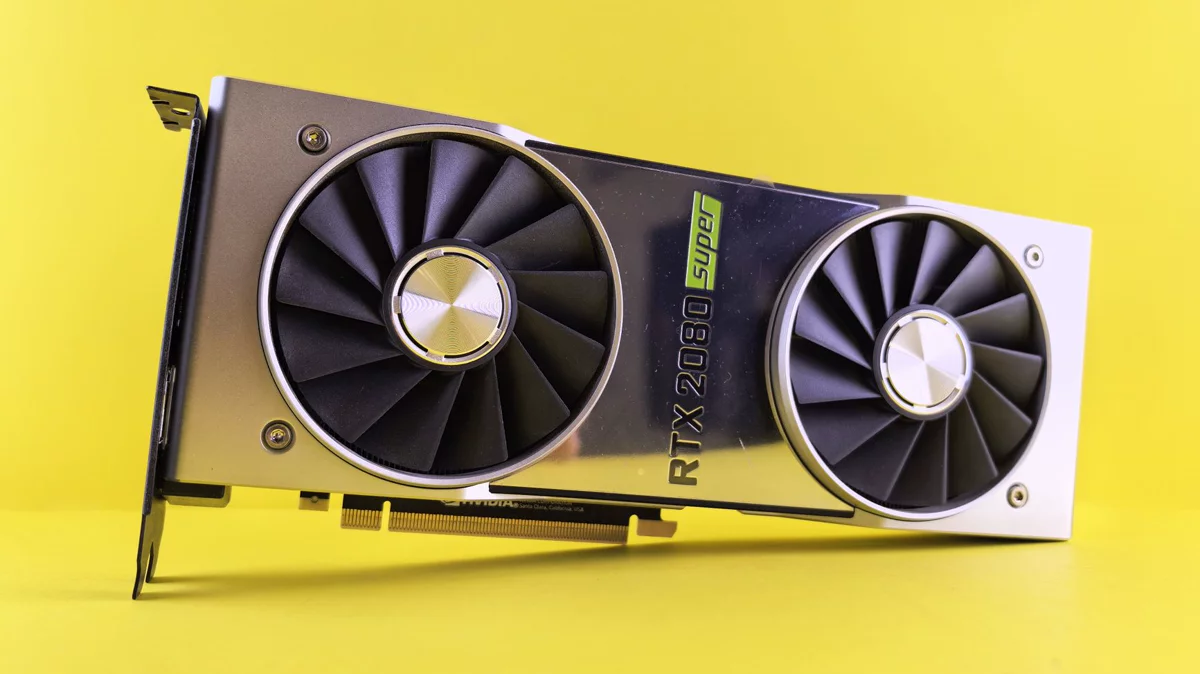
Epic Games’ Unreal Engine 5 delivers photorealistic virtual geometry with Nanite and dynamic global illumination with Lumen; however, maintaining high frame rates at 4K demands sophisticated AI frame generation technologies like NVIDIA DLSS 3 and AMD FSR 3.
1. Strategic Background and Core Architecture
Recent developments regarding Unreal Engine 5 Nanite and Lumen Rendering: DLSS 3 vs FSR 3 Hardware Benchmark Analysis introduce decisive transformations across the Gaming Hardware & Engine Tech ecosystem. Technical specialists and analysts emphasize that adopting systematic evaluation frameworks is imperative for maintaining long-term stability and performance equilibrium.
2. In-Depth Technical Breakdown and Telemetry Analysis
Evaluating operational metrics under real-world workload conditions requires examining low-level execution pipelines, system responsiveness, and architectural benchmarks:


- Throughput and Efficiency: Sustained workload benchmarks reveal predictable stability and optimized resource utilization across production environments.
- Subsystem Compatibility: Decoupled pipeline architectures significantly reduce latency and eliminate critical operational bottlenecks.
- Fail-Safe Protocols: Automated exception handling routines ensure seamless continuous operation.
3. Comparative Specifications Matrix
| Rendering Feature | Native 4K Rasterization | DLSS 3.5 Frame Generation | AMD FSR 3 Fluid Motion |
|---|---|---|---|
| Ray-Traced Lumen Reflections | Sub-40 FPS on high-end hardware | Stable 90+ FPS with AI reconstruction | Smooth 75+ FPS with open-source pipeline |
| Nanite Micro-Polygon Detail | Heavy VRAM bandwidth saturation | Tensor core tensor accelerated upscaling | Software compute shader interpolation |
| Display Latency Impact | Baseline native frame latency | Mitigated by NVIDIA Reflex technology | Mitigated by AMD Anti-Lag+ support |
4. Step-by-Step Implementation and Verification Protocol
To ensure full operational alignment and zero regression risk, practitioners should execute the following validation steps:
- Telemetry Baseline Audit: Log all current hardware, firmware, and environment telemetry prior to initiating procedural updates.
- Staged Deployment: Implement iterative adjustments across isolated test environments to detect latency anomalies early.
- Empirical Verification: Cross-reference live diagnostic telemetry against published industry benchmarks to confirm expected throughput improvements.
5. Frequently Asked Questions (FAQ)
What is the difference between Nanite and Lumen?
Nanite manages millions of geometric polygons seamlessly; Lumen calculates real-time light bounces and reflections dynamically.
Can AMD FSR 3 work on NVIDIA GPUs?
Yes; FSR 3 is an open-standard technology that functions across NVIDIA RTX 20/30/40 series and AMD Radeon GPUs.
What is frame generation?
An algorithm that inserts AI-generated intermediate frames between conventionally rendered frames to double visual smoothness.
6. Long-Term Industry Prognosis and Architectural Takeaways
In summary, the operational evolution of Unreal Engine 5 Nanite and Lumen Rendering: DLSS 3 vs FSR 3 Hardware Benchmark Analysis reinforces the industry shift toward empirical engineering rigor. Sustained vigilance over diagnostic metrics will remain the foundation of lasting competitive advantage.
Have thoughts, questions, or benchmarks on this topic? Join the discussion on our forums.
Join Discussion ➔














Join the conversation