
The Genre Genesis: From Modern Titans to 2001 Pioneers
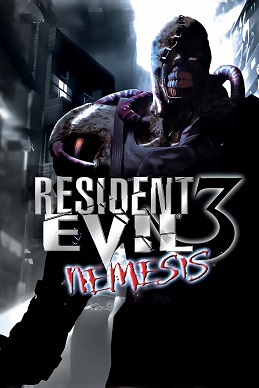
The definitive gold standard of video game remakes (rebuilding a foundational classic with 70% brand-new environment architecture, reimagined puzzle solutions that subvert veteran player memory, photorealistic pre-rendered gothic backgrounds with dynamic real-time candle flame and thunderstorm lighting, and escalating existential survival terror), paired with permanent corpse consequence mechanics (the terrifying Crimson Head resurrection system: requiring players to manage scarce kerosene fuel flasks and lighters to incinerate fallen zombie corpses before they mutate into sprinting, clawed predators)—from Resident Evil 4 Remake (2023), Resident Evil 2 Remake (2019), Dead Space Remake, Silent Hill 2 Remake, and modern survival horror—trace their immortal crown to March 22, 2002 with Shinji Mikami's magnum opus, Resident Evil (GameCube Remake / REmake).
Directed and produced by franchise creator Shinji Mikami at Capcom Production Studio 4 in Osaka for the Nintendo GameCube, Resident Evil (known worldwide as *REmake*) was conceived to realize Mikami's original 1996 vision without technical hardware limitations. Earning an extraordinary 91/100 on Metacritic, selling over 1.4 million copies on GameCube and millions more in its HD Remaster, it is universally celebrated by developers and historians as the undisputed greatest video game remake of all time.
Platform Context & Gaming Environment
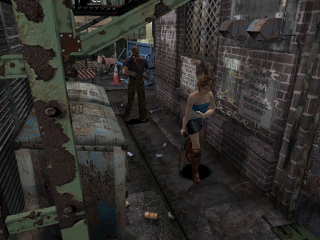
In July 1998, following bizarre cannibalistic murders in the Arklay Mountains outside Raccoon City, the Special Tactics and Rescue Service (S.T.A.R.S.) Alpha Team—featuring Jill Valentine, Chris Redfield, Barry Burton, and Captain Albert Wesker—investigates the crash site of Bravo Team. Attacked by bloodthirsty Cerberus mutant dogs, the survivors flee into the foreboding Spencer Mansion. Navigating the dilapidated estate, the graveyard, the forest cabin, the Guardhouse, and the subterranean Arklay Laboratory, players uncover the Umbrella Corporation's T-Virus bioweapon research and encounter the tragic, indestructible mutant test subject Lisa Trevor.
Popularity & Cultural Standing: Niche vs. Blockbuster
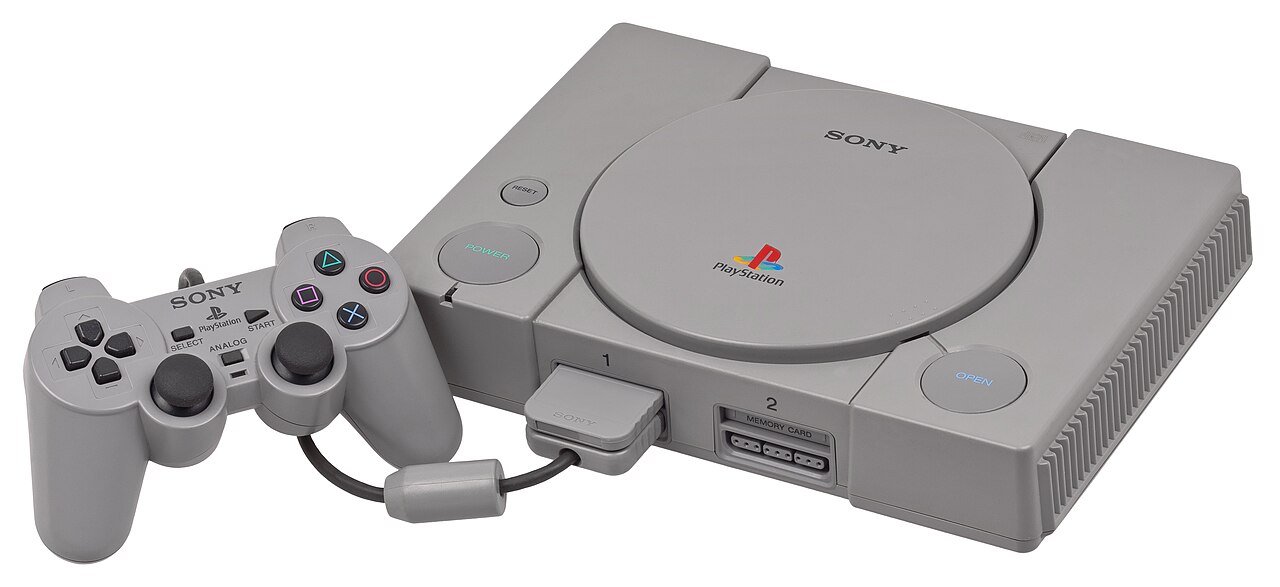
Resident Evil (2002) was a massive critical sensation that set the graphical benchmark for sixth-generation console hardware. Its photorealistic visual fidelity—featuring swaying trees outside storm-lashed windows, flickering candle shadows, and detailed character models—created an atmosphere of suffocating, dread-inducing terror that has never been surpassed.
Gameplay Mechanics & Technical Innovations
REmake established standard-setting survival horror mechanics:
- The Crimson Head Zombie Resurrection Mechanic: Defeating normal zombies with firearms is not permanent; unless the head is decapitated via shotgun blast or the corpse is burned using a Kerosene Canteen and Lighter, the fallen zombie will resurrect after 20-30 minutes into a terrifying Crimson Head—a blood-red mutant with razor claws that sprints at full speed and breaks through wooden doors.
- Subverted Puzzle & Mansion Architecture: Expanding the Spencer Mansion by over 70% with brand-new areas (the Cemetery, Forest Cabin, Crypts) and changing item/puzzle placements to subvert the muscle memory of original 1996 players.
- Defensive Weapon Counter System: Equipping expendable Daggers, Taser Units (Jill), and Flash Grenades (Chris) into a dedicated secondary slot; when grabbed by a zombie, tapping the trigger jams the weapon into the monster's mouth, avoiding health damage and blowing off zombie heads.
- The Tragic Lore of Lisa Trevor: Introducing the immortal, shackle-bound test subject Lisa Trevor, wearing the stitched faces of her victims, who cannot be killed with firearms and stalks the player throughout the estate.
Historical Legacy & Archival Preservation
Resident Evil (2002) is permanently enshrined in the World Video Game Hall of Fame and the Museum of Modern Art as the immortal masterpiece of survival horror and the greatest video game remake ever created.