

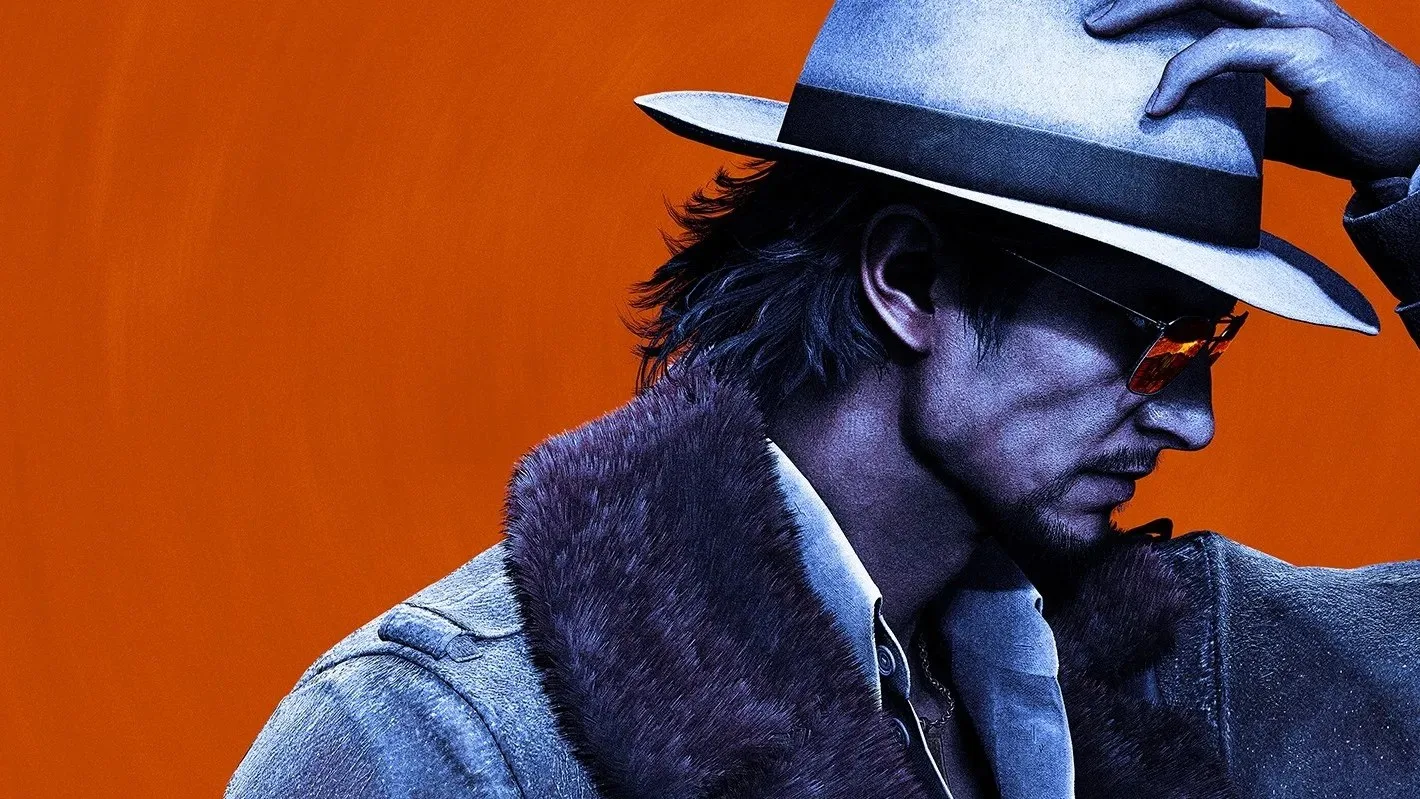
New York Comic Con can be a strange place sometimes, but this year, Sega gave select media the opportunity to make it stranger (than heaven). We went hands-on with developer Ryu ga Gotoku’s next major project, and while our extended look offered glimpses into the decades-spanning adventure, there’s clearly still a lot more to see.
The three-hour demo was broken up into five parts. The first three were all set in 1915, first on a ship headed to Japan, and then in the harbor town of Kokura. These three sections introduced key characters, a major conflict in protagonist Makoto’s early life, and a climactic battle in an ironworks factory.
The later two sections highlighted two other cities and eras: 1929’s Kure and 1943’s Osaka. Both sections were centered around the multiple open-world activities we’ll find in each of Stranger Than Heaven’s time periods, from minigames and short missions to the side content involving Showbiz show-planning.

Stranger Than Heaven seems to be shaping up to be a massive game, with an emotional story at its core. Based on what I played, it should be capable of standing out, rather than being lost in the shadow of RGG Studio’s Like A Dragon series.
A fish out of water
Stranger Than Heaven tells the story of Makoto Daito, a half-American, half-Japanese man who finds himself torn between two cultures. In the prologue, he’s chased by American policemen in San Francisco who use words like “oriental;” while in Japan, he’s greeted with “keto,” a derogatory slang word for non-Japanese people that literally translates to “hairy foreigner.”
While these moments are set over 100 years ago in 1915, Abe says that the overarching themes are very much still relevant today. “Questioning your identity is one big theme for a lot of people around the world, especially with the internet, and I think it really resonates with people,” Abe said. “We thought making a character who’s mixed race could spark a huge interest and a strong message, like it could give the courage for people to live their lives.”
Abe also mentioned that he knows firsthand the feeling of being considered an outsider, even in his home country. “I have a personal experience living abroad and then coming back to Japan; I’m not of mixed heritage, and yet people still treated me like a gaijin, which is a foreign outsider,” Abe said. “[Telling this story] really resonated with me; I really wanted to tell this story as a director, and that was the entire starting point on how we got to this concept.”
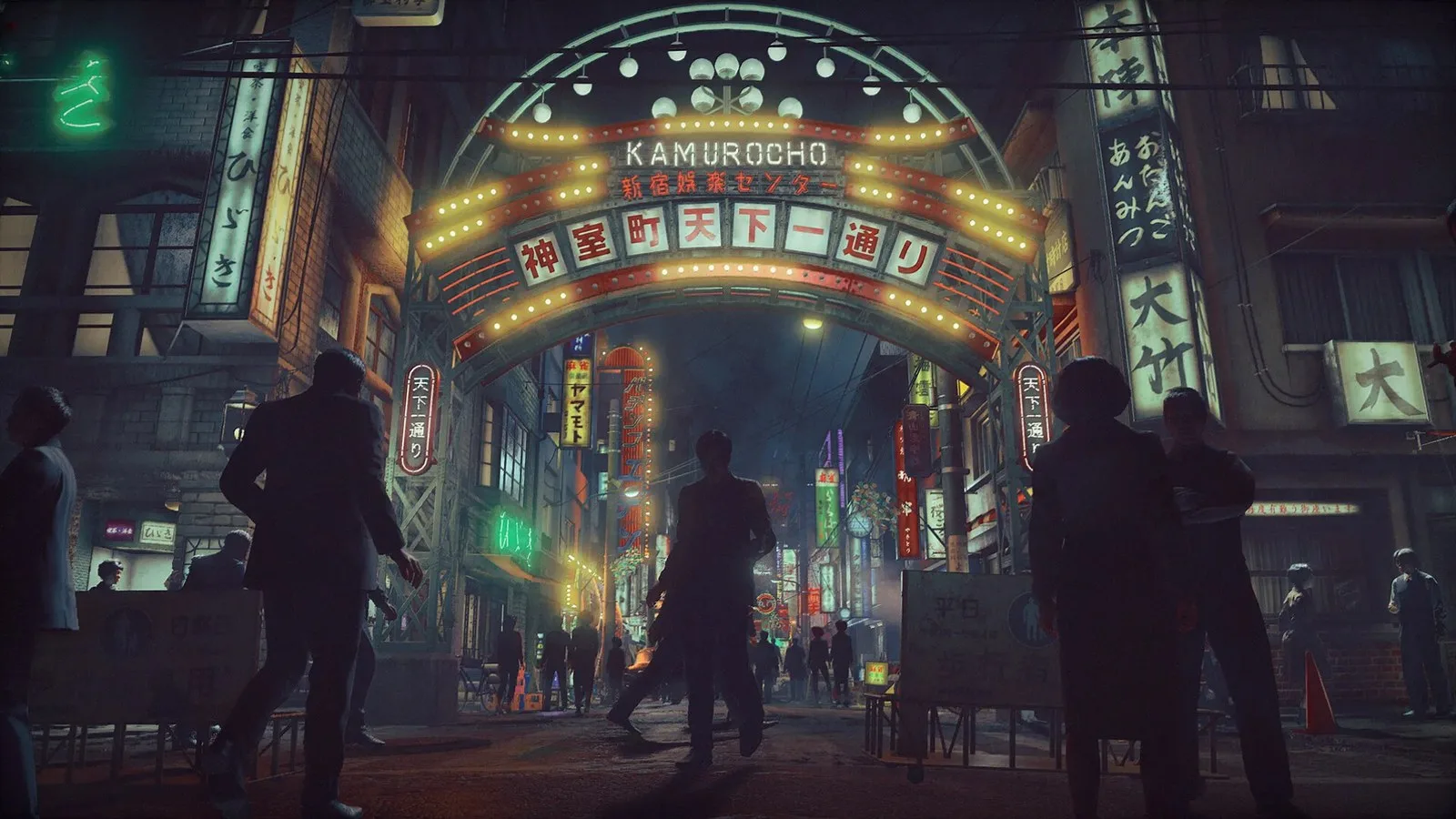
Along with the themes associated with Makoto’s mixed race, the Kokura sections of the demo also focused on the infancy of the yakuza, which was another key point of exploration for the team. The Like A Dragon series up until now has told stories of an established crime syndicate, but for Abe, his curiosity focused on where it began.
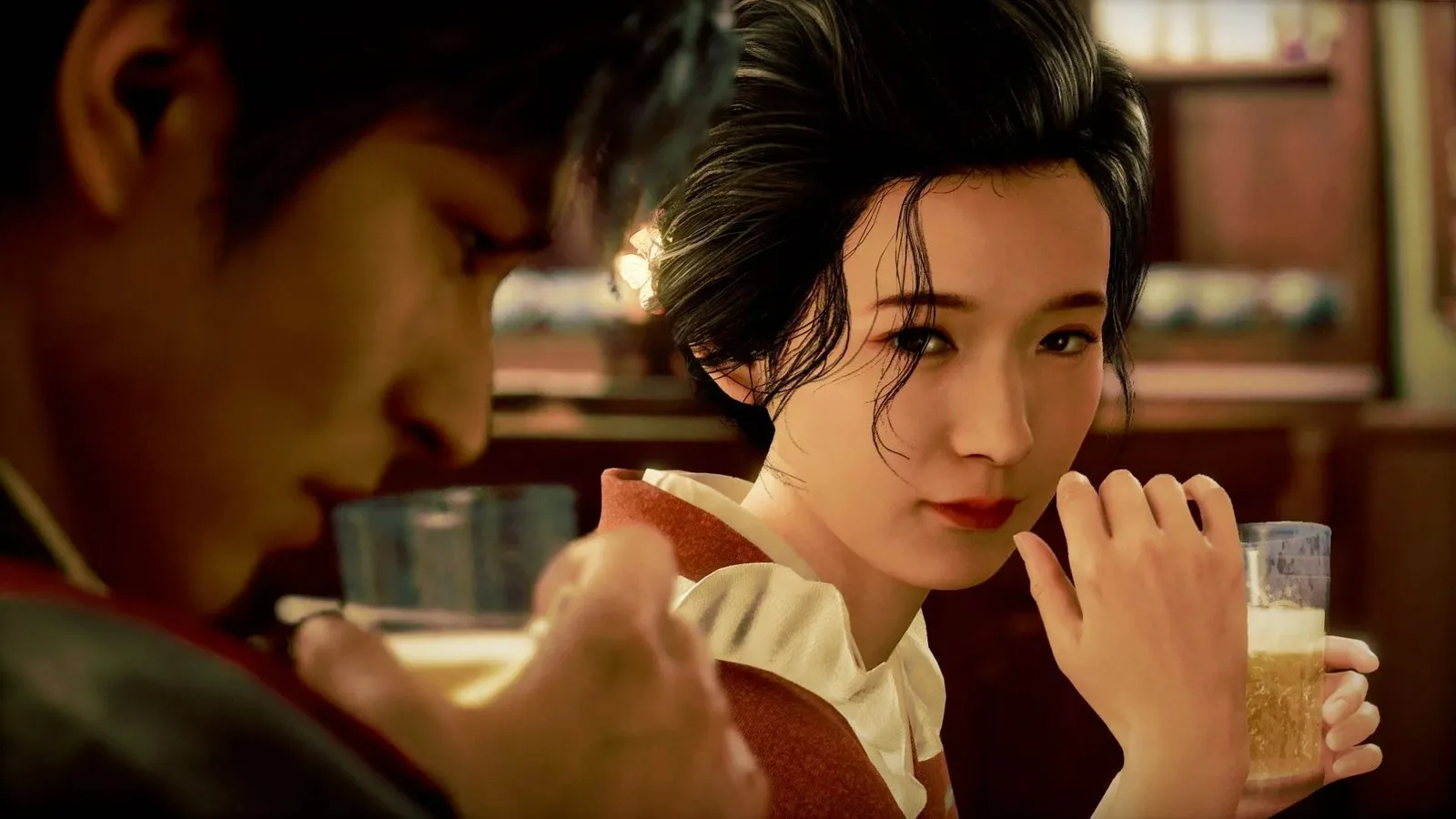
“While we were creating the Yakuza and Like a Dragon series, we always had this curiosity of who would create such an organization, or why they would create it, but we didn’t have a great way of exploring it,” Abe said. This theme led to the team deciding to tell the story over five decades, as they “started to feel like we need a huge time span to tell this epic story.”
Packing a punch
My main concern coming into this demo, after having played it at Summer Game Fest back in June, was with the core combat system. Using the shoulder and trigger buttons on top of the controller to fight was awkward at times, with my attacks feeling slow and deliberate and difficult to combo together. The parry system was especially underwhelming, as the timing never felt consistent enough to wrap my head around.
From the very beginning of the hands-on session, it was clear that whatever work went into refining the fighting system between June and October was the right call. The mechanics in this demo felt far more polished and responsive than what I experienced at Summer Game Fest. My attacks were landing consistently, and I was able to string together combos with ease. Parries still tripped me up at times, but they felt like something I could get better at rather than a flaw in the mechanic itself. The finishing blows felt especially powerful, particularly when wielding a weapon; landing a finisher on an opponent with the giant hammer was one of the highlights of the whole experience, and I pulled it off more than once.
Abe acknowledged that earlier demos played a role in improving the combat system, but he noted that the feedback wasn’t viewed as negative by the team. “We tweaked a lot, but our takeaway from the feedback wasn’t like, ‘Okay, we might want to change our creative direction,'” Abe said. “Rather, as a whole, the core system that we believed would be fun and fit for this game was reinforced. It really gave us the motivation boost after Summer Game Fest that we are heading in the right direction.”
That reinforcement showed up later in the demo, as some of the more challenging enemies from June returned for another showdown. The lone samurai appeared in both open-world sections of the demo, Kure and Osaka, and I defeated him both times on our first encounter.
The hulking bald man, meanwhile, turned out to be Shimura, the head of the ironworks that Makoto infiltrates in Kokura and a key partner of the major antagonist Oki. Shimura emerged as the main boss of the Kokura section of the demo, and while he was still a tough fight, the combat improvements made him far more manageable to defeat.
Speaking of the ironworks section, this part of the demo threw an interesting curveball; once Shimura was defeated, I expected a cutscene to play before facing off against Oki in the office above where I had battled Shimura. Instead, Oki immediately started firing his gun at Makoto through the window, and I had to quickly run up the stairs and take Oki down before the cutscene played. It was a small moment, but it was a defiance of my expectations that did not go unnoticed.
“Fictional realism”
Throughout our interview, Abe kept referencing a term he and his team use to describe what Stranger Than Heaven is aiming for: “fictional realism,” or the idea that, while the game is rooted in real places authentic to the time period, it still takes creative freedoms in certain elements of the game.
One example, as Abe points out, is the use of jazz throughout the game; while jazz has existed for decades, the types of jazz featured in Stranger Than Heaven aren’t necessarily authentic to the eras they’re heard in. “Jazz has, like, a million genres within it, right? If you ask an expert of jazz—which our music director [Mitsuharu] Fukuyama-san is—he’d say, ‘This jazz wouldn’t exist until like 60 years later,'” Abe said.
The demo provides multiple examples of this “fictional realism” idea through its minigames, as they are a mixture of real-world games from the past and activities that might not have appeared as they did back then, if they appeared at all. Multiple authentic Japanese games from the time, like oicho-kabu, a card game similar to baccarat, and tehonbiki, a guessing game using cards numbered from one to six, can be found in multiple areas. Both of these date back centuries, to when nanban karuta playing cards were introduced to Japan by the Portuguese in the 16th century.
Other activities straddle the line of possibly being real, but with some doubt. Underground fight clubs in 1929’s Kure may have existed in real life, but here Makoto can challenge opponents and make some real money when he wins. Similarly, we don’t know if rolling cigarettes was a regular occurrence in 1915’s Kokura, nor do we think cigarettes helped boost fighting capabilities, but both of those things exist here in Stranger Than Heaven—and they’re introduced by Orpheus, who is portrayed by Snoop Dogg, because who else would?
(Now that we’ve mentioned Snoop Dogg, we should also confirm that Amaru, the character bearing the likeness of the late Tupac Shakur, was not in this hands-on demo.)
The Showbiz sections, meanwhile, are where those creative liberties mentioned by Abe really come to light. In our hands-on, we were tasked with helping Makoto to plan a musical performance. We had to choose the performer, the band members, the song, and extras like confetti and lighting. As long as the performance makes more than the cost, we succeed.
Makoto can find rhythms and sounds out in the world based on environmental noise, a neat way to tie the surrounding area into the player’s consciousness. Some sources are obvious, like a man clapping in the street, while others are clever, like picking sounds out of the clash of weapons or the contact of Makoto’s first during a fight. When a colored orb of light appears on-screen, by pressing a button, Makoto registers the sound and it becomes part of his repertoire the next time he plans a performance.
When choosing the song specifically, we have a selection of genres for certain tracks. And Should I Sing Of Love, for example, can either be performed as country blues or New Orleans jazz, while other songs can be played as a slow boogie, a lively pop tune, or a parade-like march. This small selection points to a very robust catalog of music and musical genres, and I’m already looking forward to how much music Makoto can cook up in the final game.
Sega packed a ton of content into our three-hour hands-on with Stranger Than Heaven, and we felt like we barely scratched the surface. We expect to spend a lot of time with Makoto all around Japan when Stranger Than Heaven launches January 15, 2027 on PlayStation 5, Xbox Series X|S, and PC.
Have thoughts, questions, or benchmarks on this topic? Join the discussion on our forums.
Join Discussion ➔






















Join the conversation