

 •
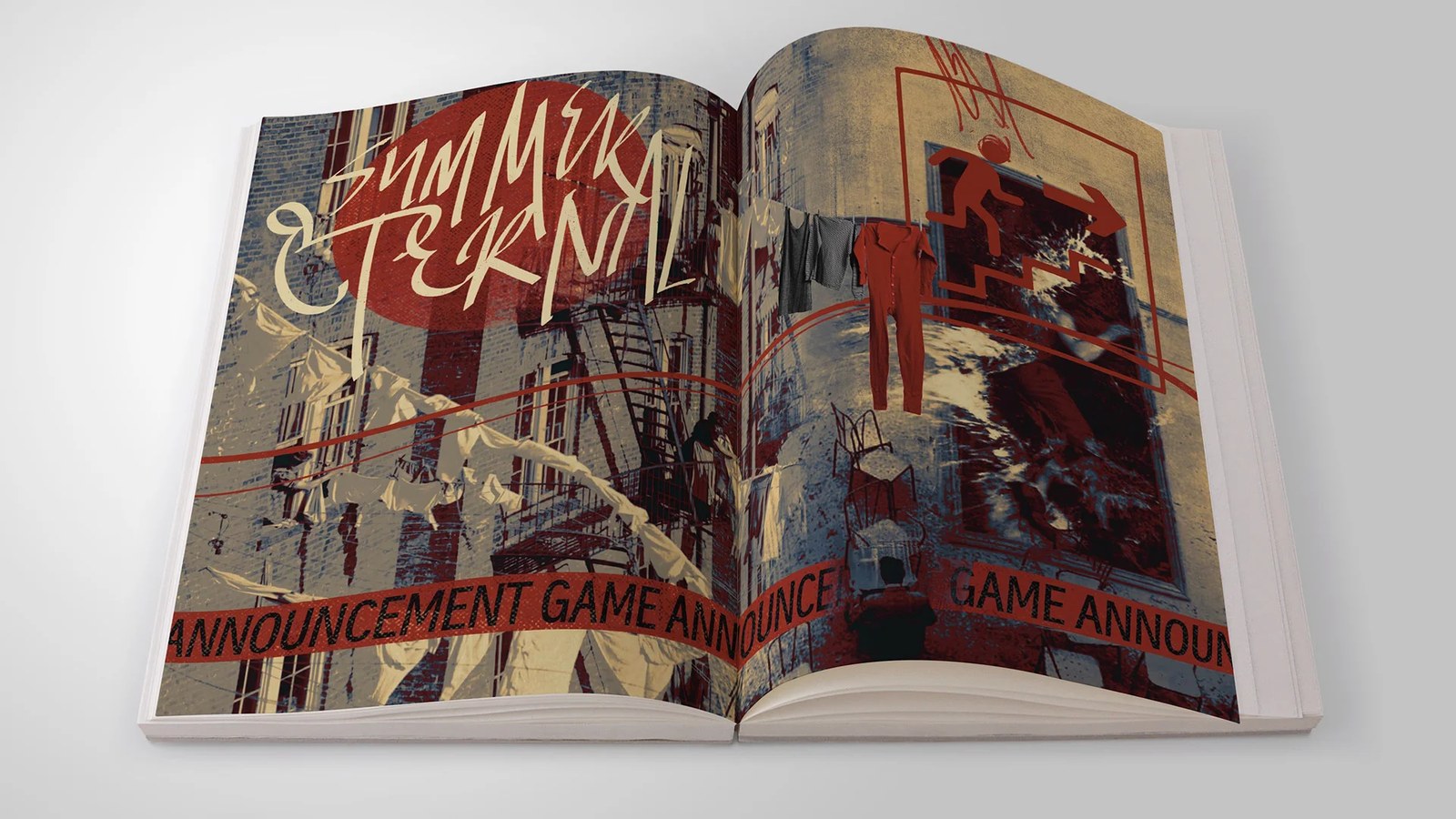
•Mark Darrah, the executive producer behind BioWare’s bağlantı”>Anthem and bağlantı”>Dragon Age, warns that the triple-A games industry has become “over-specialised, specialised to the point of hyper-fragility” — a warning he delivers in an interview buried inside the Summer Eternal Anthology.
Darrah’s comments were surfaced by Edwin for Rock Paper Shotgun. Darrah began his career as a programmer on bağlantı”>Baldur’s Gate, bağlantı”>Neverwinter Nights and bağlantı”>Jade Empire, before coralling development teams at BioWare.
“The triple-A industry has become over-specialised, specialised to the point of hyper-fragility,” Darrah states in the interview.

Ballooning teams and costs
Darrah argues that specialisation means “no one person can add anything into a triple-A game. It requires at least five people” — pushing team sizes, and therefore running costs, ever higher.
Saber Interactive’s chief creative officer Tim Willits put figures on those costs last month: “Each one of those developers is expensive. You have 200 people that you’re paying $15,000 per person per month, which gets you way over two million.”
Darrah links team size to the risk of delays. “The reality is that the bigger your team, the more vulnerable you typically are to disruption in terms of time,” he says. “If you have a 500-person team and you go one month late, that’s probably adding five, ten million to your budget right there.”
To put that in context: Jason Schreier’s bağlantı”>Bloomberg feature on the making of Grand Theft Auto VI recounted how Rockstar publishing head Jennifer Kolbe had to repeatedly tell Take-Two chief executive Strauss Zelnick she needed to push the game back — from 2025, then May 2026, then November. GTA VI employs more than 4,700 people.
A bifurcated market
Darrah predicts the industry is heading toward a “bifurcation”, in which a handful of games pull away from the rest and become an unreachable benchmark. “bağlantı”>GTA 6 is going to rip itself off and take five or six games with it, up into the upper echelon of ‘we can spend any amount of money on our games and it’s going to be all right,'” he says, suggesting bağlantı”>Assassin’s Creed, Call of Duty and Battlefield could join it.
“He says there are just too many games that have $100m budgets that aren’t making that money back,” Darrah notes. He points to BioWare as a victim of this split: “BioWare sat right at the point where it doesn’t quite work.” Shortly after bağlantı”>Dragon Age: Veilguard’s launch, EA CEO Andrew Wilson said the RPG had significantly underperformed, reaching only 1.5m players rather than the planned 3m.
Yet Darrah paints an optimistic picture of what follows. “If that is happening, then I think you’re going to see a lot more studios the size of Sandfall Interactive’s,” he says — referring to the small team behind Clair Obscur: Expedition 33.
The outsourcing model
Darrah explains that Sandfall kept “entire holes in their structure” rather than staffing every discipline. “It looks to me like what Sandfall did was to keep entire holes in their structure — they don’t appear to have any internal animators at all, and they outsourced 100% of their animation.” He notes the turn-based nature of the game helped.
This is not without caveats. Outsourcing can mean bağlantı”>low wages and a figurative straitjacket for recipients, and South American developers have told colleagues that it remained difficult to convince publishers they could lead projects themselves.
A dangerous place for CD Projekt
If the schism takes hold, Darrah believes it could reshape the industry toward titles needing to sell “3-4 million units” — which he calls “much more attractive.” He would rather not work on something like GTA, “bağlantı”>where if this thing doesn’t sell 50 million units, it’s going to lose money. That’s insane.
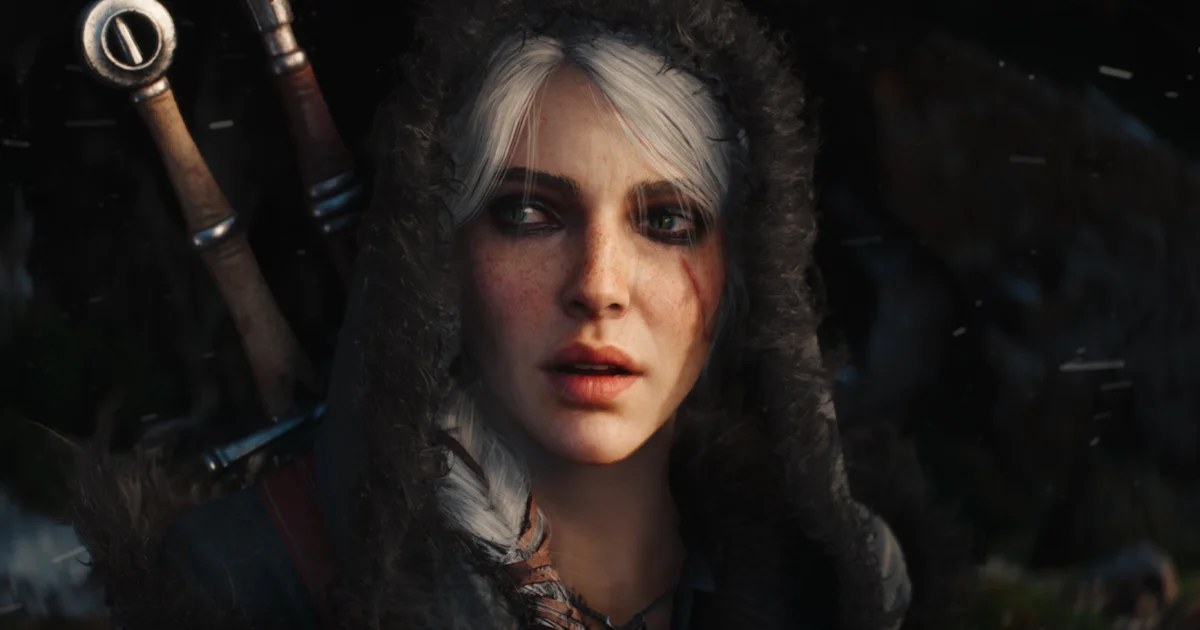
But within that prediction lies a warning for CD Projekt. Darrah says the Witcher maker has entered “that rarefied space of the mega game — ‘Their games now need to sell 15, 20 million units to make money.’ And with that capacity for success but also that necessity for success, well, Darrah says, ‘that’s a really dangerous place to be.'”
Darrah offered no predictions for The Witcher 4 or Cyberpunk 2. But in May it emerged that there are already twice as many people working on The Witcher 4 than the 240 who worked on The Witcher 3.























2 comments