
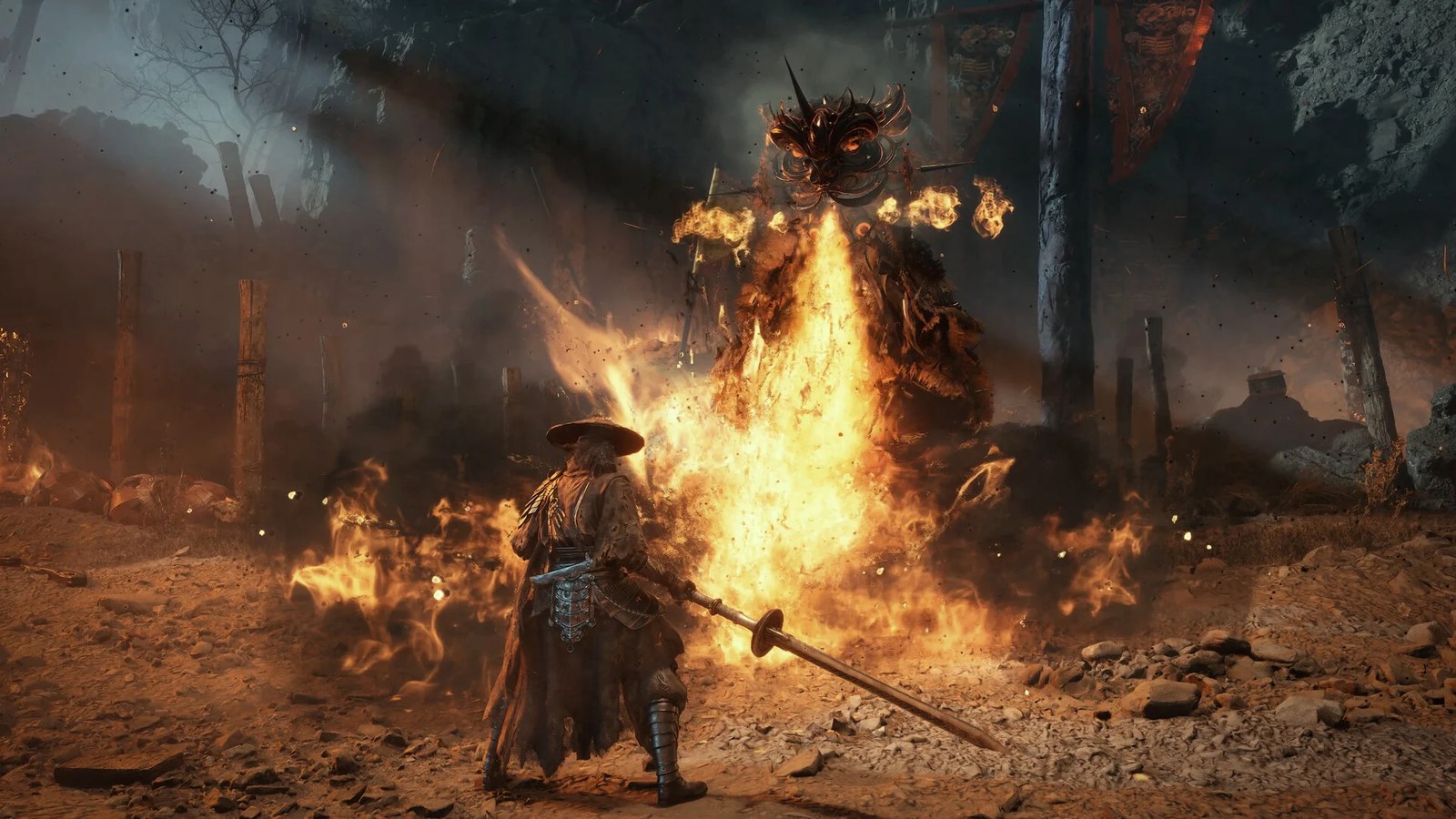
After years following the development of Phantom Blade Zero, playing it across demos and a multi-hour hands-on at Gamescom this year, I came away with mixed feelings about S-Game’s big-budget action title.
For a time, the game seemed to appear out of nowhere. I had never encountered Chinese developer S-Game’s previous titles and assumed they were never released outside China. But Phantom Blade Zero is actually part of the 15-year-old Rainblood franchise, which features a longtime protagonist with only so many days to live.
Across 2010 and 2011, two Rainblood games were released as turn-based RPGs set in the same world. Only the first reached the West via a fan translation apparently approved by S-Game CEO Qiwei “Soulframe” Liang, being sold on fan sites.

In 2013, they were followed up by Rain Blood Chronicles: Mirage, a Unity-powered hack-and-slash 2D brawler that did make its way to Steam and consoles—though the Xbox and PlayStation versions now seem to be delisted.
All three of these games are noticeably unpolished, but make up for it with their striking, dark interpretation of the Ming Dynasty. Following Mirage, S-Game published three China-exclusive mobile games.
In May 2023, Phantom Blade Zero, a big-budget 3D action game, was announced, followed by the release of Phantom Blade: Executioners in November—a 2D beat ’em up which came out on PS4, PS5, and mobile. Both games share commonalities with Soulframe’s earlier releases, most notably a recurring motif of crimson blades wielded by the protagonist.
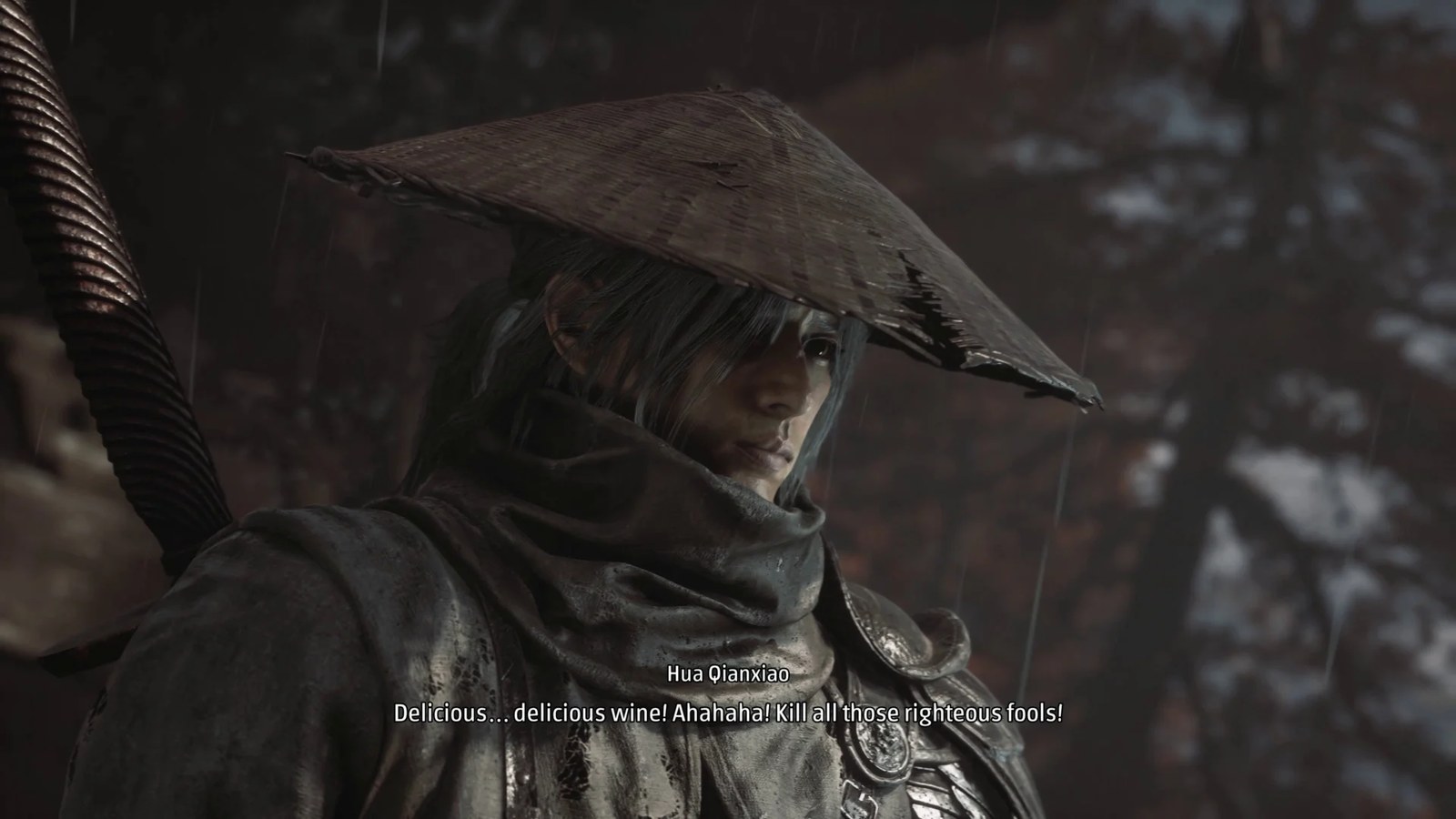
The question becomes: where did the exponential increase in fidelity come from? The short answer, via a machine-translated article in Chinese publication ChuApp, seems to be “Tencent.”
Following rounds of funding from NetEase and the Chinese venture capital firm ZhenFund, Soulframe disclosed in an open letter in 2021 that Lingyou Fang—”as it’s called in the West, S-Game”—”recently completed a round of financing on the scale of hundreds of millions of dollars” for two large-scale action RPGs over the next five years.
While the second project, “Stellar Saga,” is still MIA, the other is the continuation of Soulframe’s long-running series.
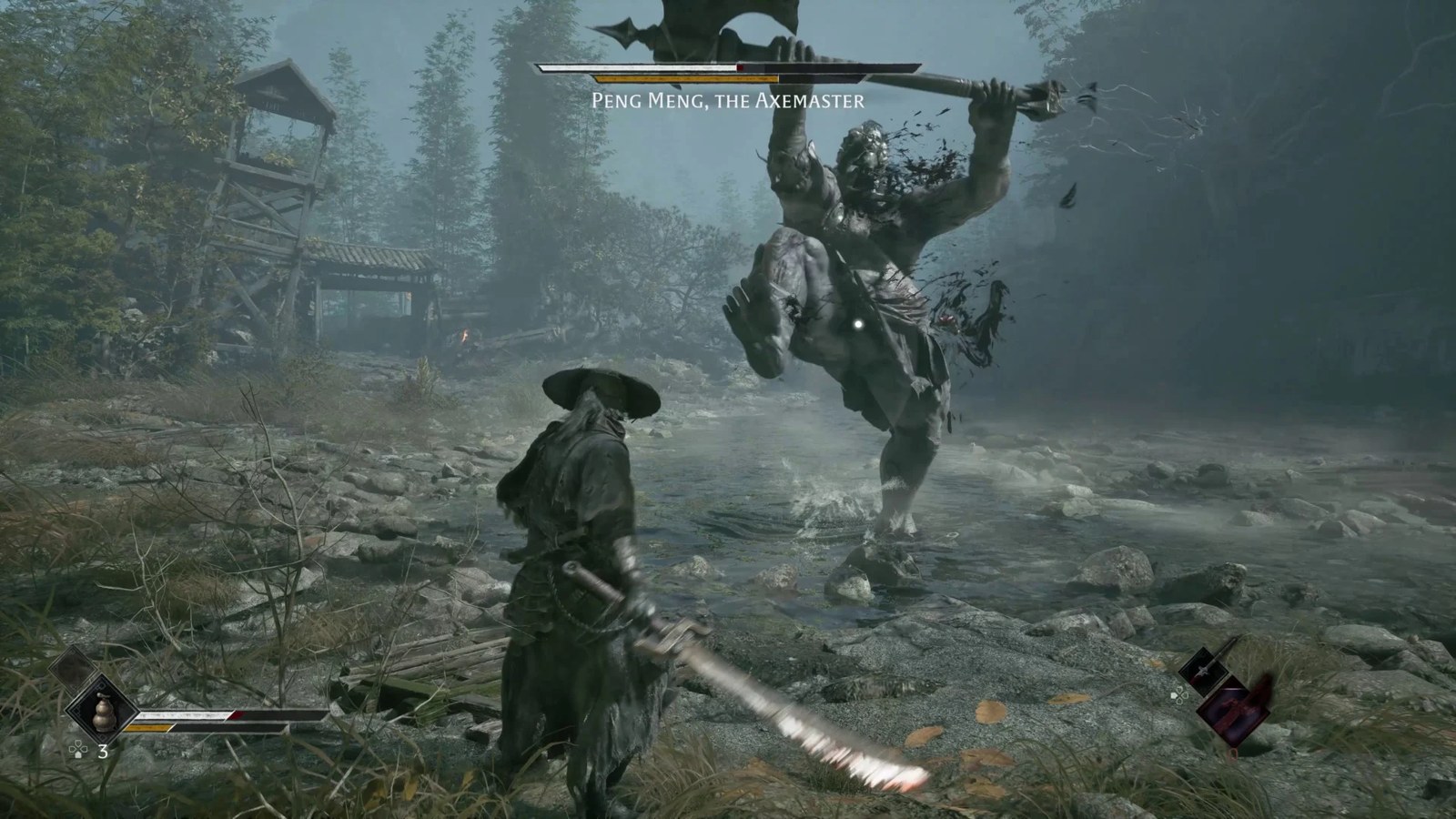
The game plays closer to a hybrid of Sekiro and Devil May Cry, fusing elements of the former’s fast, stagger-focused combat with the latter’s stylish action-game sensibilities. This is best showcased in how the stamina bar functions.
Your stamina doesn’t go down when attacking or successfully blocking, only when dodging or attempting to block certain color-coded attacks. Light attacks do not take animation priority over all other inputs, meaning that if you start a swing and realize a boss will strike first, you can quickly hit block mid-attack.
The combat focuses on 30 primary weapons, each with its own unique moveset, and 25 secondary weapons. You can equip two primary weapons at a time, keeping one off-hand ready to go. The combo-weapon-change both deal damage and stagger but is on cooldown—meaning that if you get into a good flow dealing with a boss with a longsword, comboing away to your dual-blades might not be the best move.
The world design, however, draws more directly from FromSoftware’s franchise. The press release highlights that Phantom Blade‘s interconnected world is “inspired by Soulslike map design.” In lieu of a traditional video game map, you’re provided with hand-painted, ink wash–style charts painted on Xuan paper and scanned into the game.
S-Game’s version of the Ming Dynasty is a world of decay and plague. Flashes of steampunk industrialization serve as an interesting way to diversify the visuals and showcase monstrous enemies grotesque due to mechanized corruption rather than mystic rot.
Bosses demand pattern recognition typical of Soulslike bosses over fast reaction speed. There’s still plenty of blocking, parrying, and clashing to build stagger, but these encounters require you to outright avoid certain attacks—feeling like a strange deviation for a combat system designed to reward getting up in enemies’ faces.
The story is comparatively dry. The protagonist, Soul, appears in all three Rainblood games and had a limited number of days to live after his heart was pierced by a cursed blade—meaning that either Phantom Blade Zero retells parts of Town of Death, or Soul has a chronic cardiac penetration problem.
On three difficulties, this countdown is purely narrative; on an extra-hard mode, it counts down a day each time Soul dies. This ticking clock is the only part of the otherwise standard revenge plot that hooked me, and hearing that it’s been relegated to a difficulty setting most players will probably avoid kind of strips it of its stakes.
The only real standout in the cast is Mó Yuan, portrayed by Donnie Yen. The star of the upcoming John Wick spin-off Caine, Yen also apparently consulted on the game’s action alongside stuntman and choreographer Kenji Tanigaki. While I love plenty of Yen’s action movies, the casting does little to flesh out the experience beyond a brief moment of “oh, that guy” when he shows up.
Phantom Blade Zero fascinates me. The sheer escalation in scale from Soulframe and S-Game’s earlier works is hard to overstate. After my most recent hands-on, I’ve found myself going back to the RPG-maker footage of the original Rainblood. It’s a somewhat scruffy passion project with a near-endless supply of charm and grit.
Phantom Blade Zero is plenty promising; however, it feels like some amount of that original game’s soul may have been lost in translation over the 15-year journey and the hundreds of millions of dollars. As it stands now, I think I’m going to go track down one of those fan sites and start a playthrough of a Chinese turn-based RPG from 2011, because Town of Death seems cool as hell.























Join the conversation