

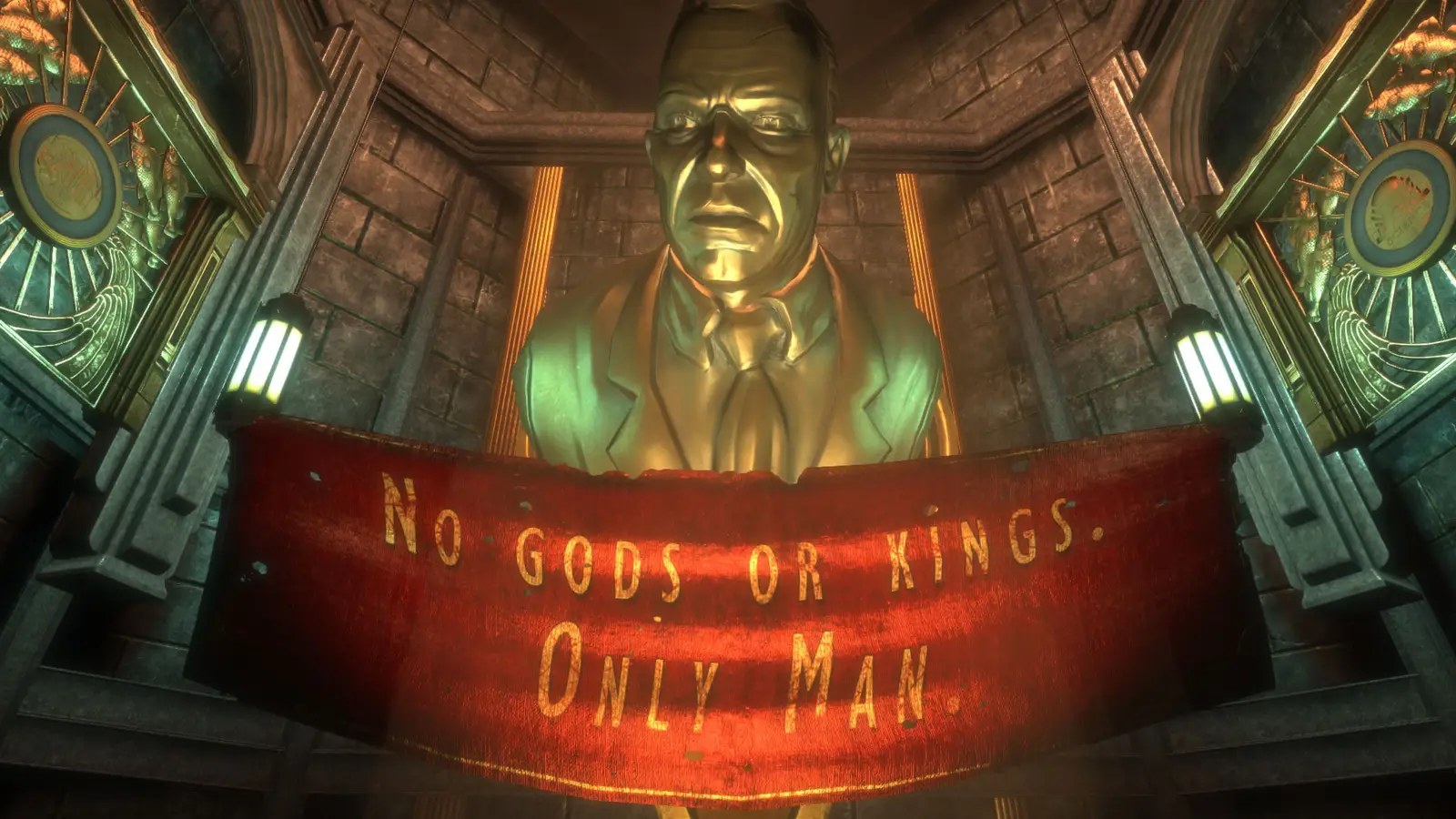
Four years after Netflix first attached director Francis Lawrence to helm its long-gestating film adaptation of the acclaimed 2007 shooter BioShock, the project has finally produced a tangible update. Speaking during a press tour for his upcoming film, Lawrence revealed that he is “still working on a script” but believes the team is “pretty close,” offering one of the most encouraging signs yet that Hollywood’s notoriously troubled video game adaptation may finally reach production.
The director shared the progress while promoting The Hunger Games: Sunrise on the Reaping, his latest feature, in an interview with GamesRadar+. Rather than offering vague platitudes common to films still in early development, Lawrence provided a candid assessment of where the project stands. “I’m feeling really good about it,” he told GamesRadar+, signaling that after years of near-silence from Netflix, the BioShock movie is quietly advancing toward its first complete draft.
A Director Committed to the Vision
What sets Lawrence’s involvement apart from previous iterations is his evident enthusiasm for the material. The director did not shy away from expressing how badly he wants to bring Rapture to the big screen, describing a sustained personal investment in getting the project right. “I would love to make it,” he said. “I’ve been like trying to. I’ve been working at it. I’ve been trying.”

That determination comes after several years of setbacks that repeatedly pushed the film further from reality. Production was delayed by the dual SAG-AFTRA and WGA strikes of 2023, which stalled much of Hollywood’s writing and casting processes, while Lawrence himself became deeply committed to The Hunger Games: Sunrise on the Reaping. With that installment now nearly ready for theaters, fans hope Lawrence can refocus his energy on BioShock without further interruption.
“I would love to make it. I’ve been like trying to. I’ve been working at it. I’ve been trying.”
Francis Lawrence, Director
The Long Road of Hollywood’s White Whale
To understand why this update matters so much, one must consider the film’s troubled history. Gore Verbinski, the director behind the Pirates of the Caribbean franchise, was attached to adapt the 2007 game almost immediately after its release. That iteration ultimately collapsed amid budget concerns and Verbinski’s desire for an R-rating, setting off a chain of misfortune that has defined the project ever since.
The difficulties only deepened when horror master Guillermo del Toro revealed he had received calls about leading the adaptation as well—but described those conversations as some of “the most disastrous calls” he has ever taken. For many in the industry, BioShock became a cautionary tale, a beloved but difficult property that studios feared could not be successfully translated to film.
As one of the longest-running video game adaptations in development history, it has earned the reputation of being Hollywood’s white whale—a prize endlessly pursued yet perpetually elusive. Lawrence’s current optimism may mark the first time in over a decade that those fears appear to be easing.
Looking Ahead
The most significant takeaway from Lawrence’s comments is simply that progress is real and measurable. After years of announcements followed by silence, the confirmation that a script exists—albeit still being refined—represents a genuine milestone in any film’s development. The four-year gap since Netflix confirmed his involvement suggests the project has been moving steadily behind closed doors.
Fans who have grown skeptical of BioShock ever reaching production may find renewed confidence in Lawrence’s evident dedication and his assertion that he is “feeling really good about it.” With the director now relatively unburdened by Hunger Games obligations, the hope is that Netflix will grant him the time and creative freedom needed to complete a worthy adaptation. As the press tour continues, more details are expected to emerge—and for the first time in years, BioShock movie enthusiasts may finally have reason to believe this one will actually happen.























Join the conversation