Rare Video Game History From Lost Developer’s Storage Unit Sells to Collectors, Igniting Preservation Outcry
A storage unit brimming with rare video game prototypes, design documents, and concept art has been sold off at auction to private collectors, reigniting...
A storage unit brimming with rare video game prototypes, design documents, and concept art has been sold off at auction to private collectors, reigniting a fierce debate about the preservation of gaming history. Earlier this week, the Pixel Game Squad YouTube channel posted footage of the lot its owners had purchased, revealing an unexpected trove of production materials that many are now arguing should have gone to a museum rather than into closed collections.
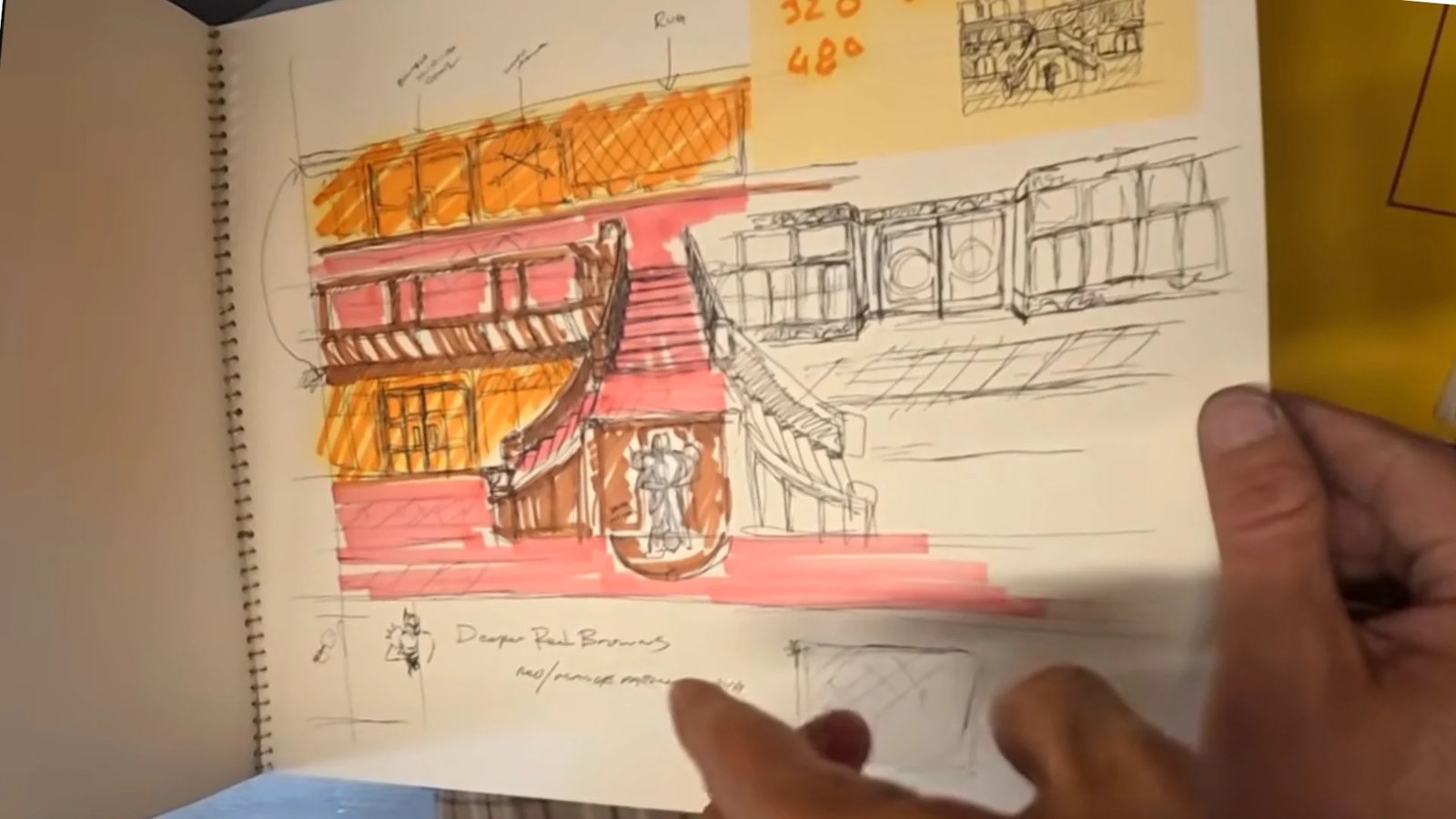
The video documents what began as a typical storage-unit auction haul—vintage games, hardware, artwork, anime box sets, strategy guides, movies, and toys—but quickly turned up finds of genuine historical interest. Throughout the footage, host Aaron Stapish (also known online as Riff) uncovers boxes containing design documents, concept art, and numerous computer chips believed to hold game prototypes, including one for Contra III: The Alien Wars. Other discoveries include artbooks with level designs for Double Dragon, a Virgin Interactive folio packed with materials relating to a Terminator game, and level-design layouts for the Super Nintendo title B.O.B.
The Fate of Gaming History
It is not so much what was found as what happens next that has stirred concern. While Stapish walked away with a substantial collection of games to resell or keep for himself, the broader production materials scattered among the lot appear destined for private hands rather than preservation institutions.
“BUT there was so, so, so much more gaming history that has made its way to so, so, so many collectors,” Stapish wrote in a comment beneath his video. History, especially the fragile history of video games, shouldn’t belong to collectors alone. Instead of being made available for research and study—i.e., preservation—those documents will now potentially sit locked away in closed, private collections.
The reaction was immediate. Several commenters argued that the production materials should be handed over to a museum, with folks specifically calling on the Video Game History Foundation to get involved. “This is not stuff that should be sitting on the shelf of some collector that views it as another purchase,” wrote one viewer.
A Personal Tragedy Beneath the Haul
Beneath the preservation debate lies a human angle that lends the story an added melancholy. While unconfirmed, the storage unit is believed to have belonged to a developer named Tom Tanaka. Various materials in the video bear his name, and Tanaka is credited as a level designer on The Terminator for the Sega CD and as an animator on Double Dragon for the Sega Game Gear.
A commenter claiming to be a former colleague of Tanaka expressed raw emotion over the public dispersal of his belongings. “Watching this made me feel sick and angry. It looks like this locker belonged to my old friend Tom Tanaka,” they wrote. “I worked with Tom at Virgin Games in the early 90s and occasionally on other game projects over the years. I lost touch with him around 2020. I’m trying to find out what happened to him. I fear the worst. I know you didn’t do anything illegal, but it angers me to see you picking over Tom’s stuff like grave robbers.”
“Scrubbing through this video made me really sad. Imagine missing a storage unit payment and suddenly your entire career is stripped naked and splayed out butt naked for a few YouTube views before being parceled out. I’m not saying they did anything wrong, it’s just deeply unsettling to think about.”
Frank Cifaldi, Video Game History Foundation
The sentiment was echoed on Bluesky by Frank Cifaldi, director of the Video Game History Foundation, echoed that sentiment and gave voice to a broader unease about how fragile gaming artifacts are handled when their original owners fall away.
Looking Ahead
The story underscores an ongoing tension in the hobby between private collecting and public preservation. As more collectors acquire storage-unit lots, advocates worry that irreplaceable development materials—documents that could illuminate how beloved games were made—are being dispersed across countless private shelves rather than conserved for researchers, historians, and future generations.
As of now, it remains unclear whether any portion of the Tanaka-related materials will be recovered or donated to a preservation effort. The Video Game History Foundation has not yet issued an official statement on this particular lot, though community members continue to press for transparency about what happened to Tanaka and where his work ultimately lands.
Copyright in the content and news published on this platform is not reserved, and the material may be shared with attribution. Much of the news is compiled from publicly available domestic and international press sources. Responsibility for the accuracy of claims, data, and material attributed to those sources rests with the source organizations; the platform does not assume responsibility for them. Third-party images, logos, and openly licensed materials remain subject to their original source and license terms.
To submit original news, articles, press releases, or content notices for publication, please contact us:


























Join the conversation