
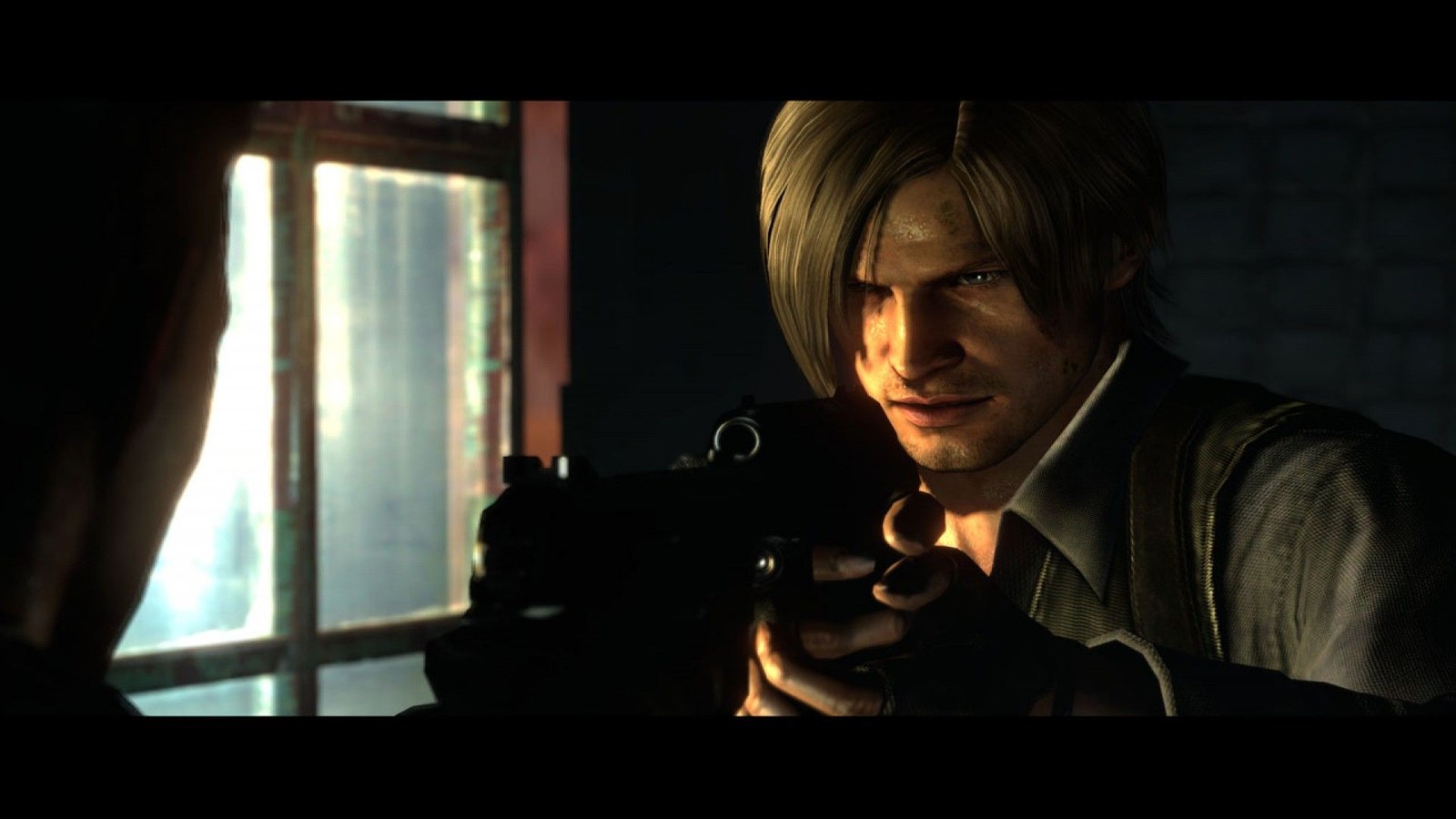
As the gaming world celebrates Resident Evil’s 30th anniversary, Capcom is facing an existential question about its most successful recent strategy. Executive producer Jun Takeuchi revealed during a series retrospective that the studio has been planning for the day when it runs out of classic entries to remake, confirming plans to eventually bridge the gap between its remakes and original numbered titles.
The revelation comes as part of Capcom’s broader vision for the franchise, which now operates through two distinct development tracks. According to Takeuchi, the mainline games continue the series’ ongoing narrative while the remake project allows players to revisit beloved installments from the past. This dual approach has proven commercially and critically successful since the initiative launched in 2019.
A Remake Strategy That Transformed the Franchise
Capcom’s ambitious remake program began with Resident Evil 2 in 2019, followed by a remaster of the original game and the acclaimed RE4 remake. The studio has demonstrated remarkable consistency, delivering roughly one major remake every two years while maintaining quality standards that have redefined what fans expect from classic survival horror titles. Code Veronica remains scheduled as the next entry in this lineup.
The strategy appears designed to exhaust the catalog of older games before Takeuchi considers Resident Evil 7 a “turning point” for the series. This suggests Capcom intends to remake nearly every pre-7 title, opening speculation about which entries might receive treatment next.
“The current ‘Resident Evil’ series is being developed along two tracks: the numbered titles allow players to experience the ongoing story of the series, while the remake series allows them to experience the past.”
Jun Takeuchi, Executive Producer
The Big Two That Loom Large
If Capcom follows through on remaking its entire back catalog, Resident Evil 5 and 6 would eventually fall into scope—two titles that divided fan opinion since their release. While both games achieved commercial success, they also introduced controversial design shifts that left portions of the community wanting. Redeeming them through modern remake treatment could prove challenging, requiring significant reshaping to satisfy contemporary expectations.
The studio’s current pace suggests these remakes would buy Capcom approximately 12 years of content production. However, Takeuchi indicated the company has no intention of letting this cycle run indefinitely without a longer-term plan in place.
“Someday, the remake series will catch up with the era of the numbered titles, and we are already thinking about what we will do when that happens. In fact, we have been gradually preparing for that since around ‘Resident Evil Village.'”
Jun Takeuchi, Executive Producer
Bridging Past and Future
Capcom appears to be laying groundwork for a creative crossover between its remake universe and original content. The studio has woven recurring elements—characters like Umbrella and Spencer figures, plus the return of Raccoon City in the upcoming Requiem—into newer games as preparation for what Takeuchi describes as an eventual “crossover.” These touches initially served as fan service but resonated far more strongly than anticipated.
“At first, we included these elements with the sense that they were fan service, but users were far more delighted by them than we had imagined,” Takeuchi explained. The studio responded to this enthusiasm by pushing the concept further in Village and Requiem, effectively creating a shared continuity across both remake and original titles.
This approach offers Capcom flexibility as it approaches the end of its remake catalog. Rather than simply remaking Resident Evil 7—which would sit at roughly 21 years old—the studio could leverage these interconnected elements to launch fresh narratives that build on decades of established lore.

The broader industry response reflects both excitement and caution surrounding the franchise’s direction. While fans appreciate the opportunity to revisit classic games through modern lenses, many express greater interest in Capcom’s original creative vision. Requiem demonstrated the studio’s ability to move beyond its Umbrella Corporation roots, suggesting new directions remain possible for the series.
As Capcom navigates this transitional period, the coming years will reveal whether it can sustain momentum while balancing nostalgia-driven remakes with bold new storytelling. The 30th anniversary marks not just a celebration of history but a pivotal moment in defining the franchise’s future trajectory.
2026 games
: All the upcoming games
Best PC games
: Our all-time favorites
Free PC games
: Freebie fest
Best FPS games
: Finest gunplay
Best RPGs
: Grand adventures
Best co-op games
: Better together























1 comment