

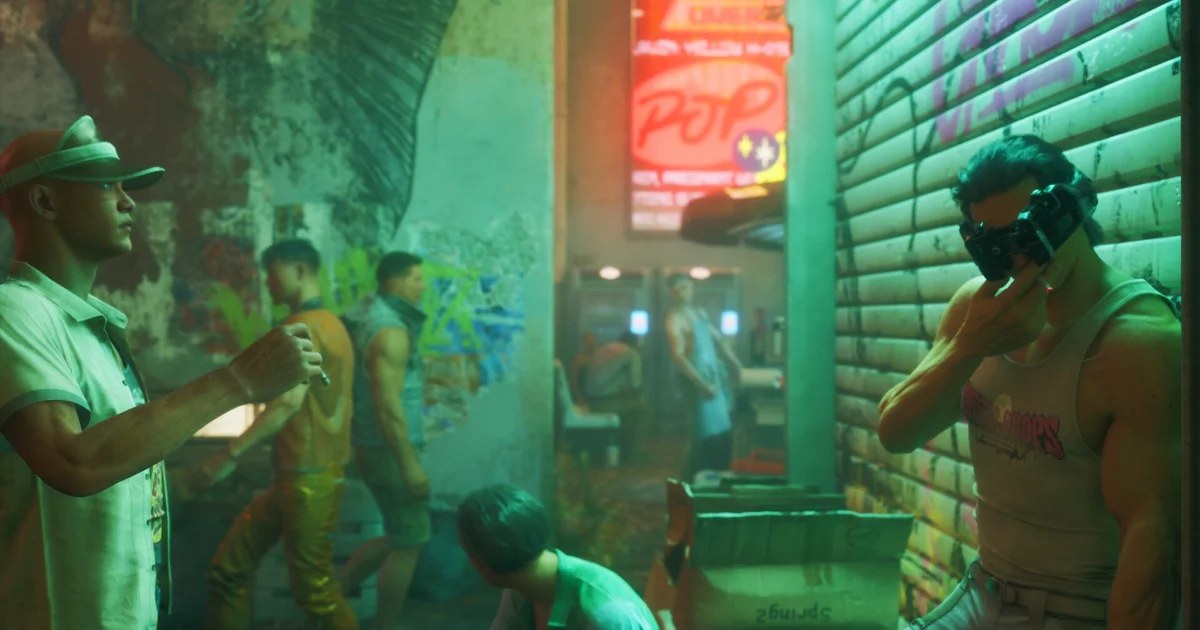
Neon Giant, a compact studio of just 24 developers, has opened up about the deliberate design choices that allow its upcoming open-world immersive sim No Law to feel as sprawling and ambitious as CD Projekt Red’s Cyberpunk 2077. Speaking ahead of Gamescom, creative director Tor Frick explained how the team embraced tight constraints from the very start of development on Port Desire, a densely layered Mediterranean cyberpunk city where players hunt down four corrupt mayors.
The revelations follow trailers and a tech demo shown at Unreal Fest earlier this year, which led many observers to assume No Law matched Night City in scope. Both titles are open-world RPGs set in neon-drenched urban landscapes, with Port Desire described as equal parts Lisbon and Kowloon Walled City. But Frick was candid about where the studio deliberately scrimped and saved to make a small team’s output feel monumental.
A smaller production by design
The most striking fact is simply the headcount. No Law has one of its creative directors among just 24 people, a figure that excludes outsourcing partners supporting QA, art, and sound design. Even so, Neon Giant entered development with full awareness of their limitations and let them shape the game’s DNA. “We picked a really, really difficult game to make, and we know that,” Frick said of an open-world immersive sim built on layered interlocking systems.
The result is a game where players combine items into new weaponry such as time-slowing grenades and remote exploding drones, approach missions through countless routes, and watch surviving magistrates adjust their patterns and defences in response to their rampage. The world itself runs without loading screens, with many citizens’ homes fully visitable and breakable.
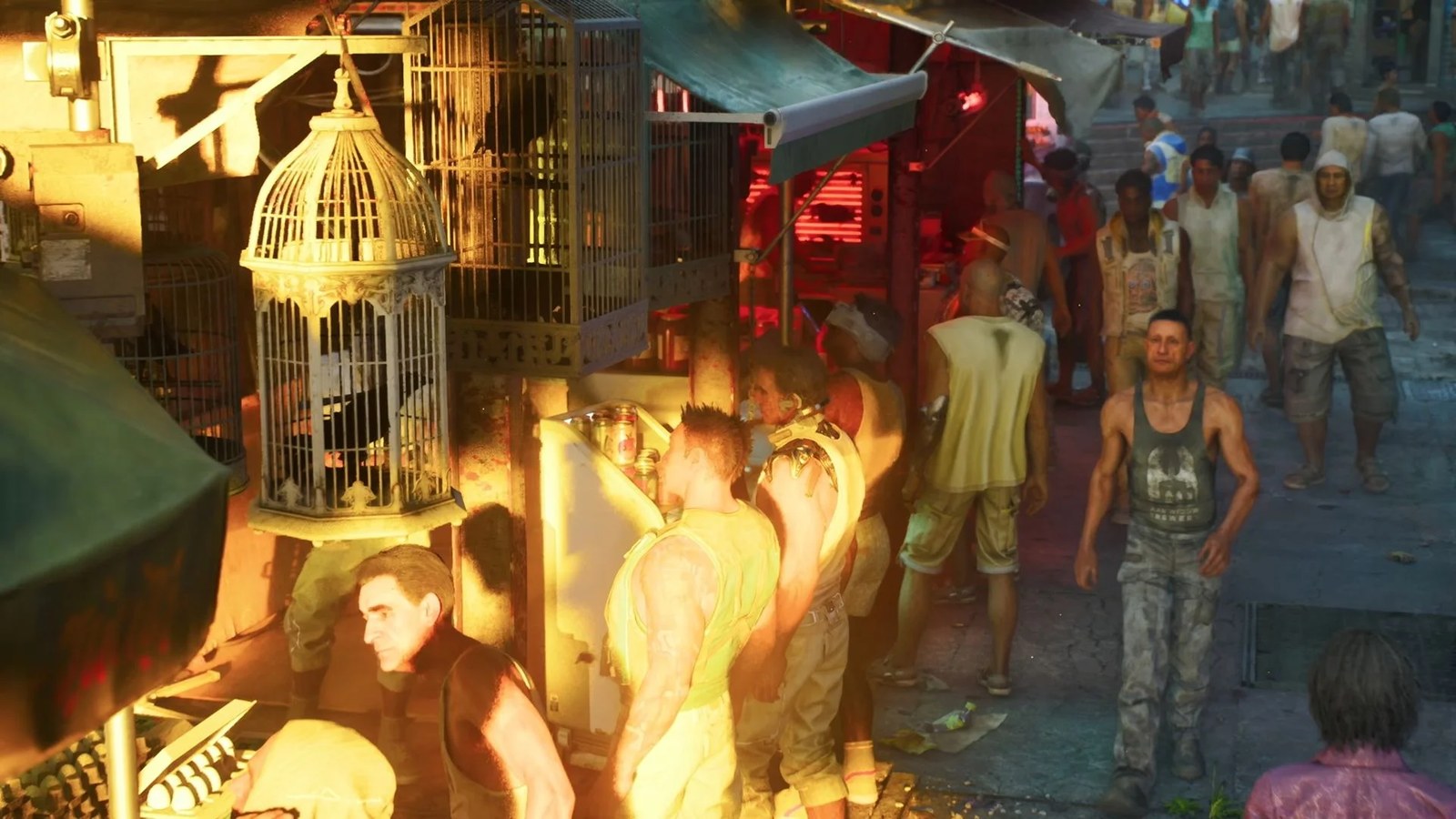
“We opted out of some things really early on.”
Tor Frick, creative director at Neon Giant
The discipline of leaving things out
Frick pointed to the parked cars lining Port Desire’s streets as a prime example. Players will never drive them, a decision that both spares the team from building driving mechanics and reinforces an important truth about the city: it is built to be navigated on foot. The land mass itself is significantly smaller than Night City, which sprawls across multiple city-sized districts. Neon Giant instead leans into verticality, packing Port Desire with tall tower blocks and steep hills so players climb, descend, and thread through buildings constantly.

“We really want the player to be distracted and explore things,” Frick said, describing a desire to capture the feeling of wandering Mediterranean streets where you might turn a corner onto an unexpected alley or staircase. “We wanted the sense of discovery as you move through the city.” The studio also abandoned ideas like entering every building, focusing exploration on areas that feel natural while still letting players slip into underground nightclubs, sleazy red-light bars, and inhabited apartments.
Constraints breeding creativity
Avoiding loading screens imposed its own rules on how environments were built. “Every physical space exists as it should, so interiors of buildings match the exterior,” Frick explained, noting that no building balloons in size behind a loading screen. That same constraint logic shaped the city’s very premise: because Neon Giant refused invisible walls, Port Desire is ringed by deep sea and a border wall. The idea preceded the narrative reasoning, eventually yielding a lawless zone set between three neighbouring countries. “There’s no invisible walls, there’s just very visible walls,” Frick said.
The systems the team did implement are designed to thread through that world and reshape play. Time passes naturally and weather shifts, altering who fills each district. When it is smoggy almost nobody goes outside, yet the party area stays packed in the rain while residential zones empty out. “We want all those layers to contribute so that people have different experiences,” Frick said, noting that a daytime break-in on a busy street might become easier under cover of night.
Looking ahead
As with any development studio, Neon Giant acknowledges the fragility behind such ambition and the hope that players do not scrutinise too closely. Yet for a game so expansive in appearance, it is revealing to see exactly where No Law shrinks itself down. The team’s willingness to opt out of ambitious features early on may well be what lets Port Desire feel as large as anything on the market when it finally launches.























1 comment