

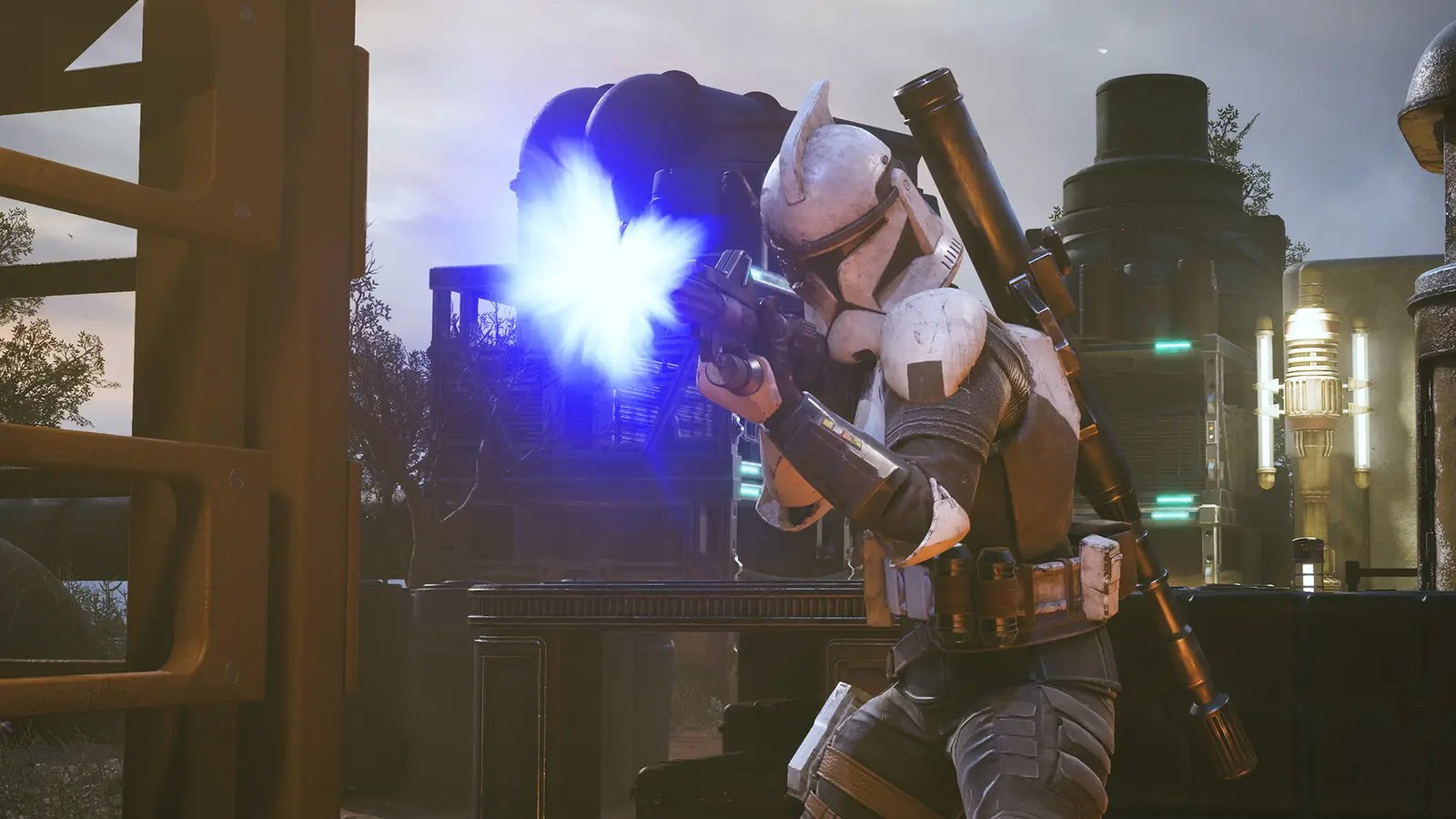
As Lucasfilm reportedly ramps up for Star Wars: Episode X, a direct continuation of the mainline Skywalker Saga, gaming has quietly emerged as the franchise’s most vital creative frontier. With Simon Kinberg set to pen the screenplay and Jon Watts directing, the cinematic plans arrive even as titles like Bit Reactor and Respawn Entertainment’s turn-based strategy game Zero Company, which launched in late August, demonstrate that Star Wars has transcended film to become a sprawling interactive sandbox meant to be played rather than merely watched.
The contrast is stark. While theatrical releases and television projects tied to the Disney era have drawn criticism for tying the lore into knots, games are delivering some of the most resonant storytelling in the franchise’s history. For many fans who felt their enthusiasm wane through recent spinoffs, titles like Zero Company have reignited a belief that Star Wars has become something closer to Dungeons & Dragons than traditional cinema.
A New Era of Interactive Storytelling
Picking up in the thick of the Clone Wars, Zero Company centers on Hawks, a customizable mercenary who can work for Gorga the Hutt, the Republic, or the in-peril Umbarans depending on what pays best. As players move from mission to mission, bonds are forged through both narrative and character progression.
The game plays like one of the strongest entries in the XCOM genre while drawing heavily on Star Wars’ most resonant lore. When a mindhive known as the Coil emerges as a new threat, Hawks and their crew encounter familiar faces that never feel like mere Easter eggs. The script makes dark moments on the timeline even grimmer by forcing players to make difficult decisions, since operators can die and missions can go wrong.
“Star Wars has been a game property nearly as long as it has existed in film… Star Wars didn’t fully bloom in its gaming potential until Knights of the Old Republic in 2003.”
Gamer24h Feature
The emotional stakes run deep. Operators like Jae, who must fulfill her ore baroness duties on the mining planet Shu-Torun, and Kabbney Uppercut, a father with a family back home, tug at players’ heartstrings thanks to savvy voice acting. Even when games treat for-hire operators as expendable meat shields, the writing in Zero Company elevates them into characters worth protecting.
A Legacy of Gaming Innovation
The franchise’s gaming heritage stretches back decades. The Atari 2600 version of Star Wars: The Empire Strikes Back arrived a year before Return of the Jedi hit theaters, though technological limitations kept games chasing Lucas’ films for nearly two decades. Titles like Rebel Assault, Dark Forces, and Battlefront felt more like simulators than uncharted explorations.

The true turning point came with Star Wars: Knights of the Old Republic in 2003. BioWare, building on Wizards of the Coast’s d20 system from the now-retired Star Wars Roleplaying Game, stress-tested playable life beyond the Skywalker saga and proved that fresh stories could thrive without feeling like an “expanded universe.” That spirit continues today through Respawn’s Jedi games, where Cal Kestis’ journey breathed new life into the Inquisitors and the Empire outside film canon.
Even traditional sim experiences have pushed boundaries. Star Wars: Squadrons explored the aftermath of Alderaan’s destruction, while Star Wars Outlaws channeled the Outer Rim’s brutality through a new character navigating open-world maps. The upcoming Star Wars: Galactic Racer, which arrives on the heels of Zero Company, embraces Lucas’ core love of speed with a story set on the fringes of familiar territory.
Looking Ahead
As Star Wars enters its 50th year, it stands as a struggling mega-franchise. Theatrical releases like The Mandalorian and Grogu have underperformed, and television projects appear to be fizzling despite dedicated fanbases. Yet the gaming landscape offers genuine optimism for the franchise’s future.
Several highly anticipated titles are already in development. Respawn’s Jedi Survivor sequel, the prequel saga Eclipse, and KOTOR’s spiritual successor Fate of the Old Republic promise to expand the universe further. However, uncertainty looms over Bit Reactor following reports of behind-the-scenes staff furloughs and lawsuits that could threaten future projects.
The comparison to other tabletop-turned-gaming giants is instructive. While Dungeons & Dragons has never been more popular thanks to Baldur’s Gate 3, its film adaptation struggled, and Magic: The Gathering continues to find success in games while Hasbro struggles to translate the property to screen. Star Wars, having grown beyond its foundational science-fiction roots, now demands hours of play rather than a tidy two-hour theatrical experience.
The future of Star Wars, against recent odds, looks bright — provided players own a controller.























1 comment