

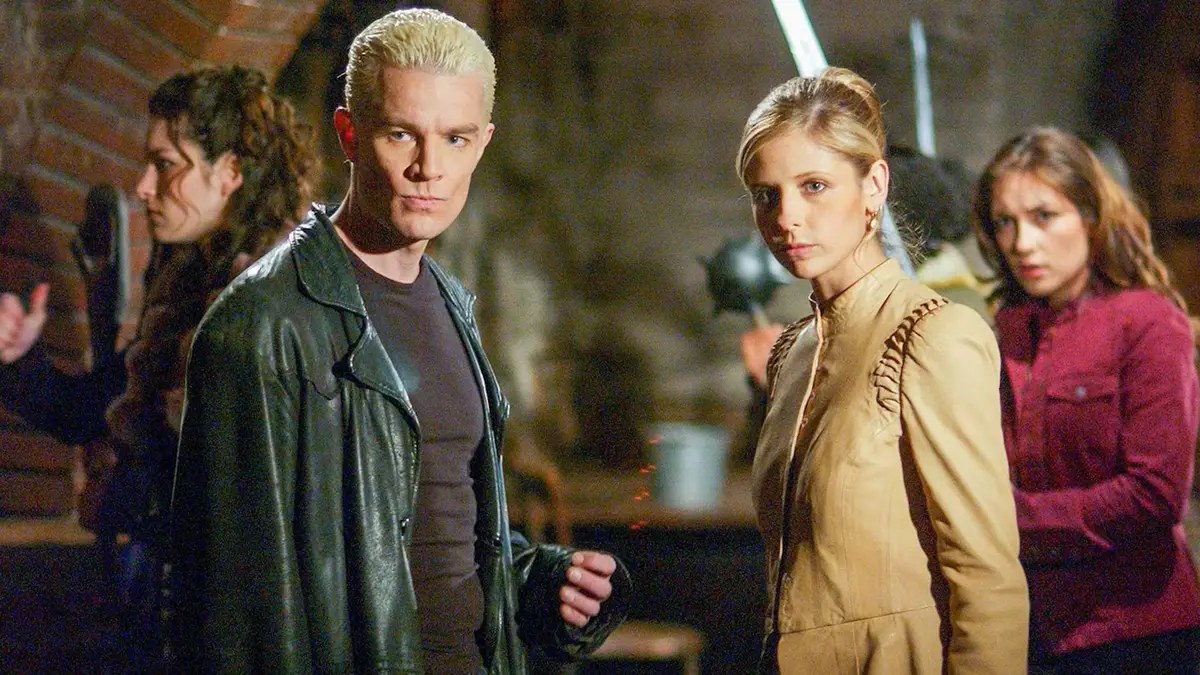
More than two decades after its original run concluded in 2003, Buffy the Vampire Slayer remains one of the most influential and fiercely debated shows in Western television history—and a new opinion piece is stoking that enduring debate by arguing the cult classic would be far stronger had it ended after its fifth season.
The essay, which revisits the beloved urban fantasy series through the lens of what one writer has called the “hot take economy,” contends that Seasons 6 and 7 are the parts of the show best left behind. It arrives at a moment when Buffy continues to generate passionate defense and equally passionate criticism in equal measure, cementing its status as a series fans rarely view with indifference.
A Show That Never Invited Indifference
The original Buffy the Vampire Slayer broadcast from 1997 to 2003. It was never a ratings juggernaut, but it quickly earned critical acclaim and cultivated a devoted fanbase that has only grown over time. The series is frequently credited with shaping modern urban fantasy, popularizing storytelling tropes now catalogued on sites like TV Tropes, contributing to television slang such as “big bad,” and influencing the broader superhero landscape that would eventually blossom into the Marvel Cinematic Universe.
If a Mount Rushmore of Western pop culture were ever assembled, Buffy Summers would almost certainly make the cut. Yet precisely because the show is so deeply embedded in fan consciousness, reactions to it have rarely been lukewarm. Even ardent supporters typically harbor at least one grievance—whether that concerns how the Willow and Tara relationship was handled or the endless “shipper” wars that have raged online for years.
The Shift Between Seasons 5 and 6
The crux of the argument centers on a well-documented turning point in the series’ production. Between Seasons 5 and 6, Buffy switched networks and showrunners. Creator Joss Whedon stepped back from the series to develop Firefly in 2002, promoting longtime producer Marti Noxon to take over as showrunner.

Noxon’s version of the show is markedly bleaker and more explicit than anything that preceded it. Buffy, played by Sarah Michelle Gellar, spends much of Season 6 grappling with depression and making poor decisions—including a string of dead-end jobs, financial troubles, an affair with Spike (played by James Marsters), and what has been dubbed one of the most destructive scenes in television history.
The essay makes clear it is not laying blame at Noxon’s door. Season 6 retains passionate defenders: the “Spuffy” relationship enjoys a devoted following despite its toxicity, and some viewers appreciate the darker overall tone. As Joanna Robinson noted in Vanity Fair, one element of Season 6 aged better than nearly everything else on the show.
The season’s ultimate villains turn out to be three misogynistic nerds who are, at the end of the day, simply angry that Buffy is the protagonist and they aren’t. When Season 6 originally aired, the “Trio” felt like a step down from the show’s ancient demons and hostile gods—but in retrospect they may be the least metaphorical antagonists in the series’ rogues’ gallery.
Buffy essay
The Rushed Final Season
Following Firefly’s cancellation, Whedon returned to Buffy for Season 7. But with Gellar deciding to leave the show mid-production, the series compressed its remaining story into just 14 episodes—a move that left many feeling there simply wasn’t enough room or time to tell the tale Season 7 was trying to convey.
The essay’s practical advice is equally pointed: newcomers should not marathon the entire run. Season 1 is uneven, though “Nightmares” contains some of the series’ most memorable scares; Seasons 2 and 3 are essential viewing; and Season 4 features what may be the best single episode in the show, “Hush.” For those who make it that far and still want more, Season 5 provides a fitting climax.
Looking Ahead
The piece concludes with an unapologetic recommendation to end one’s Buffy binge after Season 5—sending off what remains TV’s best and most influential cult shows on a high note—and simply pretend Seasons 6 and 7 never happened. Whether or not readers agree, the argument underscores that more than two decades later, Buffy the Vampire Slayer continues to inspire some of television’s most fervent debates.























Join the conversation