

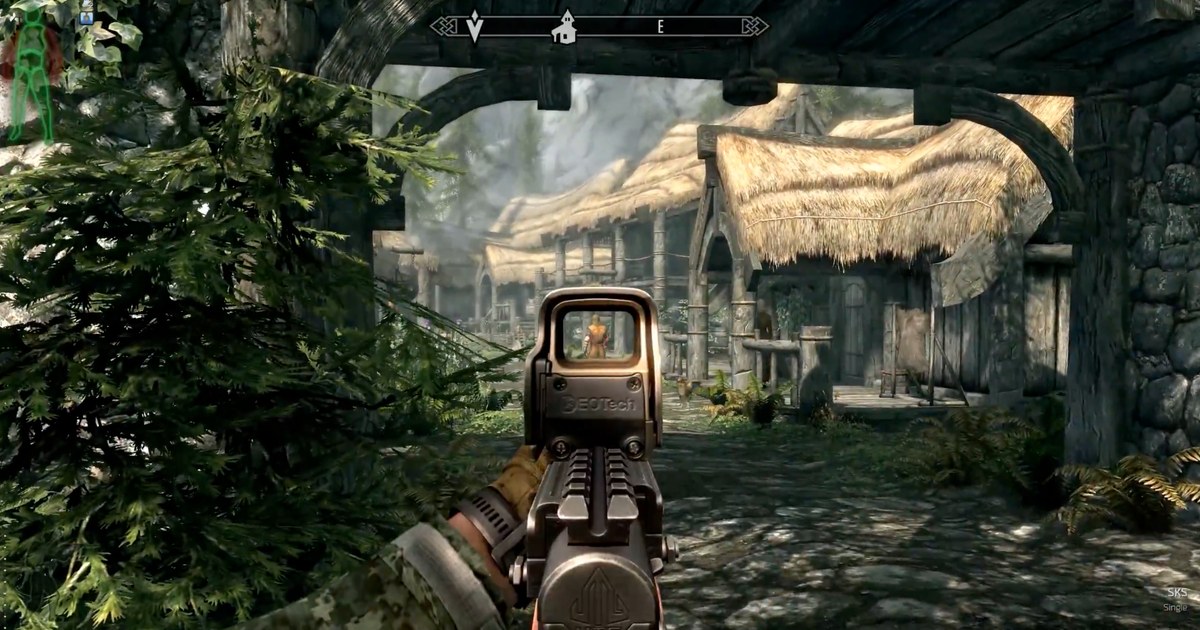
Long-acting members of the gaming modification community have launched a vocal campaign against what they describe as an invasive wave of artificial intelligence-generated mods, a backlash that has intensified across social media platforms over the past week. The controversy centers on “vibe-coded” mashup modifications that splice together entirely unrelated video games, with veteran modders accusing creators of flooding their online spaces with low-effort content produced using generative AI tools.
The movement gained momentum after several prominent modders publicly acknowledged using artificial intelligence to assist in building their creations while simultaneously condemning the broader trend. As first reported by IGN, the growing frustration reflects deeper concerns about the future of creative modification and whether automated content generation threatens the craft that has defined communities for decades.
The Nature of the Backlash
At the heart of the dispute is a surge in modifications that combine games with nothing in common, transforming beloved titles into unexpected hybrids. Modder kran27_ voiced the frustration felt by many peers when posting online: “I mod games and I’m not shy about the fact that I use AI to do it. I hate this bullshit ‘trend’. Pure slop, there’s nothing creative about this at all,” adding that “the shit that’s getting the clicks is this jingling keys bullshit.”
The sentiment resonated widely across the community, with another creator known as discountmodder warning of existential stakes for the craft. “If this becomes the permanent state of modding, this may be my last project. I don’t wanna be involved in an AI slop-factory,” they wrote, capturing the anxiety that automated tools might permanently alter the landscape.
The Mods Driving Anger
The modifications sparking outrage demonstrate just how far the technology has advanced in a remarkably short period. Enthusiasts have produced versions bringing World of Warcraft characters into Call of Duty: World at War, transplanted the tense survival mechanics of Escape From Tarkov into the fantasy world of Skyrim, and even created a Spider-Man experience letting players swing through Gotham City in Batman: Arkham City.
Some observers have praised the technical ambition behind these experiments. One commenter noted that “passthrough mods are low-key insane,” describing them as “one of the most fun use cases for AI in a while.” However, critics argue that popularity on social media does not equate to quality or creativity.

The Technology Behind the Trend
The phenomenon has snowballed over just a single week, driven largely by Anthropic’s Claude Opus 5.5 model offering cheaper tokens and improved code generation capabilities. This accessibility makes it easier than ever for users to point the model at a game, decompile its underlying code, and inject entirely new elements into the experience.
Yet the results remain highly inconsistent according to technical analysis. Footage from YouTuber Brendan Jowett comparing Opus 5.5 against OpenAI’s Astra 6 model revealed both models struggling with basic functionality, including enemies that ignore the player and a space fighter that flies diagonally while shooting straight ahead. These inconsistencies underscore concerns that automated generation lacks the polish of human-crafted modifications.
“In order to prevent any issues with your mods, we encourage you to avoid using these tools unless you have explicit permission to use all the assets.”
Nexus Mods AI content policy
None of these mashups have yet appeared on established modding platforms like Nexus Mods, though IGN suggests this stems from rights issues rather than a lack of interest. The platform’s 2023 policy on AI-generated content explicitly addresses the concern, warning creators to avoid such tools without proper authorization for all assets used.
Almost every modification circulating on Twitter/X relies on decompiled code and assets that their builders hold no rights to, placing them squarely in the scenario Nexus’s policy was designed to exclude. This legal ambiguity has left many modders uneasy about where the trend might lead once a major platform decides to officially host such content.
Looking Ahead
For now, the controversy remains largely confined to engagement farming on Twitter/X, but its potential to reshape what “modding” means continues to worry veteran creators. The debate raises fundamental questions about authorship, creativity, and intellectual property in an era of increasingly powerful generative tools.
The situation arrives amid broader industry tension regarding modification communities. In related developments, Rockstar Games has imposed new restrictions on the modding community, even ahead of the expected PC release of GTA 6 and its anticipated flood of user-created content. As both the technology and corporate policies continue to evolve, the gaming modification community watches closely to determine whether human creativity will retain its central role in the craft.























1 comment