

For more than two decades, BioWare’s Mass Effect trilogy has stood as a benchmark for the space opera RPG genre, and its influence continues to ripple through modern gaming. While the saga—spanning titles released between 2007 and 2012—is celebrated for its sweeping narrative about ancient sentient machines bent on exterminating life, it is arguably the companion dynamics aboard the Normandy that players remember most fondly. Keeping the crew together has proven just as compelling as saving the galaxy, a formula that countless developers have since attempted to replicate.
A fresh roundup of ten titles captures this enduring appeal, offering everything from games that directly paved the way for Mass Effect’s success to newer entries sharing similar mechanics or simply excelling at making players feel small within an enormous universe. Whether you are wandering across a galaxy or navigating post-apocalyptic Nevada, dealing with sparring factions, managing resources, and befriending companions enough to trust them, these selections provide a wide spectrum of the space-adjacent experience.
The Blueprint That Started It All
Long before Commander Shepard ever boarded the Normandy, BioWare explored choices, companions, romance, and morality meters in Knights of the Old Republic. This earlier title shares the same get-a-ship, get-a-star-map, save-local-planets DNA as its spiritual successor. Though a bit scrappier than Mass Effect—with real-time-with-pause combat rather than cover shooting—the blueprint is unmistakably present: a tight-knit crew, a galaxy-spanning adventure, and conversations just as havoc-wreaking as the game’s iconic firefights.
The influence runs deeper still. The Outer Worlds, crafted by Obsidian Entertainment, channels this lineage through choice-heavy gameplay set in space with biting corporate satire. Your character awakens from a hibernation pod aboard the Hope, discovering that your journey has taken far longer than expected and resources are dwindling. Where Mass Effect leans dramatic, The Outer Worlds embraces darkness and irony, yet both share a spaceship base, planetary exploration, quirky companions, and probing questions about human society in the future.

A Broader Universe of Choices
The tradition of consequential decision-making extends beyond space entirely. Fallout: New Vegas places players in irradiated Nevada amid a war between the New California Republic and Caesar’s Legion, where choices truly matter and factions remember your every move. Similarly, Cyberpunk 2077 delivers a reactive world with intriguing narrative branches and romanceable companions, even as it trades interstellar survival for a dystopian focus on a single city.
The galaxy needs saving. Your next crew is ready and waiting—whether you are commanding rebels against an alien occupation or charting your own course through the stars.
For those drawn to tactical command, XCOM 2 raises permanent stakes where losing a squad member truly hurts, trading Mass Effect’s faster shooting for slower, more methodical turn-based combat. Meanwhile, BioWare’s own Starfield offers the closest modern parallel, providing a spaceship hub, companion recruitment, faction politics, and fast-paced shooting in an outer-space sandbox that lets players chart their own path.
Different Flavors of the Same Appeal
The list also embraces varied interpretations of the genre. Deus Ex: Human Revolution swaps squad-based action for stealthier, exploration-focused play while maintaining a magnetic story about human enhancement and identity. Jagged Alliance 3 leans into squad banter and turn-based tactics with non-romanceable companions, where early choices can reshape the entire game.
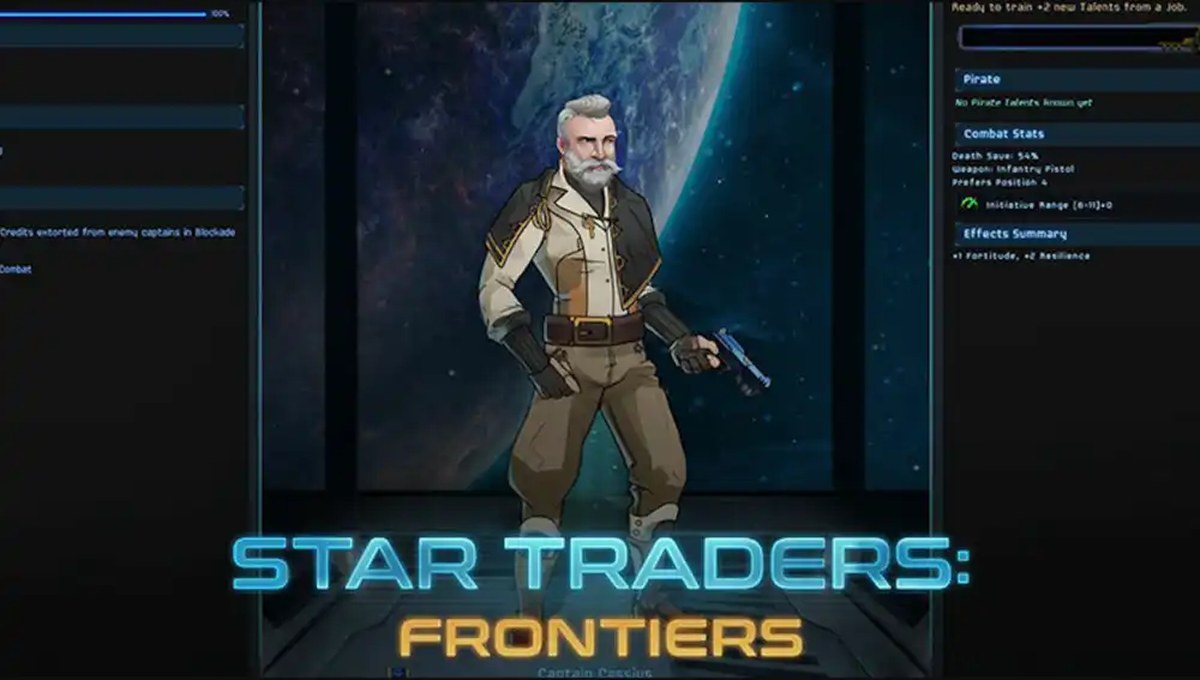
Smaller productions round out the selection. Star Traders: Frontiers captures the deep-space angle through crew management and faction balancing on a modest budget, while delivers vast, lonely space odyssey vibes with procedurally generated worlds. Together, these ten titles demonstrate that the essence of Mass Effect—loyal crews, consequential choices, and boundless exploration—continues to inspire developers across every scale and style.























1 comment