

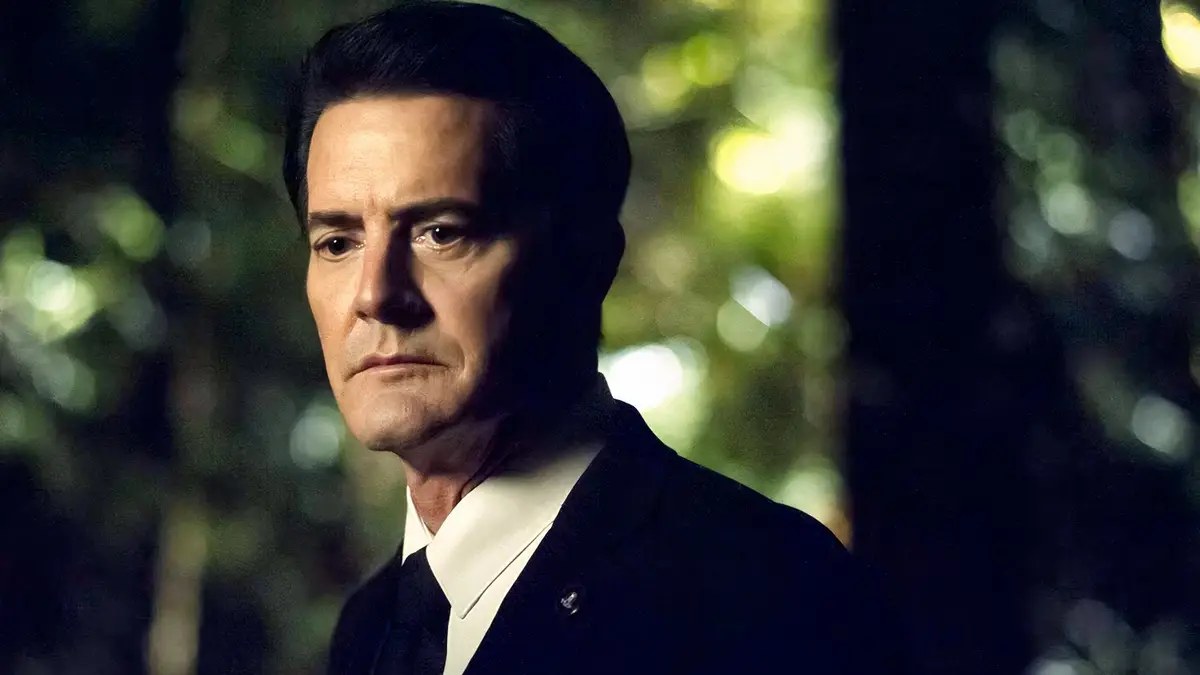
As binge-worthy psychological thrillers increasingly migrate behind paywalls on subscription services like Netflix and Prime Video, a curated selection of the genre’s finest entries remains available to watch at no cost. From David Lynch’s dreamlike crime saga Twin Peaks streaming on Pluto TV to Freddie Highmore’s moody Bates Motel prequel on The CW, five acclaimed shows spanning live-action drama, anime, and horror are currently accessible through free ad-supported platforms including Roku and Plex.
The appeal of the psychological thriller lies in its episodic structure, which allows fear and anxiety to accumulate gradually into a palpable suspense that deepens the storytelling. Series such as Mr. Robot and Dexter demonstrate how drastically different approaches can share a commitment to rich character studies and moral complexity. Some installments lean on the time-tested procedural format to sustain interest, while others stretch out a central mystery through layering shocking reveals. The common objective is to explore the darkest recesses of the human mind.
A Genre Without Paywalls
Prominent genre entries like Squid Game and Mindhunter can only be accessed through paid subscriptions, leaving casual viewers with limited options if they wish to avoid recurring fees. Free platforms such as Pluto TV, Plex, and Roku have emerged as the premier destinations for audiences seeking quality programming without a subscription. The five selections below represent some of the strongest psychological thrillers currently streaming at no charge.
Twin Peaks: The Gold Standard
David Lynch and Mark Frost’s Twin Peaks resists rigid categorization, blending crime procedural, soap opera, and surreal horror into a slow-burn psychological thriller. The peaceful facade of the seemingly idyllic town is shattered when the body of teenager Laura Palmer (Sheryl Lee) washes ashore. As FBI special agent Dale Cooper (Kyle MacLachlan) investigates his grisly murder, he becomes embroiled in the esoteric secrets that haunt the community.
Lynch’s lifelong preoccupation with dream logic, doppelgängers, and psychosexual metaphors unfolds slowly across three seasons, though at its core the series remains a complex crime drama. Characters are haunted by grief and trauma that manifest as tangible evil within a town concealing a seedy underbelly. The psychological implications defining Laura’s final moments gain special significance, cementing Twin Peaks’ reputation as the benchmark for mystery-centered television.
The Fall: A Tense Mind Game
In The Fall, Superintendent Stella Gibson (Gillian Anderson) assists the Police Service of Northern Ireland in assessing an open murder investigation while serial killer Paul Spector (Jamie Dornan) attacks women throughout Belfast. Spector maintains a refined double life as a doting family man and therapist, making his capture far from straightforward.
Rather than a whodunit, The Fall operates as a “howcatchem” draped in the trappings of a tense psychological thriller that revels in mind games. Both protagonists are brilliant and methodical, forging a uniquely charged dynamic. Paul’s crimes stem from complicated compulsions Stella must decipher, while his victims—single, professional women—reveal a hyperspecific mindset shaped by the desire for power and control. The series cultivates a palpable anxiety around uncomfortably real crimes against women.

Hannibal: A Twisted Masterpiece
Bryan Fuller built Hannibal on Thomas Harris’ source material, yet this acclaimed NBC show emerged as an inimitable genre gem. While Red Dragon established the dynamic between Dr. Hannibal Lecter (Mads Mikkelsen) and FBI investigator Will Graham (Hugh Dancy), Fuller transformed it into a beautiful, twisted relationship that became the series’ beating heart.
The show challenges standard procedural conventions by taking a macabre, almost poetic approach to crime, violence, and psychopathy. The predator-and-prey dynamic between Hannibal and Will remains integral, while drawn-out cases explore deviant psychology through lush visual metaphors and unforgettable dialogue.
Hannibal series analysis
Graham is haunted by his own demons, his overwhelming empathy allowing him to solve cases through first-person reconstructions of grotesve crime scenes. The thriller aspect thrives in the gap between audience perception and the characters oblivious to Hannibal’s true nature—including Jack Crawford (Laurence Fishburne), who remains completely blindsided once the truth surfaces.
Terror in Resonance: Anime Depth
Shinichirō Watanabe, celebrated for groundbreaking anime like Cowboy Bebop and Samurai Champloo, delivered an overlooked gem with Terror in Resonance. Teenage boys Nine and Twelve steal a nuclear bomb prototype and threaten to destroy Tokyo unless a cryptic riddle is solved, though their true aim centers on exposing a government conspiracy tied to their time at a medical experiment facility.
The series employs tense pacing and a muted color palette to evoke a world on the verge of ruin. Detective Kenjiro Shibazaki must unravel the mystery before time runs out, challenging corrupt bureaucracy along the way. Terror in Resonance proves most compelling when examining psychological trauma’s devastating effects on youth, portraying isolation as something that breeds apathy and distrust.
Bates Motel: A Moody Prequel
An inspired prequel to Alfred Hitchcock’s Psycho, Bates Motel follows a young Norman Bates (Freddie Highmore) and his mother Norma (Vera Farmiga) before the events of the 1960 film. After Norma’s husband dies, she purchases a motel for a fresh start, but a traumatic event triggers a murder investigation the leads must prevent from unfolding.
The series delves into the toxic, codependent relationship between mother and son, worsened by untreated mental illness and festering trauma. While Psycho manipulated pacing for edge-of-your-seat thrills, Bates Motel adopts a languid approach to its engrossing character studies, challenging pre-existing notions drawn from Hitchcock’s film. The series oscillates between moody thriller and soapy melodrama while examining small-town corruption.
Looking Ahead
These five selections offer immediate access without any subscription required, though availability on free platforms can shift as licensing agreements change. Viewers interested in experiencing these psychological thrillers should take advantage of current streaming options before titles rotate off Pluto TV, Roku, Plex, and The CW.























Join the conversation