
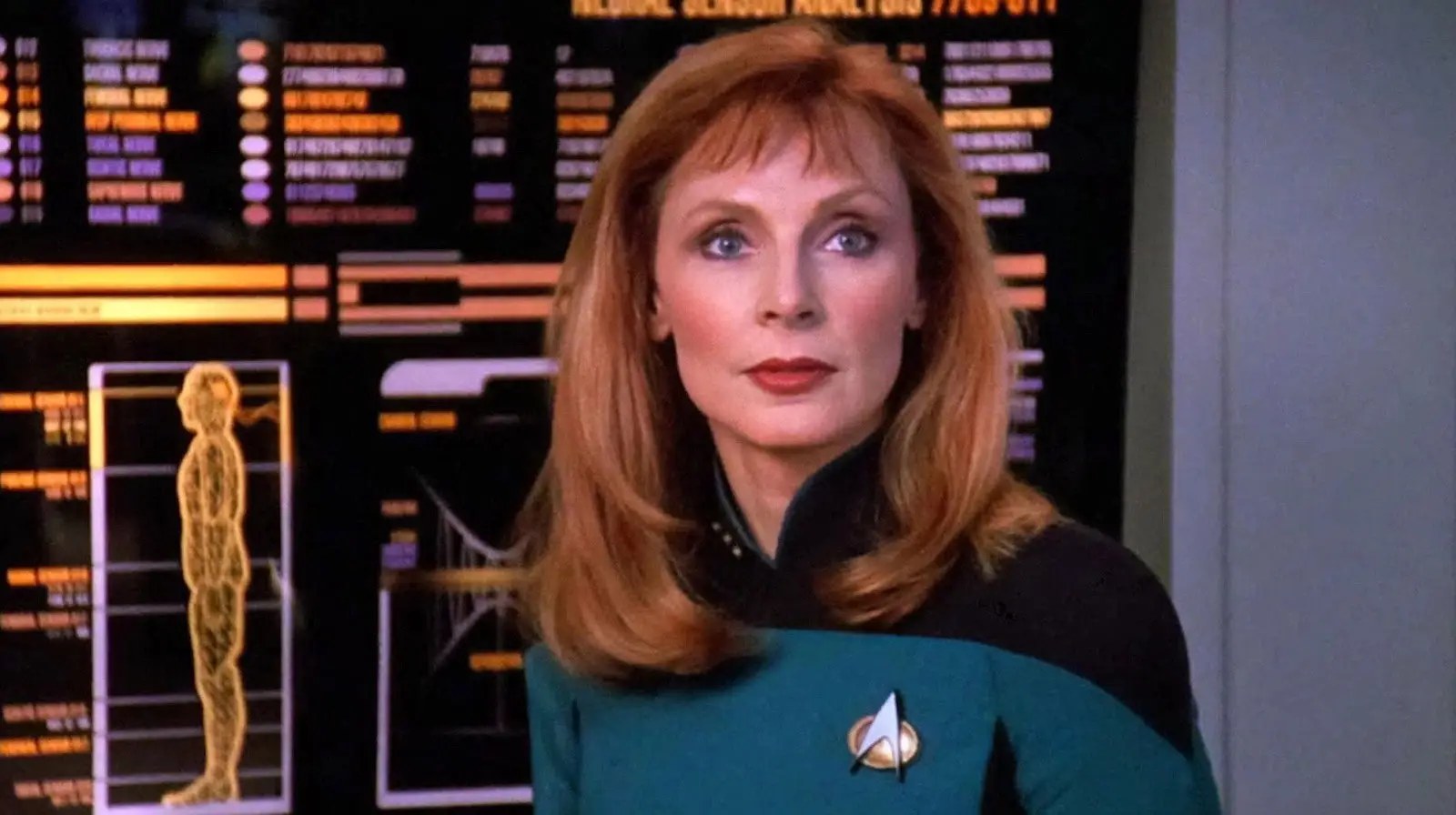
Forty years after its 1987 premiere, Star Trek: The Next Generation is available to watch for free on Pluto TV, offering a new generation of viewers the chance to follow one of television’s most influential science-fiction series from its uncertain beginnings to its lasting legacy. All seven seasons of the show are now streaming at no cost, marking both a milestone anniversary and an invitation to reconsider how deeply this series reshaped the franchise.
The announcement arrives as fans revisit a period when TNG’s return was met with deep skepticism. The original cast had vanished: James T. Kirk, Spock, and Dr. McCoy were gone, replaced by a crew sailing under a new captain nearly a century into the future. Even before critics weighed in, audiences wondered whether Star Trek could survive without its founding icons.
A Bold Gamble Without Its Founders
In 1987, replacing Kirk and Spock seemed almost unthinkable. The original cast was still making films, and Star Trek IV: The Voyage Home had become the franchise’s biggest box-office hit of all time less than a year before TNG premiered. Viewers weren’t asking for new characters because the old crew had stopped working; they were simply being asked to move on.
The replacements were never meant to be substitutes. Jean-Luc Picard, played by Patrick Stewart, was deliberately unlike Kirk: an older, more reserved captain who favored diplomacy over confrontation. William Riker carried a more traditional adventurous energy, while Data approached humanity from the opposite direction of Spock, yearning for emotions his predecessor suppressed. Perhaps the most striking change was Worf, as a Klingon—a species that had spent decades as Star Trek’s most recognizable enemies—now wore a Starfleet uniform on the Enterprise bridge.
The series asked viewers not to accept stand-ins for beloved characters but to embrace Star Trek itself as the reason to return. Once audiences accepted Picard, Data, Worf, and the rest of the Enterprise-D crew on their own terms, the franchise no longer needed its original captains to boldly go anywhere.
The Time It Took to Find Its Voice
Persuading audiences was only half the battle. TNG’s first season struggled to justify that faith, with underdeveloped characters, wildly inconsistent tone, and a series caught between recreating 1960s Star Trek and defining what it should become in the 1980s.
The second episode, “The Naked Now,” essentially revisited an Original Series story, while the Season 1 installment “Code of Honor” remains one that nearly everyone involved would prefer to forget. Even Picard had not yet found his footing; the captain who would later anchor episodes like “The Measure of a Man,” “The Best of Both Worlds,” and “The Inner Light” could feel stiff and distant in these early days.

That context makes Washington Post critic Tom Shales’ infamous 1987 review somewhat understandable. He dismissed Picard as “a grim bald crank who would make a better villain” and compared Data to “a San Francisco street mime.” But he was not reviewing the Jean-Luc Picard remembered today; that character, like the show around him, remained a work in progress.
The series asked viewers not to accept stand-ins for beloved characters but to embrace Star Trek itself as the reason to return. Once audiences accepted its new crew on their own terms, the franchise no longer needed Kirk and Spock.
Critically, TNG was granted the time to chart a better course. The show gradually found its voice before taking a significant leap forward in its third season, when its characters, storytelling, and vision of the future finally coalesced into what fans remember today. It remains difficult not to wonder how an uneven series like this might fare under today’s fast-paced television landscape.
The Blueprint Star Trek Still Follows
The answer, as it turned out, was just about anywhere. Deep Space Nine left the Enterprise behind for a space station and plunged the Federation into war. Voyager stranded its crew on the far side of the galaxy. Enterprise traveled backward to explore an era before Kirk, while later shows like Discovery and Strange New Worlds continued finding new ways into the same universe.
None needed Picard and his crew to define Star Trek, just as TNG hadn’t needed Kirk and Spock. That is the blueprint the series created: its greatest contribution was not proving that every show should look like TNG, but proving they didn’t have to. Captains could change. Crews could change. Ships, settings, and even the kinds of stories being told could all shift.
Watching TNG today on Pluto TV means witnessing that transformation unfold: from a shaky first season still searching for its identity to a series confident enough to eventually hand the franchise to yet another crew. Nearly four decades later, Star Trek continues making the same bet it made in 1987—give audiences something different, but ensure that somewhere underneath it all, it still feels like Star Trek.
Looking Ahead
All seven seasons of The Next Generation are now streaming for free on Pluto TV. For longtime fans and newcomers alike, the platform offers an accessible entry point into one of science fiction’s most defining series, allowing viewers to trace how a show once doubted by critics became the foundation upon which modern Star Trek was built.























1 comment