

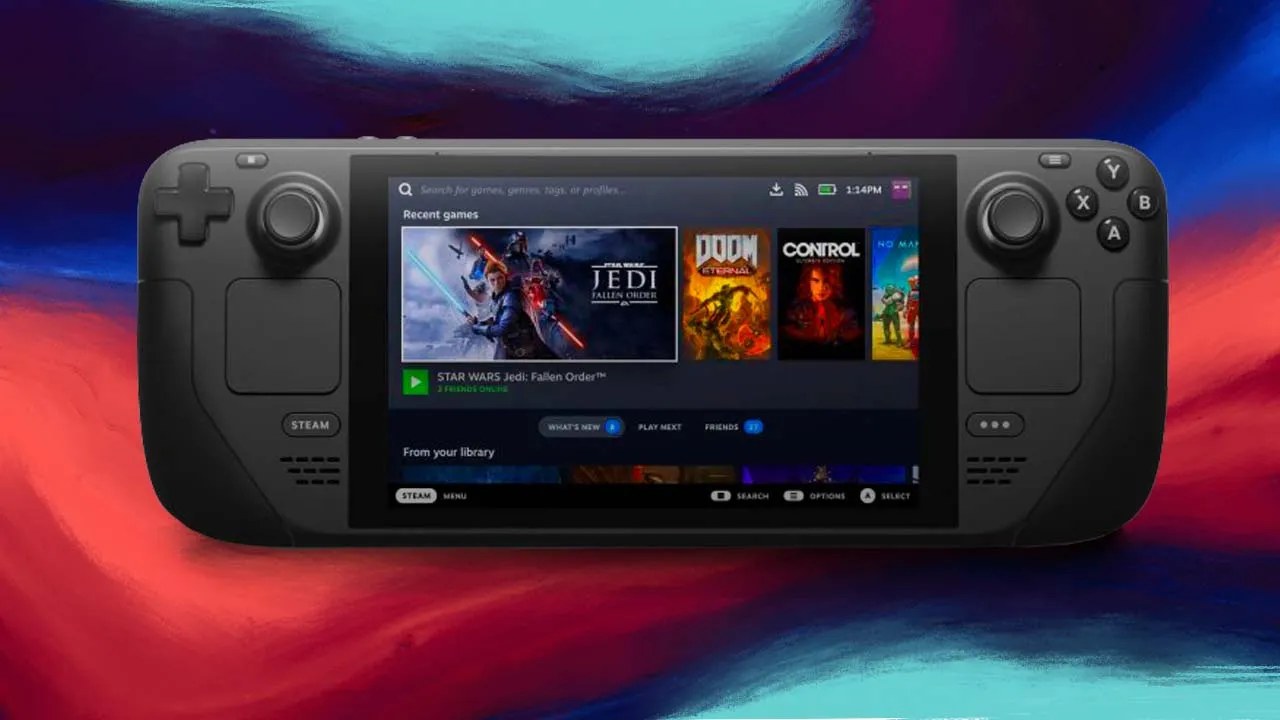
As Valve continues to develop its successor to the Steam Deck handheld console, the company insists that its plans for the device—dubbed the Steam Deck 2—remain exactly as they were from the beginning. Speaking with IGN about whether the ongoing global shortage of RAM has derailed development, software engineers Pierre-Loup Griffais and Jeff Leinbaugh confirmed that Valve’s core goals have not shifted, even as component prices continue to climb across the entire gaming industry.
The studio has been “hard at work” on the Steam Deck 2 for some time now, with developers openly acknowledging the project every time it comes up in conversation. The central premise of those plans has remained constant: Valve is waiting for the right technology to deliver a genuine generational leap in performance rather than releasing an incremental upgrade. What remains unspoken but equally important is that the company is also waiting for the correct price-to-performance ratio—one that would make the Steam Deck 2 a commercially viable product worth buying.
The Price-to-Performance Dilemma
Since the original Steam Deck launched, several more powerful handheld gaming PCs have entered the market, all priced at moderate to significantly higher levels than Valve’s device. The performance exists today, but so does the premium price tag that makes such comparisons uncomfortable for consumers who already invested in a Steam Deck. This creates an awkward position for Valve: the technology may be ready, but the economics of producing a competitively priced successor remain uncertain.
The current RAM crisis has driven up prices across virtually every segment of the hardware market—from graphics cards and gaming consoles to even the Steam Deck itself. For a device as sensitive to component costs as the Steam Deck 2 would inevitably be, these rising prices represent a genuine concern that could delay or complicate Valve’s timeline.
“We’re Still Looking at It in the Same Way”
Thankfully for fans who have been waiting years for confirmation, Valve says its plans haven’t changed. My colleague Jackie recently sat down with Valve software developers Pierre-Loup Griffais and Jeff Leinbaugh, and they offered a reassuring answer to whether the ongoing RAM shortage has impacted their roadmap.

“Not really. We’ve talked before about how we want to make sure there’s a very delineated performance improvement for something like a future Steam Deck, and I think we’re still looking at it in the same way. It’s just a matter of looking at the current conditions and seeing how and when we can deliver something like that. But from what we’re working on, as far as the user experience goes and what the product that we’re trying to build goes, it’s very similar goals.”
Pierre-Loup Griffais, Valve software developer
The response suggests that Valve’s target hasn’t changed, but the timeline might have. As always, everything comes down to finding the right price-to-performance ratio where a new Steam Deck would make financial sense for both the company and its customers.
A History of Passing Costs Along
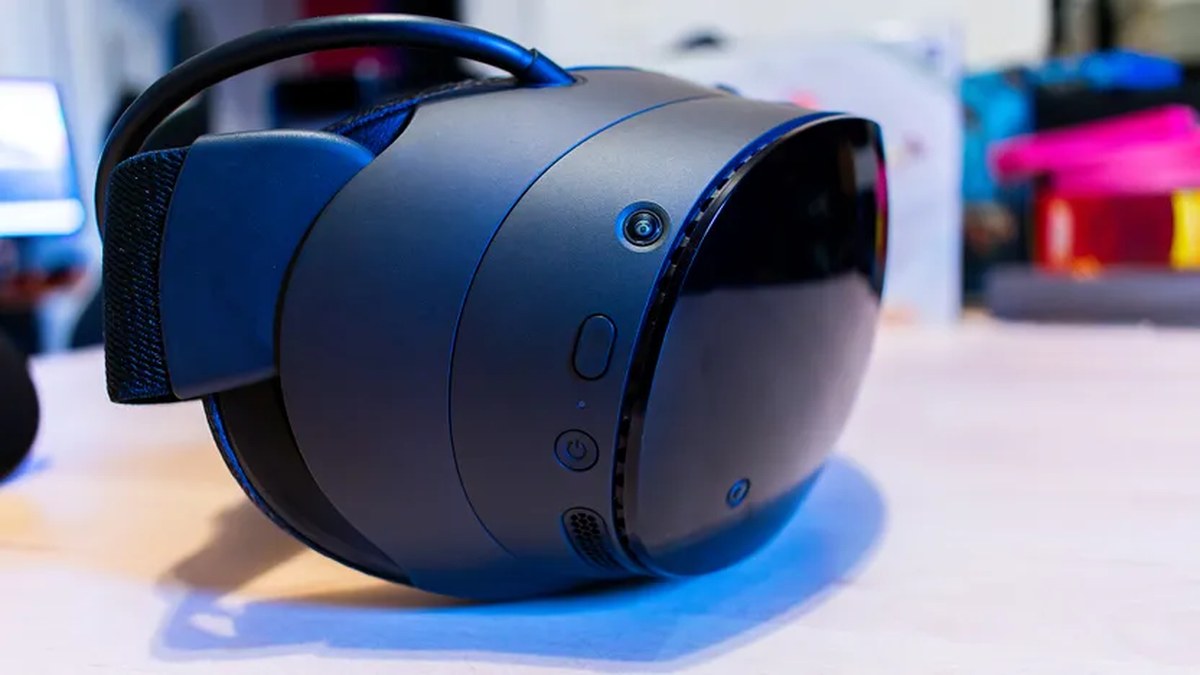
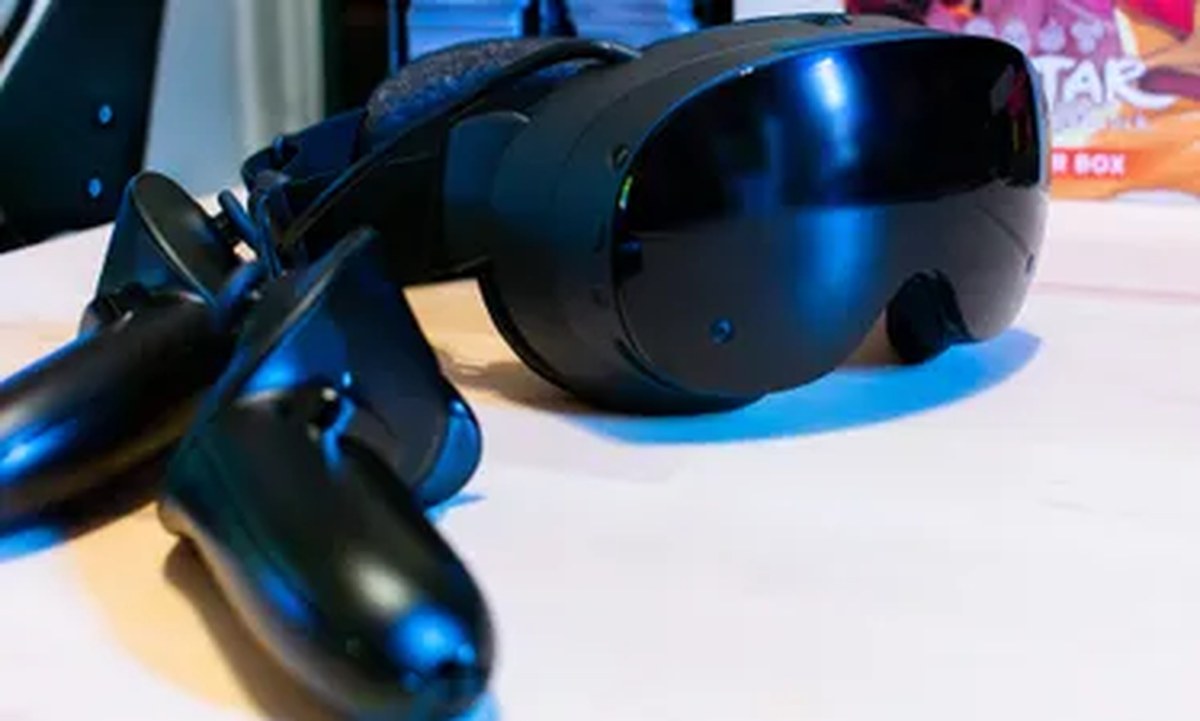
On the other hand, the Steam Machine and Steam Frame have demonstrated that Valve isn’t afraid to simply pass higher component prices along to consumers when circumstances demand it. The studio has shown a willingness to adjust pricing in response to market conditions rather than absorbing costs itself.
However, given that Steam Deck demand has reportedly cratered due to its ballooned price—reaching up to $789 for the 512GB OLED model that previously cost $549—it seems unlikely that Valve is in any hurry to push out an overpriced Steam Deck 2. The market response to the original device’s price increases serves as a cautionary tale, suggesting the company will remain patient rather than rush a successor into existence at unfavorable economics.
Looking Ahead
For now, players hoping for a successor should expect continued patience from Valve rather than imminent announcements. As Griffais noted, the goals remain identical to when development began; only the question of when those goals can be realized under current economic conditions remains open. Until then, fans will keep watching and waiting for the moment Valve decides the time is finally right.























Join the conversation