

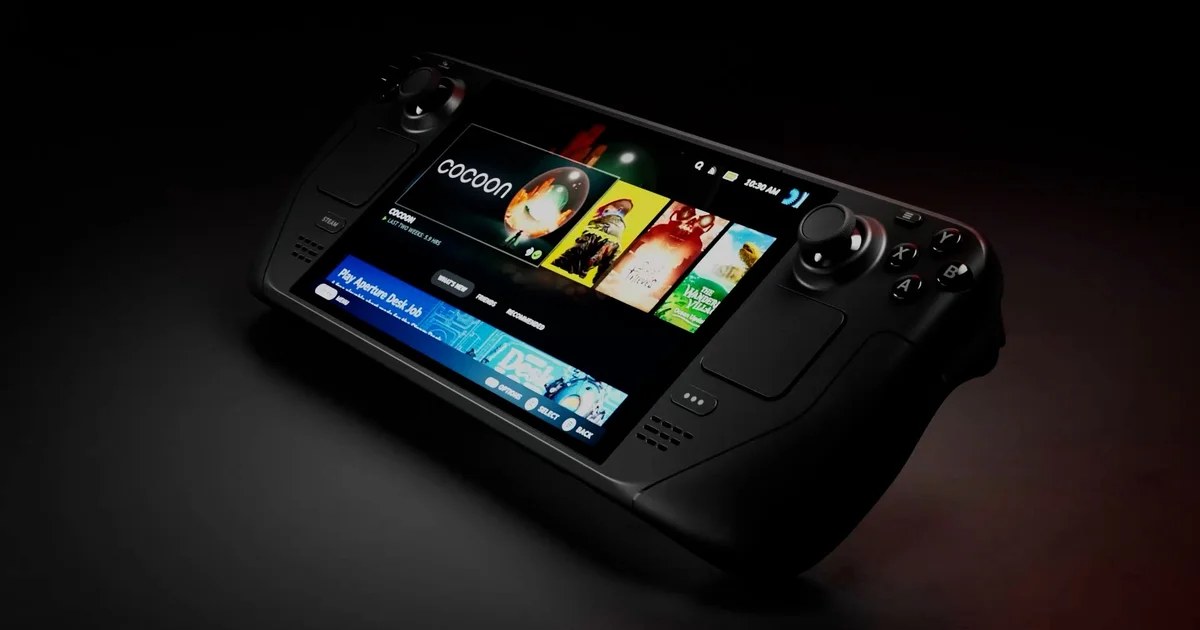
As Valve prepares for the launch of its Steam Frame VR headset later this year, the company has moved to reassure fans that an ongoing global memory and storage shortage is not derailing plans for a successor to the Steam Deck. In a new interview with IGN, Valve engineer Pierre-Loup Griffais addressed questions about whether the crisis—has reshaped pricing and availability across the entire PC hardware industry—would influence the design of the next handheld console, responding that “not really” was the case.
The comments arrive at a pivotal moment for the developer-publisher. Valve recently opened pre-order registration for the £889 / $1,059 standalone headset after months of waiting, making it the final hardware product to ship from the trio announced last year alongside the Steam Controller and Steam Machine. Yet even as the company pushes forward with new products, Griffais insisted that its ambitions for a future handheld remain unchanged.
A Generational Leap or Nothing
Griffais pointed back to a standard Valve has set repeatedly over the past few years: a successor device must deliver a meaningful performance jump rather than a marginal upgrade. “We’ve talked before about how we want to make sure there’s a very delineated performance improvement for something like a future Steam Deck, I think we’re still looking at it in the same way,” he said.
The philosophy traces back to 2023, when Valve noted that suitable technology did not yet exist. Two years later, the studio said it had “pretty good idea” of what the next Steam Deck might look like, and by April it outright confirmed it was working on a Steam Deck 2, building on everything learned from developing the original device and its subsequent hardware launches.
“We’ve talked before about how we want to make sure there’s a very delineated performance improvement for something like a future Steam Deck, I think we’re still looking at it in the same way.”
Pierre-Loup Griffais, Valve
What Griffais did not address is exactly how much the memory shortage will factor into the design process. Raising prices is one option for manufacturers facing rising component costs, but as recent examples from other tech companies have shown, some brands have charged more while simultaneously lowering specifications—a move that could prove politically difficult for a device positioned around value and accessibility.

The Steam Frame Reality Check
With the memory crisis having severely impacted pricing and availability of Valve’s hardware products—including Frame itself—it has caused several delays across the board. The rising costs make it particularly challenging for the headset, already a niche product, to make a compelling case for itself against established competitors.
Even those impressed with the hardware design and capabilities of the headset in Eurogamer’s review offered measured praise. Matt Wales noted that “Frame isn’t a machine for high-end enthusiasts” and argued it “doesn’t offer a dramatically different in-headset experience to the far cheaper, more intuitive Quest 3,” underscoring the steep challenge Valve faces in justifying its premium price point.
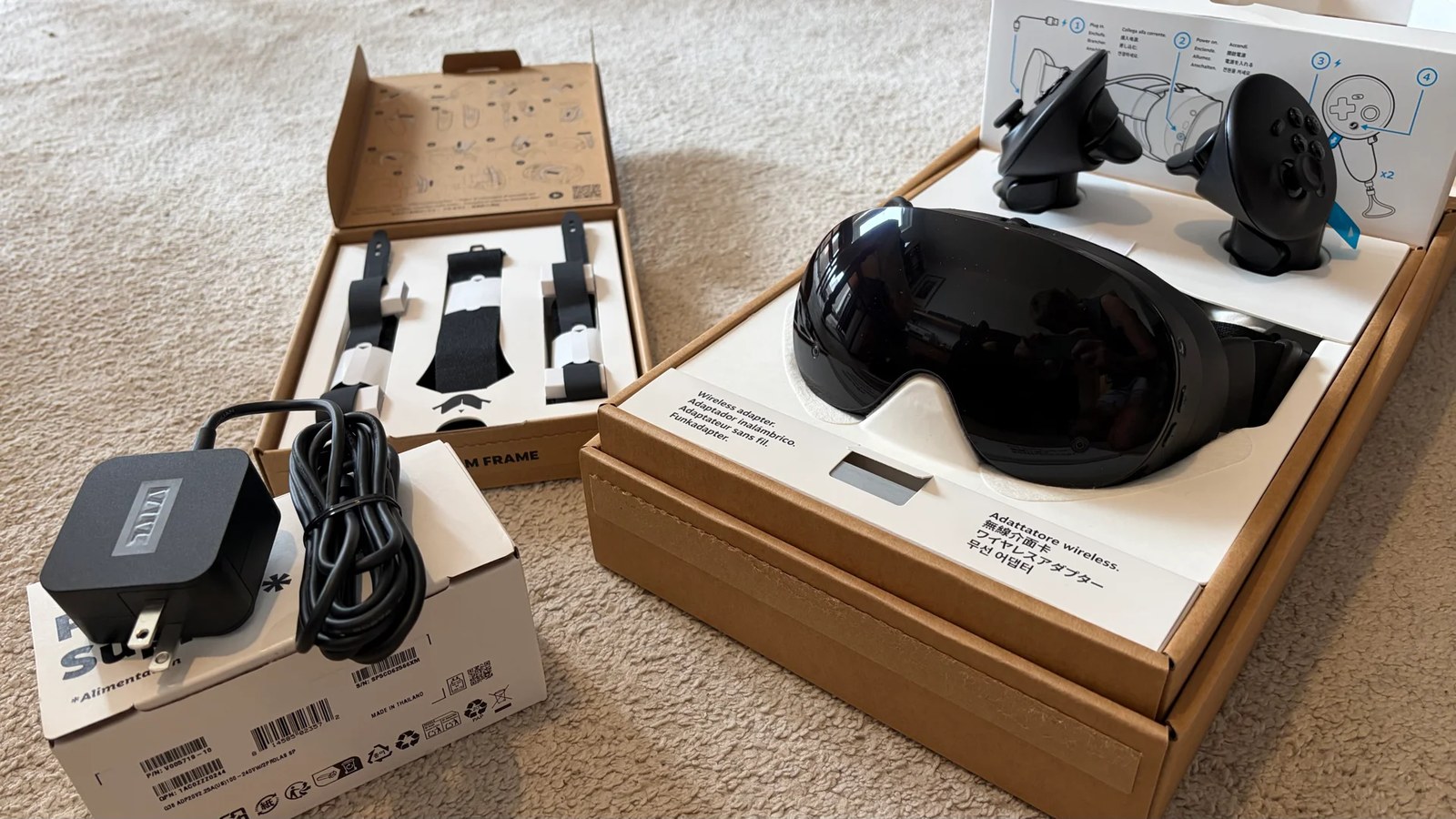
The memory shortage remains an active concern for the studio. Valve previously said the worsening shortage is something it’s keeping in mind as it navigates production and pricing decisions across its growing hardware lineup.
Looking Ahead
Steam Frame stands as the final piece of the trio announced last year, capping a hardware push that has spanned handhelds, controllers, and desktop machines. While Valve maintains that its Steam Deck 2 ambitions remain intact, the studio will need to balance its demand for a genuine generational leap against the economic realities of an industry still reeling from component shortages.
Fans awaiting both products should expect continued uncertainty around launch timing and pricing as the memory crisis persists. Until Valve reveals more concrete details about the Steam Deck 2’s specifications, the studio’s insistence that its goals remain unchanged will be the only signal available to those hoping for a successor that truly earns its place.























1 comment