

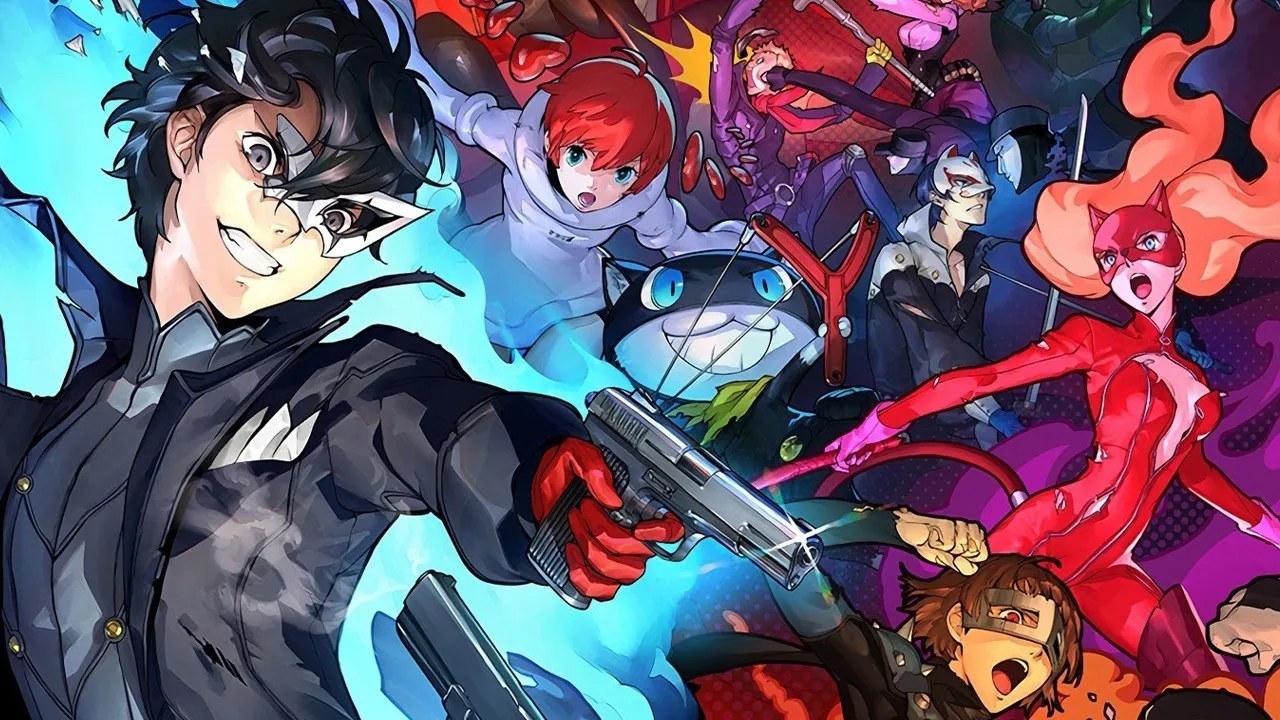
Since its origins as a spin-off of the Shin Megami Tensei franchise, the Persona series has grown into one of the most prominent RPG brands in modern gaming. With Sega recently confirming both Persona 4 Revival and Persona 6, newcomers are increasingly asking where to begin their journey through a catalog that now spans more than two decades of releases, remakes, and spin-offs.
The answer depends on what players are looking for. According to the full rundown below, there are currently 21 Persona games in existence, though several of those are expanded versions of mainline entries rather than standalone titles. For first-time players, jumping straight into
or
offers the most polished entry points available today.
How Many Persona Games Are There?
In total, there are currently 21 Persona games. Several of these are expanded versions of the mainline entries in the series, whether that’s in the form of re-releases featuring new story content or remakes. While direct ports and remasters are excluded from the count, every alternate version of each game is noted throughout this guide.
The franchise began as a spin-off within the larger Shin Megami Tensei umbrella before establishing its own identity. That early connection to demon-toggling RPGs still echoes through Persona’s turn-based combat and dungeon-crawling DNA today, even as the series has expanded into anime adaptations, stage plays, and cross-franchise collaborations.
Which Persona Game Should You Play First?
If you’re looking for the perfect place to start, you can’t really go wrong jumping into or . They represent the latest versions of the third and fifth mainline entries in the series and are available on PC and every major console.
For those concerned about skipping story by diving into later entries, you won’t miss anything by going straight to Persona 3, 4, or 5. Each game tells an entirely new story with original characters that’s largely disconnected from its predecessors, making them ideal launching points for newcomers coming in fresh. To narrow your choices down, taking a look at gameplay videos, social links, and soundtracks across each game can help reveal which title “stands out” to you.
The Early Years: Revelations and Persona 2
The first game in the series, Revelations: Persona, launched in 1996 as Atlus’ reaction to the positive reception of Shin Megami Tensei: If…. Capitalizing on how much players enjoyed that concept—high schoolers battling demons—Revelations: Persona offered a full dungeon-crawling RPG centered around teenagers fighting a supernatural uprising throughout the town of Mikage-cho. It introduced foundational elements like wielding Personas in combat, the Velvet Room, and a teenage cast of heroes.

The second entry, Persona 2: Innocent Sin, launched in 1999 following protagonist Tatsuya Suou as he took down a villain known as Joker and the cult of the Masked Circle. Centering on an evil plot where malicious rumors come to life in the town of Sumaru, it received a direct sequel just a year later with Persona 2: Eternal Punishment, which promoted side character Maya Amano to protagonist.
The Mainline Evolution
The third mainline entry, Persona 3, was a major evolution of the formula. Released in 2006 with follow-up versions including FES (2007), Portable (2009), and the 2024 remake , it introduced a daily calendar system that split gameplay between school life and fighting shadows inside the supernatural tower Tartarus. The story follows student Makoto Yuki as he uncovers a sinister plot threatening the world, and the game is considered a landmark entry for introducing social links and day-to-day activities.
Persona 4 arrived in 2008 with follow-up , placing players as Yu Narukami in the rural town of Inaba, where murders lead to a mysterious otherworldly realm accessed through TV monitors. The fifth mainline entry, Persona 5 and its expanded , took players to Tokyo in 2016-2017 as the Phantom Thieves infiltrated mystical palaces to change hearts. The game built on the established formula with new systems like Mementos and launched the franchise into mainstream success, becoming Atlus’ best-selling game of all time.
The Spin-Off Universe
Beyond the mainline entries, Persona has spawned a wide variety of spin-offs. Rhythm-based titles include Persona 3: Dancing in Moonlight, Persona 4: Dancing All Night, and Persona 5: Dancing in Starlight. Fighting games Persona 4 Arena and Persona 4 Arena Ultimax brought characters together for tournament battles, while crossover dungeon crawlers Persona Q: Shadow of the Labyrinth and Persona Q2: New Cinema Labyrinth combined teams from multiple games.
Tactical spin-off Persona 5 Tactica adopted an XCOM-style grid-based combat system, while action title Persona 5 Strikers introduced real-time battles through a crossover with the Dynasty Warriors franchise. The most recent release, Persona 5: The Phantom X, is a free-to-play gacha game developed by Black Wings Game Studio set in an alternate timeline.
The massive success of Metaphor: ReFantazio has reinforced Sega’s desire to keep investing in Atlus and the Persona IP in particular, signaling that the franchise’s momentum shows no signs of slowing down.
[Gamer24h editorial context based on developer Q&A]
Looking Ahead
After the massive success of Metaphor: ReFantazio, which picked up quite a few awards, Sega announced their desire to keep investing in Atlus and the Persona IP during a developers’ Q&A session. Persona 4 Revival was announced at the 2025 Xbox Showcase as a new remake of the game that originally released on PS2 in 2008 before being remastered as Persona 4 Golden in 2012. The remake is scheduled for release on February 18, 2027, and will be available Day One on Xbox Game Pass.
Even more significant is the confirmation that Persona 6 is real. A short teaser offers a glimpse at cool aesthetics in classic Atlus style, though there’s no word on a release date yet. A breakdown of everything known so far includes some leaks delivered in classic Atlus fashion.
In the meantime, the Phantom Thieves continue to appear across nearly every franchising opportunity available, most recently as skins in Overwatch 2. Outside of games, Netflix has confirmed development on a live-action Persona TV show, further cementing the series’ status as a multimedia sensation that shows no signs of slowing down.























Join the conversation