

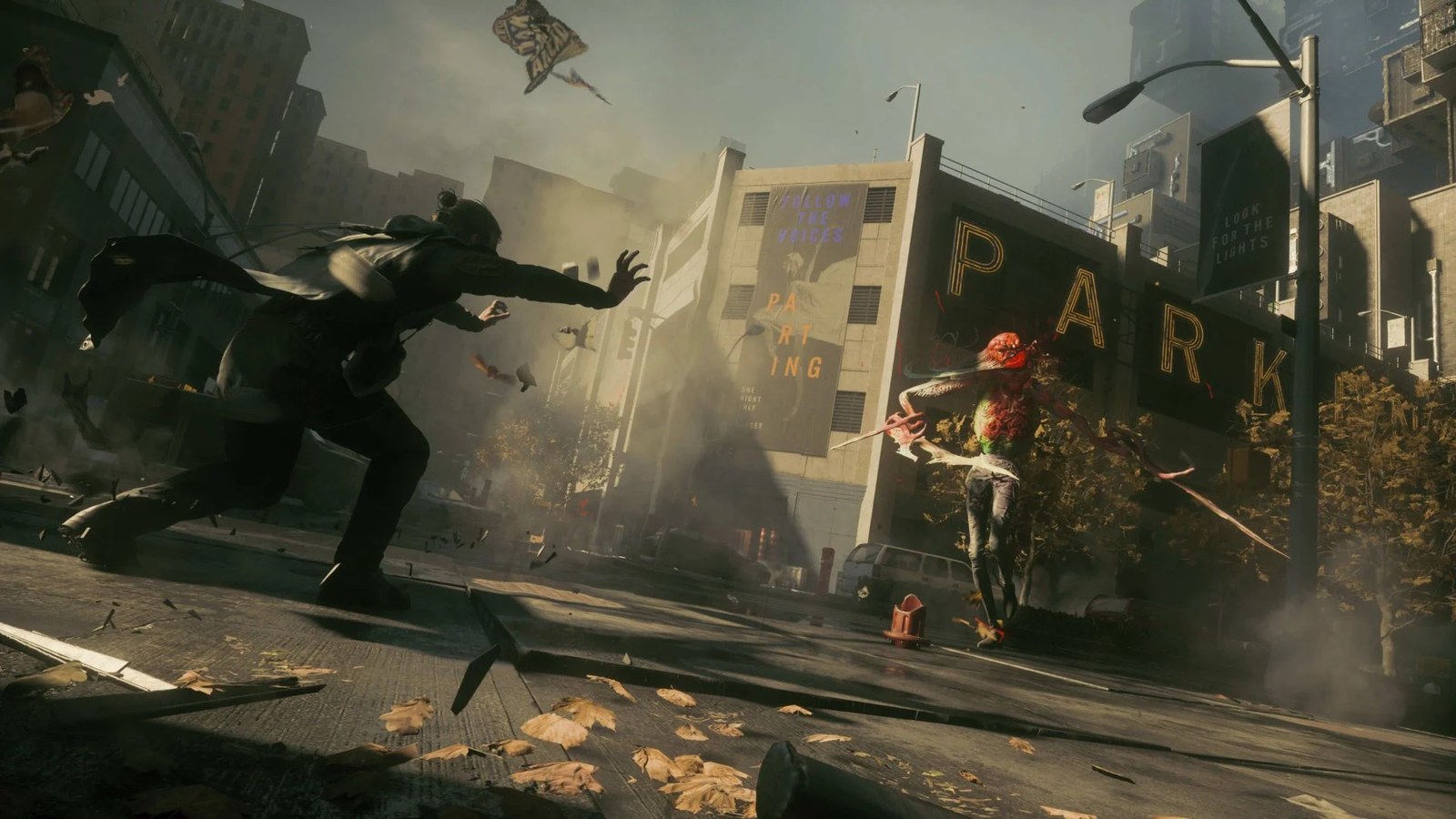
Control Resonant’s lead gameplay designer, Sergey Mohov, has published a detailed essay outlining the upcoming Remedy Entertainment sequel’s approach to accessibility options and how they intersect with difficulty design. The piece offers one of the most nuanced discussions of the topic seen in recent gaming discourse, revealing that the title will let players adjust the finest details of its challenges — from enemy projectile speed to the length of a boss fight’s perfect-dodge window — while crucially allowing those adjustments to move in both directions.
The announcement arrives as Remedy appears to be stepping accessibility design up to a new level. While Ubisoft has long been recognized as the primary pioneer of driving accessibility options into mainstream titles, and Remedy itself has done notable work in this space, Control Resonant seems poised to push the conversation further by exposing individual gameplay variables directly to players.
Beyond Blunt Difficulty Instruments
Mohov argues that action games have historically handled difficulty with crude tools. “Historically, difficulty in action games is handled with blunt instruments,” he writes, referring to the traditional Easy, Normal, and Hard options. “While that technically works, it can completely undermine the meticulous tuning of a combat system. Nobody likes fighting a damage sponge unless they’re doing the dishes, and lowering enemy health across the board can make your progression feel unearned.”
Rather than relying on these broad presets, Resonant is adopting what Remedy calls “a granular control panel.” The reasoning centers on recognizing that players have vastly different needs. Mohov explains that a player with motor control difficulties might find standard dodge timings impossible while having no problem managing the cognitive load of a complex resource economy. By exposing individual variables, developers can help players isolate the specific mechanic causing problems and adjust it without changing everything else.
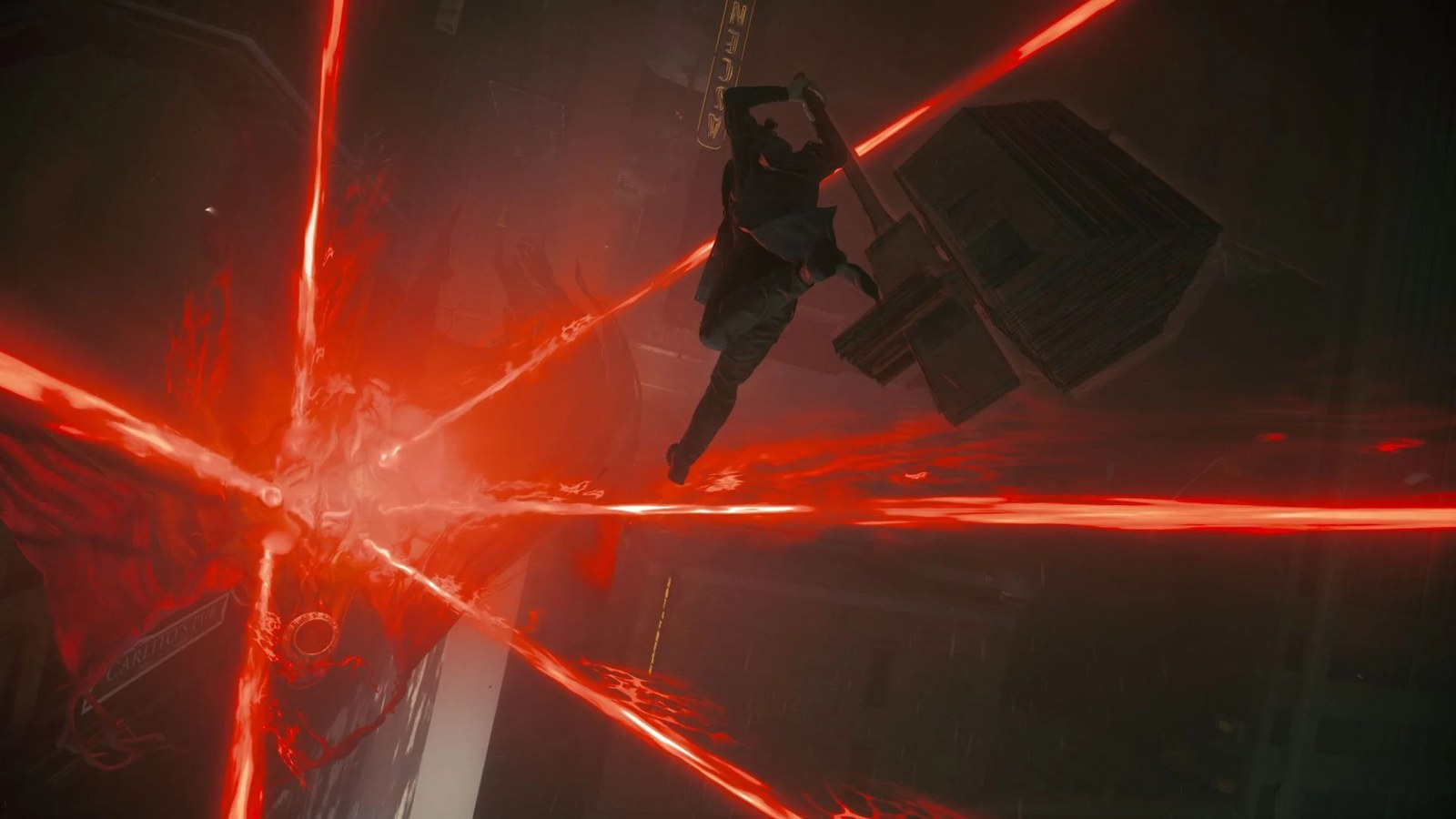
We recognize that players have vastly different needs and constraints. A player with motor control difficulties might find standard dodge timings impossible but have no problem managing the cognitive load of a complex resource economy. By exposing individual gameplay variables to you, we let you isolate the specific mechanic causing problems and adjust it without necessarily changing everything else.
Sergey Mohov, Lead Gameplay Designer at Remedy Entertainment
A System That Works Both Ways
The level of detail extends to preventing players from being overwhelmed by enemies swarming off-screen, widening dodge windows so attacks can be reacted to in time, and adjusting meters for both enemy and player damage. Players can also change the timings on how long it takes to break an enemy’s guard, while those who struggle with melee combat can increase what is called “enhanced melee magnetizing,” reducing the need for precise positioning.

Critically, this all works in reverse as well. Mohov notes that many action-RPG fans are actively seeking greater challenge, writing that the original Control only offered options to make challenges easier. This time, players can slide those same meters in the other direction until they reach a difficulty level that suits their skill.
Yet even more importantly, Remedy does not want anyone fiddling with these options until they’ve given the game a proper first attempt. The studio has worked hard on setting the challenge where it believes is best and hopes players approach it on its own terms initially, discovering what they can or cannot do before altering the creator’s vision.
A Middle Ground in an Old Debate
The ongoing argument about difficulty levels generally boils down to two opposing sides. One camp believes games should set a challenge for players to reach up toward, persisting through failure to improve and master it as part of the developer’s artistic intent. The other wants to play the full game they purchased rather than being walled off by a single difficult moment, preferring to enjoy the complete narrative despite falling short on one challenge.
The studio acknowledges this tension directly in its essay. “We talk a lot internally about designer intent. We do have a meticulously crafted, intended experience for CONTROL Resonant. It’s balanced to be tense, demanding, and rewarding. However, our philosophy is straightforward: if you run into a wall and the friction becomes too much, we would much rather you tweak the rules to overcome it than put the controller down and stop playing.” The studio emphasizes that no trophies or achievements will be gated behind these settings.
Beyond difficulty controls, Resonant will offer a suite of other accessibility features including colorblind modes, adjustable subtitle and text size, options for those with motion sickness, various volume sliders, and a “hyperacusis filter” designed to help players with sensitivity issues. The title continues Remedy’s ongoing commitment to making its games more inclusive without sacrificing the designer vision that defines them.























Join the conversation