

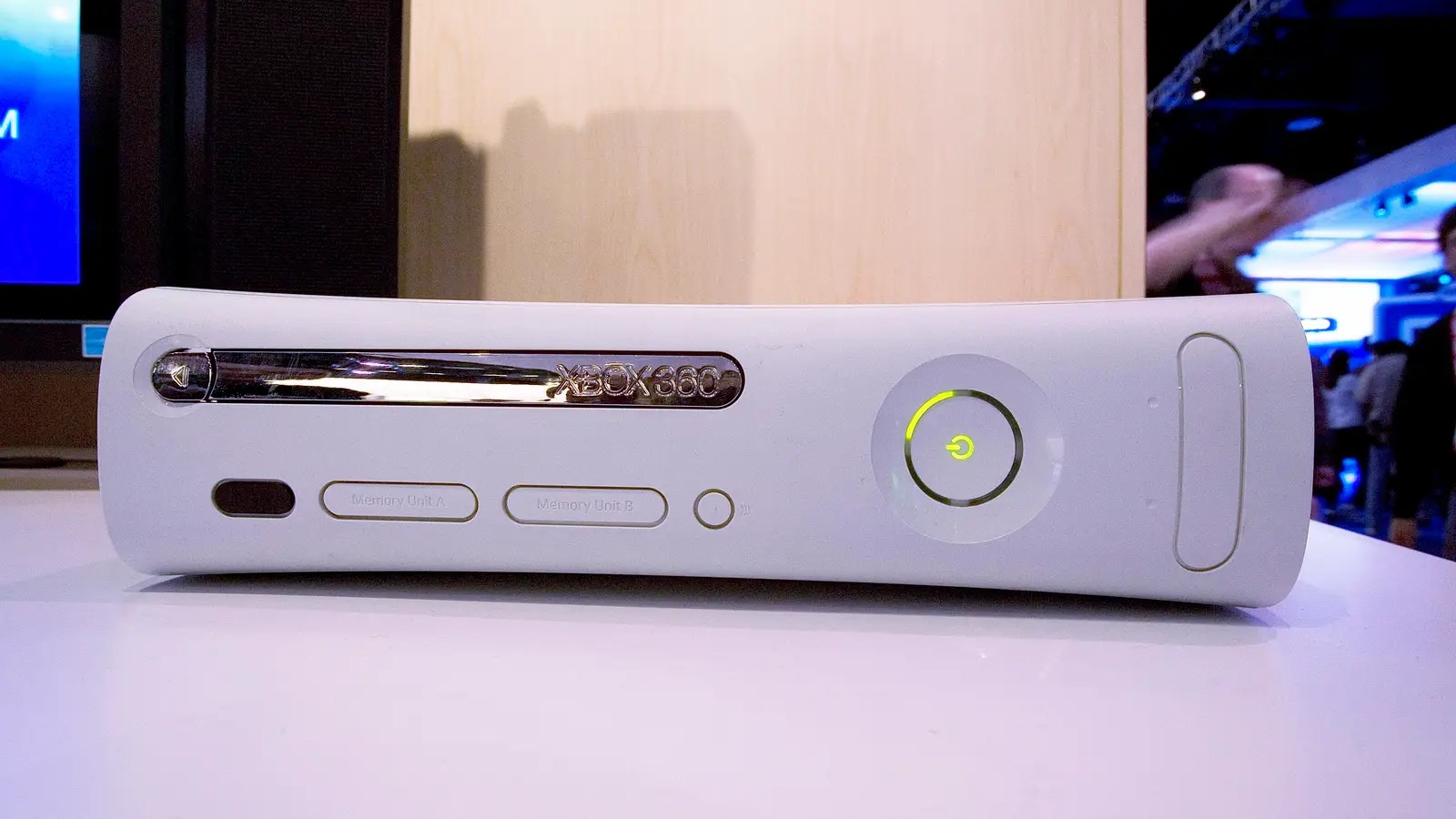
More than two decades after Xbox launched in 2001 with an enormous black box that proved Microsoft could compete with the major console players, the brand’s defining hardware arrived as the Xbox 360. That machine revealed the platform’s true potential to dominate the space, thanks in part to hits like Halo 2 and Gears of War, and Microsoft has been chasing a repeat performance ever since. Yet amid an era rightly remembered for its classics, several near-perfect titles slipped under the radar, earning far less attention than they deserved.
Here are ten such hidden gems from the Xbox 360’s library that earned strong critical praise but struggled to find the audiences those studios had hoped for. From ambitious JRPGs to quirky board-game hybrids and stylish action games, these titles represent some of the console’s most overlooked achievements.
A Racing Franchise Lands on the Wrong Console
Ridge Racer 6 arrived as one of the Xbox 360’s first games on Nov. 22, 2005, but it carried an unusual burden: it was the next entry in a franchise long associated with PlayStation, now released exclusively on Microsoft’s new hardware. It was a solid racing game, yet Namco faced fierce competition from other launch lineup titles, including the excellent Project Gotham Racing 3 and Electronic Arts’ Need for Speed: Most Wanted. Those games overshadowed Namco’s potential hit, at least in North America.
Mistwalker’s JRPG Ambitions
In December 2006, Mistwalker released its first Xbox 360 title, Blue Dragon, a modest surprise given founder Hironobu Sakaguchi’s history with PlayStation and Nintendo. The game featured beautiful character design from Akira Toriyama of Dragon Quest fame and music from Nobuo Uematsu of Final Fantasy renown, all under Sakaguchi’s direction. Despite that pedigree, it struggled to find the large audience Microsoft must have expected, scoring well with critics at launch but otherwise fading into obscurity; it remains available for purchase on the Xbox store.
The studio returned two years later with Lost Odyssey on Dec. 6, 2007, an epic JRPG that those who played it considered a strong competitor to the best Final Fantasy had to offer. Yet Xbox 360 fans overall weren’t huge fans of the genre, and many genre enthusiasts simply gravitated toward other quality titles available on the PlayStation 3. For those reasons and others, Lost Odyssey is remembered today as a genre gem that never found its audience when it needed one most.
A Moonbound World and Space Combat
Infinite Undiscovery arrived on Sep. 2, 2008, developed by Microsoft Game Studios Japan working with tri-Ace of Star Ocean fame, making it one of the most interesting JRPGs of its time. The story follows a young man named Capell drawn into an epic plot, anchored by a central detail less expected from the genre: the moon itself has apparently been bound to the planet’s surface, leaving those on the enduring devastation as crops wither and animals die. Active battles featuring four party members, along with beautiful environments, make it a memorable experience; Microsoft has since made it backward-compatible for Xbox One.
Rounding out 2006 was Project Sylpheed on Sep. 28, a collaboration between Game Arts of Lunar: Silver Star Story and Grandia fame and Seta, a prolific NES and SNES developer. It served as the successor to the Silpheed franchise, which at one time was popular enough that its first game appeared in the Sega Genesis Mini 2 lineup. The game featured expansive environments and an ambitious plot with strong voice acting, though shooting could turn repetitive thanks to a relative lack of mission variety. It remained a solid choice for players who simply wanted to blow things up in space, provided they could navigate its complex control scheme.

Niche Concepts That Found Few Fans
Beautiful Katamari launched on Oct. 16, 2007, as an Xbox 360 exclusive that offered beautiful visuals made possible by the newer hardware. The Katamari series originated on PlayStation 2 and became a surprise hit for Namco; here players take control of the Prince, rolling objects into massive clumps in an effort to somehow right the balance of the universe. It’s all very silly, but that’s the point: games in the series are reliably relaxing, held together by hummable soundtracks and delightful whimsy. Sadly, this niche title went unnoticed by many players who rewarded more conventional play mechanics.
Culdcept Saga debuted on Nov. 22, 2006, as the fourth proper entry in its long-running franchise and the first appearance on Microsoft hardware. It functions as a board game mixed with a card game: characters known as Cepters roll dice and advance along a game board, securing property and charging fees to anyone who lands there. Ownership of a given space can be challenged with a battle, allowing powerful players to claim those spaces for their own, while victory requires securing mana and bringing it back to where the game began. It’s a unique concept with niche appeal; Culdcept Begins later arrived on Nintendo Switch and Switch 2 on July 16, with a Windows PC port due this year.
Action Titles of Their Time
Magna Carta 2 released on Aug. 6, 2009, as an RPG from Korean developer SoftMax and the final entry in a short-lived franchise that began on Windows PC in 2001 before reaching PlayStation 2 with Magna Carta: Tears of Blood. Players take part in turn-based combat occurring within the field itself, without transitions to separate locations, featuring timing-based attacks and chains that transform the multi-character party into a powerful weapon when properly utilized. The game offered beautiful environments along with character designs by artist Hyung-tae Kim, who later directed Stellar Blade.
Bullet Witch arrived on Jul. 27, 2006, during Cavia’s most productive period; the developer is best known for its work on the Drakengard games and several light gun shooters in the Resident Evil franchise. The game featured stylish visuals reminiscent of Devil May Cry and later Bayonetta, focusing on giant monsters and destruction in urban environments with a bit of magic to keep things interesting. It’s very much a product of its time, and its heavy focus on action and enemy mobs might not suit everyone, but it remains well worth a look; the Xbox 360 version has since disappeared from the marketplace, though a Steam port released on Apr. 25, 2018.
Looking Ahead
N3: Ninety-Nine Nights launched on Apr. 20, 2006, as a fantasy brawler published by Microsoft and developed alongside Phantagram and Q Entertainment, the latter best known for Lumines and the Meteos games. Games about eternal battles between good and evil might not seem an obvious subject for one of the studio’s early efforts, particularly ones packed with enough action to compete with the Dynasty Warriors series, but the three teams involved made the design work—aided by gorgeous visuals and a system that graded player performance to encourage replay. A sequel developed by feelplus and published by Konami followed, though its darker artwork didn’t hold the same appeal as the original, and the franchise stalled.
Together, these ten titles illustrate how critical acclaim alone cannot guarantee an audience. Many remain playable today through backward compatibility or later ports, offering new players a chance to discover what so many missed during the Xbox 360’s heyday.























1 comment