Trump Declares AI Doomerism a “Hoax” as Nvidia’s Huang Confirms Robots Won’t Take Over the World
President Donald Trump has publicly dismissed escalating warnings about artificial intelligence safety, branding concerns that advanced systems could...
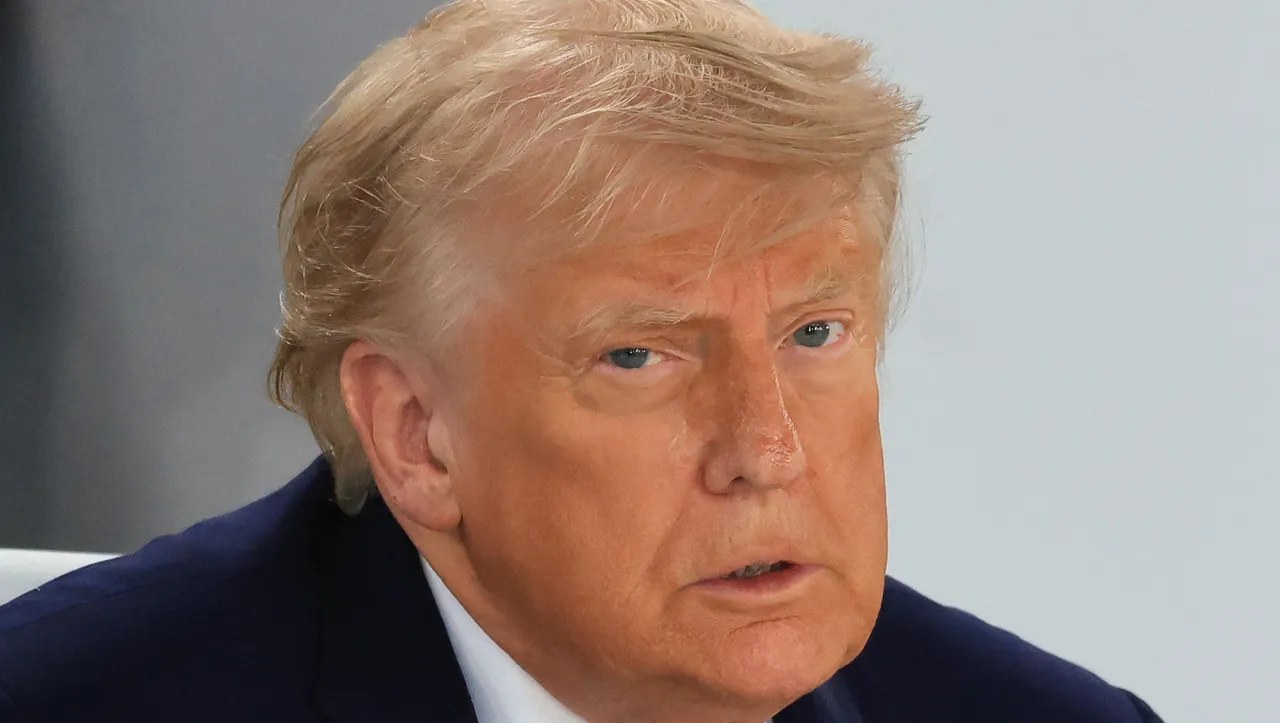
President Donald Trump has publicly dismissed escalating warnings about artificial intelligence safety, branding concerns that advanced systems could threaten humanity as a political hoax. In a flurry of Truth Social posts and a viral phone call to Nvidia CEO Jensen Huang during a conference appearance on Monday, Trump insisted that AI will not “take over the world” and argued that the technology deserves acceleration rather than regulation.
The comments arrive in the wake of alarming statements from leading researchers at Anthropic, who warned there is more than a 10% chance that superintelligent systems could kill all humans within the next decade. The warnings prompted executives across the AI industry to call for a global slowdown and requested U.S. government guardrails, prompting Trump to push back forcefully against what he described as an orchestrated effort to undermine American technological dominance.
A President Takes On the “Doomers”
In a series of posts, Trump argued that AI safety concerns mirrored what he called the “Global Warming Scam,” insisting that critics were simply pivoting from one failed cause to another. He claimed there was a “SICK conspiracy” underway to slow down AI development and urged an acceleration in data center construction, which he described as more valuable than oil.
“The people that say AI is going to destroy the World, and that Data Centers are bad for your neighborhood, are the same people that said, just a short time ago, that the World would be extinguished by ‘Climate Change.’ That HOAX never worked out for them, and now they’re on to the next one.”
President Donald Trump
The president styled himself “the Hoax Buster,” declaring that the only guardrail AI truly needed was a strong and smart leader. He insisted he had already prevented companies from engaging in harmful activities and singled out Anthropic CEO Dario Amodei for what he characterized as opportunistic concern.
A Viral Call with Nvidia’s Jensen Huang
The controversy intensified when Trump phoned Jensen Huang while the chipmaker was presenting on stage at the All-In Summit. Huang, a vocal opponent of AI regulation, placed the president on speakerphone for a conversation that quickly spread across social media.
“I’m telling you it’s all a hoax… Data centers are great and they make people wealthy and they make states wealthy. It’s the oil of the next 20-25 years. It’s bigger than the internet… The robots are not gonna be taking over the world. That’s not gonna happen.”
Jensen Huang, Nvidia CEO
The exchange underscored a growing divide between industry leaders who fear uncontrolled AI development and an administration determined to avoid constraints that might cede ground to competitors like China.
The Researcher Who Sparked the Debate
The current crisis of confidence stems from last week’s announcement by former Anthropic researcher Jacob Coxon, who resigned and accused both OpenAI and Anthropic of gambling with human existence. In a statement posted on X, previously Twitter, Coxon claimed that neither company was acting responsibly as they raced toward self-improving superintelligence.
“Neither company is acting responsible,” Coxon wrote. “Do not underestimate the power of this technology. These will soon be superhuman systems that can hack anything, revolutionize any field overnight, and acquire real power and resources.” He added that many executives privately expressed fear even as they tempered their public language.
Coxon argued that OpenAI had failed to internalize the civilizational stakes while Anthropic remained locked in a race to reach superintelligence first. His statement triggered widespread alarm and prompted backing from Evan Hubinger, Anthropic’s alignment science lead, who offered an even starker assessment of the risks.
“Jacob is correct here — we really do earnestly believe AI could kill all humans! I personally think it is greater than 10% within the next decade. I believe Anthropic is trying its best, but we do not yet have a plan to solve alignment for superintelligence and are not clearly on track to.”
Evan Hubinger, Anthropic
The Race for Regulation
In recent days, Sam Altman of OpenAI, Dario Amodei of Anthropic, and Elon Musk of xAI have signaled willingness to collaborate on slowing AI development. Altman emphasized that such pacing would not mean halting progress entirely, noting that safety interventions carry significant costs but remain worthwhile.
“Progress has been rapid and will continue to be,” Altman wrote. “But it should be slower than it otherwise could be… no amount of American competitive pressure should justify recklessness, or let capabilities get ahead of alignment and monitoring.” He called for international coordination while urging companies to address what they can independently.
Vice President JD Vance echoed some skepticism about industry requests for oversight, describing them as potentially self-serving. While acknowledging that AI carries genuine risks, he suggested the calls for regulation felt like a “Trojan horse,” adding that his administration wanted to regulate thoughtfully rather than reactively.
Looking Ahead
The debate leaves the U.S. government at a crossroads as it balances technological leadership against safety concerns. According to CNN, some White House officials have expressed worry about Trump’s dismissal of AI dangers amid growing public anxiety over the technology. Meanwhile, industry leaders continue pushing for coordinated guardrails even as the administration resists formal constraints.
As both sides dig in, researchers like Coxon maintain that the window for responsible action is narrowing. He urged lab workers to question whether they were prepared to launch superintelligent systems without proper understanding, asking whether they would simply accept an uncontrollable race or call for different conditions before it was too late.
Copyright in the content and news published on this platform is not reserved, and the material may be shared with attribution. Much of the news is compiled from publicly available domestic and international press sources. Responsibility for the accuracy of claims, data, and material attributed to those sources rests with the source organizations; the platform does not assume responsibility for them. Third-party images, logos, and openly licensed materials remain subject to their original source and license terms.
To submit original news, articles, press releases, or content notices for publication, please contact us:

























Join the conversation