

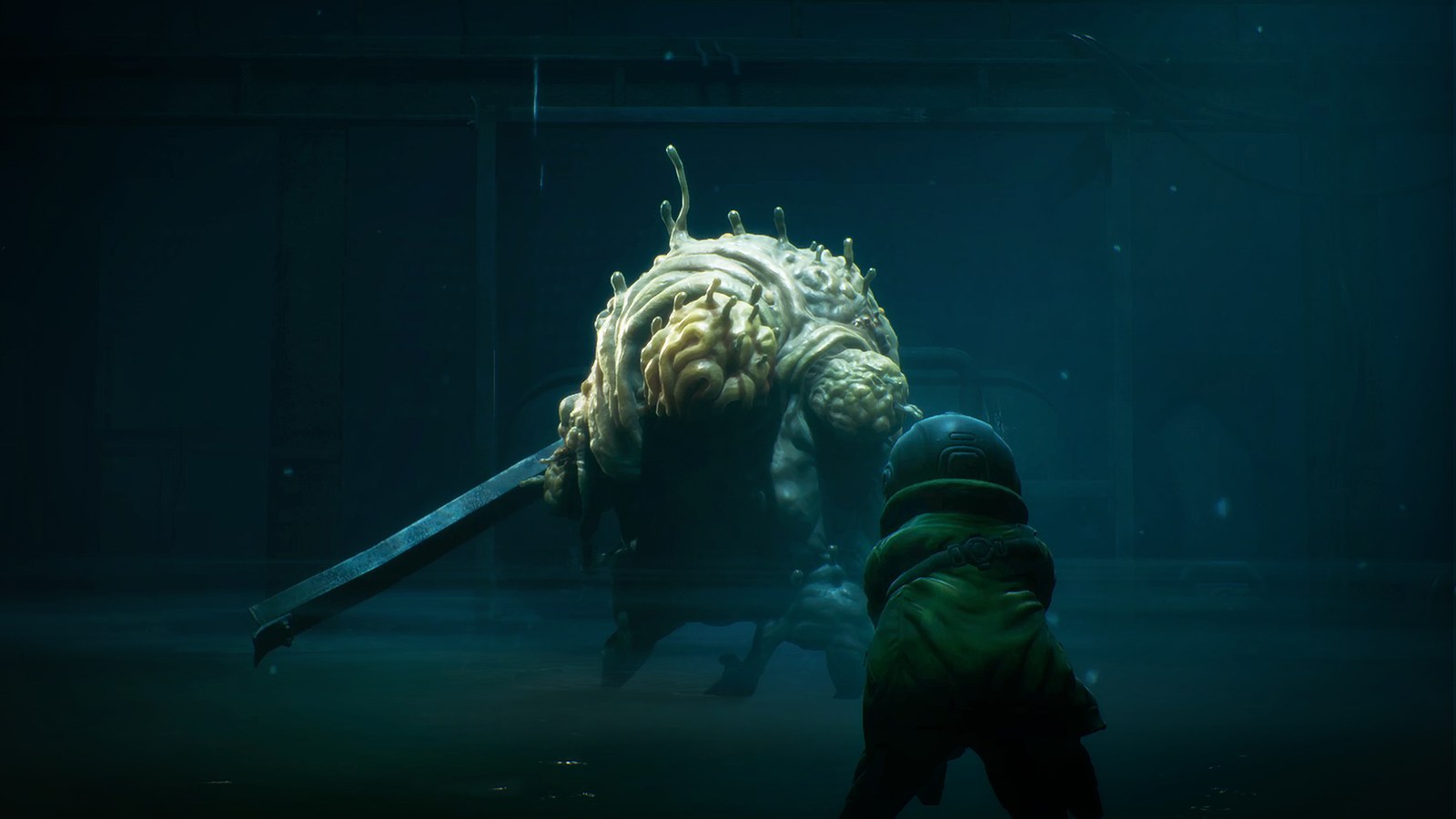
Section 9 Interactive’s atmospheric metroidvania End of Abyss received a newly released patch just one day after its launch on PlayStation 5, Xbox Series X|S, and PC via the Epic Games Store, resolving most of the issues that had marred my initial review. The studio moved quickly to correct the game’s flaws, delivering fixes within roughly 48 hours of the title going live—a turnaround that has left even the journalist who covered its debut scrambling to update an already aging assessment.
The core problem centered on the in-game map, which occasionally shared incorrect information during play. It would tell me a door was locked when I had actually unlocked it, or fail to signify when I’d found the key to a particular door. In a metroidvania—a genre built around exploration and extensive backtracking via roundabout paths—this kind of faulty guidance is particularly damaging. When planning long treks across the world based on unreliable cartography, discovering too late that you had been misled was genuinely frustrating.
The patch has now addressed that issue, along with several others I encountered during my time with the game. Yet its arrival presents an uncommon situation for a reviewer: my review only went out two days ago, and the game launched just yesterday, meaning much of what I wrote is already outdated. In this era of live-service games and post-launch updates, it’s common for titles to change shape over time, but having End of Abyss fix many of its lesser flaws essentially right after a critic’s deadline isn’t normally how things go.
The Two Common Scenarios For Launch Fixes
Usually big, important changes happen in one of two ways. In the first common scenario, a game that critics are playing for review may be patched during that pre-release review period. It’s often the case that critics are made aware of bugs we might see, and we’re usually told when they’ve been patched out, or that those fixes are part of the “day one” patch that comes with the game’s public launch, leaving us to confirm as much once the patch drops.
This even applies to End of Abyss. I bumped into a few bugs during my time with the game, and the very worst of them—in which a boss failed to drop a quest item—was patched just a few hours before I had to write my review, allowing me to beat the game on time. That made the issue irrelevant to my review, and thus I didn’t even specifically call it out. If the public wasn’t going to experience it, then I take it as my job to basically erase it from my memory of the experience—or at least, if I do mention it, I should explain how it’s no longer a concern for players jumping in at launch.

In the second common scenario, a game changes shape much later in its lifespan, probably over the course of several updates. Titles like Sea of Thieves, Overwatch, and Fallout 76 are great examples. These kinds of games often become the subject of re-reviews years later. But it’s not just multiplayer games that do this. Games such as Starfield, Mass Effect 3, and Cyberpunk 2077 have been affected by such major changes that they merited follow-ups too.
A Rarer Case Entirely
End of Abyss is a much rarer case. The game just came out, and my review could only speak to my own experience, so it does—but I had planned to revisit it once my biggest problems were addressed and write something that says, “Hey, it’s better now!” when I could recommend it with more confidence. I just didn’t expect that would happen a mere 48 hours after publishing my thoughts on the game.
Section 9 Interactive’s debut landed in a weird gray area, where some important fixes came neither early enough for my review to consider them, nor late enough for my review to feel like it accurately reflected the experience of playing the game for a reasonable period of time. As it stands, only the players who jumped in yesterday—likely a relative few compared to the many more who will play the game over the next several years—bumped into the map issue I had during my time with it. No one else will ever have to deal with it.
The patch has fixed that, among other problems, and it presents an uncommon issue for me. My review only went out two days ago. The game only launched yesterday. Now much of my review is already outdated.
Mark Delaney, GameSpot Editor
The outcome is good for players and good for the studio, even if it leaves reviews like mine feeling more swiftly outdated than anything I can remember writing. The map bug that dogged my playthrough will essentially exist only as a footnote in gaming history—a problem encountered by critics and day-one players before being quietly corrected.
Looking Ahead
With the most glaring issues resolved, End of Abyss now stands as a more polished experience than it did at launch. Players who pick up Section 9 Interactive’s debut metroidvania can expect to navigate its sprawling, backtracking-heavy world without being misled by faulty cartography—a significant improvement for a genre where reliable maps are essential. As the studio continues to support its title over the coming years, this rapid response sets an encouraging precedent for how quickly smaller studios can address concerns and refine their games post-launch.























1 comment