I’m going to teach you to love hidden object games
Hidden object games have long carried a reputation as the genre that "serious" gamers look down upon—low-effort, vacuous titles dismissed as proto-slop...
Hidden object games have long carried a reputation as the genre that “serious” gamers look down upon—low-effort, vacuous titles dismissed as proto-slop and relegated to what many assume is their mother’s playlist. But in a new feature piece published on PC Gamer, columnist Rick Lane mounts an impassioned defense of the category, arguing that these games are legitimate, worthy of respect, and far more varied than casual observers might expect.
The article arrives amid ongoing conversations about how gaming culture categorizes—and devalues—certain genres. While violence remains at the core of much mainstream gaming, from Call of Duty to Dota to Grand Theft Auto, Lane insists there is a vast world beyond it: you can drive a bus, manage a cycling team, collect mushrooms on another planet, or play bizarre card games. So why should simply sitting back and searching for objects be treated as inferior?
A personal conversion story
Lane traces his own introduction to the genre back to 2009, when he discovered Find Your Own Way Home—an advergame tied to an REO Speedwagon album of the same name. He was surprised to find it genuinely good: relaxed, undemanding, and fun in a way that evoked listening to nostalgic album-oriented rock.
“I’ve played an awful lot of hidden object games in the years since, and I’m not going to pretend that they’re all good,” Lane writes. “But in that sense, they’re no different than any other genre. Which is the point: You may not like them, but it’s time to start showing them some proper goddamn respect.”
The chilliest options on the market
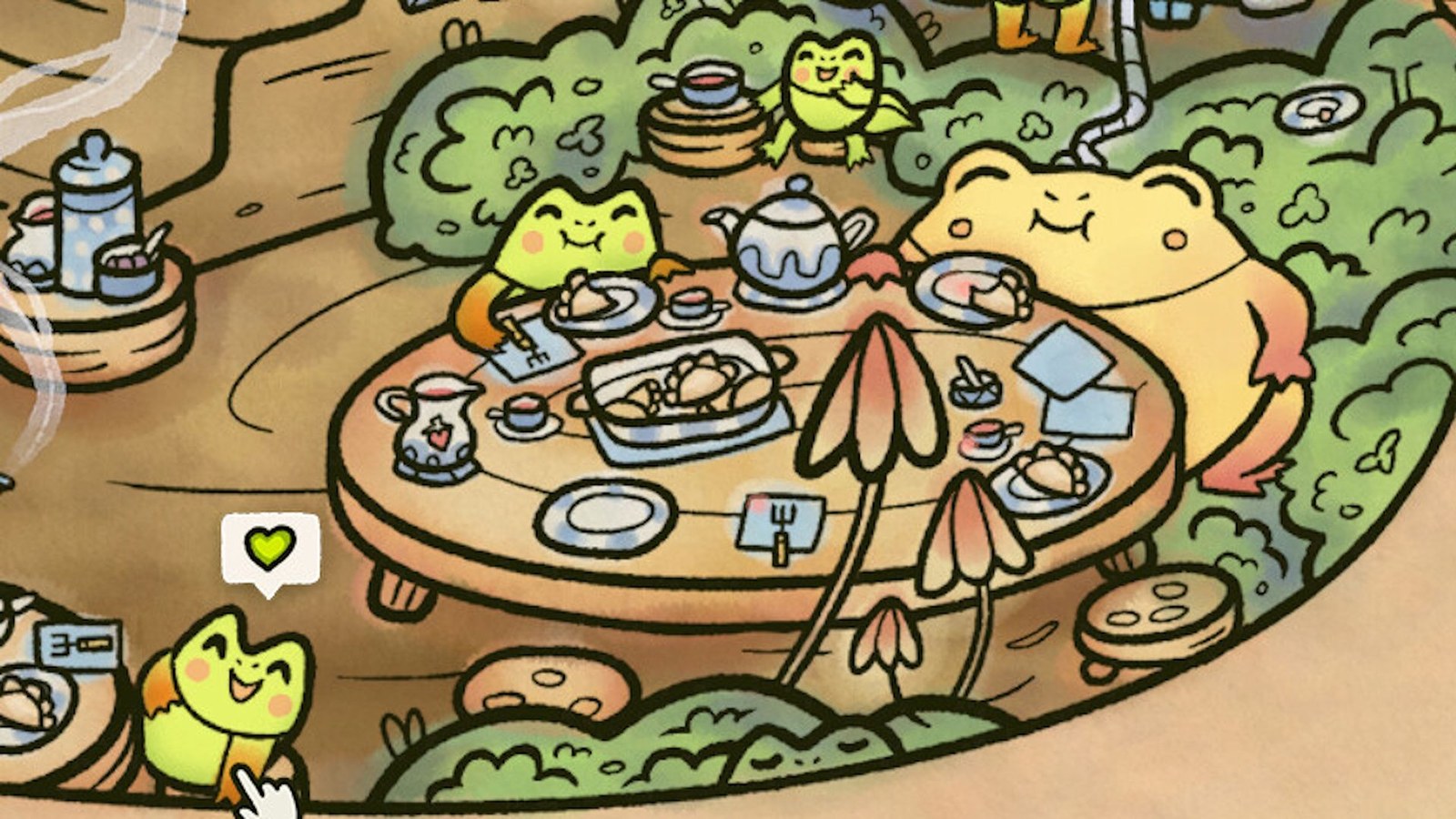
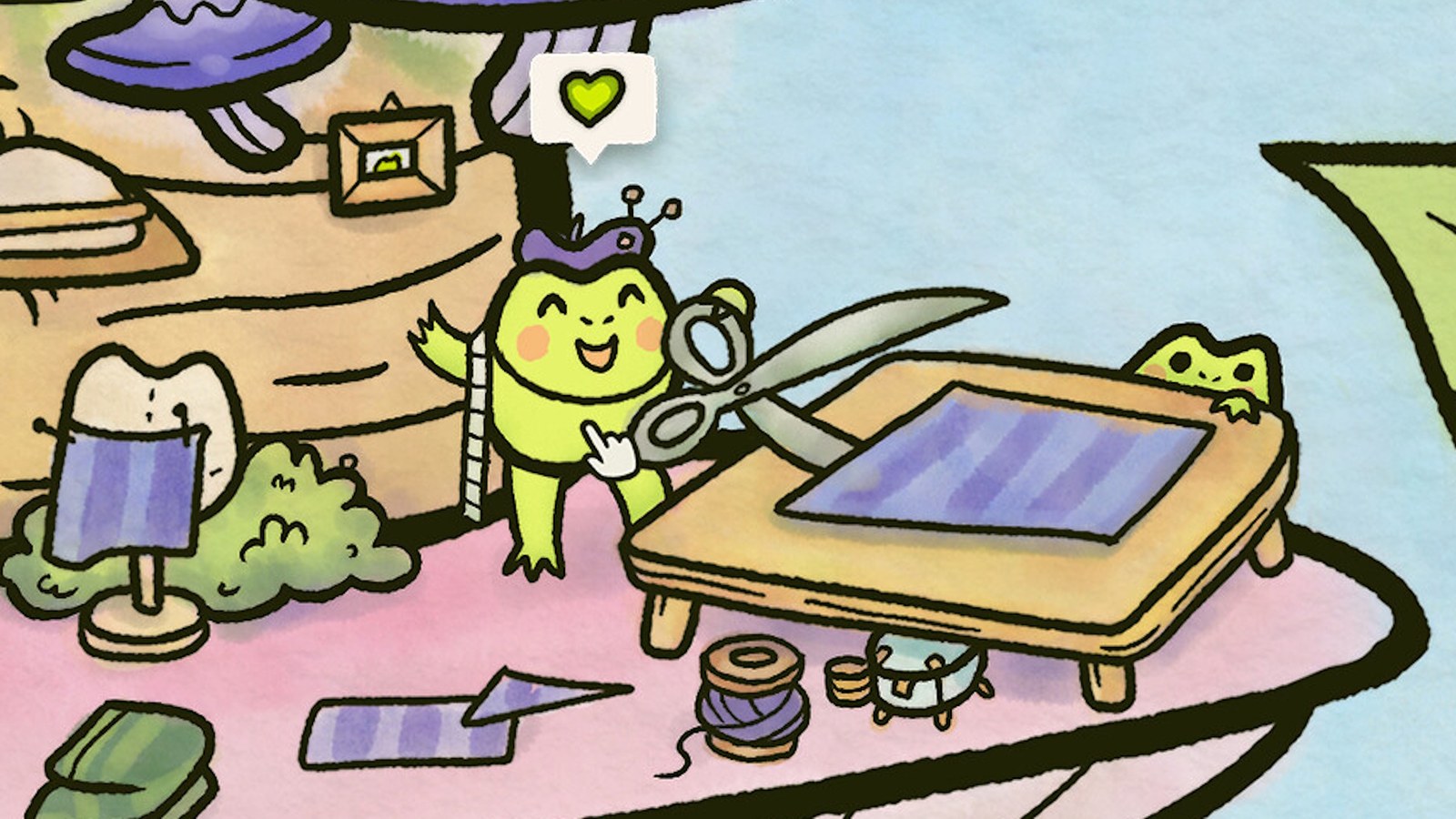
Among Lane’s top recommendations are Find My Frogs and its sequel, which he describes as “supremely chill.” Free from timers, click limits, penalties, or any sense of pressure, these titles offer a sweet and wholesome game world enhanced by a day/night cycle and effective ambient audio. The result is an experience Lane likens to interactive ASMR—a “turbo-relaxo” vibe designed for pure relaxation.
“They are supremely chill: No timers, no click limits, no penalties or pressure of any kind, and the game world itself is about as sweet and wholesome as you can get.”
Rick Lane, PC Gamer
A demo for Find My Frogs: Branches is available on Steam, allowing players to sample the experience with zero risk.
The bees (and everything else)
Lane also highlights a broader series featuring not just bees but cats, dogs, ladybugs, frogs, pigeons, mice, and unicorns. These titles follow a similar pattern—hundreds of tiny animals stashed in crowded scenes waiting to be found—but lean even more toward a state of effortless focus.
“The world fades, but the bees remain,” Lane writes, noting these games suit players who want to actually hunt things down rather than simply relax completely. The series is available for free on Steam, making it an accessible entry point for skeptics.
Creative mashups and genre-bending titles
Beyond the relaxing offerings, Lane showcases how far the genre has evolved. Sniper Dan—a recommendation from PC Gamer contributor Rick Lane’s colleague—combines hidden object gameplay with FPS mechanics in unexpected ways. Despite its name, the game is about solving everyday problems: a character named Dan uses his rifle to fix taps, clear leaves, open stuck suitcases, and plant flowers.
Cat Me If You Can pushes boundaries further by rendering everything in full 3D, requiring players to physically move around environments to locate elusive kitties. Though Lane acknowledges the added complexity might overwhelm those unfamiliar with FPS-style movement, he calls it a fun twist on the genre.
The classics and beyond
For those curious about the traditional style that made hidden object games popular in the first place, Mystery Case Files: The 13th Skull stands as a standout entry. Lane describes it as “the OG experience”—a spooky tale of ghosts, curses, and disappearances that players must solve themselves.
Meanwhile, Morels: The Hunt 2 stretches the definition further still, functioning more as a walking simulator than a conventional hidden object game. Its core mechanic—spotting and digging up tiny mushrooms—fits comfortably within the genre while its expansive outdoor elements demonstrate remarkable flexibility.
A call for respect
Lane acknowledges he isn’t naive about reaching everyone. “I don’t expect that I’ve suddenly convinced 30% of PC Gamer’s readership to stroke their chins thoughtfully and say, ‘Hmm, yes, perhaps I have been missing out,'” he admits. But he maintains it is time to shed the unearned shame attached to playing these games.
“Like ’em or not, hidden object games are real games, every bit as valid and legit as anything else out there,” Lane concludes. “And seriously—try one! You might just like it.”
Copyright in the content and news published on this platform is not reserved, and the material may be shared with attribution. Much of the news is compiled from publicly available domestic and international press sources. Responsibility for the accuracy of claims, data, and material attributed to those sources rests with the source organizations; the platform does not assume responsibility for them. Third-party images, logos, and openly licensed materials remain subject to their original source and license terms.
To submit original news, articles, press releases, or content notices for publication, please contact us:



























1 comment